
Industry News
Curation by industry experts
Hot Articles
Popular Tags
Digital gear integration sounds simple until legacy systems get involved
Digital gear integration often looks straightforward on paper, but legacy systems quickly expose hidden compatibility, reliability, and data-flow challenges. For technical evaluators, understanding where old infrastructure constrains new performance is essential to making sound upgrade decisions. This article explores how manufacturers can bridge traditional mechanical assets with connected transmission technologies while reducing risk, protecting uptime, and improving long-term operational efficiency.
What does digital gear integration actually mean in a legacy environment?
In modern industrial settings, digital gear integration usually refers to connecting gear drives, reducers, motors, sensors, controls, and maintenance data into one usable operational system. On newer production lines, this may be built into the equipment architecture from the start. In older plants, however, digital gear integration often means adding visibility and control to machines that were designed long before Industrial Internet of Things platforms, predictive maintenance tools, or unified communication protocols became common.
For technical evaluation personnel, the issue is not whether digital gear integration is valuable. The real question is whether the existing mechanical and electrical foundation can support that integration without introducing instability. A gearbox may still perform well mechanically, yet its surrounding ecosystem may lack the sensors, interfaces, controller compatibility, or network security needed for dependable data exchange. This gap is where many upgrade projects become more complex than expected.
Legacy environments also create uneven digital maturity. One section of a plant may run on modern PLCs and Ethernet-based protocols, while another still depends on serial communication, manual inspection, or undocumented custom logic. That means digital gear integration is rarely a single installation task. It is a layered engineering effort involving transmission performance, controls architecture, operating context, maintenance routines, and data usability.
Why do legacy systems make digital gear integration harder than expected?
Legacy systems complicate digital gear integration because they were optimized for robustness, not interoperability. Older reducers, couplings, seals, and drive assemblies may still be dependable from a mechanical standpoint, but their control environment often lacks standardized inputs, continuous condition monitoring, or the processing capacity to support advanced diagnostics. As a result, integration teams must solve not only mechanical fit but also communication, signal quality, and system behavior under real operating loads.
There are several reasons these projects become difficult:
- Documentation is incomplete, outdated, or unavailable, making interface mapping uncertain.
- Mechanical assets may have undergone years of field modifications that were never formally recorded.
- Existing controllers may not support modern protocols used by smart gear systems or monitoring devices.
- Sensor placement is limited by housing geometry, contamination risk, heat, vibration, or safety restrictions.
- Data from older assets may be inconsistent, low-frequency, or too noisy to support reliable analytics.
Another major challenge is operational sensitivity. In many factories, even short interruptions can affect throughput, quality, and delivery commitments. Technical evaluators therefore must judge not only whether digital gear integration is technically possible, but whether it can be implemented without creating unacceptable downtime risk. In sectors relying on continuous material flow, packaging, processing, or heavy-duty motion systems, that question becomes central to approval decisions.
Which assets and scenarios are best suited for digital gear integration first?
Not every gearbox or transmission asset should be digitized at the same time. A smart evaluation approach starts with equipment where improved monitoring or control can materially reduce failure risk, maintenance cost, or process uncertainty. For technical evaluators, the best starting point is usually not the oldest machine, but the asset where digital gear integration produces the clearest operational return with manageable implementation complexity.
Priority candidates often include high-load reducers, gear drives in bottleneck production lines, assets exposed to variable speed and torque conditions, and machines where failure causes long repair times. Equipment in dusty, hot, or high-vibration environments may also benefit because condition-based monitoring can reveal lubrication issues, misalignment, seal degradation, or abnormal thermal patterns earlier than manual inspection.
Digital gear integration is especially practical when the business case aligns with one or more of the following conditions:
- The asset has a history of unplanned stoppages or repeated maintenance events.
- The gearbox or reducer is critical to line availability.
- Spare parts lead times are long, making early warning valuable.
- The site is already building a broader reliability or energy-efficiency program.
- There is enough baseline operating data to compare before and after performance.
For organizations following Industry 4.0 and green manufacturing targets, these first-phase projects create a bridge between mechanical reality and digital ambition. That is why intelligence-led evaluation matters. Platforms such as GPT-Matrix are valuable in this context because technical decisions increasingly depend on both component-level understanding and wider market insight, including material performance trends, transmission reliability data, and integration pathways for legacy-heavy industrial environments.
What should technical evaluators check before approving a digital gear integration project?
Before approval, technical evaluators should confirm that the project is grounded in measurable plant needs rather than general digital enthusiasm. A reliable digital gear integration plan begins with asset criticality, current failure modes, communication feasibility, and maintenance readiness. If these areas are weak, even high-quality hardware may underperform once deployed.
A useful way to structure the review is to examine five dimensions: mechanical condition, electrical compatibility, data architecture, operational risk, and lifecycle economics. These categories help separate projects that will scale from those likely to become isolated pilot efforts.
It is also wise to ask whether plant teams can act on the data once it is available. If maintenance crews are already overloaded, or if there is no defined process for alarm response, digital gear integration may produce dashboards without decisions. Effective integration links data capture with maintenance planning, engineering review, and spare-parts strategy.
What are the most common mistakes in digital gear integration projects?
One common mistake is assuming the project is mainly about adding sensors. In reality, digital gear integration is a systems problem. If vibration, temperature, load, lubrication, and speed signals are not interpreted within the operating context, the output may be technically impressive but operationally weak. Data without context rarely improves reliability.
A second mistake is underestimating the condition of the legacy asset itself. Some teams attempt to digitize transmission equipment that already suffers from backlash, poor lubrication practices, mounting issues, or seal wear. In these cases, smart monitoring may detect the symptoms, but it does not solve the root problem. Technical evaluators should distinguish between assets ready for digital optimization and assets that first need mechanical correction.
Other frequent missteps include:
- Choosing a platform based on software features while ignoring field installation limits.
- Failing to involve maintenance and controls teams early in the evaluation stage.
- Treating every asset as equally important instead of prioritizing critical equipment.
- Expecting immediate predictive maintenance outcomes from insufficient historical data.
- Neglecting cybersecurity and remote-access controls for connected transmission systems.
Another misconception is that digital gear integration automatically lowers maintenance cost. It can, but only when alert thresholds, response workflows, and engineering accountability are defined. Otherwise, the plant may simply exchange manual inspections for digital noise. The strongest projects combine hardware selection with governance on data ownership, analysis responsibility, and escalation logic.
How should companies compare retrofit integration with full replacement?
This is often the decisive question. When legacy limitations become severe, companies must decide whether to retrofit the existing transmission system or replace it with a digitally native solution. The answer depends on remaining mechanical life, integration complexity, process criticality, and long-term expansion plans. Technical evaluators should avoid treating retrofit as automatically cheaper or replacement as automatically superior.
Retrofit-based digital gear integration is usually attractive when the core gearbox or reducer remains structurally sound, mounting geometry is difficult to change, and the production line cannot support a full redesign. It is also useful when companies want phased modernization across multiple sites. In contrast, full replacement may be more economical when the existing asset requires repeated repair, lacks spare-part support, or depends on obsolete controls that make integration increasingly fragile.
A practical comparison should include total installed cost, downtime during changeover, expected reliability improvement, energy performance, maintenance skill requirements, and future interoperability. In many cases, the better option is a hybrid path: retain viable mechanical assets, upgrade interfaces and sensing, and schedule full replacement only for the highest-risk units. This staged model lowers disruption while improving decision quality over time.
What does a low-risk implementation path for digital gear integration look like?
A low-risk path begins with scoping and evidence. First, identify a small group of critical assets and define what decision the new data should support. That could be earlier detection of lubrication failure, validation of torque variation, reduction of emergency maintenance, or confirmation of energy-loss patterns. Without a clear decision target, digital gear integration tends to drift into feature-based procurement.
Second, perform an asset-readiness review. This should cover mechanical health, sensor mounting feasibility, controller compatibility, signal routing, environmental constraints, and maintenance team capacity. Third, install on a pilot basis and compare results against baseline operating conditions. Pilot success should not be measured only by whether data appears on screen, but by whether the plant gains useful insight that changes action.
Finally, standardize lessons before scaling. That means documenting interface standards, alarm logic, maintenance procedures, and preferred component types. For multi-site manufacturers and distributors, this is where strategic intelligence becomes valuable. Access to sector news, transmission technology trends, and material reliability developments can help evaluators select solutions that remain relevant as automation requirements evolve. In that sense, digital gear integration is not just a retrofit task; it is part of a broader industrial capability-building process.
What should be discussed first if a company wants to move forward?
If the next step is supplier discussion, internal approval, or external technical consultation, the first conversation should focus on plant realities rather than product catalogs. Start by clarifying which assets are critical, what failures cause the most business pain, what legacy controls are in place, and what level of downtime is acceptable during implementation. Then confirm what data is needed, who will use it, and how success will be measured after deployment.
It is also important to ask about component compatibility, expected project phases, validation methods, spare-parts implications, and cybersecurity responsibility. For technical evaluators, these discussions turn digital gear integration from a broad concept into a structured decision. If more detailed planning is needed, the priority topics to confirm are specific asset parameters, communication standards, installation windows, reliability targets, service support scope, and the timeline for scaling beyond the pilot stage.
Recommended News
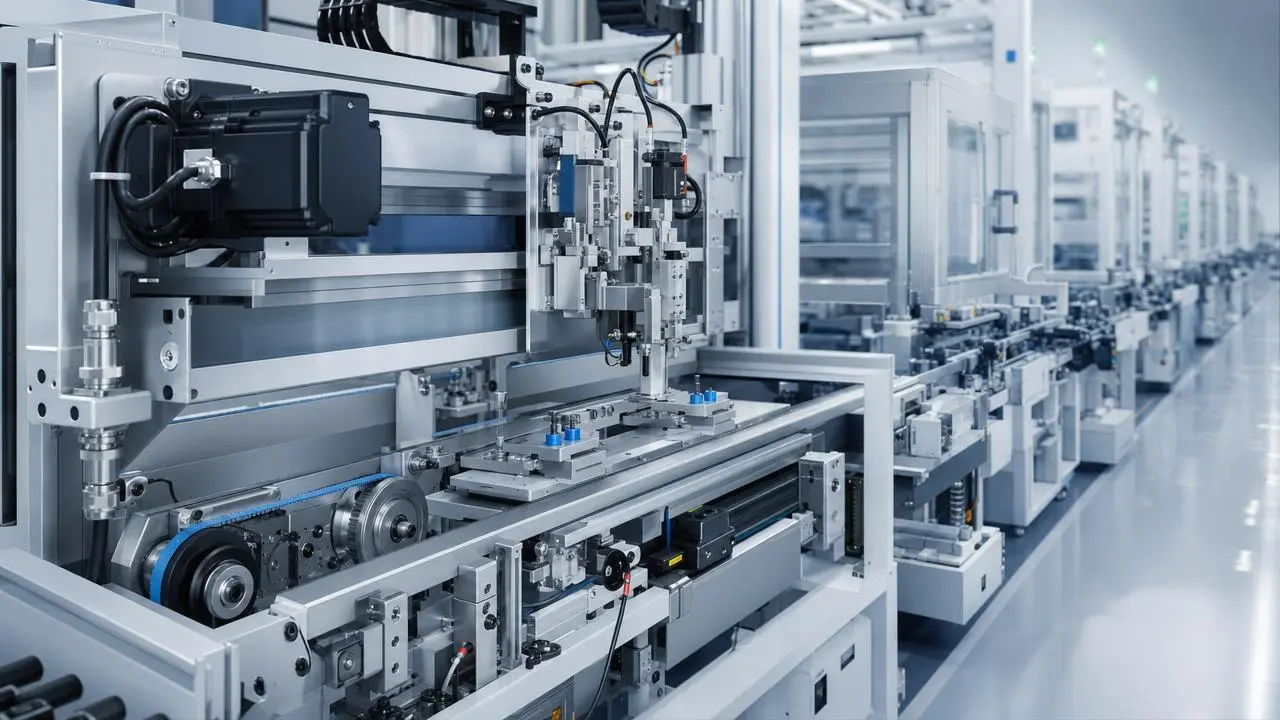
When Do Precision Motion Control Systems Justify the Cost?
Precision motion control systems can justify their cost when they cut scrap, downtime, energy waste, and changeover losses. Learn how to assess ROI with a practical checklist.
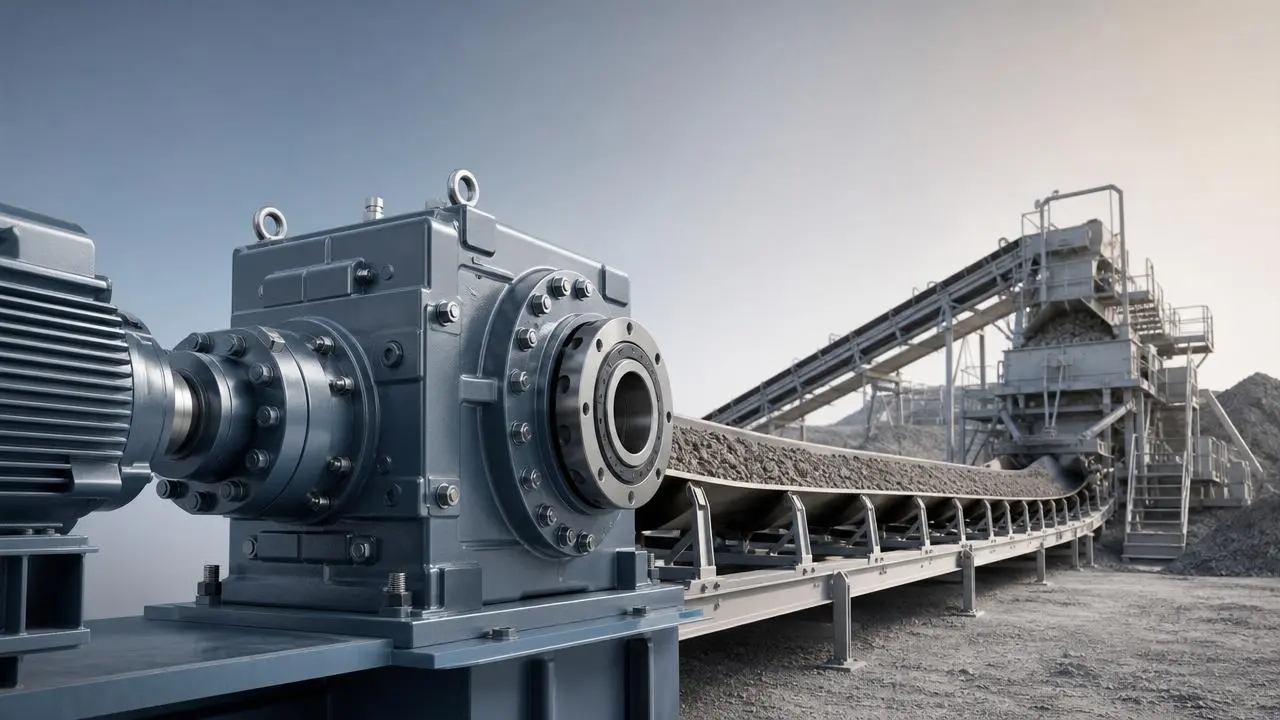
How to Compare Gear Reducers for Mining Equipment Suppliers
gear reducers for mining equipment suppliers: compare durability, technical data, compliance, service, and lifecycle cost to reduce downtime and buy smarter.
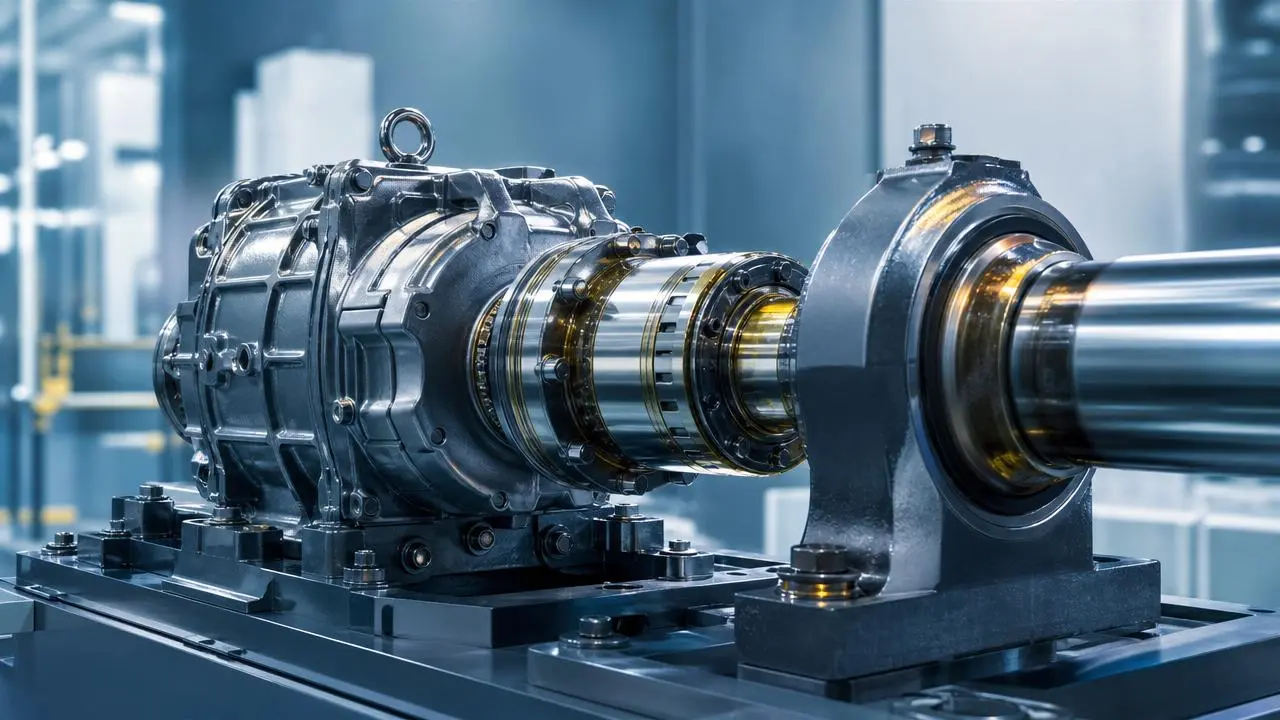
Why Reliability in Mechanical Systems Fails Under Load
Reliability in mechanical systems can fail under load due to fatigue, friction, misalignment, and heat. Learn how data-driven analysis reduces downtime.
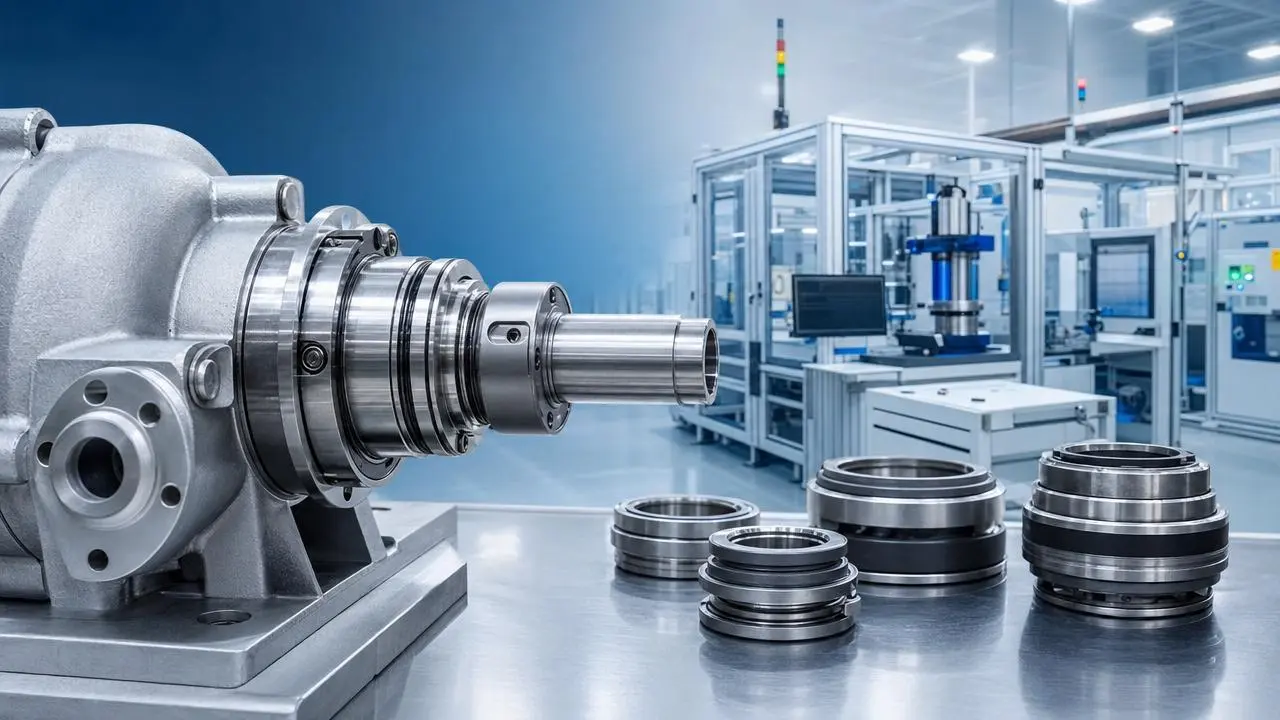
What Sets Mechanical Seals for Pumps Manufacturers Apart?
Mechanical seals for pumps manufacturers differ in materials, precision, testing, and support—discover how to choose suppliers that cut leaks, downtime, and lifecycle costs.
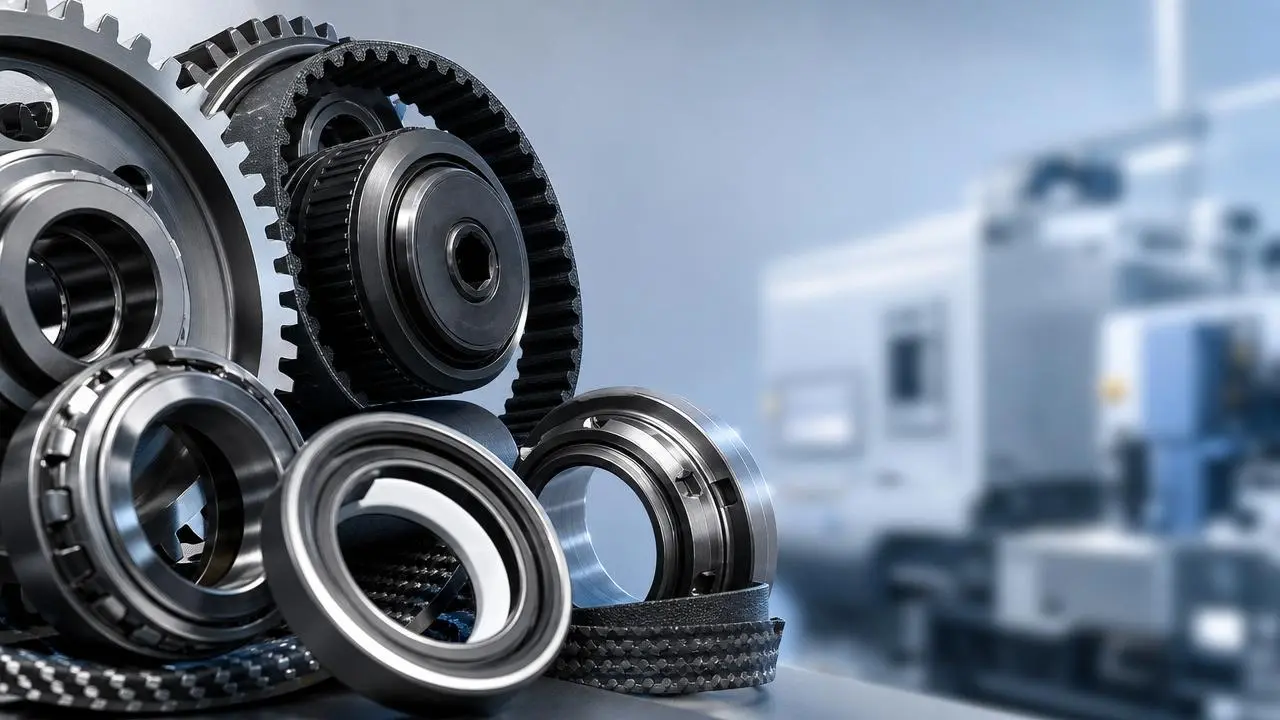
How Is Material Science Changing Industrial Design?
Material science is transforming industrial design with stronger, smarter components that improve efficiency, durability, reliability, and lifecycle value.
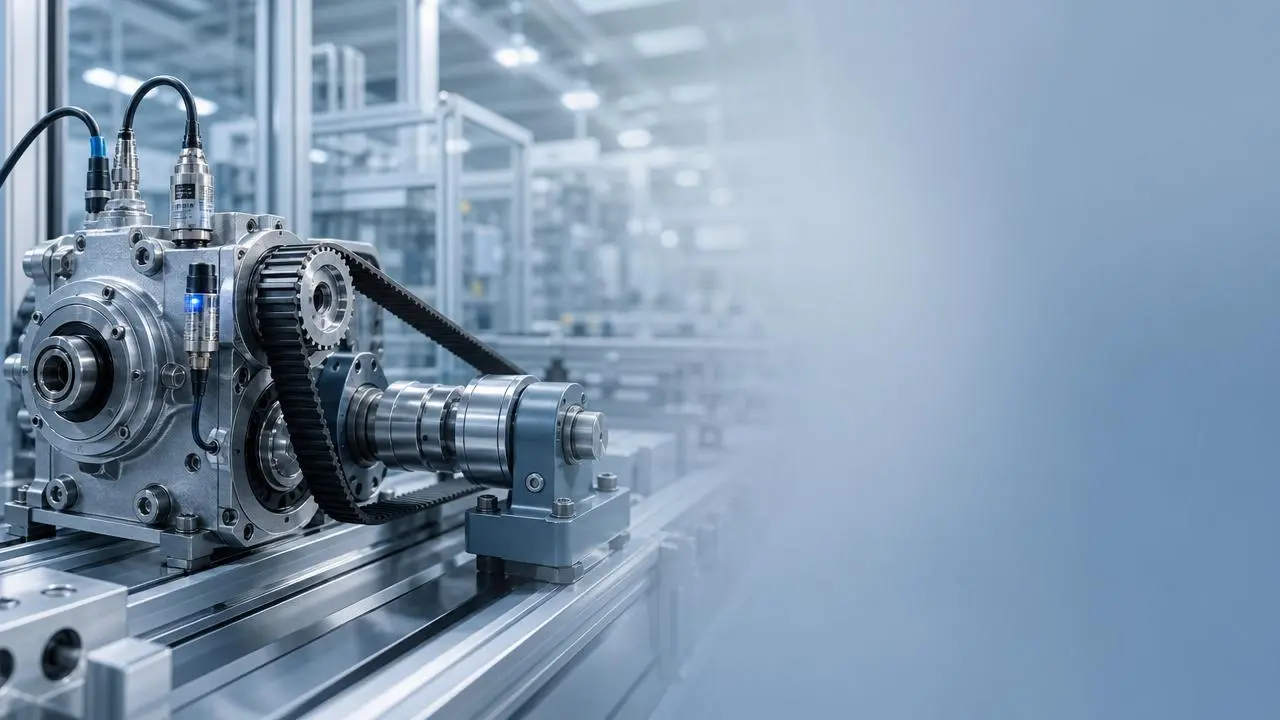
Where does reliability engineering in transmission pay off?
Reliability engineering in transmission helps cut downtime, extend component life, and lower lifecycle costs across critical belts, gearboxes, bearings, seals, and drives.
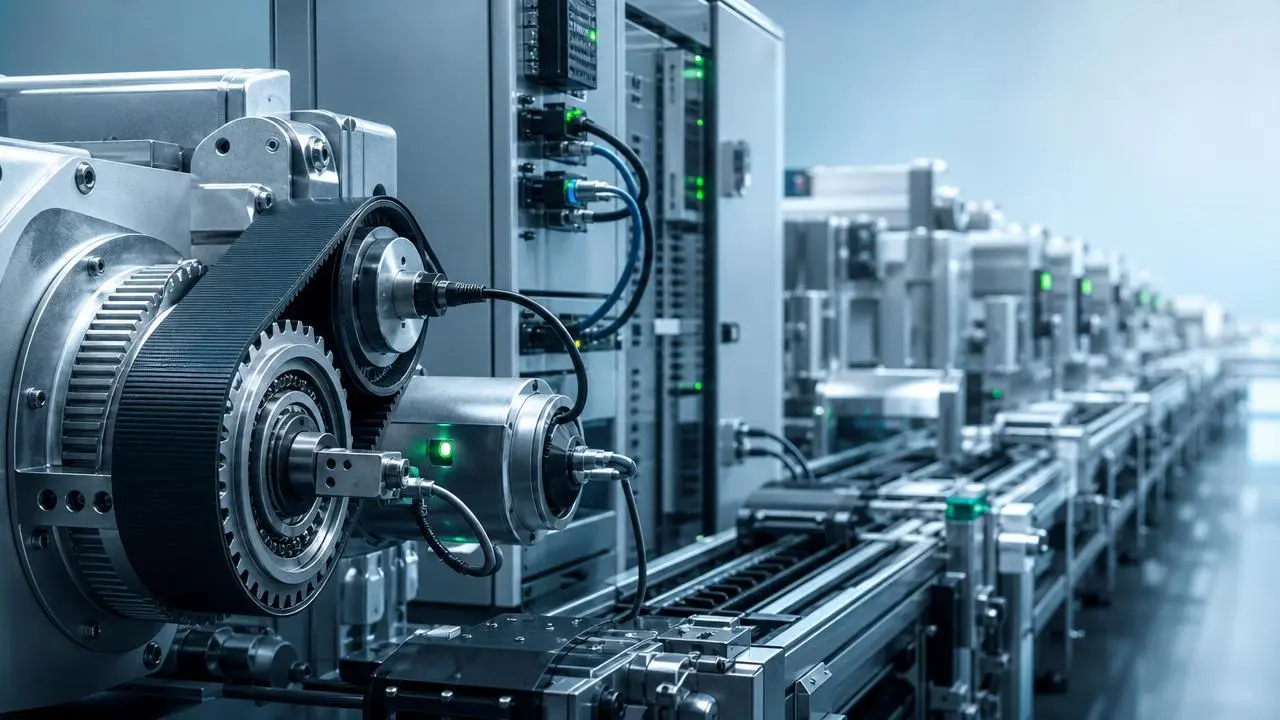
What makes digital integration in transmission worth it?
Digital integration in transmission turns mechanical assets into smart, data-driven systems that cut downtime, save energy, and boost lifecycle value.
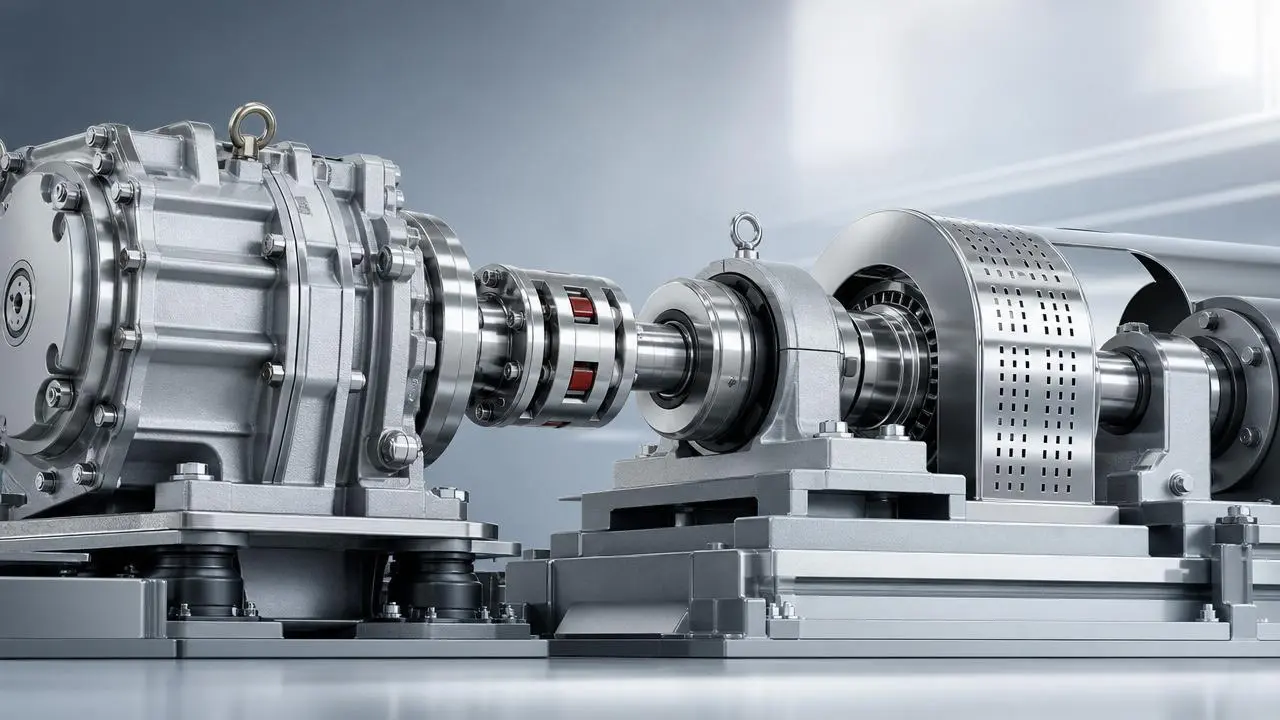
Can extreme condition mechanical systems stay reliable?
Extreme condition mechanical systems can stay reliable with smarter design, validation, and monitoring. Learn how GPT-Matrix helps reduce downtime and improve decisions.
How do Industry 4.0 automation technologies cut downtime?
Industry 4.0 automation technologies reduce downtime with predictive monitoring, real-time alerts, and smarter maintenance for more reliable, efficient production.