
Industry News
Curation by industry experts
Hot Articles
Popular Tags
Low-Maintenance Transmission Components: How to Reduce Downtime Risks
For aftermarket maintenance teams, every unplanned stoppage can trigger urgent repairs, missed production targets, and rising service costs.
Choosing low-maintenance transmission components is no longer just a procurement preference. It is a practical strategy for reducing downtime risks.
Across conveyors, gear drives, belts, couplings, bearings, and sealing systems, reliability now defines operational competitiveness.
Low-Maintenance Transmission Components Are Becoming a Downtime Control Strategy
Industrial facilities are under pressure to run longer, faster, and with fewer service windows.
This shift changes how transmission systems are evaluated. Initial price matters, but lifetime reliability matters more.
The rise of low-maintenance transmission components reflects a wider movement toward predictable production and data-supported equipment care.
Conveyors, reducers, chains, synchronous belts, couplings, and mechanical seals are no longer viewed as isolated parts.
They are now treated as connected reliability nodes inside the power transmission chain.
Trend Signals Showing Why Reliability Demand Is Rising
Several market signals explain why low-maintenance transmission components are gaining importance across general industry.
Automation increases output density. When one transmission element fails, the stoppage spreads across connected equipment.
Energy cost volatility also encourages smoother power transfer, better alignment, and lower friction losses.
At the same time, skilled maintenance resources remain limited in many industrial regions.
Components that require frequent lubrication, manual adjustment, or replacement create hidden operational exposure.
- Longer production cycles reduce available maintenance windows.
- Higher automation levels increase the cost of each breakdown.
- Remote sites need fewer manual service interventions.
- Energy efficiency goals favor low-friction transmission designs.
- Digital inspection tools make failure patterns easier to track.
What Is Driving the Shift Toward Low-Maintenance Transmission Components?
The trend is not based on one technology. It is shaped by materials, design, lubrication, and monitoring improvements.
Together, these forces make low-maintenance transmission components central to modern reliability planning.
They support fewer stoppages, steadier performance, and more predictable lifecycle costs.
Component Choices That Most Affect Downtime Risk
Downtime rarely begins with a single dramatic failure. It often starts with small, repeated degradation signals.
Selecting low-maintenance transmission components means identifying where wear, heat, contamination, and shock loads most often accumulate.
Belts and chains need stable tension behavior
Drive belts and chains often operate under dust, temperature changes, and fluctuating loads.
Low-stretch belts, wear-resistant chain materials, and precise sprocket alignment reduce adjustment frequency.
For conveyors, packaging lines, and bulk handling systems, tension stability directly reduces stoppage risk.
Gear reducers require lubrication discipline
Gear reducers are power hearts in many industrial systems. Their reliability depends on meshing accuracy and lubricant condition.
Sealed-for-life units, synthetic lubricants, and improved breather designs help extend service intervals.
These features make reducers a key category for low-maintenance transmission components.
Couplings must absorb misalignment without masking problems
Flexible couplings protect shafts, motors, and driven equipment from shock and minor misalignment.
However, excessive flexibility can hide foundation movement or poor installation.
Reliable coupling selection balances torque capacity, misalignment tolerance, heat resistance, and inspection access.
Seals and bearings control contamination pathways
Many transmission failures begin when dust, water, or process media enters the bearing zone.
High-performance seals, correct grease selection, and contamination-resistant housings lower the chance of sudden bearing failure.
This is why sealing technology belongs in every discussion about low-maintenance transmission components.
How the Trend Changes Maintenance and Supply Decisions
The move toward low-maintenance transmission components changes decision-making across maintenance, inventory, engineering, and service planning.
Maintenance work shifts from repeated intervention toward inspection quality and failure prevention.
Inventory planning also changes. Fewer emergency parts are needed when component life is more predictable.
Engineering teams gain stronger justification for standardizing reliable designs across similar machines.
- Maintenance impact: fewer emergency tasks, more planned inspections, and clearer service intervals.
- Inventory impact: reduced urgent purchases and better spare part rationalization.
- Engineering impact: stronger focus on alignment, sealing, and load matching.
- Financial impact: lower downtime exposure and more stable lifecycle cost forecasting.
Reliability Indicators Worth Tracking Before Failure Appears
The value of low-maintenance transmission components increases when inspection routines detect problems early.
A practical routine should combine visual checks, temperature readings, vibration trends, and lubrication evidence.
No single indicator is enough. Downtime risk becomes clearer when several signals move together.
Key Priorities When Selecting Low-Maintenance Transmission Components
Better selection starts with operating reality, not catalog preference.
Load variation, ambient temperature, contamination, washdown exposure, and duty cycle must define the component specification.
The following priorities help turn low-maintenance transmission components into measurable downtime reduction.
- Match load profiles: consider peak torque, shock load, starts, stops, and reversal frequency.
- Control contamination: specify seals, housings, covers, and breathers for the real environment.
- Reduce lubrication complexity: use longer-life lubricants where temperature and load permit.
- Improve alignment access: design guards and bases so inspection does not require excessive downtime.
- Standardize wisely: use common components where conditions are similar, not where risk profiles differ.
- Track lifecycle data: record failures, replacements, lubricant changes, and abnormal readings.
A Practical Response Model for Reducing Downtime Exposure
A strong response model connects component selection with inspection discipline and operational feedback.
It should not depend only on replacing old parts with premium versions.
The best results come when low-maintenance transmission components are supported by better installation and monitoring habits.
Where GPT-Matrix Sees the Market Moving Next
GPT-Matrix observes a clear connection between mechanical reliability and industrial intelligence.
Transmission components are becoming part of a broader efficiency matrix, linked to energy, materials, and service economics.
Future demand for low-maintenance transmission components will likely concentrate around three directions.
- Longer-life materials for belts, chains, gears, bearings, and seals.
- Digitally traceable maintenance records supporting predictive service models.
- Energy-efficient transmission designs that reduce friction and waste heat.
This direction supports Industry 4.0 and green manufacturing goals without ignoring daily reliability realities.
The winning approach will combine mechanical fundamentals with actionable data.
Action Steps for More Stable Transmission Performance
Downtime reduction begins with a focused review of the most critical transmission points.
Start by mapping stoppage history against belts, chains, reducers, couplings, bearings, and seals.
Then identify where low-maintenance transmission components can reduce service frequency or prevent repeated failures.
- Rank assets by downtime cost and repair frequency.
- Check whether current components match actual load and environment.
- Review lubrication intervals, contamination control, and alignment practices.
- Upgrade high-risk components first, not the easiest components first.
- Use inspection data to confirm whether reliability has improved.
Reducing downtime is not a single purchase decision. It is a disciplined reliability strategy.
With the right low-maintenance transmission components, industrial operations can extend service life and stabilize production flow.
GPT-Matrix continues to connect power transmission intelligence with practical mechanical decision-making.
Power Driving Industry, Intelligence Connecting the Globe.
Recommended News
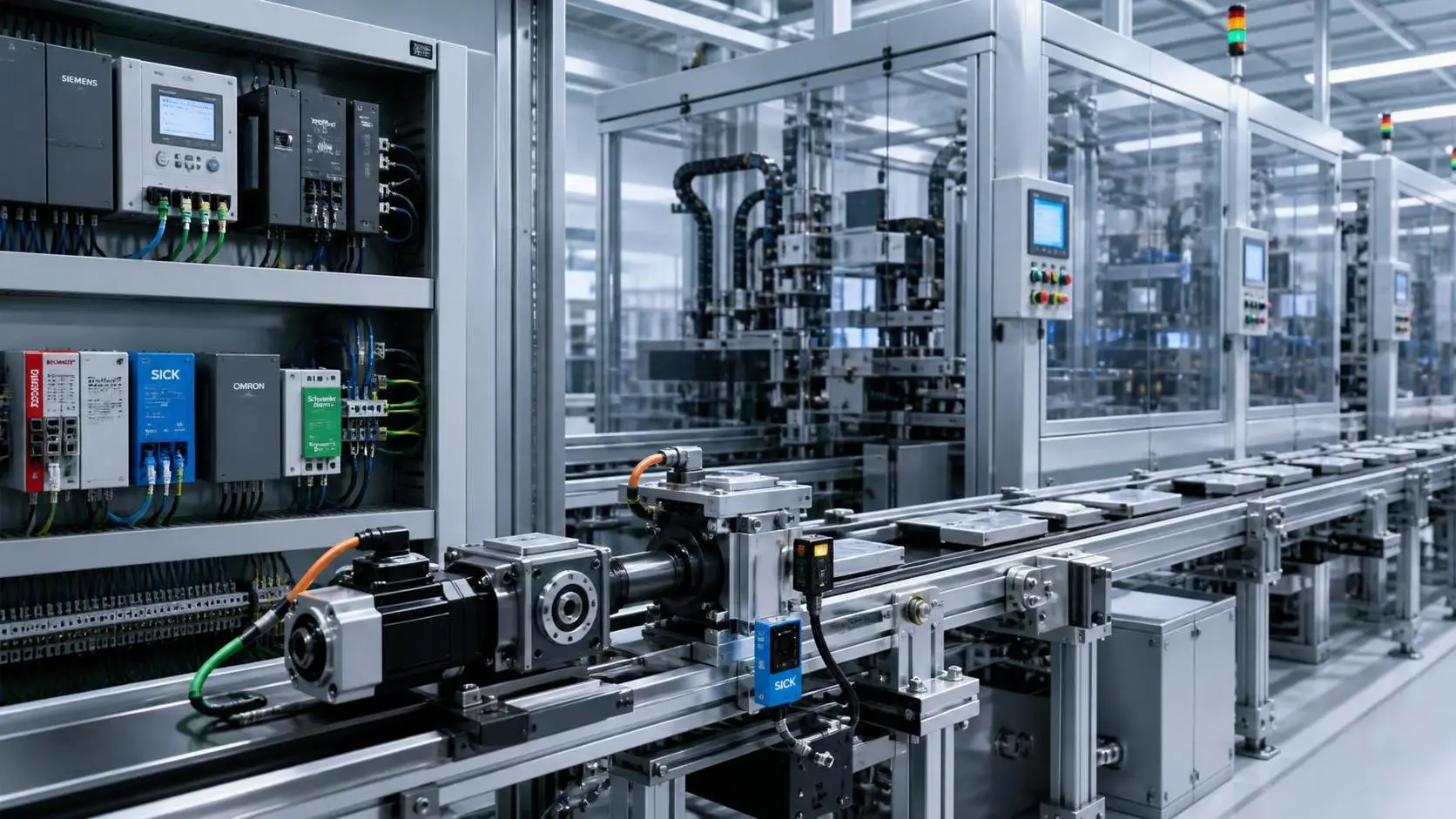
How to Integrate Industrial Automation Components Across Multi-Vendor Systems
Industrial automation components integration made practical: learn how to align multi-vendor controls, mechanics, networks, and diagnostics for reliable, scalable machine performance.
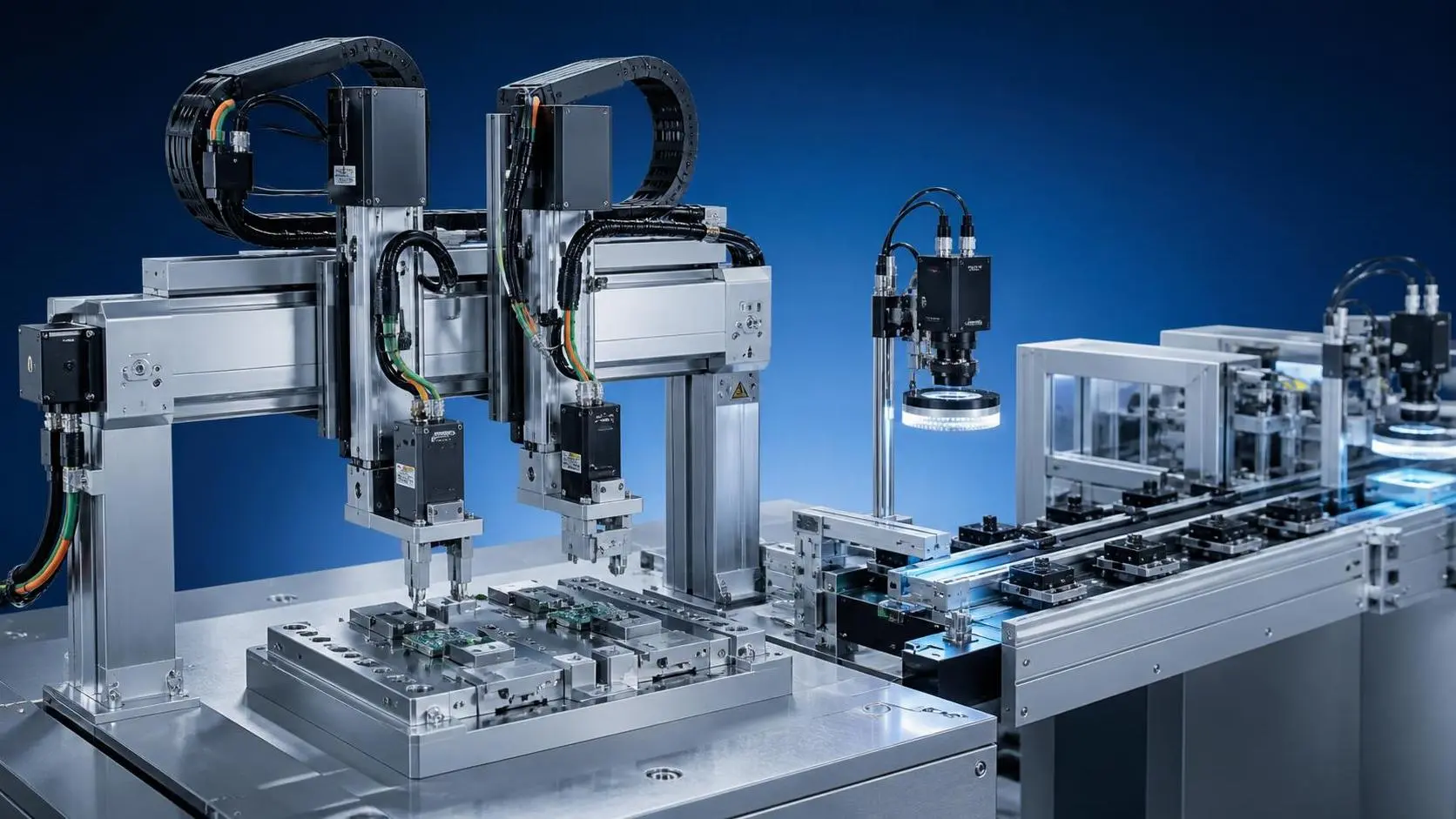
Where Linear Motors Deliver the Greatest Gains in High-Speed Automation
Explore motion control applications where linear motors boost speed, precision, and uptime. Compare high-ROI use cases, integration risks, and selection strategies.
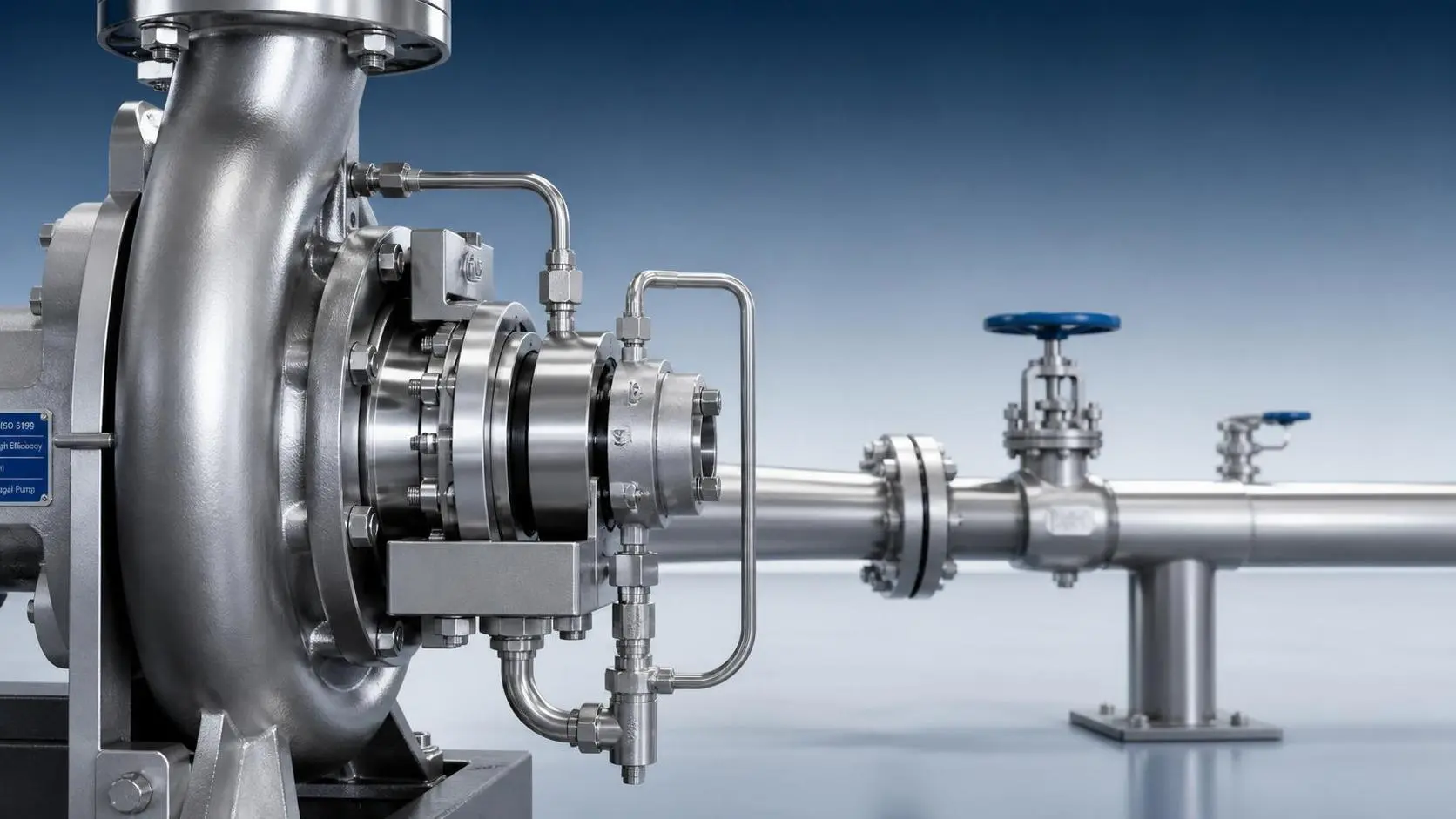
Selecting Split Mechanical Seals for Large Pumps: Shaft Size, Pressure, and Downtime
Split mechanical seals for large pumps: evaluate shaft size, pressure, fluid duty, and installation access to reduce downtime and improve sealing reliability.
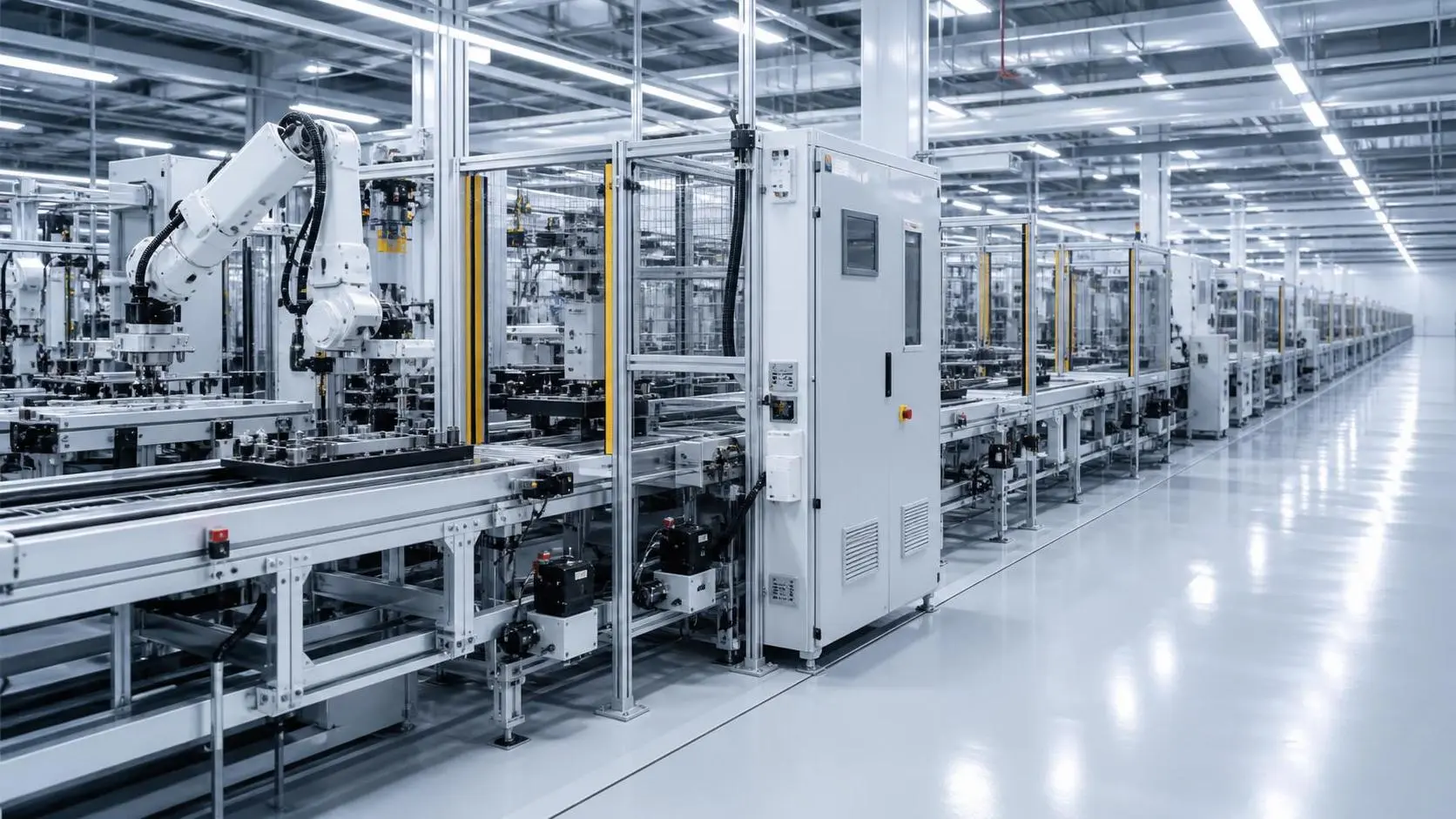
How to Evaluate an Automated Production Supplier for a High-Uptime Manufacturing Line
Automated production supplier evaluation guide: assess uptime, maintainability, lifecycle cost, service support, and acceptance criteria for reliable manufacturing.
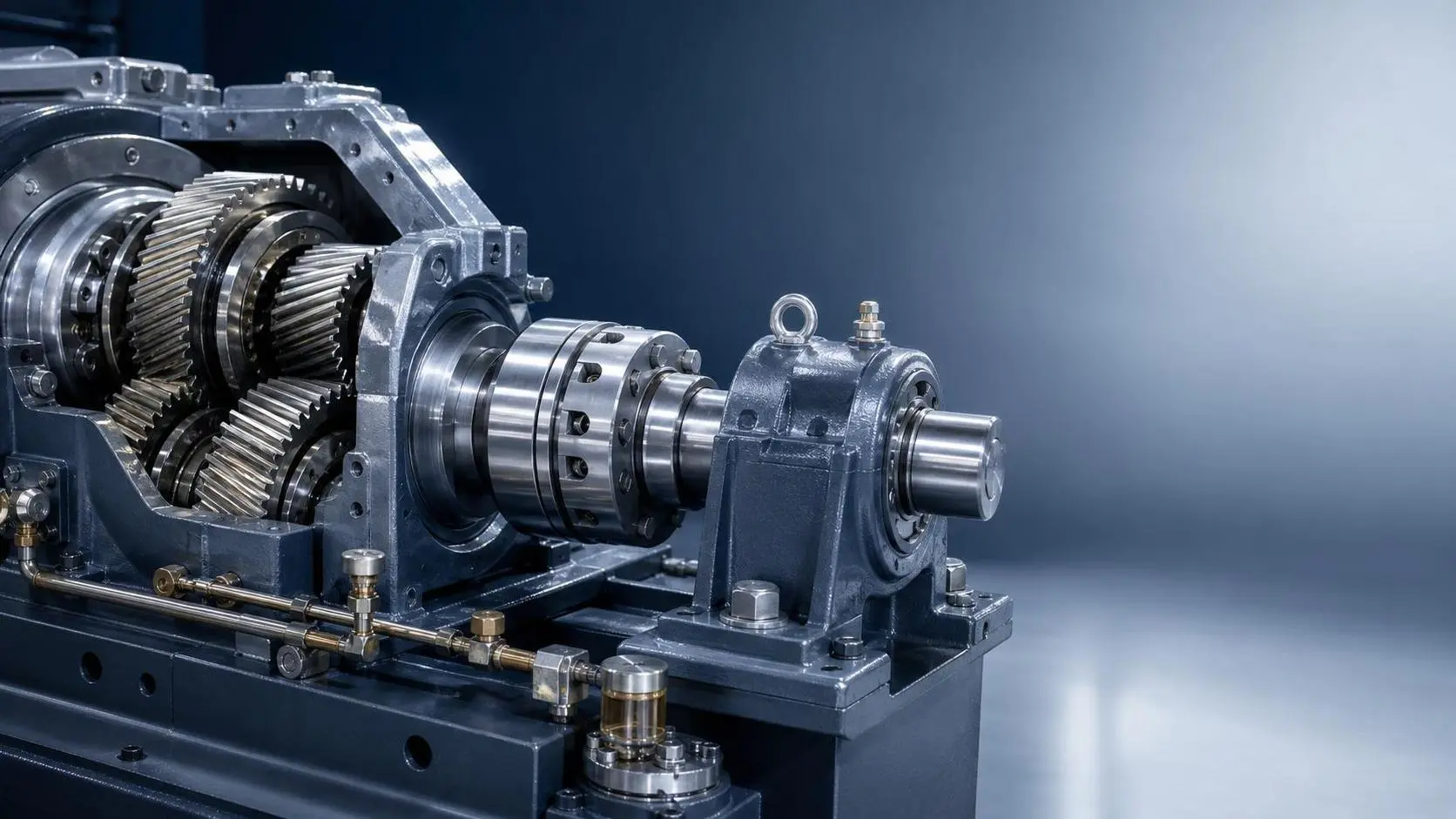
Designing Reliable Mechanical Transmissions: Load, Lubrication, and Fatigue Factors
Reliability in mechanical transmission design starts with real duty cycles. Explore load, lubrication, alignment, and fatigue factors for longer service life.
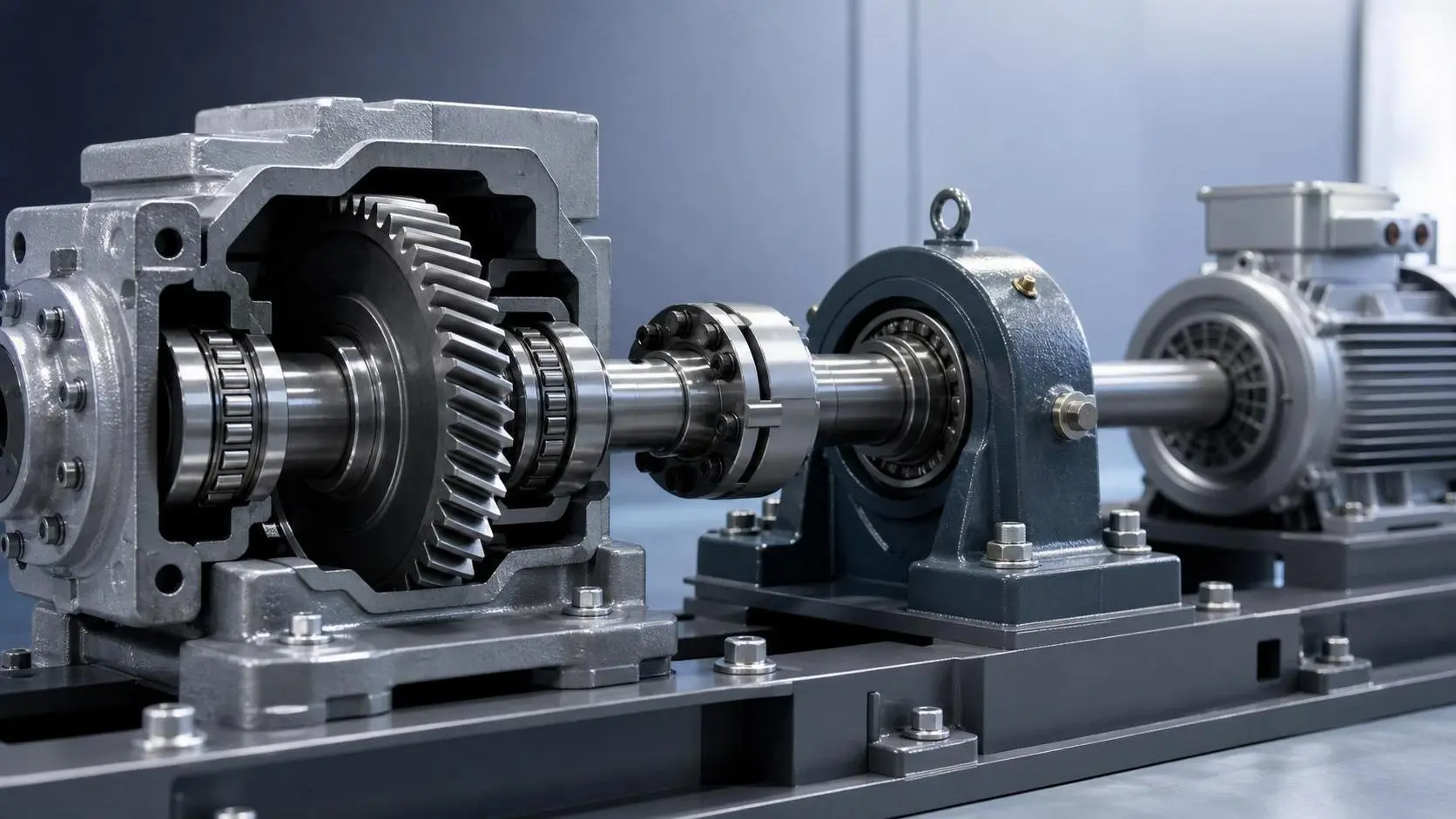
How to Define Load Requirements in Component Specifications for Safe Selection
Component specification guidance for load requirements: define load paths, duty cycles, peaks, environmental limits, and safety margins for safer component selection.
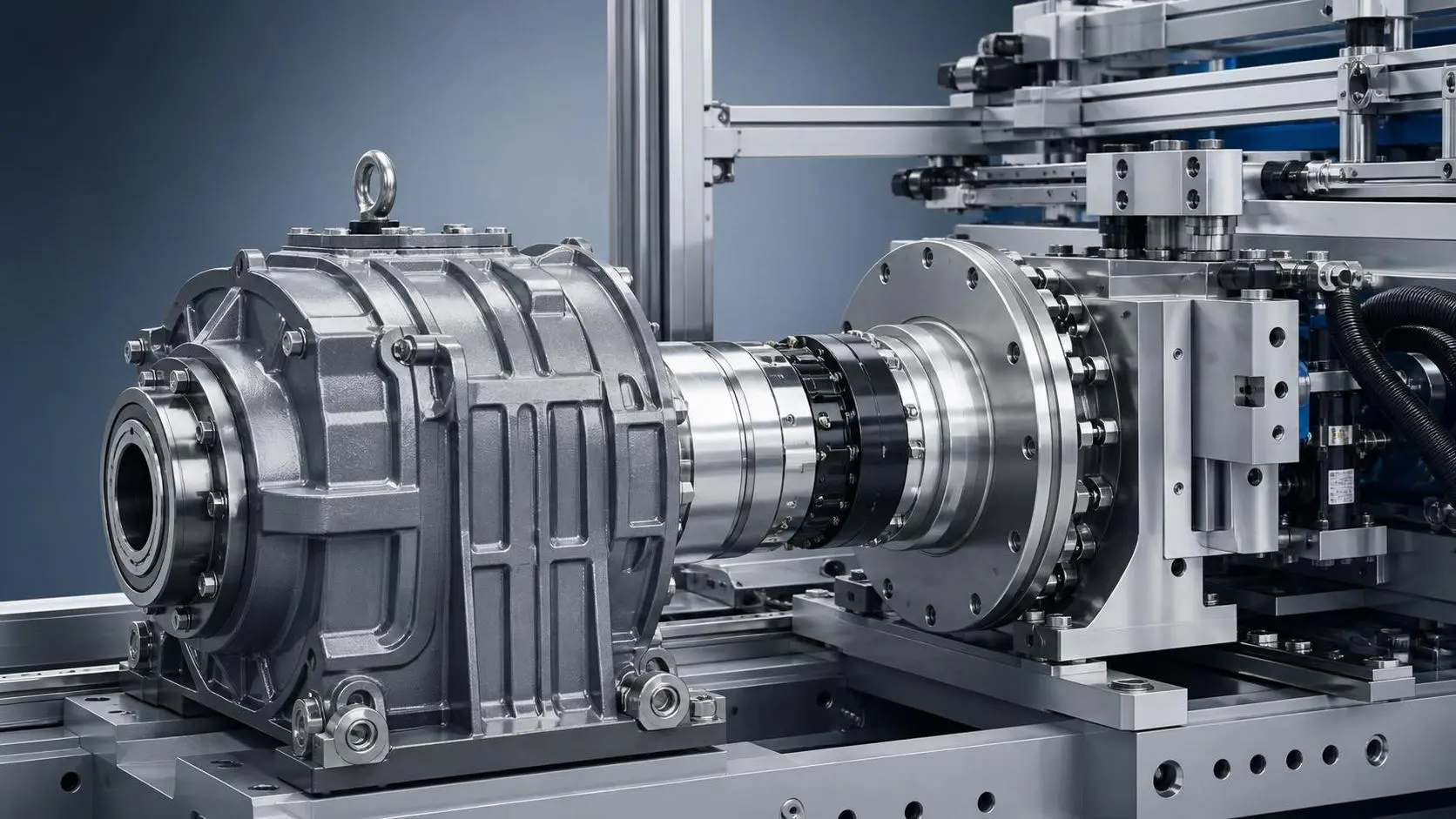
How to Evaluate Precision Engineered Transmissions for High-Load Industrial Systems
Precision engineered transmissions for high-load systems: learn how to assess load profiles, thermal limits, sealing, stiffness, and lifecycle reliability for smarter industrial decisions.
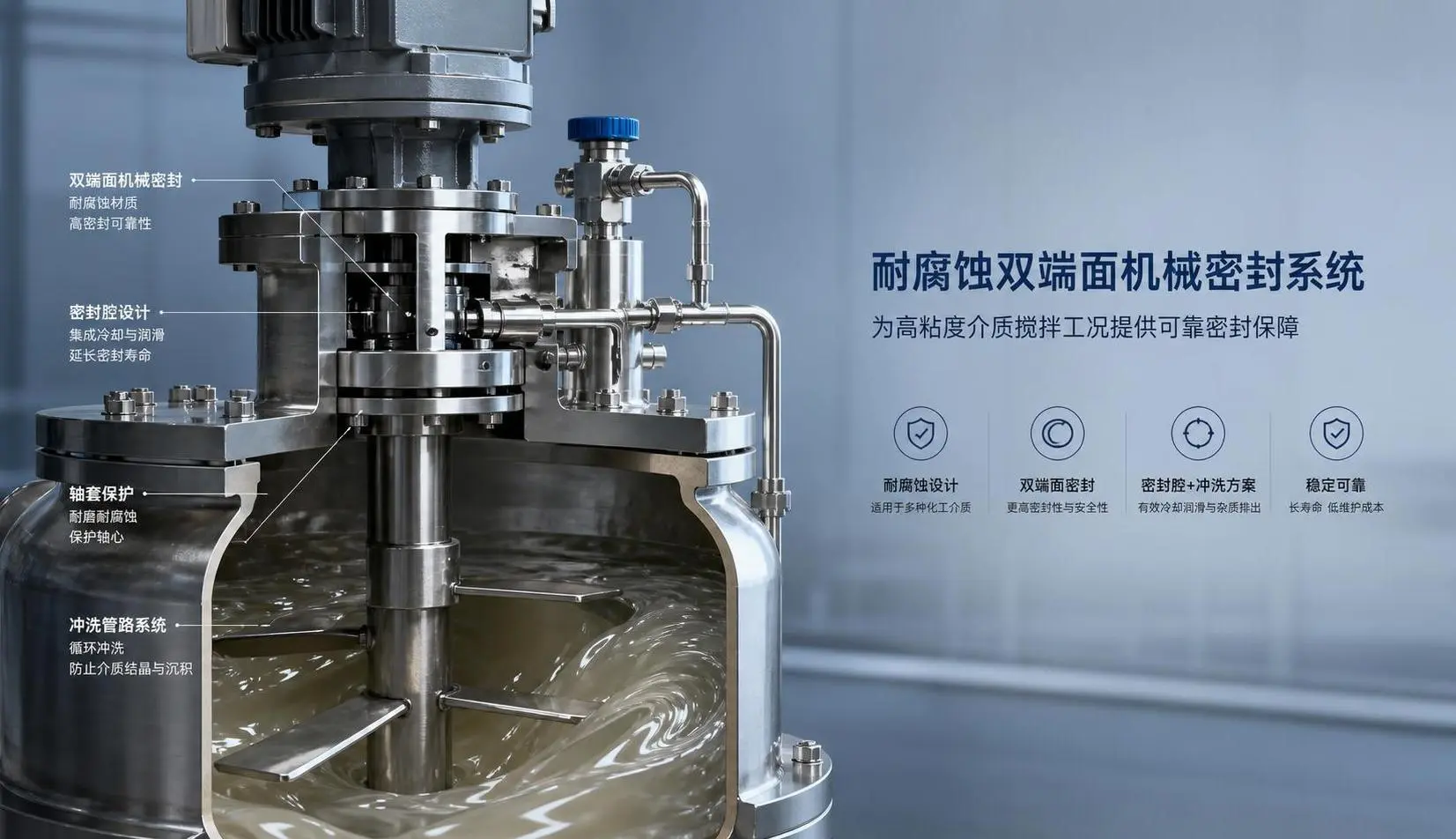
How to Select Mechanical Seals for Mixers in Corrosive or High-Viscosity Processes
Mechanical seals for mixers in corrosive or high-viscosity processes require the right materials, design, and support system. Learn how to choose a reliable seal and reduce leaks, downtime, and maintenance.
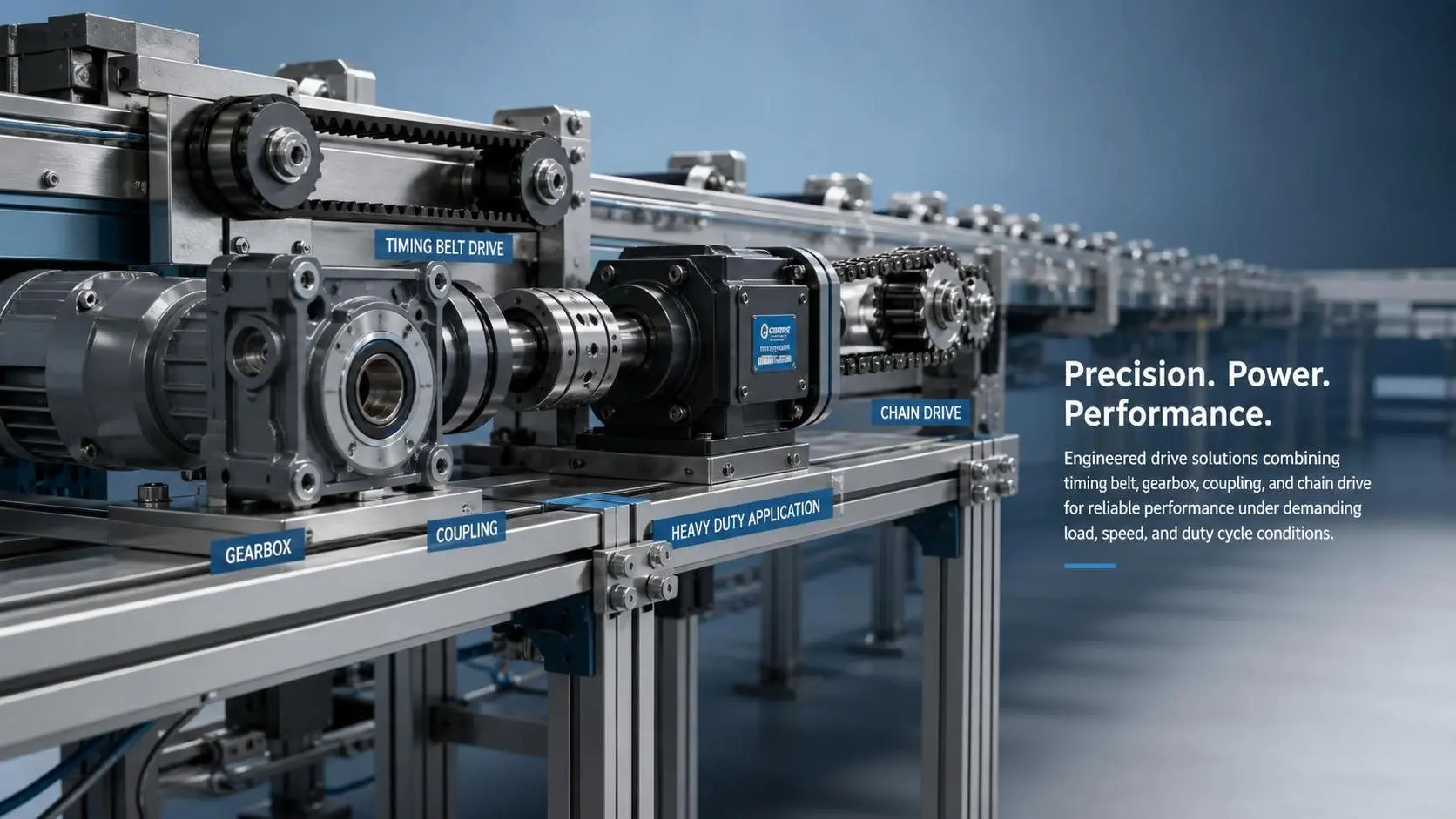
How to Select Automated Line Drive Components for Load, Speed, and Duty Cycle?
Automated line drive components selection starts with real load, speed, and duty cycle analysis. Learn how to reduce failures, improve reliability, and choose smarter for demanding production lines.