
Industry News
Curation by industry experts
Hot Articles
Popular Tags
How to choose mechanical seals for industrial applications
Choosing the right mechanical seals for industrial applications is mainly about matching seal design, materials, and support systems to the actual operating conditions. For procurement teams, the best choice is rarely the cheapest unit price. It is the option that reduces leakage risk, unplanned downtime, maintenance frequency, and long-term operating cost while fitting the process, equipment, and supplier support requirements.
Buyers usually search this topic because they need a practical way to compare seal options, avoid specification mistakes, and make a confident purchasing decision. They want to know which technical factors matter most, where low-cost choices become expensive, and how to balance reliability with budget in pumps, mixers, compressors, and other rotating equipment.
The most useful approach is to evaluate application conditions first, then narrow the selection by seal type, face materials, elastomers, metallurgy, compliance needs, and service expectations. This guide focuses on the questions procurement professionals actually need answered before requesting quotations or approving suppliers.
What procurement teams need to get right first
Before comparing brands or prices, confirm the operating profile of the equipment. Mechanical seal performance depends heavily on shaft speed, pressure, temperature, fluid properties, and available support systems. If those inputs are unclear, even a premium seal may fail early.
Start by asking whether the seal is for clean liquid service, abrasive slurry, chemically aggressive media, hydrocarbons, food-grade products, or hazardous fluids. Each condition changes the design logic. A seal that performs well in clean water service may be a poor fit for viscous, solids-laden, or flashing liquids.
Procurement should also verify whether the application is continuous duty, intermittent duty, start-stop intensive, or exposed to upset conditions. Seal failures often occur not during normal operation, but during dry running, pressure spikes, thermal shock, or poor flushing conditions.
That is why the first purchasing decision should not be “Which model is cheapest?” It should be “What exactly must this seal survive, and what failure consequence can the plant tolerate?”
Which application data matters most when choosing mechanical seals
To choose mechanical seals for industrial applications correctly, buyers need a reliable technical data set. Missing or inaccurate data leads to overspecification, underspecification, or incompatible materials. All three create avoidable cost.
The most important inputs include equipment type, shaft diameter, rotation speed, seal chamber pressure, operating and upset temperatures, fluid composition, viscosity, solids content, vapor pressure, and pH. Also confirm whether the process fluid lubricates the seal faces adequately.
It is equally important to identify whether the fluid crystallizes, polymerizes, leaves deposits, or contains gases. These details directly affect face stability, heat generation, and the need for flush plans or external support systems.
From a procurement perspective, always request a completed application data sheet from engineering or maintenance before sending inquiries to suppliers. Standardized data collection reduces quotation errors and makes vendor comparisons more meaningful.
How to choose the right seal type for the duty
One of the biggest buying mistakes is treating all seal designs as functionally interchangeable. They are not. The correct seal type depends on process risk, media condition, leakage tolerance, and operating severity.
Single mechanical seals are common in general industrial services where some controlled leakage risk is acceptable and the fluid is not highly hazardous. They are often cost-effective for clean liquids and moderate operating conditions.
Double mechanical seals are preferred when leakage control is critical, especially with toxic, flammable, volatile, or poor-lubricating media. They require barrier or buffer fluid systems, which increase system cost but improve environmental protection and reliability in demanding service.
Cartridge seals are often a smart procurement choice because they simplify installation, reduce setting errors, and shorten maintenance time. Their unit price may be higher than component seals, but total installed cost is often lower.
Component seals may suit cost-sensitive applications with experienced maintenance teams, but they demand more careful installation. If plants have recurring alignment or installation issues, cartridge designs often deliver better lifecycle value.
Balanced seals are better for higher pressure applications because they reduce face loading and heat generation. Unbalanced seals may be acceptable in lower pressure service and can be simpler, but they are not ideal for every duty.
For slurry or solids-containing media, buyers should also ask about specialized designs that reduce clogging and face damage. Standard seals may not survive abrasive applications without modified face combinations and proper flushing arrangements.
Material selection: where reliability is won or lost
In many industrial environments, seal material selection matters as much as seal design. The main material categories include seal faces, secondary sealing elements, and metal hardware. A mismatch in any one of these can shorten service life dramatically.
Seal face materials commonly include carbon graphite, silicon carbide, tungsten carbide, and ceramic. Carbon is widely used because of its good running properties, especially when paired with harder mating faces. Silicon carbide offers excellent hardness, corrosion resistance, and heat performance, making it a frequent choice for aggressive or abrasive service.
Tungsten carbide is valued for wear resistance and mechanical strength, especially in tougher applications. Ceramic may be suitable in some less severe duties, but it is not universally appropriate for shock-prone or highly demanding conditions.
Elastomer selection is another common source of purchasing errors. FKM, EPDM, NBR, and FFKM each have different chemical and temperature limits. An elastomer that handles oil well may fail in steam or strong chemicals. Procurement should never approve elastomer materials without checking actual media compatibility.
Metal parts are usually stainless steel or higher-alloy materials depending on corrosion risk. In aggressive chemical environments, standard metallurgy may not be sufficient. Lower upfront metal cost can become expensive if corrosion causes spring failure or structural degradation.
For buyers, the key lesson is simple: material selection should be application-led, not catalog-led. Always request compatibility justification when the service is corrosive, abrasive, high-temperature, or otherwise nonstandard.
When support systems and piping plans become essential
Many procurement teams focus on the seal itself and overlook the surrounding system. In reality, support systems often determine whether a seal reaches its expected service life. This is especially true in hot, dirty, vaporizing, or hazardous applications.
Flush plans, quench arrangements, barrier fluid systems, and cooling solutions help control temperature, remove contaminants, maintain lubrication, and protect the seal faces. Without the right support arrangement, even a technically correct seal can fail prematurely.
For single seals in difficult fluids, a flush plan may improve reliability significantly. For dual seals, the quality, pressure control, and monitoring of barrier or buffer fluid are critical. Procurement should confirm whether the quotation includes only the seal or the full sealing system package.
This matters commercially because low initial quotes can exclude essential accessories, instrumentation, reservoirs, piping hardware, or commissioning support. A complete scope comparison prevents unpleasant cost surprises after purchase approval.
How to balance purchase price against total cost of ownership
For procurement professionals, the best decision framework is total cost of ownership rather than unit price alone. Mechanical seals directly affect maintenance labor, spare inventory, production continuity, energy use, and environmental compliance risk.
A lower-cost seal can become the most expensive option if it fails early, causes leakage events, or requires frequent replacement. Every unscheduled shutdown multiplies cost through lost output, maintenance overtime, emergency freight, and potential product loss.
To compare options properly, estimate the expected service interval, replacement labor, downtime cost, installation complexity, and need for support equipment. Also consider whether the seal can be standardized across multiple assets to simplify spares management.
For many plants, a slightly higher purchase cost is justified if the seal extends mean time between failures, reduces operator intervention, or lowers environmental incident risk. This is especially true in continuous-process industries where uptime has high financial value.
Questions buyers should ask seal suppliers before issuing a purchase order
Good supplier evaluation is not just about price and delivery. The right vendor should demonstrate application understanding, material selection logic, and after-sales capability. Procurement can improve outcomes by asking sharper technical and commercial questions.
First, ask what application data the supplier used to make the recommendation. If the answer is vague, the proposal may be generic rather than engineered. Ask whether the seal is balanced or unbalanced, cartridge or component, and why that choice fits the duty.
Next, request the exact face materials, elastomers, and metallurgy, along with compatibility reasoning. Ask about pressure and temperature limits, expected service life, installation requirements, and whether any API or industry-standard support plan is recommended.
It is also wise to ask about interchangeability with current equipment, spare parts lead times, refurbishment options, local service coverage, failure analysis support, and warranty terms. For critical applications, ask for references in similar operating conditions.
From a commercial risk standpoint, suppliers that provide clear documentation, dimensional accuracy, and startup guidance often create more value than those competing only on headline price.
Common procurement mistakes when selecting mechanical seals
One frequent mistake is buying based on the existing seal code without checking whether the operating conditions have changed. Process modifications, chemical substitutions, higher temperatures, and increased run hours can make legacy selections obsolete.
Another mistake is assuming all stainless steel, all silicon carbide, or all cartridge seals are equal. Manufacturing quality, face finishing, spring design, balance ratio, and assembly precision all influence performance. Technical equivalence should be verified, not assumed.
Buyers also run into problems when they accept incomplete quotations. If the offer does not clearly define materials, operating limits, included accessories, test standards, and installation requirements, comparison across vendors becomes unreliable.
Finally, procurement sometimes excludes maintenance and reliability teams from the selection process. That can lead to choices that look economical on paper but create installation difficulty, poor maintainability, or repeated field failures. Cross-functional review reduces this risk.
A practical evaluation checklist for industrial seal purchasing
A useful buying process begins with collecting complete application data and ranking the equipment by criticality. High-consequence assets deserve closer review, stronger supplier qualification, and more attention to lifecycle cost than low-risk utility services.
Next, define the acceptable leakage level, maintenance interval target, and compliance requirements. This helps determine whether a single or dual arrangement is appropriate and whether extra support systems are necessary.
Then compare shortlisted options across six factors: design suitability, material compatibility, expected life, ease of installation, supplier support, and total cost of ownership. This creates a more balanced decision than price-only comparison.
Before final award, confirm documentation quality, dimensional compatibility, spare parts strategy, and commissioning needs. If the application is critical, request startup support and a post-installation review plan to capture early performance data.
Using a structured checklist helps procurement teams choose mechanical seals for industrial applications with fewer surprises and better internal alignment across engineering, maintenance, and operations.
Conclusion: the right seal is the one that lowers risk over time
Choosing mechanical seals for industrial applications is ultimately a risk management decision as much as a technical one. The best option is the seal that matches the process conditions, uses compatible materials, fits the equipment properly, and delivers stable service life at an acceptable total cost.
For procurement professionals, the strongest approach is to move beyond unit price and evaluate application data, seal design, material compatibility, support system needs, supplier competence, and lifecycle economics together. That is how better purchasing decisions translate into higher uptime and lower operating cost.
When the application is critical, a well-selected seal protects far more than a rotating shaft. It protects production schedules, maintenance budgets, safety performance, and supplier credibility. In industrial purchasing, that makes careful seal selection a strategic decision, not just a spare parts transaction.
Recommended News
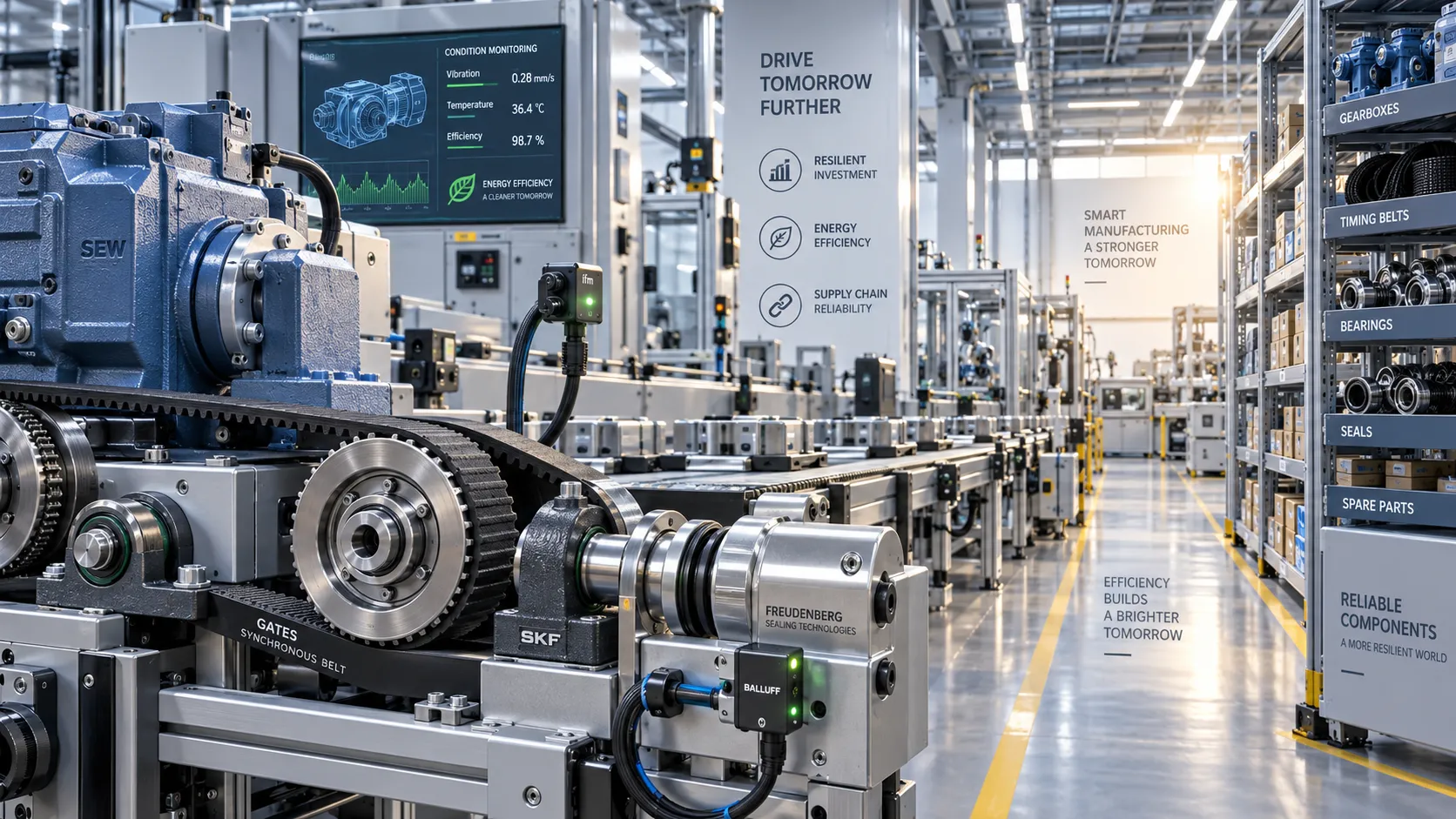
Industrial Economy Trends Shaping Capital Investment and Supply Chain Risk in 2026
Industrial economy trends for 2026 reveal how resilient capital investments, energy efficiency, and supply-chain strategies can protect uptime and strengthen returns.
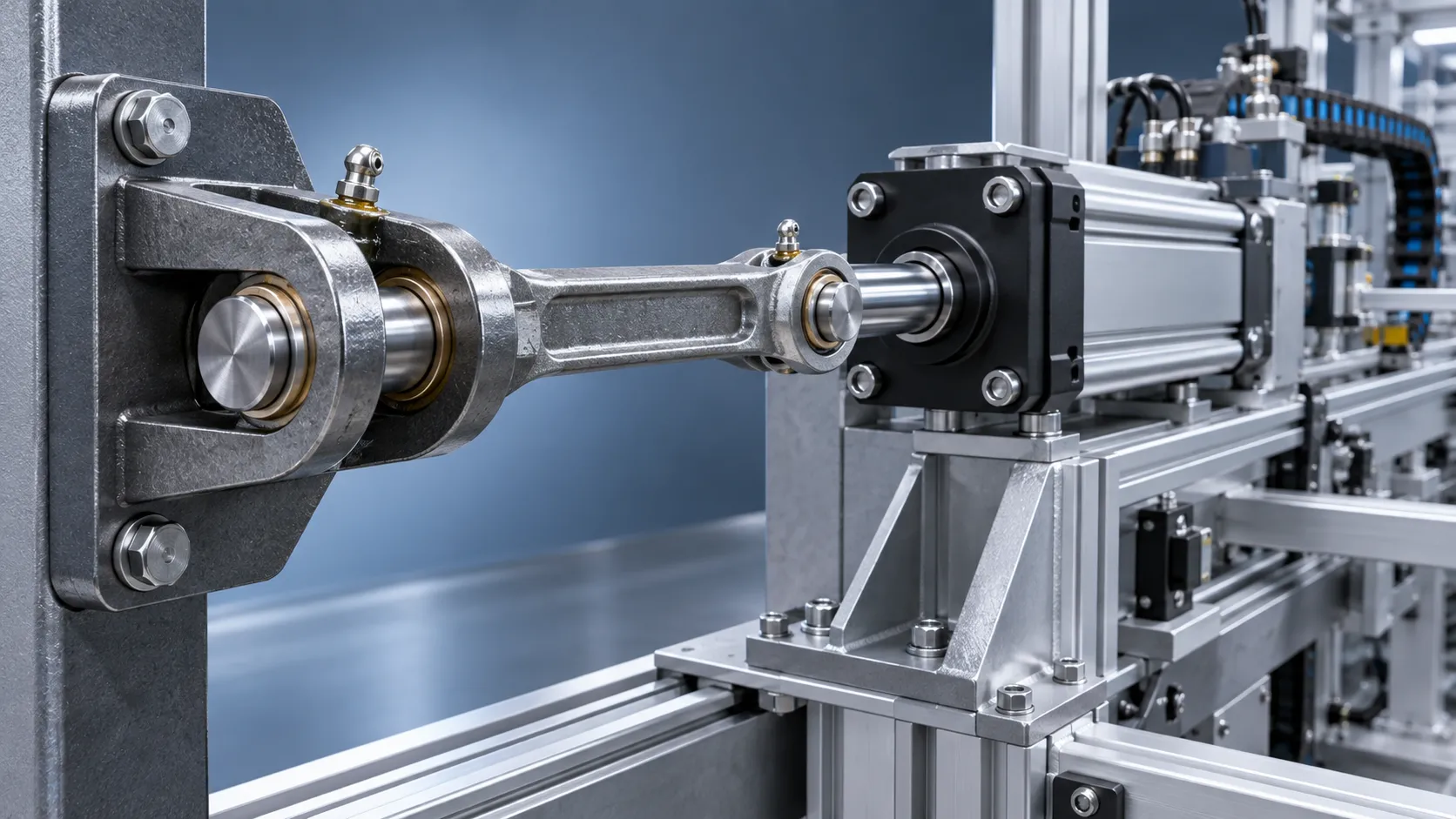
Mechanical Linkage Design: How to Balance Load Capacity, Motion Accuracy, and Wear
Mechanical linkage design guide: balance load capacity, motion accuracy, and wear with practical insights on geometry, joints, tolerances, lubrication, and service life.
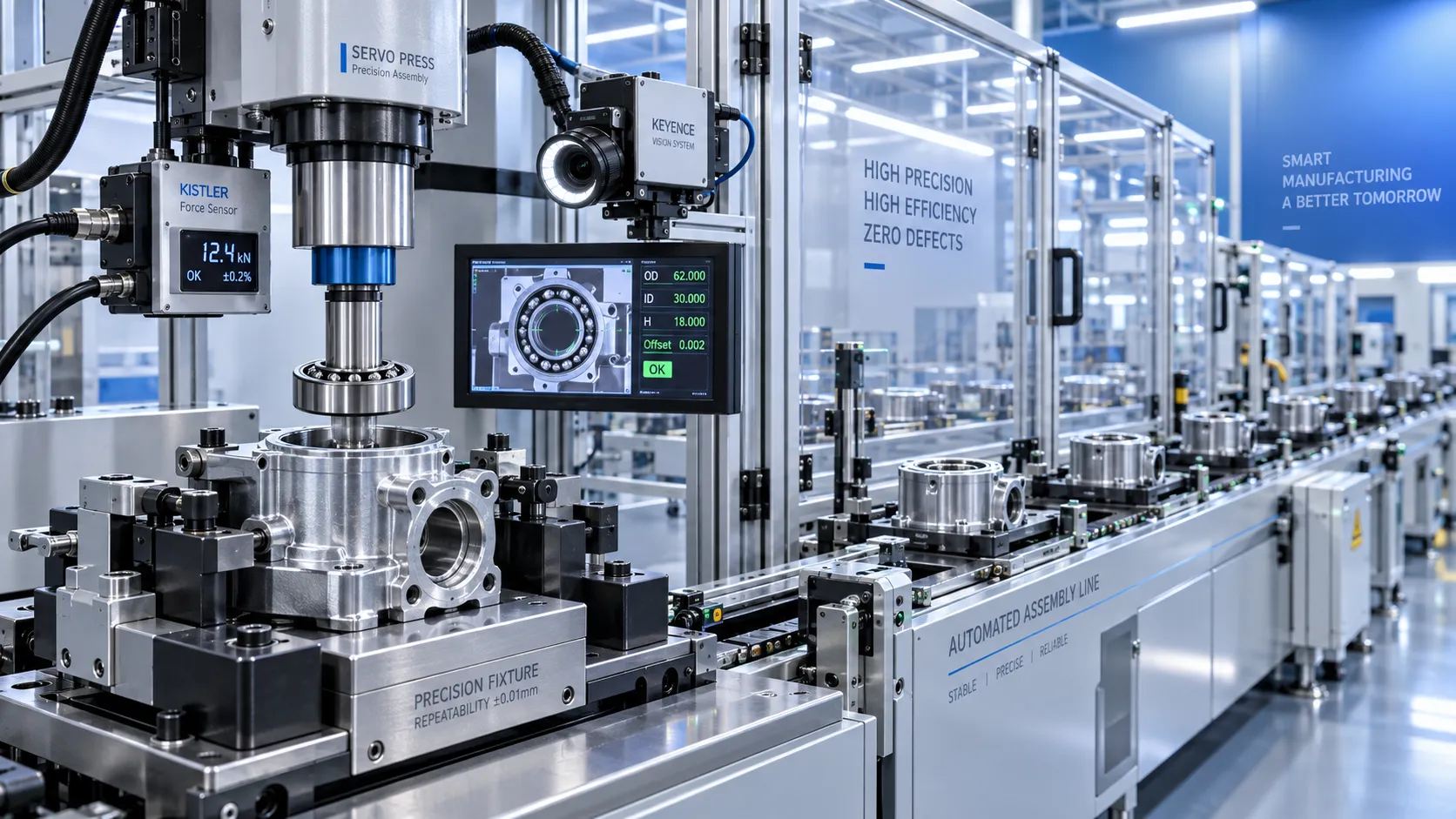
How Precision Automated Production Improves Quality Control in High-Volume Assembly
Precision automated production strengthens quality control in high-volume assembly with real-time verification, traceability, and safer defect containment.
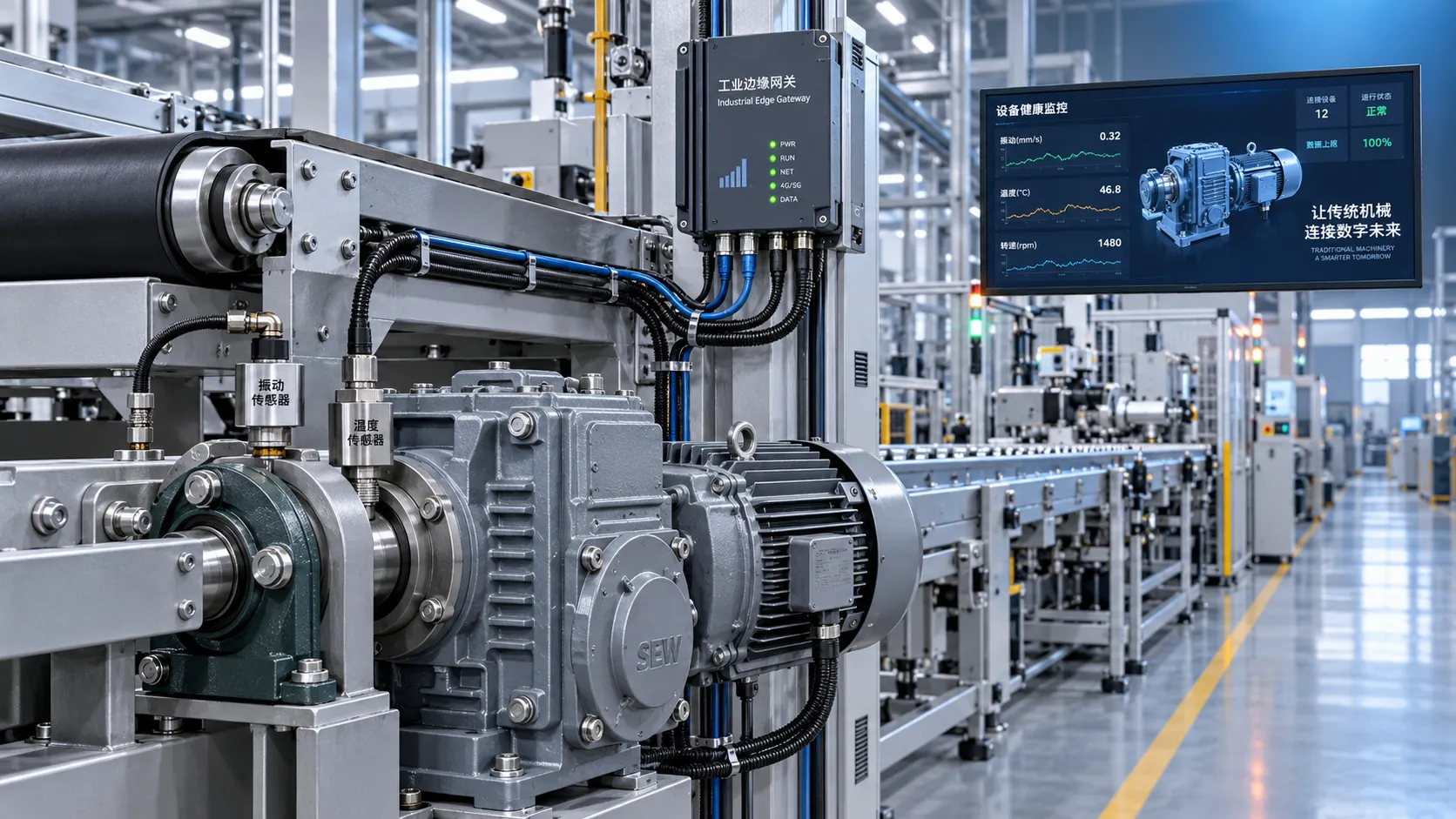
Industry 4.0 Integration: A Roadmap for Connecting Legacy Machines and Data
Industry 4.0 integration roadmap for connecting legacy machines, improving data visibility, reducing downtime, and scaling secure, measurable operational performance.
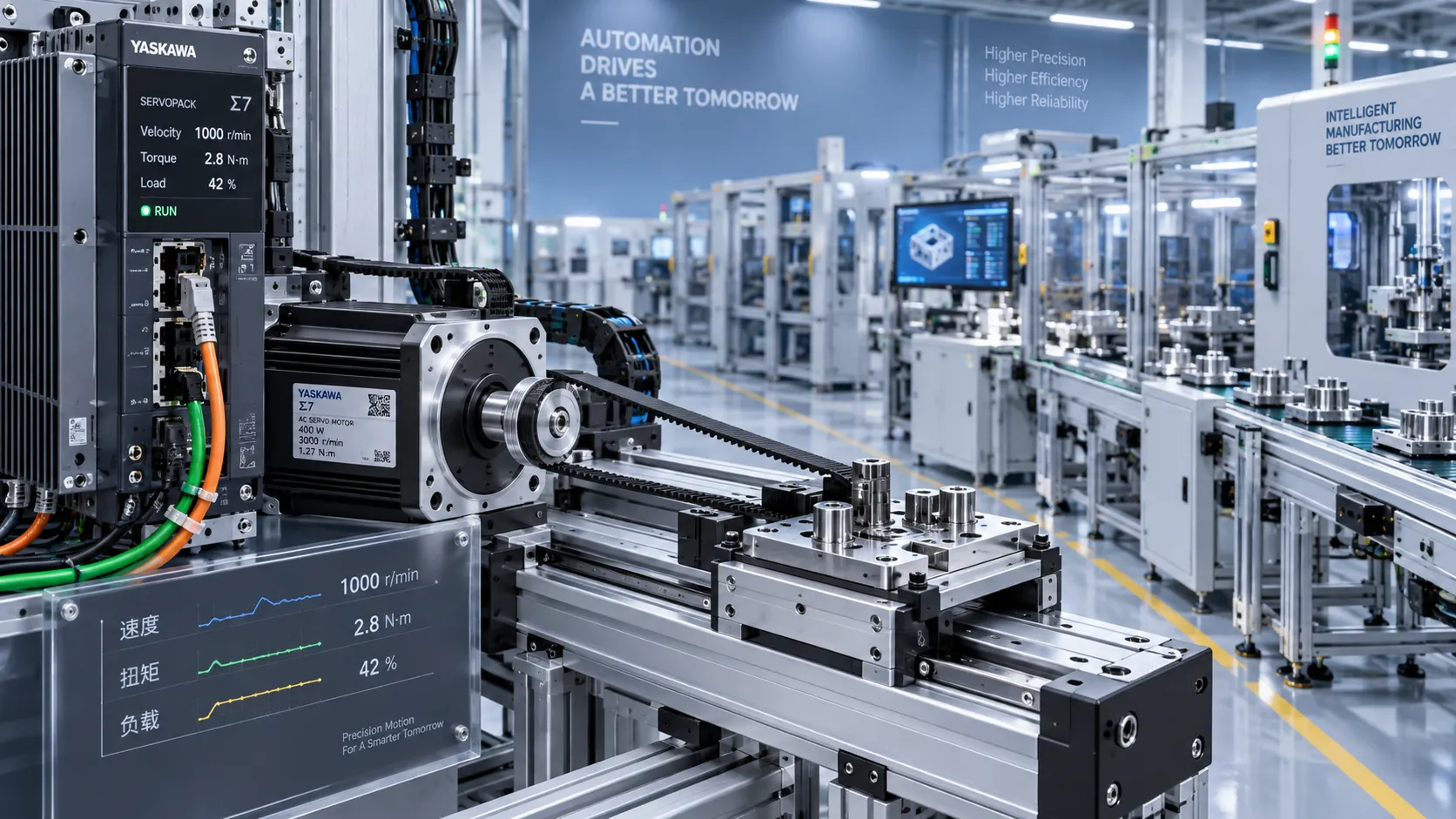
Servo Drive Comparison: Selecting Motion Control for Speed, Torque, and Load
Technical product comparison servo drives: evaluate speed, torque, inertia, safety, and control integration to select a reliable motion system with proven performance margins.
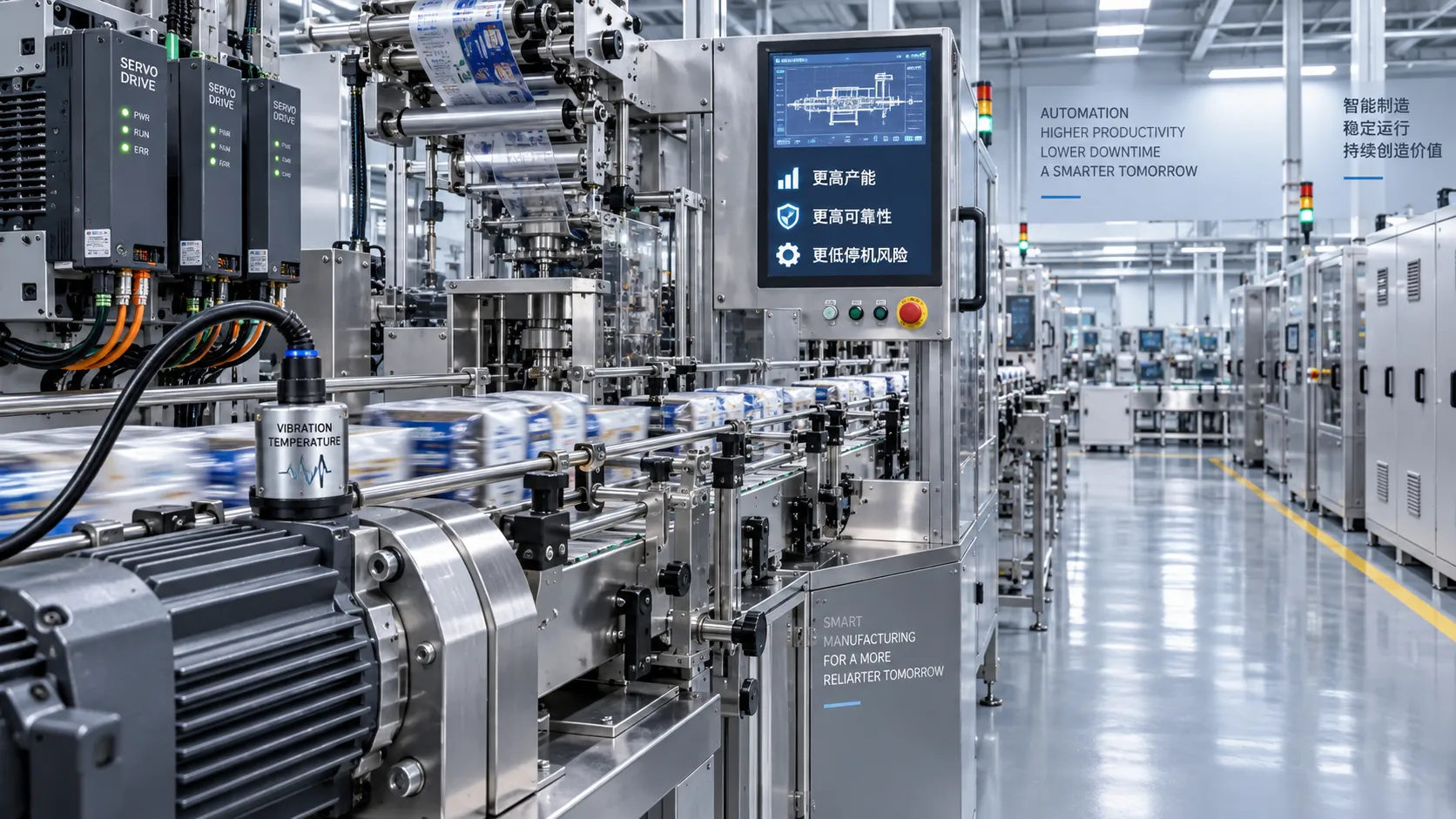
Industrial Automation Technology: How to Prioritize Upgrades by ROI and Downtime Risk
Industrial automation technology upgrades: learn to rank projects by ROI, bottleneck exposure, and downtime risk to reduce losses and make smarter capital decisions.
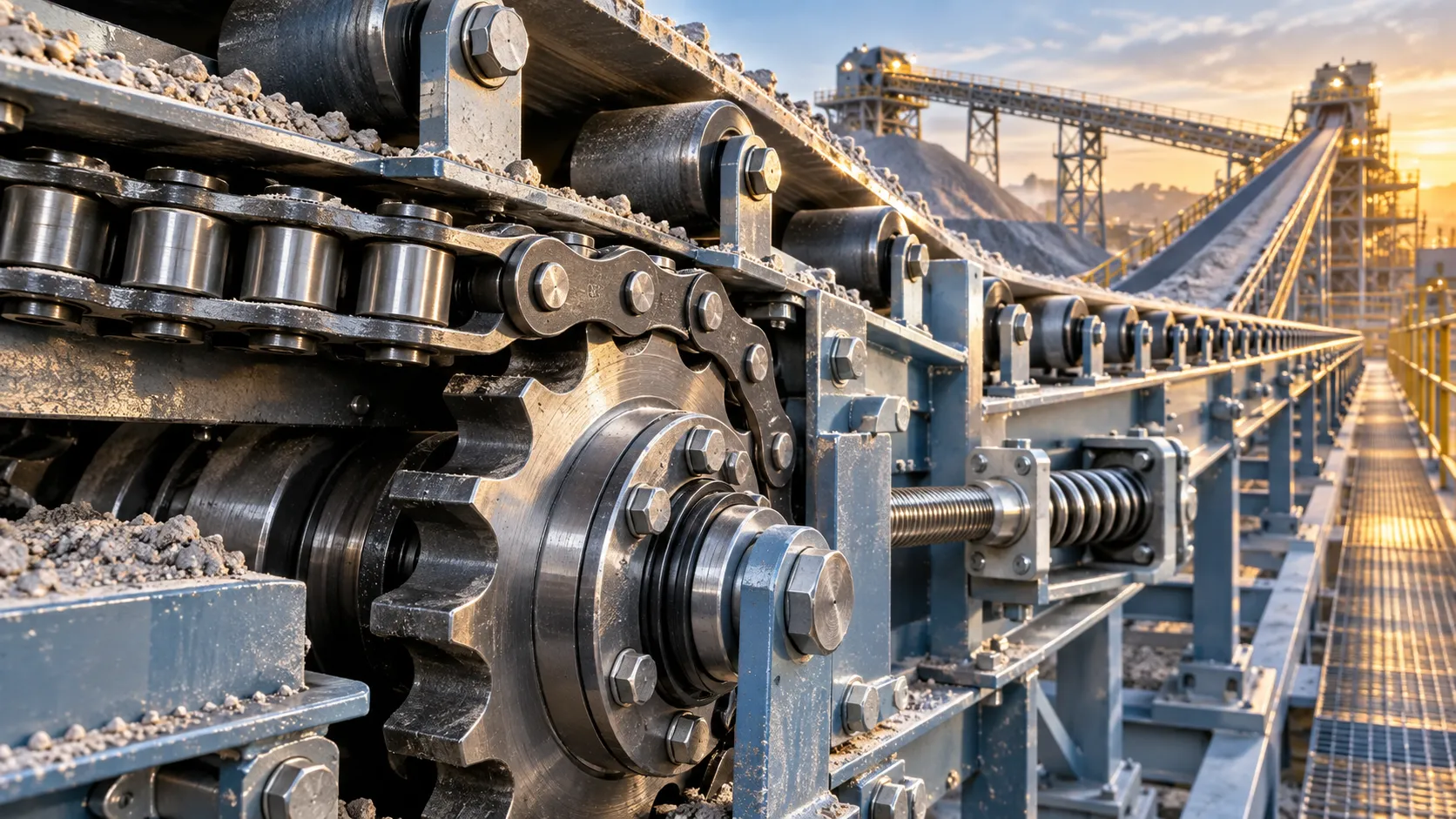
Selecting Low-Maintenance Chain Components for Dusty, High-Load Conveyors
Low maintenance chain components for dusty, high-load conveyors: compare seals, lubrication, materials, sprockets, and load capacity to reduce wear and downtime.
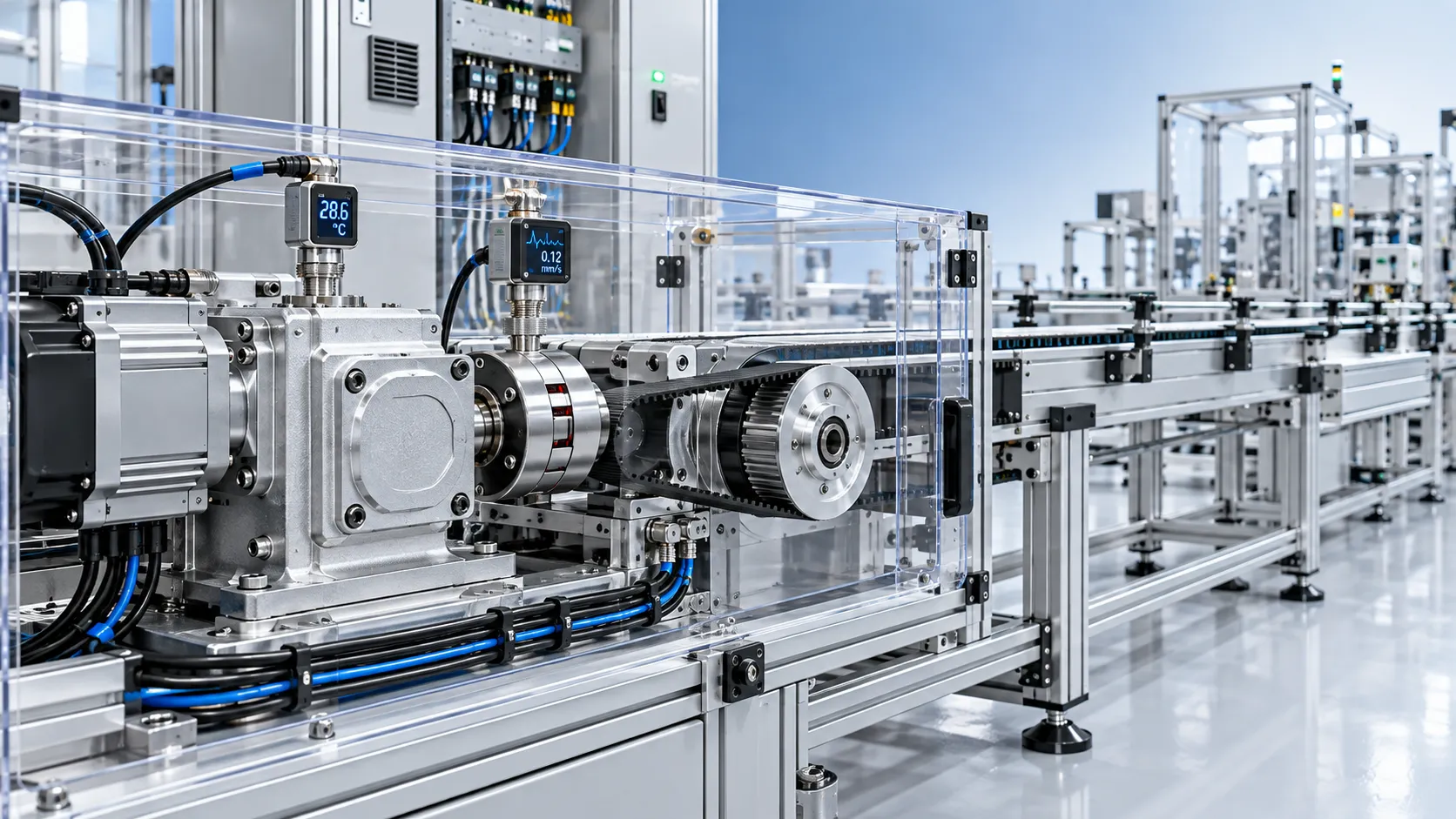
Selecting Smart Transmission Modules for Automated Lines: Control, Load, and Safety
Smart transmission modules for automated lines: evaluate control compatibility, real load demands, safety boundaries, and predictive maintenance value for reliable performance.

How to Assess Automated Packaging Production for High-Mix Manufacturing Lines
Automated production for packaging: assess changeovers, flexibility, controls, reliability, and lifecycle cost to build high-mix lines that deliver stable output.