
Industry News
Curation by industry experts
Hot Articles
- Industrial BeltsMechanical Transmission vs Belt Drive: Which Option Fits Your Load, Speed, and Maintenance Goals?
- GearboxesHow to Evaluate a High-Performance Transmission for Heavy-Duty Industrial Applications
- Gear ReducersMechanical Efficiency in Gear Reducers: Which Design Factors Have the Biggest Impact?
Popular Tags
Mechanical Seals Explained: Types, Applications, and How to Choose the Right One
Mechanical seals sit at a small interface, yet they influence some of the largest questions in industrial performance. When leakage control, uptime, energy use, and maintenance intervals are under review, the seal arrangement inside a pump, mixer, compressor, or reactor often becomes a decisive variable. For anyone comparing options across sectors, understanding how mechanical seals differ in structure, material, and operating behavior is the quickest way to move from broad product lists to a sound technical shortlist.
Why mechanical seals matter beyond leakage control
A mechanical seal prevents process fluid from escaping where a rotating shaft passes through a housing. That description is simple, but the business impact is not.
Seal failure can mean product loss, safety incidents, bearing damage, unplanned shutdowns, and extra energy consumption. In regulated or corrosive services, the cost of leakage rises even faster.
This is why mechanical seals remain a recurring focus in power transmission and rotating equipment analysis. They are not isolated components. They affect the reliability of the entire drive system.
From the perspective of GPT-Matrix, that system view matters. Sealing performance is closely linked with shaft dynamics, friction behavior, material selection, and the wider push toward efficient, low-maintenance industrial operation.
The basic working principle
Most mechanical seals work through two very flat faces pressed together. One face rotates with the shaft, while the other remains stationary in the housing.
A thin fluid film forms between these faces. It lubricates the contact area and limits leakage to an extremely small, controlled amount.
Secondary sealing elements, such as O-rings, bellows, or gaskets, prevent leakage around the seal components themselves. Springs or bellows provide the closing force.
The challenge is balance. Too much face load increases heat and wear. Too little load allows instability and excessive leakage. Good seal design manages that balance under real process conditions.
Main types seen across industry
Mechanical seals are classified in several ways. The most useful approach is to look at construction, operating arrangement, and application environment together.
By seal arrangement
- Single seals are common in clean, moderate-duty services where limited leakage risk is acceptable.
- Double seals use two sealing interfaces and a barrier or buffer fluid. They suit hazardous, abrasive, or emissions-sensitive applications.
- Tandem seals are used when additional containment is needed, but operating priorities differ from a fully pressurized double arrangement.
By construction style
- Pusher seals rely on springs and movable secondary seals. They are versatile and widely available.
- Non-pusher seals, often using metal bellows or elastomer bellows, reduce problems linked to dynamic O-ring movement.
- Cartridge mechanical seals come preassembled. They simplify installation and reduce setting errors.
- Component seals offer flexibility and lower initial cost, but usually demand greater installation precision.
By balance condition
Balanced seals reduce face loading and handle higher pressure more effectively. Unbalanced seals are simpler and often suitable for lower-pressure duties with cleaner fluids.
Materials define real-world performance
Many comparisons fail because they stop at seal type and ignore material pairing. In practice, face and elastomer materials often determine service life more than the catalog description does.
Common face materials include carbon graphite, silicon carbide, tungsten carbide, and ceramics. Each responds differently to heat, dry running, abrasion, and chemical attack.
Elastomers such as FKM, EPDM, and PTFE-based elements must match the fluid chemistry and temperature range. A strong face combination can still fail quickly if the secondary seal swells or hardens.
Current industry attention is moving toward longer-life combinations, lower friction surfaces, and improved performance under unstable operating cycles. That trend aligns with GPT-Matrix coverage of material breakthroughs and reliability evolution in harsh environments.
Where mechanical seals are used
Mechanical seals appear across a broad industrial landscape because rotating shafts appear almost everywhere fluid handling exists. The duty, however, changes dramatically by sector.
- Water and wastewater systems prioritize durability, solids handling, and straightforward maintenance.
- Chemical processing requires strong compatibility with aggressive fluids, vapors, and thermal cycling.
- Food and pharmaceutical services need hygienic designs, cleanability, and controlled contamination risk.
- Oil, gas, and energy equipment often demand high-pressure containment and compliance with strict reliability expectations.
- Pulp, mining, and slurry applications test resistance to abrasion, solids, and intermittent upset conditions.
In automated production lines, seal choices also affect maintenance planning. A small improvement in mean time between failures can reshape line availability and spare-parts strategy.
What the market is paying attention to now
The conversation around mechanical seals is no longer limited to stopping leaks. Three broader pressures are shaping evaluation criteria.
Efficiency and energy cost
Rising energy costs make friction loss and equipment condition more visible. Poor sealing can increase drag, damage bearings, and reduce overall machine efficiency.
Emissions and compliance
Environmental controls are pushing facilities toward tighter containment and better monitoring. That makes advanced mechanical seals and support systems more relevant in many process sectors.
Maintenance simplification
Operations increasingly favor solutions that reduce installation errors and shorten downtime. Cartridge mechanical seals and condition-based monitoring fit this direction well.
These trends connect with GPT-Matrix intelligence on raw material volatility, automated production demand, and the move toward longer-life, lower-maintenance transmission components.
How to choose the right one
Choosing mechanical seals is less about finding a universal best product and more about matching seal behavior to operating reality.
Start with the fluid
Check viscosity, lubricity, solids content, crystallization tendency, toxicity, and chemical compatibility. Dirty or poorly lubricating fluids often require a different sealing strategy.
Then define the operating envelope
Pressure, temperature, shaft speed, start-stop frequency, and upset conditions should be reviewed together. A seal that works on paper may fail under frequent cycling or dry running events.
Consider the machine, not only the seal
Shaft deflection, misalignment, vibration, seal chamber dimensions, and flush plan design all affect results. Mechanical seals cannot compensate for severe equipment instability.
Weigh lifecycle cost
A lower purchase price may lead to higher total cost through leakage, shorter service life, or added shutdowns. In many cases, the right seal is the one that stabilizes the whole system.
- Match seal faces to fluid properties and upset risks.
- Verify elastomer compatibility across full temperature exposure.
- Review installation method and maintenance skill requirements.
- Assess whether a support system is necessary.
- Compare expected service interval, not just initial cost.
Common selection mistakes
One frequent mistake is specifying mechanical seals by equipment model alone. Similar pumps can run entirely different fluids under different duty cycles.
Another is underestimating transient conditions. Start-up, shutdown, cavitation, flashing, and temporary loss of flush often explain failures better than nominal operating data.
It is also common to focus on seal faces while ignoring the support environment. Piping plans, cooling, cleanliness, and alignment can be as important as seal selection itself.
A practical way to move forward
A useful next step is to build a comparison matrix using actual service conditions rather than generic catalog categories. Include fluid data, pressure, temperature, speed, leakage tolerance, and maintenance targets.
From there, compare mechanical seals by arrangement, material pairing, installation complexity, and expected lifecycle performance. That approach creates a clearer decision path than price-based screening alone.
For ongoing market evaluation, it also helps to track the wider signals around sealing technology: material innovation, energy cost pressure, reliability benchmarks, and the integration of smarter maintenance practices.
Mechanical seals may be compact components, but they reveal a great deal about how modern industry balances efficiency, containment, and durability. A better seal decision usually starts with a better operating picture.
Recommended News
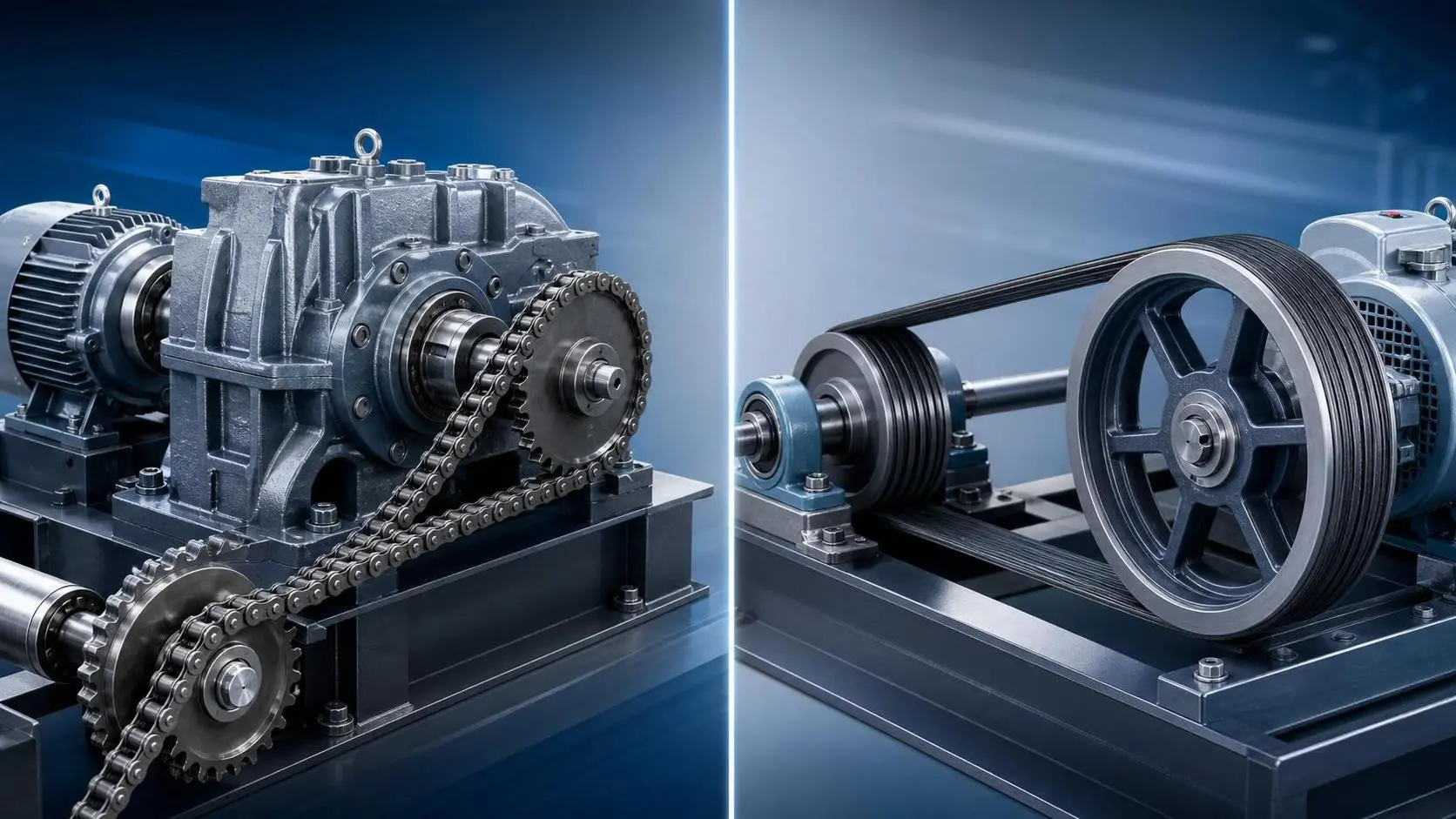
Mechanical Transmission vs Belt Drive: Which Option Fits Your Load, Speed, and Maintenance Goals?
Mechanical transmission vs belt drive: learn how load, speed, maintenance, and total cost shape the right choice for reliable performance and smarter buying decisions.
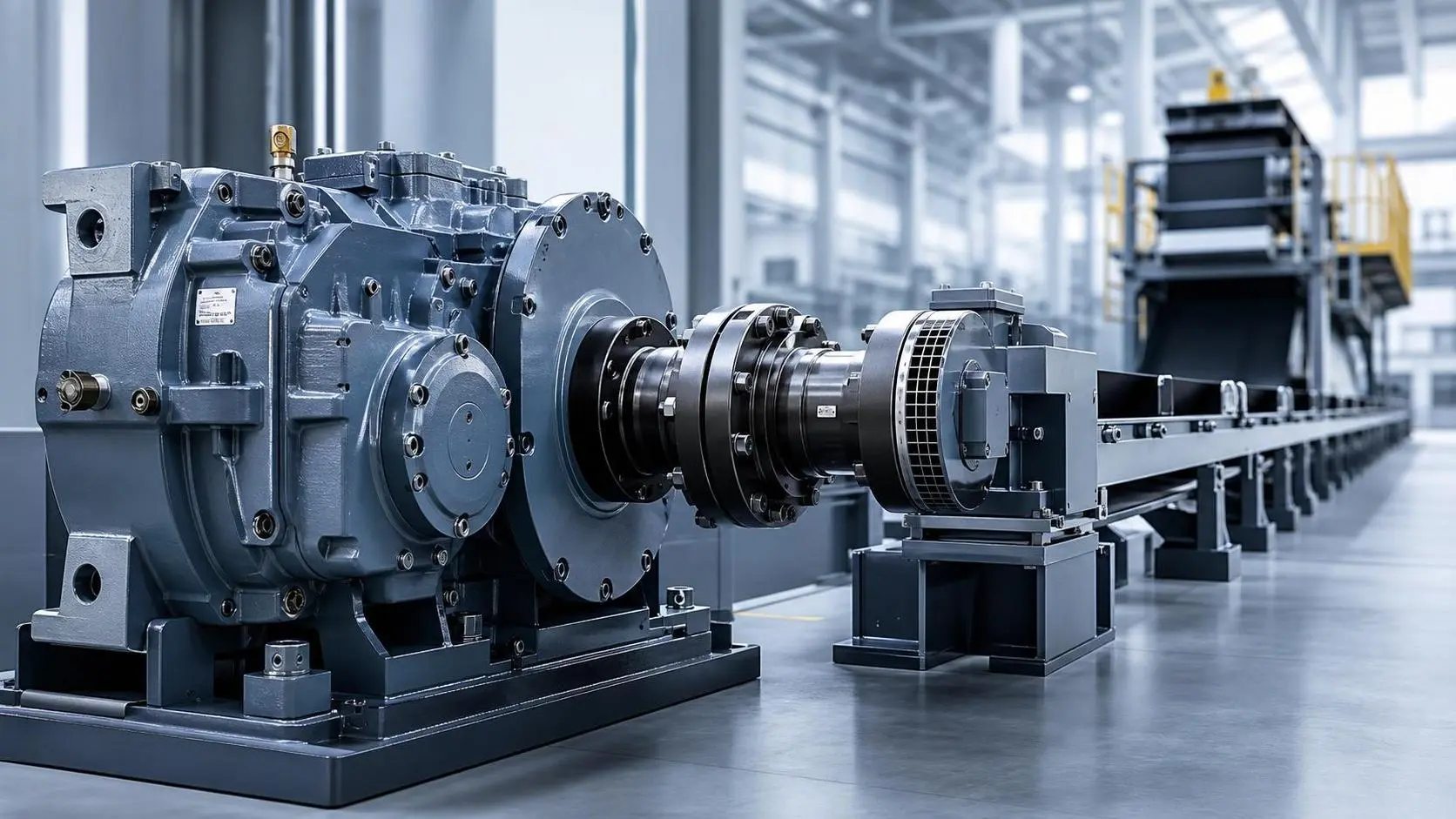
How to Evaluate a High-Performance Transmission for Heavy-Duty Industrial Applications
High-performance transmission evaluation starts with real duty conditions. Learn how to assess torque, sealing, efficiency, and lifecycle reliability for heavy-duty industrial systems.
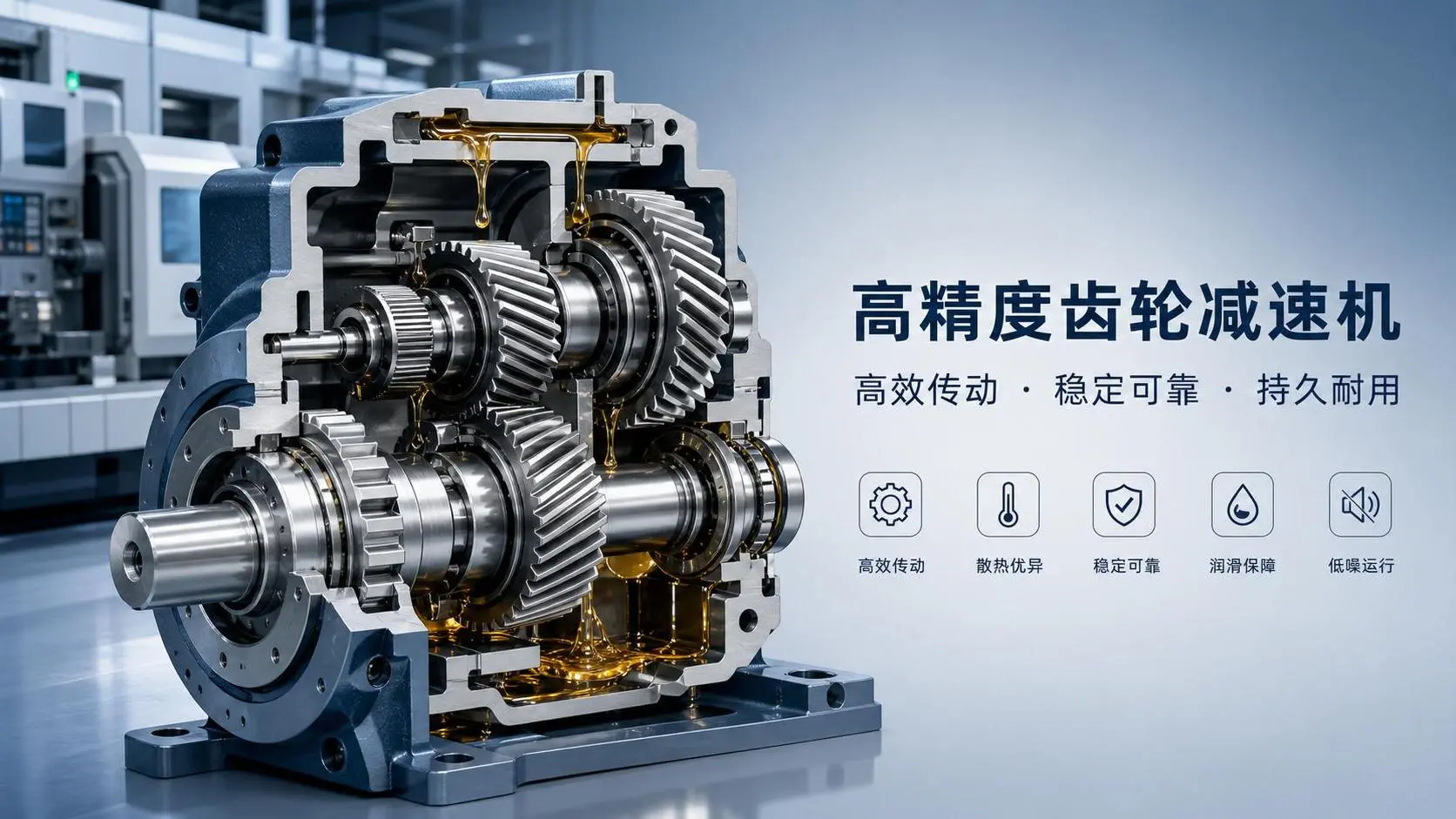
Mechanical Efficiency in Gear Reducers: Which Design Factors Have the Biggest Impact?
Mechanical efficiency in gear reducers starts with design. Discover how gear geometry, lubrication, bearings, and seals impact losses, heat, reliability, and lifecycle cost.
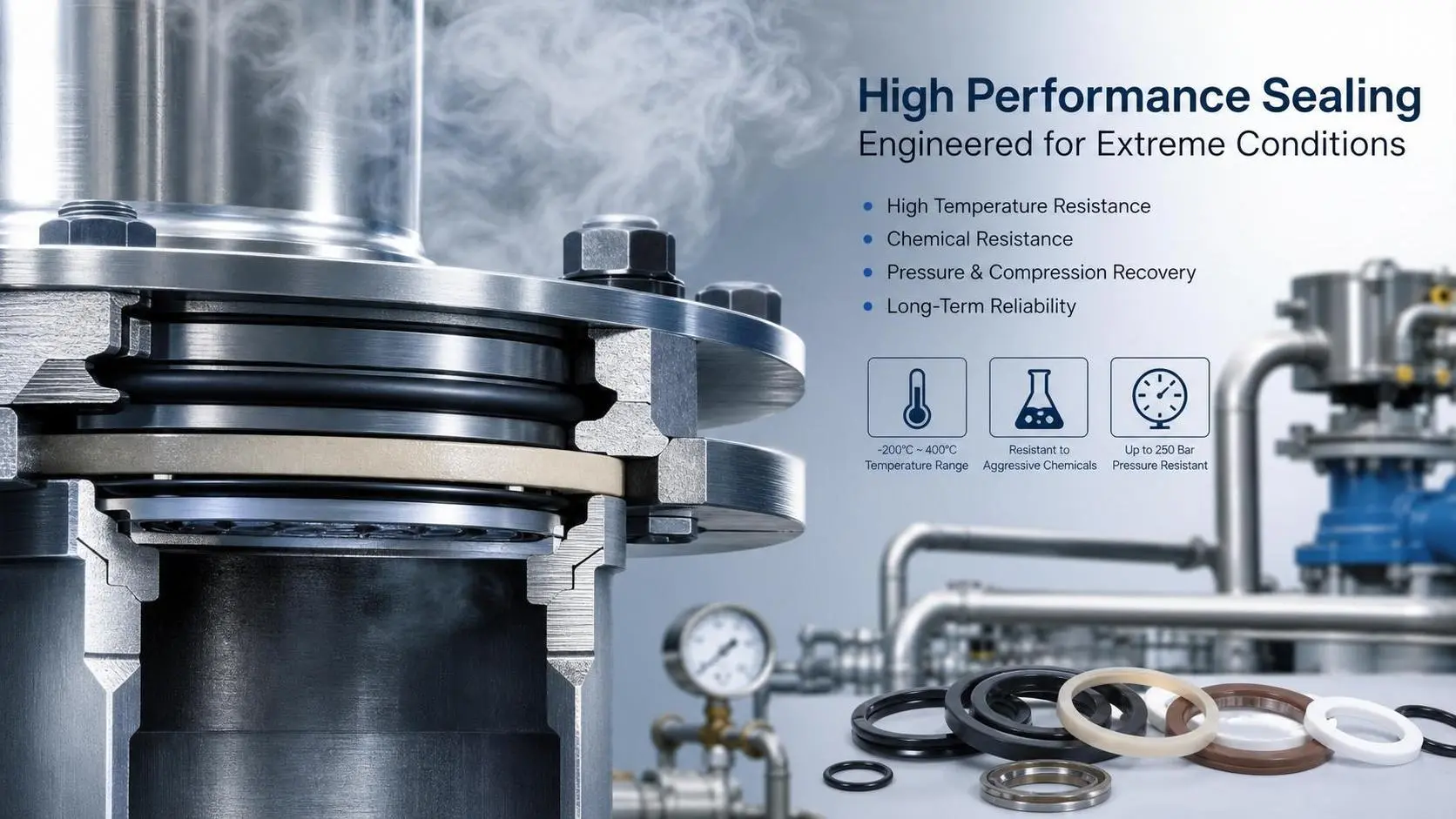
High-Performance Materials for Seals and Gaskets: What Properties Matter Most?
High-performance materials for seals and gaskets: learn which properties matter most for leak control, longer service life, lower maintenance costs, and safer, more reliable equipment.
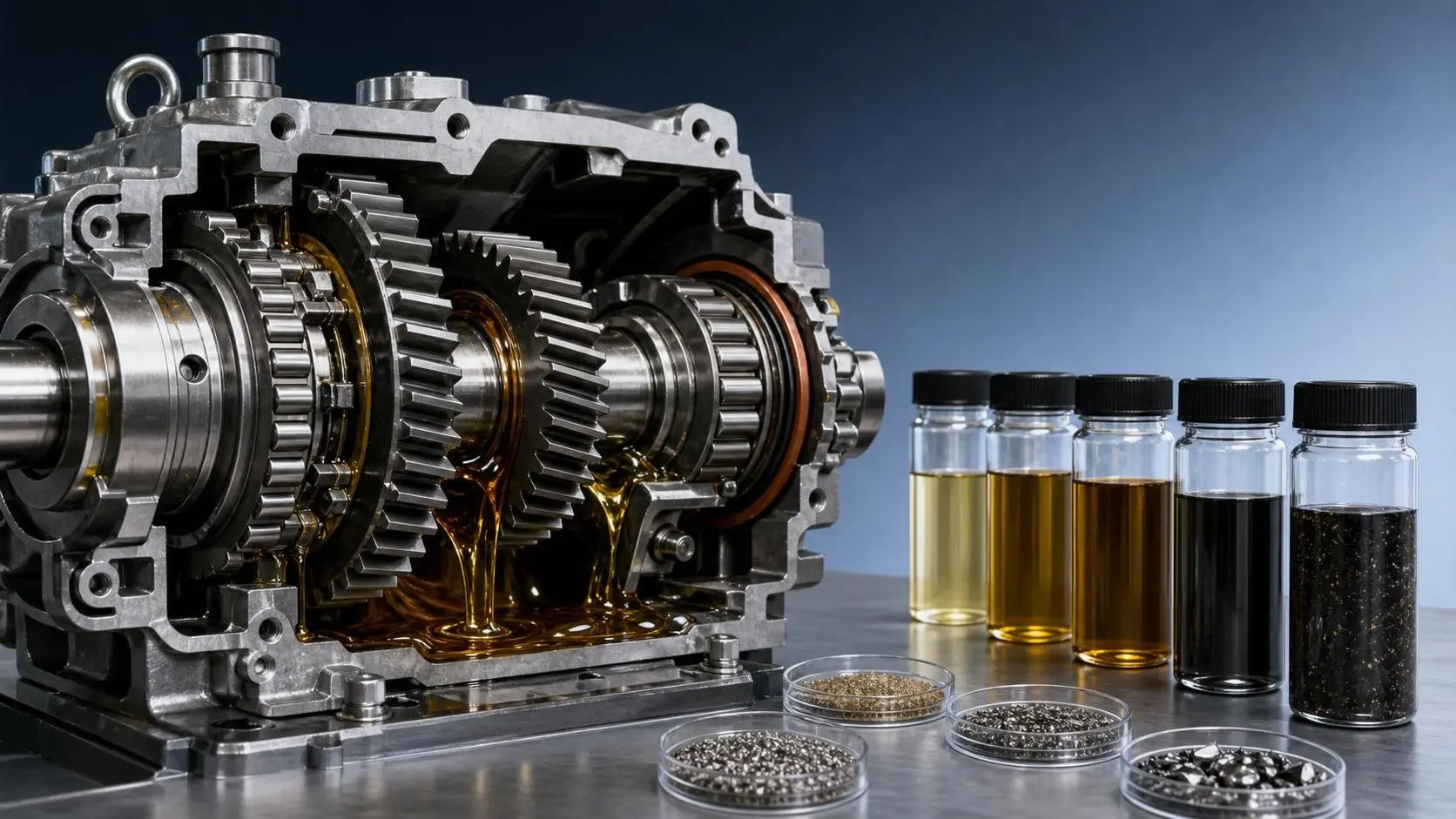
How Tribology Analysis for Mechanical Systems Helps Diagnose Wear and Lubrication Failures
Tribology analysis for mechanical systems helps diagnose wear, contamination, and lubrication failures faster. Learn how it improves root-cause analysis, reduces downtime, and extends asset life.
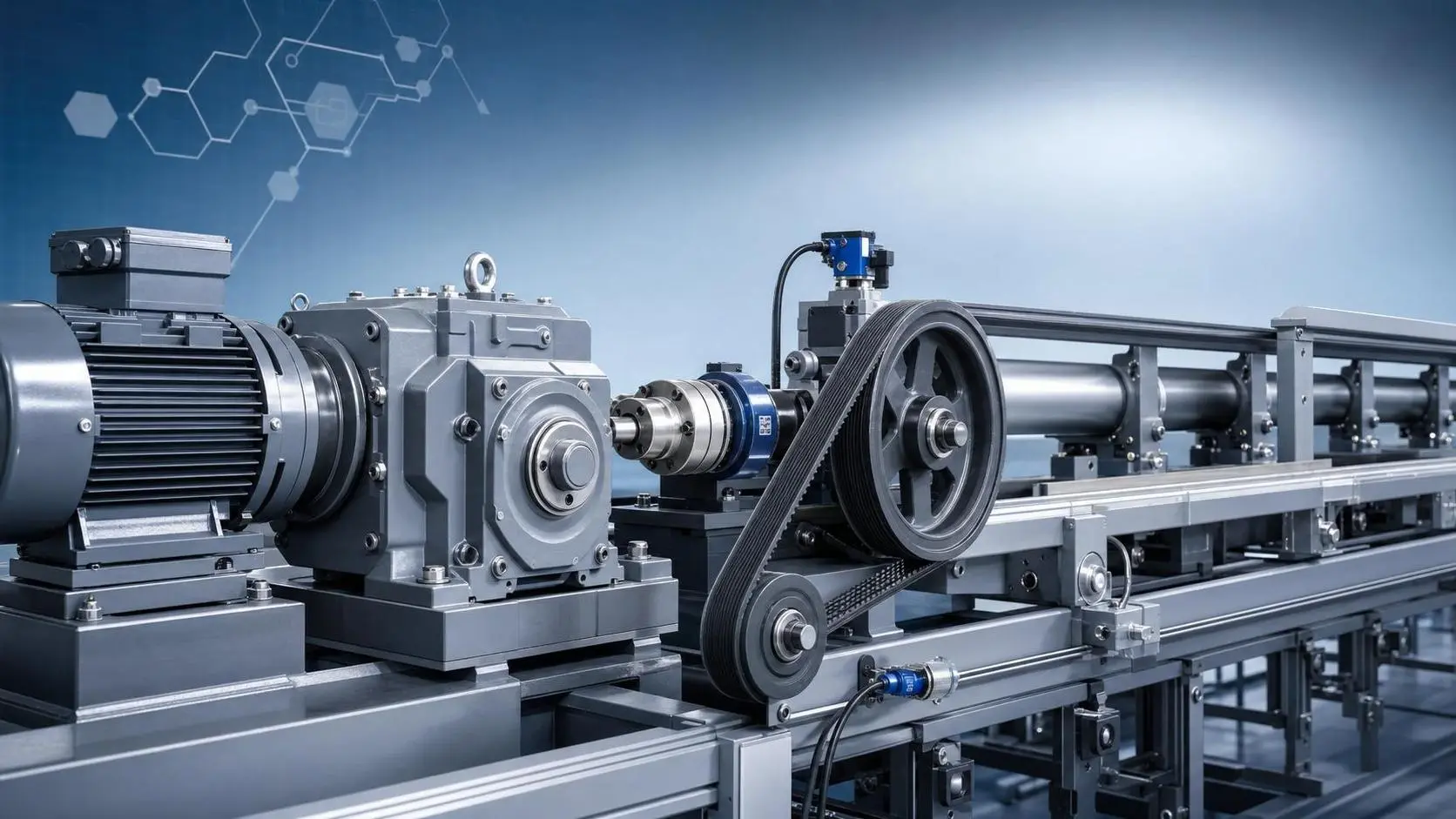
What Defines a High-Performance Drive and Which Industrial Loads Need One?
High-performance drive explained: learn what defines it, which industrial loads need it most, and how it improves torque, precision, efficiency, and uptime.
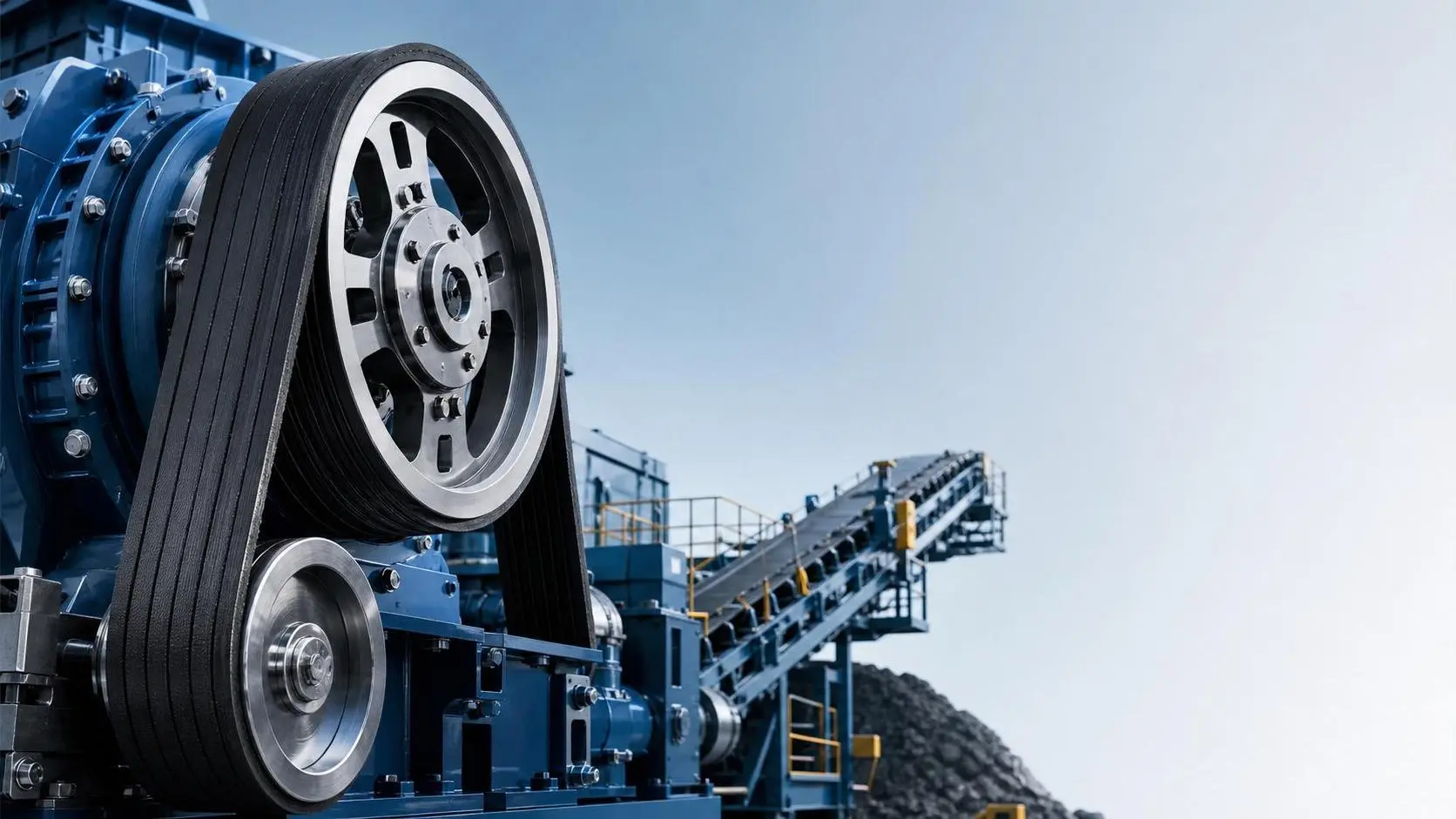
High-Performance Transmission Belts for Heavy Machinery: Key Specs to Compare Before Buying
High-performance transmission belts for heavy machinery: compare power rating, temperature range, elongation, and shock-load tolerance to cut downtime and buy with confidence.
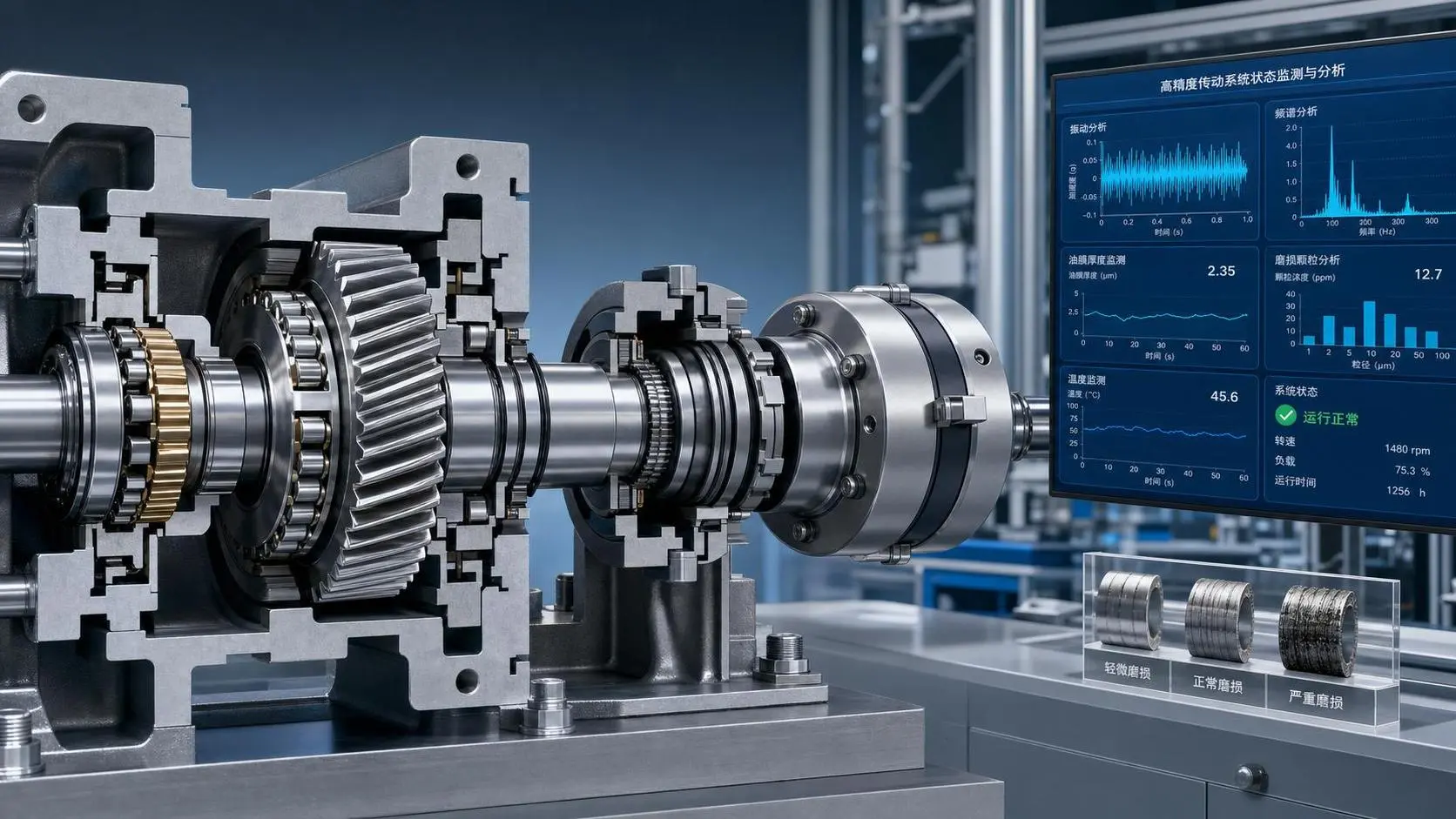
Tribology Analysis for Mechanical Systems: What Causes Friction, Wear, and Early Failure?
Tribology analysis for mechanical systems reveals why friction, wear, and early failure happen in real operations. Learn root causes, hidden risks, and practical fixes to improve reliability.
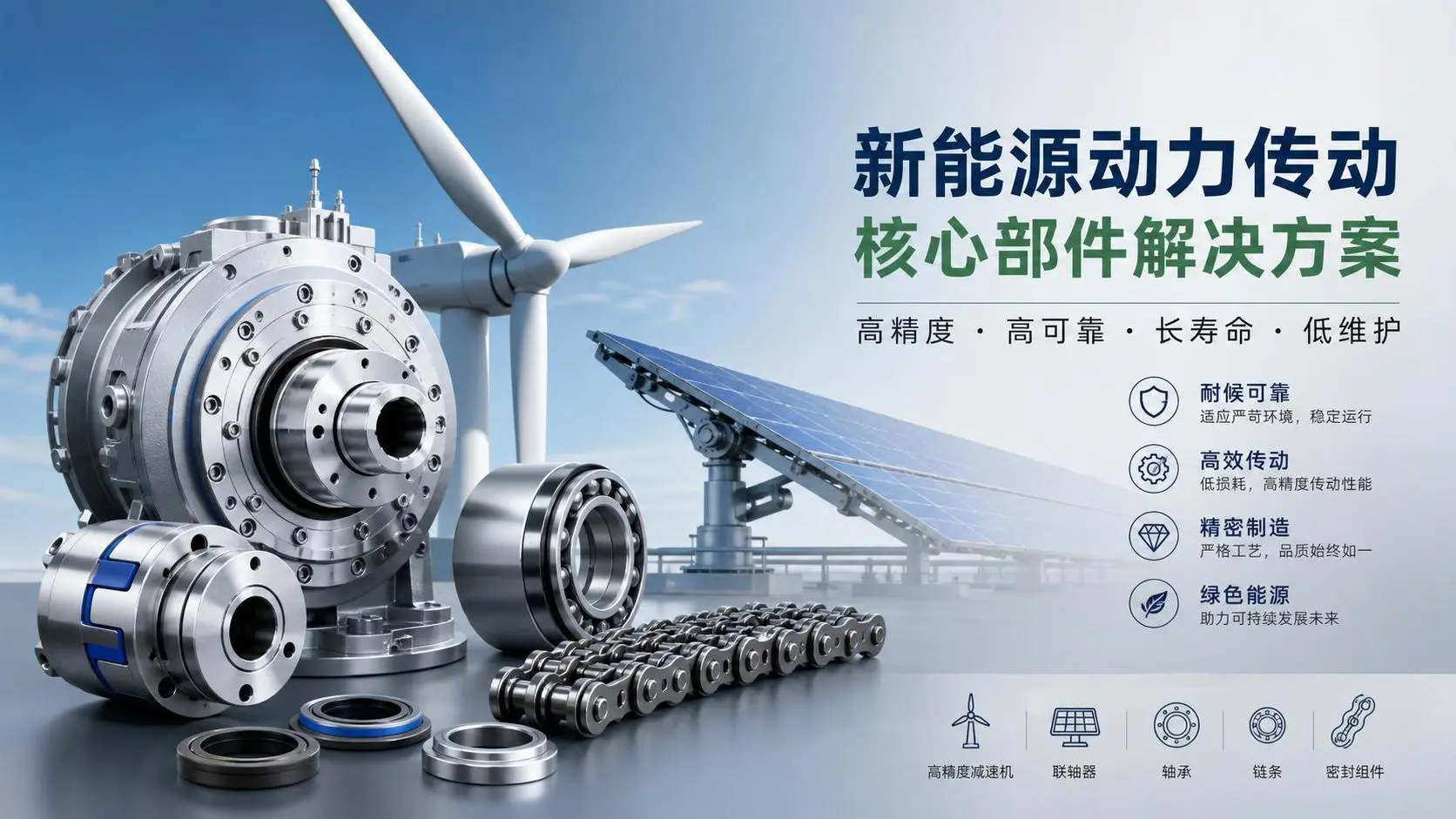
How to Choose Power Transmission Components for Renewable Energy Systems
Power transmission components for renewable energy systems: learn how to choose the right gears, couplings, bearings, and seals to improve efficiency, reliability, and lifecycle value.