
Industry News
Curation by industry experts
Hot Articles
Popular Tags
Mechanical Seals Technology Advancements: Materials, Designs, and Limits
Mechanical Seals Technology Advancements: Materials, Designs, and Limits
Mechanical seals technology advancements are reshaping how technical evaluators assess reliability, leakage control, and lifecycle cost in critical rotating equipment.
From engineered face materials and advanced elastomers to adaptive designs, modern sealing solutions promise stronger performance under pressure, heat, corrosion, and unstable lubrication.
Yet every improvement has limits. The best seal decision still depends on media, shaft speed, installation quality, and verified operating data.
What do mechanical seals technology advancements actually change?
Mechanical seals technology advancements change three core variables: how seal faces interact, how secondary sealing elements survive, and how leakage paths are controlled.
Traditional seal selection often focused on pressure, temperature, and shaft size. Current evaluation also includes tribology, emissions control, and energy efficiency.
In pumps, mixers, compressors, and gear-driven process equipment, the seal is no longer a simple consumable part.
It is a reliability component connecting mechanical design, fluid behavior, maintenance planning, and environmental compliance.
The most visible change is the shift from generic carbon-ceramic combinations toward application-specific face pairings and engineered surface treatments.
These improvements reduce heat generation, stabilize lubricating films, and support better operation during start-stop cycles.
Mechanical seals technology advancements also influence digital maintenance strategies. Seal condition can be linked with vibration, temperature, pressure, and process alarms.
This connection helps distinguish a sealing problem from misalignment, bearing wear, cavitation, or poor flushing design.
Which material advancements matter most for modern mechanical seals?
Material innovation sits at the center of mechanical seals technology advancements because seal faces operate in thin, highly stressed contact zones.
Common face materials include carbon graphite, silicon carbide, tungsten carbide, alumina ceramic, and coated metallic substrates.
Silicon carbide is valued for hardness, corrosion resistance, thermal conductivity, and dimensional stability in aggressive services.
Tungsten carbide provides toughness and strong resistance against abrasion, especially where suspended solids or dirty fluids are present.
Carbon grades continue evolving through resin impregnation, metal impregnation, and improved porosity control.
These carbon improvements support stable running against hard faces while limiting friction and heat generation.
How do elastomers affect sealing reliability?
Secondary seals are often the hidden limit inside advanced mechanical seals. Elastomer failure can defeat even the best face material.
FKM, EPDM, HNBR, FFKM, PTFE, and graphite-based options serve different chemical and temperature ranges.
Mechanical seals technology advancements increasingly pair face upgrades with elastomer compatibility checks against cleaning agents, solvents, fuels, acids, and steam.
Swelling, hardening, compression set, and explosive decompression remain practical failure modes, even in advanced assemblies.
What role do coatings and surface engineering play?
Coatings can reduce friction, resist chemical attack, or improve dry-running tolerance. Diamond-like carbon and specialized ceramics are common examples.
However, coatings require correct substrate bonding, surface finish, and thermal behavior. A coating is not a universal cure.
The practical value appears when surface engineering matches pressure velocity limits, media chemistry, and expected lubrication quality.
How are new seal designs improving performance?
Mechanical seals technology advancements are not limited to materials. Design geometry now plays a larger role in managing heat and leakage.
Balanced seals reduce hydraulic closing force. This lowers face loading and helps improve service life under higher pressure.
Cartridge seals simplify installation by pre-setting compression, alignment, and axial positioning. They also reduce assembly errors during field replacement.
Split seals support maintenance where equipment disassembly is expensive, slow, or disruptive to continuous production.
Double mechanical seals and tandem arrangements provide enhanced containment for hazardous, volatile, or environmentally sensitive fluids.
Gas-lubricated designs and dry-running seals are gaining attention in applications where liquid lubrication is limited or undesirable.
Why do grooves and microfeatures matter?
Laser-textured faces, spiral grooves, and hydrodynamic patterns help create controlled film behavior between sealing faces.
These features can reduce contact, lower heat, and improve stability during transient conditions.
Still, microfeatures must match rotation direction, speed, fluid viscosity, and pressure. Misapplication can increase leakage or instability.
How does design affect maintenance cost?
A design that reduces installation sensitivity often lowers lifecycle cost more effectively than a premium material alone.
Mechanical seals technology advancements therefore support maintainability, repeatability, and safer replacement practices.
For industrial power transmission systems, fewer unplanned stops often create greater value than marginal improvements in leakage rate.
Where do advanced mechanical seals deliver the strongest benefits?
The strongest benefits appear where downtime, leakage, contamination, or safety risks are costly.
Process pumps, agitators, reactors, compressors, refiners, marine systems, and heavy-duty gear-driven units often justify advanced sealing analysis.
In chemical processing, material compatibility and emissions control drive many upgrades.
In water and wastewater systems, abrasive particles, intermittent running, and low-maintenance expectations shape seal selection.
In food, beverage, and pharmaceutical service, cleanability, regulatory expectations, and non-contaminating materials become critical.
In mining, pulp, and slurry environments, abrasion resistance and robust flushing plans often matter more than sophisticated geometry.
Mechanical seals technology advancements also support renewable energy, hydrogen handling, carbon capture, and high-efficiency industrial utilities.
These sectors demand lower leakage, longer service intervals, and better compatibility with new process media.
How should advanced seal options be compared?
A useful comparison starts with duty conditions, not catalog claims. Pressure, temperature, speed, fluid, solids, and cycling frequency come first.
Mechanical seals technology advancements should be assessed against the complete system, including bearings, coupling alignment, piping strain, and lubrication.
The following table summarizes practical evaluation questions for modern sealing decisions.
What limits still constrain mechanical seals technology advancements?
Advanced seals are powerful, but they cannot overcome every system weakness.
Misalignment, shaft runout, vibration, cavitation, poor cooling, and incorrect flush plans can still cause premature failure.
Pressure velocity limits remain important. High pressure and high speed together can generate severe face heat.
Thermal shock also matters. Rapid temperature changes may crack brittle face materials or distort seal geometry.
Corrosion can attack springs, drive pins, sleeves, and gland components, not just the visible sealing faces.
Mechanical seals technology advancements reduce risk, but they do not eliminate the need for correct system engineering.
Which selection mistakes are most common?
- Choosing face materials without reviewing elastomer compatibility.
- Using catalog pressure ratings without checking speed and temperature together.
- Ignoring flush quality, barrier pressure, or cooling water reliability.
- Treating dry-running capability as unlimited operation without heat control.
- Replacing a failed seal without correcting equipment vibration or shaft damage.
How do cost, lifecycle value, and implementation compare?
Initial price rarely tells the full story. Advanced materials, cartridge construction, and auxiliary systems may increase purchase cost.
However, fewer shutdowns, reduced leakage, lower product loss, and safer maintenance can offset the premium.
Mechanical seals technology advancements deliver the highest value when failure consequences are clearly quantified.
Lifecycle evaluation should include seal price, installation time, production loss, energy impact, cleaning cost, and disposal requirements.
Implementation also requires documentation. Operating windows, alarm limits, and inspection procedures should be updated after any seal upgrade.
For repeat assets, standardizing proven seal configurations can simplify inventory and reduce maintenance variability.
FAQ: Practical answers about mechanical seals technology advancements
Conclusion: turning seal innovation into dependable operation
Mechanical seals technology advancements offer real gains in reliability, leakage control, emissions reduction, and lifecycle efficiency.
The strongest results come from combining advanced materials, suitable designs, correct installation, and disciplined operating data.
No single material, coating, or geometry solves every sealing challenge. Each choice must respect pressure, speed, temperature, media, and system limits.
A practical next step is to audit recurring seal failures and map them against duty conditions and equipment behavior.
Use that evidence to compare modern seal options, validate operating windows, and standardize the designs that deliver measurable performance.
GPT-Matrix continues tracking mechanical seals technology advancements across materials science, tribology, and power transmission intelligence.
Power Driving Industry, Intelligence Connecting the Globe.
Recommended News
How to Integrate Industrial Automation Components Across Multi-Vendor Systems
Industrial automation components integration made practical: learn how to align multi-vendor controls, mechanics, networks, and diagnostics for reliable, scalable machine performance.
Where Linear Motors Deliver the Greatest Gains in High-Speed Automation
Explore motion control applications where linear motors boost speed, precision, and uptime. Compare high-ROI use cases, integration risks, and selection strategies.
Selecting Split Mechanical Seals for Large Pumps: Shaft Size, Pressure, and Downtime
Split mechanical seals for large pumps: evaluate shaft size, pressure, fluid duty, and installation access to reduce downtime and improve sealing reliability.
How to Evaluate an Automated Production Supplier for a High-Uptime Manufacturing Line
Automated production supplier evaluation guide: assess uptime, maintainability, lifecycle cost, service support, and acceptance criteria for reliable manufacturing.
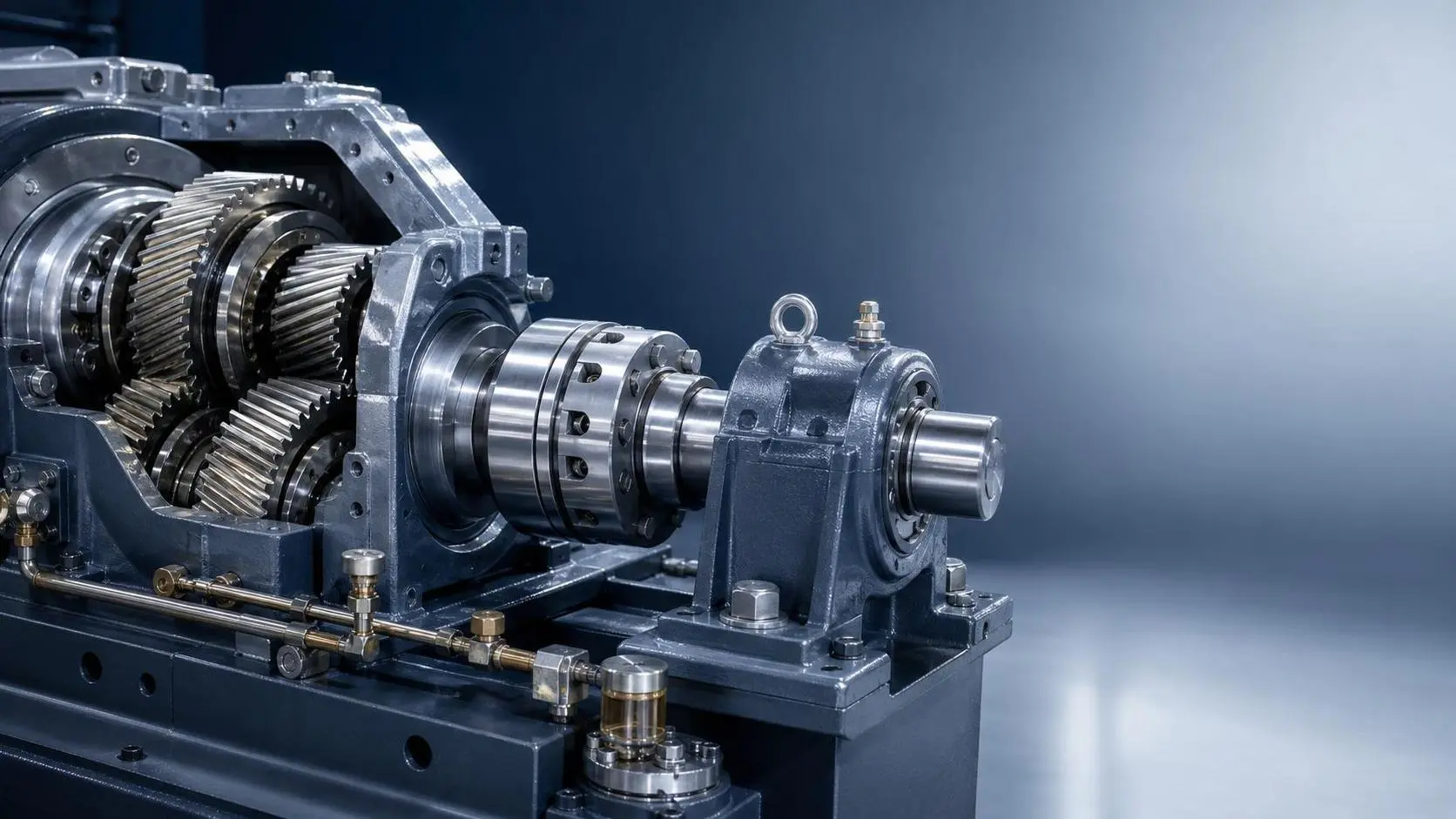
Designing Reliable Mechanical Transmissions: Load, Lubrication, and Fatigue Factors
Reliability in mechanical transmission design starts with real duty cycles. Explore load, lubrication, alignment, and fatigue factors for longer service life.
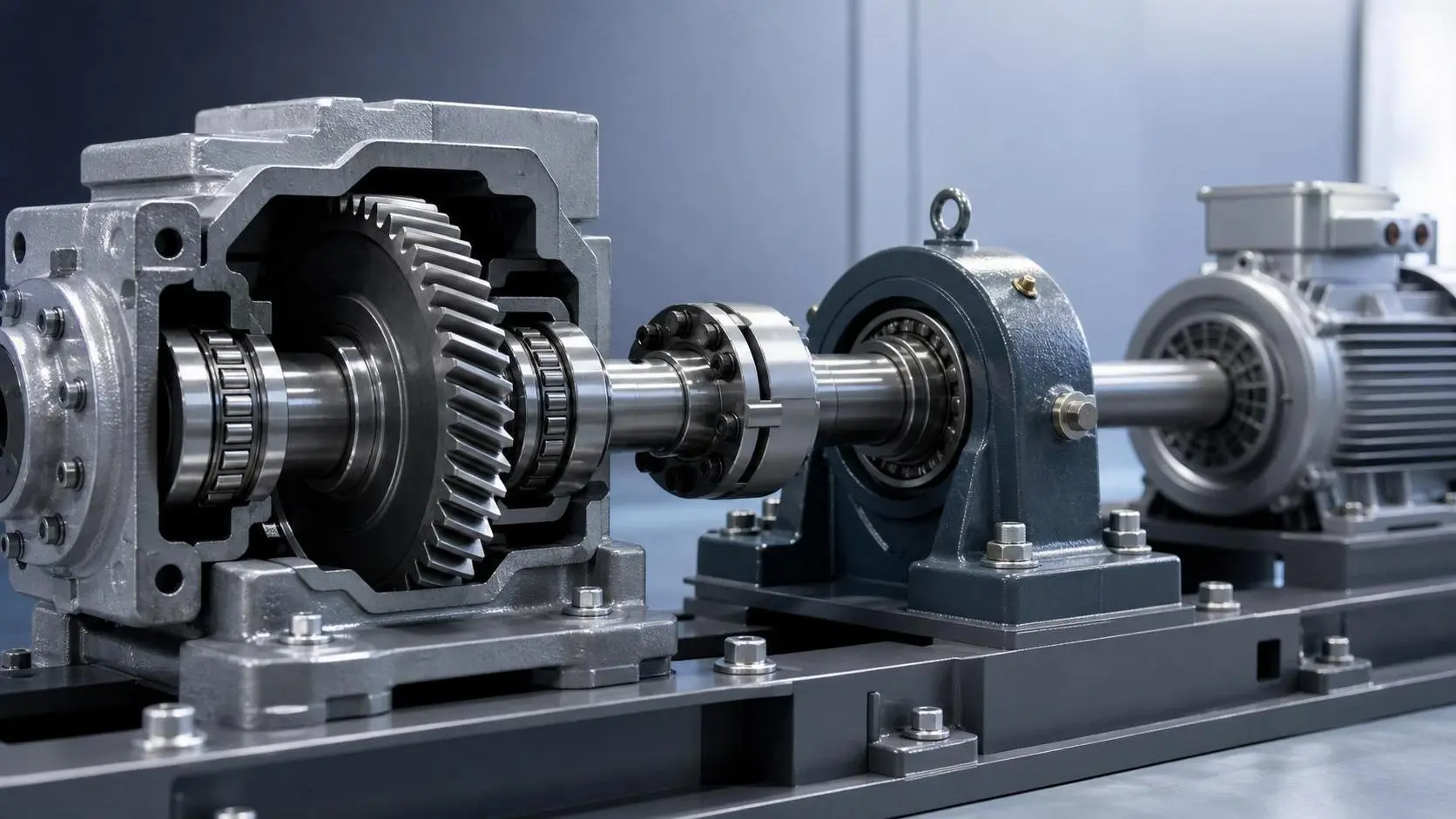
How to Define Load Requirements in Component Specifications for Safe Selection
Component specification guidance for load requirements: define load paths, duty cycles, peaks, environmental limits, and safety margins for safer component selection.
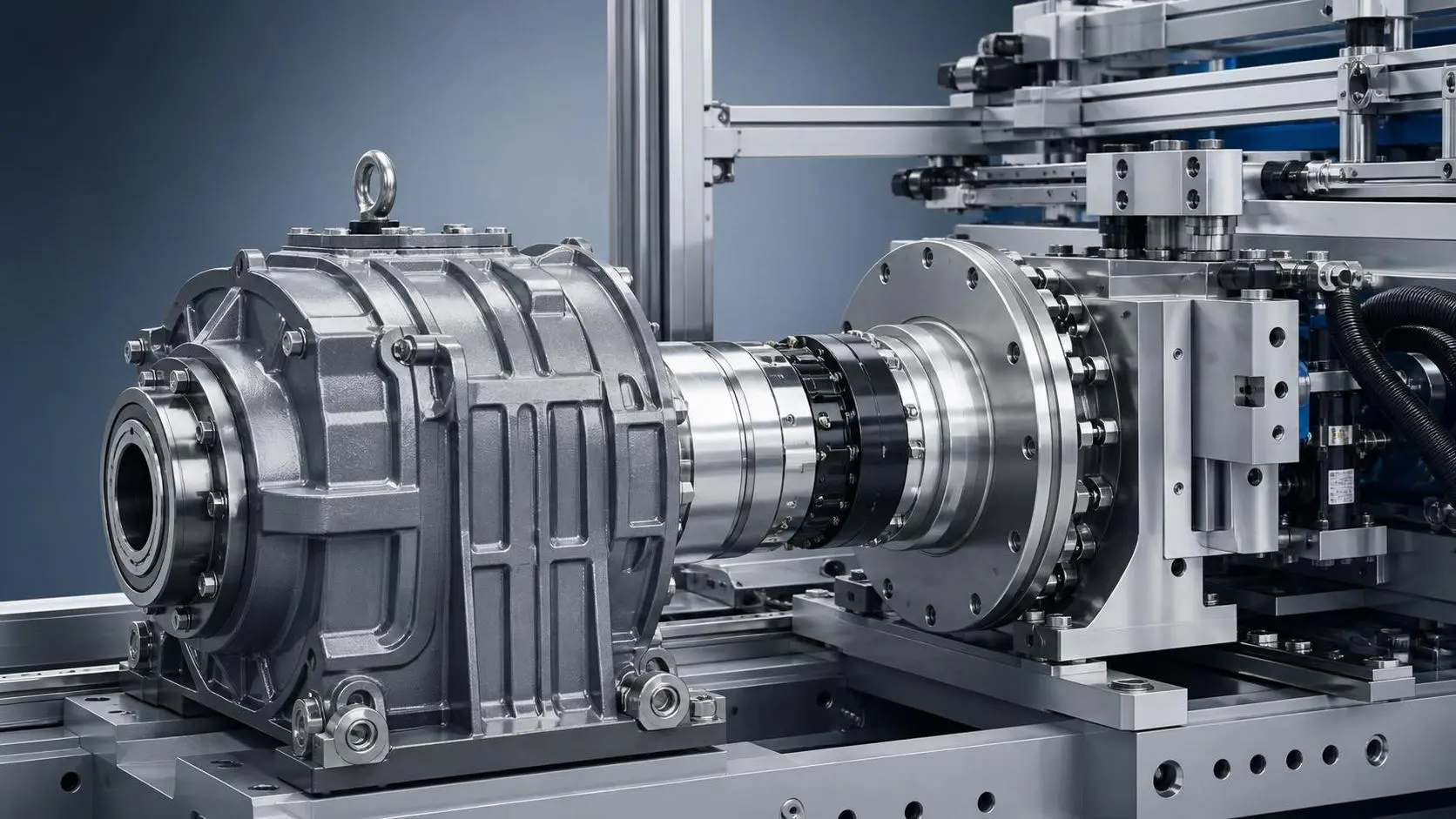
How to Evaluate Precision Engineered Transmissions for High-Load Industrial Systems
Precision engineered transmissions for high-load systems: learn how to assess load profiles, thermal limits, sealing, stiffness, and lifecycle reliability for smarter industrial decisions.
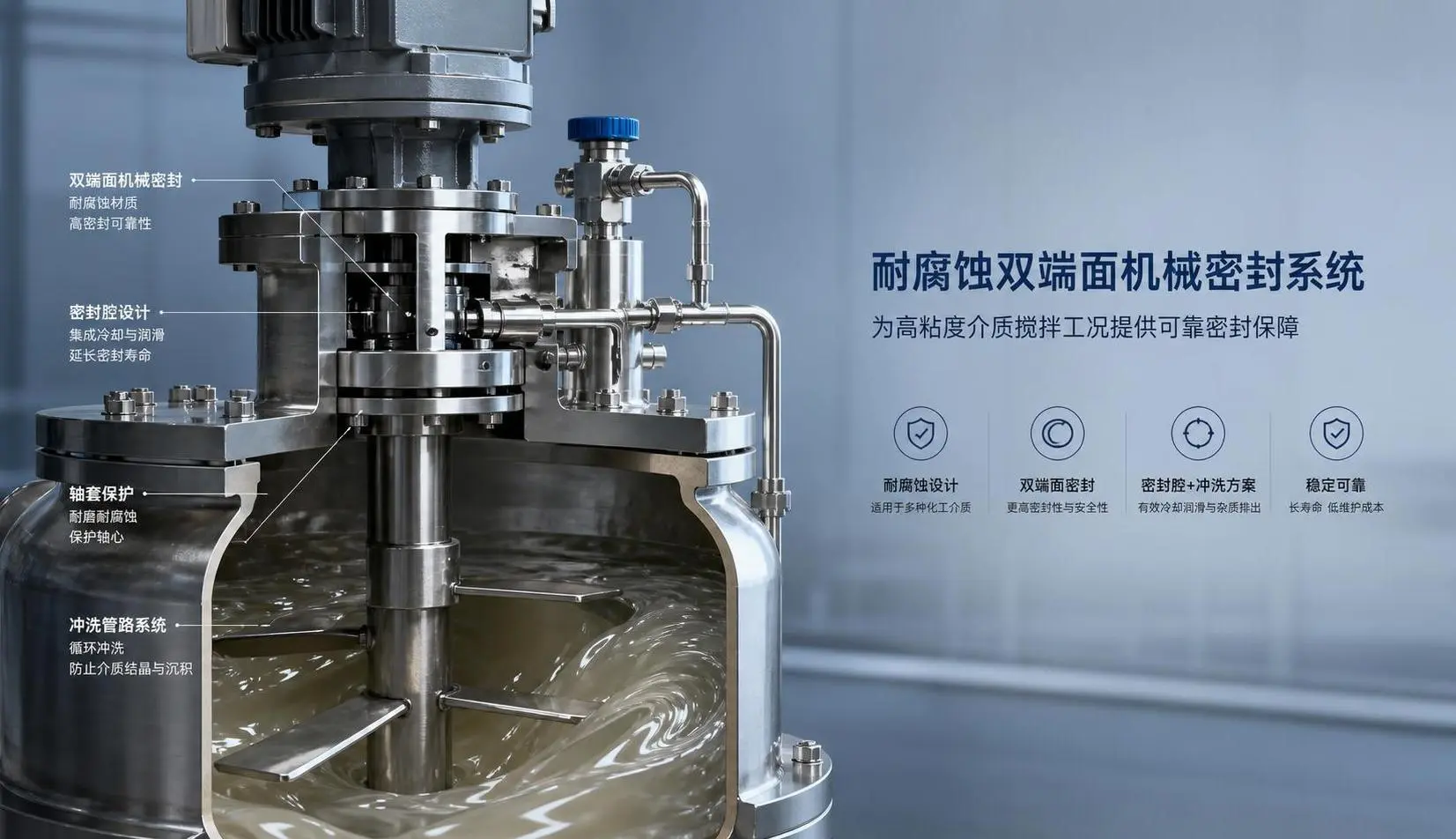
How to Select Mechanical Seals for Mixers in Corrosive or High-Viscosity Processes
Mechanical seals for mixers in corrosive or high-viscosity processes require the right materials, design, and support system. Learn how to choose a reliable seal and reduce leaks, downtime, and maintenance.
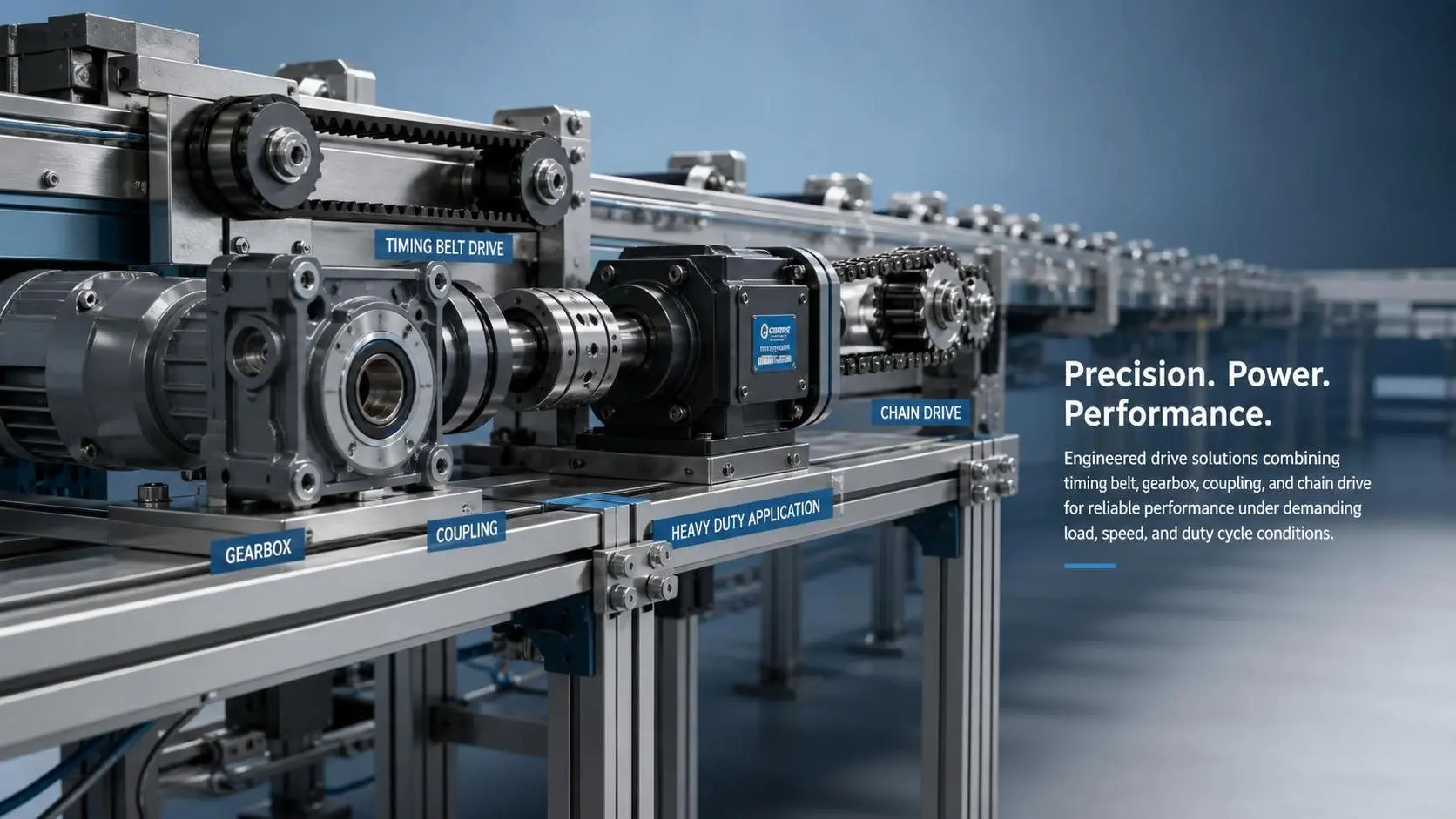
How to Select Automated Line Drive Components for Load, Speed, and Duty Cycle?
Automated line drive components selection starts with real load, speed, and duty cycle analysis. Learn how to reduce failures, improve reliability, and choose smarter for demanding production lines.