
Industry News
Curation by industry experts
Hot Articles
Popular Tags
Extreme Condition Mechanical Systems: Common Failure Causes and Fix Strategies
Extreme Condition Mechanical Systems: Common Failure Causes and Fix Strategies
Extreme condition mechanical systems rarely fail from one sudden incident.
More often, damage grows through heat, contamination, overload, vibration, and missed inspection signals.
That is why fast repair alone is not enough.
Field reliability improves when teams understand why parts degrade under harsh duty cycles.
In extreme condition mechanical systems, weak lubrication, seal fatigue, and alignment drift usually appear together.
This article breaks down common failure causes and practical fix strategies that support better diagnosis and longer service life.
Why Extreme Condition Mechanical Systems Fail So Often
Harsh operating environments compress the safety margin of every rotating and moving component.
High temperature thins lubricants, low temperature hardens seals, and dust disrupts precision surfaces.
Shock loads add another layer of stress, especially in conveyors, gear drives, reducers, couplings, and pump assemblies.
In many sites, the first warning signs are subtle.
A small leak, a hotter bearing housing, or a slight increase in noise often points to deeper instability.
From a maintenance perspective, extreme condition mechanical systems fail faster when these early clues are treated as normal aging.
The usual stress combination
- Thermal cycling that expands and contracts shafts, housings, and seals.
- Contaminants that scratch contact surfaces and poison lubrication films.
- Misalignment that raises load concentration on bearings, belts, and couplings.
- Intermittent overload that creates fatigue cracks before visible failure appears.
- Poor shutdown or startup practice that causes dry running and shock contact.
When several of these conditions overlap, failure speeds up dramatically.
Failure Cause 1: Lubrication Breakdown Under Heat, Load, and Contamination
Lubrication failure remains one of the top causes in extreme condition mechanical systems.
Once the protective film collapses, friction rises fast and surface damage accelerates.
This is common in high-load gearboxes, chain drives, rolling bearings, and mechanical seals.
Typical symptoms
- Oil darkening faster than expected.
- Grease bleeding, hardening, or separating.
- Rising operating temperature and unstable vibration values.
- Metal particles in oil samples or magnetic plugs.
- Smearing, scoring, or pitting on contact surfaces.
Practical fix strategies
- Match lubricant viscosity to actual temperature range, not nameplate assumptions.
- Shorten relubrication intervals where heat, washdown, or dust exposure is severe.
- Use contamination control measures such as breathers, filtration, and sealed transfer tools.
- Check whether load spikes exceed the lubricant film capacity during startup.
- Review oil analysis trends instead of relying only on calendar-based changeouts.
In real operations, the best lubrication plan is always site-specific.
A premium oil cannot protect extreme condition mechanical systems if contamination entry stays uncontrolled.
Failure Cause 2: Seal Weakness and Leakage Paths
Sealing problems often start small, then trigger wider system damage.
A leaking seal does more than lose fluid.
It also opens the door to dust, water, chemicals, and air ingress.
That combination is especially harmful in extreme condition mechanical systems working outdoors, near process fluids, or under pressure variation.
Common root causes
- Seal material incompatible with heat, media, or pressure fluctuations.
- Shaft wear grooves that prevent proper sealing contact.
- Installation damage caused by poor tools or dry assembly.
- Housing distortion or excessive shaft runout.
- Pressure pulses that exceed design limits.
How to fix the issue
Start by identifying whether the leak is a material issue, a geometry issue, or an operating condition issue.
That distinction saves time and avoids repeat replacements.
- Confirm chemical compatibility and temperature rating before selecting replacement seals.
- Inspect shafts and sleeves for wear tracks, eccentricity, and surface finish damage.
- Measure runout and housing fit instead of judging by appearance.
- Use correct installation sleeves, lubrication, and torque practice.
- Track repeat leak points by asset location and operating mode.
This is where reliability thinking matters.
If the same seal fails every quarter, the seal may not be the real problem.
Failure Cause 3: Misalignment, Soft Foot, and Hidden Mechanical Stress
Misalignment is one of the most underestimated drivers of premature wear.
In extreme condition mechanical systems, even small offset or angular error multiplies stress under load.
Bearings run hotter, couplings fatigue earlier, and seals lose stability.
Warning signs in the field
- Frequent coupling insert wear.
- Bearing failures repeating on the same drive end.
- Abnormal vibration after replacement work.
- Loose hold-down bolts or base movement.
- High temperature near one side of the housing.
Fix strategies that hold up
- Check base flatness and soft foot before final alignment.
- Measure thermal growth if operating temperature changes shaft position.
- Reconfirm alignment after piping, guards, and load connections are installed.
- Use repeatable tightening sequences and documented tolerances.
- Compare vibration signatures before and after correction.
A useful rule is simple.
If new parts fail too soon, revisit alignment before blaming component quality.
Failure Cause 4: Material Fatigue, Wear, and Surface Damage
Material fatigue is cumulative and often silent until a crack becomes visible.
Extreme condition mechanical systems face repeated stress cycles, abrasive particles, and micro-slip at contact points.
That environment promotes pitting, spalling, fretting, and fracture initiation.
Where it shows up first
- Gear tooth flanks under heavy torque variation.
- Bearing raceways with poor lubrication history.
- Keyways, splines, and coupling hubs under cyclic reversal.
- Chains and sprockets exposed to dirt and shock loading.
Effective response
Do not replace worn parts in isolation when wear patterns suggest system-level stress.
Look at torque peaks, startup behavior, contamination history, and support stiffness.
This kind of structured review improves repair quality and helps prevent repeat shutdowns.
A Practical Diagnostic Flow for Faster Decisions
When extreme condition mechanical systems stop unexpectedly, diagnosis should stay disciplined.
Rushing straight to part replacement often hides the actual trigger.
- Record the operating state before shutdown, including load, speed, and temperature.
- Inspect lubrication condition and leakage evidence first.
- Check alignment, looseness, and mounting integrity.
- Review vibration, oil, and thermal trends if records exist.
- Compare failed surfaces with known wear mechanisms.
- Validate whether the replacement part matches actual service demands.
This sequence reduces guesswork.
It also supports clearer communication between field teams, planners, and component suppliers.
How Better Intelligence Supports More Reliable Repairs
Repair success depends on more than tools and spare stock.
It also depends on access to trustworthy information about materials, failure modes, and technology shifts.
That is where GPT-Matrix adds value across the industrial transmission and sealing landscape.
Its Strategic Intelligence Center connects field problems with broader insight on drive belts, reducers, seals, lubrication trends, and reliability evolution.
For teams dealing with extreme condition mechanical systems, that means better context for choosing longer-life, lower-maintenance solutions.
It also means stronger decisions when balancing uptime, efficiency, and cost pressure.
Final Takeaway
Extreme condition mechanical systems fail through patterns, not random bad luck.
Lubrication breakdown, seal weakness, misalignment, and material fatigue remain the most common triggers.
The most effective fix strategy is to treat every failure as evidence.
Check conditions, verify measurements, study wear patterns, and correct the system cause behind the damaged part.
That approach reduces repeat failures and keeps extreme condition mechanical systems running with greater confidence.
If reliability is becoming harder to maintain, start by tightening diagnosis discipline and upgrading the information behind each repair decision.
Recommended News
How to Evaluate Industrial Solution References Before Approving a Plant Upgrade
Industrial solution references: learn how to verify real-world performance, integration risks, lifecycle value, and commissioning results before approving a plant upgrade.
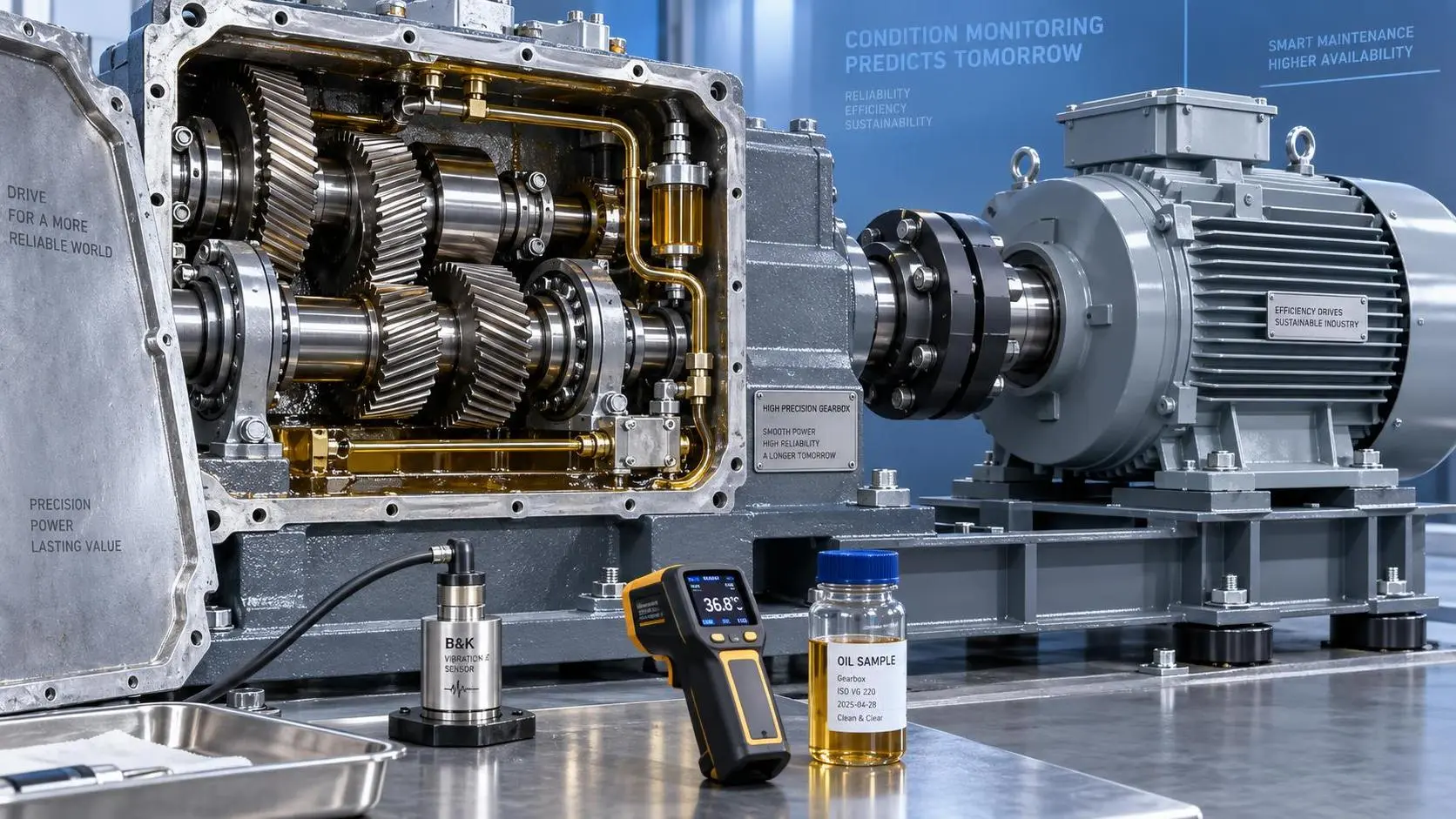
Transmission Failure Analysis: How to Trace Root Causes in Gearbox Drive Systems
Transmission failure analysis: uncover gearbox root causes through evidence preservation, gear damage patterns, lubrication checks, alignment inspection, and actionable repair strategies.
How Precision Mechanical Linkages Improve Positioning Accuracy in Automated Machinery
Mechanical linkage technology precision improves automated machinery positioning accuracy by reducing backlash, deflection, and drift. Discover practical evaluation insights.

Selecting Gear Reducers for North American Conveyor Systems: Torque, Duty Cycle, and Compliance
Gear reducers North America: learn how to match conveyor drives to torque, duty cycle, thermal limits, and compliance requirements for safer, reliable performance.

How to Qualify an OEM Component Factory for Reliable Long-Term Supply
OEM component cooperation factory qualification guide: assess process control, traceability, engineering support, and supply resilience for reliable long-term sourcing.

Tribology in Bearings: How Lubrication, Friction, and Wear Affect Service Life
Tribology in bearings explained: learn how lubrication, friction, wear, contamination, and alignment influence service life and help prevent premature failure.

Choosing Extreme Pressure Seals for High-Load Hydraulic Applications
Extreme pressure seals for high-load hydraulics: learn how to improve extrusion resistance, control friction, and extend cylinder service life.

What Drives Automated Production Cost in High-Volume Manufacturing?
Automated production cost depends on energy use, reliability, downtime, scrap, and serviceability. Discover practical lifecycle strategies to protect margins in high-volume manufacturing.

Low-Maintenance Transmission Price: Key Cost Factors for Industrial Buyers
Low maintenance transmission price insights for industrial buyers: compare lifecycle costs, reliability, maintenance needs, downtime risks, and supplier value.