
Industry News
Curation by industry experts
Hot Articles
- Evolutionary TrendsIndustry 4.0 Automation Technologies Comparison: Which Systems Fit High-Mix Production?
- Gear ReducersDesign Challenges in Extreme Condition Mechanical Systems and How Engineers Solve Them
- Commercial InsightsIndustry 4.0 Smart Manufacturing Solutions for Legacy Plants: Upgrade Paths and ROI Factors
Popular Tags
How Industrial Transmission Systems Work and Which Types Fit Different Machines
Industrial transmission sits behind almost every productive machine, yet it rarely receives attention until efficiency drops, noise rises, or downtime spreads across a line. The way torque moves from motor to load determines speed stability, maintenance cycles, energy use, and even product quality. That is why understanding how industrial transmission systems work is not only a technical topic, but also a practical business question across manufacturing, material handling, processing, and heavy equipment.
In broad terms, an industrial transmission system transfers mechanical power, adjusts motion, and helps machines match output to real operating conditions. Belts, chains, gears, couplings, reducers, bearings, and sealing elements all shape that transfer path. Different machines need different combinations, because a packaging conveyor, a rolling mill, and a mining crusher do not ask for the same balance of precision, load capacity, shock resistance, or maintenance access.
Why industrial transmission matters more now
The current focus on industrial transmission is tied to three pressures. Energy costs remain volatile. Production lines are becoming more automated. Asset owners expect longer service life with fewer unplanned stops.
That combination changes selection priorities. A component is no longer judged only by whether it can move a shaft. It is judged by lifecycle efficiency, monitoring compatibility, spare-part predictability, and performance under variable loads.
This is also where platforms such as GPT-Matrix add value. By linking material science, mechanical logic, market signals, and reliability trends, the discussion moves beyond catalog data. It becomes easier to compare how new belt materials, smarter gear reducers, or improved sealing technologies affect real machine decisions.
How power moves through a transmission system
At the simplest level, a motor creates rotational power. The industrial transmission system carries that power to the driven machine. During that transfer, it may change speed, increase torque, absorb misalignment, reduce vibration, or protect connected parts from overload.
A common power path starts with the motor, then passes through a coupling, gearbox or reducer, transmission element, shafting, bearings, and finally the load. Seals protect lubricated zones and keep dust, moisture, or chemicals away from sensitive surfaces.
Each stage introduces trade-offs. Higher reduction can improve torque, but may reduce speed. Flexible couplings can absorb misalignment, but excessive flexibility may affect positioning accuracy. Better sealing improves reliability, but friction and heat must still be managed.
The four core functions
- Transmit power from the prime mover to the working unit.
- Modify speed and torque to suit process requirements.
- Control alignment, shock, and motion stability.
- Protect reliability through lubrication and sealing support.
Major industrial transmission types and how they differ
Not every industrial transmission solution works the same way. Some prioritize precision. Others favor distance, flexibility, or ruggedness. The fit depends on machine behavior rather than on a single “best” technology.
Belts: efficient and versatile
Belt-based industrial transmission remains common because it is economical, quiet, and adaptable. V-belts work well in general drives. Synchronous belts are preferred when timing accuracy matters.
They fit machines with moderate loads and a need for simpler maintenance. Recent material advances also support better temperature resistance and longer service intervals.
Chains: load capacity with positive drive
Chain systems are chosen when slip cannot be tolerated and operating conditions are tougher. They are often used in agriculture, bulk handling, and rugged conveying.
The trade-off is maintenance discipline. Lubrication quality, sprocket alignment, and wear tracking have a direct effect on service life.
Gears and reducers: precision under load
Gear-based industrial transmission is the preferred choice where ratio accuracy, torque multiplication, and compact design matter most. Helical, bevel, worm, and planetary arrangements serve different motion paths.
In automated production, the digital integration path of gear reducers is drawing attention. Condition monitoring, thermal analysis, and predictive maintenance now influence specification as much as torque ratings do.
Which systems fit different machines
The right industrial transmission choice begins with machine behavior. Looking only at horsepower often leads to weak comparisons. Operating pattern matters more.
Continuous conveyors and packaging lines
These machines usually value stable speed, low noise, and fast maintenance. Belt drives and compact gearmotors are common. If indexing accuracy matters, synchronous belts or servo-compatible reducers become more suitable.
Pumps, fans, and compressors
These applications often run for long hours. Direct couplings or belt drives are widely used, depending on layout and speed adjustment needs. Reliability depends heavily on alignment, bearing load, and sealing performance.
Heavy process equipment
Crushers, mixers, kilns, and rolling systems need industrial transmission components that can survive shock loads and harsh contamination. Gear reducers, heavy-duty couplings, and robust sealing systems usually take priority over low initial cost.
Precision automation and motion control
Robotics, pick-and-place systems, and advanced assembly lines require low backlash, repeatable motion, and compact packaging. Planetary reducers, timing belts, and torsionally tuned couplings are common combinations.
The selection factors that shape long-term results
A useful comparison framework looks beyond nominal ratings. Industrial transmission performance depends on the environment around the machine as much as on the drive itself.
- Load profile: steady torque behaves differently from cyclic shock loads.
- Duty cycle: continuous operation raises heat and lubrication demands.
- Speed range: high-speed systems need balance and vibration control.
- Accuracy needs: some machines tolerate slip, others cannot.
- Environment: dust, washdown, chemicals, and heat affect materials.
- Service access: the best system on paper may be hard to maintain onsite.
More attention is also shifting toward lifecycle economics. A lower-cost transmission that demands frequent tensioning, lubrication, or seal replacement may become the more expensive option over time.
Where industry trends are changing decisions
Several trends are reshaping industrial transmission choices. One is the move toward low-maintenance components in automated lines. Another is the growing use of data to predict wear before failure occurs.
Material innovation is also important. High-performance belt compounds, better surface treatments, and stronger sealing materials improve durability under heat, contamination, and variable loads.
GPT-Matrix follows these signals closely through market intelligence, tribology insight, and component evolution analysis. That kind of perspective is useful because supply-chain shifts and raw material costs now influence replacement strategy as much as machine design does.
A practical way to evaluate options
A sound industrial transmission review usually starts with the machine’s real failure points. Is the issue slip, heat, backlash, contamination, overload, or maintenance delay? Once the dominant risk is clear, comparison becomes more disciplined.
It helps to create a short decision matrix with operating speed, torque variation, environmental exposure, required precision, and maintenance window. That makes it easier to compare belt, chain, gear, and coupling arrangements without relying on generic claims.
The next step is to check adjacent elements. A transmission upgrade may fail if bearing capacity, lubrication control, or sealing quality stay unchanged. In real systems, component interaction matters more than isolated part performance.
For that reason, the most useful path forward is often a structured review: map the machine duty, identify the weak link, compare transmission types against lifecycle demands, and track technology trends that may change the cost-performance balance. Industrial transmission decisions improve when technical fit, operating context, and market intelligence are considered together.
Recommended News
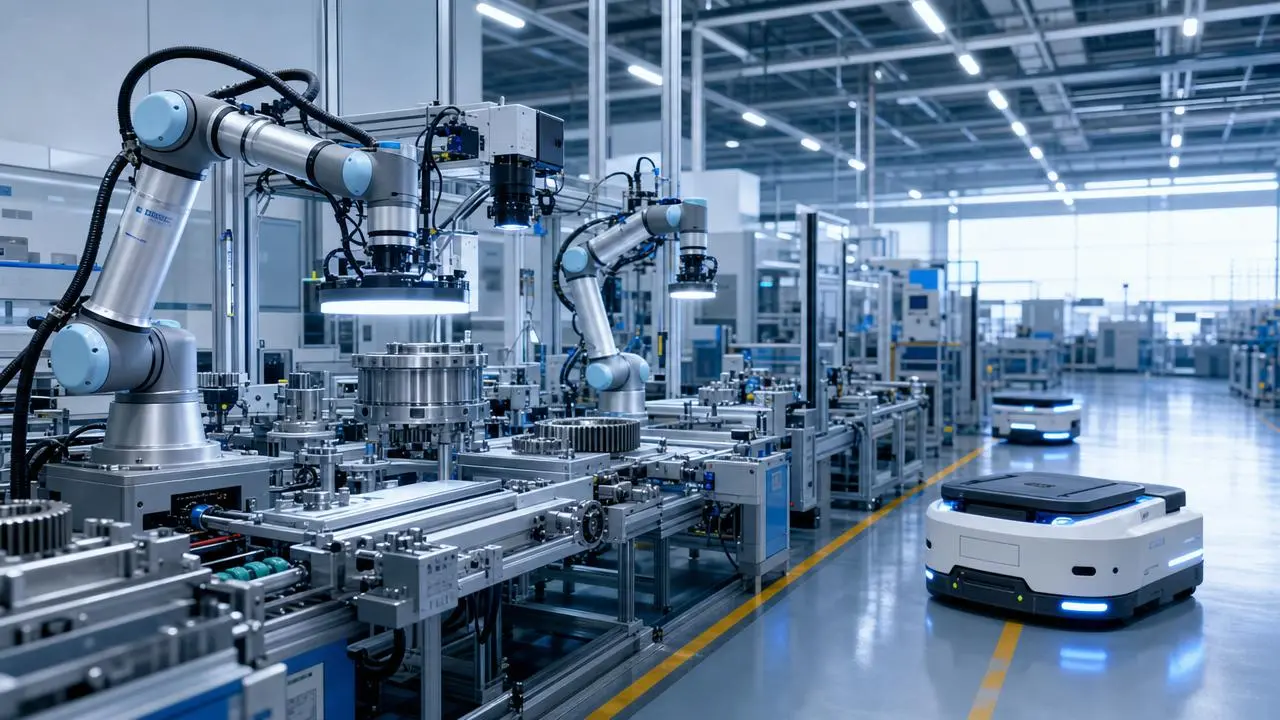
Industry 4.0 Automation Technologies Comparison: Which Systems Fit High-Mix Production?
Industry 4.0 automation technologies for high-mix production compared: discover which systems improve flexibility, integration, uptime, and long-term efficiency.
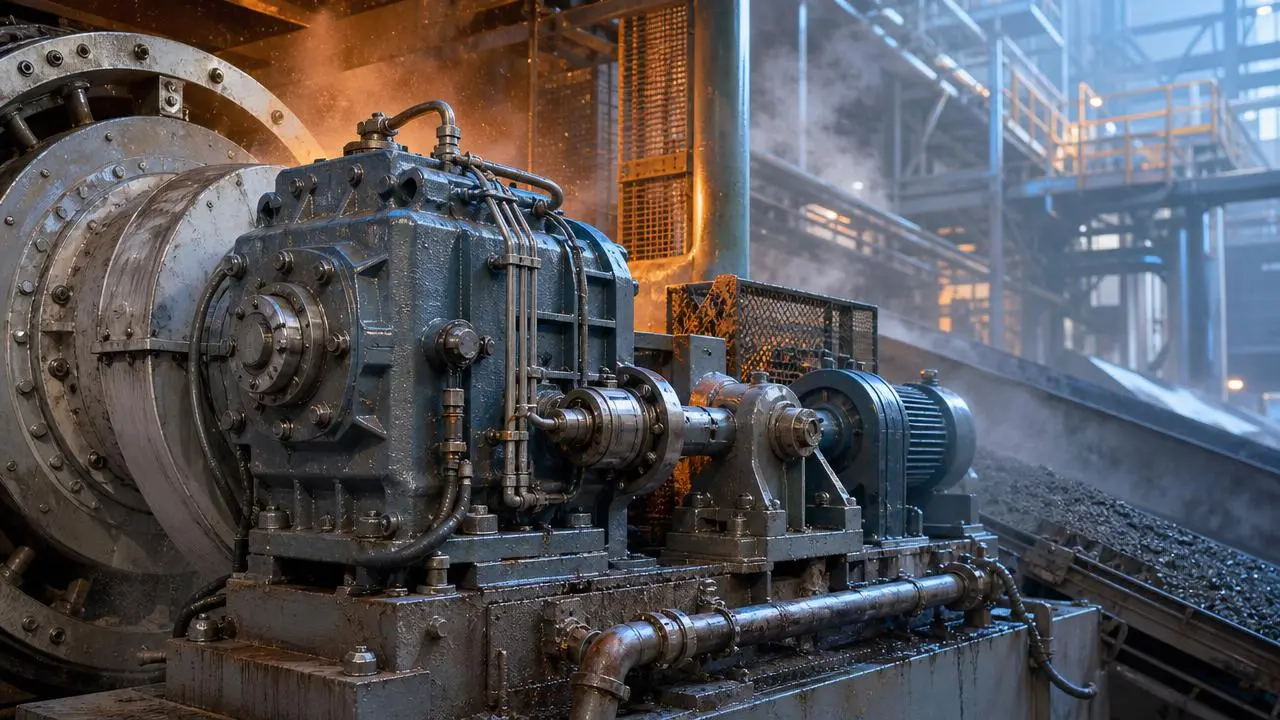
Design Challenges in Extreme Condition Mechanical Systems and How Engineers Solve Them
Extreme condition mechanical systems demand more than stronger parts. Discover how engineers solve heat, corrosion, shock, and dust challenges for longer life and higher reliability.
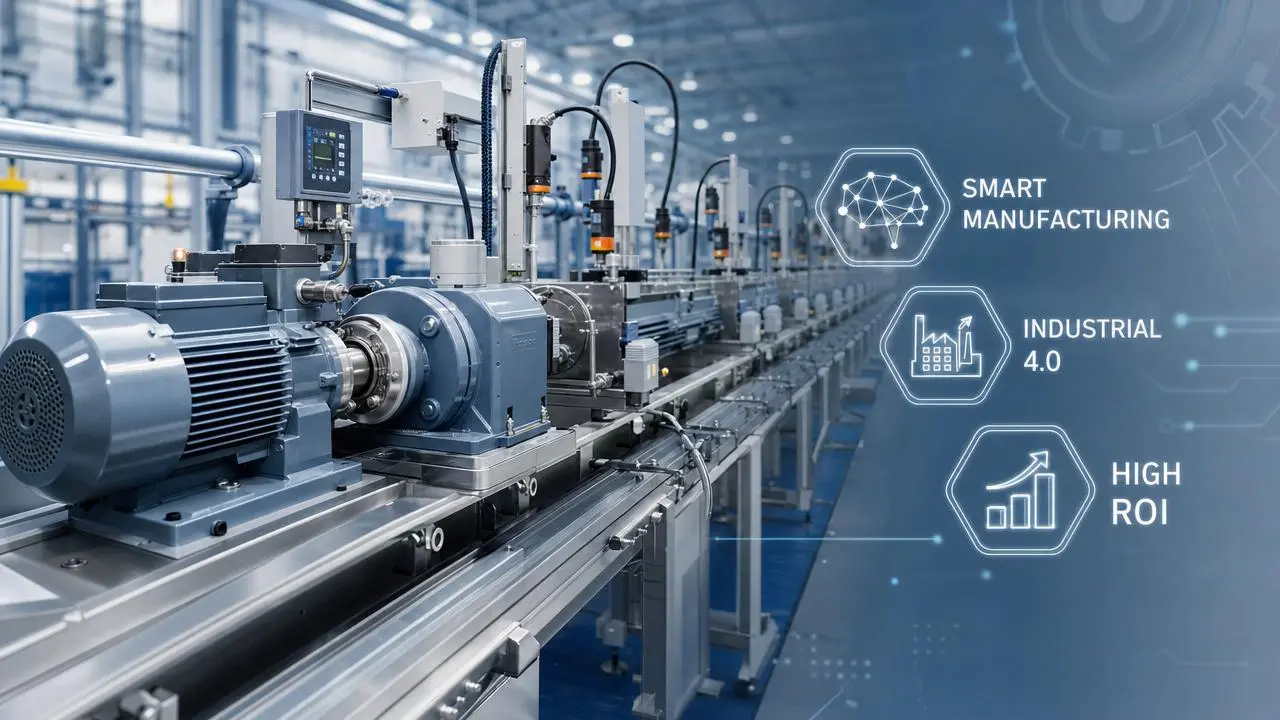
Industry 4.0 Smart Manufacturing Solutions for Legacy Plants: Upgrade Paths and ROI Factors
Industry 4.0 smart manufacturing solutions for legacy plants: explore phased upgrade paths, predictive maintenance, energy savings, and ROI factors to modernize with less risk.
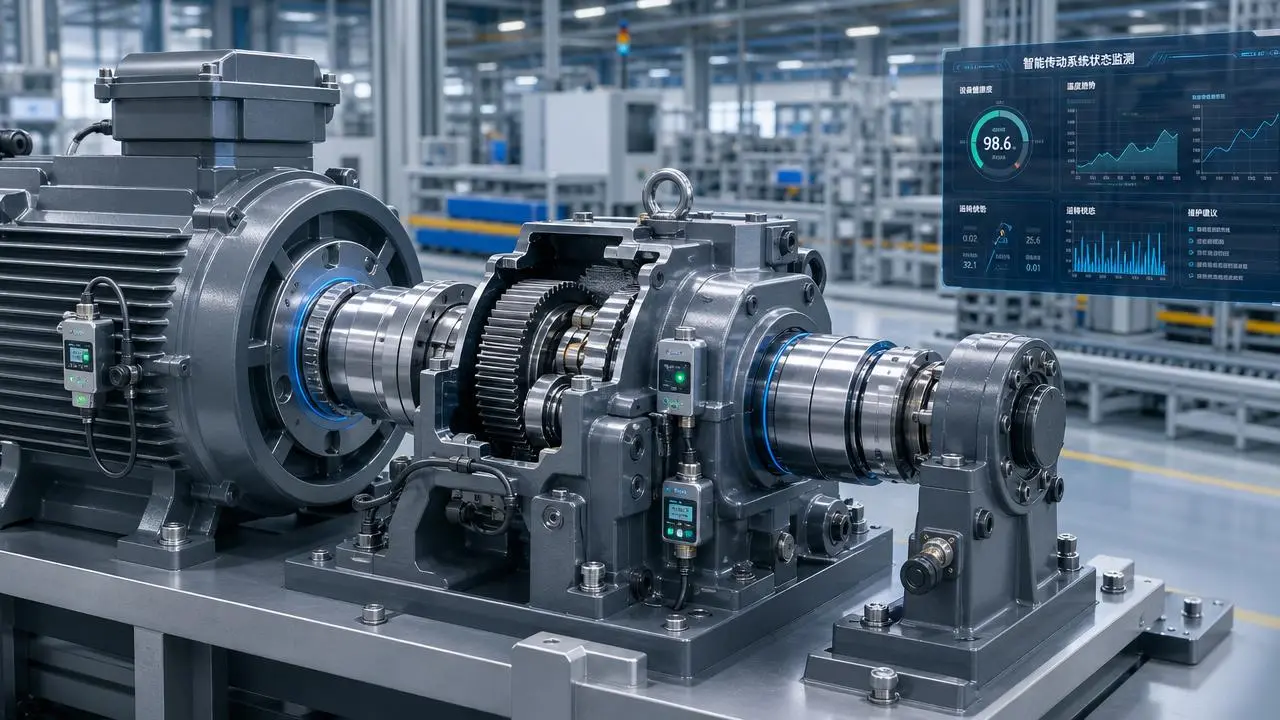
How to Select Smart Transmission Components for Predictive Maintenance Systems
Smart transmission components are key to better predictive maintenance. Learn how to choose options that improve uptime, cut lifecycle cost, and deliver actionable asset data.
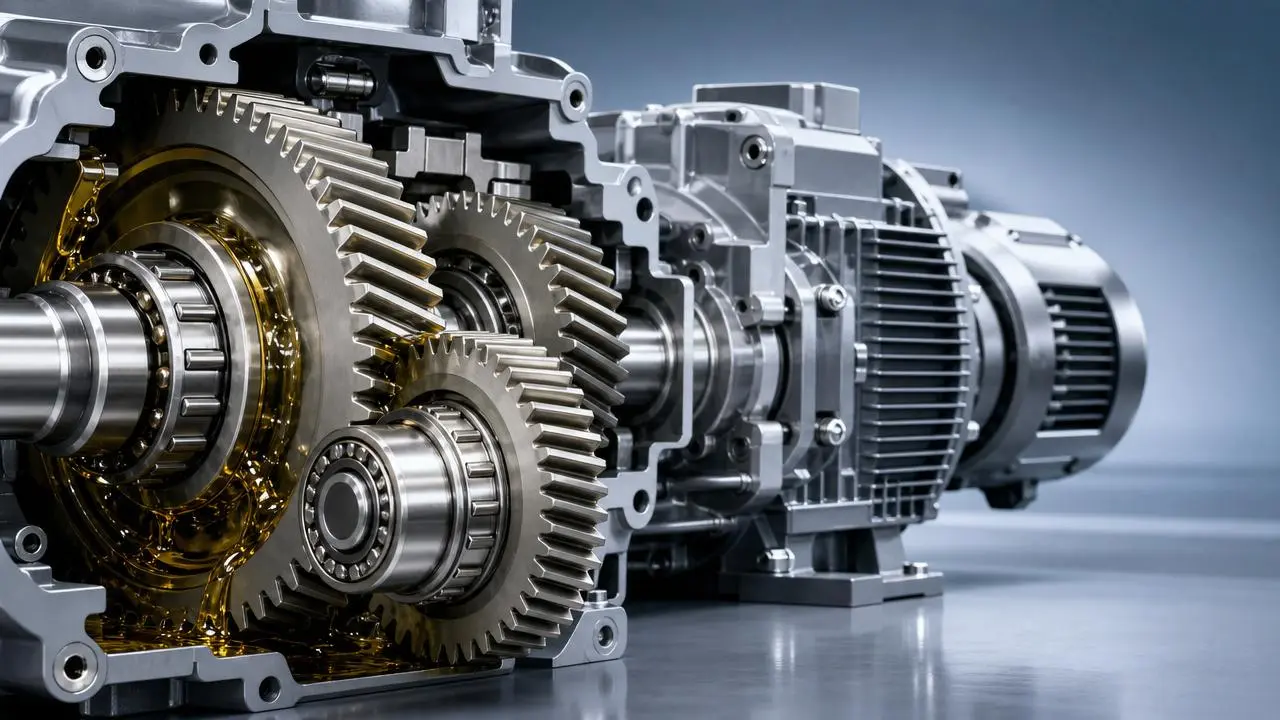
Mechanical Transmission Efficiency Optimization Techniques: How to Cut Power Loss in Gear Drives
Mechanical transmission efficiency optimization techniques to reduce gear-drive power loss: learn how lubrication, alignment, geometry, and thermal control boost uptime and cut energy costs.
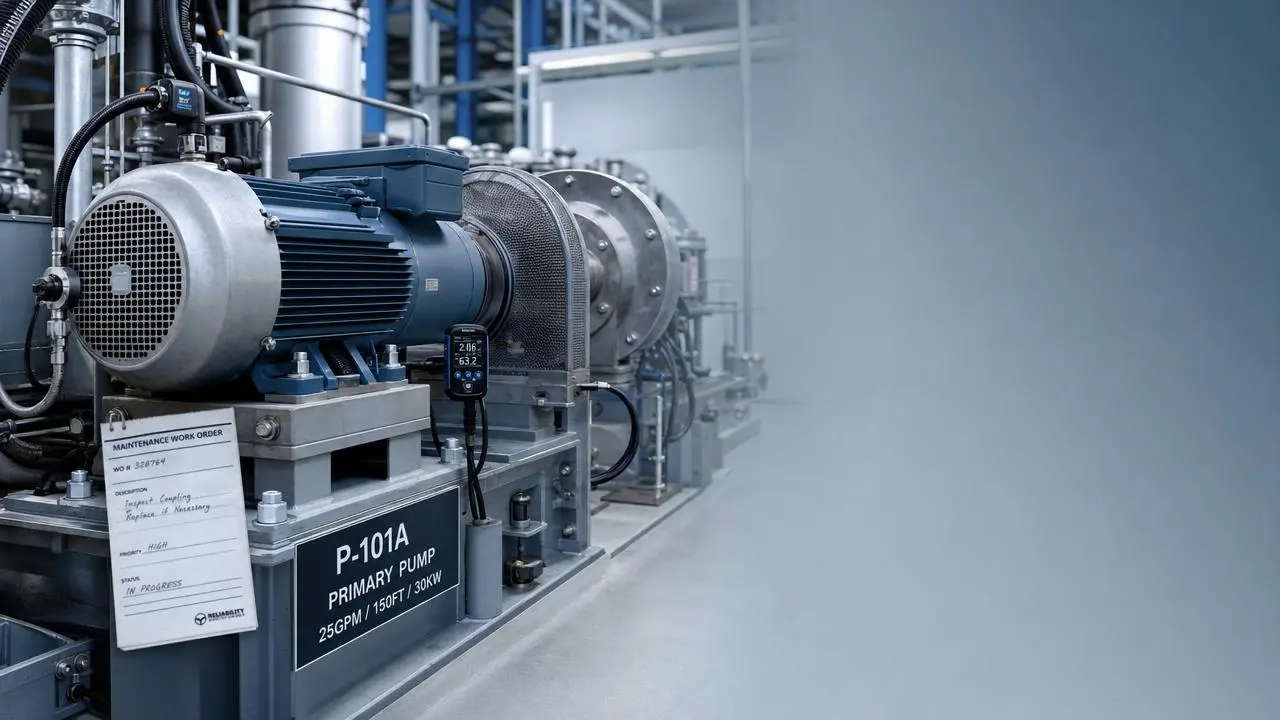
Reliability Engineering in Manufacturing: Which Metrics Matter for Downtime Reduction?
Reliability engineering in manufacturing helps cut downtime by focusing on MTBF, MTTR, repeat failures, and proactive maintenance metrics that drive faster, smarter action.
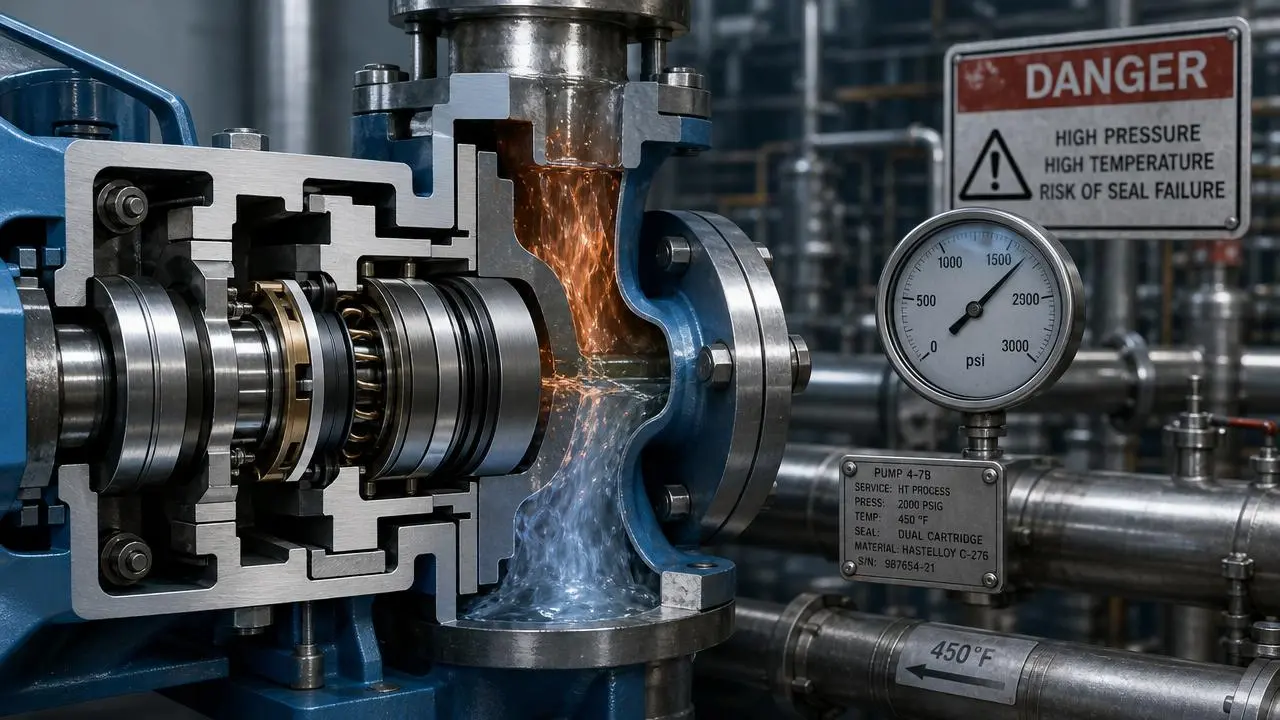
How to Choose Mechanical Seals for Extreme Conditions: Materials, Pressure, and Failure Risks
Mechanical seals for extreme conditions manufacturers: learn how to compare materials, pressure limits, thermal risks, and failure modes to choose reliable seals and reduce downtime.
Industry 4.0 Digital Transformation Roadmap: Where Manufacturers Should Start
Industry 4.0 digital transformation starts with the right operational bottleneck. Discover where manufacturers should begin to improve uptime, cut hidden losses, and scale digital ROI.
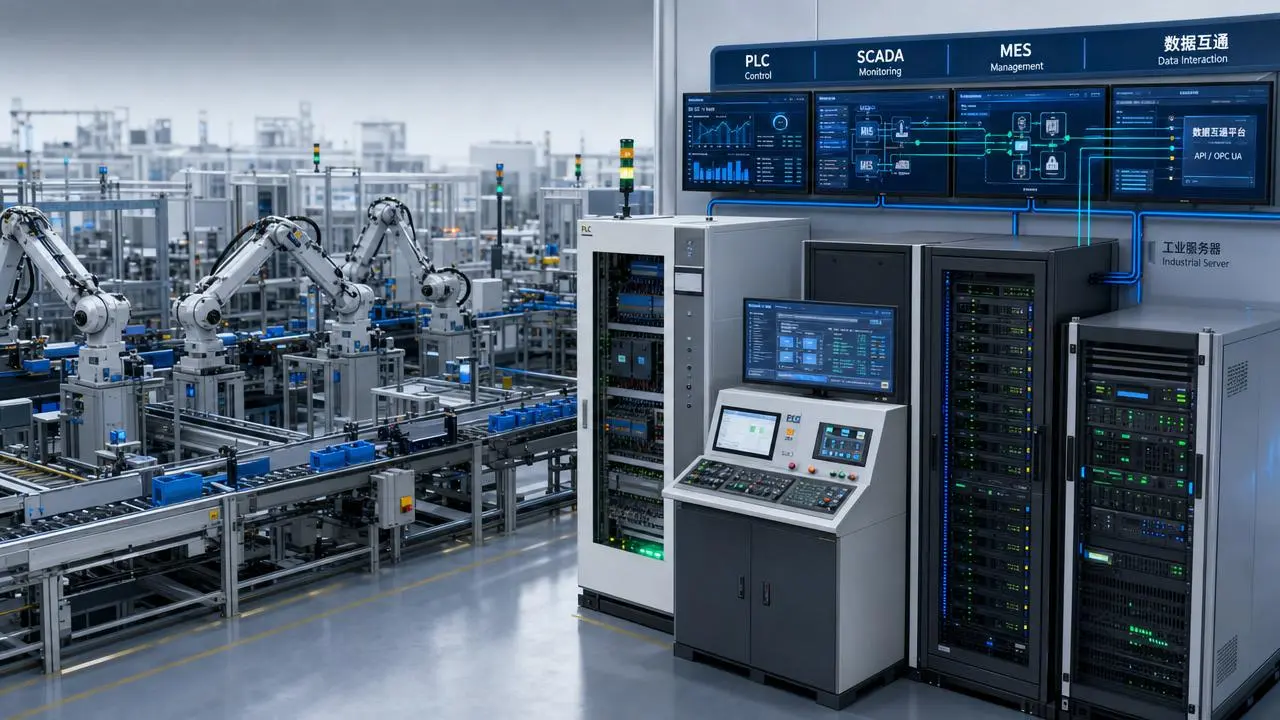
How to Evaluate Industrial Automation Integration Solutions for Multi-Line Plants
Industrial automation integration solutions for multi-line plants: learn how to assess interoperability, scalability, reliability, and lifecycle cost to choose a smarter, lower-risk system.