
Industry News
Curation by industry experts
Hot Articles
Popular Tags
Tribology Applications in Manufacturing: Where Friction Control Improves Equipment Life
Where tribology applications in manufacturing create the most value
Tribology applications in manufacturing matter most when friction, wear, and contamination quietly shorten equipment life before visible failure appears.
In real production settings, the issue is rarely just lubrication quantity. It is usually the interaction of load, speed, surface finish, temperature, and maintenance rhythm.
That is why two lines using similar bearings or gear sets can show very different reliability. One runs clean and stable. The other suffers heat, noise, and premature replacement.
Tribology applications in manufacturing help close that gap. They improve contact behavior in bearings, gears, seals, chains, couplings, guides, and drive systems.
The practical value is not abstract. Better friction control reduces power loss, slows surface damage, stabilizes motion accuracy, and limits unplanned stoppages.
For a platform such as GPT-Matrix, this topic also connects material science with transmission logic. Surface behavior affects belt performance, reducer reliability, seal life, and service intervals across industries.
Actual conditions change the decision more than component labels
A common mistake is to treat tribology applications in manufacturing as a universal lubricant selection exercise. In practice, the scene determines the right decision.
High-speed conveyors, enclosed gear reducers, metal cutting spindles, and dusty bulk handling systems all create different friction regimes and wear risks.
More importantly, operating conditions do not stay fixed. Energy costs, duty cycles, ambient contamination, and washdown requirements can shift the best solution over time.
This is where intelligence-driven evaluation becomes useful. GPT-Matrix often frames reliability through component interaction, not isolated part data.
Looking at contact pressure alone is not enough. Boundary lubrication risk, material pairing, sealing quality, and relubrication feasibility usually decide long-term performance.
Different production environments usually focus on different failure triggers
The point is not to classify every plant into a neat box. It is to understand which failure mechanism dominates under actual operating pressure.
On automated lines, small friction changes can become quality problems
In automated production, tribology applications in manufacturing often support repeatability before they support obvious durability.
Linear guides, servo-driven reducers, compact bearings, and indexing units may not fail dramatically at first. Instead, they drift.
That drift shows up as positioning error, rising torque demand, temperature spread, or unstable cycle time. The root cause is often friction variation at contact surfaces.
Here, lower friction is not automatically better. The more relevant target is controlled friction with predictable film behavior and minimal particle generation.
Surface coatings, cleaner lubricants, and better sealing frequently outperform simple viscosity changes. In compact motion systems, contamination control becomes part of tribology strategy.
In gearboxes and power transmission, heat and film strength decide service life
Gear reducers and enclosed drives are among the clearest tribology applications in manufacturing because friction losses directly affect efficiency and component survival.
When loads are high, gear tooth contact can move quickly from acceptable polishing wear to micropitting or scuffing if lubricant film strength drops.
This is common in systems exposed to variable torque, frequent start-stop cycles, or unexpected thermal rise from dense machine layouts.
A useful judgment method is to compare not only nominal load, but also shock events, sump temperature, oil aeration, and housing ventilation.
GPT-Matrix often highlights the link between evolving reducer design and lubricant performance. Digital monitoring helps, but stable surface interaction still does the physical work.
Where synchronous belts, couplings, and gear stages work together, friction management should be coordinated across the drive train instead of optimized one part at a time.
Seals, bearings, and dirty environments need a different kind of tribology thinking
In dusty, wet, or chemically aggressive areas, tribology applications in manufacturing are shaped by contamination more than by textbook friction values.
A bearing may have excellent dynamic ratings, yet fail early because abrasive fines enter through weak sealing or because washdown removes protective film.
Mechanical seals face similar issues. Surface pairing, fluid properties, pressure fluctuation, and dry running risk all influence wear behavior.
In these settings, a robust tribology plan usually combines material pairing, seal geometry, lubricant retention, and maintenance access.
The best answer may even involve accepting slightly higher friction if it significantly improves exclusion of water, slurry, or airborne particles.
What often gets overlooked before implementation
- Surface roughness after machining can undermine lubricant film performance.
- Relubrication intervals may be unrealistic for inaccessible machine zones.
- Seal material compatibility is often checked too late.
- Temperature peaks during startup may be more severe than steady-state data suggests.
- A lower purchase price can hide faster wear, more shutdowns, and higher energy loss.
Similar equipment does not always need the same tribology strategy
One of the most frequent misjudgments is copying a successful setup from one line to another without checking duty cycle and environment changes.
Two conveyors may share the same reducer model, yet one handles light packaging and the other handles dusty bulk solids with repeated overload peaks.
The first may prioritize energy efficiency and low noise. The second may need stronger film retention, tighter sealing, and more aggressive contamination management.
Tribology applications in manufacturing should therefore be matched to wear mode, not just component nameplate or catalog category.
A practical review should separate adhesive wear, abrasive wear, fretting, corrosion-related wear, and thermal distress because each points to a different remedy.
A workable evaluation path before changing materials or lubricants
When evaluating tribology applications in manufacturing, the most useful next step is a structured site-specific review rather than a quick product substitution.
Start with the contact pair, operating load, speed range, and temperature pattern. Then review contamination sources, sealing limits, and maintenance feasibility.
After that, compare expected gains in equipment life against downtime risk, relubrication labor, and energy consumption across the full operating cycle.
This is also where broader intelligence helps. GPT-Matrix connects tribology insight with market shifts in reducers, belts, sealing systems, and long-life transmission components.
The strongest decisions usually come from combining field evidence with material and transmission knowledge, not from treating friction as a minor maintenance detail.
If a site is reviewing upgrades, it makes sense to map operating scenarios, define the dominant wear risks, check compatibility limits, and rank actions by lifecycle impact.
That approach keeps tribology applications in manufacturing tied to real equipment behavior, where longer service life and more stable efficiency are actually won.
Recommended News

How to Evaluate Industrial Solution References Before Approving a Plant Upgrade
Industrial solution references: learn how to verify real-world performance, integration risks, lifecycle value, and commissioning results before approving a plant upgrade.
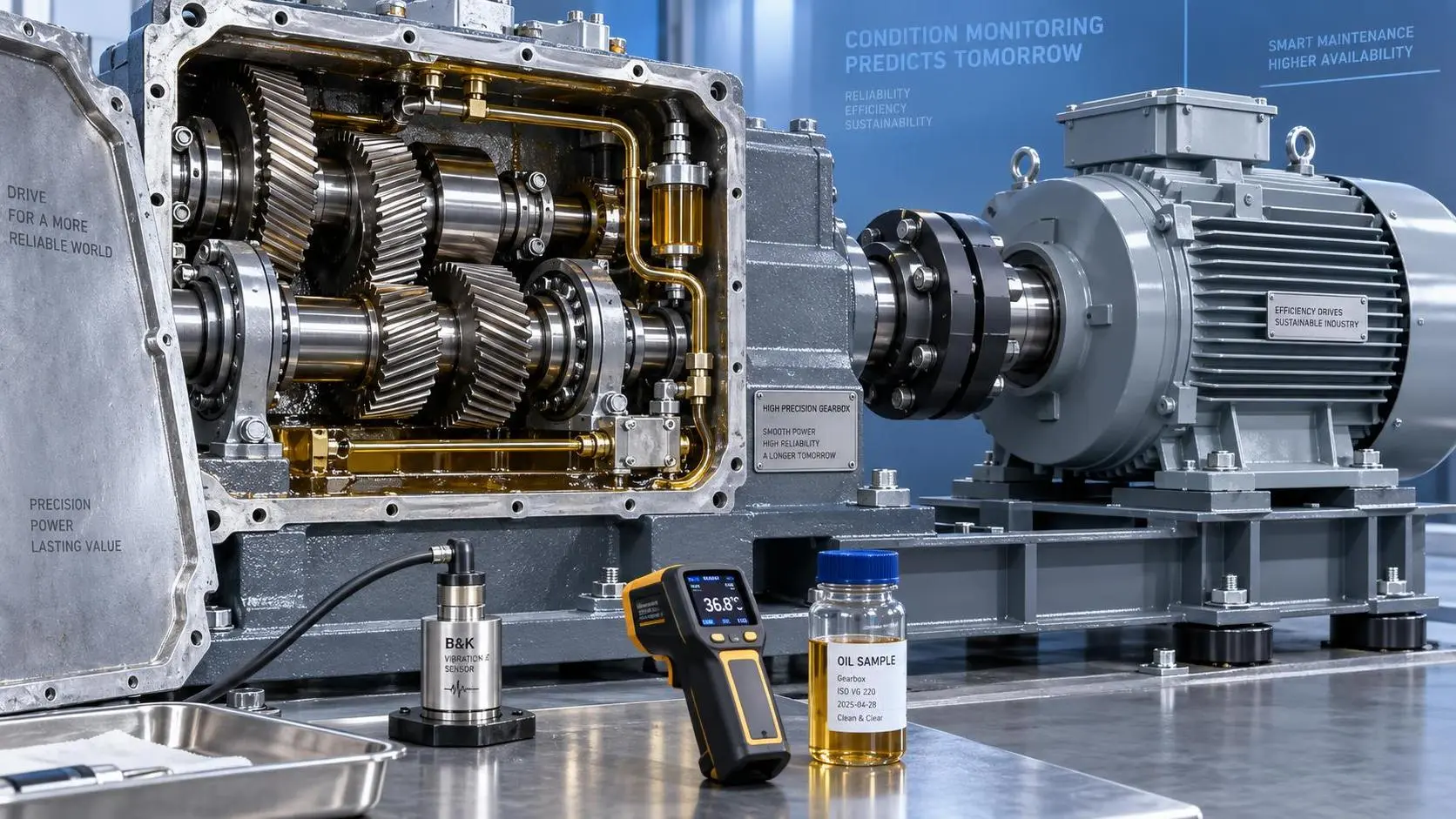
Transmission Failure Analysis: How to Trace Root Causes in Gearbox Drive Systems
Transmission failure analysis: uncover gearbox root causes through evidence preservation, gear damage patterns, lubrication checks, alignment inspection, and actionable repair strategies.
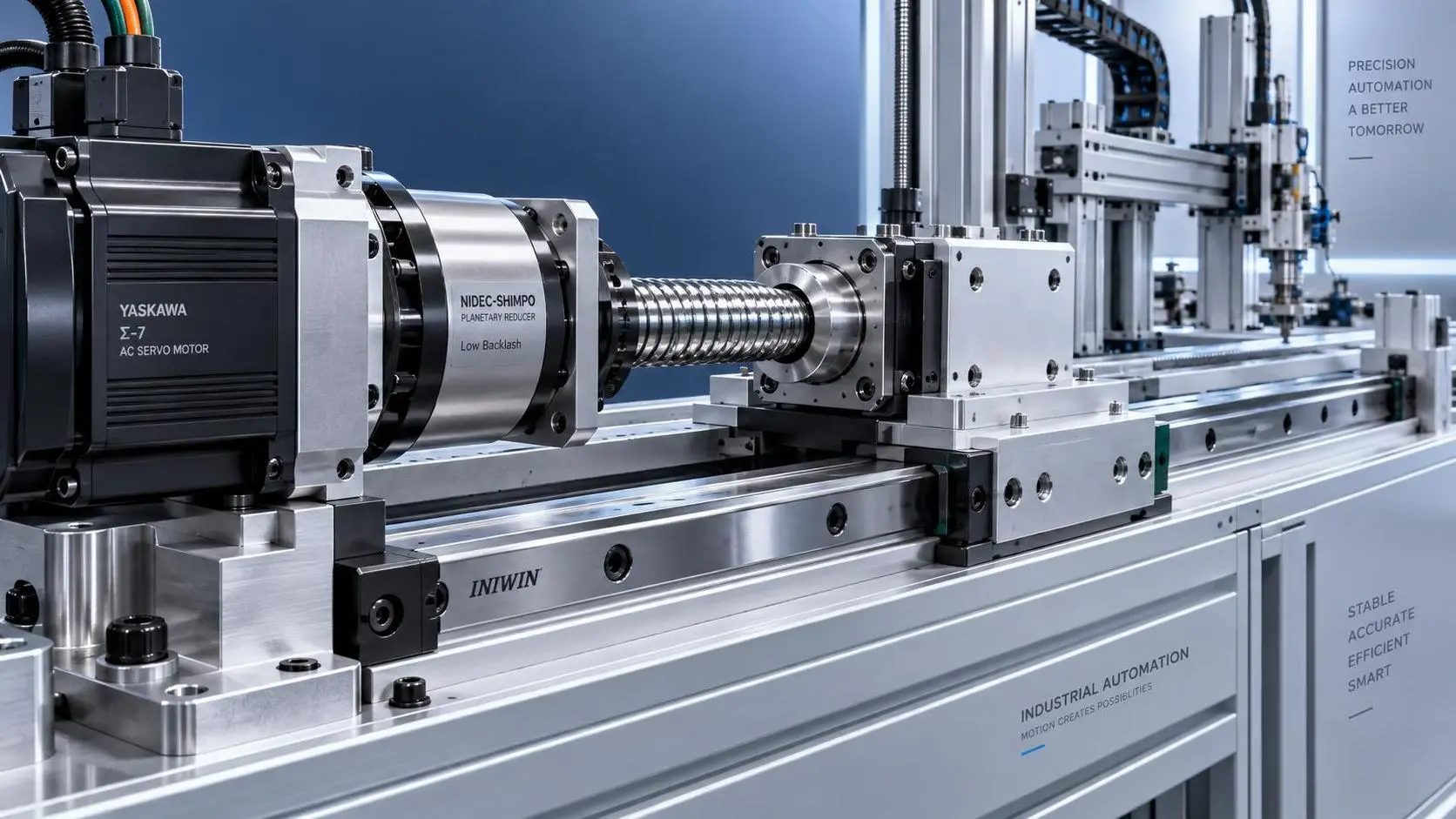
How Precision Mechanical Linkages Improve Positioning Accuracy in Automated Machinery
Mechanical linkage technology precision improves automated machinery positioning accuracy by reducing backlash, deflection, and drift. Discover practical evaluation insights.

Selecting Gear Reducers for North American Conveyor Systems: Torque, Duty Cycle, and Compliance
Gear reducers North America: learn how to match conveyor drives to torque, duty cycle, thermal limits, and compliance requirements for safer, reliable performance.

How to Qualify an OEM Component Factory for Reliable Long-Term Supply
OEM component cooperation factory qualification guide: assess process control, traceability, engineering support, and supply resilience for reliable long-term sourcing.

Tribology in Bearings: How Lubrication, Friction, and Wear Affect Service Life
Tribology in bearings explained: learn how lubrication, friction, wear, contamination, and alignment influence service life and help prevent premature failure.

Choosing Extreme Pressure Seals for High-Load Hydraulic Applications
Extreme pressure seals for high-load hydraulics: learn how to improve extrusion resistance, control friction, and extend cylinder service life.

What Drives Automated Production Cost in High-Volume Manufacturing?
Automated production cost depends on energy use, reliability, downtime, scrap, and serviceability. Discover practical lifecycle strategies to protect margins in high-volume manufacturing.

Low-Maintenance Transmission Price: Key Cost Factors for Industrial Buyers
Low maintenance transmission price insights for industrial buyers: compare lifecycle costs, reliability, maintenance needs, downtime risks, and supplier value.