
Industry News
Curation by industry experts
Hot Articles
Popular Tags
When drive systems improve uptime in automation lines
In automated production lines, even a small drive failure can trigger costly downtime, quality issues, and maintenance pressure for operators. That is why industrial automation drive systems have become a critical focus for plants seeking higher uptime, smoother performance, and lower lifecycle costs. This article explores how smarter drive selection and reliability-centered design help keep automation lines running efficiently.
Why operators care about drive systems long before a failure happens
When users search for information on industrial automation drive systems, they usually want a practical answer to one question: how can better drive choices reduce line stoppages and daily operating trouble?
For operators, uptime is not an abstract KPI. It directly affects production targets, shift pressure, product consistency, and the speed of troubleshooting when something unexpected interrupts the line.
The clearest answer is that drive systems improve uptime when they are matched correctly to load, duty cycle, environment, and maintenance reality, not just to nameplate power.
A well-chosen drive system does more than move conveyors, rollers, pumps, or indexing units. It stabilizes motion, limits overload stress, reduces heat, and makes small issues easier to detect early.
By contrast, a poorly matched drive may still run at commissioning. But over time, it often creates vibration, belt tracking issues, gearbox wear, motor overheating, or inconsistent acceleration.
These problems rarely stay isolated. In automated lines, one unstable drive can create jams, sensor timing errors, scrap, and repeated interventions that slowly erode both efficiency and operator confidence.
What usually causes avoidable downtime in automation lines
Many line stoppages are blamed on random failure, but the root cause is often a predictable weakness in the transmission chain or motion control setup.
Common examples include undersized gear reducers, incorrect belt tension, poor shaft alignment, contamination entering sealing points, and drive components exposed to temperatures beyond their intended range.
Another frequent issue is selecting components only for peak torque or speed, while ignoring start-stop frequency, shock loading, reversing cycles, and variable load behavior during real production.
For operators, the result appears as nuisance faults rather than dramatic breakdowns. A motor trips occasionally, a conveyor drifts, a servo hunts, or a coupling wears faster than expected.
These are important warning signs. Uptime losses often begin with small instability, not catastrophic failure. That is why reliability in industrial automation drive systems starts with disciplined application matching.
If the drive package is designed with realistic duty conditions in mind, the line usually becomes easier to run, easier to monitor, and less dependent on emergency maintenance.
How the right drive system directly improves uptime
Drive systems improve uptime by controlling how mechanical power is transmitted, absorbed, and stabilized throughout the line. This matters at every transfer point where motion must stay accurate and repeatable.
First, the right drive system reduces mechanical stress. Proper reducer sizing, suitable coupling flexibility, and stable belt or chain performance help prevent shock from spreading through connected equipment.
Second, it improves process consistency. Smooth acceleration and controlled speed variation help maintain timing between stations, which is critical in packaging, assembly, material handling, and processing lines.
Third, it lowers the chance of heat-related failure. Drives operating within their intended efficiency range generate less waste heat, which protects lubricants, seals, bearings, and electronic components.
Fourth, better drive architecture supports predictable maintenance. Components with clear wear patterns and accessible inspection points allow operators to spot deterioration before it becomes an unplanned outage.
Finally, well-integrated industrial automation drive systems often improve restart reliability after pauses or micro-stops, reducing the time needed to recover normal line speed and product quality.
Which drive design choices matter most for daily operation
Operators may not always choose equipment directly, but understanding the key design choices helps them judge whether a system will be reliable in real use.
One major factor is load matching. A drive should be selected for continuous operating conditions, not only ideal calculations. Margin matters, especially where starts, stops, and torque spikes are frequent.
Another critical factor is environmental protection. Dust, washdown chemicals, oil mist, and high humidity can shorten service life if housings, seals, and lubrication systems are not suitable.
Motion profile also matters. Applications with frequent indexing or reversing need different drive characteristics from applications running at steady speed for long periods.
Alignment and mounting quality are equally important. Even premium components lose reliability if shafts are misaligned, bases are weak, or tension is set incorrectly during installation.
In many facilities, maintainability should be treated as a design feature. If operators cannot inspect, tension, lubricate, or replace parts easily, uptime will suffer over the life of the line.
Why reliability-centered design beats lowest-price selection
In practice, the cheapest drive solution is often the most expensive one to operate. Purchase price alone does not reflect the cost of downtime, scrap, labor, urgent spare parts, and lost output.
Reliability-centered design looks at the full operating context. It asks how the drive behaves under peak load, how quickly wear appears, how failure modes develop, and how easy recovery will be.
This approach is especially valuable in automated lines where one failed drive can stop upstream and downstream equipment at the same time.
For operators, the value is practical. A better drive system means fewer nuisance alarms, fewer emergency callouts, and less need to work around unstable machine behavior during busy shifts.
For the plant, the benefit is broader. Reliable industrial automation drive systems support output stability, lower maintenance burden, and stronger lifecycle economics, even if initial component cost is higher.
That is why many advanced plants now evaluate drive systems by total line impact rather than by isolated component price.
What operators should look for during routine inspection
Even the best drive system needs attention. Routine observation is one of the fastest ways to protect uptime because operators often notice early symptoms before formal maintenance begins.
Listen for changes in sound. A rising whine, irregular clicking, or new vibration pattern may indicate bearing wear, misalignment, looseness, or lubrication problems.
Watch temperature trends. If a motor, reducer, or coupling guard feels hotter than normal under familiar production conditions, the drive may be overloaded or developing internal friction.
Check motion quality as well. Hesitation, inconsistent speed, poor tracking, or abnormal stopping behavior often point to issues in the drive path, not just in control settings.
Visual inspection also matters. Look for belt dust, oil leakage, cracked elastomer elements, mounting movement, damaged guards, and signs of contamination around seals and shafts.
When operators document these small changes early, maintenance teams can intervene during planned windows instead of reacting to a full stoppage.
How smarter monitoring supports longer service life
Modern uptime strategies increasingly combine sound mechanical selection with condition monitoring. This is where industrial automation drive systems gain a major advantage in data-rich production environments.
Temperature, vibration, current draw, speed deviation, and lubrication condition can all reveal deterioration before visible failure occurs. The goal is not more data, but earlier and better decisions.
For example, a slow increase in reducer vibration may signal gear wear. A current change at constant load may suggest rising friction. Repeated speed corrections may indicate transmission instability.
When these signals are trended, plants can replace components based on actual condition rather than on guesswork or fixed intervals alone.
Operators benefit because troubleshooting becomes more focused. Instead of searching across the whole machine, teams can identify the likely source and shorten recovery time.
Condition monitoring works best when the drive system itself is designed for visibility, with stable baselines, accessible sensors, and maintenance records that connect symptoms to operating history.
Best application areas where uptime gains are most visible
Nearly every automated line can benefit from better drive performance, but the impact is strongest where continuous flow, timing accuracy, or difficult access make failures especially disruptive.
Packaging lines are one clear example. Repeated starts, stops, indexing actions, and synchronization demands place constant stress on motors, reducers, couplings, and belts.
Conveyor-heavy systems also see major gains. Properly selected drives reduce slip, maintain stable transport speed, and prevent minor issues from cascading across multiple linked zones.
Assembly automation benefits as well, especially where precise motion affects fit, torque, or station timing. Stable drive behavior improves both uptime and repeatable product quality.
In food, beverage, and pharmaceutical operations, environmental resistance becomes critical. Hygienic design, sealed components, and washdown suitability can prevent frequent service interruptions.
Wherever operators face high output pressure and little room for unplanned maintenance, the value of robust industrial automation drive systems becomes especially clear.
How to judge whether a drive upgrade is worth it
Not every line needs a complete redesign. But recurring micro-stops, chronic heat, repeated wear parts replacement, and difficult restarts often indicate that the existing drive setup is costing more than it seems.
A useful evaluation starts with failure history. Which components fail most often, under what conditions, and how much production time is lost each month?
Next, compare actual operation with original assumptions. Has throughput increased? Has product mix changed? Are starts, reversals, or load spikes now more severe than before?
Then assess maintainability. If technicians need too much time or disassembly just to inspect or adjust basic drive elements, the system may be creating avoidable downtime risk.
Finally, look at total cost. Include labor, spare parts, quality losses, restart scrap, and schedule disruption, not just replacement component price.
In many cases, targeted improvements such as better reducer sizing, improved sealing, upgraded couplings, or more suitable belt materials deliver strong uptime gains without changing the full machine.
Conclusion
Drive systems improve uptime in automation lines when they are selected, installed, and maintained with real operating conditions in mind. Reliability is built through fit, not through marketing claims.
For operators, the most important takeaway is simple: smoother motion, lower heat, earlier warning signs, and easier maintenance usually point to a healthier drive system and a more stable line.
For plants aiming to reduce stoppages, the best path is to treat industrial automation drive systems as a core uptime asset rather than a background component.
When drive technology, application demands, and maintenance practice are aligned, automation lines become more resilient, more predictable, and more productive over the long term.
Recommended News
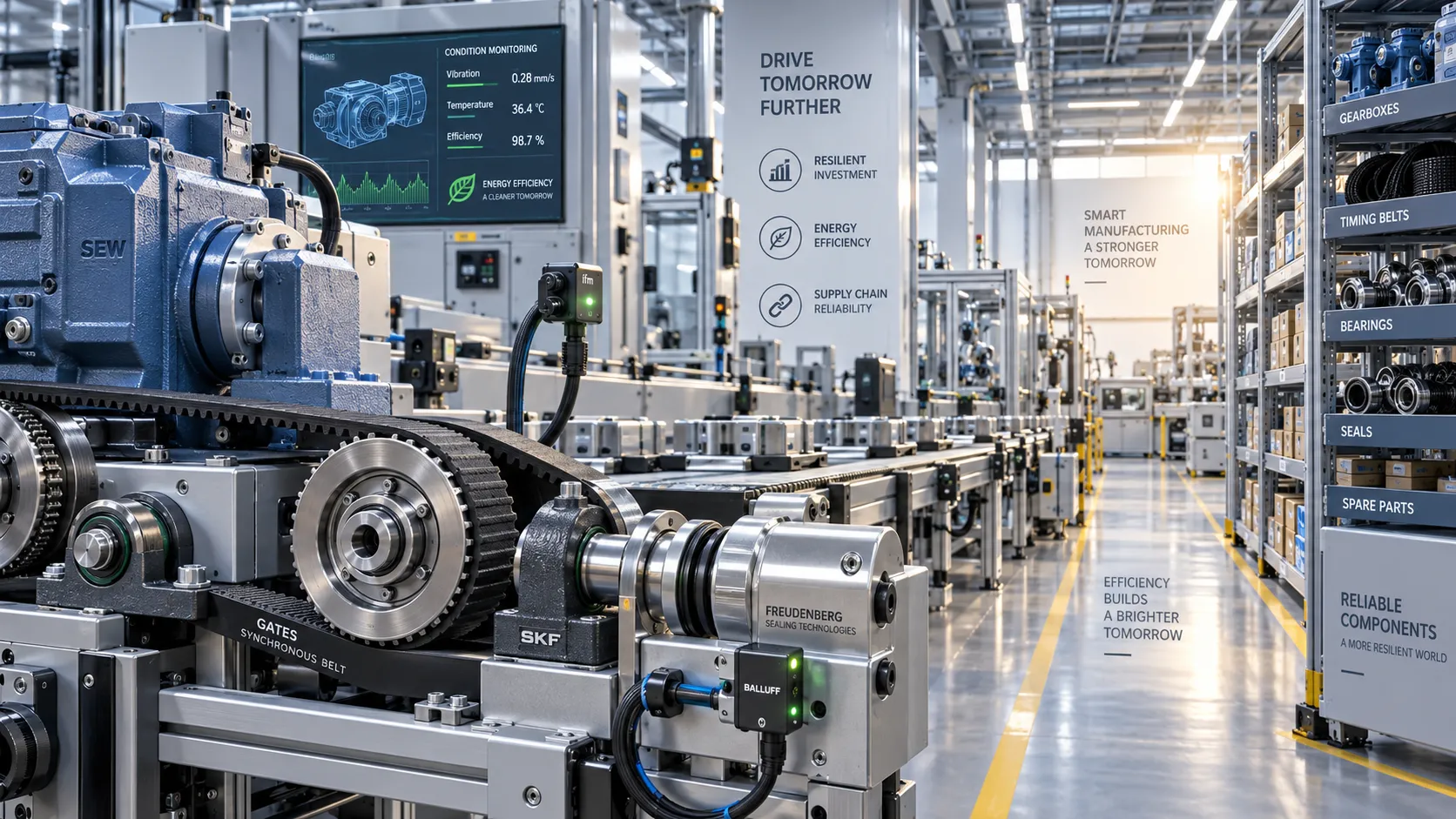
Industrial Economy Trends Shaping Capital Investment and Supply Chain Risk in 2026
Industrial economy trends for 2026 reveal how resilient capital investments, energy efficiency, and supply-chain strategies can protect uptime and strengthen returns.
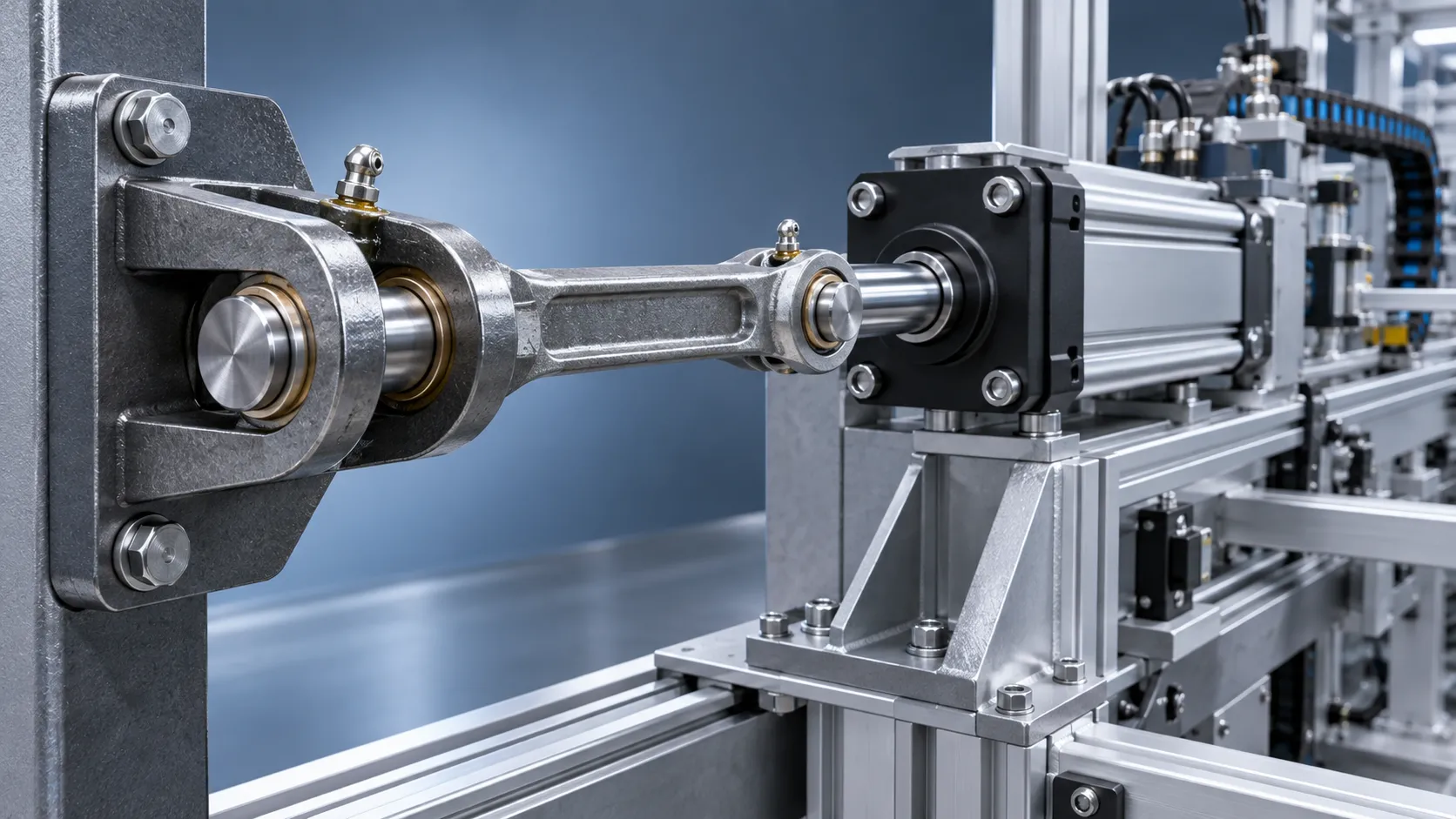
Mechanical Linkage Design: How to Balance Load Capacity, Motion Accuracy, and Wear
Mechanical linkage design guide: balance load capacity, motion accuracy, and wear with practical insights on geometry, joints, tolerances, lubrication, and service life.
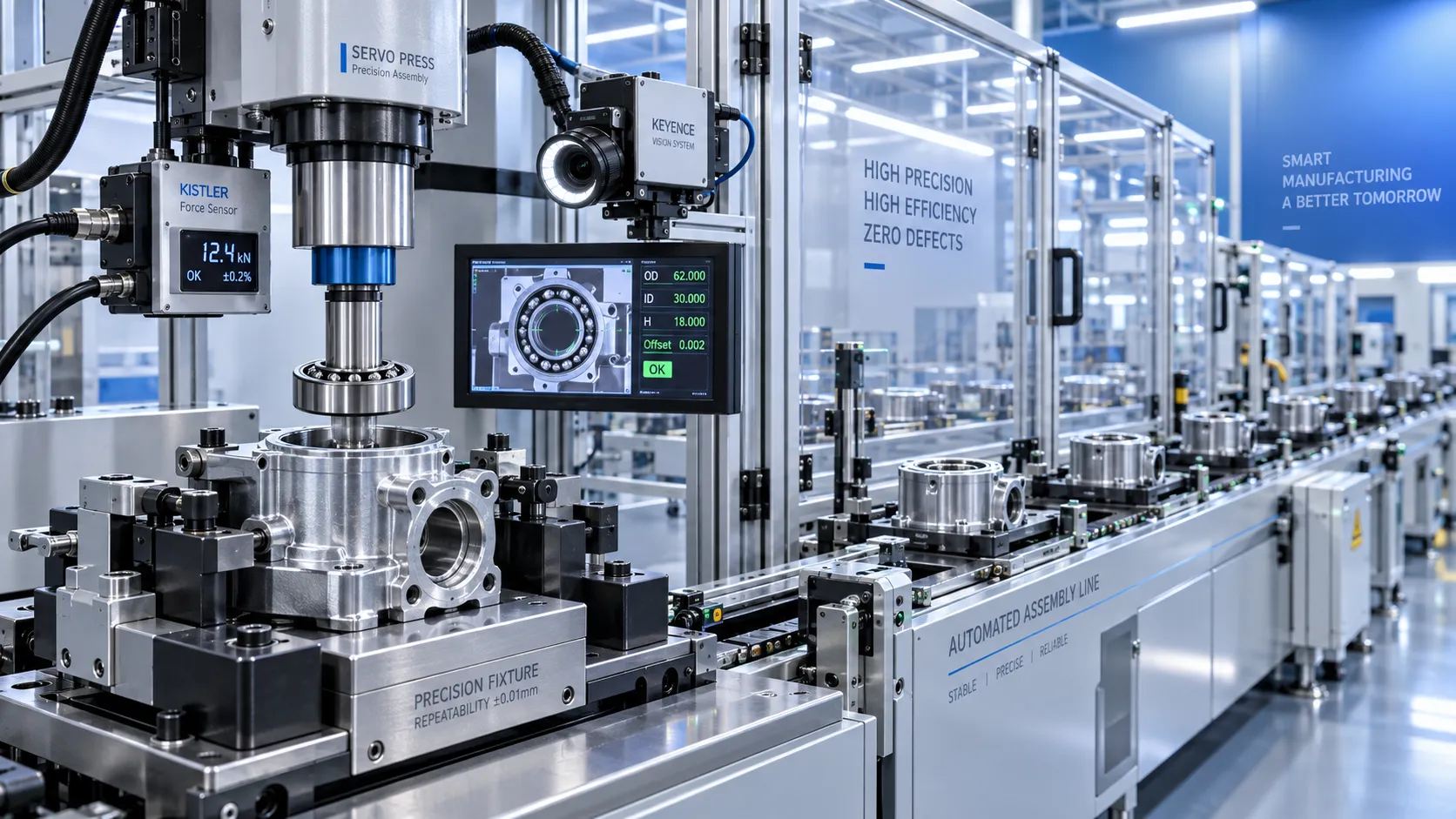
How Precision Automated Production Improves Quality Control in High-Volume Assembly
Precision automated production strengthens quality control in high-volume assembly with real-time verification, traceability, and safer defect containment.
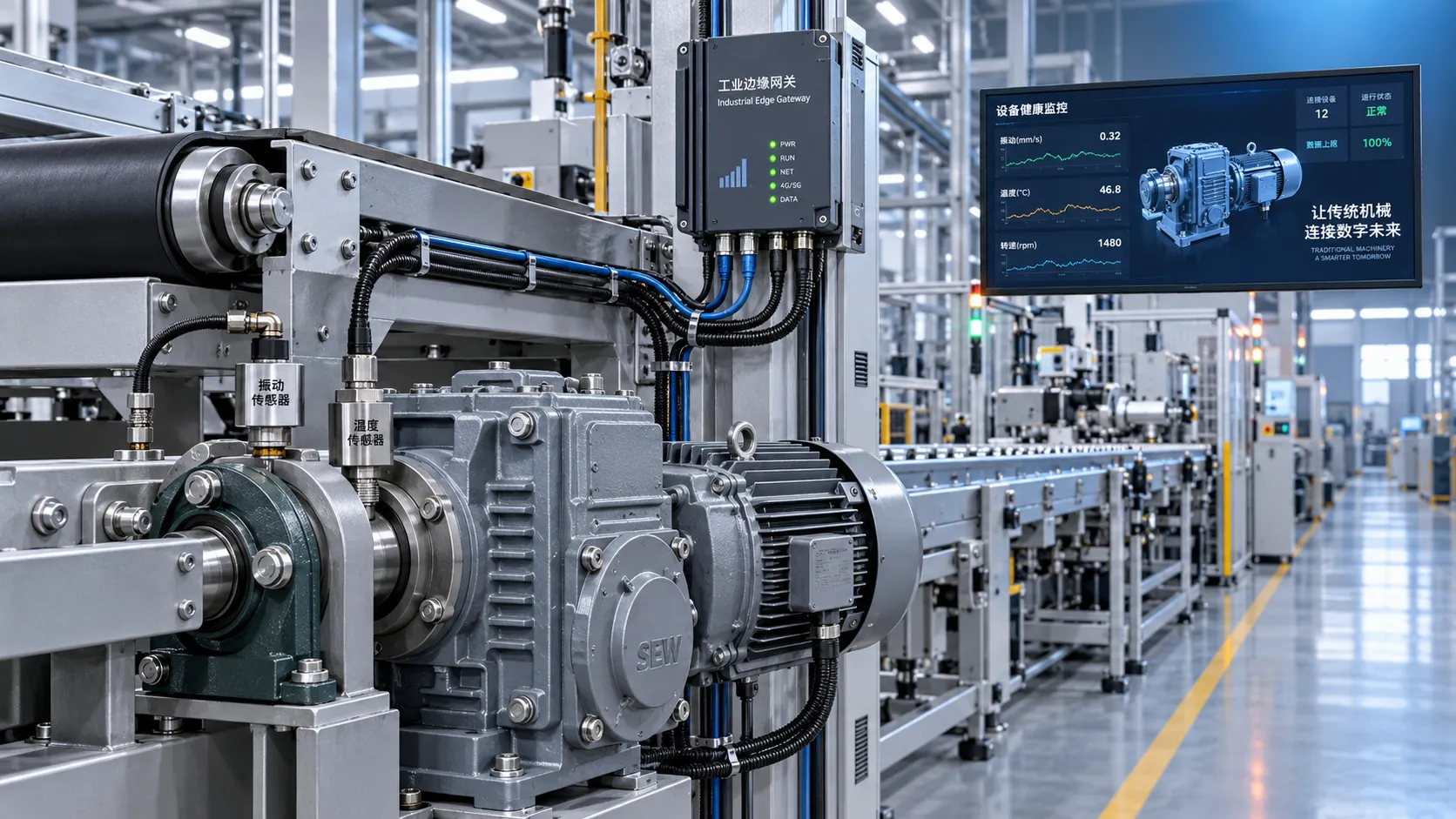
Industry 4.0 Integration: A Roadmap for Connecting Legacy Machines and Data
Industry 4.0 integration roadmap for connecting legacy machines, improving data visibility, reducing downtime, and scaling secure, measurable operational performance.
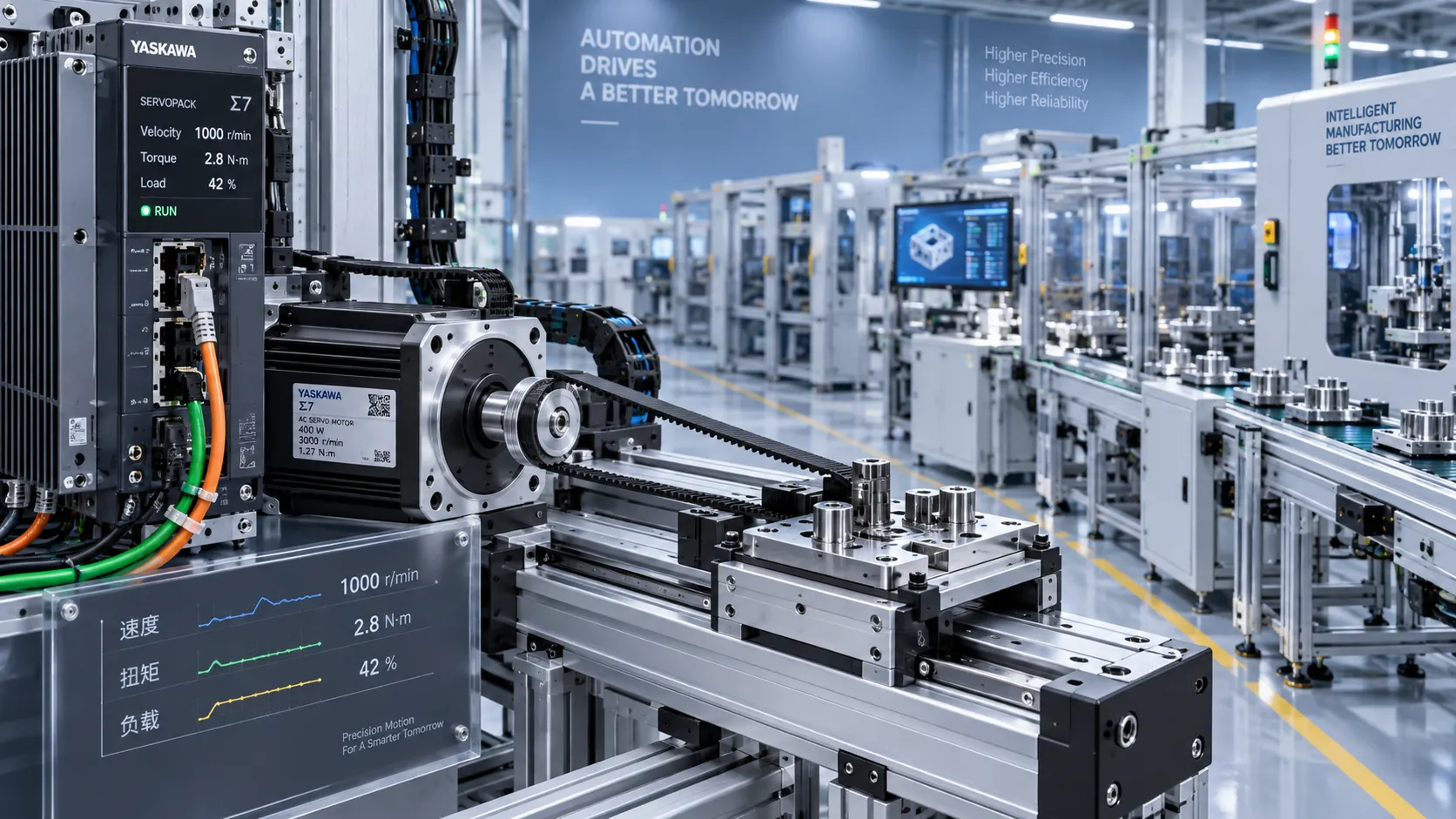
Servo Drive Comparison: Selecting Motion Control for Speed, Torque, and Load
Technical product comparison servo drives: evaluate speed, torque, inertia, safety, and control integration to select a reliable motion system with proven performance margins.
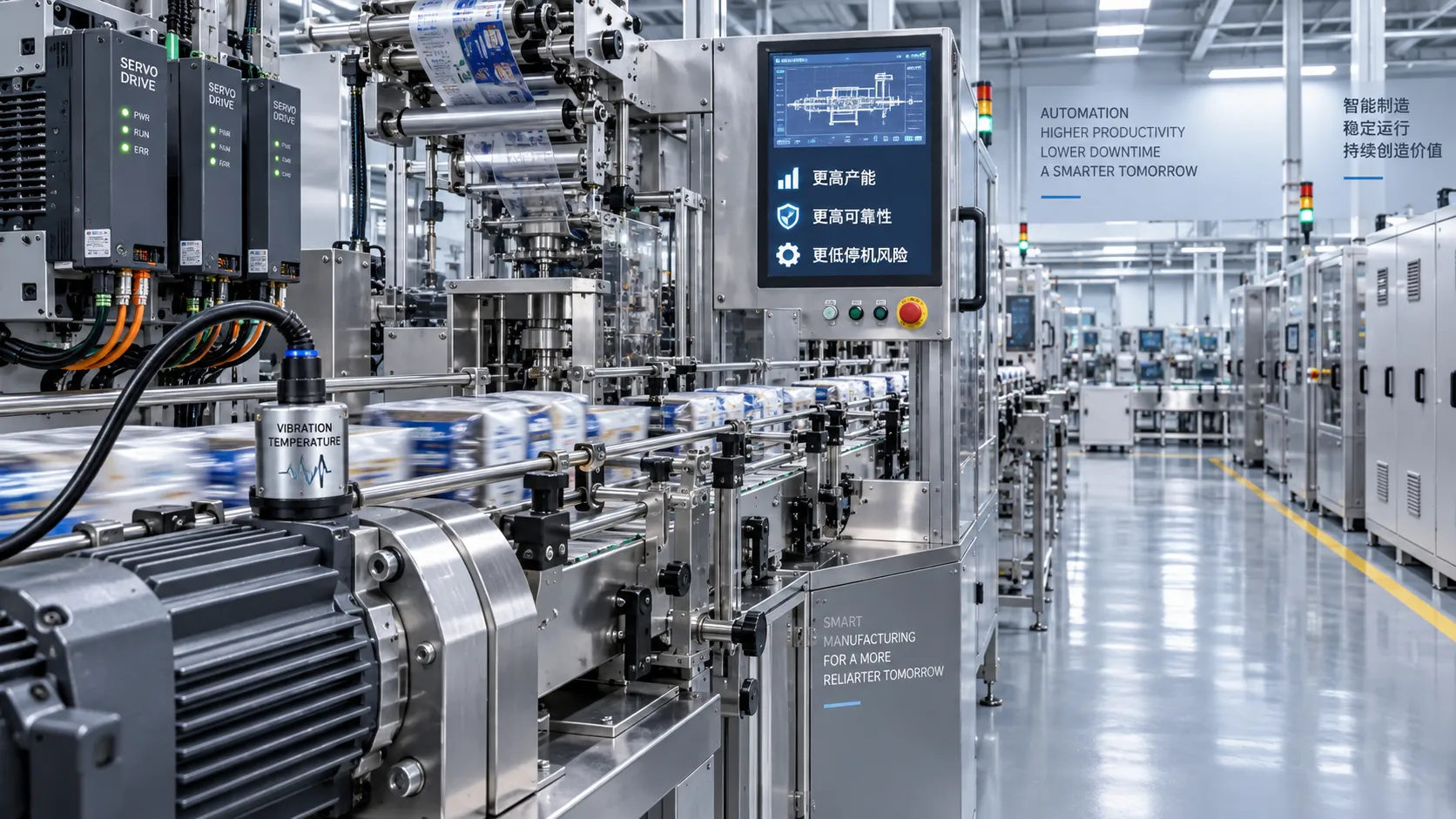
Industrial Automation Technology: How to Prioritize Upgrades by ROI and Downtime Risk
Industrial automation technology upgrades: learn to rank projects by ROI, bottleneck exposure, and downtime risk to reduce losses and make smarter capital decisions.
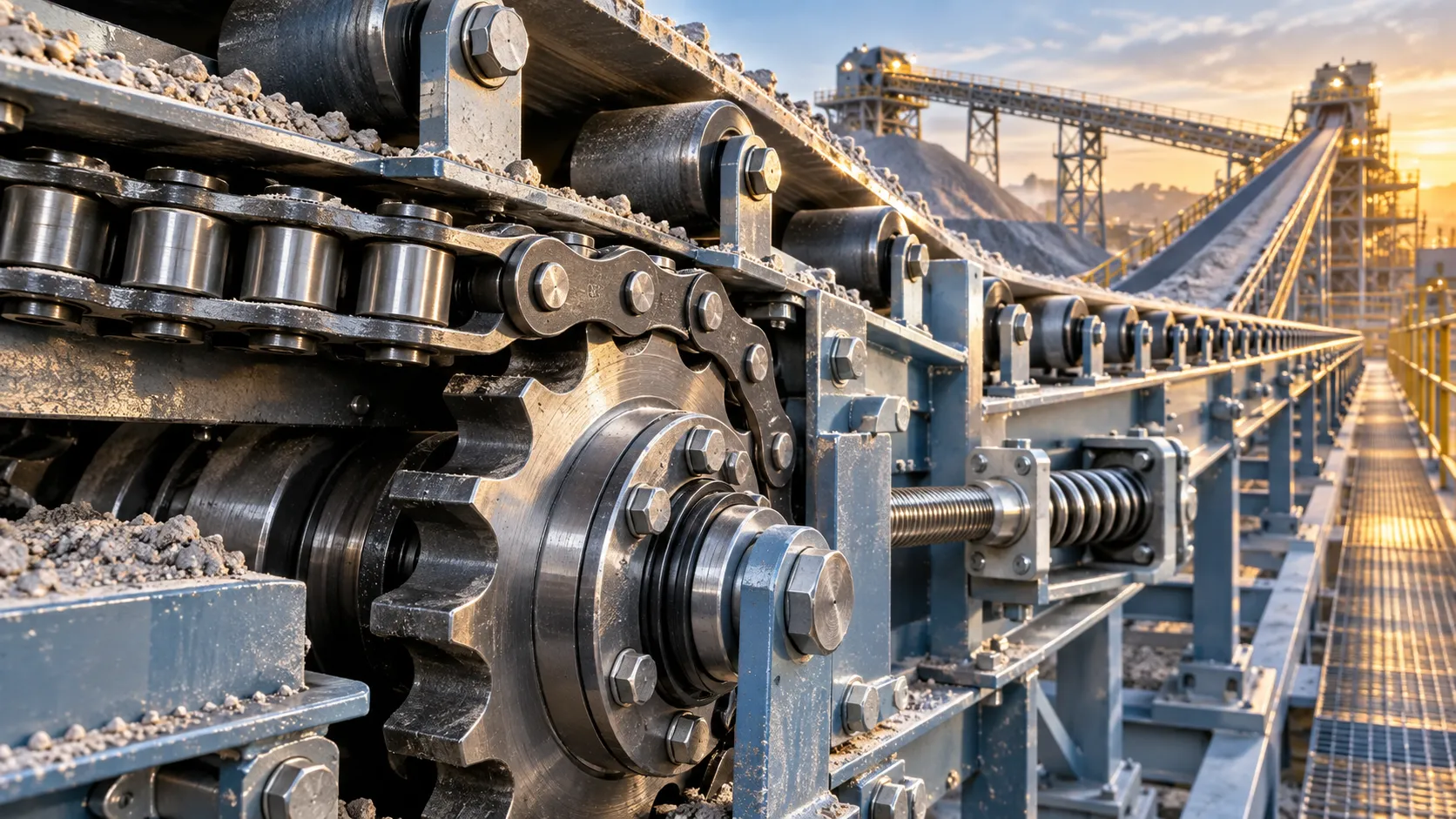
Selecting Low-Maintenance Chain Components for Dusty, High-Load Conveyors
Low maintenance chain components for dusty, high-load conveyors: compare seals, lubrication, materials, sprockets, and load capacity to reduce wear and downtime.
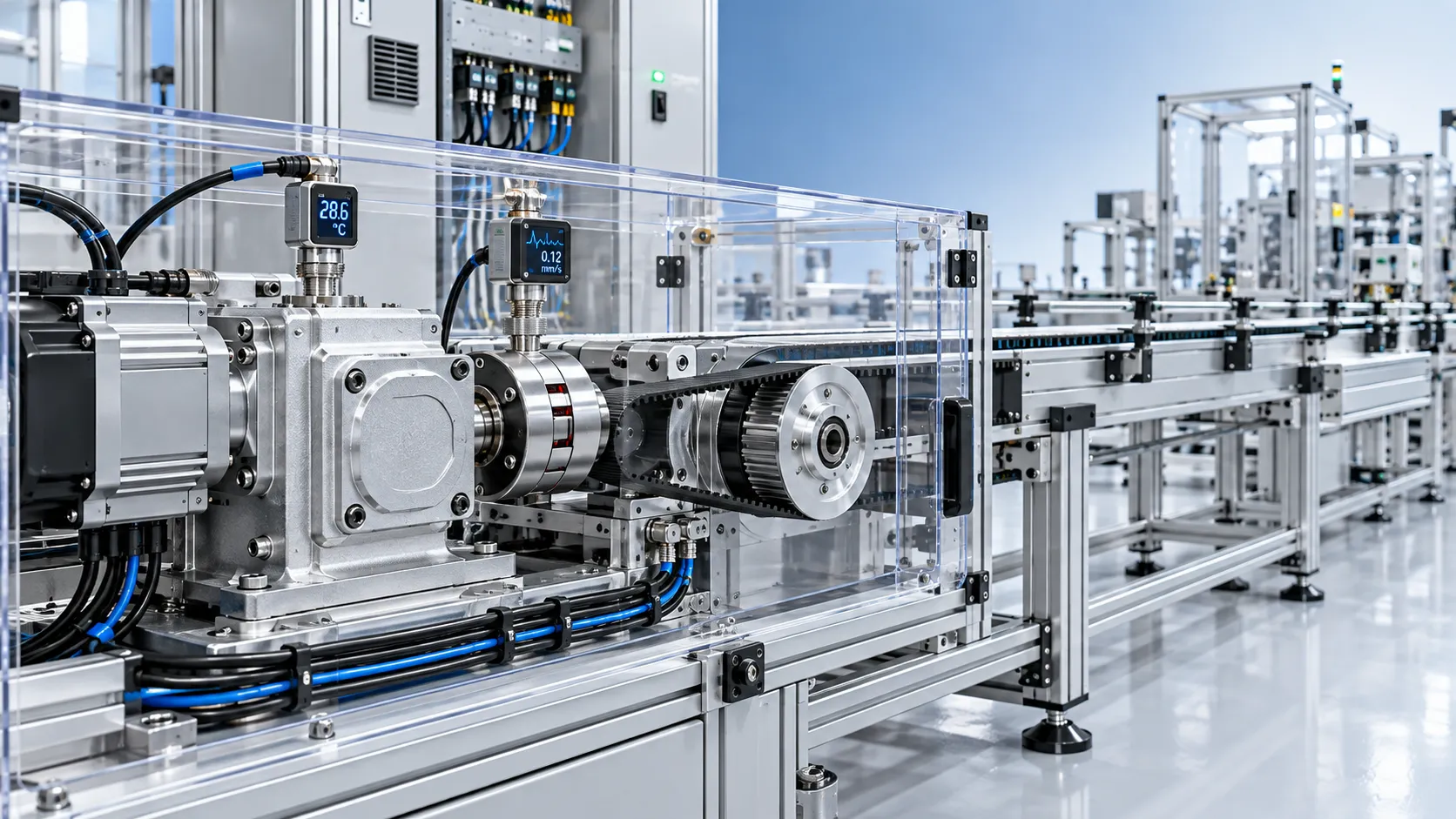
Selecting Smart Transmission Modules for Automated Lines: Control, Load, and Safety
Smart transmission modules for automated lines: evaluate control compatibility, real load demands, safety boundaries, and predictive maintenance value for reliable performance.
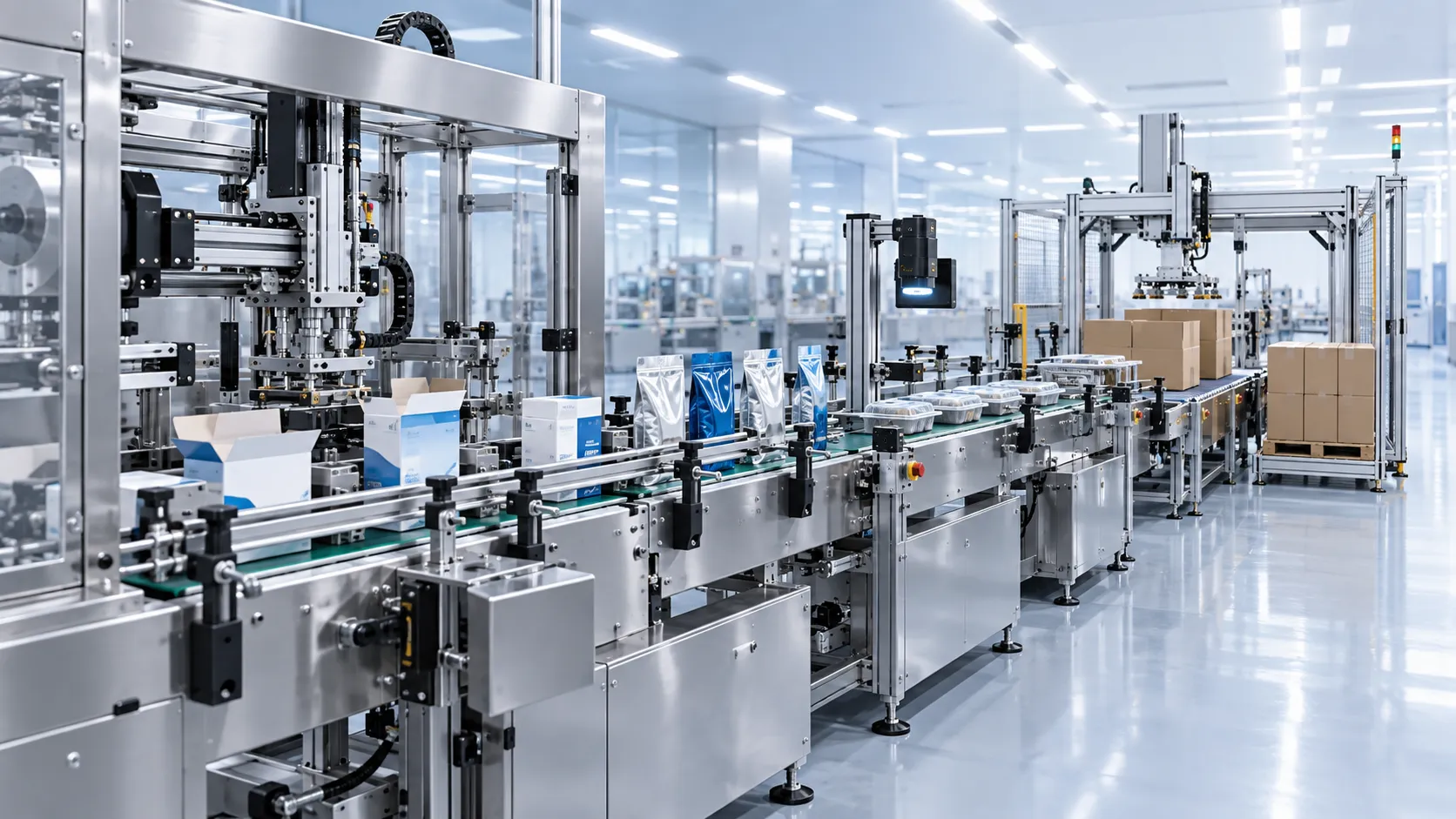
How to Assess Automated Packaging Production for High-Mix Manufacturing Lines
Automated production for packaging: assess changeovers, flexibility, controls, reliability, and lifecycle cost to build high-mix lines that deliver stable output.