
Industry News
Curation by industry experts
Hot Articles
Popular Tags
Why industrial shifts are reshaping transmission costs
As global manufacturing adjusts to new cost structures, sourcing strategies, and energy volatility, the industrial economy impact on power transmission components is becoming impossible to ignore. For business evaluation professionals, understanding how industrial shifts influence belts, gear reducers, bearings, and sealing systems is essential to assessing supplier resilience, lifecycle value, and long-term competitiveness in a rapidly changing industrial landscape.
Why is the industrial economy impact on power transmission components accelerating?
The industrial economy impact on power transmission components is no longer limited to raw material inflation. It now includes energy price volatility, regional labor shifts, freight disruption, localization policy, and tighter maintenance expectations from end users.
For business evaluation teams, this means component pricing cannot be reviewed as a static line item. A synchronous belt, gearbox, bearing unit, or mechanical seal now carries embedded exposure to steel, elastomer, copper, lubricant, machining capacity, and cross-border logistics.
In broad industrial markets, buyers are also facing a difficult contradiction. Equipment owners want lower operating cost and shorter downtime, but suppliers are dealing with unstable input costs and more complex compliance documentation.
Key forces changing evaluation logic
- Energy-intensive manufacturing processes are raising conversion costs for forged, heat-treated, machined, and precision-finished transmission parts.
- Material substitution is becoming more common, especially in rubber compounds, polymer cages, sealing faces, and coated metal parts.
- Lead-time risk is reshaping vendor scorecards, because delayed reducers or bearing assemblies can stop larger equipment deliveries.
- Higher automation levels are increasing demand for stable torque transmission, lower vibration, and longer maintenance intervals.
This is exactly where GPT-Matrix adds value. Its Strategic Intelligence Center connects material science, tribology, industrial economics, and market signals so evaluation professionals can judge not only price movement, but also structural change behind that movement.
Which component categories are most exposed to cost pressure?
Not all components react to industrial shifts in the same way. Some categories are more sensitive to alloy prices, some to polymer chemistry, and others to machining complexity or energy consumption during production.
The table below helps frame the industrial economy impact on power transmission components by category, cost driver, and evaluation concern.
The main lesson is clear: identical percentage inflation does not create identical business risk. A modest cost increase in a seal may still be justified if it prevents leakage-related shutdowns, while a low-cost bearing can create expensive downstream failures if quality drifts.
Where hidden cost often appears
- Frequent belt replacement due to poor compound stability under heat and dust.
- Unexpected reducer maintenance from insufficient lubrication management or overpromised torque ratings.
- Premature bearing damage caused by contamination, mounting error, or inconsistent hardness.
- Seal failures resulting from media incompatibility rather than basic dimensional mismatch.
How should business evaluation professionals compare suppliers now?
Supplier comparison has moved far beyond unit price. In today’s environment, the industrial economy impact on power transmission components must be reviewed through total supply resilience, technical consistency, and lifecycle economics.
A useful comparison model should balance immediate procurement pressure with long-term operating exposure. That is especially important in mixed industrial portfolios where production lines, mobile equipment, pumps, conveyors, and process machinery share overlapping component demand.
The following matrix is designed for commercial review teams that need a practical scoring structure during sourcing or requalification.
Using this framework, teams can separate short-term price competitiveness from true operational value. GPT-Matrix supports that process by translating sector news and evolutionary trends into practical supplier assessment signals.
Questions worth asking before approval
- Has the supplier changed material sources in the last 12 to 18 months?
- What production stages are most exposed to energy price swings?
- Can the supplier provide application-specific life expectations rather than generic catalog claims?
- How quickly can substitute sizes, seal faces, or belt constructions be delivered if demand shifts?
What does total cost really look like across industrial applications?
In many projects, the purchase price of a component represents only a small part of its economic effect. The industrial economy impact on power transmission components becomes much more visible when downtime, maintenance labor, energy efficiency, and inventory holding are included.
Application-driven cost logic
- In conveyors, belt tracking stability and predictable replacement windows often matter more than the lowest purchase quote.
- In pumps and mixers, seal reliability has direct impact on safety, product loss, and unplanned maintenance labor.
- In automated assembly lines, reducer backlash and bearing vibration influence output quality as much as machine uptime.
- In heavy equipment, robust sealing and bearing durability may justify higher initial spend because field repairs are expensive and disruptive.
This is why evaluation teams should request lifecycle scenarios rather than simple price sheets. A component that lasts 30 percent longer, requires fewer shutdowns, or reduces power loss can outperform a cheaper option even in tight-budget environments.
A practical cost review checklist
- Estimate replacement frequency under actual dust, temperature, load, and speed conditions.
- Quantify downtime cost per hour for each critical equipment category.
- Review spare inventory policy against lead-time volatility and minimum order rules.
- Include installation skill requirements, because difficult mounting can increase labor and error rates.
How do compliance, standards, and documentation affect sourcing decisions?
For business evaluation professionals, compliance is often a hidden gatekeeper. Even when the industrial economy impact on power transmission components is primarily discussed in cost terms, documentation readiness can decide whether a supplier is commercially usable.
Depending on application and region, buyers may need to review general quality management practices, material declarations, traceability records, dimensional consistency, and operating-limit documentation. In regulated sectors or export-heavy supply chains, these requirements become more demanding.
Common references can include ISO-related quality systems, application-specific sealing or bearing practices, and customer-defined inspection protocols. The point is not to collect paperwork for its own sake, but to reduce uncertainty when cost pressure tempts the market toward aggressive substitution.
Documentation signals that deserve attention
- Clear operating limits for temperature, speed, load, and media compatibility.
- Batch traceability for critical materials and finished parts.
- Inspection records that align with the application risk level, especially for precision assemblies.
- Installation and maintenance instructions that reduce field misuse.
GPT-Matrix helps teams interpret these signals in context. A missing or vague document may indicate a limited supplier process, but it may also reflect a mismatch between standard catalog practice and the buyer’s industry requirements. Knowing the difference protects both timeline and budget.
What sourcing strategies reduce risk when markets stay volatile?
A strong sourcing strategy does not assume volatility will disappear soon. Instead, it treats the industrial economy impact on power transmission components as an ongoing condition and builds procurement logic around resilience.
Recommended actions for evaluation teams
- Segment components by criticality. Bearings for a noncritical auxiliary line do not require the same strategy as seals in process-critical pumps.
- Use dual-path qualification where feasible. One approved source for stable demand and one alternate source for surge or disruption conditions can improve continuity.
- Negotiate around total service package, not only price. Technical response time, sample support, and replacement planning can protect margins later.
- Align forecast sharing with supplier capacity planning. Even imperfect demand visibility helps suppliers manage materials and delivery slots.
These strategies are especially useful in diversified industrial environments where purchasing teams must support multiple plants, machine builders, distributors, or aftermarket channels with different risk profiles.
FAQ: what are business teams asking most often?
How should we judge whether a lower-cost component is actually acceptable?
Start with operating conditions, failure consequences, and replacement frequency. If the component works in a critical load path or sealed process environment, a lower quote should be tested against lifecycle cost, technical documentation, and substitution risk before approval.
Which power transmission components are usually most sensitive to industrial shifts?
Gear reducers, bearings, belts, and sealing systems are all sensitive, but for different reasons. Reducers react strongly to machining and heat treatment costs, belts to polymer and reinforcement inputs, bearings to steel and precision finishing, and seals to material compatibility and finishing accuracy.
What procurement mistake is most common during inflation or supply disruption?
The most common mistake is approving alternatives based on nominal specifications alone. Two parts may share dimensions but behave differently in temperature resistance, lubrication retention, dynamic load performance, or service life.
How can we shorten evaluation time without increasing risk?
Use a structured review template that combines technical fit, supply continuity, compliance documents, and lifecycle economics. Intelligence platforms such as GPT-Matrix can also reduce research time by connecting market signals with component-specific implications.
Why market intelligence matters more than ever
The industrial economy impact on power transmission components is not a temporary disturbance. It reflects a deeper shift in how manufacturing value is created, protected, and priced. Business evaluation professionals now need insight that combines component engineering, supply chain behavior, and commercial timing.
GPT-Matrix is built for that decision environment. Its Strategic Intelligence Center tracks energy cost fluctuations, raw material movement, demand patterns in automation and heavy equipment, and the technical evolution of belts, gear reducers, and sealing systems. That helps evaluation teams move from reactive purchasing to informed portfolio management.
Why choose us for transmission component intelligence and sourcing evaluation?
If your team is reviewing the industrial economy impact on power transmission components across multiple suppliers or product lines, GPT-Matrix can support decisions with focused, application-relevant intelligence rather than generic market commentary.
- Parameter confirmation support for belts, reducers, bearings, and sealing systems under actual operating conditions.
- Product selection guidance that balances unit price, service life, maintenance burden, and delivery feasibility.
- Lead-time and supply risk discussion for critical categories affected by energy, materials, or regional capacity changes.
- Support for custom evaluation scenarios, including replacement planning, alternative component review, and documentation checkpoints.
- Consultation on certification expectations, sample support needs, and quotation communication for cross-border industrial sourcing.
If you are comparing suppliers, validating alternatives, or building a more resilient sourcing model, contact GPT-Matrix to discuss component parameters, selection priorities, delivery timing, documentation requirements, sample planning, and commercial quotation strategy.
Recommended News
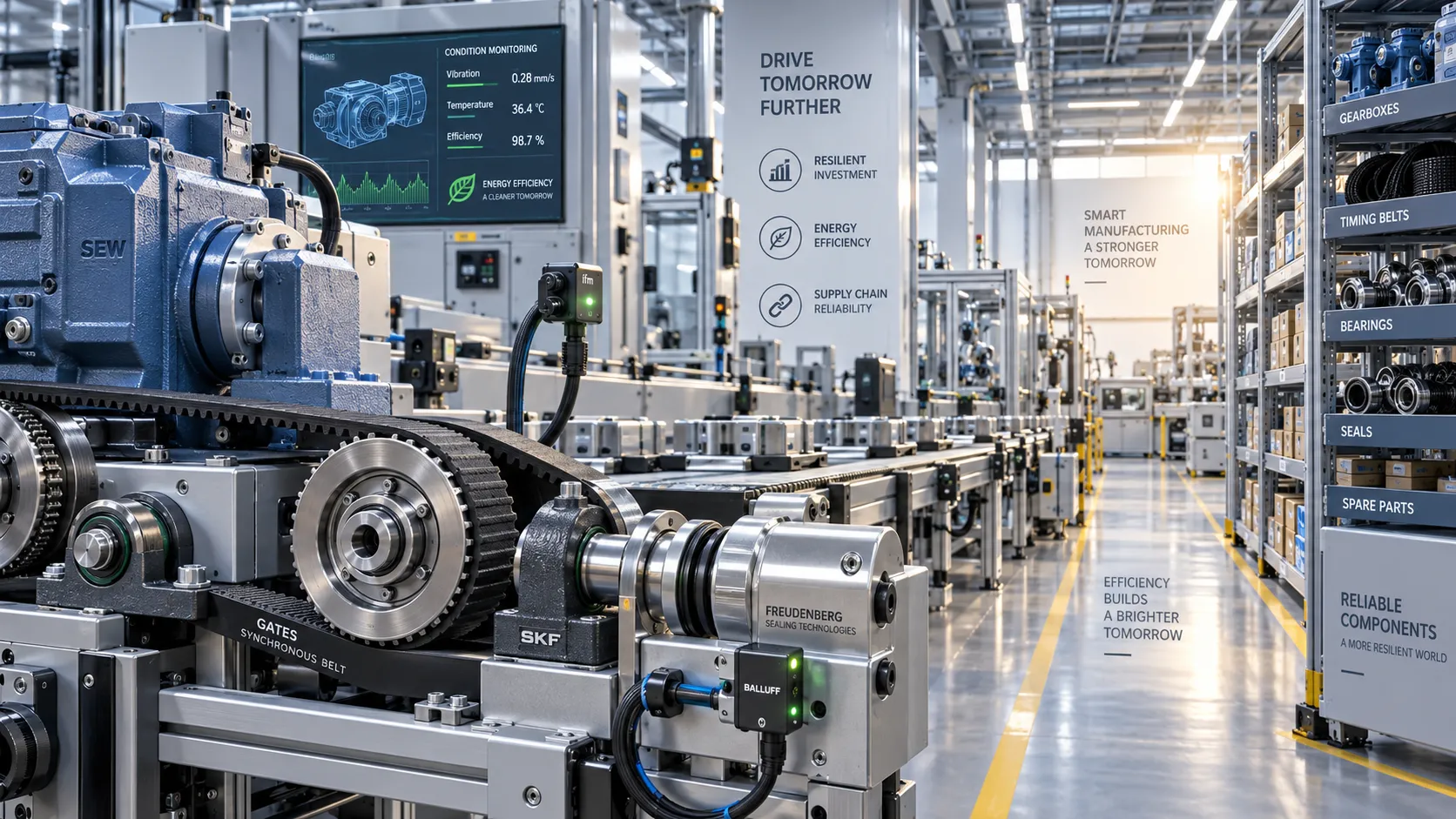
Industrial Economy Trends Shaping Capital Investment and Supply Chain Risk in 2026
Industrial economy trends for 2026 reveal how resilient capital investments, energy efficiency, and supply-chain strategies can protect uptime and strengthen returns.

Mechanical Linkage Design: How to Balance Load Capacity, Motion Accuracy, and Wear
Mechanical linkage design guide: balance load capacity, motion accuracy, and wear with practical insights on geometry, joints, tolerances, lubrication, and service life.

How Precision Automated Production Improves Quality Control in High-Volume Assembly
Precision automated production strengthens quality control in high-volume assembly with real-time verification, traceability, and safer defect containment.
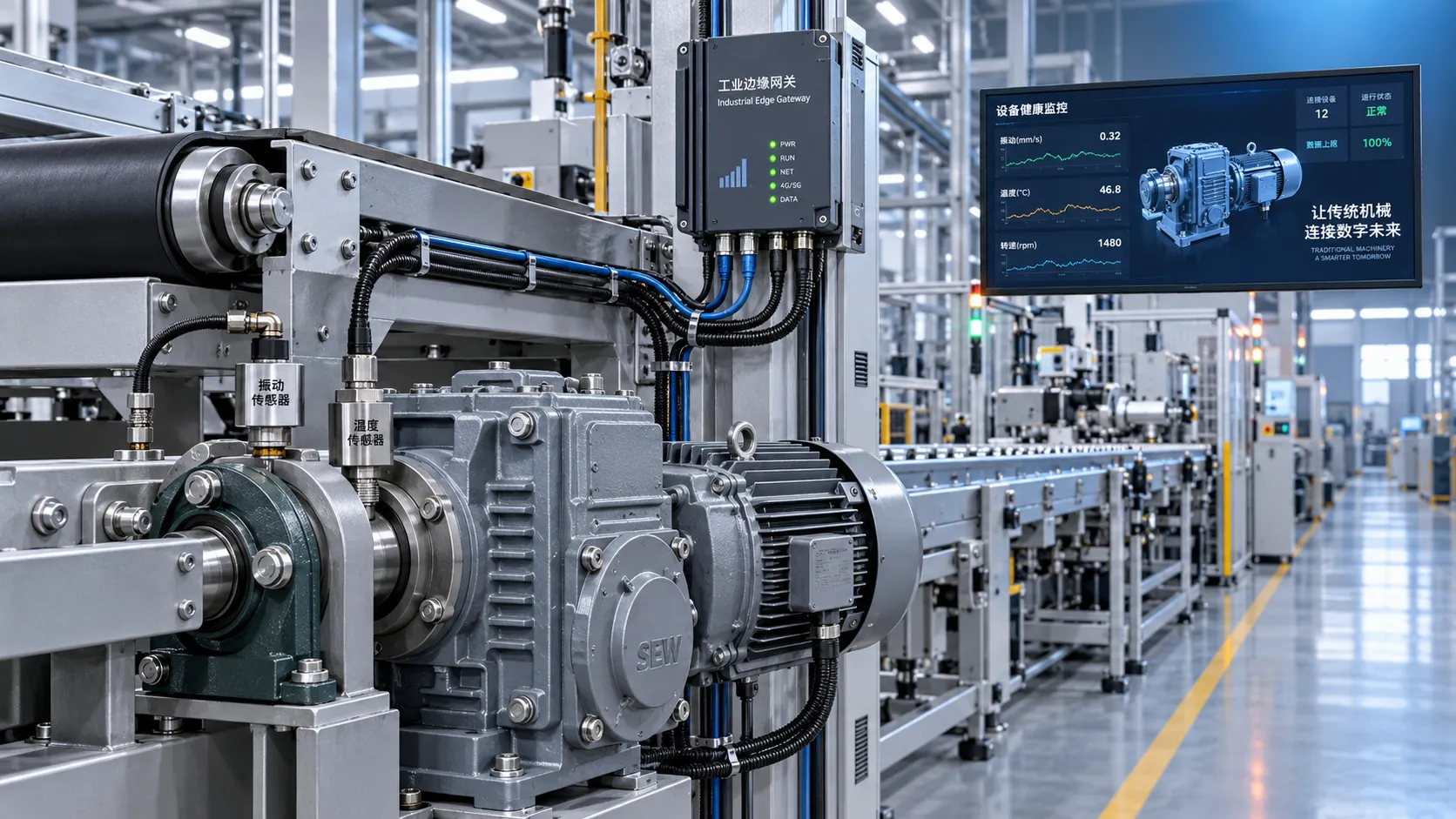
Industry 4.0 Integration: A Roadmap for Connecting Legacy Machines and Data
Industry 4.0 integration roadmap for connecting legacy machines, improving data visibility, reducing downtime, and scaling secure, measurable operational performance.
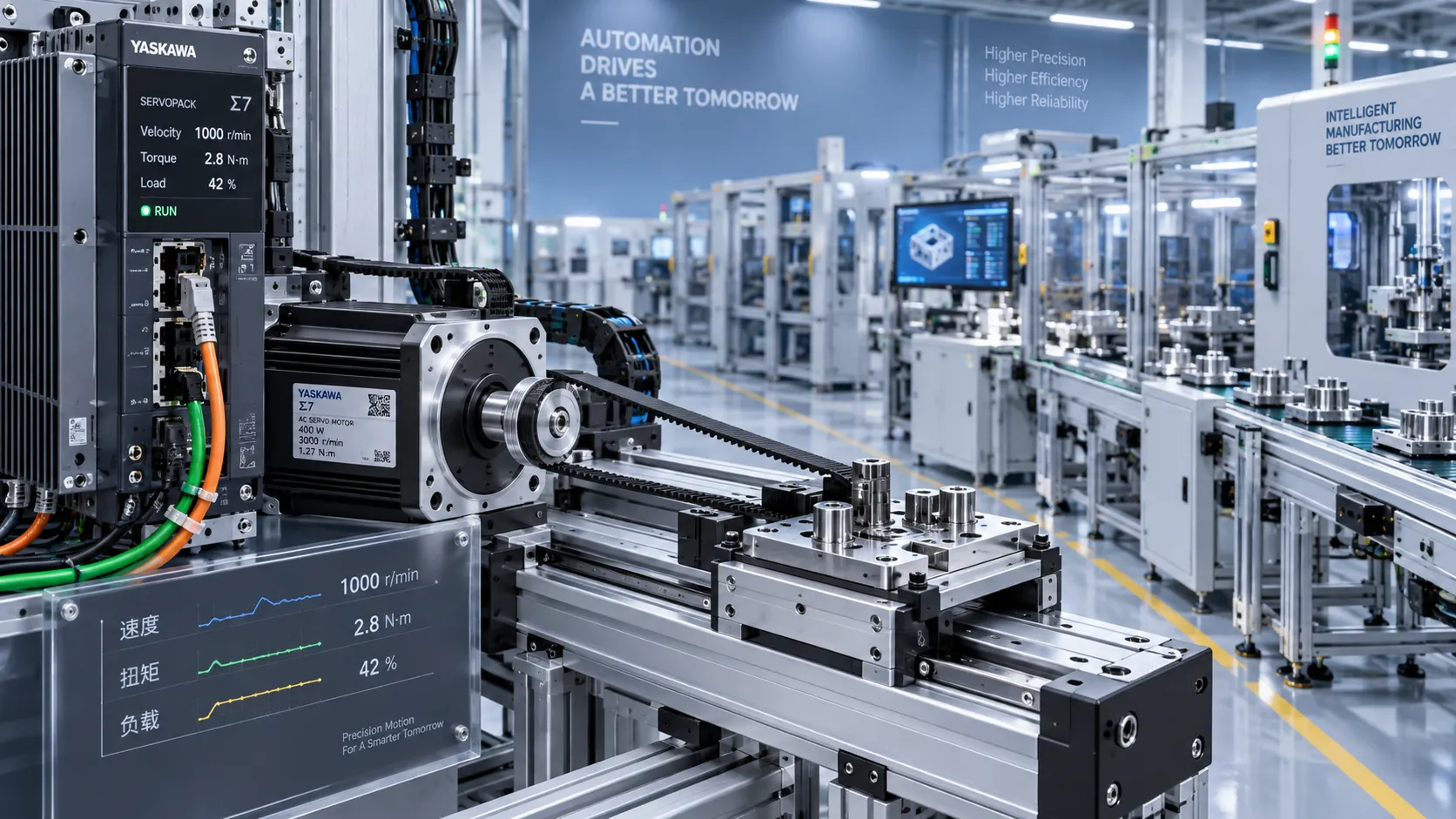
Servo Drive Comparison: Selecting Motion Control for Speed, Torque, and Load
Technical product comparison servo drives: evaluate speed, torque, inertia, safety, and control integration to select a reliable motion system with proven performance margins.

Industrial Automation Technology: How to Prioritize Upgrades by ROI and Downtime Risk
Industrial automation technology upgrades: learn to rank projects by ROI, bottleneck exposure, and downtime risk to reduce losses and make smarter capital decisions.

Selecting Low-Maintenance Chain Components for Dusty, High-Load Conveyors
Low maintenance chain components for dusty, high-load conveyors: compare seals, lubrication, materials, sprockets, and load capacity to reduce wear and downtime.

Selecting Smart Transmission Modules for Automated Lines: Control, Load, and Safety
Smart transmission modules for automated lines: evaluate control compatibility, real load demands, safety boundaries, and predictive maintenance value for reliable performance.

How to Assess Automated Packaging Production for High-Mix Manufacturing Lines
Automated production for packaging: assess changeovers, flexibility, controls, reliability, and lifecycle cost to build high-mix lines that deliver stable output.