
Industry News
Curation by industry experts
Hot Articles
Popular Tags
What industrial intelligence solutions improve first
In today’s fast-changing manufacturing landscape, industrial intelligence solutions are often the first step toward better efficiency, stronger reliability, and smarter decision-making. For researchers tracking power transmission, motion control, and sealing technologies, understanding what these solutions improve first reveals where real operational value begins—and how data-driven insight supports more resilient, energy-conscious industrial systems.
For information researchers in the broader industrial market, the earliest gains rarely come from dramatic machine replacement. They usually begin with better visibility into component condition, maintenance timing, load behavior, energy use, and supply risk. In sectors that depend on belts, gear reducers, couplings, bearings, seals, and related motion systems, these first improvements shape both operational strategy and procurement priorities.
This is where industrial intelligence solutions create practical value. They convert scattered data from assets, service teams, and supply chains into decision-ready insight. For platforms such as GPT-Matrix, which focuses on industrial power transmission, motion control, and critical sealing technologies, the question is not whether intelligence matters, but which performance areas improve first and how that affects long-term competitiveness.
The First Improvements Industrial Intelligence Solutions Deliver
When manufacturers and distributors adopt industrial intelligence solutions, the earliest benefits generally appear in 4 operational layers: visibility, reliability, maintenance planning, and energy awareness. These gains often emerge within the first 30 to 90 days of structured monitoring, even before larger automation projects are completed.
1. Better Asset Visibility Across Critical Mechanical Systems
The first improvement is simple but powerful: teams can finally see what is happening across transmission and sealing assets. In many factories, data on belt wear, reducer temperature, shaft alignment, lubrication status, and seal leakage is fragmented across inspection logs, operator notes, and supplier documentation.
Industrial intelligence solutions centralize these signals into one analysis framework. That allows maintenance engineers and sourcing teams to compare operating trends over 7 days, 30 days, or one production cycle. Instead of relying only on reactive troubleshooting, they can identify performance drift before failure becomes visible on the line.
Why visibility improves first
- Sensor and inspection data are easier to collect than full process redesign.
- Mechanical assets already produce usable signals such as temperature, vibration, torque variation, and leakage frequency.
- Even a basic dashboard can highlight abnormal patterns in 3 to 5 key components.
2. Higher Reliability in Wear-Prone Components
After visibility, reliability is typically the next area to improve. Power transmission and sealing systems often fail gradually rather than instantly. A synchronous belt may show tension instability, a bearing may run 8°C to 15°C hotter than its baseline, or a mechanical seal may exhibit minor leakage long before shutdown occurs.
Industrial intelligence solutions improve first-level reliability by identifying these weak signals earlier. For researchers, this is a critical distinction: the value is not only in predicting catastrophic failure, but in reducing the rate of hidden degradation that increases scrap, downtime, and maintenance labor.
The table below outlines where early improvement usually appears first in industrial environments that depend on transmission and sealing performance.
A clear pattern appears: industrial intelligence solutions improve first where condition changes can be measured consistently. In mechanical systems, that usually means rotating or sealing components with repeatable operating thresholds, maintenance histories, and known failure modes.
3. More Accurate Maintenance Timing
Many plants still maintain critical components too early or too late. Replacing a belt every 6 months when actual load conditions support 9 months creates avoidable cost. Waiting until a seal leaks heavily may trigger contamination, lost output, or emergency replacement. Industrial intelligence solutions improve maintenance timing by narrowing these decision gaps.
Instead of fixed intervals alone, teams can combine runtime, operating temperature, duty cycle, and environment severity. In dusty, high-load, or high-humidity conditions, actual wear may rise 20% to 40% faster than catalog expectations. Intelligence-driven maintenance helps align service intervals with real operating conditions rather than generic assumptions.
Why These First Gains Matter in Power Transmission and Sealing
The importance of early improvement becomes clearer in industries where mechanical continuity drives productivity. In automated lines, bulk handling systems, compressors, pumps, mixers, machine tools, and heavy equipment, small deviations in transmission efficiency or sealing reliability can trigger larger losses across throughput, energy use, and maintenance scheduling.
Small Mechanical Losses Become Large Operating Costs
A 2% to 4% efficiency loss in a heavily used drive system may look minor in isolation. Across a full year, however, it can affect motor load, heat generation, spare parts usage, and line stability. The same applies to sealing performance. A low-level leak may not stop production today, but it often increases inspection time, housekeeping burden, and risk exposure over repeated cycles.
This is why industrial intelligence solutions often show value early in energy-conscious manufacturing. They identify where friction, misalignment, lubrication breakdown, or pressure instability creates hidden waste. For decision researchers, the first measurable improvement is often not a dramatic capital saving, but better control over recurring losses.
Supply Chain and Procurement Decisions Also Improve Early
Another underappreciated benefit is procurement clarity. When performance data becomes more accurate, sourcing teams can compare suppliers using real service life, maintenance frequency, and application fit. That is especially useful when evaluating long-life transmission components, low-maintenance seals, or reducers designed for digital monitoring integration.
Instead of choosing only on initial unit price, buyers can assess 4 practical dimensions: durability under actual load, maintenance interval length, compatibility with monitoring systems, and replacement lead time. In many industrial categories, a component with a 10% to 15% higher purchase price may still offer better total operating value if service intervals are longer and unplanned downtime risk is lower.
Common procurement questions researchers should ask
- What failure indicators can be monitored without major retrofitting?
- Which components show the highest maintenance burden per quarter?
- What is the normal lead time range: 7–15 days, 2–4 weeks, or longer?
- Can service records be linked to operating conditions and load history?
- Are spare parts standardized across multiple lines or equipment families?
The following table provides a practical evaluation framework for researchers comparing industrial intelligence solutions in mechanical component environments.
For most industrial buyers, the best solutions are not the ones with the most features. They are the ones that shorten the path from data capture to operational action. In practical terms, that means fewer false alerts, clearer thresholds, and better alignment with real mechanical failure mechanisms.
How to Identify the Right Starting Point
Not every company should start with a plant-wide intelligence rollout. For many organizations, the better approach is to begin with one asset cluster, one failure pattern, or one maintenance bottleneck. Industrial intelligence solutions perform best when the first phase is narrow enough to produce measurable learning within 8 to 12 weeks.
Start With Components That Combine High Criticality and High Wear
A useful first screen is to rank components by 3 criteria: failure impact, replacement frequency, and inspection difficulty. Assets such as reducers on automated lines, pump seals in continuous duty service, and synchronous belts in precision motion systems often score high across all three categories.
If a component fails and stops output for more than 2 hours, requires frequent technician attention, or operates under fluctuating loads, it is usually a strong candidate for early monitoring. Researchers should also look for sites where maintenance records exist but have not yet been connected to trend analysis.
Use a 5-Step Implementation Logic
A disciplined rollout helps separate useful industrial intelligence solutions from vague digital initiatives. In mechanical systems, a 5-step model is often effective:
- Define the target asset group and failure mode.
- Set 3 to 6 measurable signals and alert ranges.
- Compare current maintenance intervals with observed operating conditions.
- Run a pilot for one production cycle or 30 to 60 days.
- Evaluate downtime reduction, maintenance timing accuracy, and energy stability.
This phased approach is especially relevant for information researchers supporting procurement or market entry decisions. It creates a clearer basis for comparing solution providers, sensor strategies, and data interpretation capabilities without overcommitting to a broad platform too early.
Common mistakes to avoid
- Monitoring too many asset types in phase one.
- Using generic thresholds without adjusting for duty cycle or environment.
- Focusing only on dashboard design instead of maintenance action rules.
- Ignoring spare parts lead time when defining alert urgency.
What Information Researchers Should Watch Next
Once first-level gains are visible, the next stage of industrial intelligence solutions typically expands toward lifecycle optimization. That includes deeper material analysis, better prediction of service life under extreme conditions, and stronger links between component selection and operating economics.
Material and Design Trends Matter More Over Time
In power transmission and sealing markets, intelligence is not only about machine data. It also includes tracking material breakthroughs, tribology developments, and changing environmental demands. For example, high-performance belt compounds, lower-friction seal faces, and digitally compatible reducer systems can influence maintenance intervals and energy stability over 12 to 36 months.
Researchers should therefore combine operational data with market intelligence. A component may perform adequately today, yet become less competitive if newer alternatives offer longer service under high temperature, abrasive media, or variable-speed conditions. The strongest decisions come from linking engineering behavior with supply chain timing and commercial impact.
Why GPT-Matrix Fits This Research Need
For professionals studying what industrial intelligence solutions improve first, GPT-Matrix offers a relevant lens because it connects component-level engineering with industry-level intelligence. Its focus on power transmission, motion control, and critical sealing technologies helps researchers move beyond generic digital transformation language and toward application-specific insight.
That matters in B2B decision environments where technical accuracy, service life expectations, and raw material trends can directly affect sourcing and maintenance strategy. Whether the immediate question concerns gear reducer digital integration, seal reliability under severe duty, or structural demand for long-life transmission components, the value lies in turning technical signals into better industrial judgment.
Practical FAQ for Early-Stage Evaluation
Do industrial intelligence solutions require full factory digitization first?
No. Many organizations start with one line, one asset family, or one reliability issue. Early success often depends more on clear scope than on large system scale.
Which assets usually show the first measurable return?
Assets with repetitive duty, known wear mechanisms, and meaningful downtime cost tend to show results first. Common examples include reducers, bearings, belts, couplings, pumps, and mechanical seals.
What is a realistic first objective?
A practical first objective is not perfect prediction. It is usually earlier fault detection, 10% to 20% better maintenance timing, or clearer insight into which components drive the highest service burden.
The first things industrial intelligence solutions improve are rarely abstract. They improve visibility into mechanical condition, reliability of critical assets, timing of maintenance actions, and quality of sourcing decisions. In power transmission, motion control, and sealing applications, those gains create the foundation for lower waste, steadier output, and more informed long-term planning.
For information researchers and industrial decision teams, the most valuable approach is to focus on measurable starting points: which assets fail most often, which thresholds are easiest to monitor, and which procurement choices affect lifecycle cost most directly. To explore more targeted insight on transmission components, motion systems, and sealing performance, contact GPT-Matrix, request a tailored research perspective, or learn more solutions built for data-driven industrial decisions.
- power transmission
- motion control
- sealing technologies
- mechanical seals
- drive belts
- gear reducers
- tribology
- heavy equipment
- transmission components
- synchronous belts
- industrial intelligence
- digital integration
- extreme conditions
- long-life transmission
- industrial power transmission
- critical sealing
- industrial intelligence solutions
Recommended News
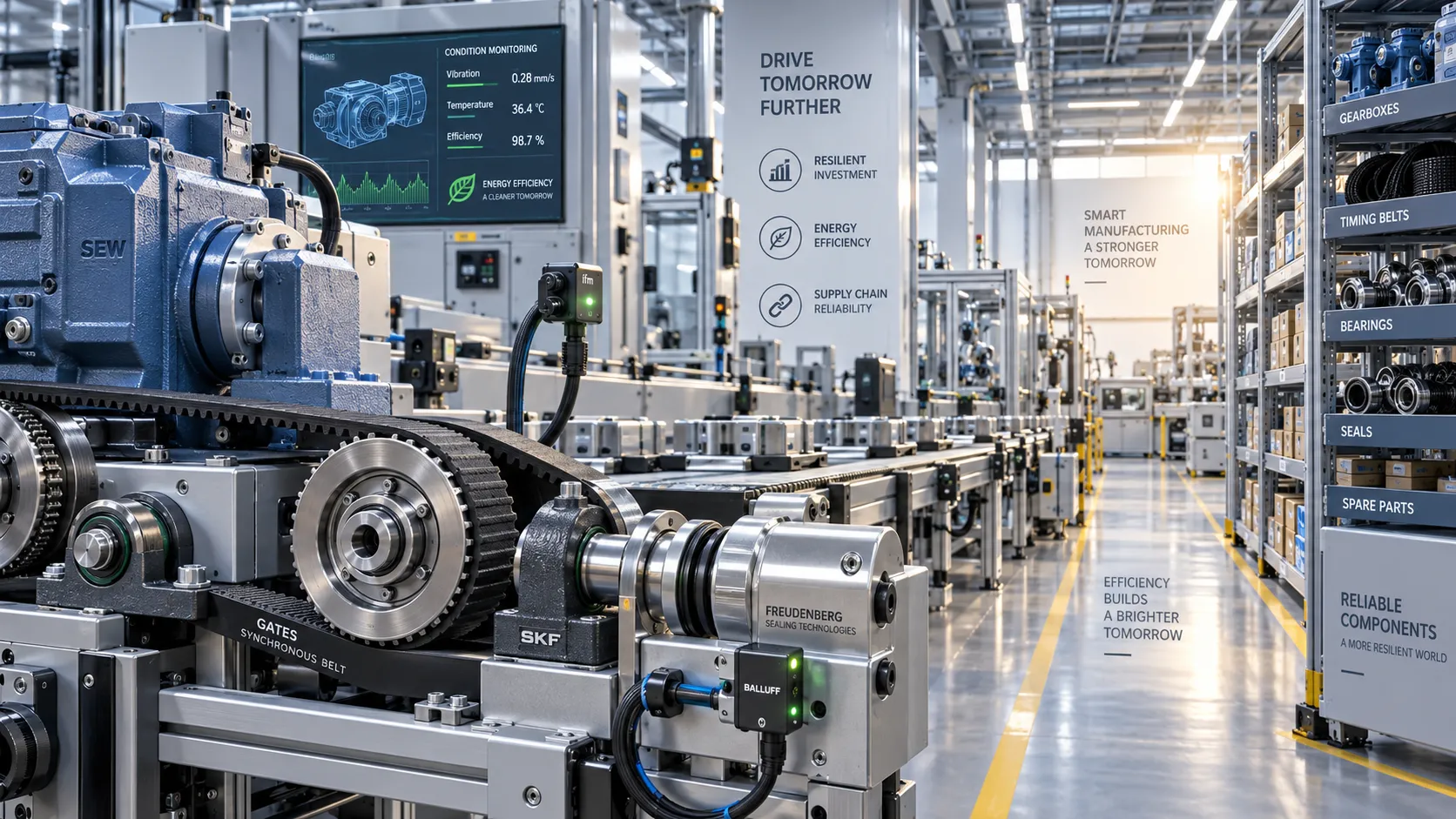
Industrial Economy Trends Shaping Capital Investment and Supply Chain Risk in 2026
Industrial economy trends for 2026 reveal how resilient capital investments, energy efficiency, and supply-chain strategies can protect uptime and strengthen returns.
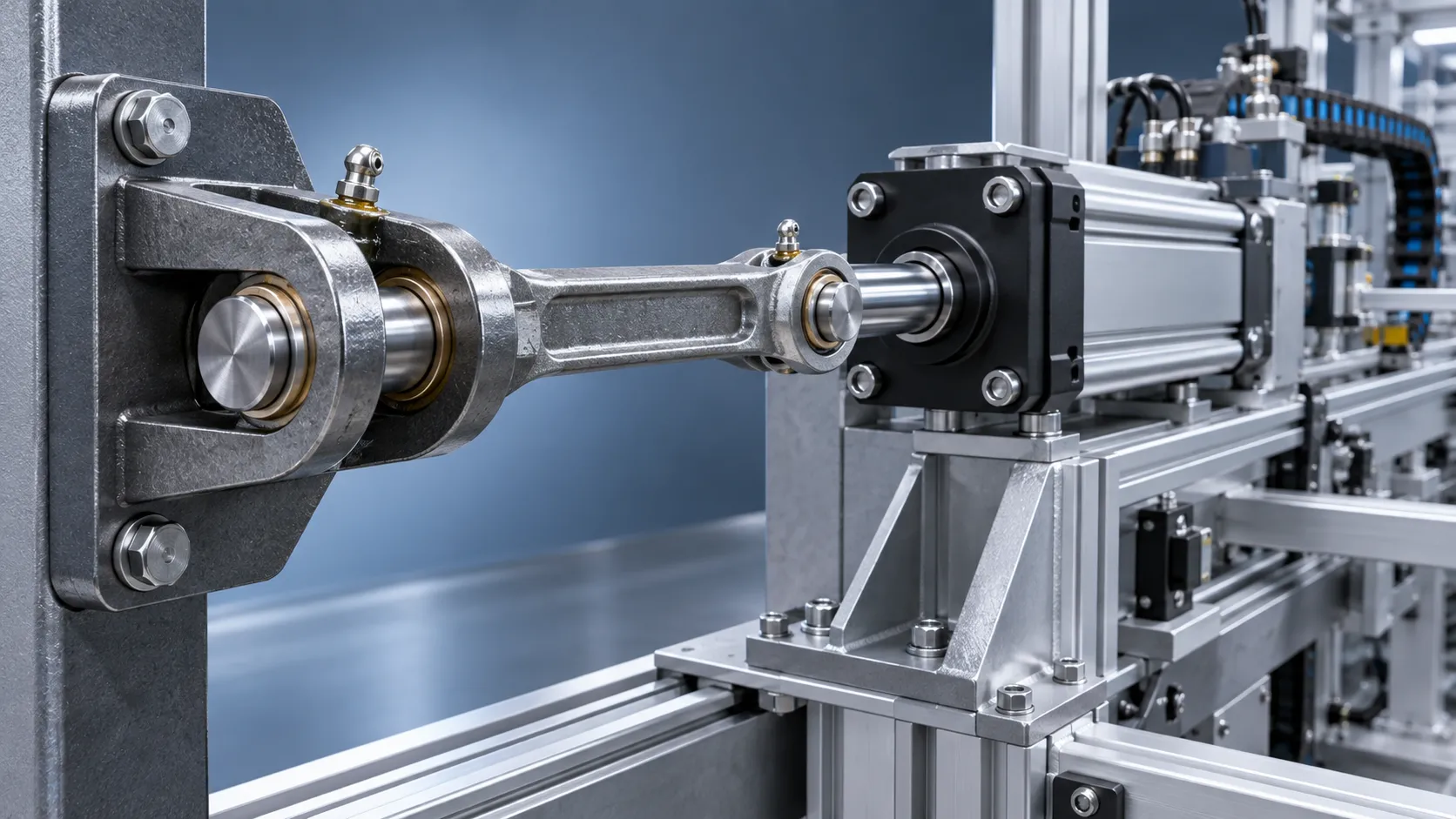
Mechanical Linkage Design: How to Balance Load Capacity, Motion Accuracy, and Wear
Mechanical linkage design guide: balance load capacity, motion accuracy, and wear with practical insights on geometry, joints, tolerances, lubrication, and service life.
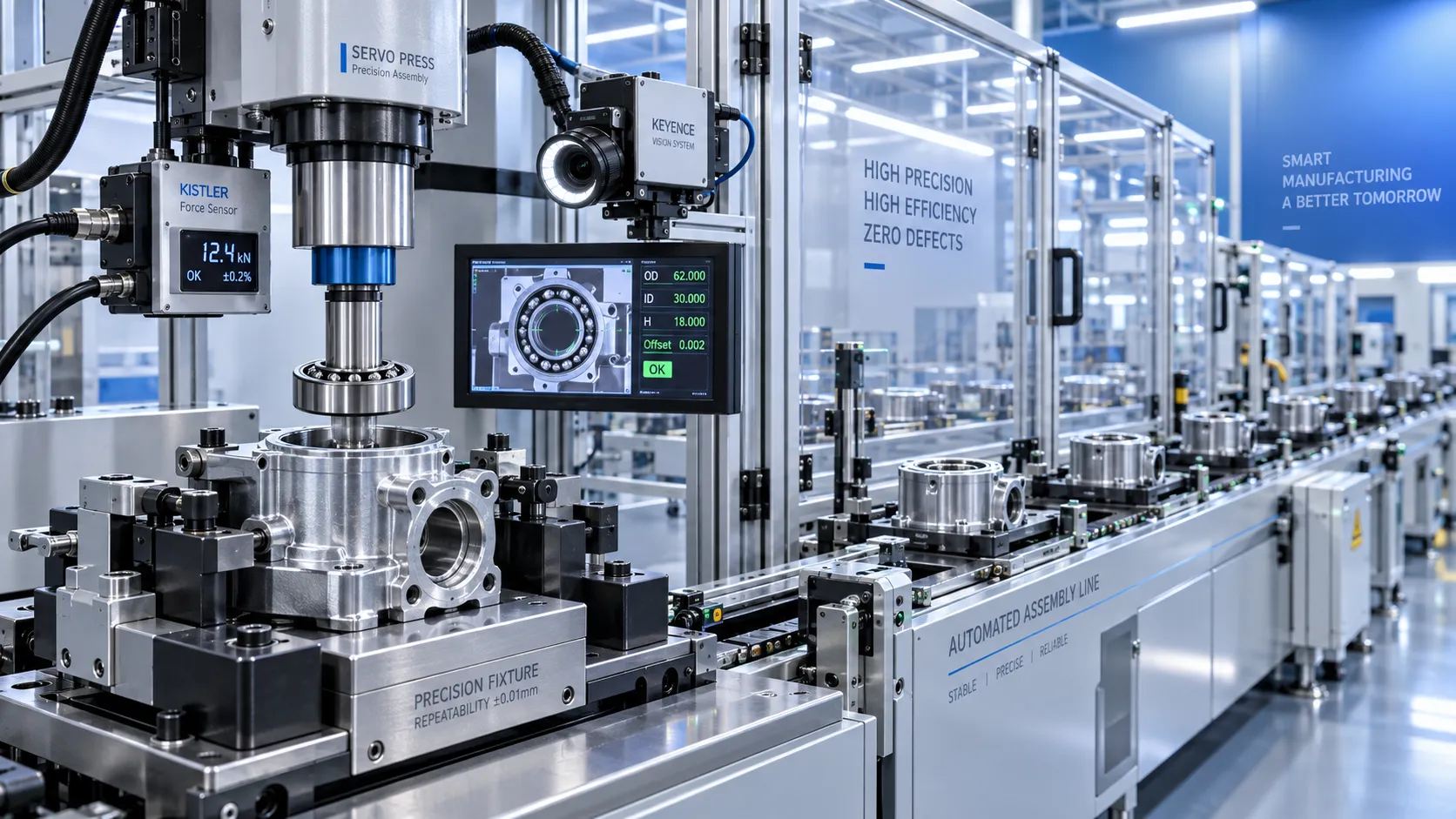
How Precision Automated Production Improves Quality Control in High-Volume Assembly
Precision automated production strengthens quality control in high-volume assembly with real-time verification, traceability, and safer defect containment.
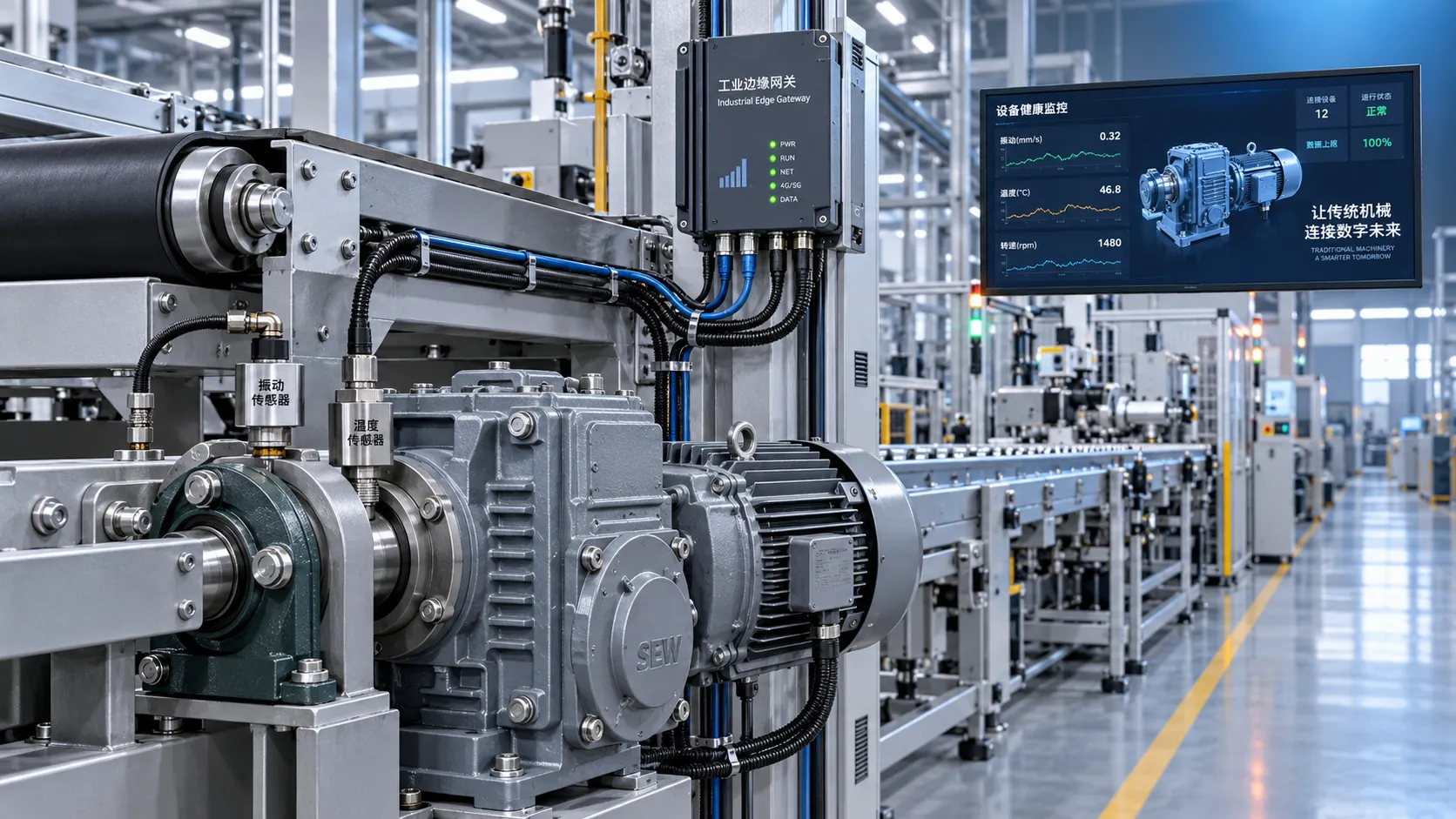
Industry 4.0 Integration: A Roadmap for Connecting Legacy Machines and Data
Industry 4.0 integration roadmap for connecting legacy machines, improving data visibility, reducing downtime, and scaling secure, measurable operational performance.
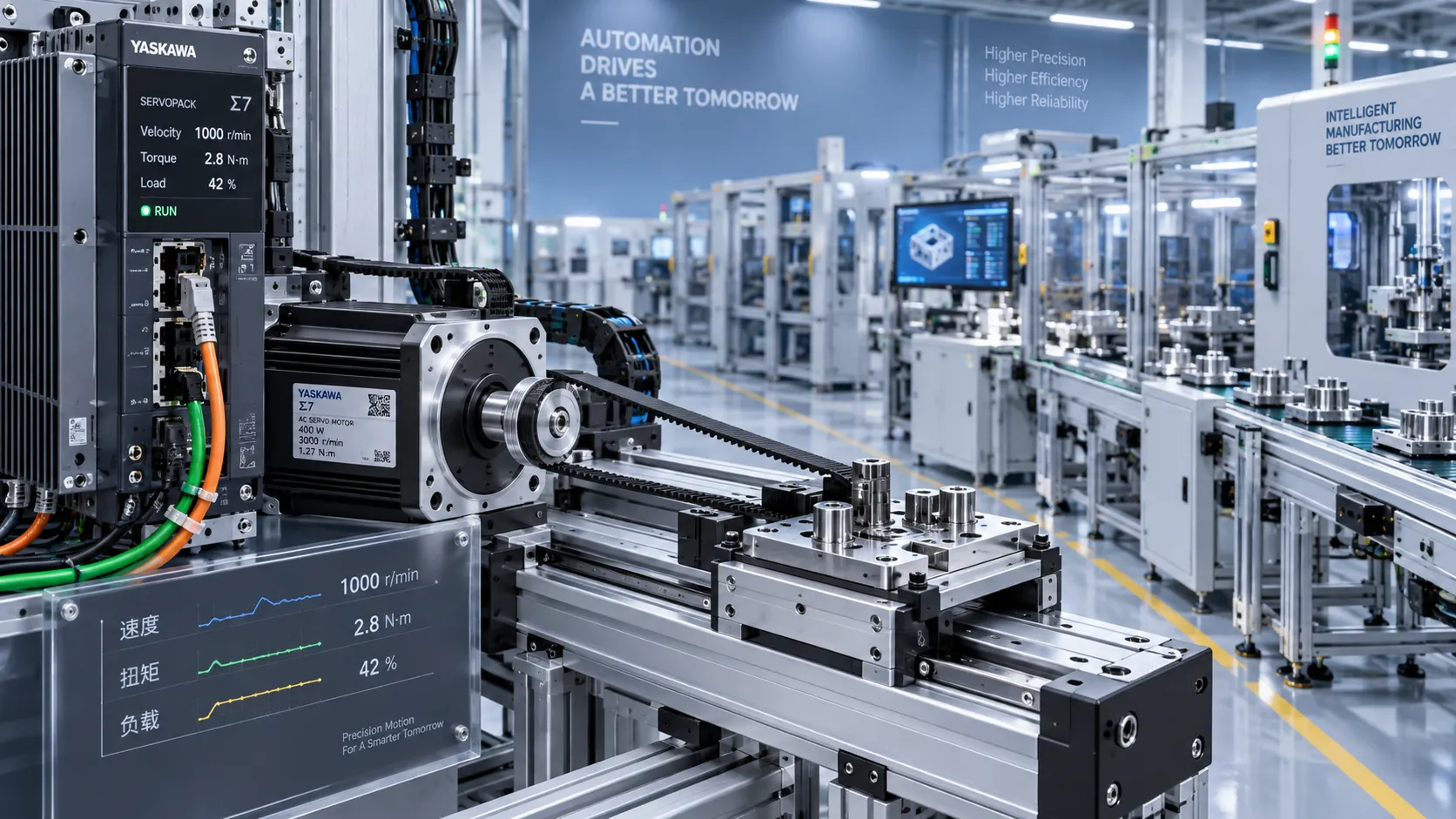
Servo Drive Comparison: Selecting Motion Control for Speed, Torque, and Load
Technical product comparison servo drives: evaluate speed, torque, inertia, safety, and control integration to select a reliable motion system with proven performance margins.

Industrial Automation Technology: How to Prioritize Upgrades by ROI and Downtime Risk
Industrial automation technology upgrades: learn to rank projects by ROI, bottleneck exposure, and downtime risk to reduce losses and make smarter capital decisions.

Selecting Low-Maintenance Chain Components for Dusty, High-Load Conveyors
Low maintenance chain components for dusty, high-load conveyors: compare seals, lubrication, materials, sprockets, and load capacity to reduce wear and downtime.
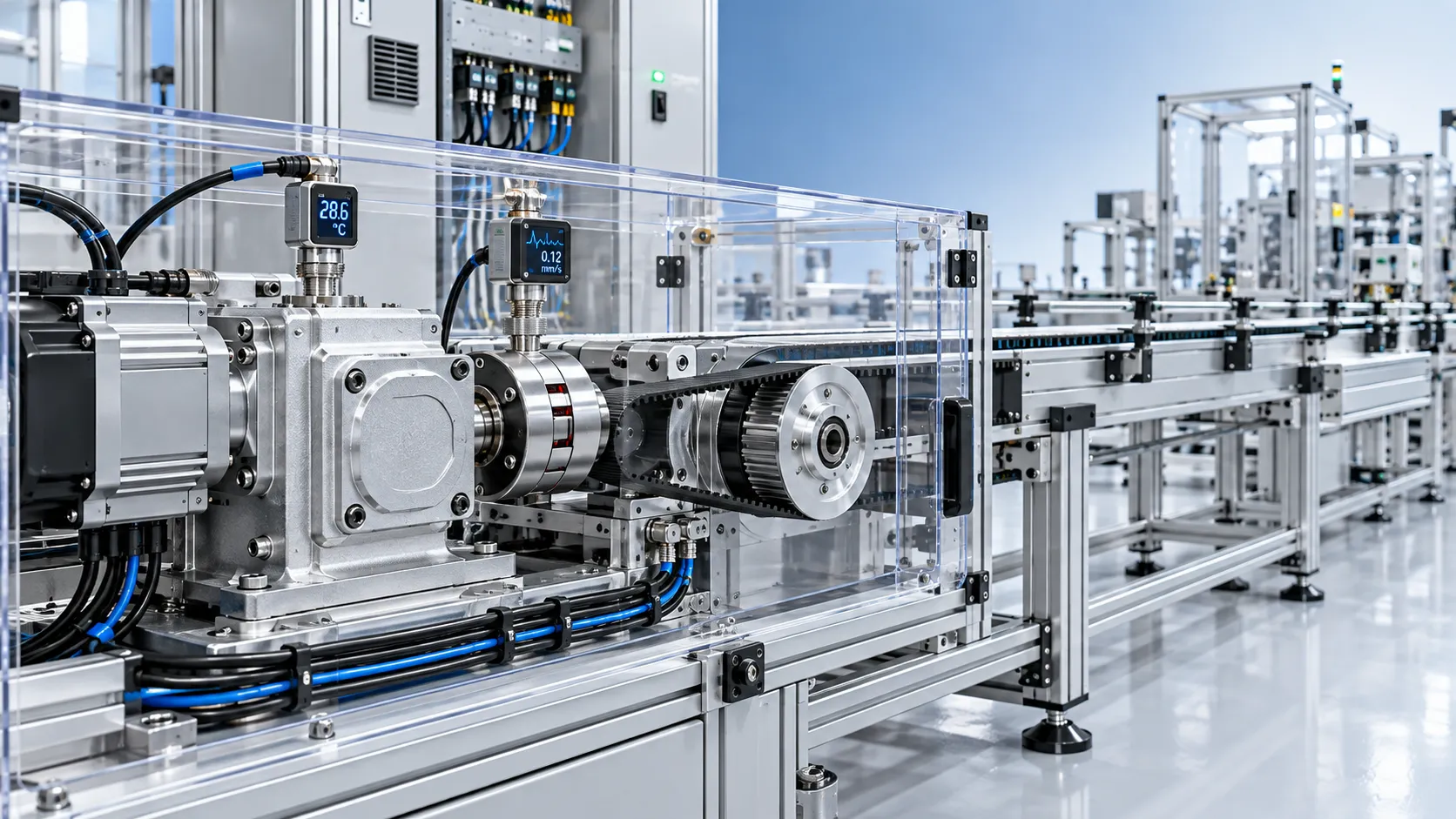
Selecting Smart Transmission Modules for Automated Lines: Control, Load, and Safety
Smart transmission modules for automated lines: evaluate control compatibility, real load demands, safety boundaries, and predictive maintenance value for reliable performance.

How to Assess Automated Packaging Production for High-Mix Manufacturing Lines
Automated production for packaging: assess changeovers, flexibility, controls, reliability, and lifecycle cost to build high-mix lines that deliver stable output.