
Industry News
Curation by industry experts
Hot Articles
Popular Tags
Where tribology applications in manufacturing cut wear costs
For business evaluators weighing maintenance risk, uptime, and lifecycle cost, tribology applications in manufacturing offer a practical lens for identifying hidden savings. From reducing friction in drive systems to extending seal and bearing life under demanding conditions, these methods lower wear-related losses while improving reliability, energy efficiency, and asset performance across diverse industrial operations.
Why a checklist approach matters for tribology applications in manufacturing
Wear costs rarely appear in one budget line. They spread across spare parts, lubricant use, unplanned stops, scrap, energy draw, and shortened component life.
That is why tribology applications in manufacturing should be reviewed through a checklist, not a single technical fix. Friction, lubrication, materials, surface condition, contamination, and load behavior interact continuously.
A checklist helps compare assets on the same basis, identify fast-payback upgrades, and avoid partial decisions that move costs from one component to another.
This is especially relevant in integrated production systems, where bearings, gears, couplings, seals, belts, and sliding interfaces affect one another under real operating loads.
Core checklist: where tribology applications in manufacturing cut wear costs
Use the following checklist to assess whether tribology applications in manufacturing can deliver measurable savings in a line, cell, or plant-wide maintenance program.
- Map friction points across bearings, gears, guides, seals, chains, and belt drives, then rank them by failure frequency, heat generation, lubricant demand, and downtime impact.
- Measure actual operating loads, speeds, shock events, and temperature cycles before selecting materials or lubricants, because catalog conditions rarely match production reality.
- Check whether lubricant viscosity, additive package, and relubrication interval match surface speed, contamination level, and start-stop behavior in the application.
- Inspect surface finish, hardness, coatings, and alignment together, since a premium lubricant cannot compensate for poor contact geometry or unstable shaft positioning.
- Review seal performance at the same time as bearing or gearbox wear, because dust ingress, moisture, and process chemicals often trigger the larger failure chain.
- Compare energy consumption before and after friction-reduction changes, as tribology applications in manufacturing often return savings through lower power loss as well as longer life.
- Analyze used oil, grease condition, particle counts, and wear debris trends to detect early distress long before vibration alarms or catastrophic seizure appear.
- Standardize component and lubricant choices where possible, reducing storage complexity while improving consistency in maintenance execution across multiple lines or sites.
- Validate installation practice, including torque control, cleanliness, fit tolerances, and lubrication quantity, because many wear issues begin during assembly, not operation.
- Track lifecycle cost per operating hour instead of unit purchase price, especially for high-duty assets where wear reduction quickly outweighs initial component premiums.
Key application scenarios across manufacturing
Bearings and rotating supports
Bearings are often the first place where tribology applications in manufacturing show clear economic value. Inadequate film formation, contamination, and misalignment accelerate pitting, smearing, and cage damage.
Improvement may involve cleaner lubrication systems, better sealing, optimized grease selection, surface-engineered rolling elements, or tighter shaft-housing tolerances. The result is usually longer service intervals and fewer emergency replacements.
Gearboxes and enclosed drives
In gear reducers and enclosed transmissions, friction losses convert directly into heat, efficiency decline, and wear debris. Micropitting, scuffing, and lubricant oxidation often develop together.
Here, tribology applications in manufacturing support better gear oil selection, additive control, surface durability, and thermal balance. These changes help stabilize transmission efficiency and reduce overhaul frequency.
Seals and leakage control
Mechanical seals, radial shaft seals, and reciprocating seals sit at the intersection of friction control and contamination exclusion. When seal faces run dry or abrasive particles enter, downstream wear rises quickly.
A tribology-led review may recommend upgraded face materials, improved lubrication pathways, tighter shaft finish control, or better compatibility with chemicals and washdown conditions.
Conveying, sliding, and linear motion surfaces
Guides, slides, wear strips, and conveyor contact points often receive less attention than rotating assets, yet they generate steady maintenance drag through abrasion and stick-slip behavior.
Low-friction liners, engineered polymers, dry-film coatings, and cleaner contact design can reduce drag, noise, product marking, and replacement frequency in these zones.
Belt, chain, and coupling systems
Power transmission components fail faster when tension, misalignment, contamination, or poor lubrication changes contact mechanics. Wear then spreads into pulleys, sprockets, shafts, and connected bearings.
Tribology applications in manufacturing improve these systems by correcting contact stress, reducing parasitic friction, and extending the service life of the complete drive path.
Commonly overlooked cost drivers and risk warnings
One common mistake is treating lubricant as a consumable only. In reality, lubricant condition is a design and reliability variable that shapes wear rate, heat, and energy use.
Another missed issue is contamination control. Fine particles, water ingress, and process residue can destroy film integrity even when premium components and correct lubricants are specified.
Surface interactions are also underestimated. Harder materials do not always mean lower wear, especially if counterface finish, coating adhesion, or debris circulation are poorly controlled.
A further risk is evaluating assets in isolation. Changing one bearing type or grease can alter temperature, sealing load, or shaft dynamics elsewhere in the machine.
Finally, many programs rely on failure history alone. Effective tribology applications in manufacturing require condition data, operating context, and disciplined root-cause analysis, not replacement statistics alone.
Practical execution steps that improve results
- Start with the assets that combine high duty cycles, hard-to-access service points, and expensive downtime.
- Collect baseline data on temperature, vibration, lubricant condition, leakage, power draw, and replacement intervals.
- Test one tribology improvement at a time, such as seal redesign, lubricant upgrade, or surface treatment change.
- Confirm results over a defined operating period, using wear debris, energy use, and maintenance hours as decision metrics.
- Scale successful changes through standard work instructions, approved component lists, and maintenance training updates.
Intelligence-led evaluation also strengthens decision quality. GPT-Matrix supports this process by connecting component trends, tribology insight, and real industrial transmission context into a more complete view of reliability and efficiency.
Conclusion and next action
The strongest value of tribology applications in manufacturing is not limited to reducing friction. It lies in exposing the true cost chain behind wear, leakage, heat, contamination, and premature failure.
A structured checklist makes those hidden losses visible, links technical causes to financial outcomes, and helps prioritize the changes that improve uptime and lifecycle cost most effectively.
Begin with one critical system, document baseline performance, and apply the checklist with discipline. In many operations, that is enough to uncover fast, repeatable savings from smarter tribology applications in manufacturing.
Recommended News
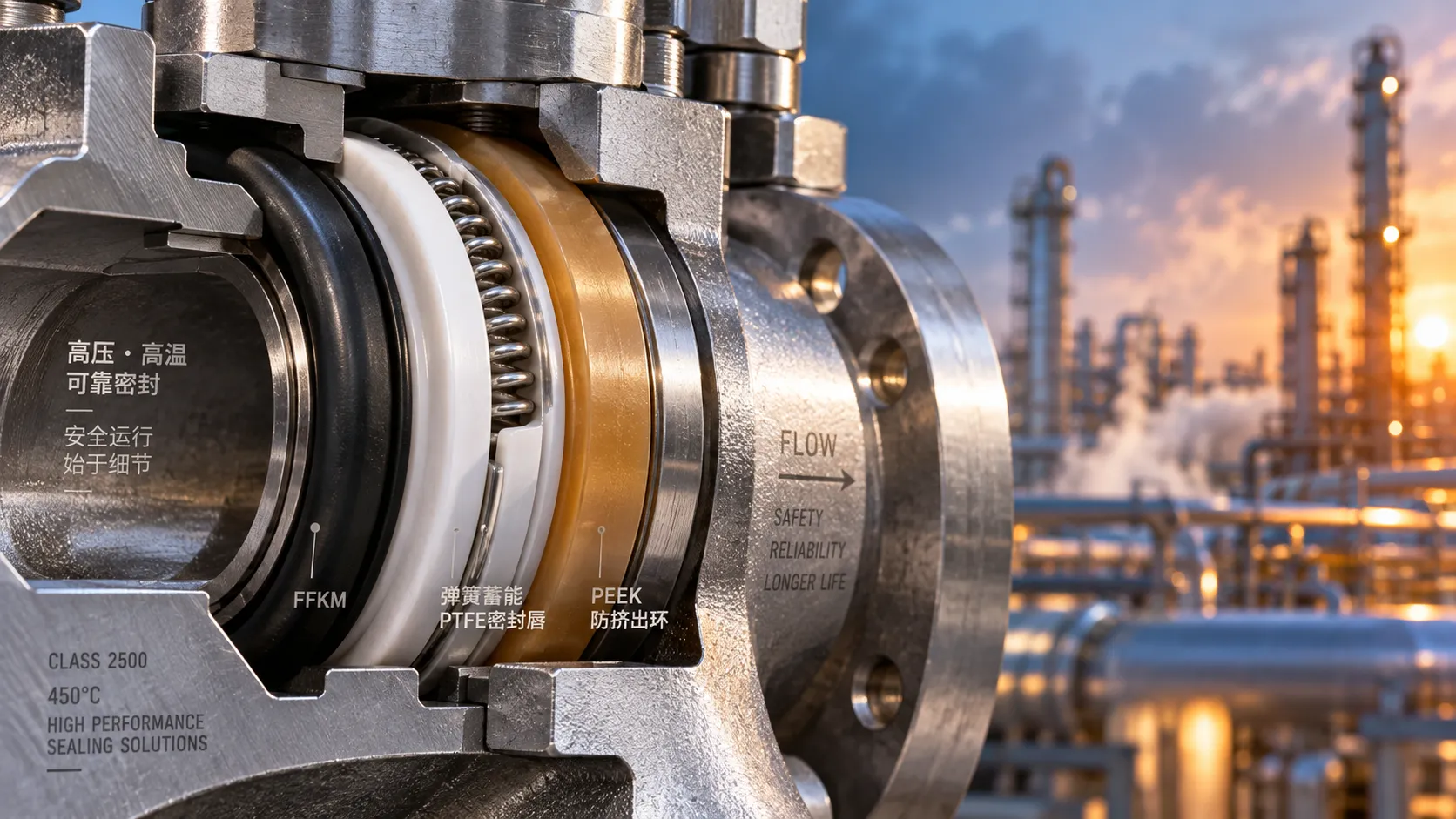
Which New Seal Materials Perform Best in High-Pressure, High-Temperature Service?
Industrial material breakthroughs for seals: compare FFKM, filled PTFE, PEEK, graphite, and metal options for reliable high-pressure, high-temperature service.
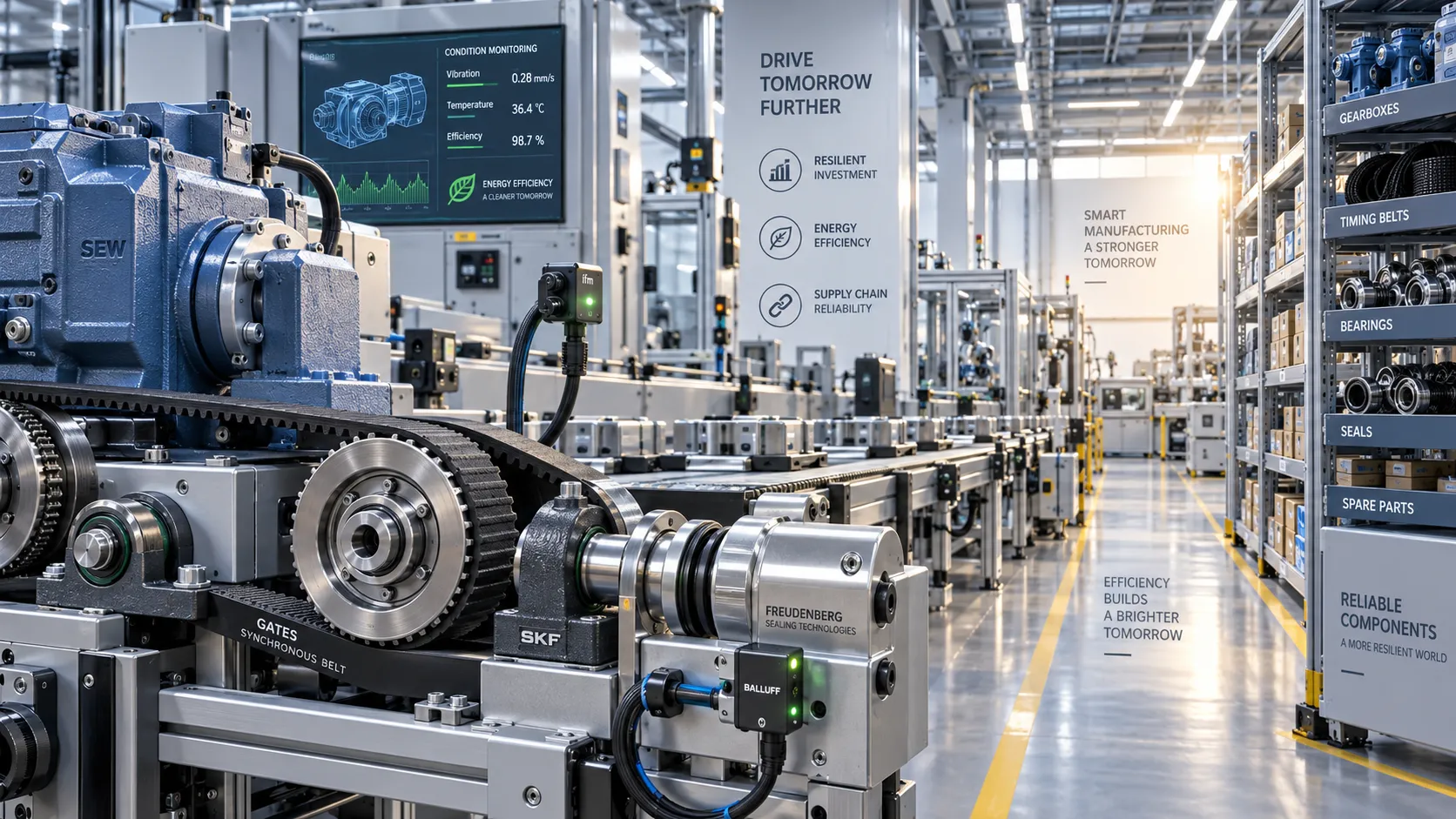
Industrial Economy Trends Shaping Capital Investment and Supply Chain Risk in 2026
Industrial economy trends for 2026 reveal how resilient capital investments, energy efficiency, and supply-chain strategies can protect uptime and strengthen returns.
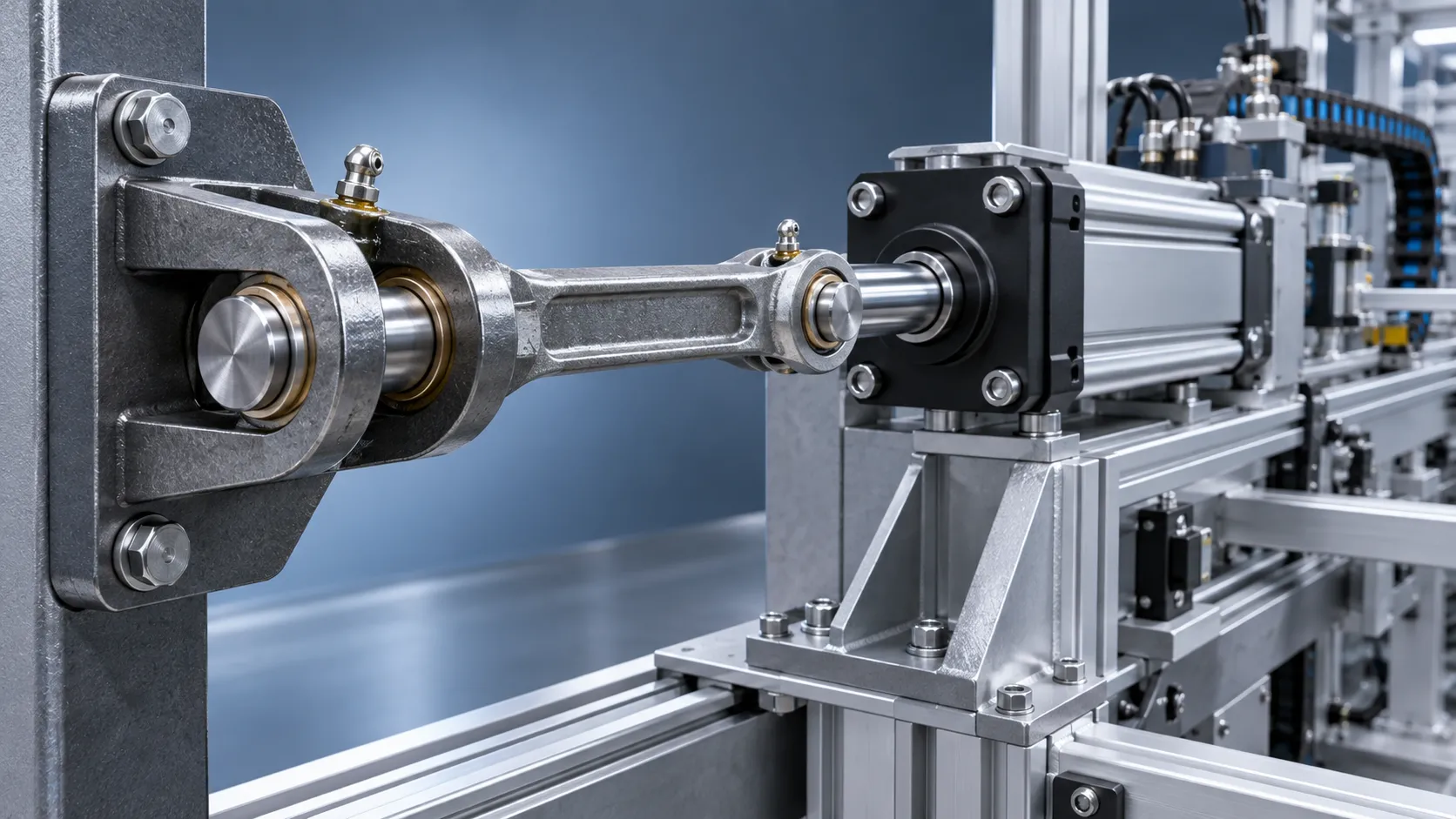
Mechanical Linkage Design: How to Balance Load Capacity, Motion Accuracy, and Wear
Mechanical linkage design guide: balance load capacity, motion accuracy, and wear with practical insights on geometry, joints, tolerances, lubrication, and service life.
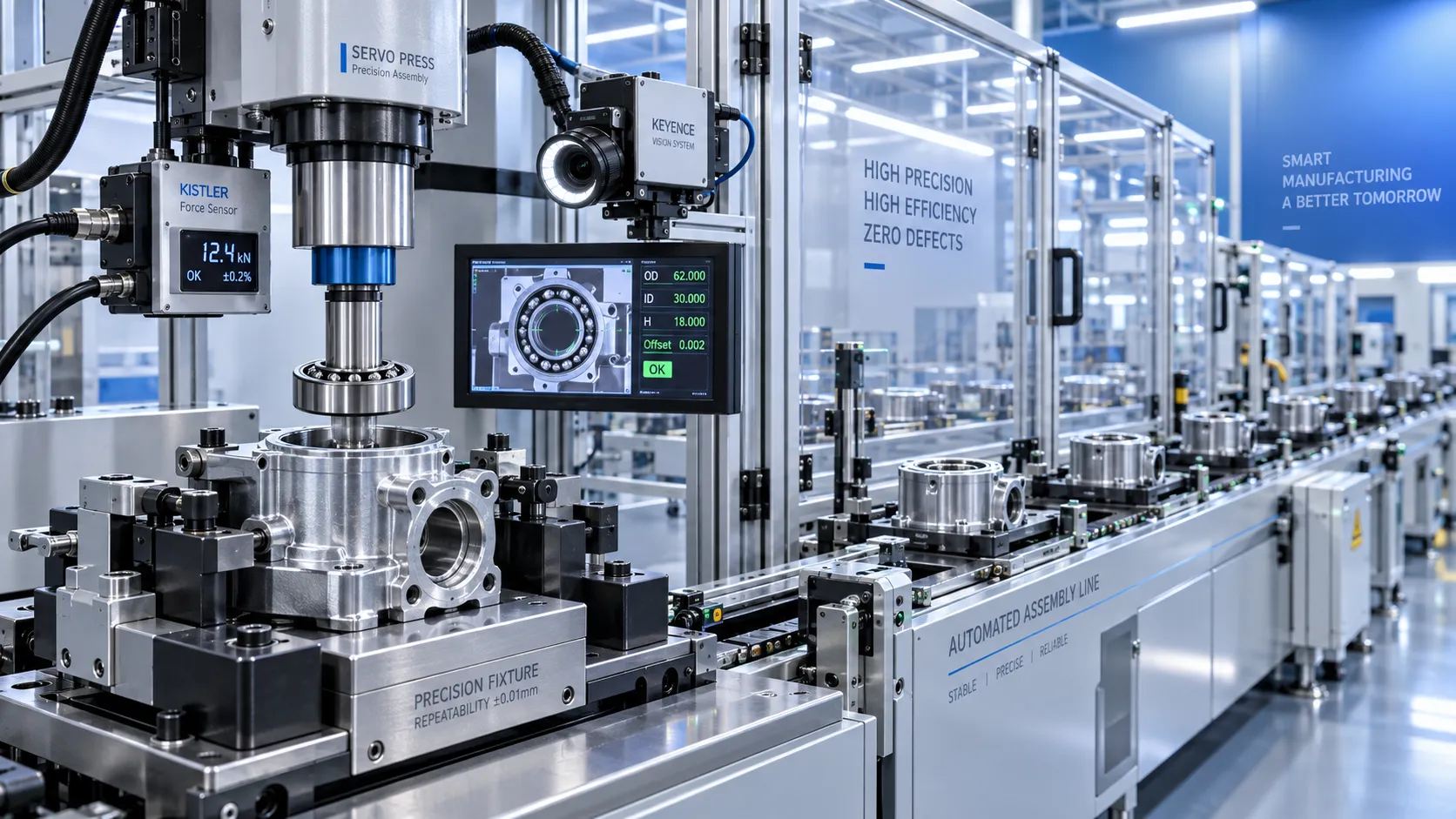
How Precision Automated Production Improves Quality Control in High-Volume Assembly
Precision automated production strengthens quality control in high-volume assembly with real-time verification, traceability, and safer defect containment.
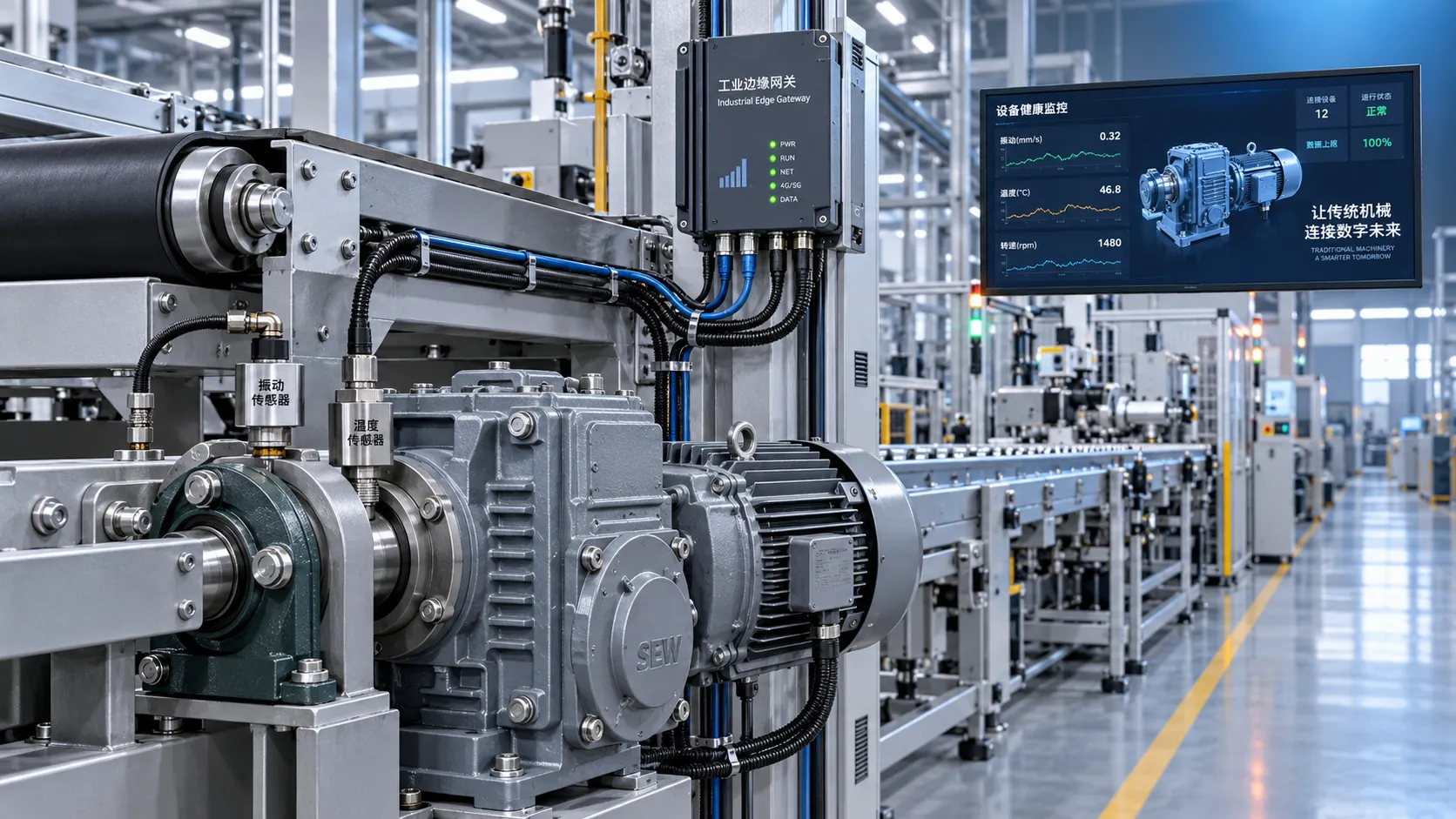
Industry 4.0 Integration: A Roadmap for Connecting Legacy Machines and Data
Industry 4.0 integration roadmap for connecting legacy machines, improving data visibility, reducing downtime, and scaling secure, measurable operational performance.
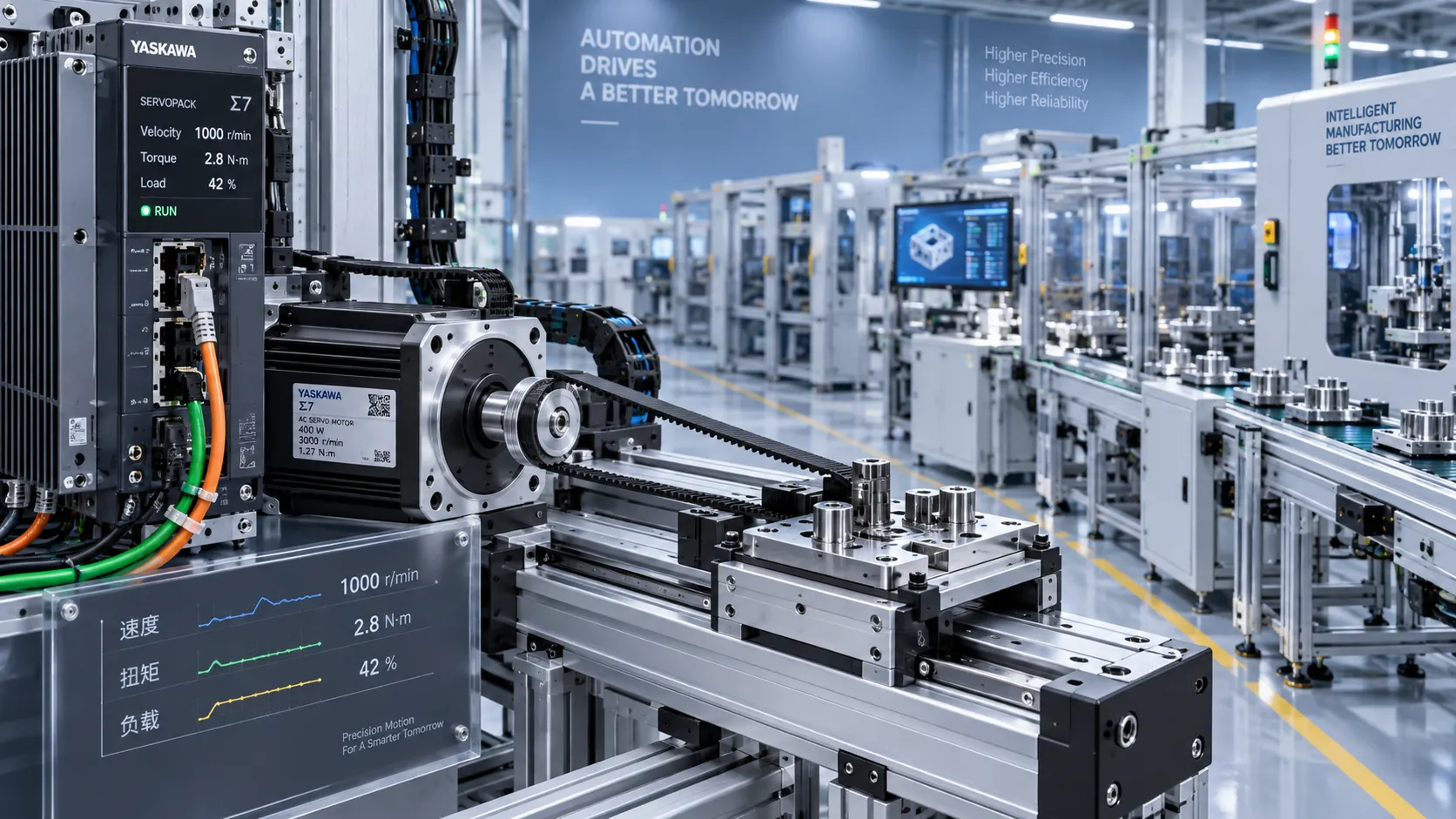
Servo Drive Comparison: Selecting Motion Control for Speed, Torque, and Load
Technical product comparison servo drives: evaluate speed, torque, inertia, safety, and control integration to select a reliable motion system with proven performance margins.

Industrial Automation Technology: How to Prioritize Upgrades by ROI and Downtime Risk
Industrial automation technology upgrades: learn to rank projects by ROI, bottleneck exposure, and downtime risk to reduce losses and make smarter capital decisions.

Selecting Low-Maintenance Chain Components for Dusty, High-Load Conveyors
Low maintenance chain components for dusty, high-load conveyors: compare seals, lubrication, materials, sprockets, and load capacity to reduce wear and downtime.
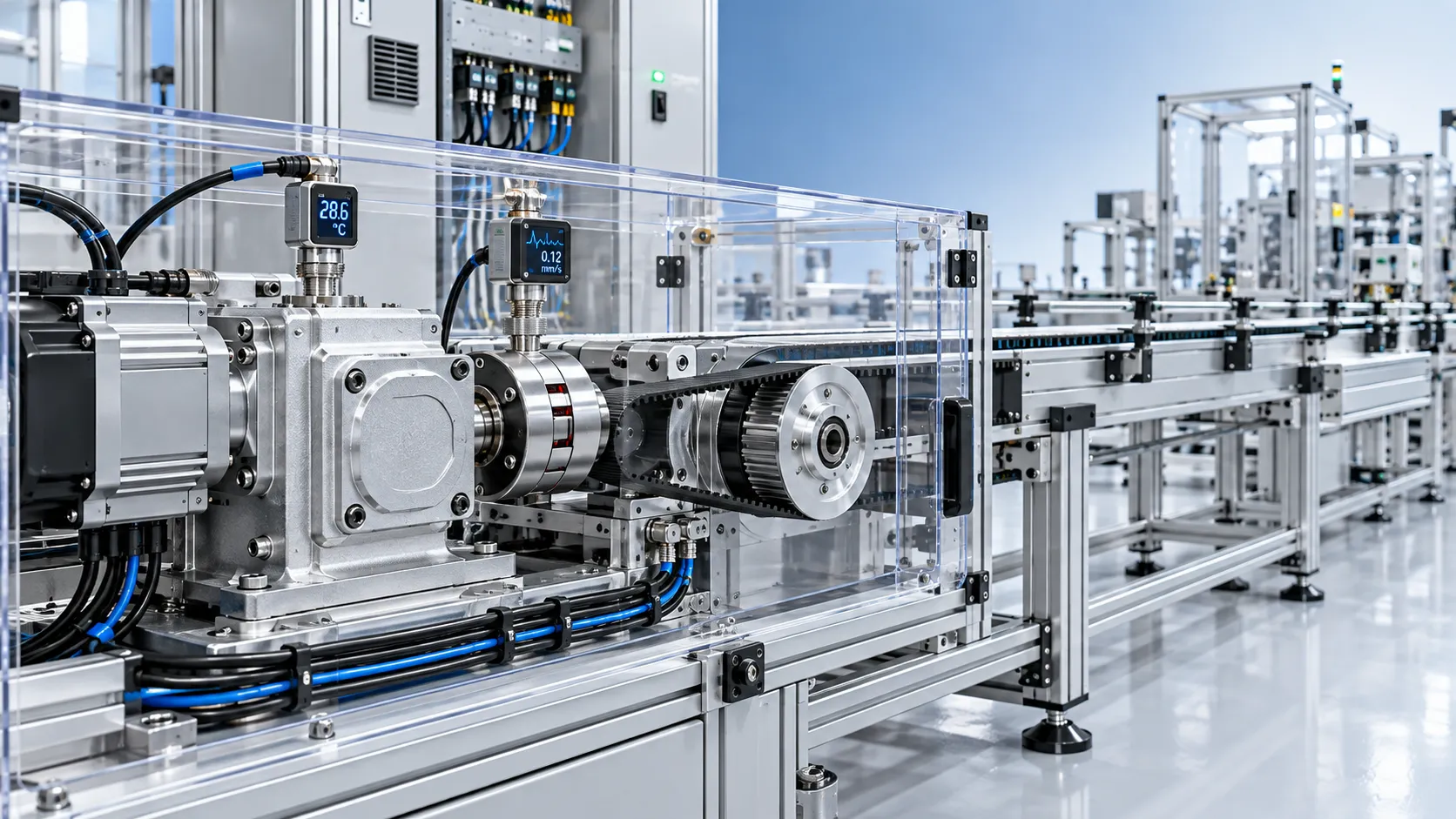
Selecting Smart Transmission Modules for Automated Lines: Control, Load, and Safety
Smart transmission modules for automated lines: evaluate control compatibility, real load demands, safety boundaries, and predictive maintenance value for reliable performance.