
Industry News
Curation by industry experts
Hot Articles
Popular Tags
Why Reliability in Mechanical Systems Fails Under Load
Why Reliability in Mechanical Systems Fails Under Load
Reliability in mechanical systems often appears robust in design reviews, yet fails when real-world load exposes hidden weaknesses.
Materials, lubrication, alignment, sealing, and transmission dynamics all behave differently under continuous stress.
For technical evaluation, the key is separating theoretical strength from field-ready durability.
This article explains how load-induced stress, fatigue, thermal growth, and component interaction degrade system integrity.
It also shows why data-driven assessment improves reliability in mechanical systems across industrial transmission, motion control, and sealing applications.
What Does Reliability in Mechanical Systems Really Mean Under Load?
Reliability in mechanical systems is not only the ability to operate during a test cycle.
It means stable performance across load variation, temperature rise, vibration, contamination, and maintenance intervals.
A gearbox, coupling, bearing, belt drive, or mechanical seal may pass nominal design checks.
However, real service conditions create compound stress that rarely appears in simple calculations.
Static strength only answers whether a component survives a defined load once.
Reliability in mechanical systems asks whether it survives repeatedly, efficiently, and predictably.
The difference matters in automated production lines, mining equipment, packaging machinery, compressors, conveyors, and heavy-duty pumps.
In these environments, load is not a single number.
It is a changing mechanical event shaped by torque peaks, start-stop cycles, shock loads, and misalignment.
Reliable performance depends on how every contact surface, joint, and power transmission element reacts together.
Why Do Materials That Look Strong Still Fail?
Material failure is a common reason reliability in mechanical systems drops under load.
The problem is often not visible during early inspection.
Microcracks, inclusions, surface defects, residual stress, and improper heat treatment can remain hidden.
Under repeated loading, these weak points become fatigue initiation zones.
Fatigue failure usually begins below the ultimate strength of the material.
That is why catalog strength alone cannot prove reliability in mechanical systems.
Surface hardness, core toughness, grain structure, and coating adhesion must match the operating profile.
For gears, tooth root fatigue and pitting are major warning signs.
For shafts, torsional fatigue may appear after millions of reversals.
For elastomeric seals, compression set and chemical swelling reduce sealing force under load.
- Check fatigue strength, not only tensile strength.
- Review hardness depth for gears, races, and splines.
- Confirm coating compatibility with temperature and lubricant chemistry.
- Assess corrosion risk where stress concentration exists.
High reliability in mechanical systems requires material selection based on real load spectra, not idealized duty points.
How Do Lubrication and Friction Undermine Reliability in Mechanical Systems?
Lubrication is often treated as a maintenance detail, but it is central to reliability in mechanical systems.
Under load, surfaces deform microscopically and asperities move closer together.
If the lubricant film is too thin, metal-to-metal contact increases sharply.
This causes wear, heat generation, scuffing, noise, vibration, and efficiency loss.
Viscosity is not the only factor.
Additive chemistry, contamination control, oxidation stability, and operating temperature also decide lubricant performance.
In gear reducers, incorrect oil selection can accelerate micropitting and bearing distress.
In chain drives, poor lubrication increases articulation wear and elongation.
In mechanical seals, inadequate lubrication at the faces can trigger thermal cracking.
Contamination is another silent threat to reliability in mechanical systems.
Dust, water, metal particles, and process fluids can change friction behavior quickly.
Once abrasive particles enter the contact zone, wear can rise faster than expected.
Reliable operation requires lubricant condition monitoring, filtration, seal integrity, and temperature control.
Why Do Alignment, Assembly, and Mounting Errors Become Serious Under Load?
Reliability in mechanical systems often fails because real assemblies are not as perfect as design models.
Small errors become serious when torque, bending, vibration, and thermal expansion interact.
Misalignment increases bearing loads and creates uneven contact in couplings, belts, chains, and gears.
Soft foot, poor base rigidity, and incorrect bolt preload can distort machine geometry.
Under load, deflection changes shaft position and contact patterns.
This creates load concentration rather than uniform force distribution.
A belt drive may show edge wear when pulley alignment is poor.
A gear set may develop localized tooth contact when housing stiffness is insufficient.
A seal may leak when shaft runout exceeds the allowable range.
These are not isolated installation issues.
They directly reduce reliability in mechanical systems by increasing stress cycles and heat.
- Verify alignment under operating temperature, not only cold conditions.
- Control bolt preload with documented torque or tension methods.
- Inspect foundation stiffness and resonance risks.
- Measure shaft runout before evaluating seal performance.
Assembly quality must be treated as an engineering variable, not a final checklist item.
How Do Dynamic Loads Change the Failure Pattern?
Dynamic loading is where many predictions about reliability in mechanical systems become inaccurate.
Machines rarely operate at constant speed, torque, or temperature.
Acceleration, braking, load reversal, impact, and process variation create transient peaks.
These peaks may be short, yet they can dominate fatigue damage.
In transmission systems, torsional vibration can amplify shaft and coupling stress.
In belt drives, cyclic tension fluctuation can cause tooth shear or cord fatigue.
In bearings, load spikes can damage raceways before normal wear becomes visible.
Thermal growth adds another dynamic effect.
As components heat, clearances change and preload may rise or fall.
A system that runs smoothly at startup may become unstable after heat soak.
This is why reliability in mechanical systems must be evaluated across the full operating envelope.
Load history, duty cycle, ambient conditions, and process interruptions should be included in the assessment.
How Can Data-Driven Assessment Improve Reliability in Mechanical Systems?
Data-driven assessment transforms reliability in mechanical systems from assumption into measurable risk control.
Useful data comes from vibration analysis, oil analysis, thermal imaging, torque monitoring, and failure history.
The value is not only detecting failure early.
The deeper value is identifying which mechanism is reducing service life.
For example, vibration harmonics may reveal misalignment before bearing damage spreads.
Oil particle trends may show gear wear before a tooth fracture occurs.
Seal leakage trends may expose thermal distortion or face instability.
The GPT-Matrix intelligence approach connects mechanical linkage knowledge with material science and industrial economics.
This helps evaluate whether a component is only low-cost upfront or truly durable under demanding service.
Reliability in mechanical systems improves when selection decisions consider lifecycle cost, downtime exposure, energy loss, and maintenance burden.
What Are the Most Common Misjudgments When Selecting Components?
One major mistake is assuming rated capacity equals reliability in mechanical systems.
A rating is usually based on defined assumptions, not every field condition.
Another mistake is comparing components only by purchase price.
Lower initial cost can become expensive through downtime, energy loss, and replacement labor.
Oversizing is also not always the safest answer.
Excessive stiffness, inertia, or preload can create new stress paths.
A balanced selection considers load, environment, mounting, lubrication, speed, and maintenance access.
For reliability in mechanical systems, component interaction matters as much as individual specification.
A premium bearing cannot compensate for poor sealing and contaminated lubricant.
A strong belt cannot overcome incorrect pulley geometry or excessive shock loading.
A high-performance seal cannot succeed if shaft finish and runout are unsuitable.
FAQ Summary: Practical Answers About Reliability in Mechanical Systems
Conclusion: Turning Load Failures Into Better Engineering Decisions
Reliability in mechanical systems fails under load when hidden weaknesses become active failure mechanisms.
Material fatigue, lubrication breakdown, misalignment, contamination, thermal growth, and dynamic stress are usually connected.
The solution is not a single stronger part or a larger safety factor.
It is a disciplined assessment of the complete mechanical chain.
GPT-Matrix supports this approach through intelligence on transmission components, mechanical joints, sealing technologies, and industrial efficiency trends.
For the next step, review load history, inspect failure evidence, and compare component choices by lifecycle performance.
That practical process strengthens reliability in mechanical systems and reduces avoidable downtime in demanding industrial environments.
Recommended News

How to Evaluate an Automated Production Supplier for a High-Uptime Manufacturing Line
Automated production supplier evaluation guide: assess uptime, maintainability, lifecycle cost, service support, and acceptance criteria for reliable manufacturing.
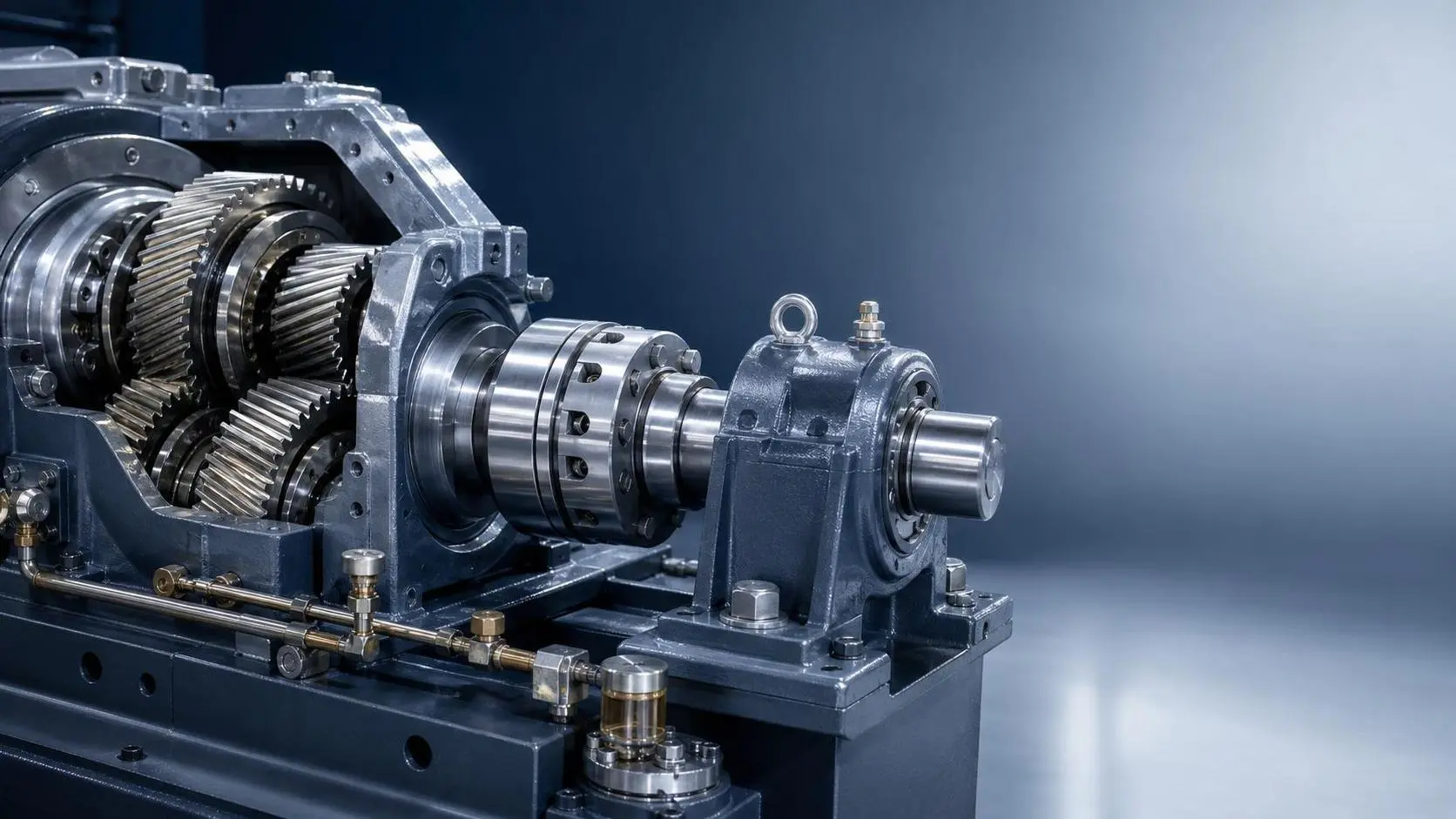
Designing Reliable Mechanical Transmissions: Load, Lubrication, and Fatigue Factors
Reliability in mechanical transmission design starts with real duty cycles. Explore load, lubrication, alignment, and fatigue factors for longer service life.
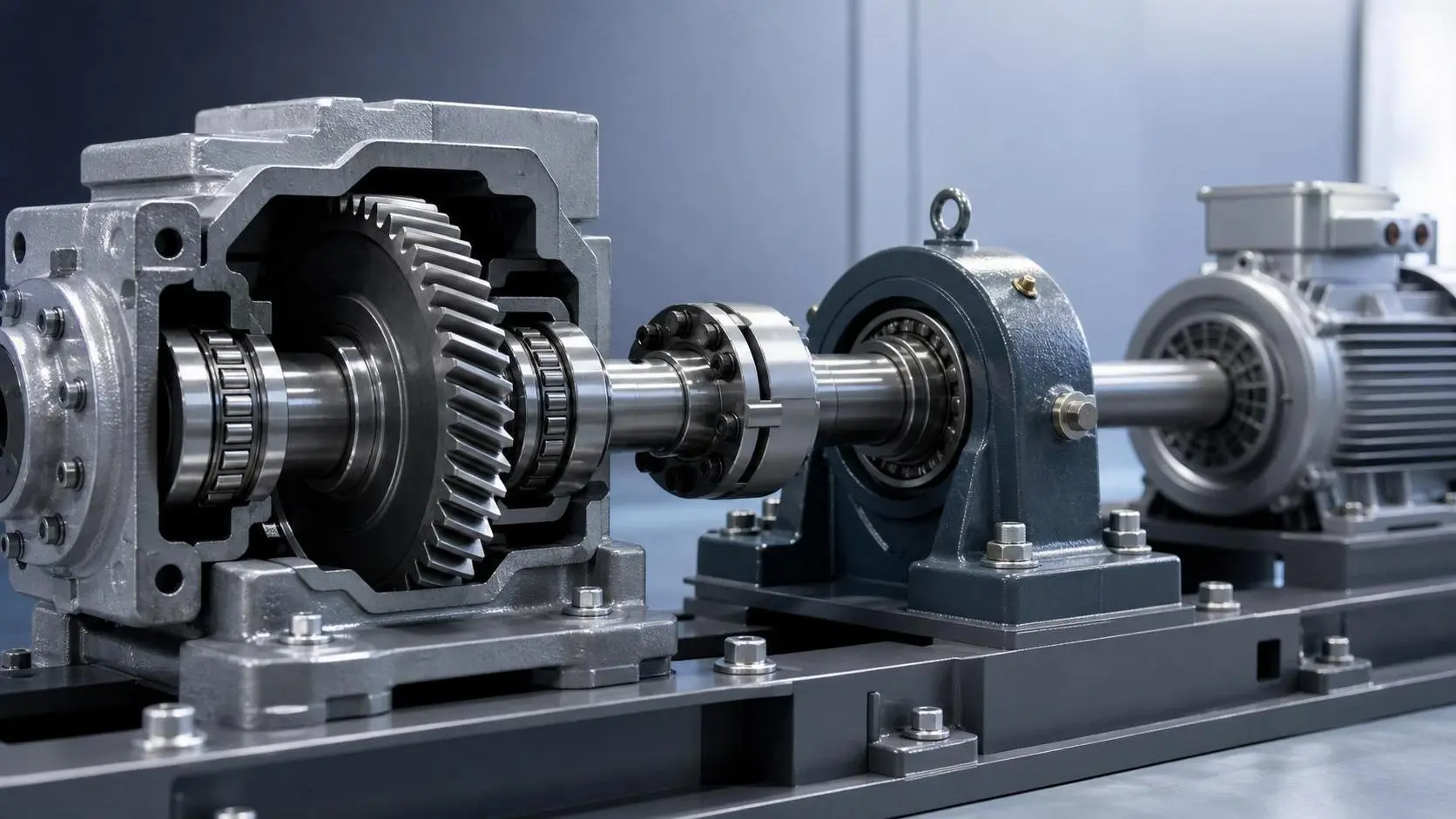
How to Define Load Requirements in Component Specifications for Safe Selection
Component specification guidance for load requirements: define load paths, duty cycles, peaks, environmental limits, and safety margins for safer component selection.
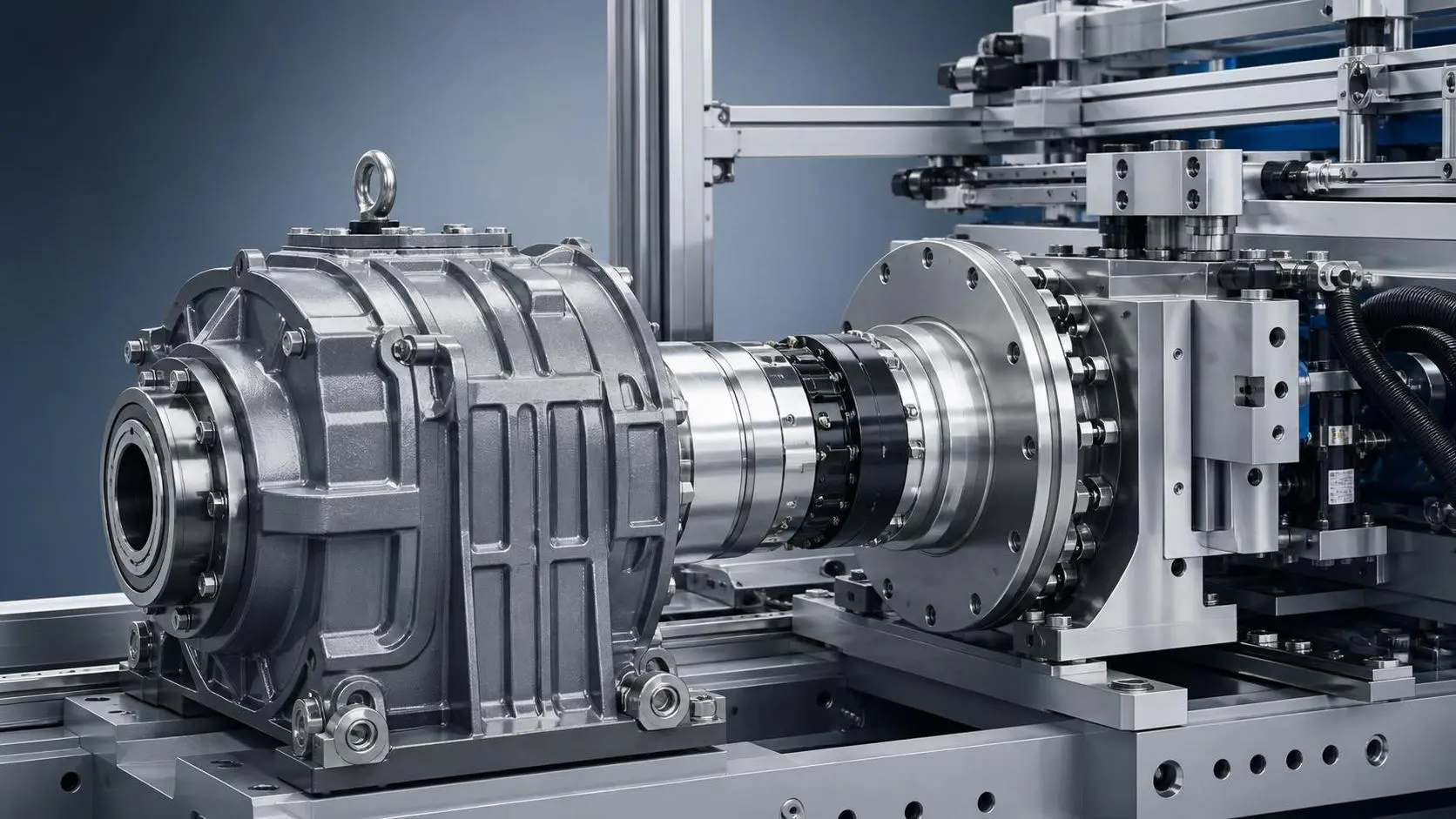
How to Evaluate Precision Engineered Transmissions for High-Load Industrial Systems
Precision engineered transmissions for high-load systems: learn how to assess load profiles, thermal limits, sealing, stiffness, and lifecycle reliability for smarter industrial decisions.
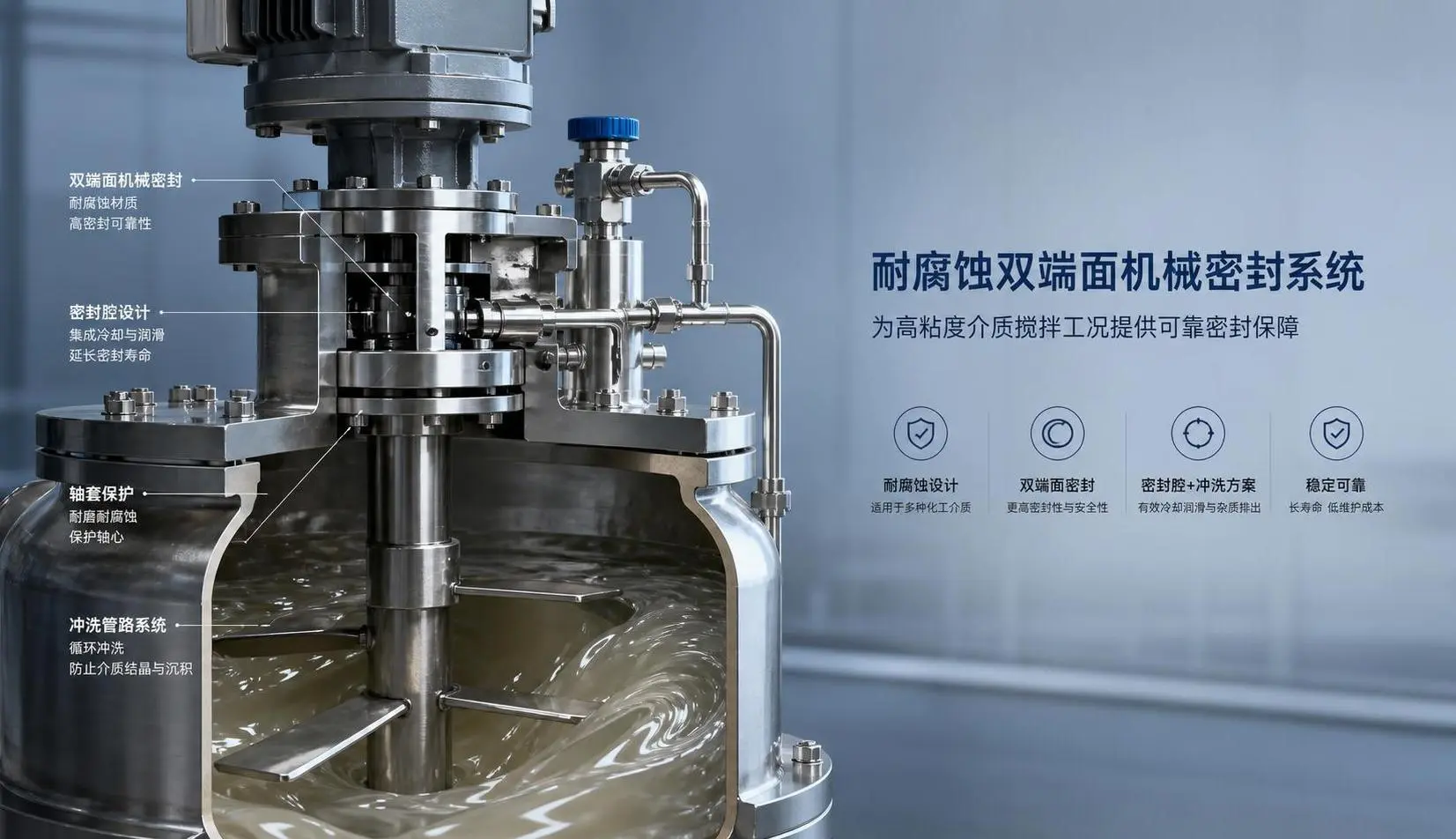
How to Select Mechanical Seals for Mixers in Corrosive or High-Viscosity Processes
Mechanical seals for mixers in corrosive or high-viscosity processes require the right materials, design, and support system. Learn how to choose a reliable seal and reduce leaks, downtime, and maintenance.
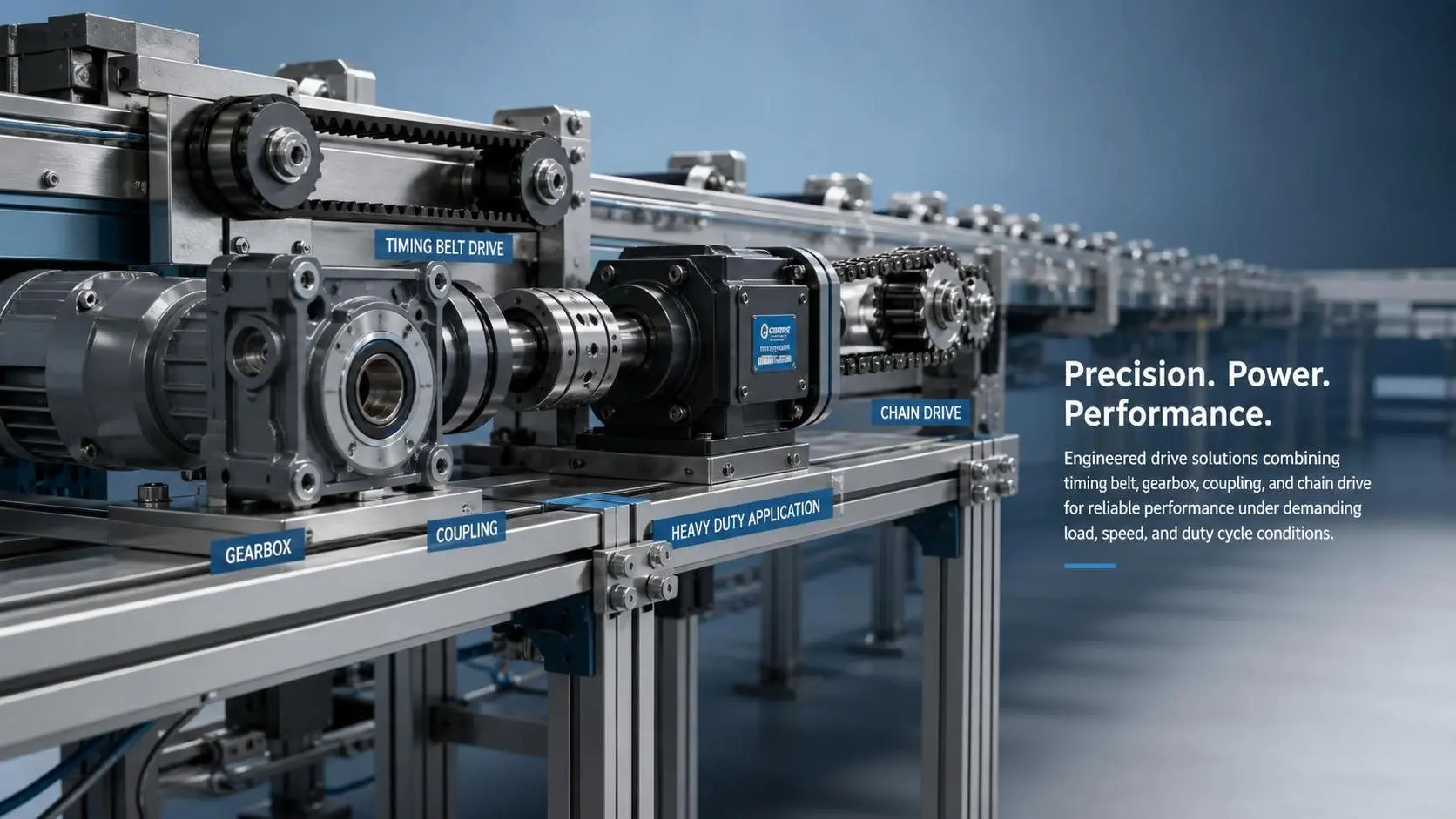
How to Select Automated Line Drive Components for Load, Speed, and Duty Cycle?
Automated line drive components selection starts with real load, speed, and duty cycle analysis. Learn how to reduce failures, improve reliability, and choose smarter for demanding production lines.
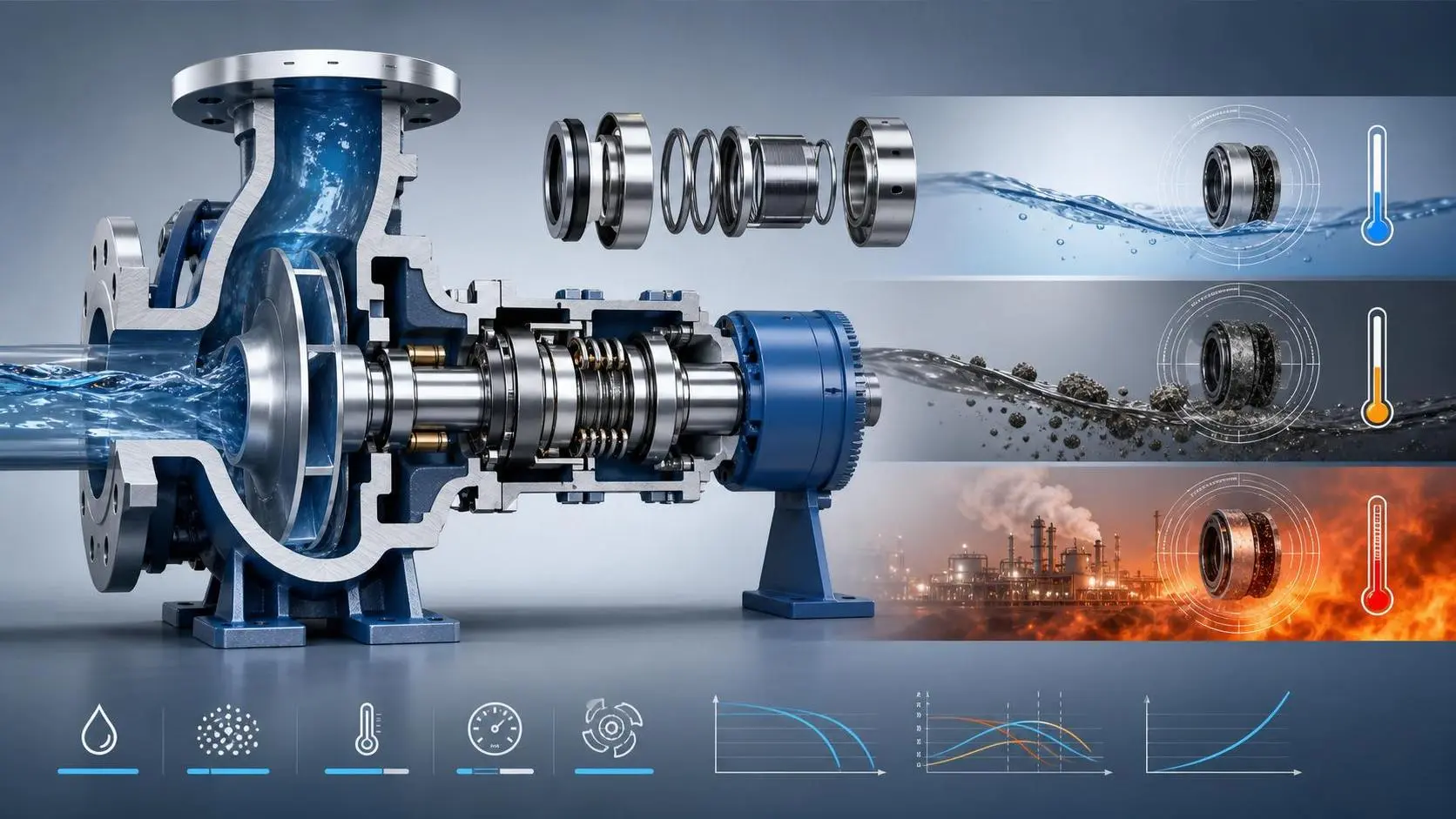
How to Choose Mechanical Seals for Industrial Applications by Fluid and Operating Conditions
Mechanical seals for industrial applications: learn how to match seal types, materials, and support systems to fluid properties, pressure, temperature, speed, and solids for longer service life.
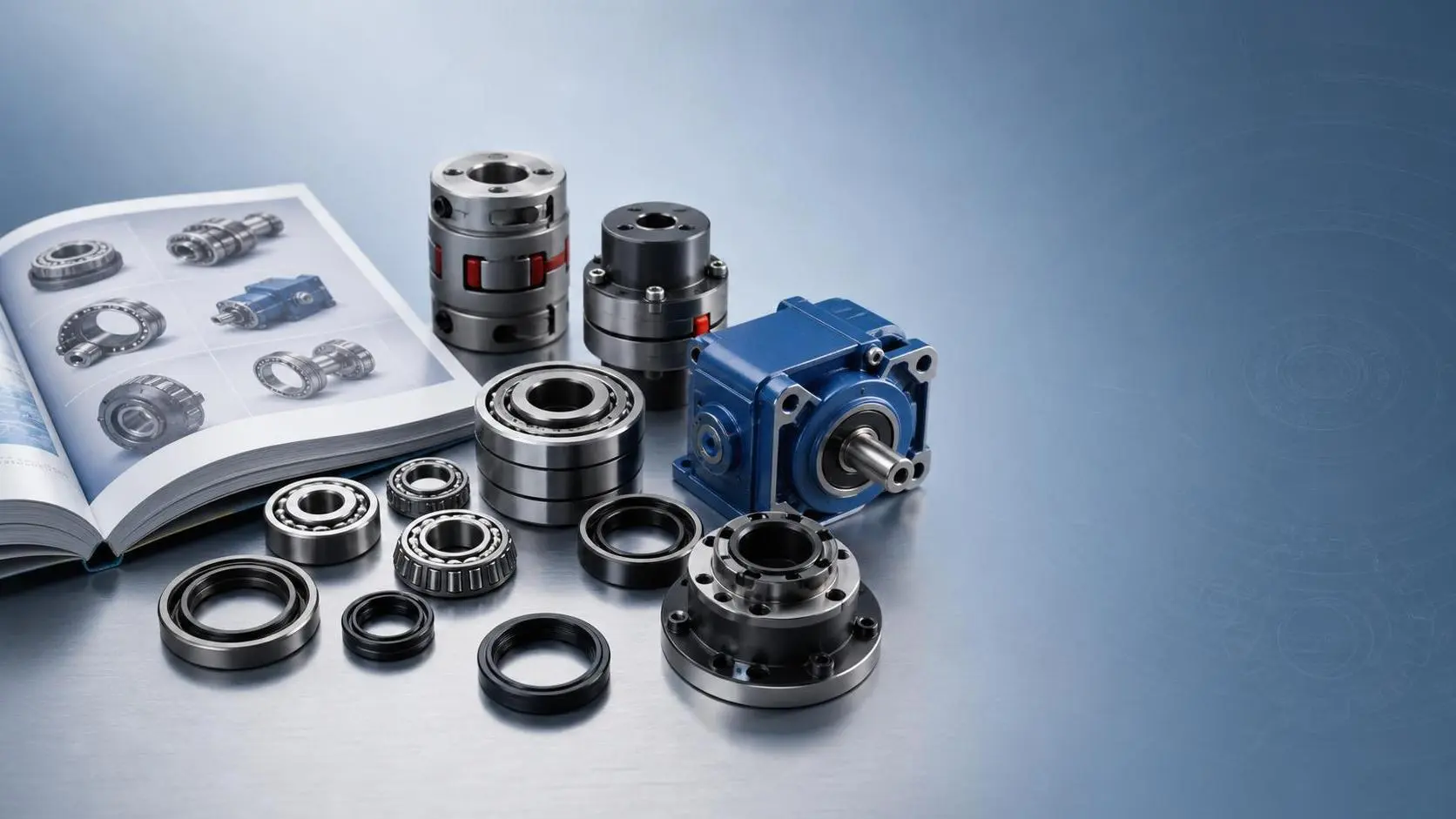
How to Use an Industrial Component Applications Catalog for Faster Part Selection
Industrial component applications catalog guide: learn how to screen parts faster, cut selection errors, and build a smarter shortlist for reliable industrial sourcing.
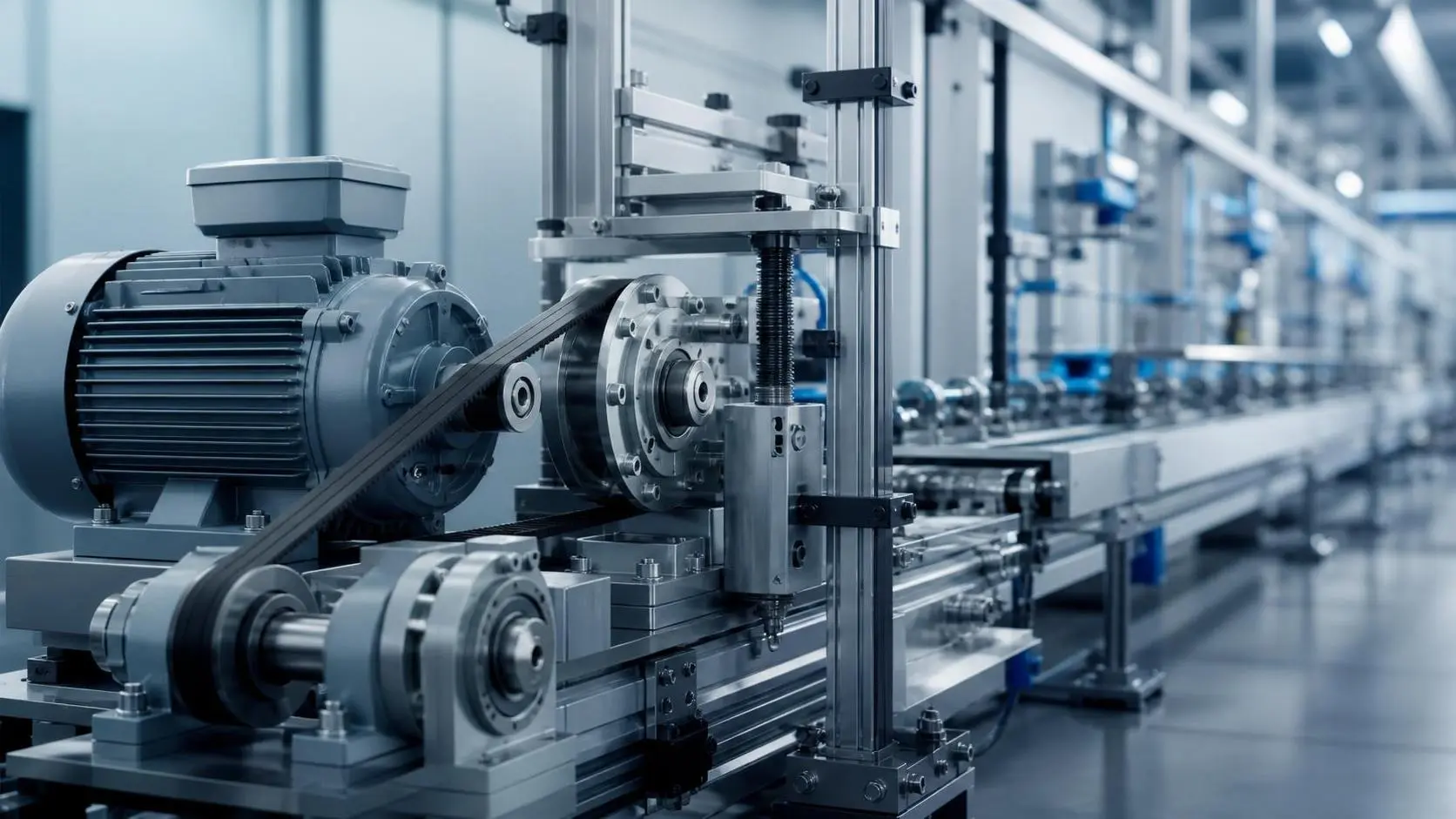
When Does a Mechanical Efficiency Optimization Service Deliver Real ROI?
Mechanical efficiency optimization service ROI becomes real when it cuts energy waste, downtime, and maintenance costs in critical assets. Learn when optimization truly pays off.