
Industry News
Curation by industry experts
Hot Articles
Popular Tags
How mechanical linkage technology affects precision and wear
For technical evaluation, mechanical linkage technology is more than a design detail. It directly affects positioning accuracy, vibration behavior, friction loss, heat generation, and wear speed across industrial systems.
When motion transmission is poorly matched, even strong equipment can lose precision early. Better linkage design improves repeatability, reduces backlash, stabilizes loads, and extends service life in demanding applications.
This article answers practical questions about mechanical linkage technology, focusing on precision, wear, selection logic, operating risks, and long-term maintenance value in general industrial environments.
What is mechanical linkage technology, and why does it affect precision?
Mechanical linkage technology refers to the way components transfer motion, force, and timing between connected parts. Typical examples include gears, couplings, belts, chains, cams, bearings, and sealing-supported shaft systems.
Precision depends on how accurately this linkage preserves motion intent. If one element slips, deflects, expands, or vibrates, the output position no longer matches the commanded motion.
In practical terms, mechanical linkage technology influences several precision drivers:
- backlash control between connected parts
- torsional stiffness under changing loads
- alignment accuracy along shafts and supports
- friction consistency during continuous motion
- thermal stability at different speeds
A rigid system is not always a precise system. Excess rigidity without damping can increase shock, noise, and surface fatigue. Good mechanical linkage technology balances stiffness, compliance, and smooth energy transfer.
This is why high-accuracy equipment often depends on carefully engineered contact geometry, surface finish, lubrication pathways, and material pairing rather than only tighter dimensions.
How does mechanical linkage technology influence wear patterns over time?
Wear begins when moving surfaces experience repeated contact under load. Mechanical linkage technology determines contact pressure, sliding distance, micro-slip behavior, and lubrication retention, which together shape wear rate.
Different linkage forms create different wear mechanisms. Gear sets may face pitting and scuffing. Chains often show pin-bushing wear. Belts suffer abrasion and tension-related fatigue. Couplings may degrade through misalignment stress.
Several design variables have strong wear impact:
- Surface hardness and roughness
- Contact area and load distribution
- Lubrication method and contamination control
- Operating temperature and heat dissipation
- Installation accuracy and tension setting
Poor load distribution is especially harmful. When contact occurs on a narrow edge or local spot, wear accelerates quickly and precision falls at the same time.
Advanced mechanical linkage technology reduces this risk by improving geometry, using better tribological materials, and maintaining more stable film separation between surfaces.
In industrial power transmission, wear is rarely caused by one factor alone. It usually results from interaction between material choice, lubrication quality, speed variation, environmental dust, and real operating load.
Which applications show the strongest link between precision and wear?
The relationship is most visible where motion accuracy and long duty cycles overlap. In these systems, small wear growth becomes measurable performance loss.
Common examples include:
- automated assembly lines with repetitive indexing
- conveying systems requiring synchronized timing
- gear reduction stages in packaging machinery
- heavy equipment joints under shock loading
- pump and compressor drives using seals and couplings
In motion control systems, wear often appears first as lost repeatability. Operators may notice uneven cycle quality, vibration growth, or increasing correction frequency before obvious component failure appears.
In heavy industrial applications, wear may not reduce dimensional accuracy immediately. Instead, it raises energy consumption, creates noise, and increases the chance of heat-related damage or unplanned stoppage.
This is why mechanical linkage technology must be evaluated in the real duty profile, not only by catalog rating. Actual starts, reversals, overloads, contamination, and thermal cycles matter more than theoretical peak values.
How can you judge whether a linkage design will hold precision with lower wear?
A useful evaluation starts with motion requirements. Ask how much backlash, torsional deflection, speed fluctuation, and alignment drift the application can tolerate over time.
Then compare the mechanical linkage technology against five practical checkpoints:
Good mechanical linkage technology usually shows stable efficiency across variable loads, predictable wear behavior, and maintenance intervals supported by real operating evidence.
It is also wise to review sealing performance. Contaminant entry often damages linkage accuracy faster than nominal overload. Dust, water, and degraded lubricant can multiply wear in a short period.
What common mistakes increase wear while reducing precision?
Many failures blamed on component quality actually begin with selection or setup errors. Mechanical linkage technology performs well only when the system around it supports correct operating conditions.
Frequent mistakes include:
- choosing by maximum torque only, ignoring dynamic shocks
- using insufficient lubrication for speed and temperature range
- allowing shaft misalignment to persist after installation
- mixing materials that create adhesive wear
- setting chain or belt tension too high
- neglecting sealing in dirty or wet environments
Another common error is assuming lower initial friction always means lower wear. Under some conditions, low friction surfaces may still fail through fatigue, micropitting, or debris abrasion.
Monitoring helps avoid this trap. Vibration trends, lubricant analysis, temperature mapping, and backlash measurement provide early warning before visible wear becomes expensive downtime.
How should long-term value be assessed when comparing linkage options?
The lowest purchase price rarely delivers the best lifecycle result. Mechanical linkage technology should be compared through total operating value, not only upfront component cost.
A stronger decision framework considers:
- expected accuracy retention after real service hours
- maintenance frequency and lubrication demand
- energy efficiency under continuous operation
- replacement complexity and stoppage impact
- compatibility with digital monitoring and reliability programs
In modern industrial strategy, the best mechanical linkage technology often supports both precision and sustainability. Lower wear means fewer replacements, less lubricant waste, lower heat loss, and more stable energy use.
This aligns with broader trends in Industry 4.0 and green manufacturing, where efficient power transmission and predictable reliability are increasingly treated as measurable competitive assets.
FAQ summary: which factors matter most when evaluating mechanical linkage technology?
Mechanical linkage technology shapes how precisely a system moves and how slowly it degrades. The strongest solutions manage load, friction, alignment, and contamination as one connected reliability problem.
For better decisions, review actual duty conditions, inspect wear mechanisms, and compare linkage options by accuracy retention, efficiency, and service interval. That approach reveals long-term value more clearly than catalog data alone.
For deeper industrial intelligence on transmission components, tribology trends, sealing reliability, and evolving motion systems, continued tracking of expert analysis can support more confident technical judgment.
Recommended News
Industrial Economy Trends Shaping Capital Investment and Supply Chain Risk in 2026
Industrial economy trends for 2026 reveal how resilient capital investments, energy efficiency, and supply-chain strategies can protect uptime and strengthen returns.
Mechanical Linkage Design: How to Balance Load Capacity, Motion Accuracy, and Wear
Mechanical linkage design guide: balance load capacity, motion accuracy, and wear with practical insights on geometry, joints, tolerances, lubrication, and service life.
How Precision Automated Production Improves Quality Control in High-Volume Assembly
Precision automated production strengthens quality control in high-volume assembly with real-time verification, traceability, and safer defect containment.
Industry 4.0 Integration: A Roadmap for Connecting Legacy Machines and Data
Industry 4.0 integration roadmap for connecting legacy machines, improving data visibility, reducing downtime, and scaling secure, measurable operational performance.
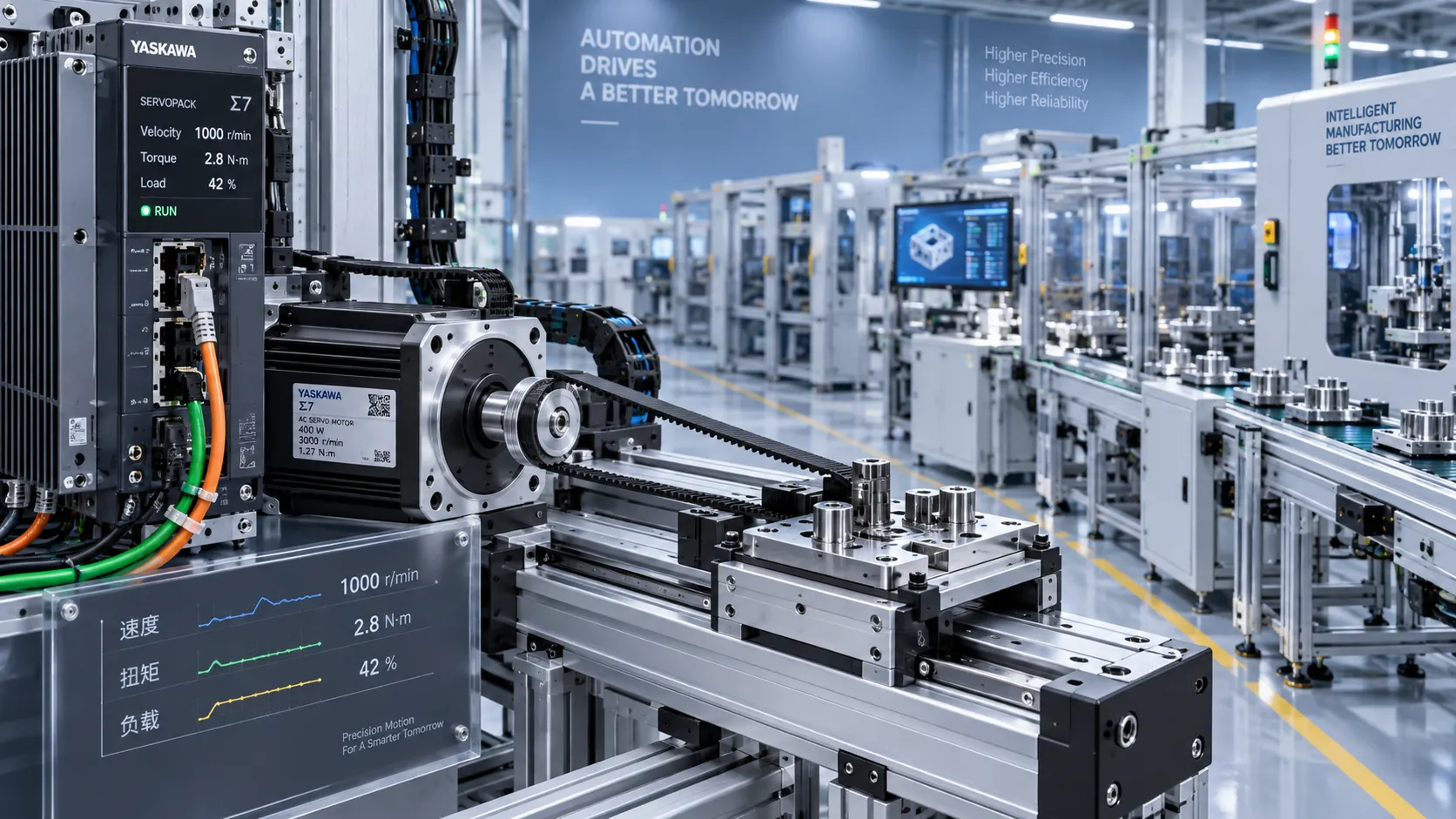
Servo Drive Comparison: Selecting Motion Control for Speed, Torque, and Load
Technical product comparison servo drives: evaluate speed, torque, inertia, safety, and control integration to select a reliable motion system with proven performance margins.
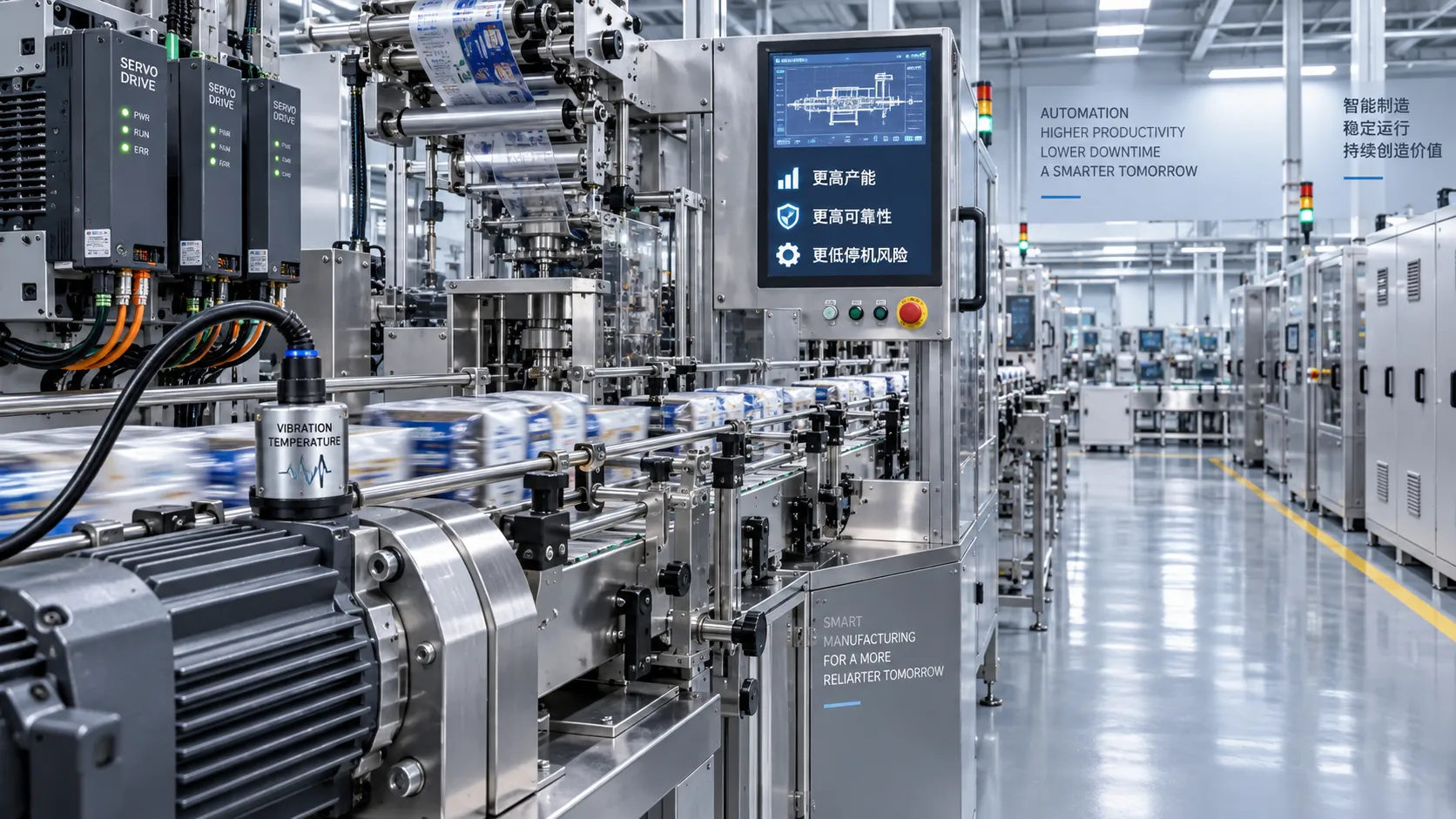
Industrial Automation Technology: How to Prioritize Upgrades by ROI and Downtime Risk
Industrial automation technology upgrades: learn to rank projects by ROI, bottleneck exposure, and downtime risk to reduce losses and make smarter capital decisions.
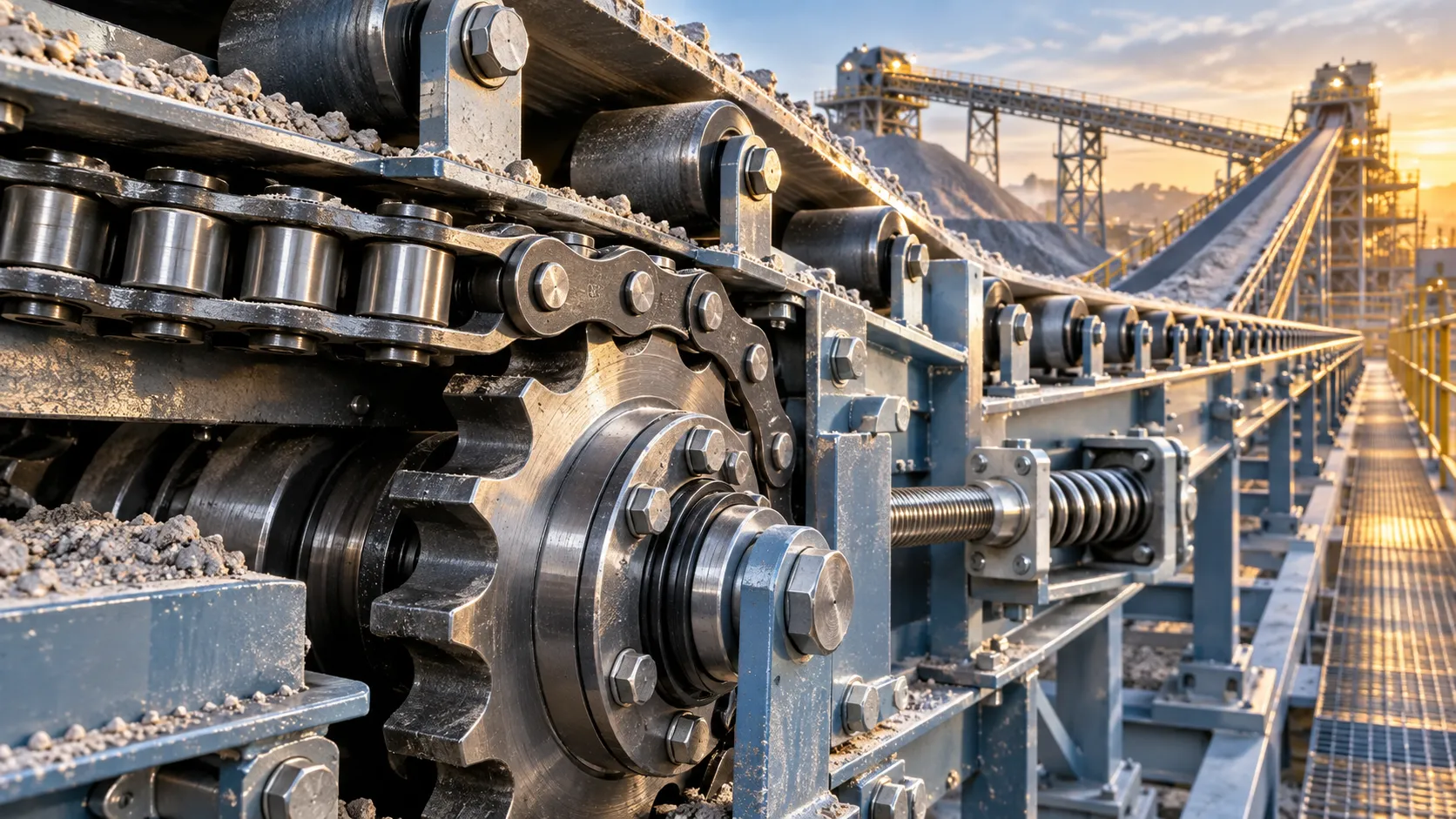
Selecting Low-Maintenance Chain Components for Dusty, High-Load Conveyors
Low maintenance chain components for dusty, high-load conveyors: compare seals, lubrication, materials, sprockets, and load capacity to reduce wear and downtime.
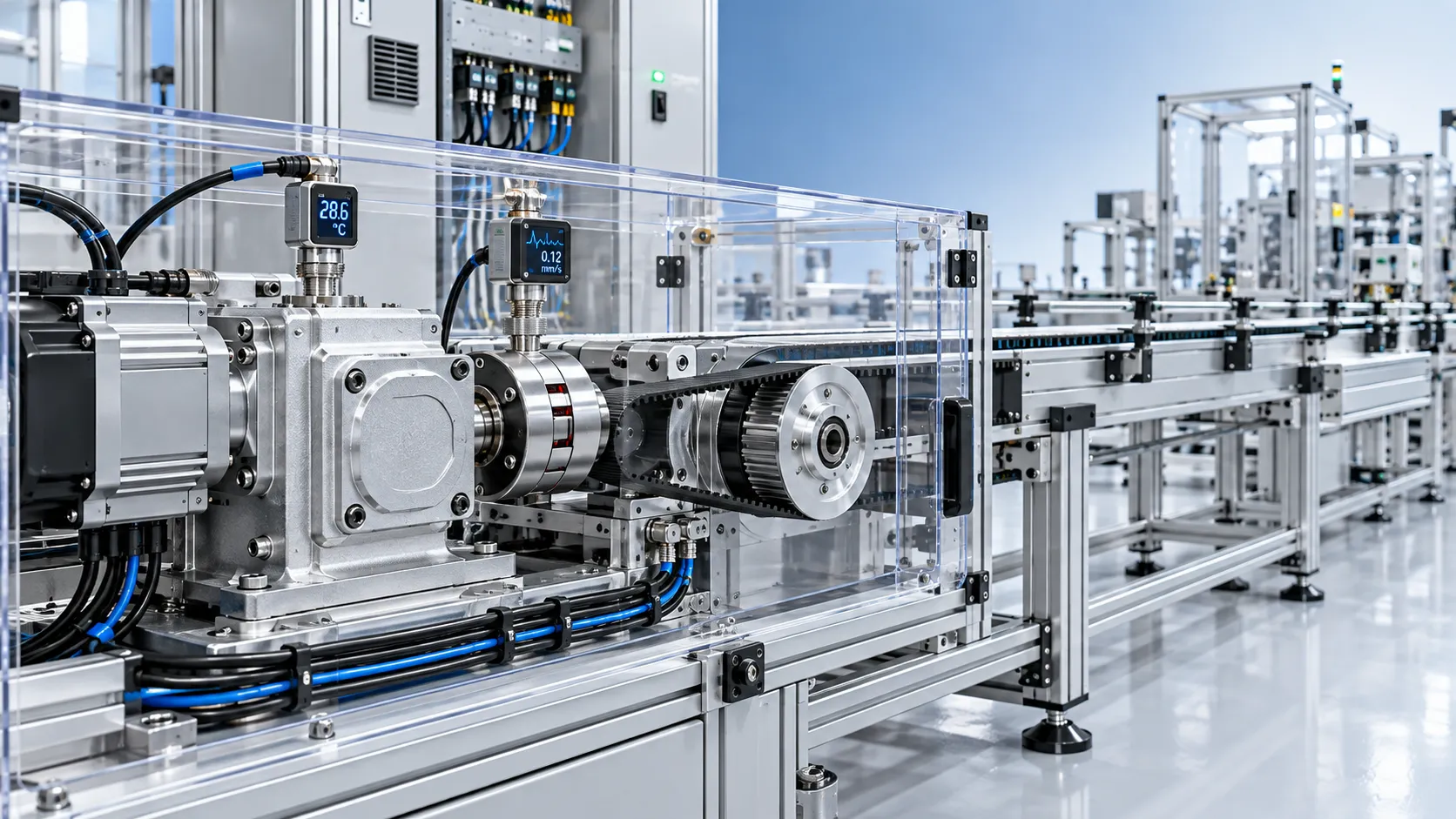
Selecting Smart Transmission Modules for Automated Lines: Control, Load, and Safety
Smart transmission modules for automated lines: evaluate control compatibility, real load demands, safety boundaries, and predictive maintenance value for reliable performance.
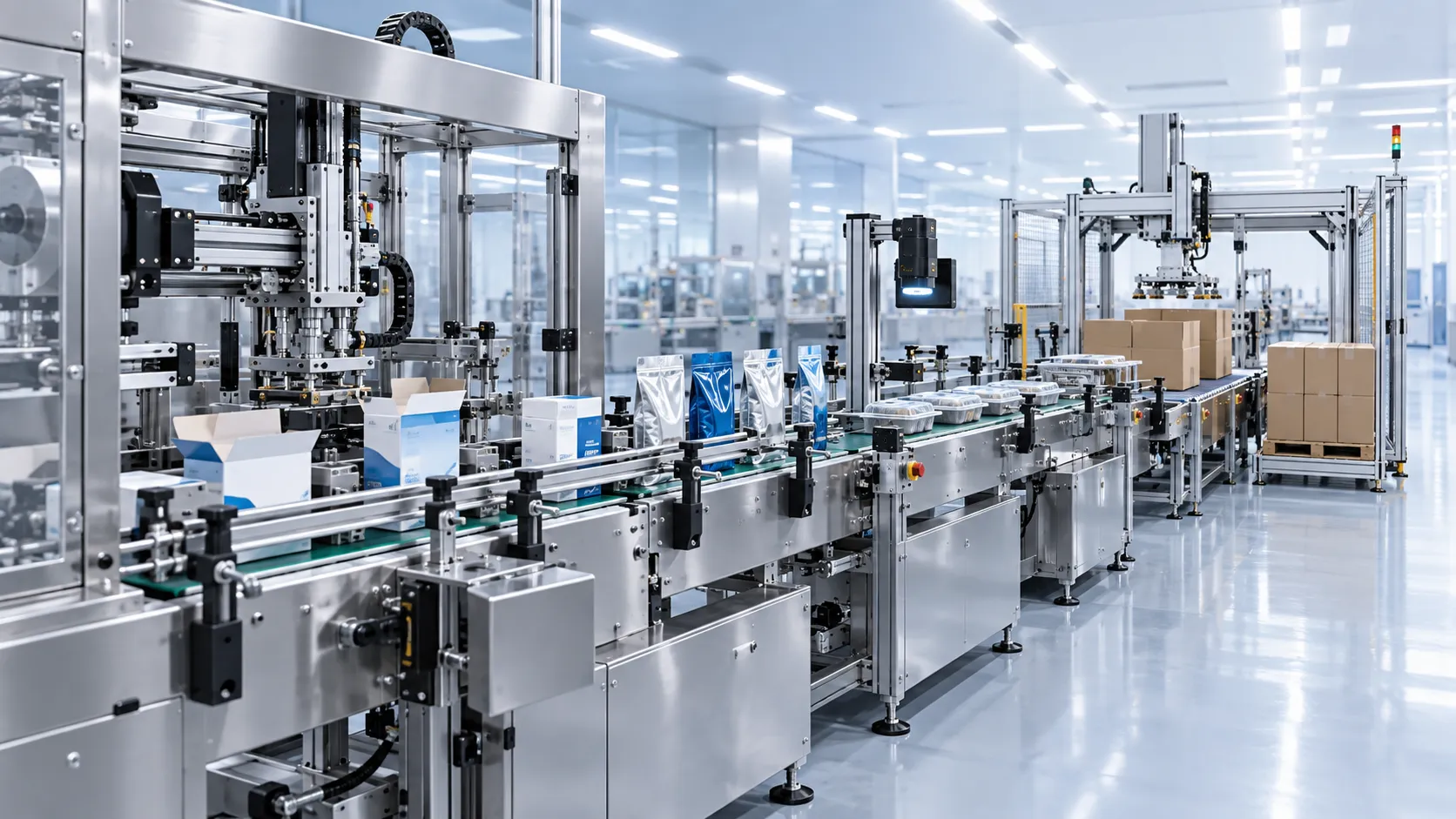
How to Assess Automated Packaging Production for High-Mix Manufacturing Lines
Automated production for packaging: assess changeovers, flexibility, controls, reliability, and lifecycle cost to build high-mix lines that deliver stable output.