
Industry News
Curation by industry experts
Hot Articles
Popular Tags
Why heavy equipment transmission systems fail under load
When heavy equipment transmission systems fail under load, the visible damage is often only the last event in a longer chain. Heat, vibration, harsh shifting, lubricant discoloration, and repeated overload alarms usually develop before a breakdown stops the machine. In cranes, mining trucks, conveyors, excavators, and industrial drives, those warning signs matter because a failed transmission can trigger secondary damage across gears, shafts, couplings, bearings, and seals. Understanding why heavy equipment transmission systems fail helps reduce downtime and improves service planning.
A checklist-based approach is useful because transmission failures rarely come from one cause alone. Load spikes, misalignment, poor lubrication, contamination, thermal stress, and operator habits can interact. Structured inspection prevents teams from replacing parts too quickly while missing the real fault path. For complex industrial assets, disciplined checks also support better records, more accurate root-cause analysis, and more reliable return-to-service decisions.
Why heavy equipment transmission systems fail under load
Under load, every transmission component sees higher torque, contact stress, and heat generation. If lubrication film strength drops, metal surfaces begin touching. If alignment shifts, tooth loading becomes uneven. If cooling is weak, oil oxidizes faster and viscosity changes. In that condition, heavy equipment transmission systems can move from normal wear to accelerated failure in a short period.
The most common pattern is cumulative damage. A small leak lowers oil level. Lower oil level increases temperature. Higher temperature reduces lubricant performance. Reduced performance increases wear debris. Debris then circulates through bearings and gear meshes, multiplying damage. By the time noise becomes obvious, the transmission may already have several linked defects.
Core diagnostic checklist for load-related transmission failure
Use this checklist to evaluate heavy equipment transmission systems before teardown. Each item helps connect symptoms with likely failure mechanisms.
- Check oil level and condition first, because darkened fluid, burnt odor, foaming, or metallic particles often indicate overheating, air entrainment, water ingress, or internal wear progression.
- Measure operating temperature during real load cycles, not only at idle, because many heavy equipment transmission systems appear stable unloaded but overheat once torque demand rises.
- Inspect alignment between engine, gearbox, shafts, and driven equipment, because offset or angular misalignment creates uneven tooth contact, bearing stress, and seal wear.
- Listen for changing noise patterns under acceleration, deceleration, and reverse load, since whining, clunking, or cyclic knocking often isolates gear, bearing, or backlash problems.
- Review load history and shock events, because repeated stalling, abrupt starts, oversized attachments, or impact loading can exceed design torque without immediate visible fracture.
- Examine filters, breathers, and magnetic plugs, because blocked filtration or heavy debris capture usually confirms contamination and internal distress earlier than catastrophic failure does.
- Verify lubricant grade, additive package, and change interval, because the wrong viscosity or depleted additives can collapse film thickness in heavily loaded gear contacts.
- Inspect couplings, splines, and keyways for fretting or backlash growth, as looseness in these interfaces transfers shock loads deeper into the transmission assembly.
- Confirm cooling system performance, including oil coolers and flow passages, because restricted heat rejection quickly raises sump temperature and accelerates oxidation.
- Test for seal integrity and external leaks, because even minor leakage can lower oil volume, admit dirt, and compromise pressure balance across critical rotating elements.
Failure mechanisms behind the checklist
Lubrication breakdown
Lubrication failure is one of the leading reasons heavy equipment transmission systems fail. Under high load, gear teeth and bearings depend on a stable oil film. If viscosity is too low, contamination is high, or temperature climbs too far, boundary contact begins. That contact creates scuffing, micropitting, adhesive wear, and rapid debris generation.
Misalignment and structural deflection
Large machines do not stay perfectly rigid during work. Frames twist, mounts settle, and shafts deflect. Even acceptable workshop alignment may drift during digging, lifting, crushing, or hauling. The result is localized gear tooth loading, edge contact, bearing preload changes, and repeated seal lip damage.
Fatigue and overload cycling
Heavy equipment transmission systems often fail from repeated stress cycles rather than one extreme event. Surface fatigue starts as small pits or cracks. With continued load, those cracks propagate below the surface and eventually lead to spalling, tooth fracture, or bearing race failure. Shock loading greatly shortens this timeline.
Contamination and sealing issues
Dust, water, and worn metal particles are highly destructive in industrial transmissions. Abrasive particles cut surfaces and block fine passages. Water reduces lubricant quality and promotes corrosion. Failed seals and damaged breathers are common entry points, especially in muddy, wet, or high-particulate environments.
Application-specific warning patterns
Construction and earthmoving equipment
Excavators, loaders, and dozers often face sudden torque reversals, frequent starts, and high contamination exposure. In these machines, heavy equipment transmission systems may show early seal leakage, rising sump temperature, and backlash increase after repeated impact cycles.
Track real operating loads instead of relying only on service hours. Duty severity changes faster than calendar intervals in digging and grading applications.
Mining and bulk material handling
Mining trucks, crushers, and conveyors usually run long hours under high sustained torque. Here, overheating, oil oxidation, and bearing fatigue are common. Fine dust also accelerates wear if filtration and breathing systems are weak.
Trend oil analysis closely in these assets. Particle counts, viscosity shift, and ferrous debris can reveal failure development before noise becomes severe.
Marine, energy, and stationary industrial drives
Stationary and marine systems may appear easier to monitor, yet load transients, thermal cycling, and long service intervals still create risk. Heavy equipment transmission systems in these settings often suffer from overlooked cooling restrictions and lubricant aging rather than obvious external damage.
Pay close attention to coupling condition and vibration signature. Small rotational irregularities can indicate internal stress concentration long before major failure.
Commonly missed issues that increase failure risk
Ignoring breather condition is a frequent mistake. A blocked or damaged breather can pull contaminants inward and disturb pressure balance, increasing seal stress and moisture entry.
Assuming new parts solve the problem is another risk. If the original root cause was poor alignment, overload, or contamination, replacement gears or bearings may fail in the same pattern.
Using hour-based maintenance alone can also mislead. Heavy equipment transmission systems age by load, temperature, and contamination exposure, not only by elapsed runtime.
Overlooking mounting looseness creates hidden problems. Soft foot, foundation movement, or degraded isolators can distort shaft relationships and amplify dynamic loads.
Practical execution steps to reduce downtime
- Record baseline temperature, vibration, and oil condition immediately after a verified healthy service event.
- Inspect heavy equipment transmission systems under actual working load, because unloaded checks often miss the real fault behavior.
- Sample lubricant before draining and compare trend data with recent operating severity, not only with standard service intervals.
- Correct alignment and mounting integrity before installing major replacement parts.
- Review overload events, operator logs, and control alarms to connect mechanical damage with real duty conditions.
- Recheck cooling flow, filters, breathers, and seals during commissioning after repair.
Conclusion and next action
Heavy equipment transmission systems fail under load because stress, heat, contamination, and misalignment reinforce each other. The failure may appear mechanical, but the true cause often includes lubrication quality, thermal control, duty cycle, and structural condition.
The most effective next step is to standardize a field checklist, collect trend data at real load, and verify root cause before replacing components. That approach improves reliability, extends service life, and turns transmission maintenance from reactive repair into controlled asset management.
Recommended News
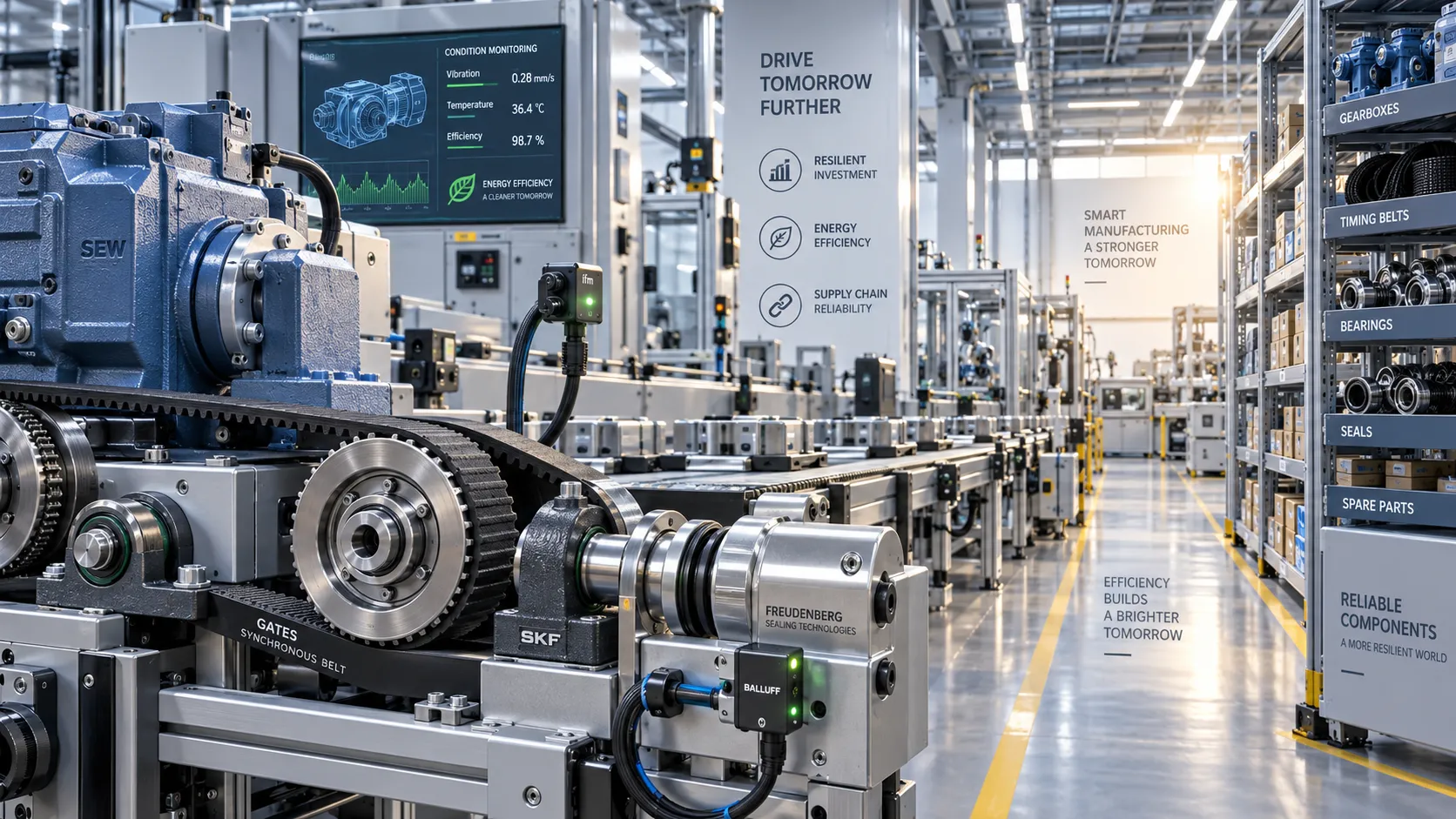
Industrial Economy Trends Shaping Capital Investment and Supply Chain Risk in 2026
Industrial economy trends for 2026 reveal how resilient capital investments, energy efficiency, and supply-chain strategies can protect uptime and strengthen returns.
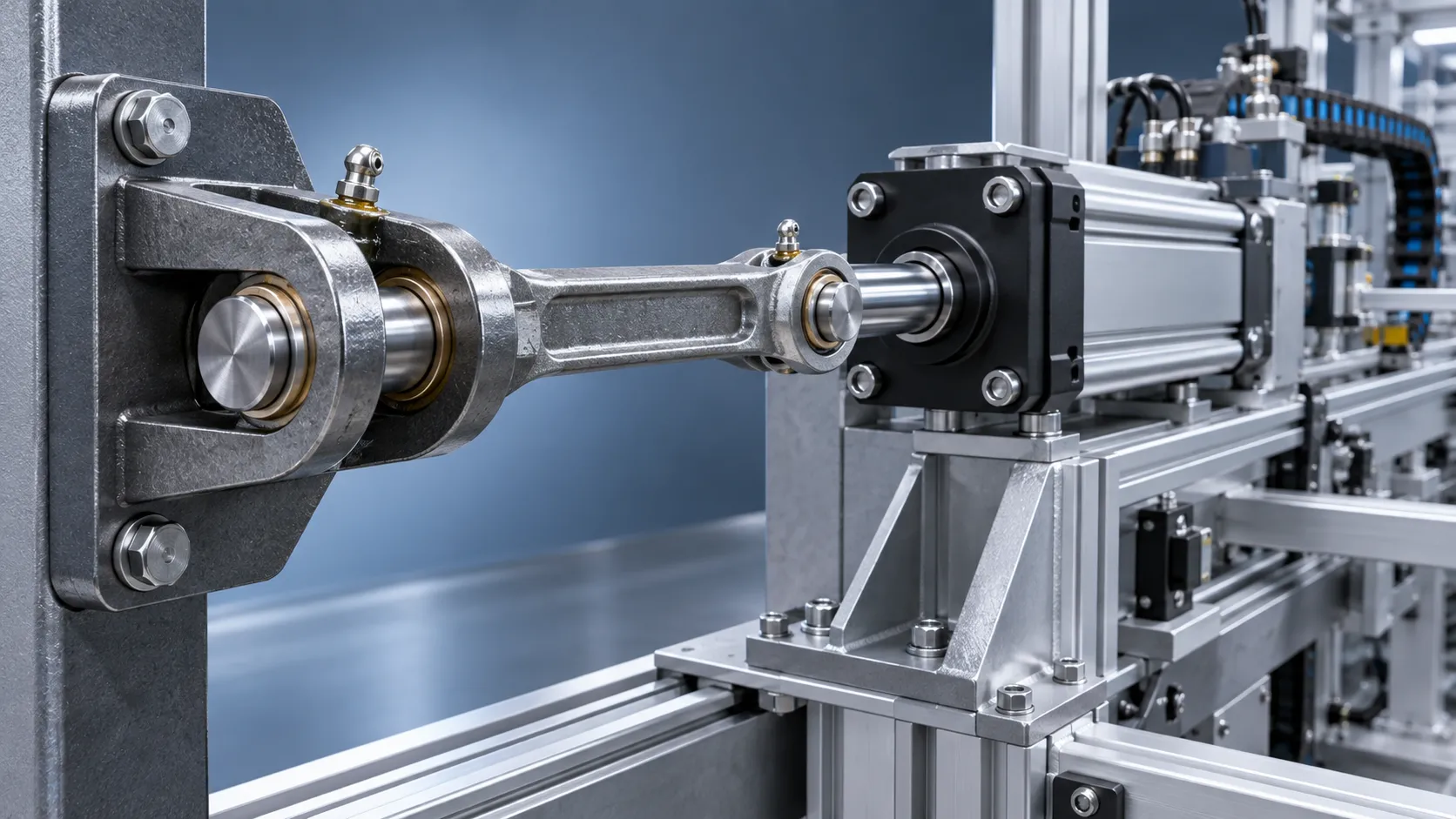
Mechanical Linkage Design: How to Balance Load Capacity, Motion Accuracy, and Wear
Mechanical linkage design guide: balance load capacity, motion accuracy, and wear with practical insights on geometry, joints, tolerances, lubrication, and service life.
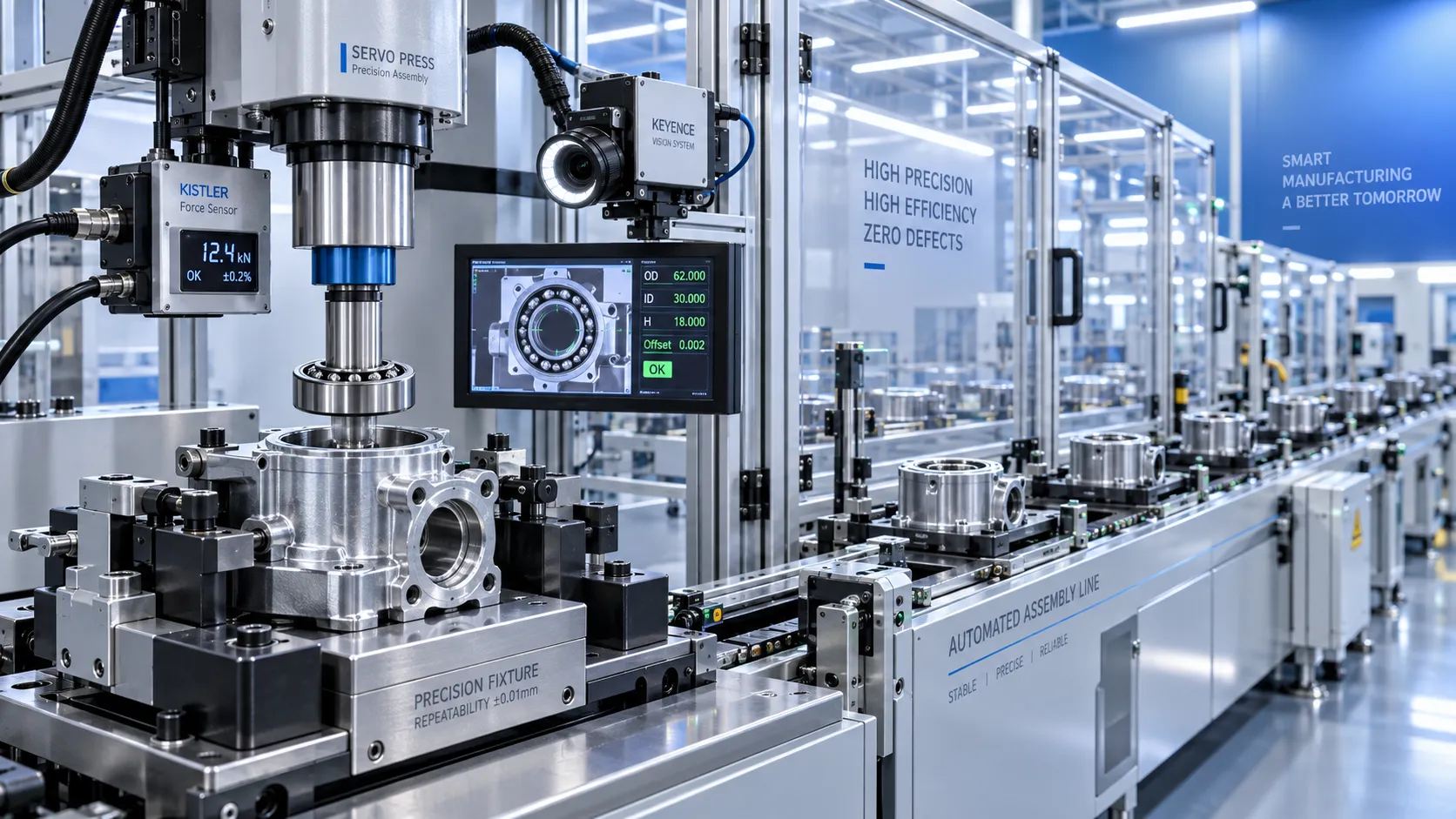
How Precision Automated Production Improves Quality Control in High-Volume Assembly
Precision automated production strengthens quality control in high-volume assembly with real-time verification, traceability, and safer defect containment.
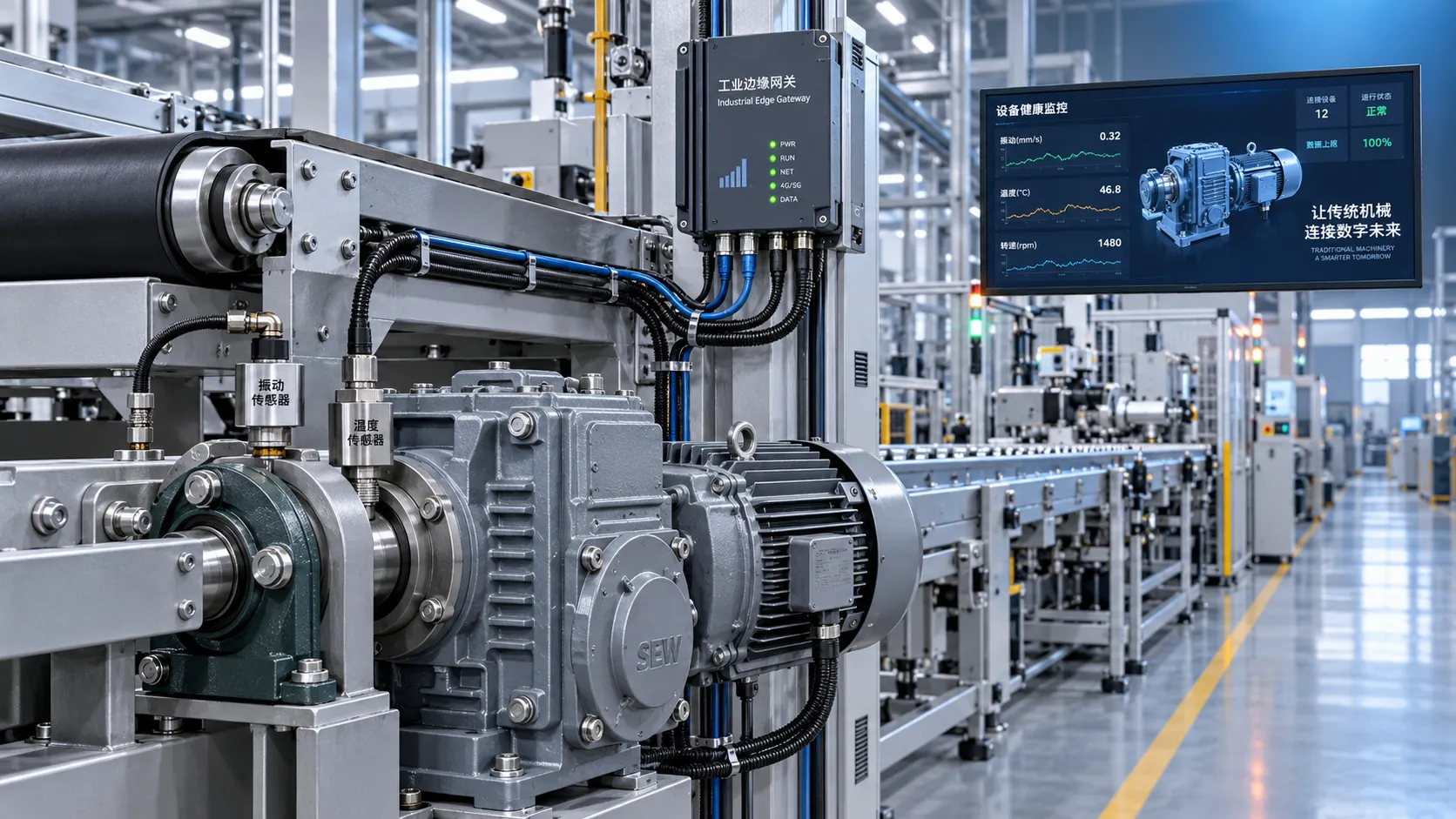
Industry 4.0 Integration: A Roadmap for Connecting Legacy Machines and Data
Industry 4.0 integration roadmap for connecting legacy machines, improving data visibility, reducing downtime, and scaling secure, measurable operational performance.
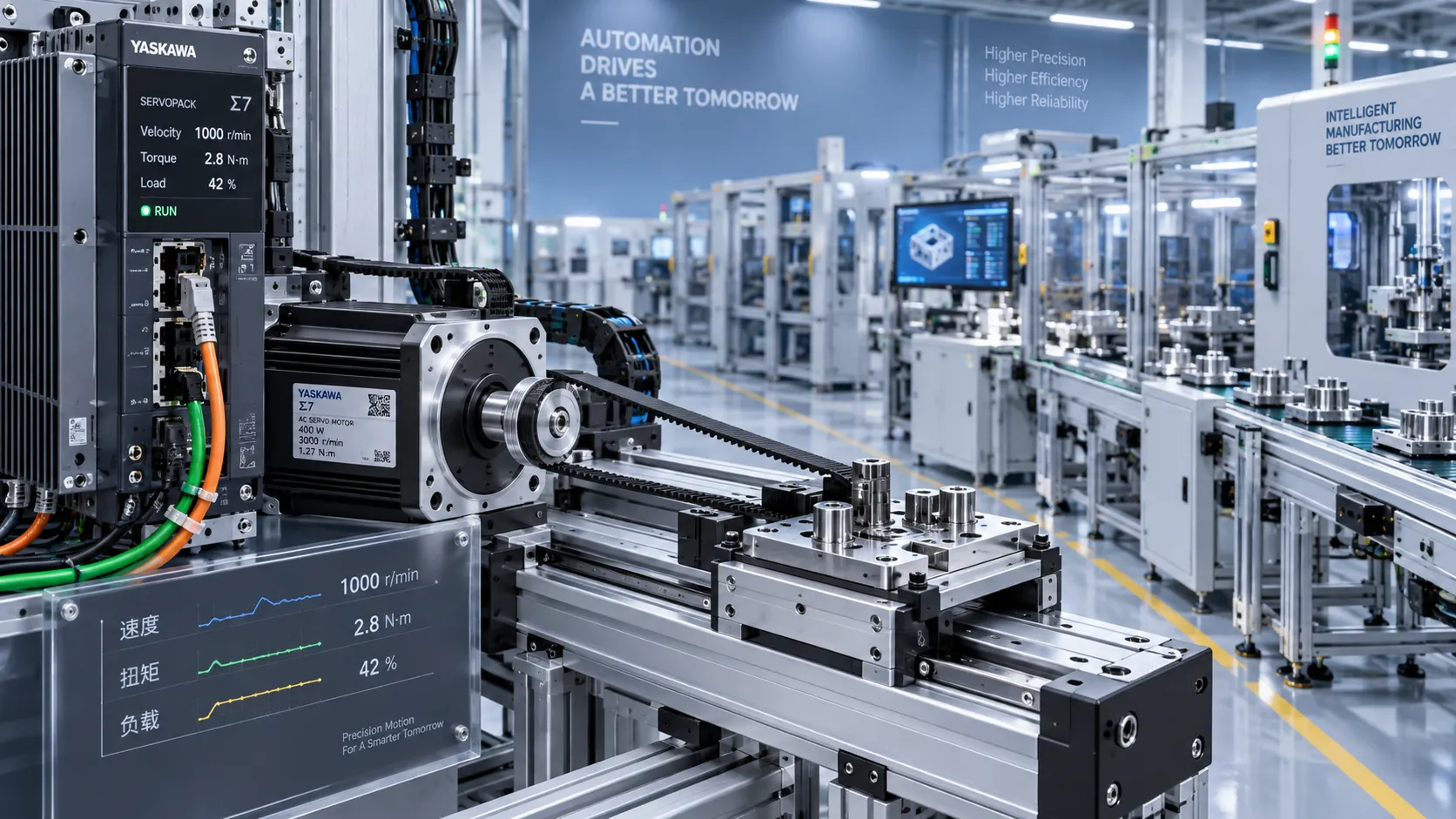
Servo Drive Comparison: Selecting Motion Control for Speed, Torque, and Load
Technical product comparison servo drives: evaluate speed, torque, inertia, safety, and control integration to select a reliable motion system with proven performance margins.

Industrial Automation Technology: How to Prioritize Upgrades by ROI and Downtime Risk
Industrial automation technology upgrades: learn to rank projects by ROI, bottleneck exposure, and downtime risk to reduce losses and make smarter capital decisions.
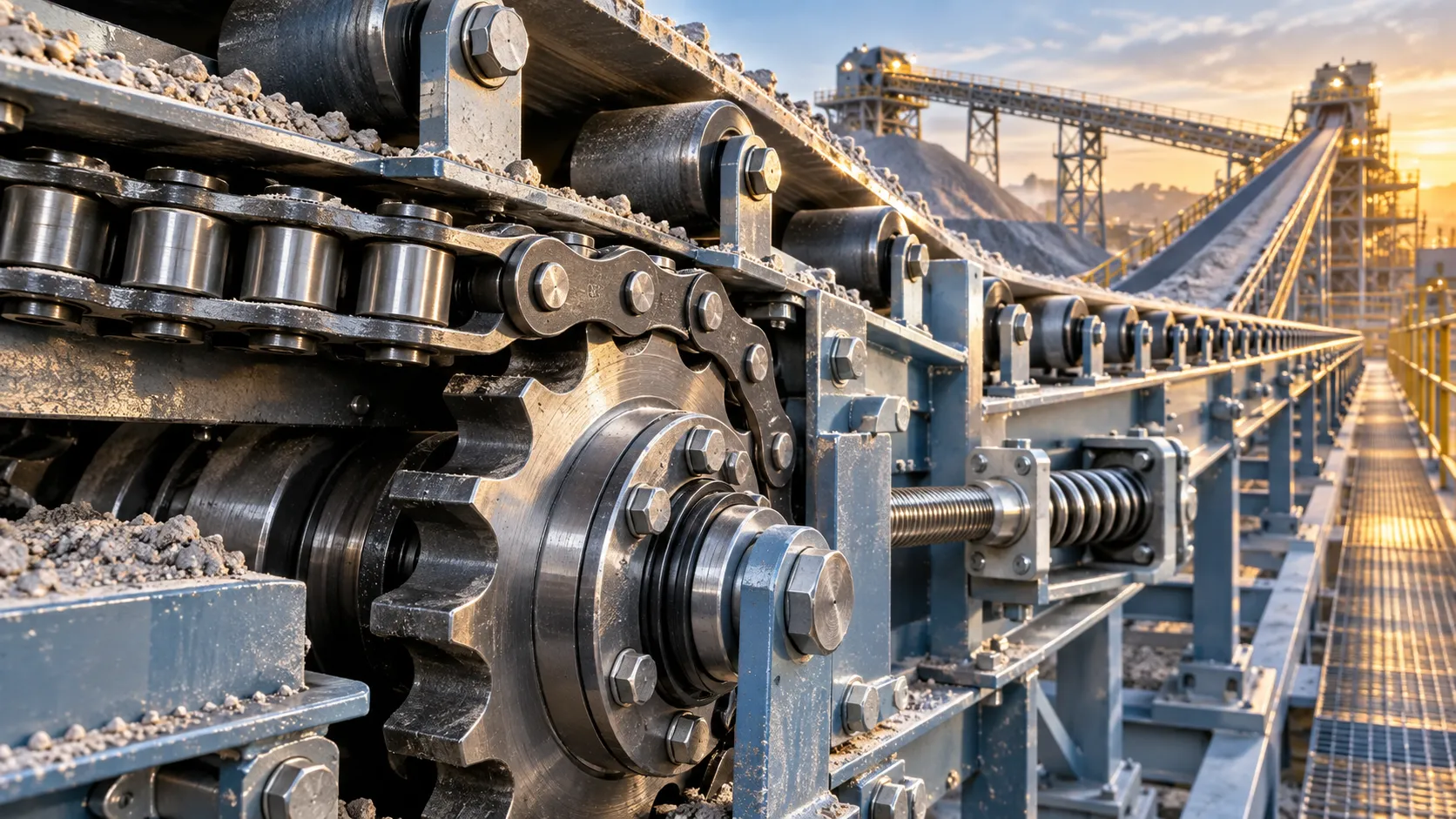
Selecting Low-Maintenance Chain Components for Dusty, High-Load Conveyors
Low maintenance chain components for dusty, high-load conveyors: compare seals, lubrication, materials, sprockets, and load capacity to reduce wear and downtime.
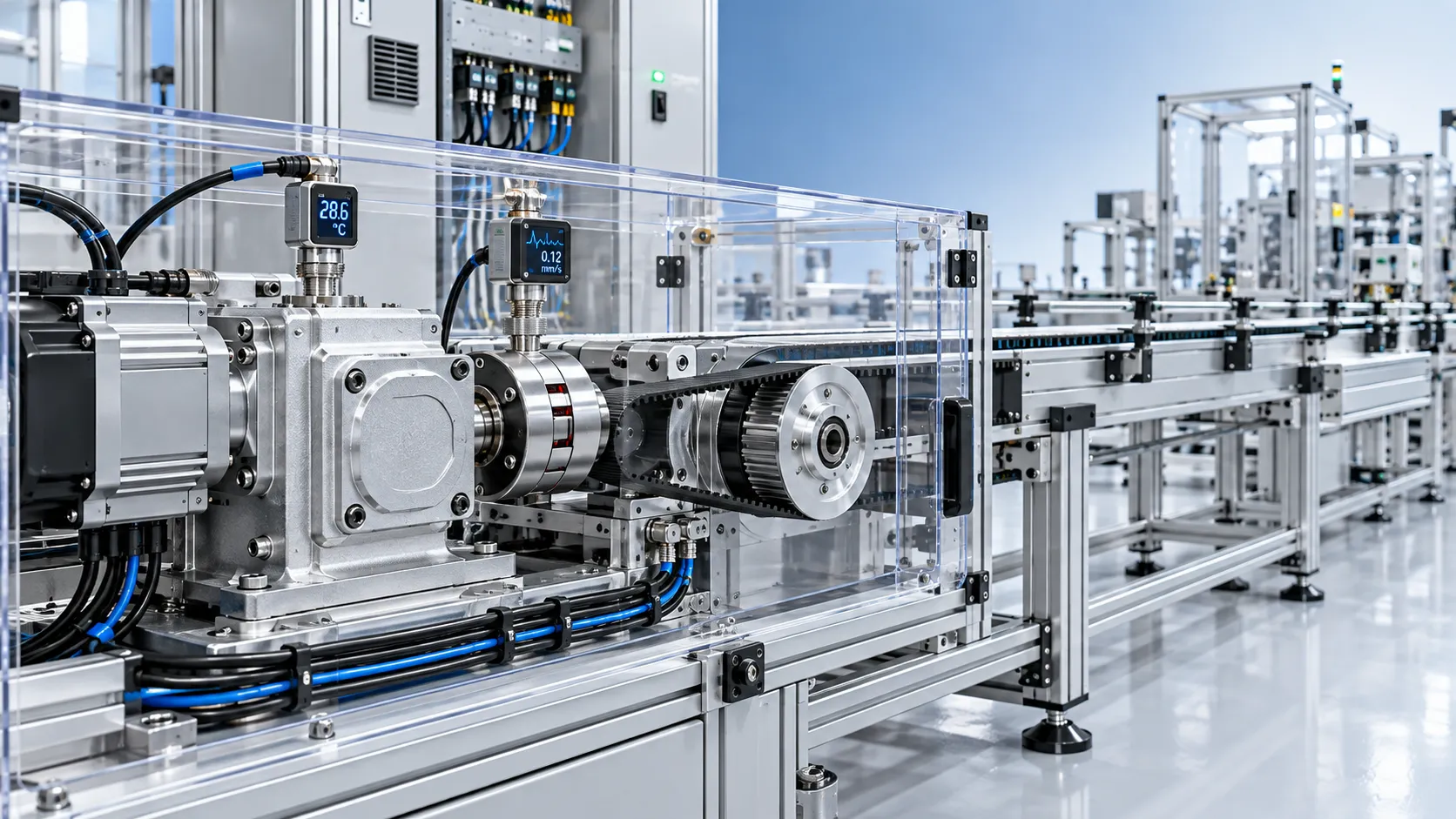
Selecting Smart Transmission Modules for Automated Lines: Control, Load, and Safety
Smart transmission modules for automated lines: evaluate control compatibility, real load demands, safety boundaries, and predictive maintenance value for reliable performance.

How to Assess Automated Packaging Production for High-Mix Manufacturing Lines
Automated production for packaging: assess changeovers, flexibility, controls, reliability, and lifecycle cost to build high-mix lines that deliver stable output.