
Industry News
Curation by industry experts
Hot Articles
Popular Tags
Industrial Components: Where Belts, Seals, and Gearboxes Are Used
Belts, seals, and gearboxes perform different but interconnected jobs across industrial machinery. Belts transfer motion between components, seals help contain fluids and protect equipment from contaminants, and gearboxes adjust speed and torque to suit the task. This industrial component applications overview explores where these parts are used, from automated production lines to heavy equipment, and explains how operating conditions influence their selection and reliability.
The distinction matters because a machine rarely fails in isolation. A gearbox leak can affect lubricant levels and bearing life. A misaligned pulley can shorten belt life and increase loads on connected shafts. Understanding where each component sits in the system is often more useful than memorizing a list of part types.
Where industrial belts transfer power and motion
Drive belts connect rotating shafts through pulleys. They appear in ventilation equipment, compressors, pumps, packaging machines, agricultural machinery, and countless other applications where a motor needs to drive a load without being directly coupled to it.
In a factory ventilation system, for example, a belt drive can connect an electric motor to a fan. Pulley sizes help establish the desired fan speed, while the belt allows the motor and fan to be positioned apart. The arrangement is relatively straightforward to service, but it still depends on correct pulley alignment and belt tension. Excessive tension can overload bearings; insufficient tension in a friction drive can cause slip and heat.
Different belt designs solve different problems. V-belts and other friction belts rely on contact with the pulley to transmit power. Synchronous belts have teeth that engage matching pulleys, making them useful where shaft timing or repeatable positioning matters. A packaging machine that must coordinate a feed mechanism with another moving element is a typical setting for a synchronous drive.
A toothed belt is not automatically the better choice. It requires compatible pulleys and careful attention to alignment and installation. A friction belt may be appropriate where precise synchronization is unnecessary and a simple replacement arrangement is valuable. Either way, oil exposure, abrasive dust, temperature, pulley condition, and start-stop frequency can matter as much as the belt’s nominal power rating.
Drive belts are not the same as conveyor belts
The terms are often mixed up. A drive belt transmits power between rotating components; a conveyor belt primarily carries material or products. A conveyor can use both: a drive belt may transmit power to a conveyor’s drive roller, while the conveyor belt transports boxes or bulk material. The two have different selection concerns, including load support, surface properties, cleaning requirements, and resistance to wear.
Where seals keep fluids in and contaminants out
Seals are found wherever a controlled boundary is needed between machine components or environments. They can retain lubricating oil inside a gearbox, contain liquid in a pump, prevent hydraulic fluid from escaping a cylinder, or limit the entry of dust and moisture around a rotating shaft.
Not all seals work in the same way. Static seals, such as O-rings in stationary joints, are used between surfaces that do not normally move relative to each other. Dynamic seals operate where motion is present. Examples include shaft seals around rotating shafts and rod seals in hydraulic cylinders. A mechanical seal in a pump typically uses mating faces to control leakage where a rotating shaft passes through the pump casing.
That difference changes the selection problem. An O-ring in a stationary cover may be assessed mainly for fluid compatibility, temperature, pressure, and groove design. A seal on a fast-moving shaft also has to cope with friction, heat, surface condition, and shaft movement. A material that survives contact with an oil is not necessarily suitable for every speed or operating temperature.
Process pumps show why this distinction matters. A seal handling a clean, compatible liquid under stable conditions faces a different duty from one exposed to abrasive particles, temperature cycling, or periods without adequate liquid at the sealing faces. A replacement with the correct dimensions may still perform poorly if its face materials or elastomers are unsuitable for the fluid and operating cycle.
Some leakage can be inherent in particular seal designs and applications; the acceptable level depends on the equipment, fluid, and operating requirements. For hazardous fluids or regulated processes, the sealing arrangement and allowable leakage need to be checked against the applicable project requirements and local rules rather than assumed from a general description.
Where gearboxes make motor output usable
A gearbox changes the relationship between input and output speed and torque. Many industrial motors run faster than the driven equipment needs, so a speed reducer is placed between the motor and the load. In a reduction arrangement, output speed falls and available output torque generally rises, with some power lost to friction and other losses.
A conveyor drive is an accessible example. The motor supplies rotation, the gearbox reduces speed, and the output shaft drives a roller or another transmission stage. The same principle appears in mixers, hoists, crushers, machine tools, and mobile equipment, although their loads and duty cycles differ considerably.
The operating pattern can be more revealing than the nameplate application. A mixer may see a heavy start when material has settled. A crusher can experience shock loads. A conveyor may run for long periods at a fairly steady load, or stop and start repeatedly as products accumulate. These conditions affect thermal loading, gear and bearing stress, and the suitability of a given reducer.
Gear arrangement also influences the choice. Helical gearboxes are common in general industrial drives; bevel gearing can redirect power through an angle; planetary arrangements can provide high torque capacity in a compact configuration. Worm gearboxes are used where their layout or reduction characteristics suit the machine, but efficiency and heat generation deserve particular attention. No gearbox type should be selected on shape or ratio alone.
Mounting position matters too. It can affect lubrication and oil level requirements, so a unit designed or configured for one orientation should not simply be installed in another without checking the manufacturer’s instructions. Output shaft loads, ventilation, ambient temperature, and access for oil changes are easy to overlook when space around a machine is tight.
How the components meet on a production line
Consider an automated conveyor station. A motor may drive a reducer, which turns a conveyor roller directly or through a belt transmission. Shaft seals help retain gearbox lubricant and limit contamination. Elsewhere in the same station, a synchronous belt may coordinate product handling or positioning. The components have separate jobs, but their operating environment is shared.
If the area is washed down, water exposure affects seals, housings, and external drive components. If products generate fine dust, that dust can collect around pulleys and work toward sealing interfaces. If the line starts frequently, belt acceleration loads and gearbox duty need attention. There is no single “food line” or “packaging line” component specification that covers all of these conditions.
A common troubleshooting mistake is to replace the visible failure without investigating what caused it. A damaged belt may be the result of worn pulley grooves or misalignment. Oil around a gearbox shaft may indicate a failed seal, but shaft surface damage, excessive shaft movement, an unsuitable lubricant, or pressure buildup in the housing can also be relevant. Replacing a part without checking the surrounding system can leave the original problem in place.
Heavy equipment brings a different set of pressures
Construction, mining, and agricultural machines often operate with vibration, changing loads, weather exposure, and limited opportunities for cleaning. Hydraulic cylinders use seals to retain fluid while allowing rod movement; gearboxes or geared final drives adapt power to wheels, tracks, or working attachments. Belts may drive engine accessories and auxiliary systems, depending on the machine design.
Here, contamination control is not a minor detail. Mud on an exposed cylinder rod can reach the sealing area, which is why the condition of the rod surface and wiper arrangement matters alongside the primary seal. Similarly, a gearbox operating under intermittent shock loads needs to be evaluated for the actual duty, not just average power. Maintenance access can influence the practical choice: a component that is easy to inspect on a workshop bench may be difficult to reach once installed on a machine.
Temperature also affects several parts at once. Cold starts can change lubricant behavior and seal flexibility, while sustained heat can affect oil condition and the life of elastomeric materials. The relevant limits depend on the specific lubricant, seal compound, component design, and operating cycle.
What to check before comparing components
A useful comparison starts with the machine’s duty, not a catalog category. For a belt, that means understanding the transmitted load, speed, shaft spacing, alignment, and exposure. For a seal, identify the fluid, pressure, temperature, motion, and condition of the mating surface. For a gearbox, examine the required output speed and torque, starting behavior, duty cycle, mounting position, and external shaft loads.
Interchangeability deserves a separate check. Matching outside dimensions does not guarantee the same belt tooth profile, seal material, gearbox ratio, mounting arrangement, or load capacity. When replacing a component, use the machine documentation and the relevant manufacturer’s specifications; where the original duty is uncertain, verify the operating conditions before treating a replacement as equivalent.
Maintenance plans should be equally specific. A guard may have to be removed to inspect a drive safely, while seal inspection may depend on observing leakage or checking lubricant levels. Gearbox vibration or temperature trends can help identify changes, but a reading needs context: operating load, ambient conditions, sensor location, and a suitable baseline all influence its interpretation. Follow the equipment’s isolation and maintenance procedures before working near moving parts.
Looking beyond the individual part
Material development, condition monitoring, energy use, and supply availability increasingly shape discussions about mechanical components. A connected gearbox sensor, for instance, may make changes in vibration or temperature easier to track, but it does not replace correct sizing or lubrication. Likewise, a longer-life belt material is only useful if the belt profile, pulley condition, and environment are suitable.
GPT-Matrix follows these connections across power transmission and sealing technologies, including the materials and operating conditions behind component reliability. For anyone researching an unfamiliar machine, the most productive next step is to trace the power path, identify where fluids and contaminants cross boundaries, and record the actual duty at each point. That makes it much easier to ask whether a belt, seal, or gearbox is appropriate—and why.
Recommended News

Choosing Long-Life Mining Transmissions for Heavy-Duty Haul Trucks
Long life mining transmissions start with the right duty-cycle match. Discover how to assess cooling, durability and maintenance for heavy-duty haul trucks.
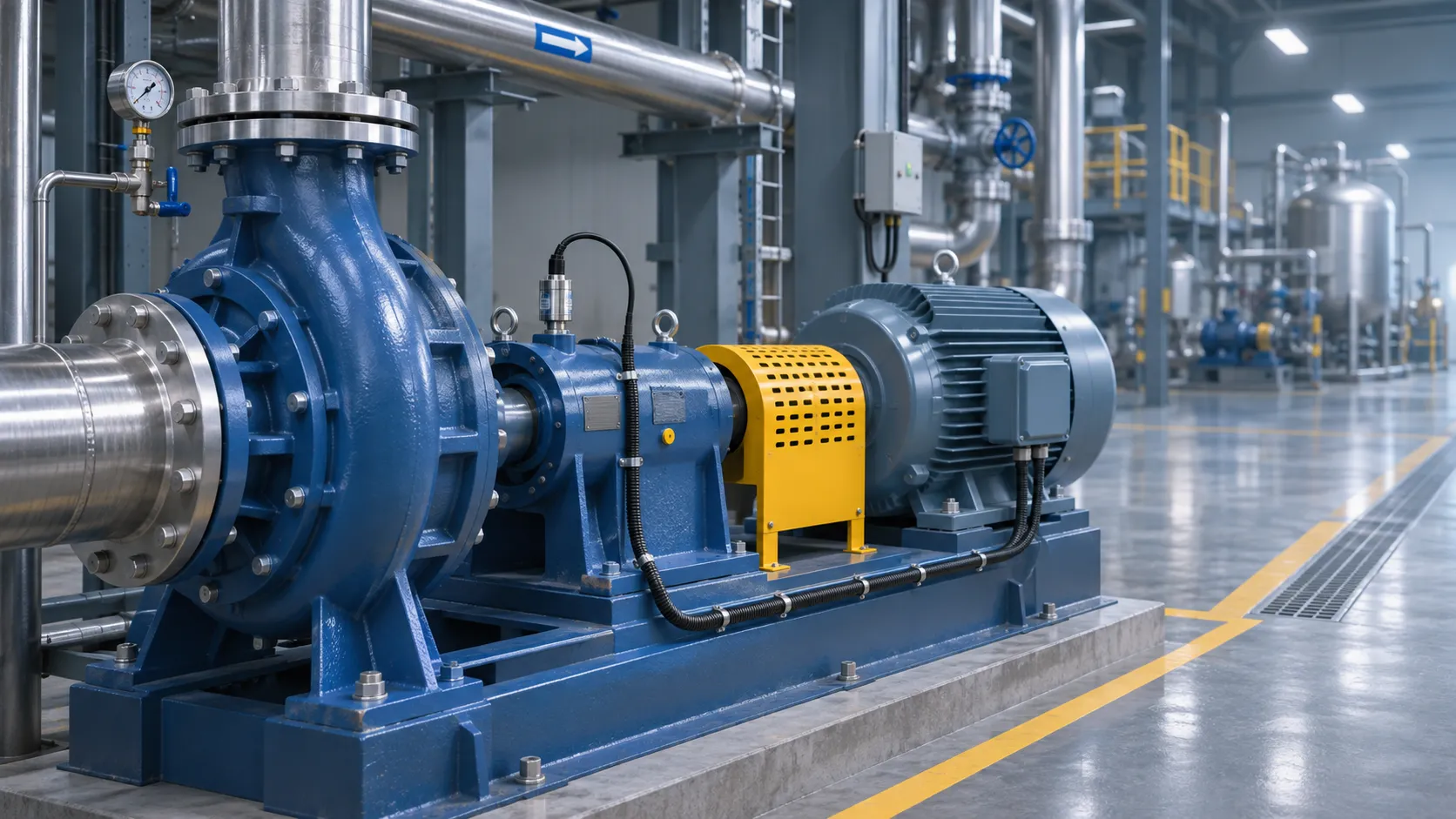
How to Choose a Mechanical Reliability Consultant for Your Plant
Choose a mechanical reliability consultant with confidence. Compare technical expertise, diagnostic methods, deliverables, and proposals to find the right fit for your plant.
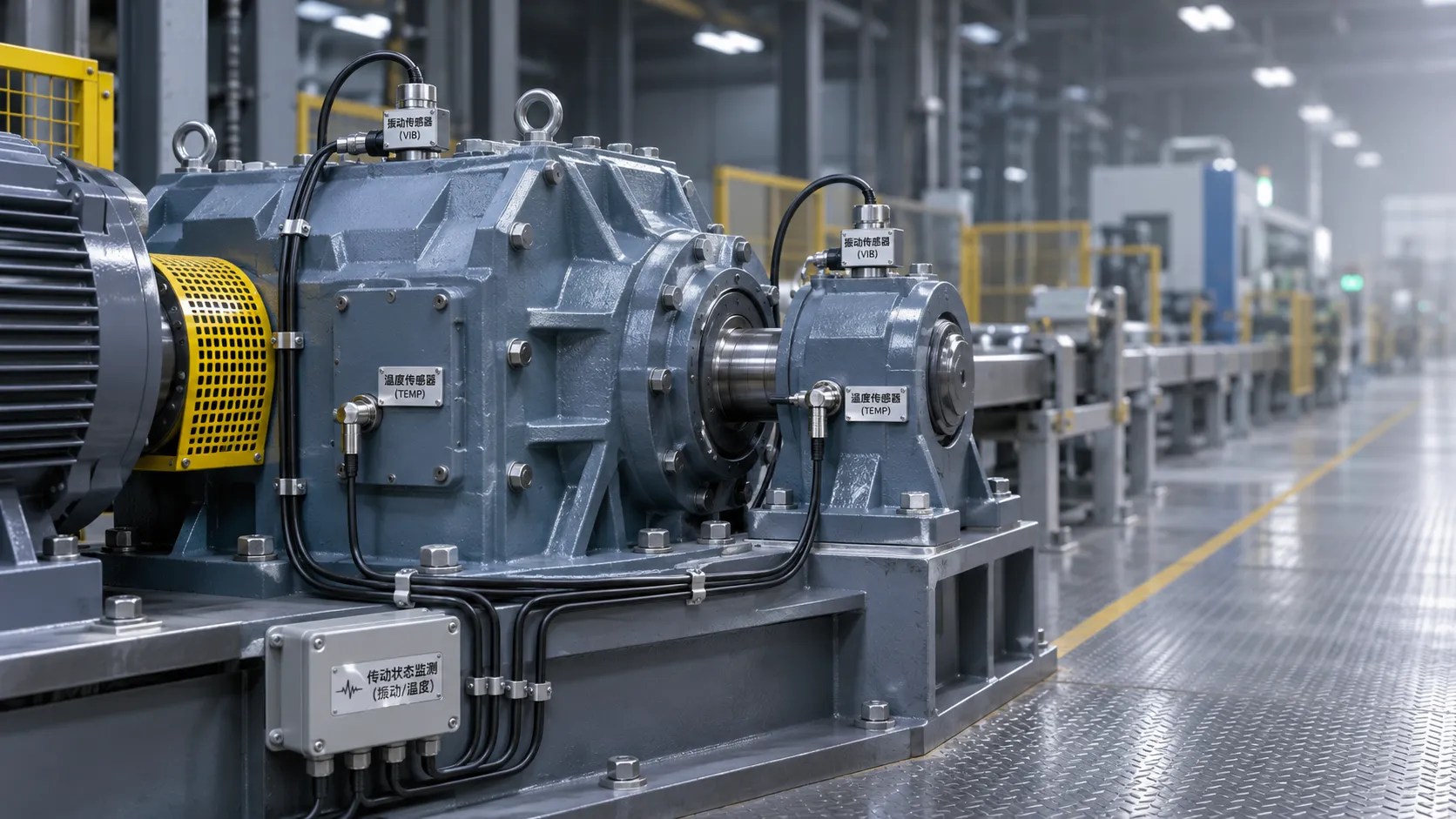
Industry 4.0 Transmission Analytics for Gearbox Condition Monitoring
Industry 4.0 transmission analytics turns gearbox data into maintenance insights. Explore sensors, fault detection and pilot strategies to make informed decisions.
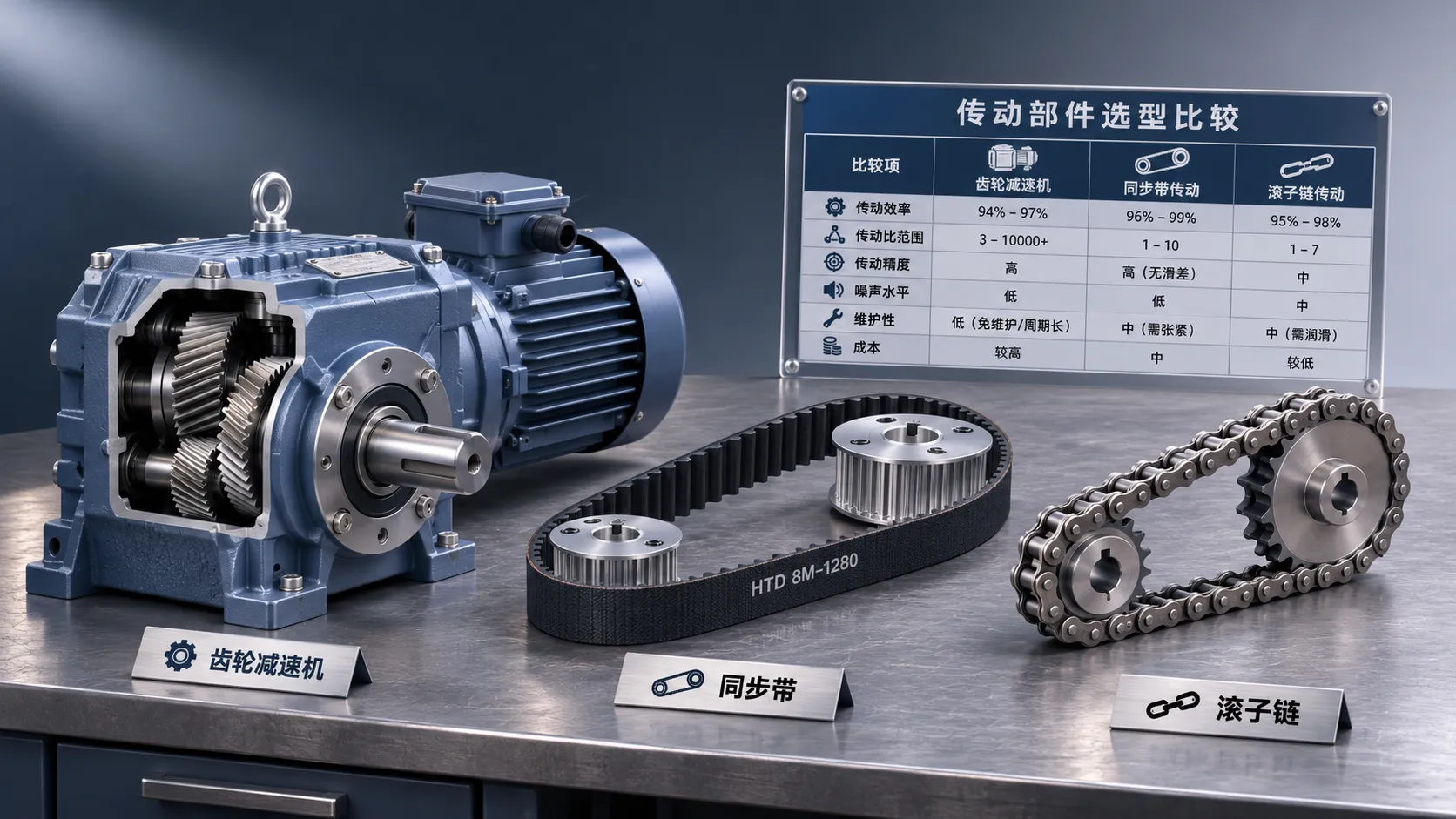
Transmission Components Price List: Comparing Quotes and Cost Factors
Compare a transmission components price list with confidence. Learn how specifications, delivery costs and supplier terms affect quotes and purchasing decisions.
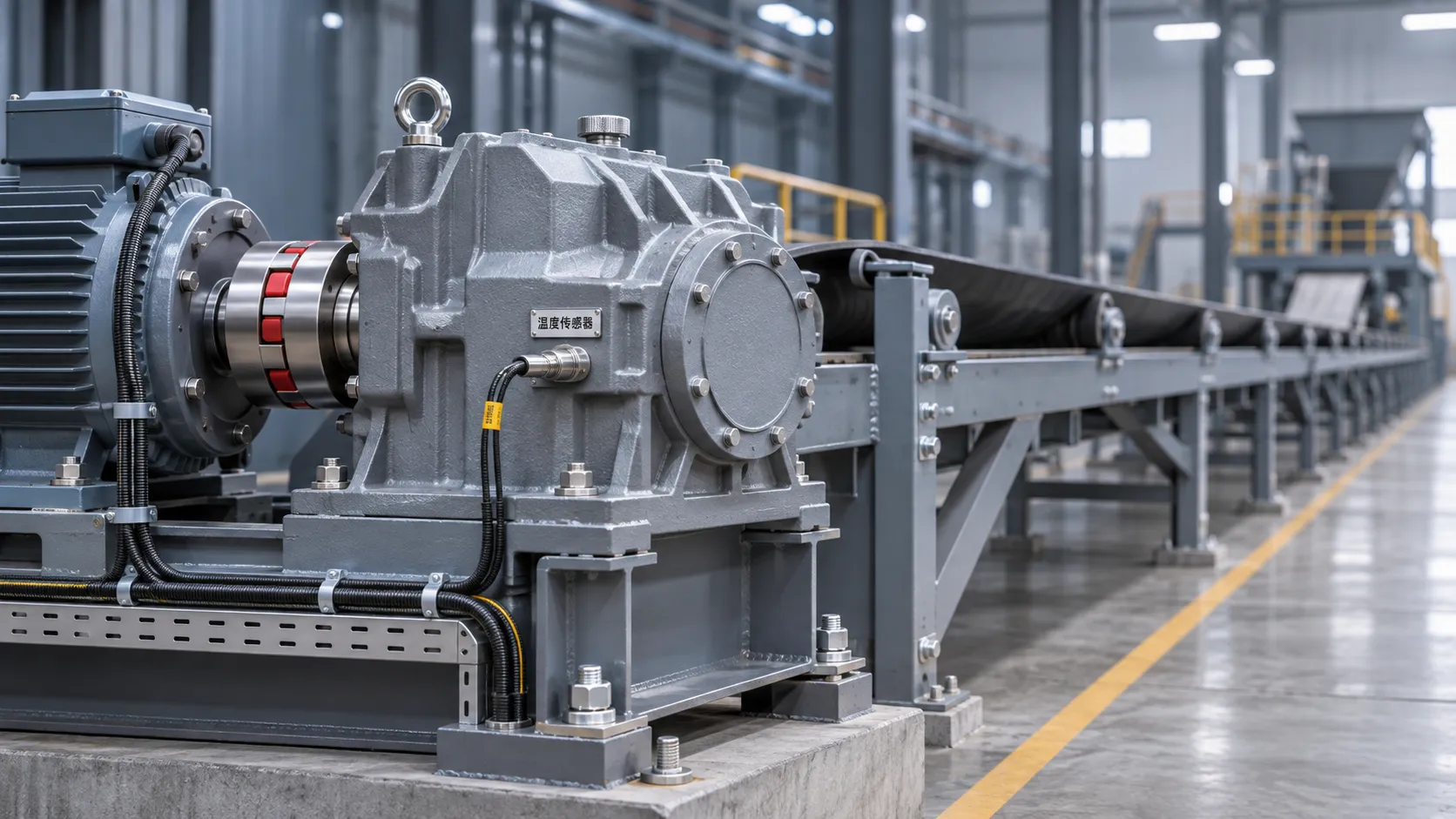
Smart Transmission Components: What Drives Price and Total Cost?
Smart transmission components price is just the start. Explore the factors behind quotes and total ownership costs to compare suppliers and buy with confidence.
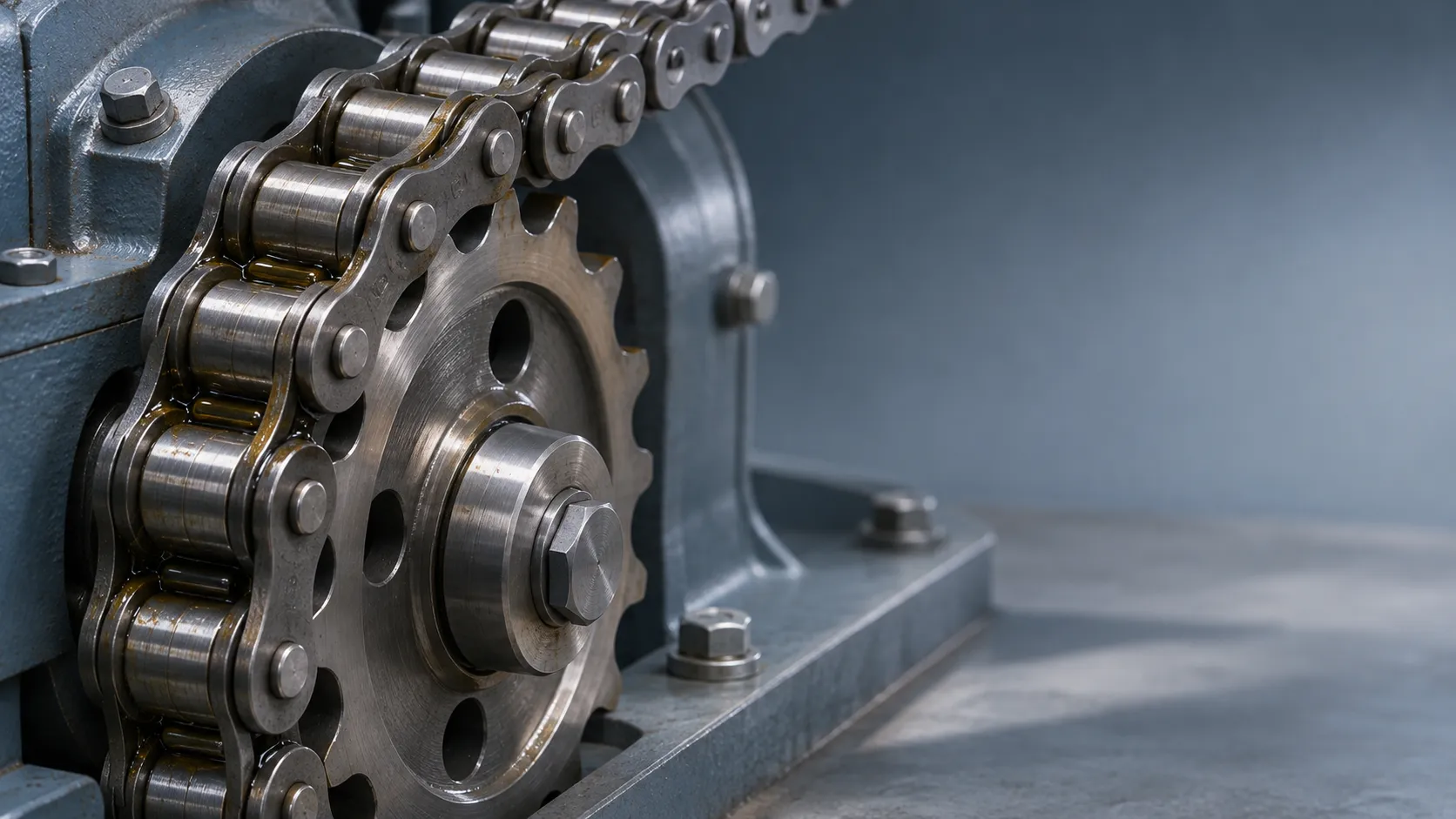
Choosing Long-Life Roller Chains for High-Load Applications
Discover how to choose long-life roller chains for high-load drives, from fatigue ratings and lubrication to sprocket alignment and operating costs.
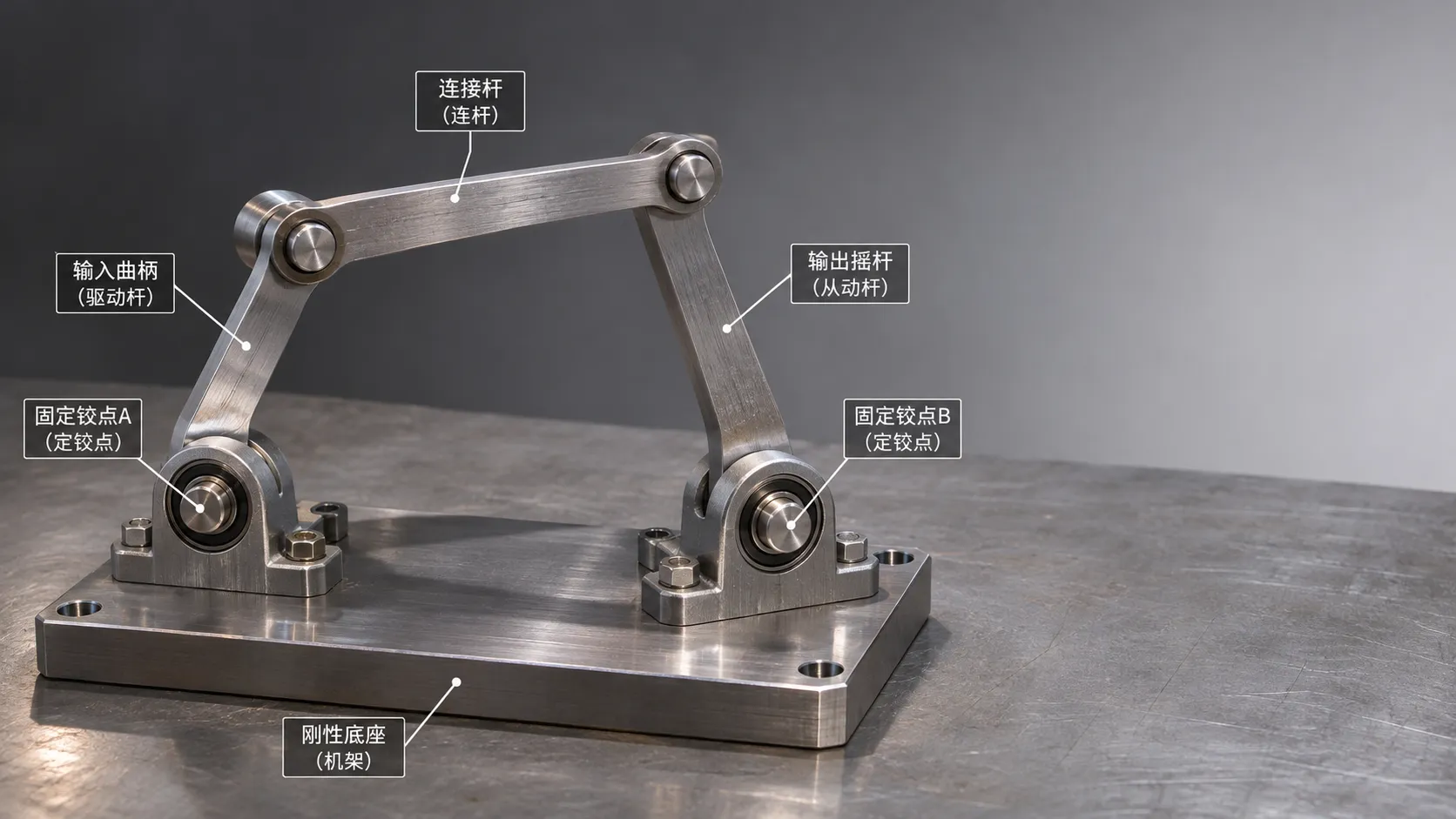
Mechanical Linkage Assemblies: How Motion and Force Are Transmitted
Explore mechanical linkage technology assemblies and learn how geometry, joints, and load affect motion, force, accuracy, and reliability.
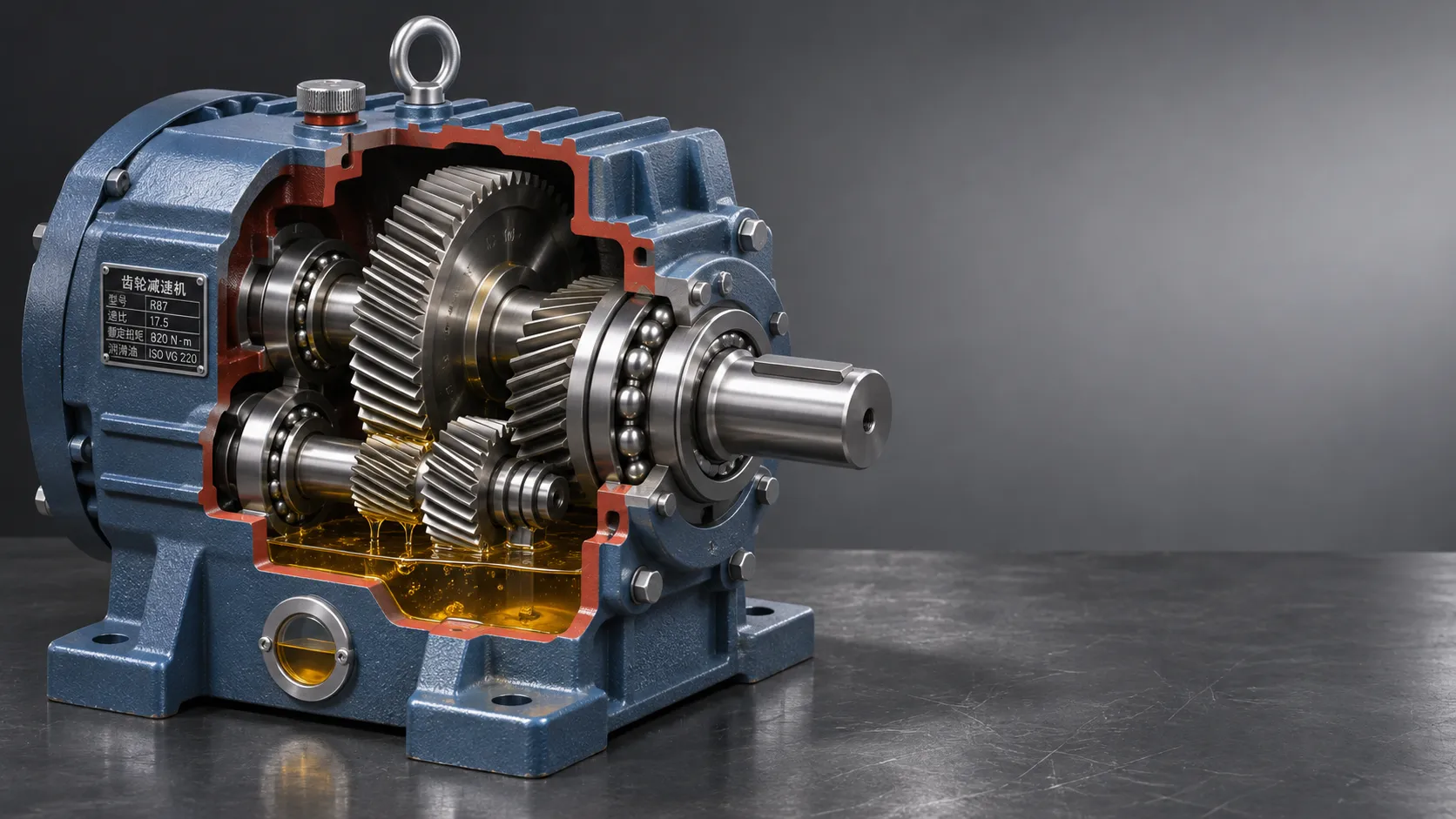
Choosing Wear-Resistant Industrial Transmissions for Long Service Life
Choose wear resistant long life transmissions with confidence. Explore load, lubrication, sealing and supplier checks to reduce downtime and service costs.
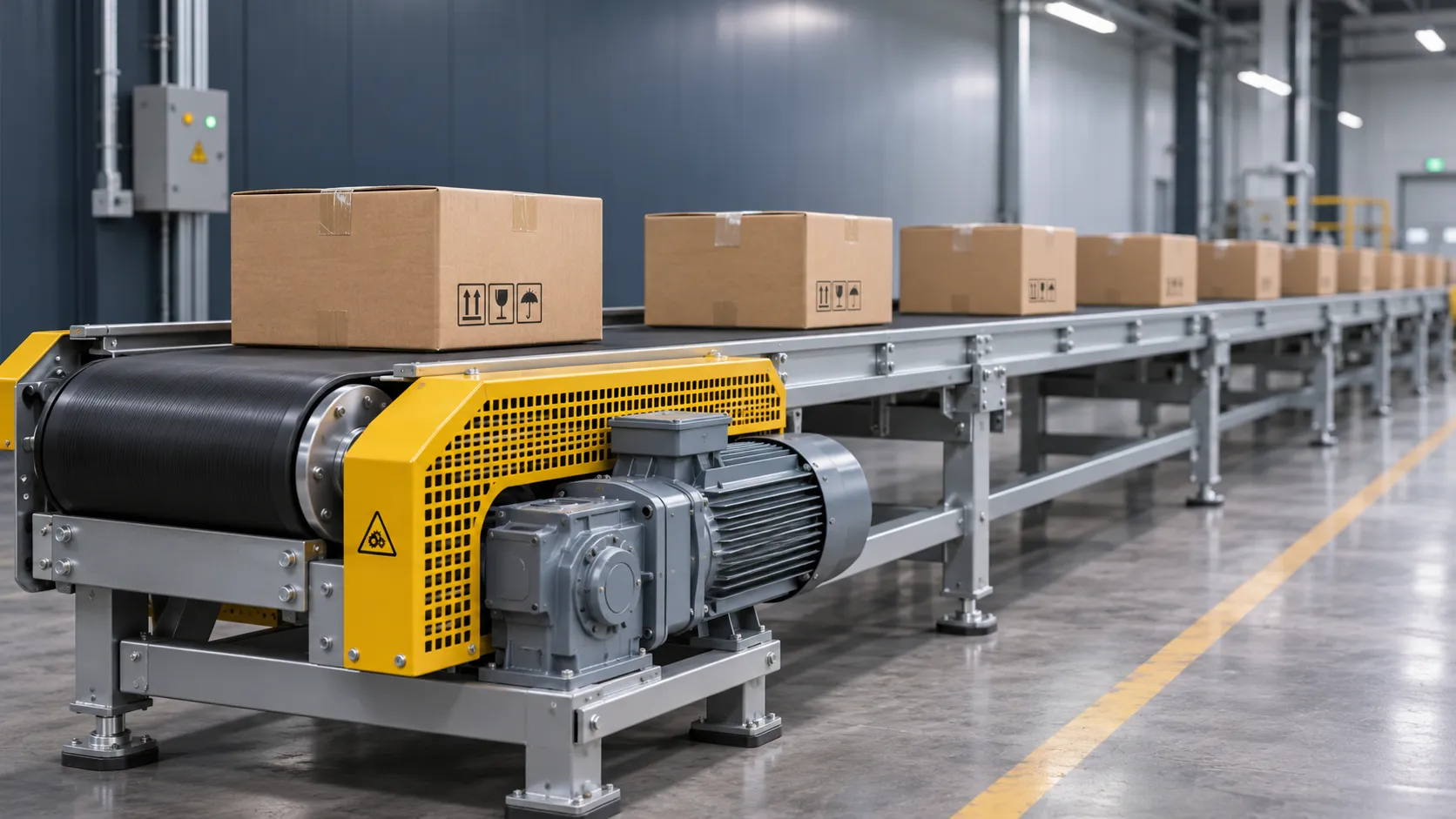
Choosing Industrial Motion Solutions for Conveyor Speed and Load Requirements
Explore industrial motion solutions for conveyor speed and load requirements. Compare drives, torque, control and duty cycles to make a confident choice.