
Industry News
Curation by industry experts
Hot Articles
Popular Tags
Choosing Wear-Resistant Industrial Transmissions for Long Service Life
Selecting wear resistant long life transmissions requires more than comparing initial costs or published service ratings. Load cycles, operating temperatures, lubrication, contamination and alignment all influence component wear and system reliability. For technical evaluators, understanding how gear materials, surface treatments and sealing arrangements respond to these conditions is essential to reducing unplanned downtime. The difficult part is not finding a component described as “heavy duty”; it is determining whether its design assumptions match the machine that will use it.
A transmission can be adequately rated for nominal motor power and still fail early under frequent reversals, abrasive dust or poor lubrication. Conversely, specifying the hardest available gear surface will not solve a shaft alignment problem. A sound evaluation starts with the duty and the likely failure mechanism, then works back to the construction and maintenance requirements.
Start with the load history, not just motor power
Nameplate power and output speed are useful screening figures, but they rarely describe the full duty. A conveyor running steadily after a soft start presents a different challenge from a mixer that starts under load, a crusher exposed to shock loads, or an indexing machine that accelerates and reverses repeatedly.
Before comparing gear reducers or other drive arrangements, establish the normal torque, starting torque, credible peak torque and duration of those peaks. Include starts per hour, reversals, running time, idle periods and expected changes in production rate. For variable-speed equipment, record how long the drive spends at low speed as well as its maximum speed. Some lubrication systems depend on shaft rotation to distribute oil; prolonged slow operation may therefore need separate review.
Service factors help translate operating severity into a selection, but they are not a substitute for a duty cycle. Suppliers may define or apply those factors differently. Ask what loads and operating conditions are already covered before applying an additional factor, and check the resulting selection against peak loads, thermal limits and the driven machine’s behavior. An oversized unit can add cost, space and rotating inertia without addressing the real source of wear.
Identify which surfaces are likely to fail
Wear is not a single failure mode. Abrasive particles can score gear teeth and bearing surfaces; inadequate lubricant film can lead to adhesive damage or scuffing; repeated contact stress can initiate pitting or spalling. Corrosion, electrical discharge through bearings and misalignment can also produce damage that is easy to misdiagnose as ordinary wear.
This distinction matters because the remedies differ. Cleaner oil and better exclusion may be more valuable than a material upgrade in a dusty plant. Where tooth contact is the concern, gear geometry, surface finish, alignment and lubricant behavior deserve as much attention as hardness. If a previous unit failed, inspect the damaged components and oil before deciding that the replacement simply needs a higher torque rating.
Look at bearings, shafts, couplings and seals as part of the same load path. External belt or chain tension can impose radial loads on a reducer shaft; an axial load from the driven equipment may also exceed what the output bearing arrangement can tolerate. The gearbox’s torque capacity alone will not answer either question. Provide the supplier with the load magnitude, direction and point of application so bearing life and shaft deflection can be checked.
Compare materials and surface treatments in context
Hardened steel gears are common where high contact strength and resistance to surface damage are needed. Depending on the design, gears may use through-hardening, case hardening or other surface treatments. A hard surface supported by a tougher core can be useful under demanding contact loads, but the result depends on the material, heat-treatment process, case characteristics and finish—not merely a hardness figure in a brochure.
Ask what the treatment covers and whether the gear geometry and manufacturing tolerances suit the application. Excessive hardness without adequate toughness can be a poor trade in a shock-loaded drive. Equally, a material selected for tooth wear may not address corrosion during washdown or contamination during outdoor storage.
Gear arrangement affects the decision. Helical, bevel, planetary and worm drives offer different combinations of ratio, layout, efficiency and load sharing. A compact planetary unit may fit a high-torque application, but its lubrication and thermal provisions still need checking. A worm drive can simplify a right-angle layout or provide a large reduction in one stage, yet sliding contact makes lubricant selection and heat rejection especially important. Do not assume that a worm drive is self-locking; verify the complete operating and safety requirements separately.
Treat lubrication and temperature as design inputs
A long-life transmission needs an oil film suited to its load, speed and operating temperature. Viscosity that works at normal temperature may be too high during a cold start or too low once the housing reaches its operating temperature. Additive chemistry and compatibility with seals, coatings and any nonferrous components also matter. Follow the equipment manufacturer’s lubricant specification rather than selecting oil by viscosity grade alone.
Check both the mechanical rating and the thermal rating at the proposed duty. An enclosed reducer in a hot, poorly ventilated location may reach a temperature limit before it reaches its torque limit. Mounting position, oil level, ambient temperature, airflow and nearby heat sources can all change the outcome. A cooler or forced lubrication system may be appropriate, but each adds components that must be maintained and monitored.
The mounting position deserves particular attention during procurement. A change from horizontal to vertical installation can alter oil distribution, fill quantity, breather location and bearing lubrication. A unit approved in one orientation should not automatically be treated as approved in another.
Match sealing and contamination control to the site
A seal is a system boundary, not a guarantee that the oil will remain clean indefinitely. Dust, water spray, washdown chemicals and pressure changes inside the housing can all challenge it. A dusty quarry conveyor, a wet process line and a clean indoor packaging machine should not necessarily receive the same sealing arrangement.
Review shaft seals, labyrinths or other exclusion features alongside breathers, inspection covers and filling points. A breather can admit moisture or fine dust if it is poorly located or unsuitable for the environment. In washdown areas, consider the direction and pressure of cleaning, chemical compatibility and whether water can collect around the shaft. More elaborate sealing may increase cost or friction, but it can be worthwhile where contamination would otherwise shorten oil and bearing life.
For accessible systems, oil sampling and filtration can reveal or reduce contamination. Sampling only helps if the location, method and interpretation are consistent. A single elevated particle result without a baseline or operating history is a reason to investigate, not proof that a gearbox is about to fail.
Do not separate component selection from installation
A well-specified gearbox can be compromised by a flexible base, distorted mounting feet, incorrect coupling alignment or excessive overhung load. Check the supporting structure under operating conditions, not only when the equipment is stationary. Thermal growth and load-induced movement can change alignment after startup.
For belt-driven input stages, tension should meet the belt manufacturer’s requirements without exceeding shaft and bearing limits. For chain drives, alignment, tension and lubrication need the same attention. Synchronous belts avoid lubrication at the belt itself, but they still depend on suitable pulley alignment, guarding and tension. In abrasive or chemically aggressive environments, the belt material and pulley condition must also be evaluated.
Maintenance access belongs in the installation review. If an oil sight glass cannot be read, a drain cannot be reached or a seal replacement requires dismantling adjacent equipment, the theoretical service interval may be irrelevant. Ask how the unit will actually be inspected, lubricated and removed before approving its layout.
What to request when comparing suppliers
A useful quotation should make the design basis visible. Give each supplier the same duty cycle and site conditions, then ask them to identify assumptions and exclusions. At a minimum, the technical review should establish:
- The selected mechanical and thermal capacities at the specified speeds, loads, ambient conditions and mounting position.
- Allowable external shaft loads and the bearing-life calculation basis, including load direction and point of application.
- Gear material and heat-treatment details relevant to the duty, plus the applicable rating method and its assumptions.
- Lubricant specification, oil quantity, change criteria and any restrictions on startup or low-speed operation.
- Seal and breather arrangements, contamination-control provisions and any limits associated with washdown or outdoor exposure.
- Inspection points, condition-monitoring options, spare-part availability and expected repair approach.
Where suppliers quote bearing life or gear ratings, compare the calculation basis before comparing the figures. Different load spectra, reliability assumptions, lubricant conditions or rating methods can produce numbers that are not directly interchangeable. Relevant gear and bearing standards may provide a common framework, but the applicable edition and the supplier’s inputs still need verification for the project.
Make the decision on service risk, not purchase price alone
Life-cycle cost is useful when its assumptions are explicit. Include energy use under the actual duty, lubricant and filter changes, inspections, replacement parts, labor and the practical consequences of a stoppage. Avoid presenting an uncertain service life as a precise saving. If failure cost is difficult to quantify, compare scenarios and identify which assumption would change the decision.
The Global Power Transmission & Mechanical Components Matrix, or GPT-Matrix, follows developments across drive components, tribology and sealing. That cross-disciplinary perspective is useful here: a material improvement, a monitoring feature or a new lubricant should be assessed against the complete transmission chain rather than treated as a stand-alone promise of longer life.
Before placing an order, resolve the biggest uncertainty in the application. It may be an unmeasured shock load, oil temperature at low speed, water ingress during cleaning or the output shaft’s overhung load. A targeted measurement or supplier calculation at that point can be more valuable than adding another generic “heavy-duty” specification.
Recommended News
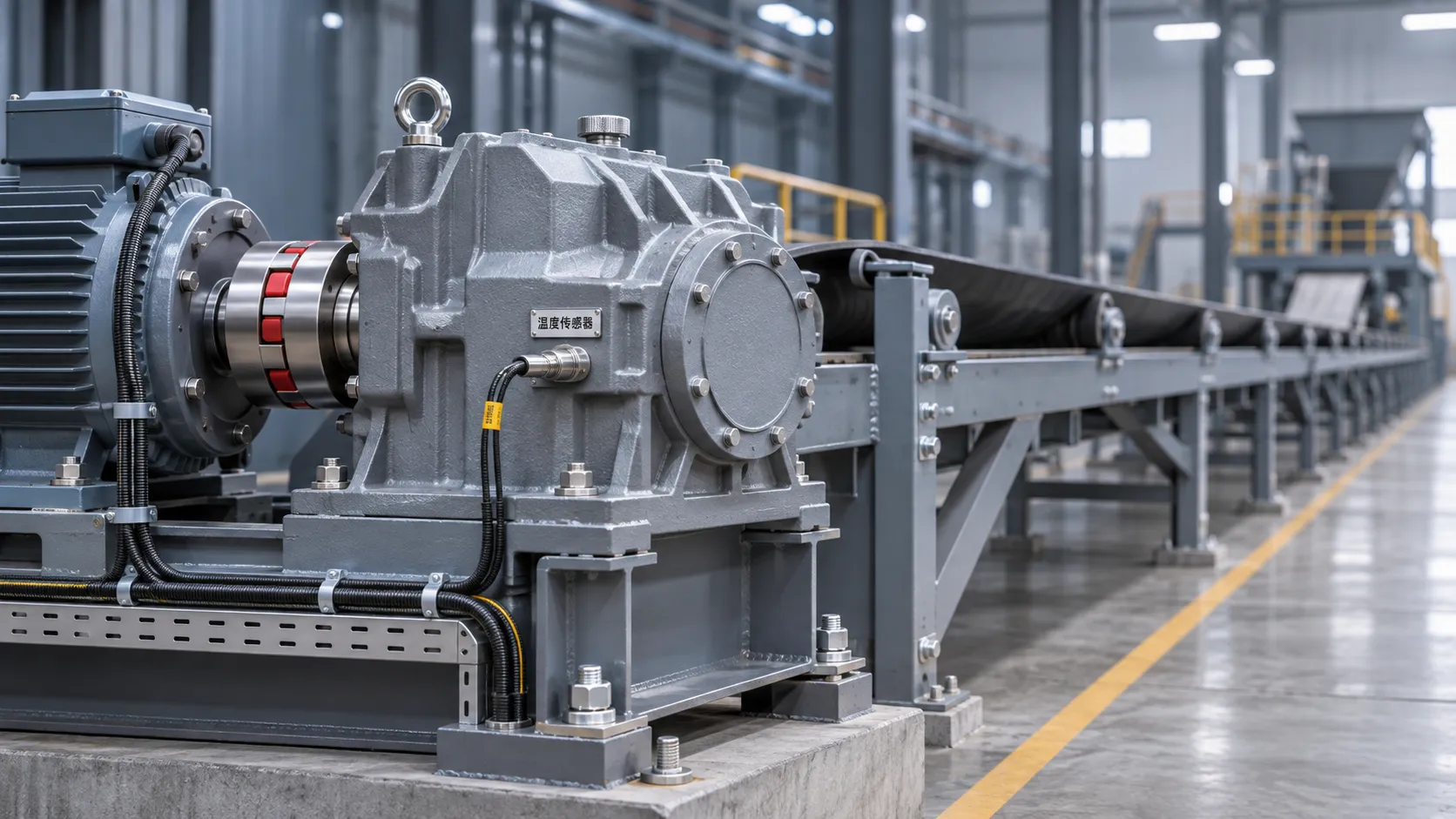
Smart Transmission Components: What Drives Price and Total Cost?
Smart transmission components price is just the start. Explore the factors behind quotes and total ownership costs to compare suppliers and buy with confidence.
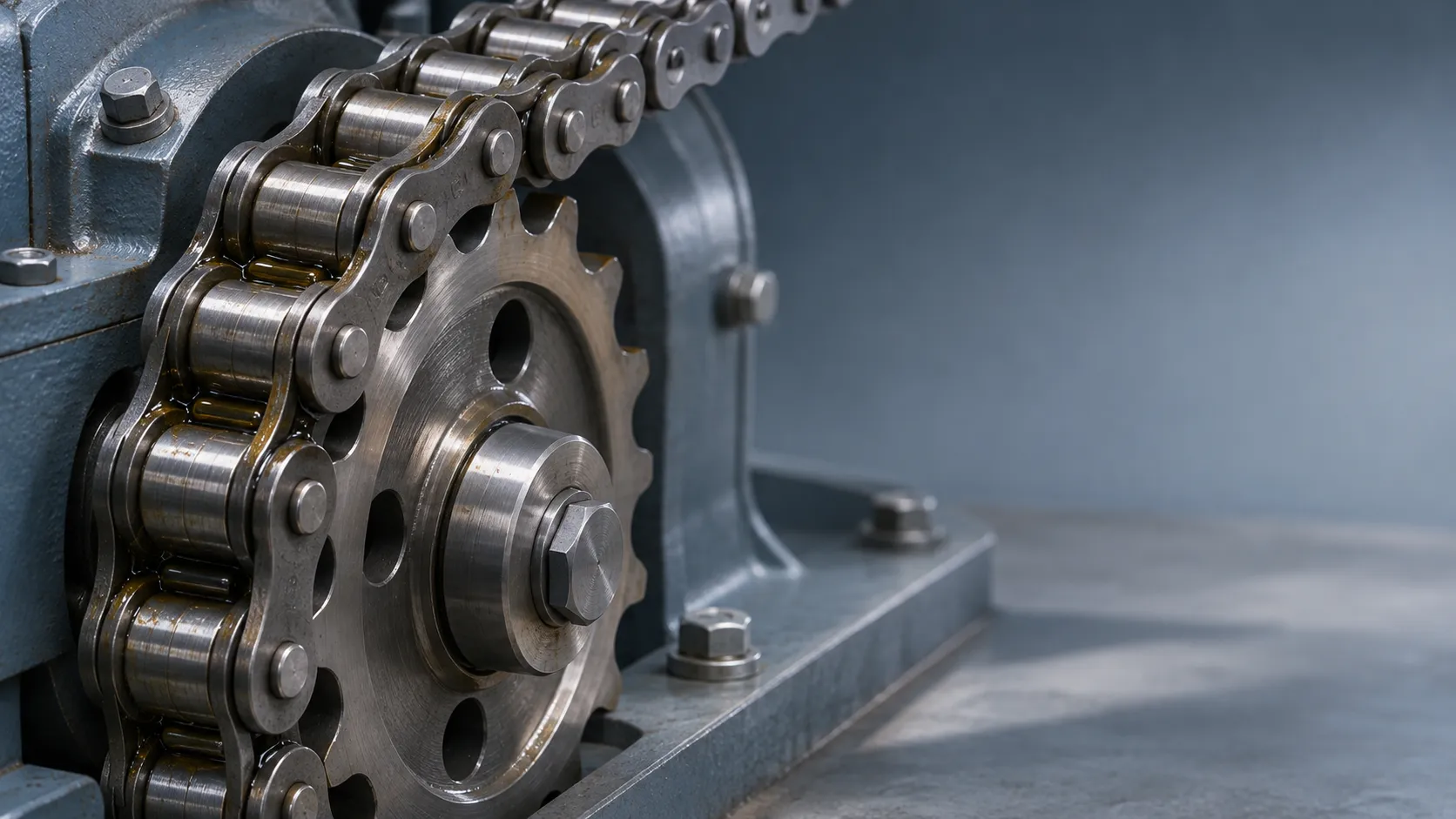
Choosing Long-Life Roller Chains for High-Load Applications
Discover how to choose long-life roller chains for high-load drives, from fatigue ratings and lubrication to sprocket alignment and operating costs.
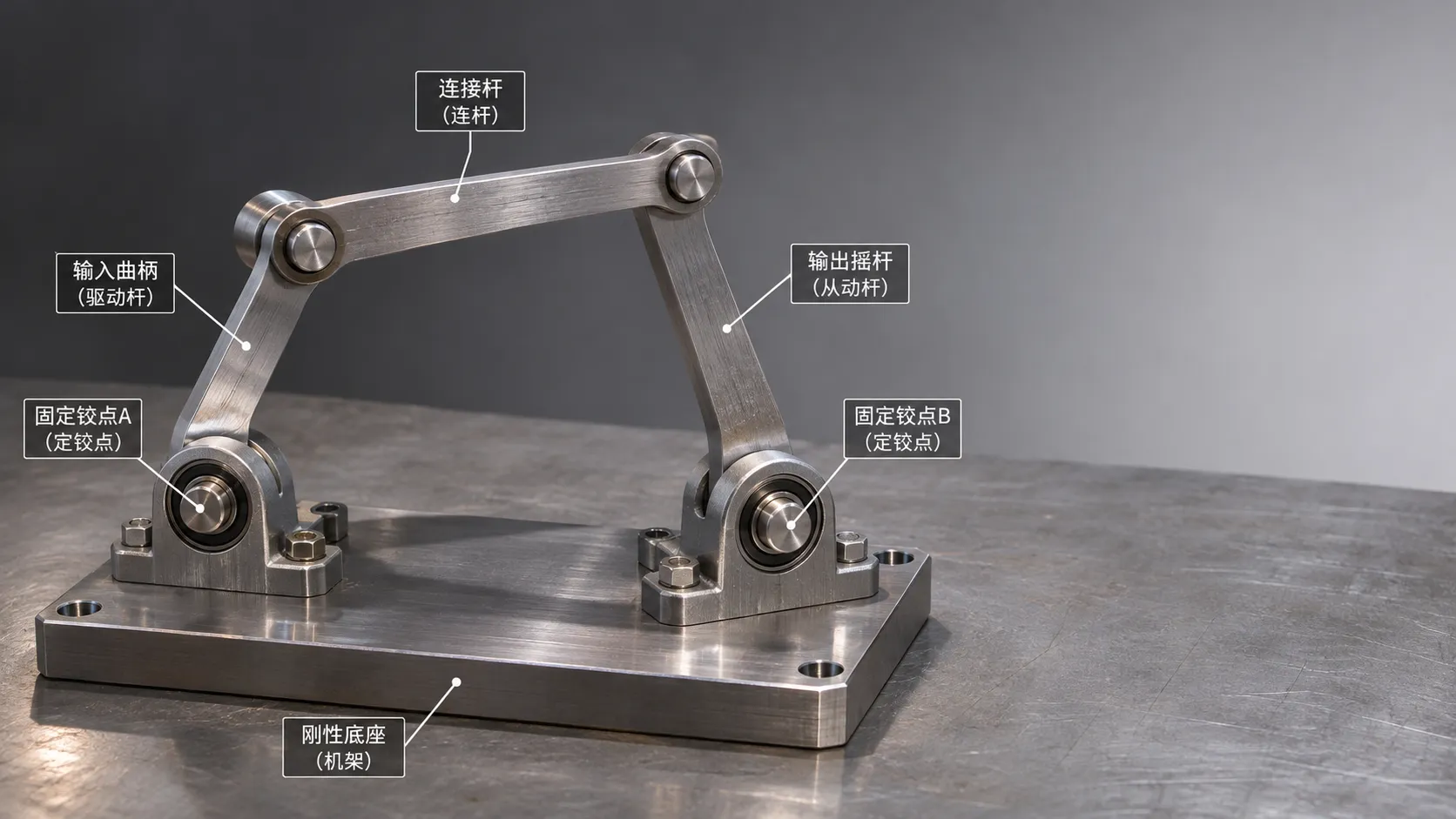
Mechanical Linkage Assemblies: How Motion and Force Are Transmitted
Explore mechanical linkage technology assemblies and learn how geometry, joints, and load affect motion, force, accuracy, and reliability.
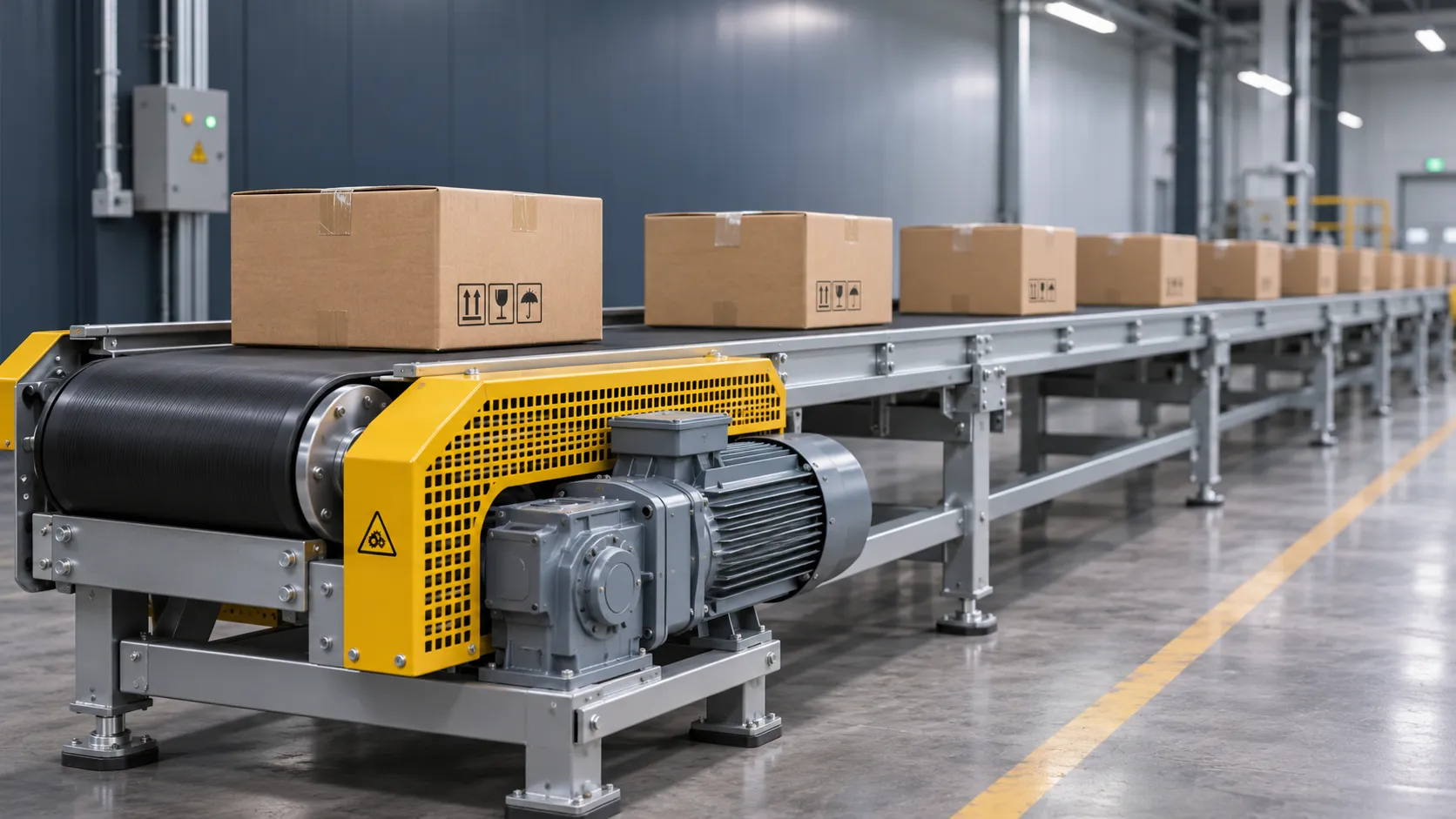
Choosing Industrial Motion Solutions for Conveyor Speed and Load Requirements
Explore industrial motion solutions for conveyor speed and load requirements. Compare drives, torque, control and duty cycles to make a confident choice.
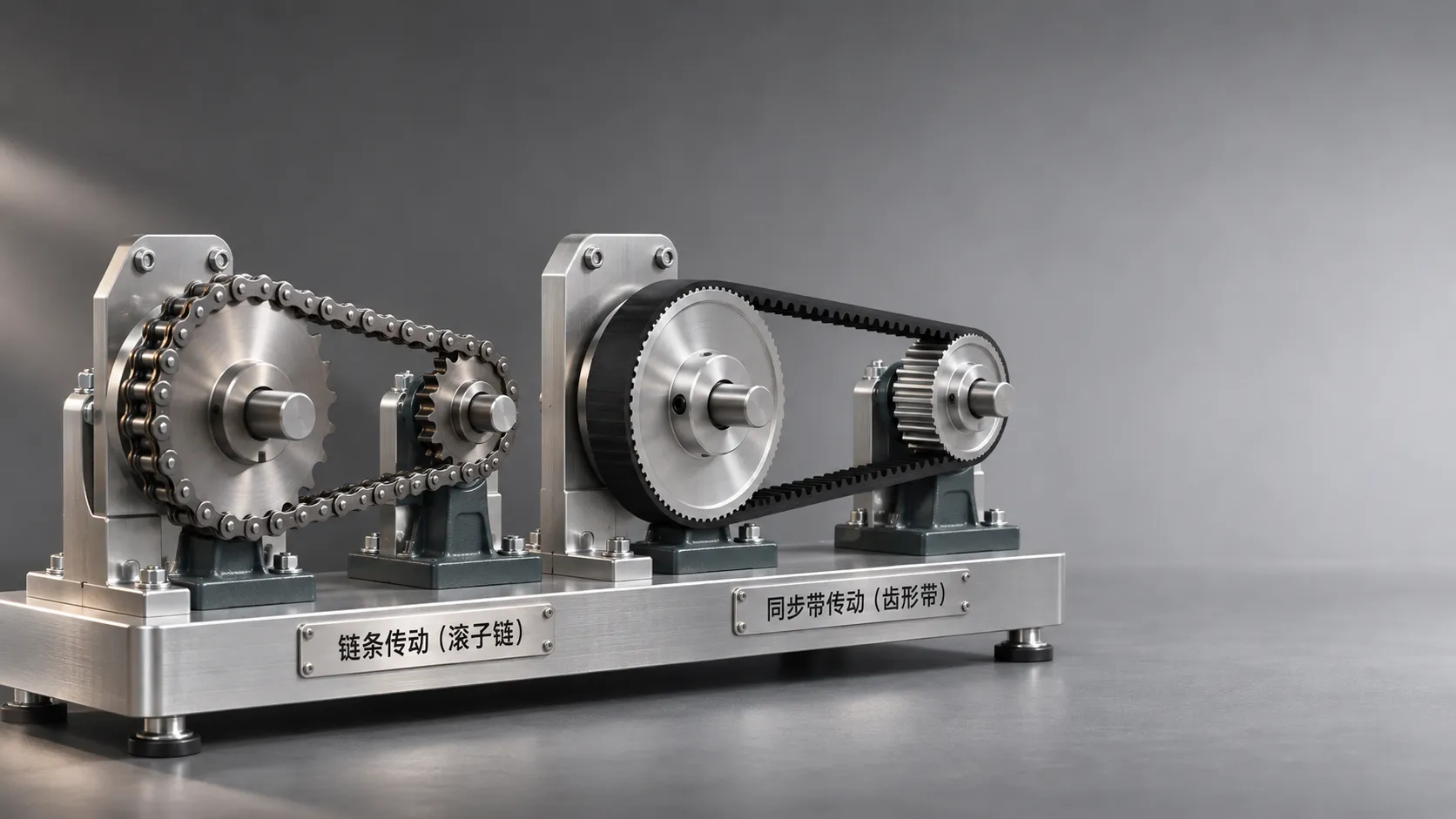
Chain vs. Belt Drives: How to Choose for Load, Speed, and Maintenance
Explore our industrial component knowledge base for drive selection. Compare chain and belt drives by load, speed, and maintenance to find the right fit.

Choosing Heavy Equipment for Construction: Capacity, Terrain and Costs
Choose heavy duty heavy equipment with confidence. Compare capacity, terrain, productivity, and total costs to find the right machine for your construction project.
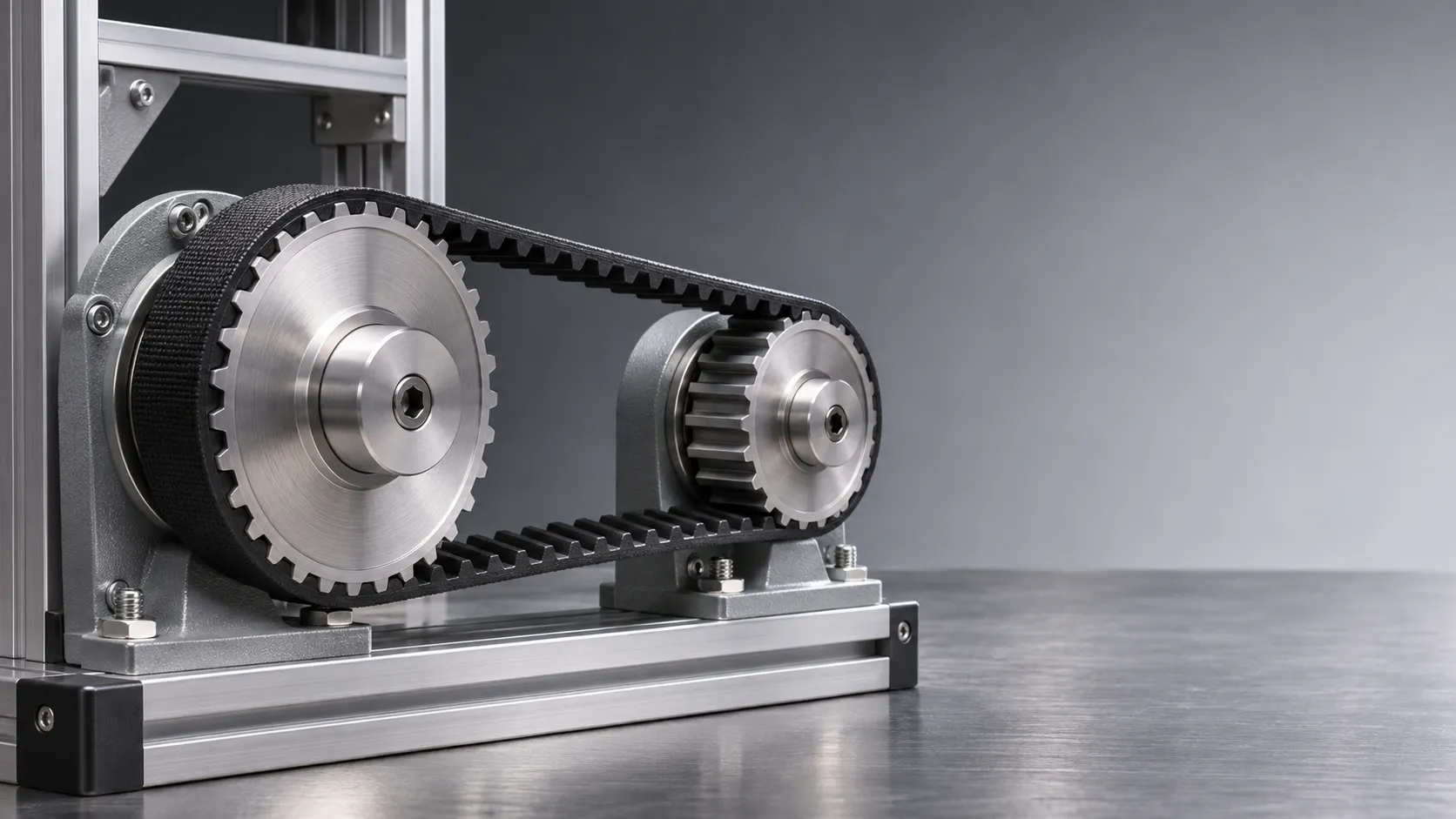
Choosing Long-Life Timing Belts: Load, Speed and Operating Conditions
Choose long-life timing belts with confidence. Compare load, speed, environment and maintenance factors to improve reliability and reduce downtime.
Green Manufacturing Technology Costs: Upfront Investment and Payback
Explore green manufacturing technology cost, from upfront investment to payback. Learn how to assess savings, manage risks, and build a stronger business case.
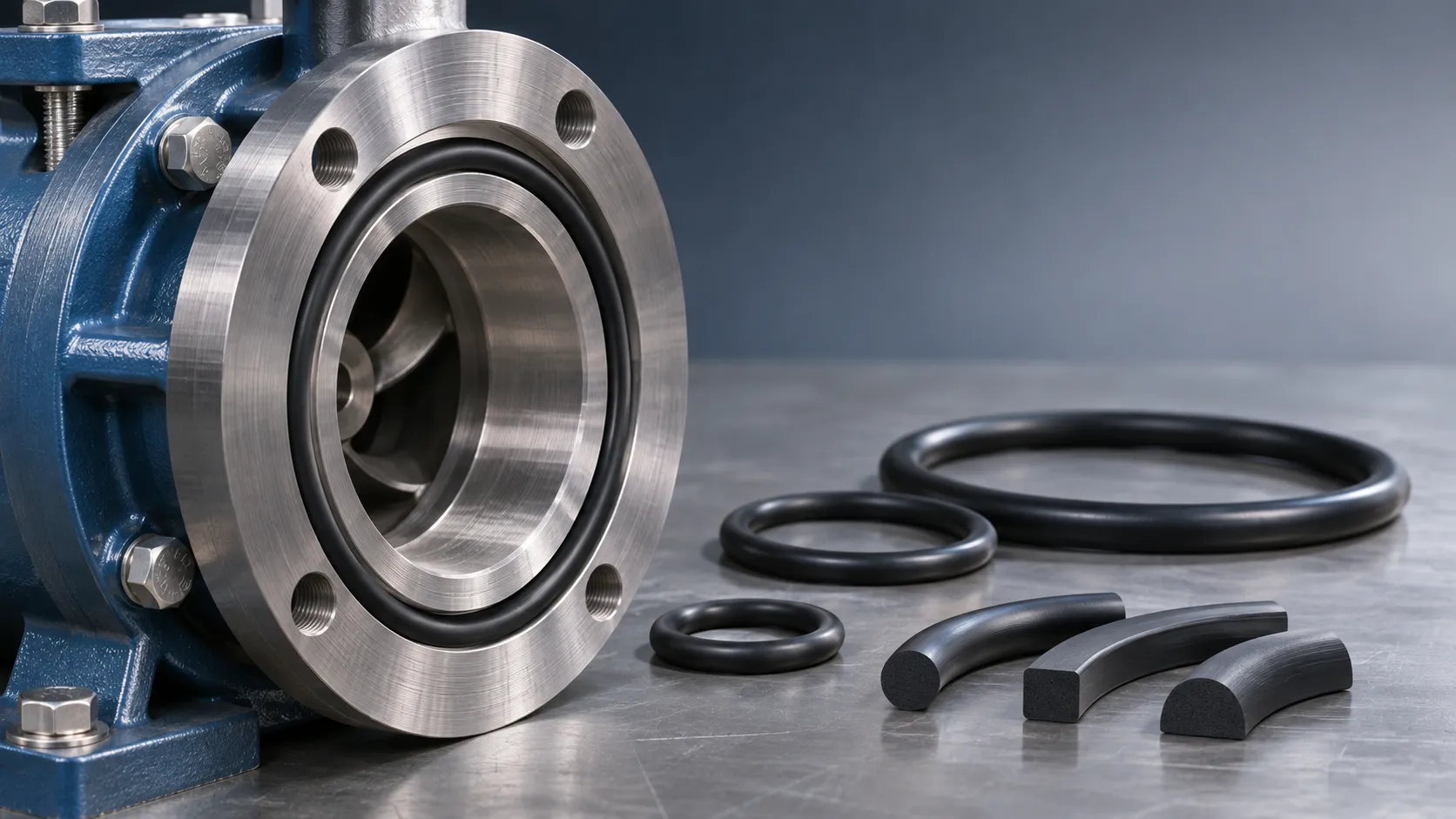
Choosing Elastomers for Critical Seals: Media and Temperature Compatibility
Critical sealing solutions: elastomer selection starts with media and temperature compatibility. Discover how to compare compounds and prevent seal failure.