
Industry News
Curation by industry experts
Hot Articles
Popular Tags
What matters most in power transmission components?
For technical evaluators, selecting power transmission components for renewable energy systems means balancing efficiency, durability, sealing reliability, and lifecycle cost under demanding operating conditions. As renewable installations scale globally, the components behind torque transfer and motion stability are becoming critical decision points. This article explores what matters most when assessing performance, material integrity, and long-term value in modern transmission systems.
In wind, solar tracking, hydropower auxiliaries, biomass handling, and energy storage support equipment, transmission performance is never isolated from the wider mechanical system. A belt, gearbox, coupling, bearing interface, or seal may represent only one node in the drivetrain, yet a single weak link can shorten maintenance intervals from 24 months to 6 months, increase vibration, or trigger unplanned shutdowns during peak generation windows.
For B2B buyers and engineering teams, the key question is not simply which component has the highest nominal rating. The real question is which combination of power transmission components for renewable energy systems can maintain torque accuracy, limit wear, resist contamination, and deliver predictable lifecycle economics under site-specific loads, climate stress, and service access constraints.
Why component selection has become a strategic engineering issue
Renewable assets now operate across broader environmental ranges than many legacy industrial systems. Outdoor wind installations may face -30°C winter starts and summer nacelle heat above 60°C. Solar tracking systems can cycle thousands of small positioning movements every month. Biomass conveyors often run in abrasive, dusty, and moisture-variable conditions. Under these realities, transmission choices affect both output stability and maintenance burden.
Technical evaluators therefore need to assess more than catalog values. A reducer with acceptable torque on paper may fail early if seal design cannot withstand dust ingress. A synchronous belt may show strong efficiency at 98% under ideal alignment, yet lose practical value if pulley tolerances, tension control, or debris exposure are not managed during installation.
The operating profile matters more than the headline specification
In renewable applications, duty cycles are often variable rather than constant. Wind systems see fluctuating torque and intermittent peak loading. Solar tracking assemblies may operate at low speed but high repetition, often 10 to 40 adjustments per day depending on control logic. Hydropower gate or auxiliary drive systems can remain idle for long periods, then require immediate reliable actuation under load.
This means the best power transmission components for renewable energy systems are selected against real operating curves: startup shock, reversing frequency, partial-load efficiency, ambient exposure, lubrication interval, and expected service life in hours or cycles. A component optimized only for nameplate capacity can become a hidden reliability cost.
Four failure drivers technical evaluators should prioritize
- Misalignment beyond typical tolerances such as 0.2 mm to 0.5 mm at the coupling or pulley interface
- Contamination from dust, salt spray, water ingress, or process particles that accelerate wear
- Thermal cycling that changes viscosity, seal elasticity, and dimensional stability
- Underestimated shock loads, especially during startup, braking, or gust-driven torque spikes
These four drivers explain why apparently similar components can deliver very different field life. In technical reviews, they should be examined before purchase price becomes the deciding factor.
Core performance criteria for power transmission components in renewable systems
A practical evaluation framework usually begins with five measurable dimensions: efficiency, torque capacity, durability, sealing reliability, and maintainability. Each dimension should be reviewed against actual site conditions, not generic industrial averages. For example, a 1% efficiency difference may seem minor, but over a 10-year operating window it can materially affect auxiliary power consumption and maintenance planning.
Efficiency under variable load
Many renewable applications do not run at a single steady operating point. Gear reducers, chain drives, couplings, and belt systems should therefore be compared across a load range such as 25%, 50%, 75%, and 100%. Some systems show strong nominal efficiency but lose consistency at low-speed or partial-load operation. That matters in solar trackers, pitch systems, and intermittent feeder mechanisms.
Material integrity and wear behavior
Material selection influences fatigue life, abrasion resistance, and lubrication sensitivity. Hardened alloy steel, engineered polymers, elastomer compounds, and corrosion-resistant coatings all have tradeoffs. In high-humidity coastal installations, corrosion resistance may rank above peak load density. In dusty inland sites, wear resistance and sealing compatibility often dominate.
Sealing reliability and contamination control
Seals are often underestimated until failure occurs. Yet in many outdoor or semi-enclosed systems, seal degradation becomes the entry point for lubricant loss and contaminant ingress. A technical evaluator should review shaft finish requirements, pressure conditions, lip material compatibility, and expected maintenance intervals. A seal that extends inspection cycles from 3 months to 12 months can reduce labor and downtime significantly.
The table below outlines a concise decision matrix that technical teams can use when comparing different drivetrain and motion-transfer options for renewable duty.
This matrix shows that the best choice is rarely the strongest component in isolation. The better choice is the one that balances torque margin, contamination resistance, and service practicality within the actual renewable asset architecture.
How application type changes the selection criteria
Not all power transmission components for renewable energy systems face the same stress pattern. Technical evaluators should separate high-speed rotating systems from low-speed positioning systems, and enclosed drives from exposed mechanisms. This avoids the common error of using one universal evaluation template across fundamentally different assets.
Wind energy: torque fluctuation and access constraints
In wind applications, components must absorb variable torque, vibration, and changing load direction while remaining serviceable at height. Inspection windows may be limited to quarterly or semiannual visits. This places added value on long-life bearings, robust couplings, reliable seals, and reducers with controlled thermal behavior. Service access constraints can increase the real cost of a minor failure by 3 to 5 times compared with ground-level equipment.
Solar tracking: precision, repetition, and low-speed wear
Solar trackers generally demand accurate, repeatable motion more than high continuous horsepower. Components must tolerate low-speed operation, repetitive cycles, and outdoor contamination. Backlash, seal integrity, and low-maintenance lubrication often matter more than absolute torque density. Even small deviations in tracking angle can reduce energy capture over time, making motion consistency a value driver.
Biomass and auxiliary handling: abrasion and contamination
Biomass facilities present a harsher mechanical environment, with fibrous material, dust, and irregular feed loads. Chains, belts, sprockets, couplings, and seals may all experience abrasive exposure. In such cases, transmission component selection should focus on wear surfaces, contamination barriers, and simplified maintenance procedures rather than purely compact design.
Quick comparison by renewable application
The following table helps evaluators map component priorities to typical renewable operating scenarios.
A comparison by application makes it easier to avoid overengineering in one area and under-protecting another. It also supports more accurate total cost modeling across different renewable asset classes.
What technical evaluators should verify before approval
A disciplined approval process usually includes 5 to 7 checks before final selection. These checks help teams compare suppliers on engineering suitability, not just price and lead time. For platforms like GPT-Matrix that track transmission trends and material evolution, this is where intelligence becomes commercially useful: evaluators can benchmark practical risk before specification lock-in.
Recommended technical review checklist
- Confirm continuous torque, peak torque, and startup factor against actual duty, not nominal motor output alone.
- Review environmental range, including humidity, dust level, UV exposure, washdown risk, or salt-laden air.
- Verify alignment requirements, shaft interface tolerances, and allowable mounting deflection.
- Assess seal material, lubricant compatibility, and inspection interval targets such as 6 months, 12 months, or 24 months.
- Estimate lifecycle cost across purchase, installation, maintenance labor, downtime exposure, and replacement frequency.
- Check supply continuity for wear parts, especially seals, belts, couplings, and bearing-related kits.
This checklist is especially important when evaluating power transmission components for renewable energy systems deployed across multiple climates. A design that works in one region may require a different sealing package or corrosion strategy in another.
Common procurement mistakes
One frequent mistake is comparing reducers, belts, or couplings solely by unit cost. Another is assuming indoor industrial maintenance norms apply to outdoor renewable sites. A third is ignoring service logistics. If replacement requires a crane, nacelle access, or tracker row shutdown, the real ownership cost can exceed the component cost many times over.
Technical teams should also resist overspecifying torque without validating efficiency and friction behavior. Excessive safety margin can increase inertia, reduce responsiveness, and add unnecessary cost. The better target is a balanced design with an appropriate overload allowance, often shaped by the application’s startup and braking profile.
From component selection to long-term value
The most effective purchasing decisions connect engineering fit with lifecycle planning. For renewable operators, that means specifying components that can maintain output stability for 5, 10, or even 20 years while keeping service intervals predictable. In many cases, the strongest value comes from reducing unscheduled interventions rather than minimizing upfront spend.
Why intelligence-led sourcing improves outcomes
As transmission systems evolve toward higher efficiency, smarter monitoring, and lower maintenance architectures, technical evaluators need access to more than product brochures. They need insight into material trends, component failure modes, supply chain stability, and application-specific design tradeoffs. That is where a specialized intelligence platform can support better comparisons and faster approvals.
GPT-Matrix is positioned around exactly this need: linking power transmission, motion control, and sealing intelligence with real industrial decision logic. For engineering teams assessing power transmission components for renewable energy systems, this kind of structured market and technical visibility can shorten evaluation cycles and reduce specification risk.
Final decision criteria that matter most
- Stable efficiency across real operating loads, not just ideal test conditions
- Material and surface integrity matched to abrasion, moisture, corrosion, and temperature demands
- Sealing performance that supports practical maintenance intervals and contamination control
- Lifecycle economics that include labor, downtime, spare parts, and access difficulty
- Supply and technical support consistency for multi-year renewable asset operation
When these criteria are handled systematically, component selection becomes less reactive and more strategic. The result is better mechanical reliability, fewer service disruptions, and clearer long-term cost control for renewable energy operators and equipment integrators.
If you are evaluating drivetrain, sealing, or motion-transfer solutions for renewable installations, now is the right time to build a sharper selection framework. Contact GPT-Matrix to explore tailored intelligence, compare component pathways, and get practical guidance for your next technical review.
Recommended News
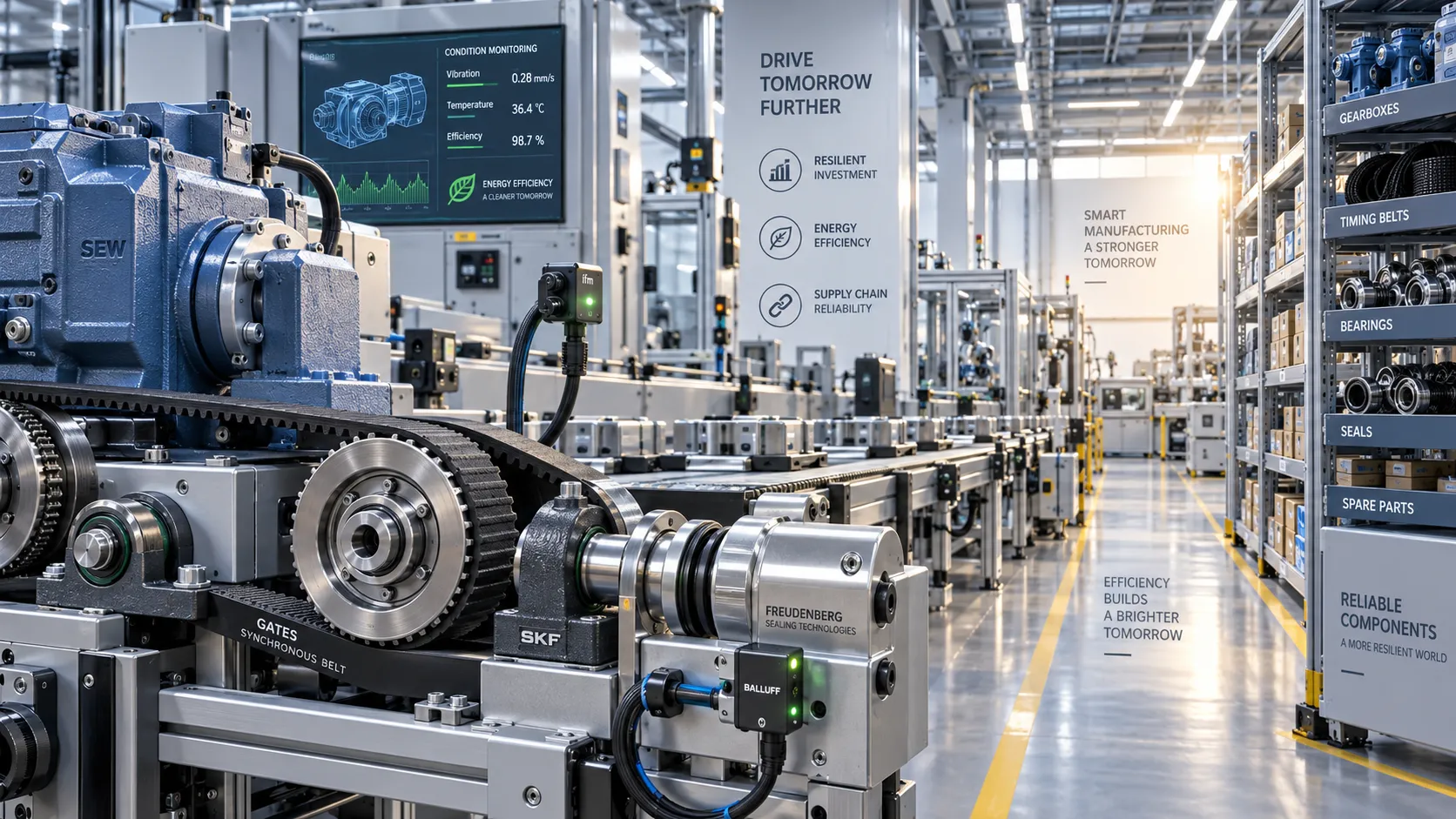
Industrial Economy Trends Shaping Capital Investment and Supply Chain Risk in 2026
Industrial economy trends for 2026 reveal how resilient capital investments, energy efficiency, and supply-chain strategies can protect uptime and strengthen returns.
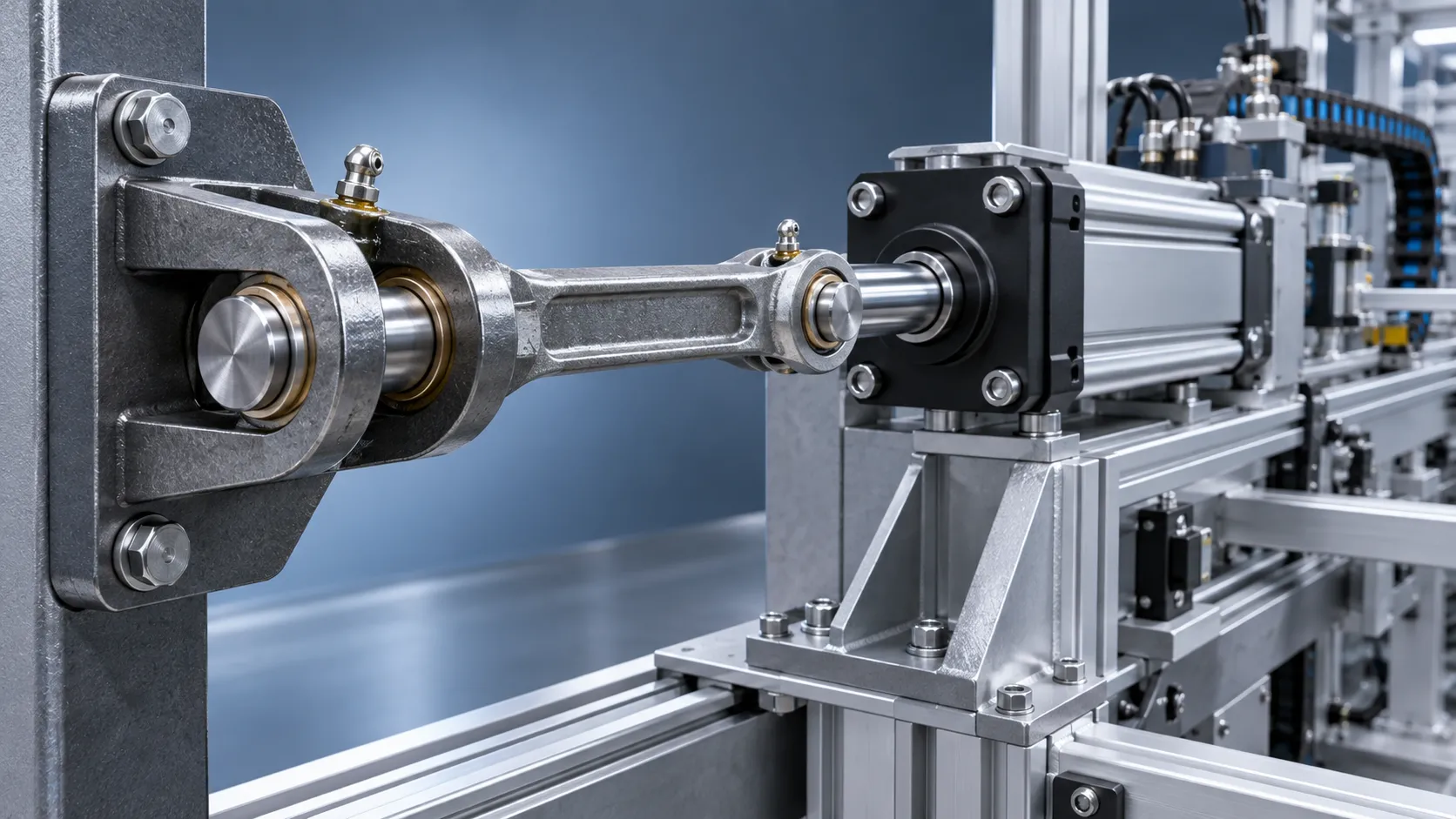
Mechanical Linkage Design: How to Balance Load Capacity, Motion Accuracy, and Wear
Mechanical linkage design guide: balance load capacity, motion accuracy, and wear with practical insights on geometry, joints, tolerances, lubrication, and service life.
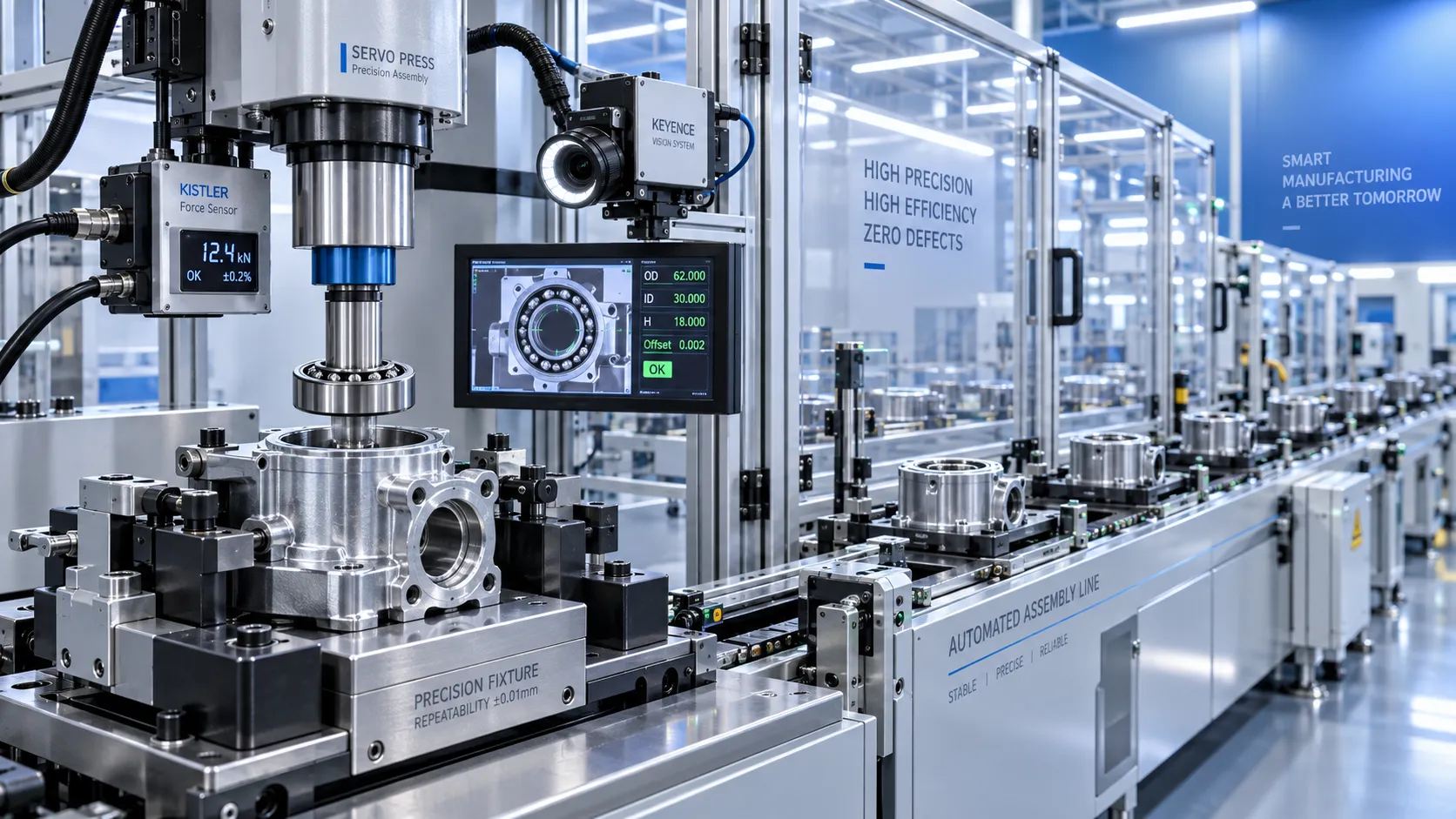
How Precision Automated Production Improves Quality Control in High-Volume Assembly
Precision automated production strengthens quality control in high-volume assembly with real-time verification, traceability, and safer defect containment.
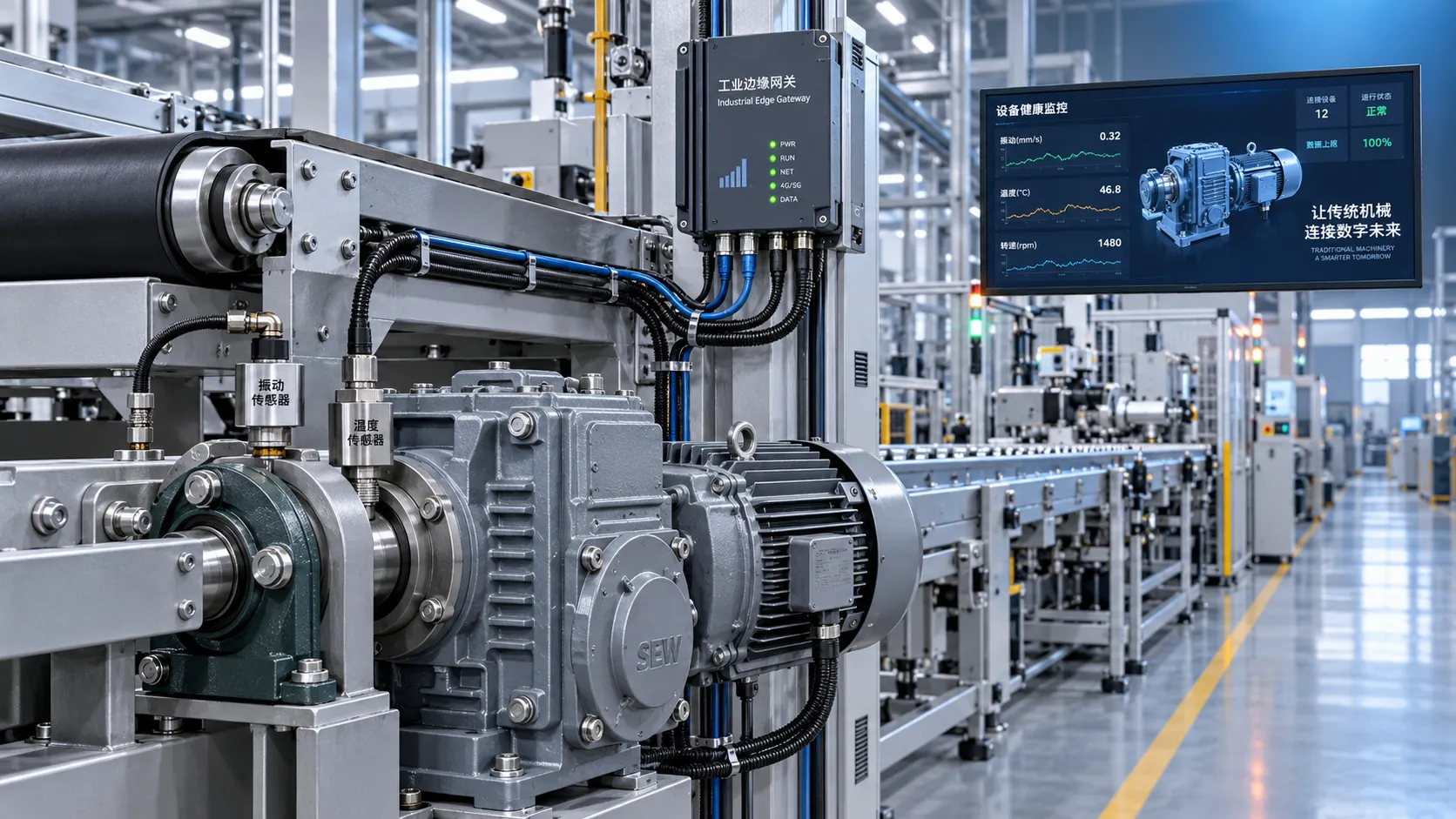
Industry 4.0 Integration: A Roadmap for Connecting Legacy Machines and Data
Industry 4.0 integration roadmap for connecting legacy machines, improving data visibility, reducing downtime, and scaling secure, measurable operational performance.
Servo Drive Comparison: Selecting Motion Control for Speed, Torque, and Load
Technical product comparison servo drives: evaluate speed, torque, inertia, safety, and control integration to select a reliable motion system with proven performance margins.
Industrial Automation Technology: How to Prioritize Upgrades by ROI and Downtime Risk
Industrial automation technology upgrades: learn to rank projects by ROI, bottleneck exposure, and downtime risk to reduce losses and make smarter capital decisions.

Selecting Low-Maintenance Chain Components for Dusty, High-Load Conveyors
Low maintenance chain components for dusty, high-load conveyors: compare seals, lubrication, materials, sprockets, and load capacity to reduce wear and downtime.
Selecting Smart Transmission Modules for Automated Lines: Control, Load, and Safety
Smart transmission modules for automated lines: evaluate control compatibility, real load demands, safety boundaries, and predictive maintenance value for reliable performance.

How to Assess Automated Packaging Production for High-Mix Manufacturing Lines
Automated production for packaging: assess changeovers, flexibility, controls, reliability, and lifecycle cost to build high-mix lines that deliver stable output.