
Industry News
Curation by industry experts
Hot Articles
Popular Tags
Where advanced material science adds real industrial value
In modern manufacturing, the real competitive edge often comes from how advanced material science for industrial use improves durability, efficiency, and system reliability.
From power transmission components to critical sealing technologies, material innovation now affects uptime, energy use, and maintenance planning in measurable ways.
For industrial systems, value appears when materials solve a clear operating problem, not when they simply sound innovative.
That is why GPT-Matrix tracks the link between material breakthroughs, transmission performance, and long-term operating economics across global industries.
When advanced material science for industrial use creates measurable value
Not every factory, plant, or mobile asset needs the same material upgrade.
The value of advanced material science for industrial use depends on load, speed, temperature, contamination, lubrication limits, and maintenance access.
A conveyor in a clean packaging line faces different failure mechanisms than a gearbox in mining or a seal in chemical processing.
The smart question is simple: which material change removes the dominant source of loss, wear, or shutdown risk?
This application-first view helps separate real industrial value from generalized technology claims.
Scenario one: power transmission lines under continuous duty
Continuous-duty lines reward materials that resist fatigue, abrasion, and thermal drift over very long operating cycles.
In belts, couplings, and reducers, advanced material science for industrial use often improves dimensional stability and lowers friction losses.
High-performance elastomers, engineered polymers, and treated metallic surfaces can reduce stretch, vibration, and premature tooth wear.
That matters because small efficiency gains become meaningful under round-the-clock production conditions.
Core judgment points for continuous transmission systems
- Whether heat buildup changes component geometry or tension stability.
- Whether abrasive dust or poor alignment accelerates wear.
- Whether downtime cost is higher than material upgrade cost.
- Whether lower friction can produce visible energy savings.
Scenario two: sealing systems exposed to heat, chemicals, or pressure shock
Sealing applications show some of the clearest returns from advanced material science for industrial use.
Mechanical seals, gaskets, and dynamic sealing interfaces fail when chemistry, pressure, or friction exceeds material limits.
Here, advanced ceramics, filled PTFE systems, carbon-based faces, and corrosion-resistant alloys can extend reliability significantly.
The gain is not only longer life.
It also includes reduced leakage risk, cleaner compliance performance, and more stable operation in extreme conditions.
What makes this scenario high value
The replacement cost of a seal is often minor compared with contamination loss, environmental risk, or unplanned outage.
That is why advanced material science for industrial use becomes economically justified faster in critical sealing locations.
Scenario three: heavy equipment facing shock loads and harsh contamination
Mining, bulk handling, cement, and off-road systems create a different material challenge.
Impact loading, grit, moisture, and inconsistent maintenance punish standard materials very quickly.
In these environments, advanced material science for industrial use adds value through toughness, surface hardness, and wear resistance.
Examples include carburized gears, coated shafts, reinforced composite housings, and low-wear bearing materials.
The correct objective is not maximum sophistication.
It is balanced survivability under dirt, shock, and difficult service access.
Scenario four: high-precision automated lines where consistency matters more than brute strength
Automation systems often fail economically before they fail mechanically.
Small variations in backlash, friction, or thermal expansion can reduce positioning accuracy and overall output quality.
In this case, advanced material science for industrial use supports precision through lighter structures, smoother surfaces, and stable friction behavior.
Engineered polymers, specialty coatings, and low-mass alloys can improve dynamic response without excessive lubrication demand.
The industrial value appears in repeatability, cleaner operation, and lower correction rates.
How scenario demands differ in practice
Where advanced material science for industrial use is often worth prioritizing first
The best upgrade targets are not always the most visible components.
They are usually the points where failure spreads across the system.
- Interfaces with sliding contact and limited lubrication.
- Components exposed to combined heat, load, and chemical attack.
- Transmission parts whose wear changes accuracy or tension.
- Sealing points where leakage triggers secondary operational losses.
- Remote or hard-to-service assemblies with high downtime penalties.
This is where advanced material science for industrial use most often delivers a strong payback profile.
Practical adaptation advice by industrial scenario
Common misjudgments that reduce industrial value
One common mistake is choosing the most advanced material before defining the dominant failure mode.
Another is focusing only on component price, while ignoring downtime, energy loss, and shortened maintenance intervals.
A third misjudgment is copying a successful material from one process into another with very different contaminants or duty cycles.
Advanced material science for industrial use only creates real value when matched to actual load cases and service conditions.
That matching process is exactly where data-led intelligence becomes critical.
Turning material insight into the next operational decision
A useful next step is to review one recurring failure point across transmission or sealing systems and map its true operating stresses.
Then compare current material performance against three business metrics: uptime, energy consumption, and maintenance frequency.
If the gap is persistent, advanced material science for industrial use may already have a justified business case.
GPT-Matrix supports this process by connecting sector news, material evolution trends, and commercial intelligence across power transmission and mechanical components.
When material choices are aligned with scenario demands, industrial performance stops being reactive and becomes strategically designed.
Recommended News
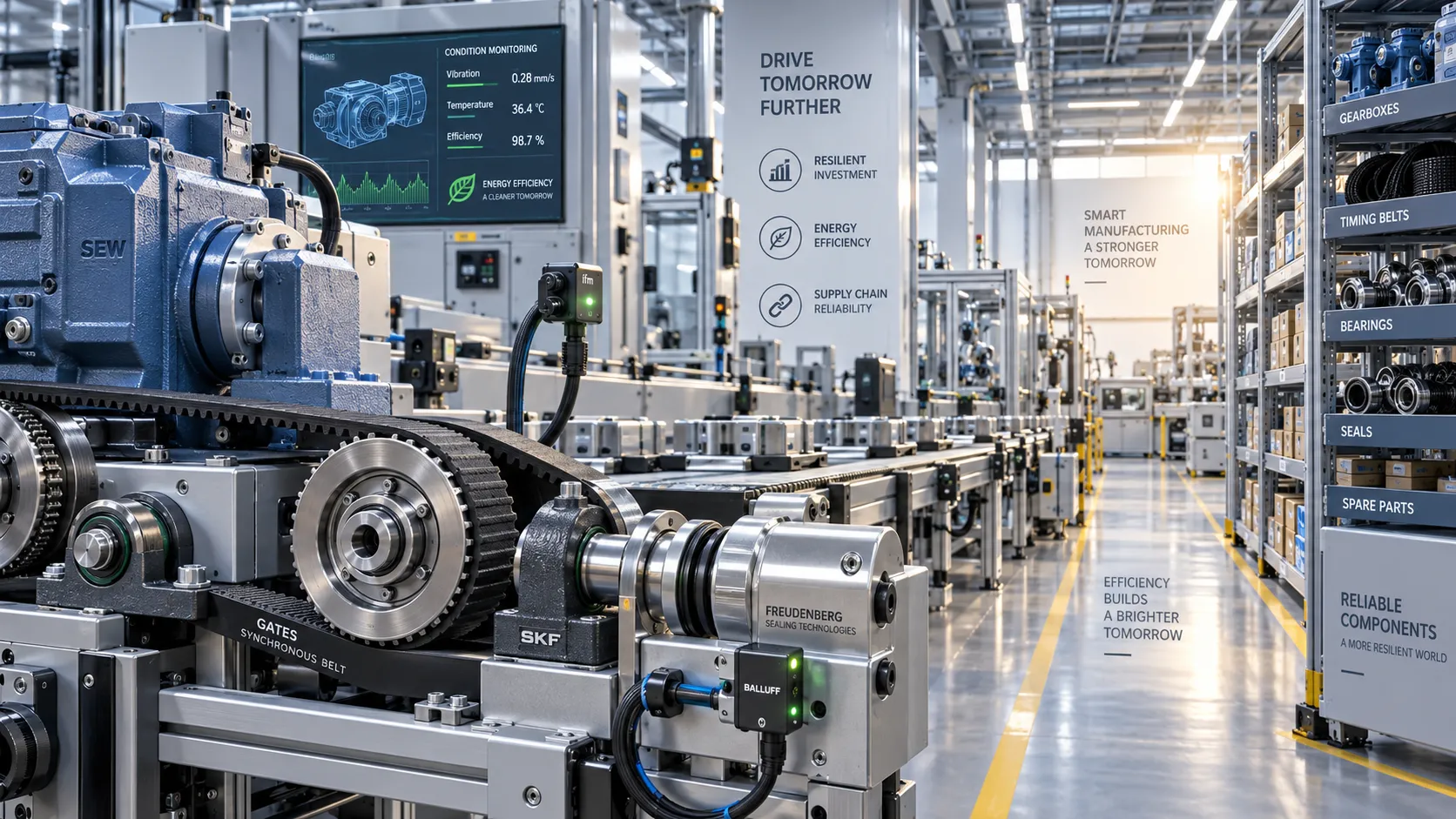
Industrial Economy Trends Shaping Capital Investment and Supply Chain Risk in 2026
Industrial economy trends for 2026 reveal how resilient capital investments, energy efficiency, and supply-chain strategies can protect uptime and strengthen returns.
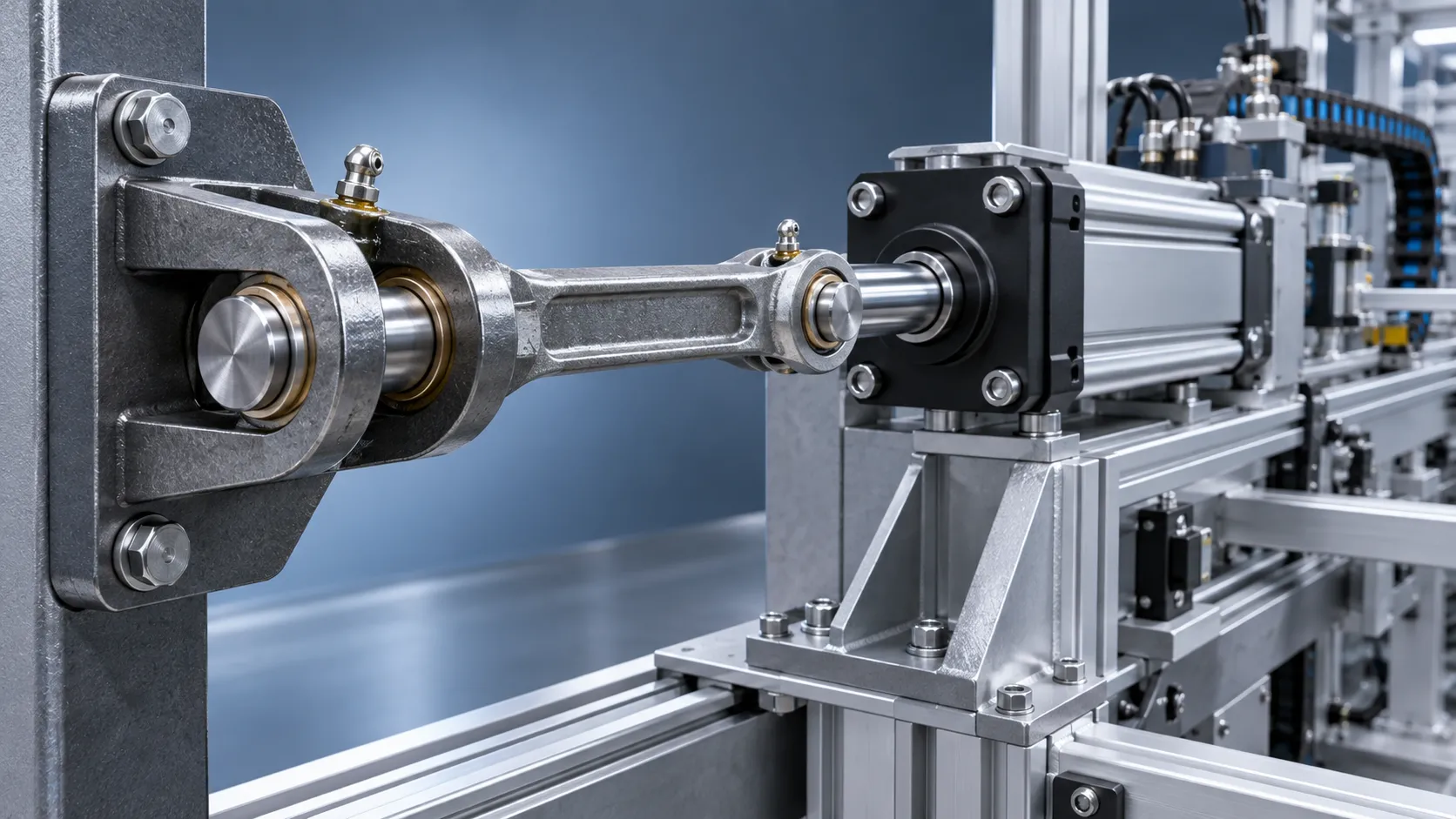
Mechanical Linkage Design: How to Balance Load Capacity, Motion Accuracy, and Wear
Mechanical linkage design guide: balance load capacity, motion accuracy, and wear with practical insights on geometry, joints, tolerances, lubrication, and service life.
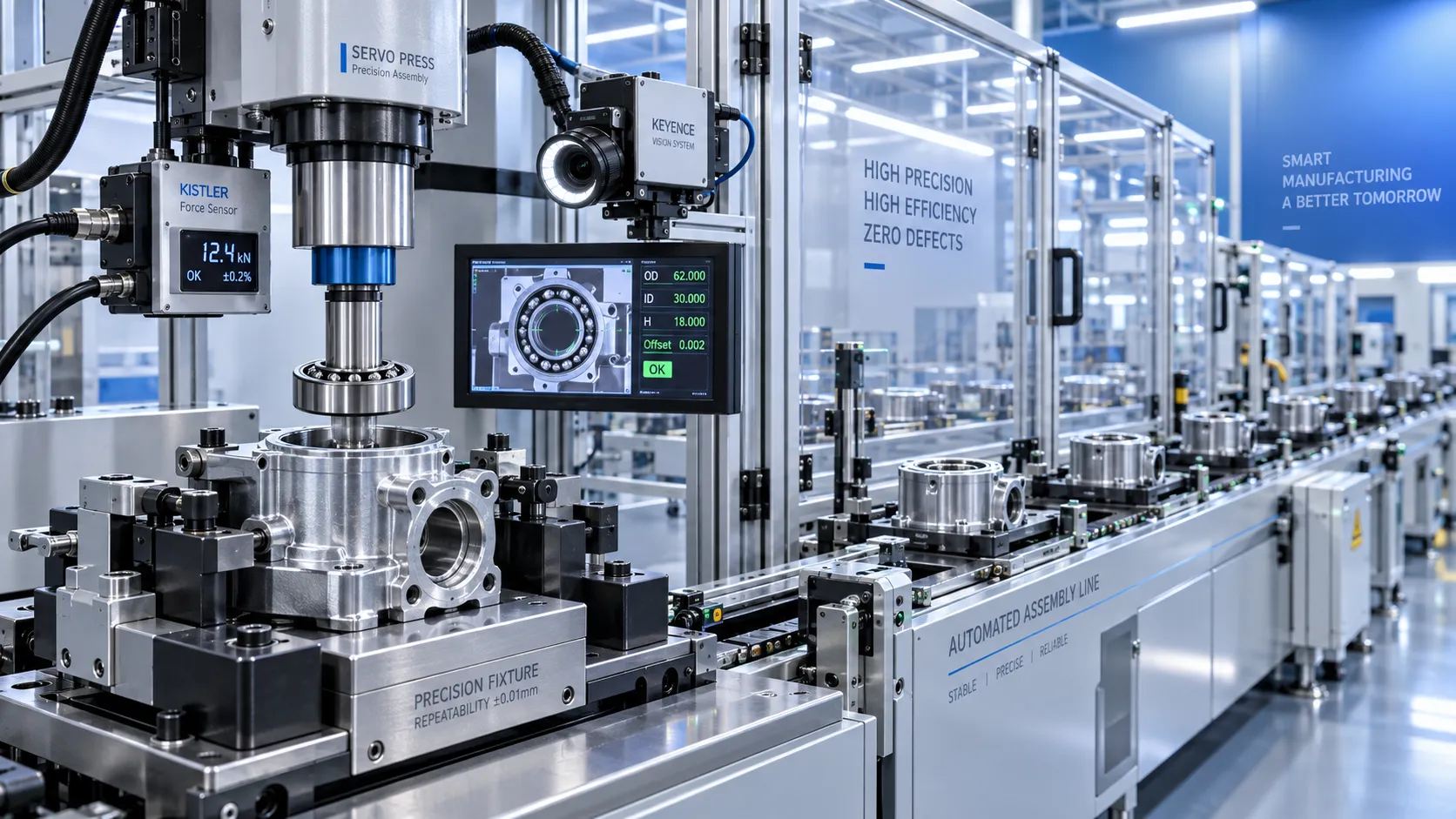
How Precision Automated Production Improves Quality Control in High-Volume Assembly
Precision automated production strengthens quality control in high-volume assembly with real-time verification, traceability, and safer defect containment.
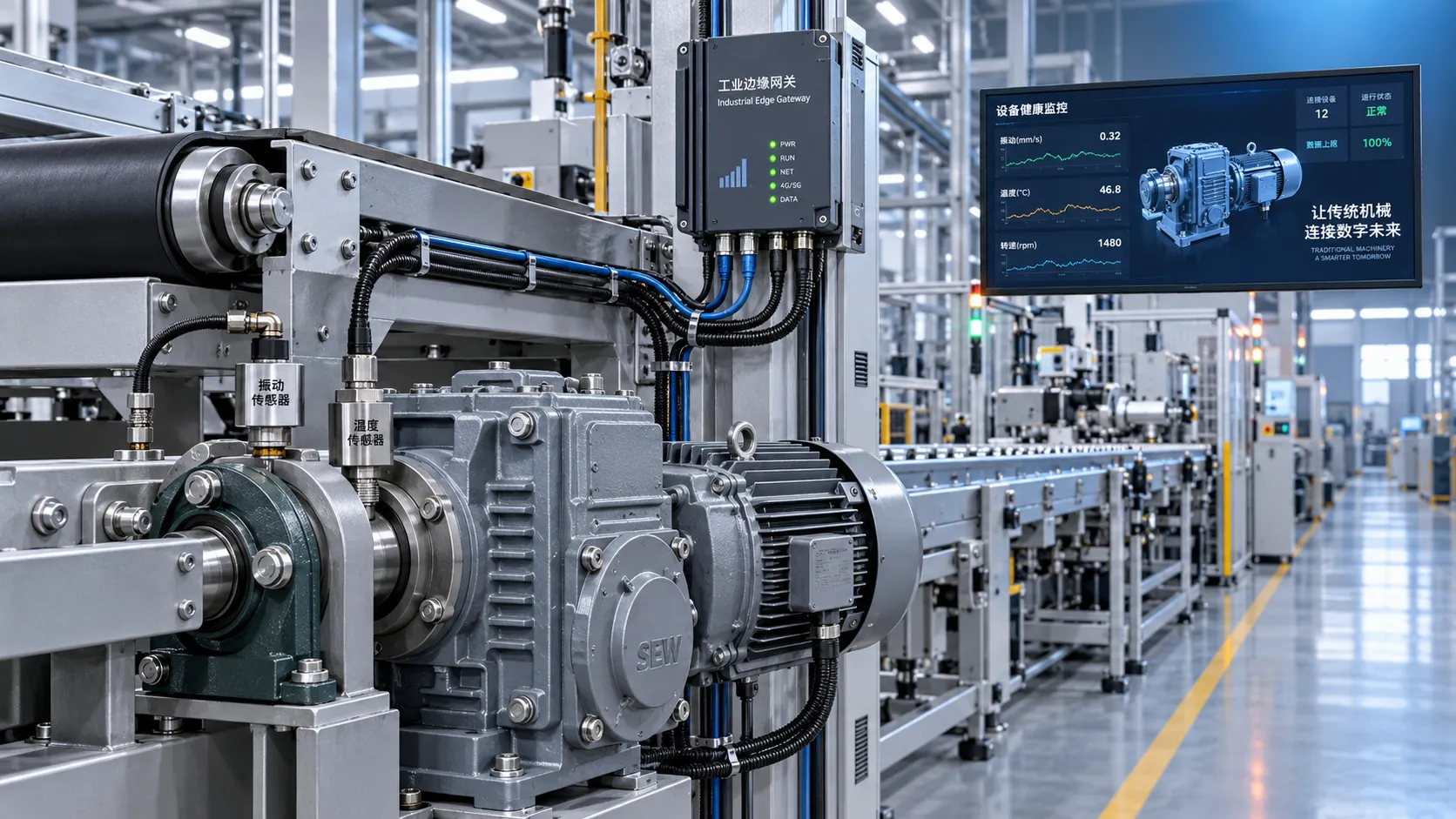
Industry 4.0 Integration: A Roadmap for Connecting Legacy Machines and Data
Industry 4.0 integration roadmap for connecting legacy machines, improving data visibility, reducing downtime, and scaling secure, measurable operational performance.
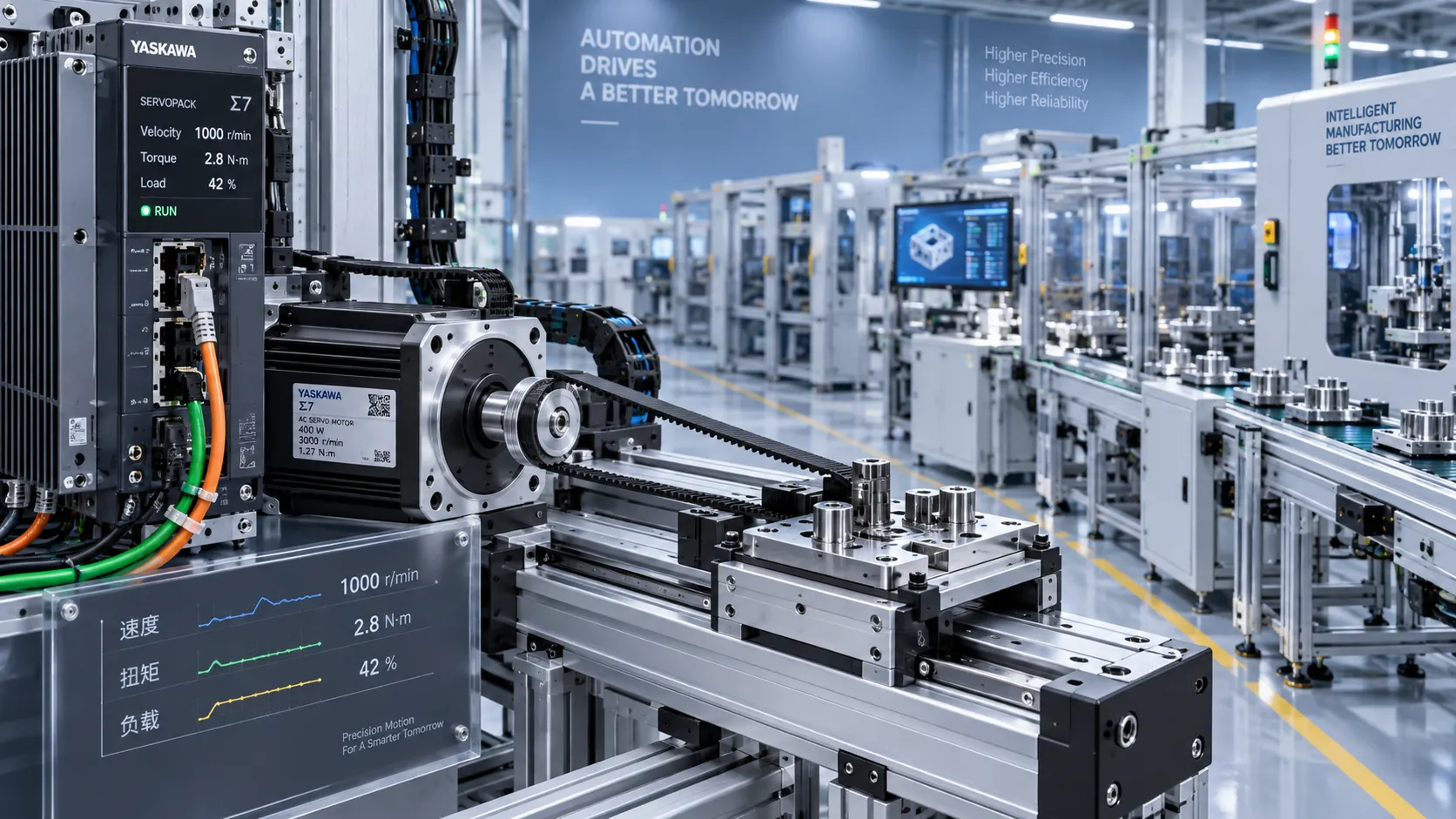
Servo Drive Comparison: Selecting Motion Control for Speed, Torque, and Load
Technical product comparison servo drives: evaluate speed, torque, inertia, safety, and control integration to select a reliable motion system with proven performance margins.
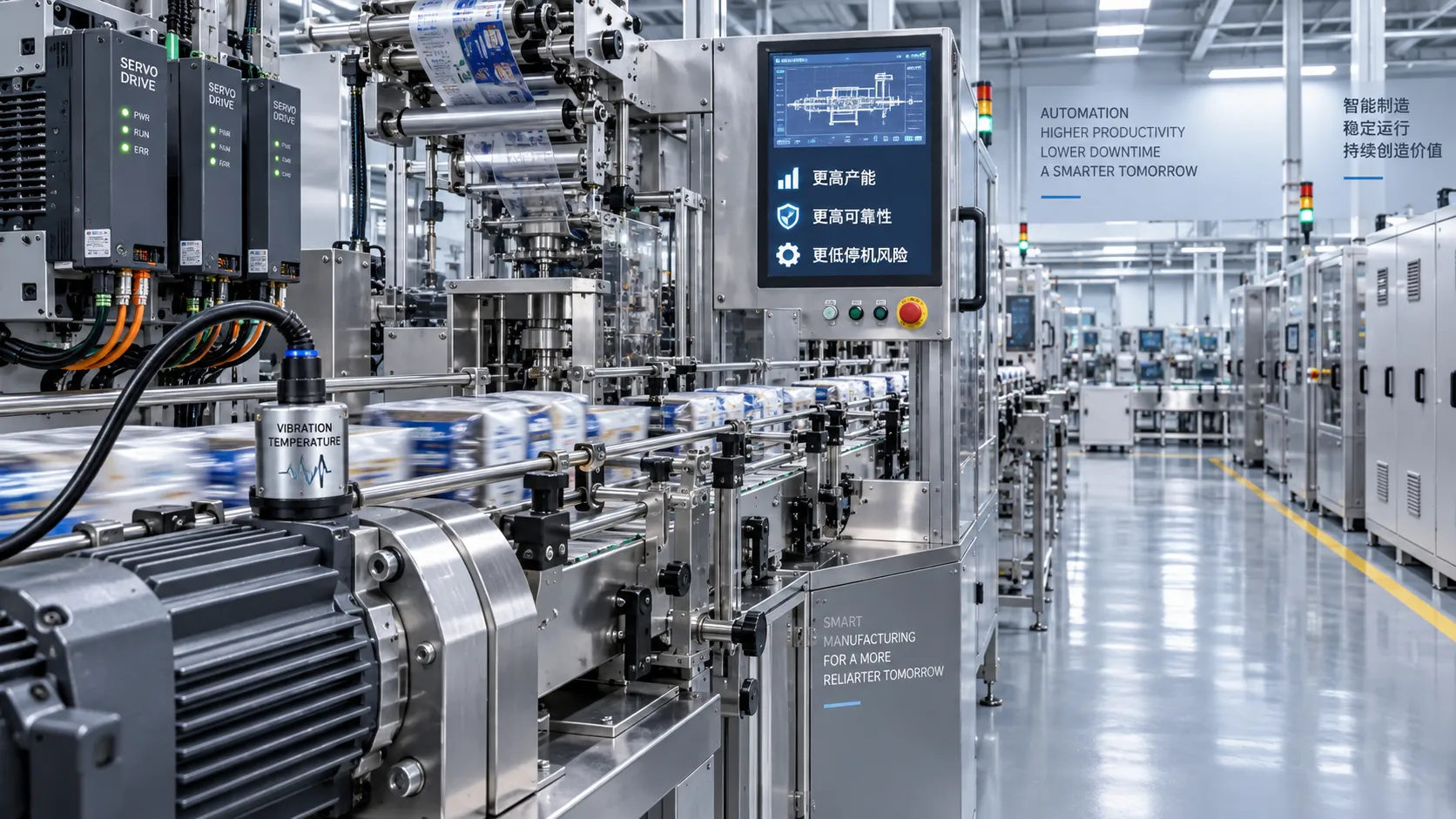
Industrial Automation Technology: How to Prioritize Upgrades by ROI and Downtime Risk
Industrial automation technology upgrades: learn to rank projects by ROI, bottleneck exposure, and downtime risk to reduce losses and make smarter capital decisions.

Selecting Low-Maintenance Chain Components for Dusty, High-Load Conveyors
Low maintenance chain components for dusty, high-load conveyors: compare seals, lubrication, materials, sprockets, and load capacity to reduce wear and downtime.
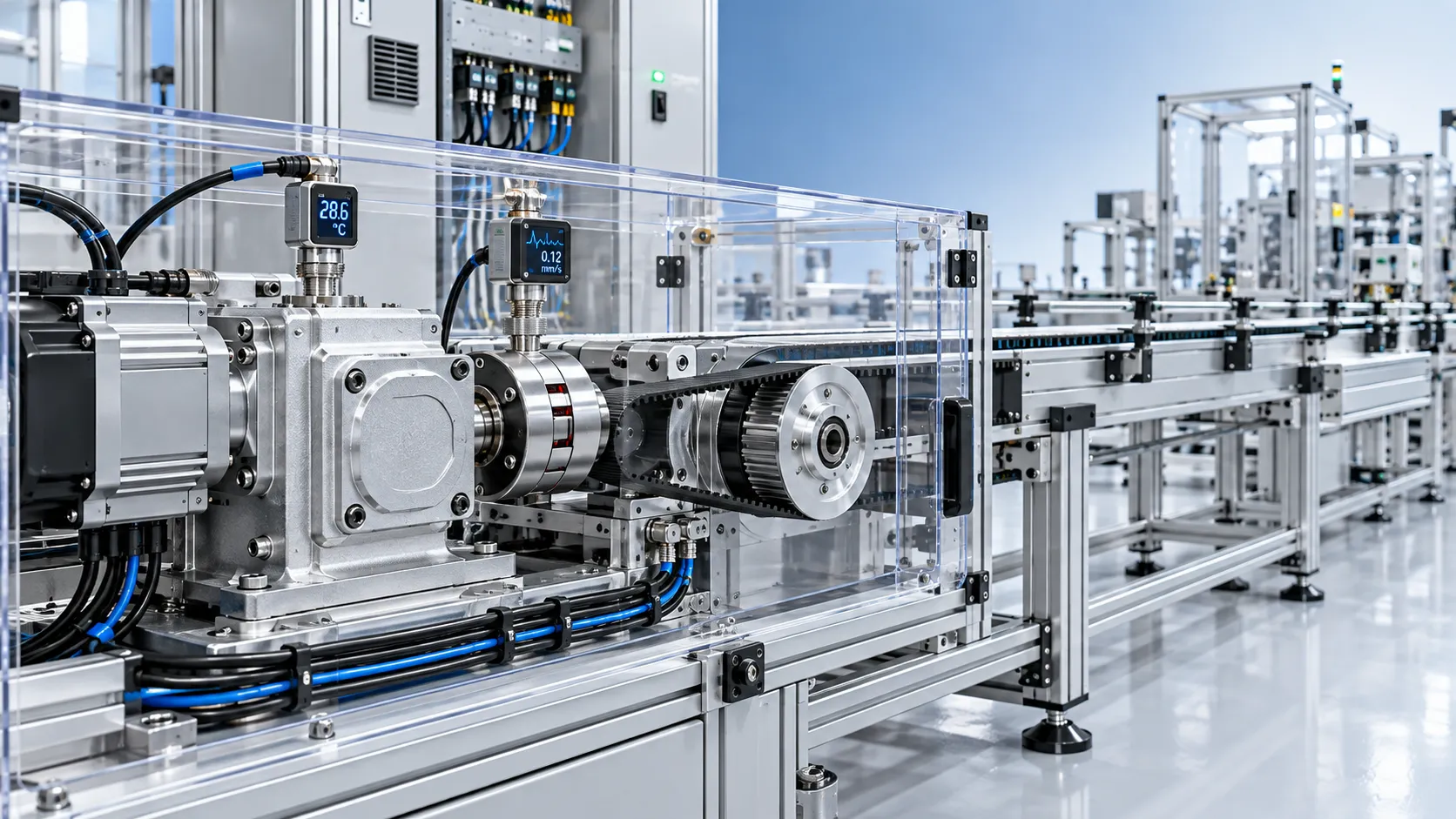
Selecting Smart Transmission Modules for Automated Lines: Control, Load, and Safety
Smart transmission modules for automated lines: evaluate control compatibility, real load demands, safety boundaries, and predictive maintenance value for reliable performance.

How to Assess Automated Packaging Production for High-Mix Manufacturing Lines
Automated production for packaging: assess changeovers, flexibility, controls, reliability, and lifecycle cost to build high-mix lines that deliver stable output.