
Industry News
Curation by industry experts
Hot Articles
Popular Tags
When reliability engineering in transmission matters most
When uptime, safety, and product consistency are on the line, reliability engineering in transmission becomes a critical discipline rather than a technical afterthought. For quality control and safety management professionals, the real question is not whether transmission reliability matters, but when it matters most, how to detect risk early, and what controls reduce failure before it affects people, output, or compliance.
The core search intent behind reliability engineering in transmission is practical and decision-oriented. Readers want to know where transmission reliability has the highest operational impact, which failure modes create the greatest safety or quality exposure, and how to evaluate components, suppliers, maintenance practices, and monitoring methods with confidence.
For quality and safety teams, the answer is clear: reliability engineering matters most when transmission failure can trigger unplanned downtime, unsafe motion, product inconsistency, contamination, cascading equipment damage, or regulatory risk. In those environments, reliability is not only a maintenance metric. It is a control layer for operational assurance.
Why transmission reliability becomes a priority before failure is visible
Many industrial failures do not begin as dramatic breakdowns. They start as small deviations in friction, alignment, tension, lubrication behavior, heat generation, vibration, or sealing performance. Transmission systems often hide these signals until damage has already spread into bearings, shafts, couplings, belts, chains, gearboxes, and driven equipment.
That hidden progression is exactly why reliability engineering in transmission matters most in critical operations. A transmission component may continue running while gradually losing efficiency, precision, and safety margin. By the time operators notice noise, slip, overheating, or unstable output, the problem may already be affecting product quality and personnel safety.
For quality control professionals, this means transmission reliability directly supports consistency. Torque instability, backlash changes, uneven speed transfer, or intermittent slippage can alter process conditions enough to create dimensional variation, coating defects, packaging errors, or inconsistent forming and handling behavior.
For safety managers, transmission reliability affects more than equipment availability. Mechanical failure can produce sudden motion, flying fragments, high temperatures, fluid leakage, loss of guarding effectiveness, or emergency stoppages under load. In high-energy systems, the boundary between reliability risk and safety risk is very thin.
When reliability engineering in transmission matters most
The highest-value application of reliability engineering appears in operations where failure consequences are expensive, dangerous, or difficult to recover from. These are not only heavy industries. Many modern automated environments depend on precise, continuous, and predictable power transfer to maintain both safety and quality targets.
First, it matters most in safety-critical production lines. If a failed reducer, belt, coupling, or seal can cause hazardous motion, dropped loads, jammed conveyors, uncontrolled start-stop behavior, or exposure during intervention, reliability engineering becomes part of the safety management system rather than a separate technical topic.
Second, it matters most in high-throughput plants where downtime costs are severe. A transmission issue in one drive stage can stop upstream feeding, downstream packaging, robotic synchronization, or material transfer. In these cases, mean time between failures and mean time to repair directly affect plant economics.
Third, it matters most in processes where product consistency is tightly linked to motion quality. Industries using precision conveying, dosing, cutting, rolling, indexing, or synchronized movement depend on stable power transmission. Small losses in transmission performance may not stop the line, but they can quietly increase scrap, rework, and customer complaints.
Fourth, reliability engineering is especially important in harsh operating environments. Dust, washdown chemicals, high humidity, abrasive particles, thermal cycling, shock loads, corrosive media, and variable speeds all accelerate degradation. Transmission systems in these settings require reliability design choices that go beyond standard catalog selection.
Fifth, it matters most where maintenance access is limited or shutdown windows are short. Offshore systems, remote facilities, continuous-process plants, and highly utilized automated cells cannot depend on reactive replacement. Reliability engineering helps teams predict service intervals, prioritize inspection points, and avoid surprise failures.
Finally, transmission reliability matters most when organizations are under strong compliance, audit, or customer assurance pressure. If a failure can affect traceability, process capability, contamination risk, worker safety records, or delivery commitments, the transmission system becomes a strategic quality and governance issue.
What quality control and safety managers care about most
Quality control teams rarely ask only whether a component is durable. They ask whether it stays stable over time, under real load, and across operating variations. Reliability engineering in transmission helps answer whether the system will perform within acceptable tolerance, not merely whether it will keep moving.
That distinction matters. A drive component can remain technically functional while already causing process drift. Belt elongation, coupling wear, reducer backlash growth, lubrication contamination, or seal degradation can reduce process repeatability long before total failure appears. This is where quality losses often begin.
Safety managers, meanwhile, focus on consequence pathways. They need to understand how transmission degradation can lead to unsafe energy release, lockout complications, heat buildup, seizure, broken fragments, leaks, fire risk, or intervention hazards during manual clearing and restart. Their concern is not just reliability. It is exposure.
Both groups also care deeply about detectability. A known failure mode is easier to manage than a hidden one. Therefore, the most useful reliability programs identify which transmission risks provide early warning signals and which fail abruptly with little visible progression.
Another major concern is supplier credibility. Teams want evidence that material selection, fatigue performance, tribology behavior, sealing integrity, and manufacturing consistency have been validated under realistic conditions. Reliability claims based only on nominal ratings are rarely enough for critical applications.
Which failure modes create the biggest operational and safety risks
Different transmission architectures fail in different ways, but several patterns repeatedly create major disruption. Misalignment is one of the most common root causes. It increases vibration, uneven load distribution, heat, premature bearing wear, seal damage, and coupling stress. It can also distort condition monitoring data if not recognized early.
Lubrication failure is another high-impact issue. Incorrect lubricant type, contamination, over-lubrication, under-lubrication, or temperature-driven viscosity change can accelerate wear across gears, bearings, and seals. Because lubrication performance influences both friction and heat, small errors can scale quickly into system damage.
Fatigue-related failures are particularly important in cyclic loading applications. Shafts, gear teeth, chains, belts, and couplings may survive average conditions but fail under repeated peak loads, shock loading, misalignment, or resonance. These failures are dangerous because damage can accumulate invisibly until a critical threshold is crossed.
Sealing failure also deserves attention. In many industries, a compromised seal is not just a leak issue. It can allow contamination ingress, lubricant loss, environmental release, hygiene problems, and accelerated mechanical wear. For safety-sensitive and quality-sensitive operations, seal reliability often has outsized importance.
Thermal overload, tension errors, backlash growth, corrosion, and installation damage are also frequent contributors. The practical point for readers is this: reliability engineering is valuable because it links these physical degradation mechanisms to inspection plans, design controls, maintenance intervals, and supplier requirements.
How to evaluate whether a transmission system is reliable enough for the application
A reliable transmission system is not simply one with high theoretical strength. It is one whose actual operating profile has been understood and matched with suitable materials, geometry, lubrication, sealing, tolerances, monitoring, and maintenance support. Evaluation must begin with application reality, not brochure assumptions.
Start with consequence analysis. Ask what happens if the transmission loses speed accuracy, torque capacity, alignment, lubrication integrity, or containment. Does the event create a safety hazard, quality deviation, production stop, environmental incident, or expensive secondary damage? The answer determines how rigorous controls must be.
Next, review load characteristics. Average load is not enough. Reliability engineering in transmission depends on shock loads, startup torque, reversing cycles, duty cycle, speed variation, thermal exposure, contamination level, and maintenance accessibility. Many failures come from underestimating these real-world conditions.
Then assess failure detectability. Can vibration, temperature, oil analysis, acoustic behavior, wear debris, or tension change reveal degradation early? Or is the component likely to fail suddenly? Systems with low detectability need stronger preventive controls, more conservative design margins, or redundancy where feasible.
Quality and safety professionals should also examine installation sensitivity. Some transmission technologies perform well only when alignment, tensioning, lubrication, and fitment practices are tightly controlled. If the plant environment cannot reliably maintain those conditions, the nominally superior option may not be the safest operational choice.
Finally, require evidence. Useful evidence includes field performance history, failure mode analysis, application-specific test data, material traceability, dimensional consistency records, and maintenance recommendations tied to realistic operating envelopes. Reliability is strongest when design intent and operational discipline reinforce each other.
What an effective reliability engineering approach looks like in practice
In practice, the best reliability programs are cross-functional. Engineering defines critical loads and design margins. Maintenance tracks degradation signals. Quality teams monitor process effects. Safety teams evaluate exposure and intervention risk. Procurement verifies supplier capability. Reliability engineering in transmission succeeds when these functions share one risk picture.
A practical starting point is asset criticality ranking. Not every pulley, gearbox, or coupling deserves the same level of attention. Focus first on transmission components whose failure would create the highest combined impact on safety, quality, uptime, and repair cost. This prevents teams from spreading effort too thinly.
After ranking, build a failure mode map for each critical transmission stage. Identify the likely degradation pathways, warning signals, inspection methods, and consequence levels. This step is especially useful for quality and safety leaders because it translates engineering detail into operational control points.
Condition monitoring should then be matched to failure behavior. Vibration analysis, thermal imaging, lubricant analysis, ultrasonic inspection, alignment verification, tension measurement, and visual wear checks all have value, but only when linked to known risks. Monitoring without decision thresholds creates data, not assurance.
Maintenance strategy is the next layer. Time-based replacement may work for some consumable transmission elements, but condition-based intervention is often better for critical assets. The goal is not to change parts as often as possible. It is to intervene before functional degradation becomes quality loss or safety exposure.
Documented installation control is equally important. Many transmission problems originate during assembly or replacement, not during normal running. Torque settings, alignment procedures, lubrication cleanliness, belt tensioning methods, and seal handling standards should be controlled with the same seriousness as process quality checks.
Common mistakes that weaken transmission reliability programs
One common mistake is treating transmission components as commodity items. In non-critical applications, that may be acceptable. But where safety, consistency, and uptime matter, small differences in material quality, heat treatment, sealing design, surface finish, and manufacturing precision can produce major reliability differences over time.
Another mistake is relying too heavily on reactive indicators. If teams wait for noise, visible wear, leakage, or operator complaints before acting, they are usually late. By then, quality drift or secondary damage may already be present. Strong reliability engineering depends on leading indicators, not only obvious symptoms.
Organizations also fail when they separate safety incidents from reliability signals. A near miss during jam clearing, an overheated drive guard, or a repeated nuisance trip may indicate deeper transmission degradation. These events should feed back into reliability review rather than remain isolated in separate reporting channels.
Overlooking environmental stress is another frequent problem. A component that performs well in a clean test condition may behave very differently under washdown, abrasive dust, temperature swings, or variable loading. Transmission reliability must be validated in the actual context where the system lives.
Finally, many teams underestimate the value of post-failure learning. Every failed transmission component contains information. If root cause analysis stops at “part worn out,” the organization misses the chance to improve alignment practices, lubrication control, duty-cycle assumptions, supplier selection, or condition monitoring thresholds.
Why this discipline matters even more in automated and high-efficiency plants
As manufacturing systems become more automated, more energy-dense, and more interconnected, the consequences of transmission failure increase. Automated lines depend on precise synchronization, repeatable motion, and minimal interruption. A reliability weakness in one mechanical link can quickly become a system-wide disturbance.
At the same time, modern efficiency programs often push assets harder. Higher utilization, reduced maintenance windows, leaner inventories, and tighter process tolerances leave less room for unnoticed degradation. In this environment, reliability engineering in transmission becomes a frontline discipline for resilience, not a backroom specialty.
For organizations pursuing Industry 4.0 and green manufacturing goals, the discipline also supports energy performance. Poor alignment, excess friction, lubrication issues, and worn transmission components waste power before total failure occurs. Reliability engineering therefore contributes not only to uptime and safety, but also to efficiency and sustainability.
Conclusion
When does reliability engineering in transmission matter most? It matters most where failure consequences are high, warning signs may be subtle, and transmission performance directly shapes safety, uptime, and product consistency. For quality control and safety management professionals, this is a practical risk-management issue, not a theoretical engineering debate.
The most effective approach is to focus on consequence, failure modes, detectability, installation control, and real operating conditions. When these factors are managed systematically, transmission reliability becomes a source of operational confidence. When they are ignored, even small mechanical weaknesses can grow into major quality, safety, and business losses.
In other words, transmission reliability matters most before failure becomes visible. The organizations that understand this are better positioned to protect people, stabilize quality, reduce downtime, and make smarter decisions about components, suppliers, and maintenance strategy.
Recommended News
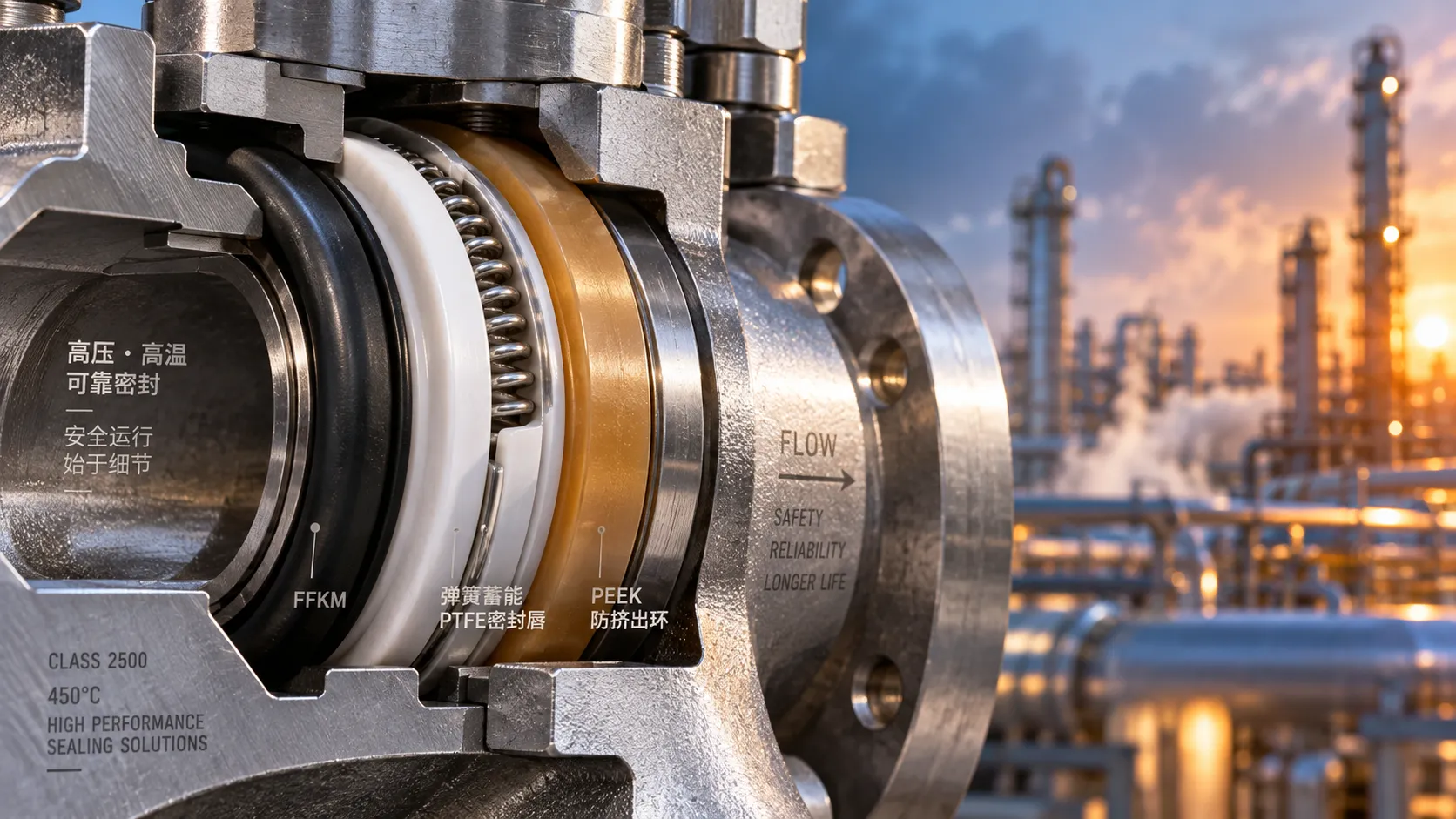
Which New Seal Materials Perform Best in High-Pressure, High-Temperature Service?
Industrial material breakthroughs for seals: compare FFKM, filled PTFE, PEEK, graphite, and metal options for reliable high-pressure, high-temperature service.
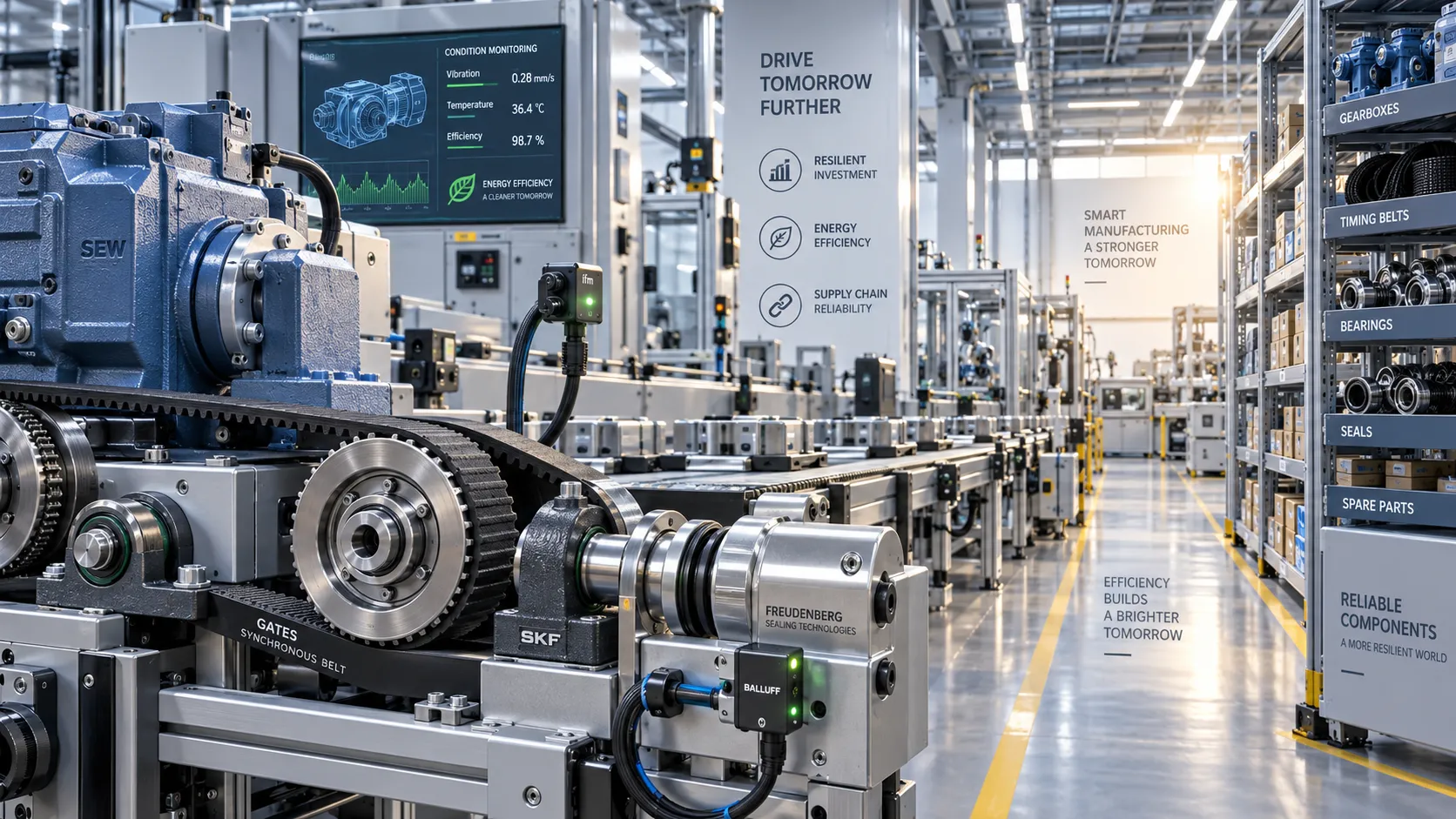
Industrial Economy Trends Shaping Capital Investment and Supply Chain Risk in 2026
Industrial economy trends for 2026 reveal how resilient capital investments, energy efficiency, and supply-chain strategies can protect uptime and strengthen returns.
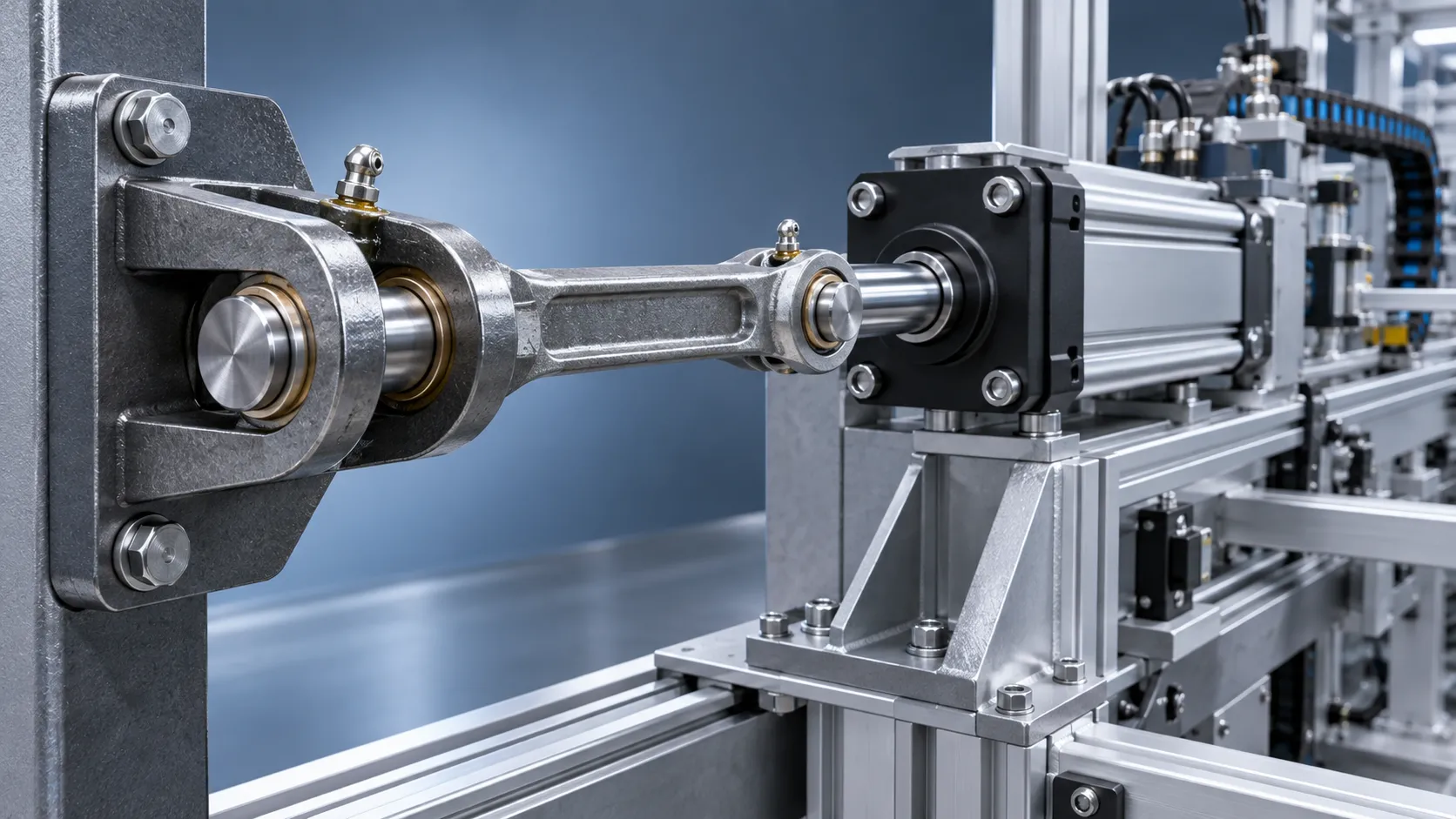
Mechanical Linkage Design: How to Balance Load Capacity, Motion Accuracy, and Wear
Mechanical linkage design guide: balance load capacity, motion accuracy, and wear with practical insights on geometry, joints, tolerances, lubrication, and service life.
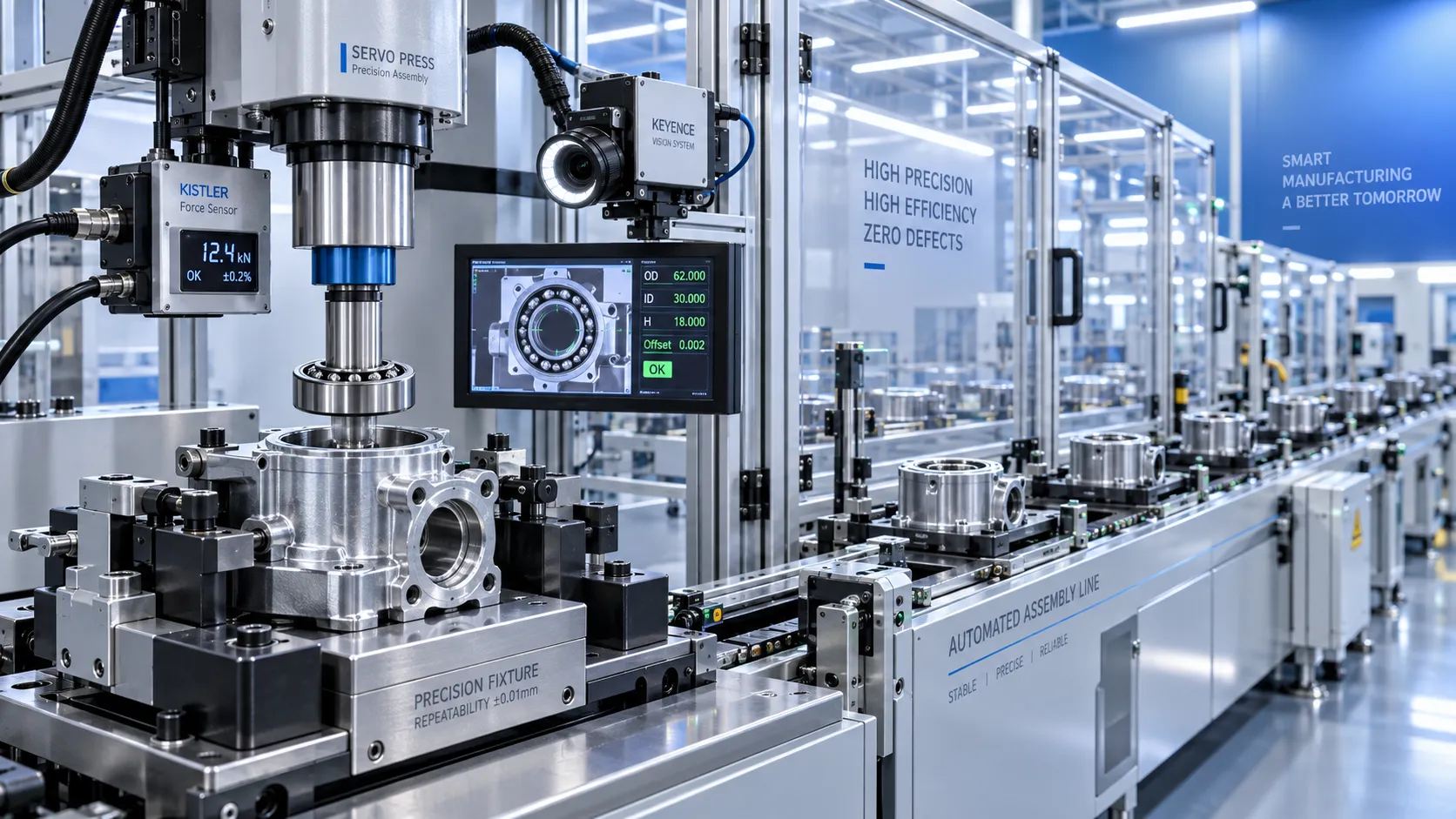
How Precision Automated Production Improves Quality Control in High-Volume Assembly
Precision automated production strengthens quality control in high-volume assembly with real-time verification, traceability, and safer defect containment.
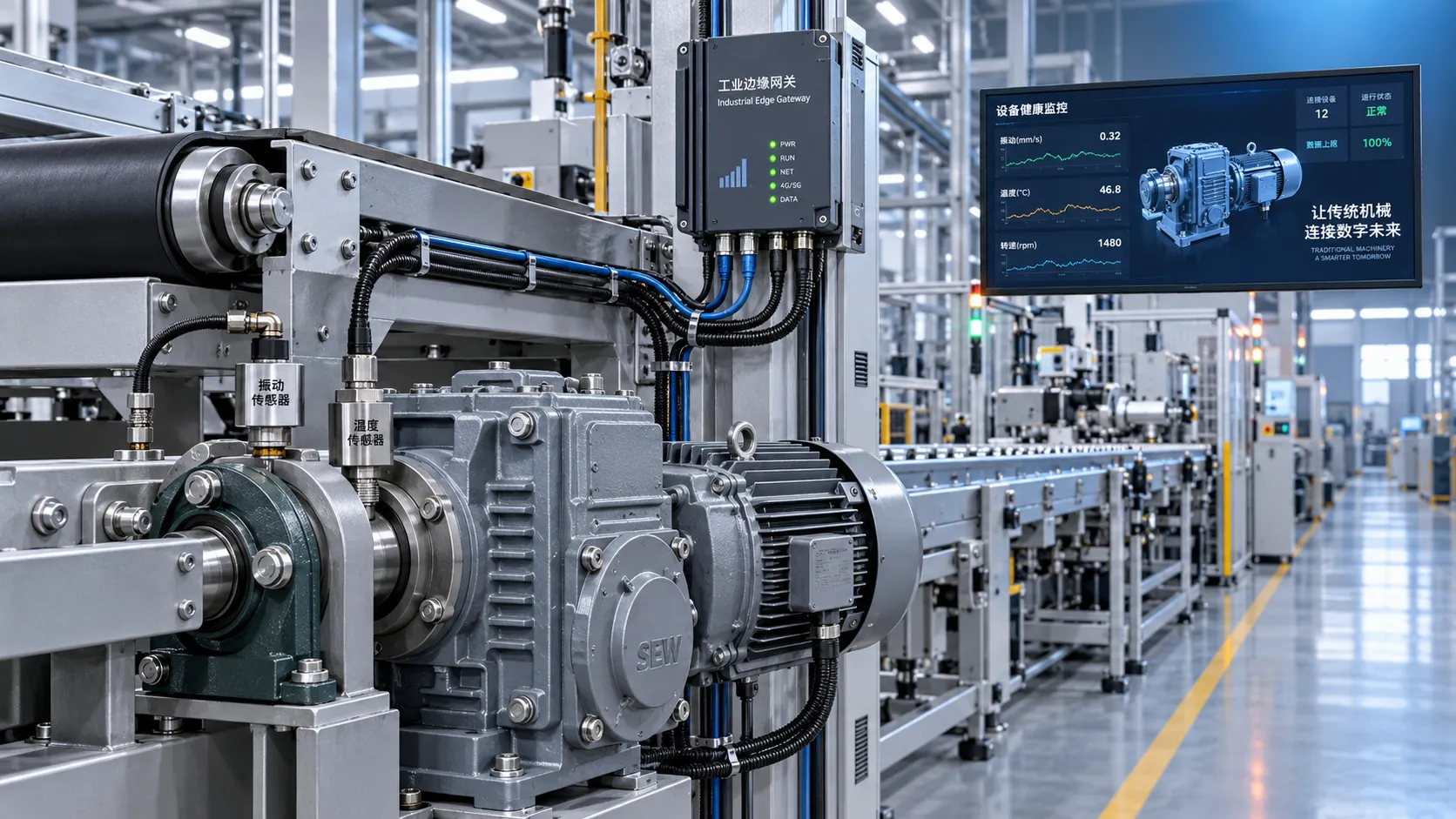
Industry 4.0 Integration: A Roadmap for Connecting Legacy Machines and Data
Industry 4.0 integration roadmap for connecting legacy machines, improving data visibility, reducing downtime, and scaling secure, measurable operational performance.
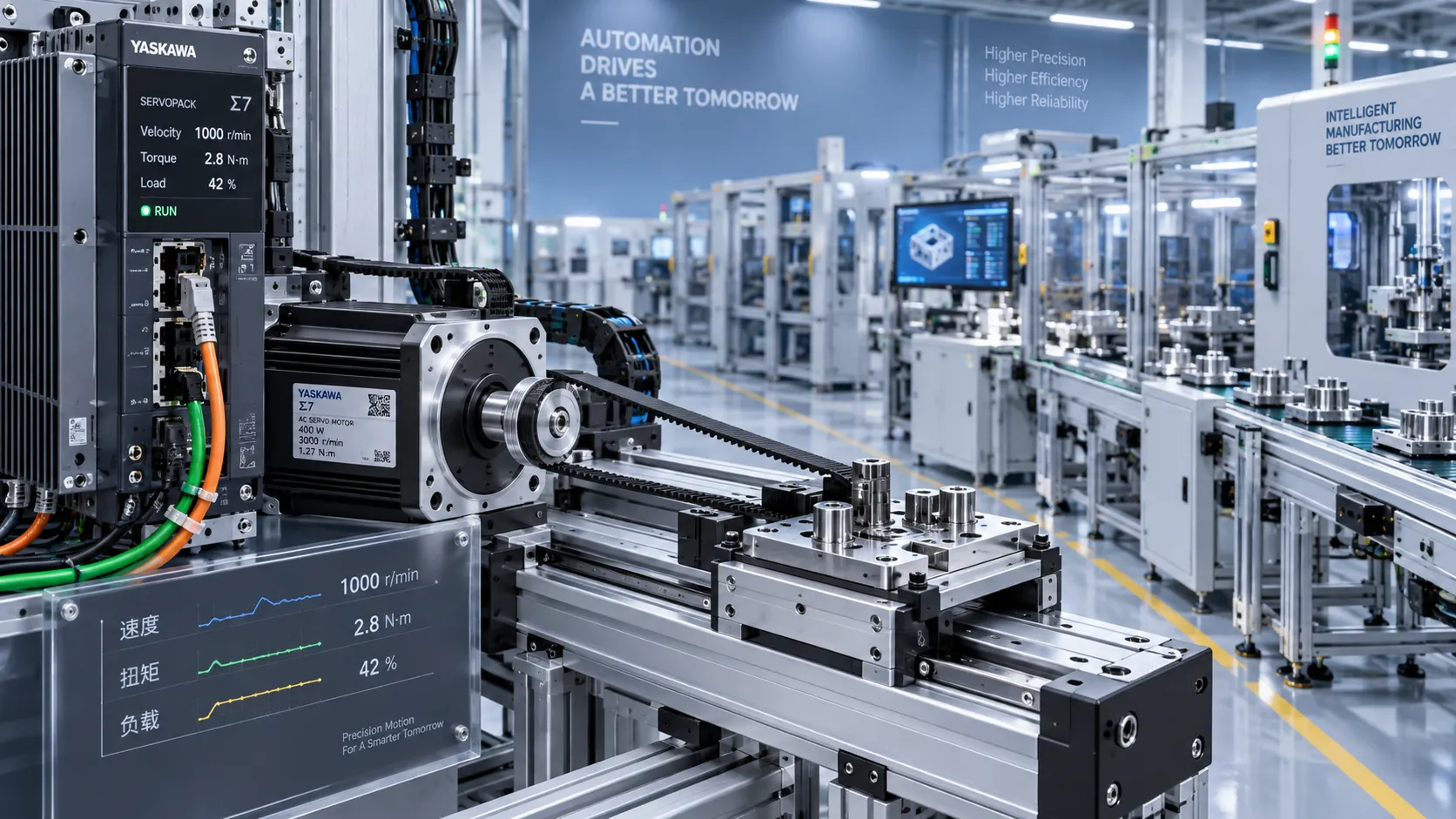
Servo Drive Comparison: Selecting Motion Control for Speed, Torque, and Load
Technical product comparison servo drives: evaluate speed, torque, inertia, safety, and control integration to select a reliable motion system with proven performance margins.

Industrial Automation Technology: How to Prioritize Upgrades by ROI and Downtime Risk
Industrial automation technology upgrades: learn to rank projects by ROI, bottleneck exposure, and downtime risk to reduce losses and make smarter capital decisions.

Selecting Low-Maintenance Chain Components for Dusty, High-Load Conveyors
Low maintenance chain components for dusty, high-load conveyors: compare seals, lubrication, materials, sprockets, and load capacity to reduce wear and downtime.
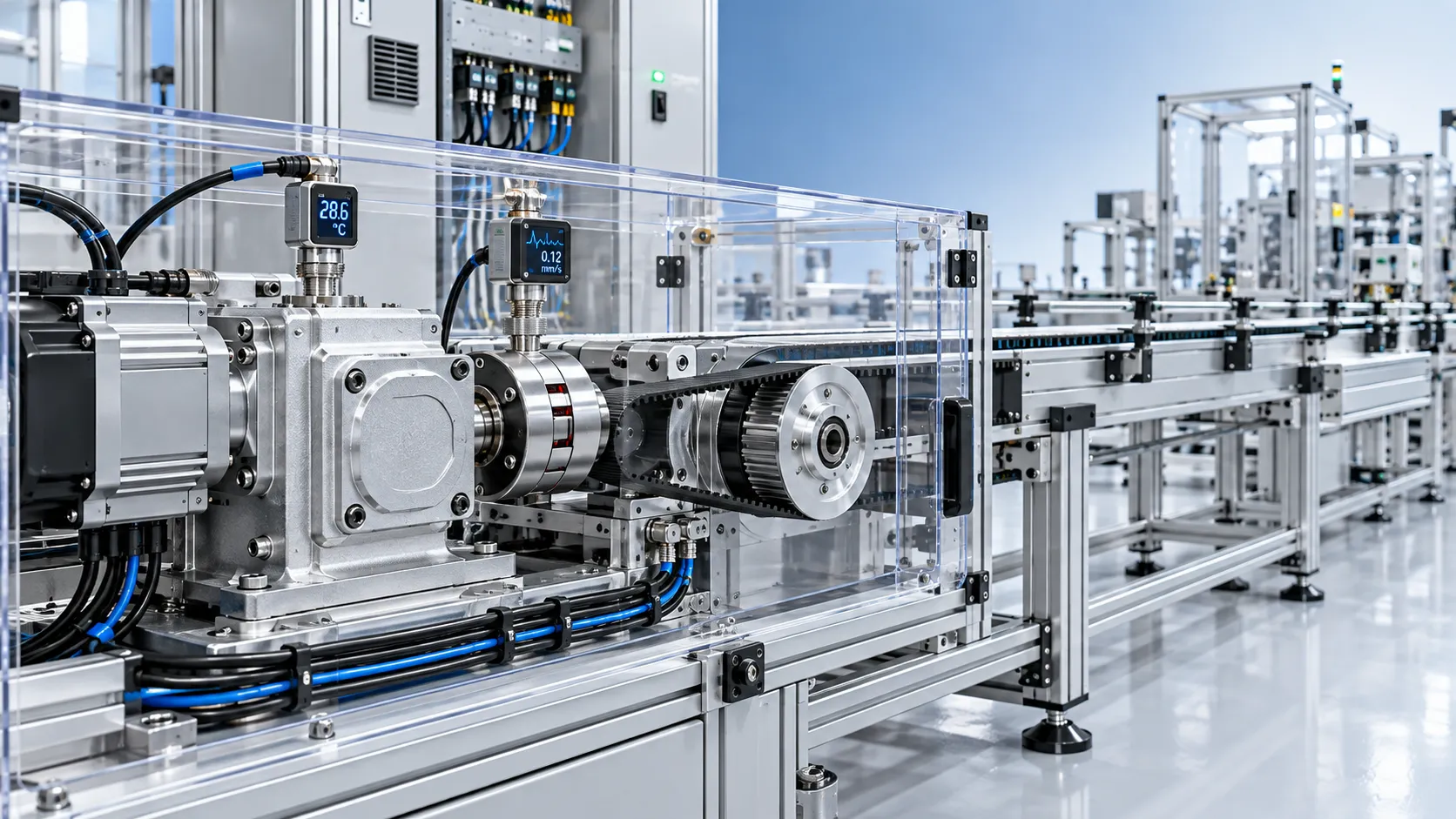
Selecting Smart Transmission Modules for Automated Lines: Control, Load, and Safety
Smart transmission modules for automated lines: evaluate control compatibility, real load demands, safety boundaries, and predictive maintenance value for reliable performance.