
Industry News
Curation by industry experts
Hot Articles
Popular Tags
How extreme condition mechanical systems fail in harsh use
Why do extreme condition mechanical systems fail when design margins look safe in calculations? In harsh use, failure rarely comes from one overload event alone. It usually develops through interacting stresses: rising temperature, unstable lubrication films, abrasive contamination, shock loading, corrosion, and repeated fatigue. These effects shift real operating conditions away from laboratory assumptions. Understanding that shift is essential when evaluating reliability, service life, and design robustness across industrial equipment, power transmission assemblies, and critical sealing systems.
Why a checklist is necessary for harsh-use failure analysis
A checklist prevents analysis from focusing only on the broken part. Most extreme condition mechanical systems fail through system-level interactions, not isolated component weakness. Bearings, gears, belts, couplings, shafts, seals, housings, and lubricants influence one another.
It also improves decision quality. A structured review helps compare field conditions, maintenance history, contamination sources, duty cycles, and material limits before assigning root cause or specifying a replacement design.
Core checklist for how extreme condition mechanical systems fail
Use the following checklist to assess failure risk in extreme condition mechanical systems operating under heat, dust, moisture, shock, or continuous heavy duty.
- Verify actual loads, not nameplate loads, including startup peaks, braking torque, impact spikes, resonance, and misalignment forces that raise local stress far above design assumptions.
- Measure thermal behavior across bearings, seals, gear meshes, and housings, because trapped heat reduces viscosity, accelerates oxidation, and weakens clearances and material strength.
- Inspect lubrication regime by checking viscosity grade, additive stability, relubrication interval, starvation risk, foaming, and film collapse during low-speed high-load conditions.
- Track contamination entry paths such as dust, slurry, metal fines, water ingress, and process chemicals, since particles and fluids quickly destroy surfaces and sealing integrity.
- Check alignment tolerance on shafts, pulleys, couplings, and gearboxes, because small angular or parallel errors create edge loading, vibration growth, and premature fatigue.
- Review material compatibility with temperature, corrosion, and cyclic stress, especially where elastomers harden, coatings spall, or hardened surfaces lose fatigue resistance.
- Compare operating duty cycle with catalog rating, including stop-start frequency, reversing motion, overload duration, and standby heat soak that standard ratings may not capture.
- Examine surface damage patterns such as scoring, pitting, smearing, micropitting, fretting, and discoloration to separate lubrication failure from overload or contamination.
- Assess sealing performance under pressure fluctuations and shaft movement, because many harsh-use failures begin when seals lose contact stability and allow ingress.
- Validate installation and maintenance practices, including torque settings, cleanliness, storage conditions, and fit tolerances that can shorten life before service even begins.
What failure progression usually looks like
In many extreme condition mechanical systems, failure begins with a small performance deviation. A seal leaks slightly, a lubricant runs hotter, or a shaft alignment shifts after repeated thermal cycling.
That deviation then multiplies damage. Lower lubricant viscosity increases metal contact. Wear particles contaminate the contact zone. Friction rises again, generating even more heat and more wear.
Eventually, a visible event appears: bearing seizure, gear tooth fracture, belt tooth shear, coupling element cracking, or mechanical seal face collapse. The final break is often only the last stage.
Scenario notes across demanding applications
High-temperature processing equipment
Heat changes nearly every design assumption. Lubricants thin out, grease bleeds, elastomers harden, and clearances move outside intended ranges. Even small thermal gradients can distort housings and shafts.
For high-temperature extreme condition mechanical systems, thermal mapping matters more than average temperature alone. Local hotspots often explain why one bearing or seal fails while adjacent parts survive.
Dusty mining and bulk material handling
Dust creates a double risk: abrasion and sealing overload. Fine particles enter through breathers, worn lips, damaged labyrinths, or poor maintenance handling, then grind surfaces under load.
In these extreme condition mechanical systems, contamination control usually delivers more life than simply choosing a stronger metal grade. Exclusion and cleanliness often beat oversizing.
Wet, corrosive, or washdown environments
Water ingress destroys lubricant films and supports corrosion fatigue. Cleaning chemicals may also attack seal materials, adhesives, and protective coatings that looked acceptable in dry testing.
Where extreme condition mechanical systems face washdown or chemical exposure, material pairing is critical. Stainless parts alone do not solve compatibility problems if lubricants and elastomers degrade first.
Shock-loaded drives and intermittent heavy torque
Repeated impact loading drives crack initiation at keyways, gear roots, spline contacts, and coupling hubs. Standard average torque values hide these short but damaging spikes.
For shock-prone extreme condition mechanical systems, transient measurement is more useful than steady-state data. If peaks are invisible, the chosen safety factor may be misleading.
Commonly overlooked risks
Underrating startup and shutdown stress
Many failures occur outside stable running conditions. Boundary lubrication, torsional oscillation, and uneven thermal expansion are worst during transitions, not at nominal speed.
Assuming contamination is visible
Micron-sized particles can cause severe wear before operators see dirt. Oil analysis, filter inspection, and ferrography often reveal hidden damage earlier than visual checks.
Treating catalog life as field life
Published ratings depend on defined test conditions. Real extreme condition mechanical systems face mixed lubrication, contamination, thermal distortion, and duty cycle variation that reduce actual life.
Replacing parts without correcting the cause
A stronger bearing, harder gear, or tighter seal may still fail if heat, misalignment, or ingress remains unchanged. Corrective action must target the damaging mechanism.
Practical execution steps
- Collect operating evidence first: temperature trend, vibration history, lubricant samples, load events, maintenance records, and photos of wear patterns before disassembly alters clues.
- Map the failure chain from environment to component response, linking heat, contamination, load, alignment, and lubrication rather than naming only the fractured part.
- Prioritize controls with the highest leverage: improve sealing, stabilize lubrication, reduce transient overload, correct fits, and remove contamination entry points.
- Retest under realistic duty conditions, including startup, low-speed torque, washdown, ambient extremes, and shock events that laboratory acceptance may have excluded.
- Standardize review criteria across similar assets so recurring harsh-use failures become comparable, searchable, and easier to prevent in future design revisions.
Conclusion and next action
The main lesson is simple: extreme condition mechanical systems do not fail only because a single part was weak. They fail because real operating stresses combine in ways that ratings, averages, and isolated calculations may not show.
Use a checklist-based review to evaluate load peaks, thermal behavior, lubrication stability, contamination paths, sealing integrity, alignment, and material compatibility together. That approach improves root-cause accuracy and supports better design, maintenance, and component selection decisions.
For deeper industrial intelligence, GPT-Matrix tracks reliability evolution in power transmission, motion control, and critical sealing technologies, helping harsh-environment assessments move from assumption to evidence.
Recommended News
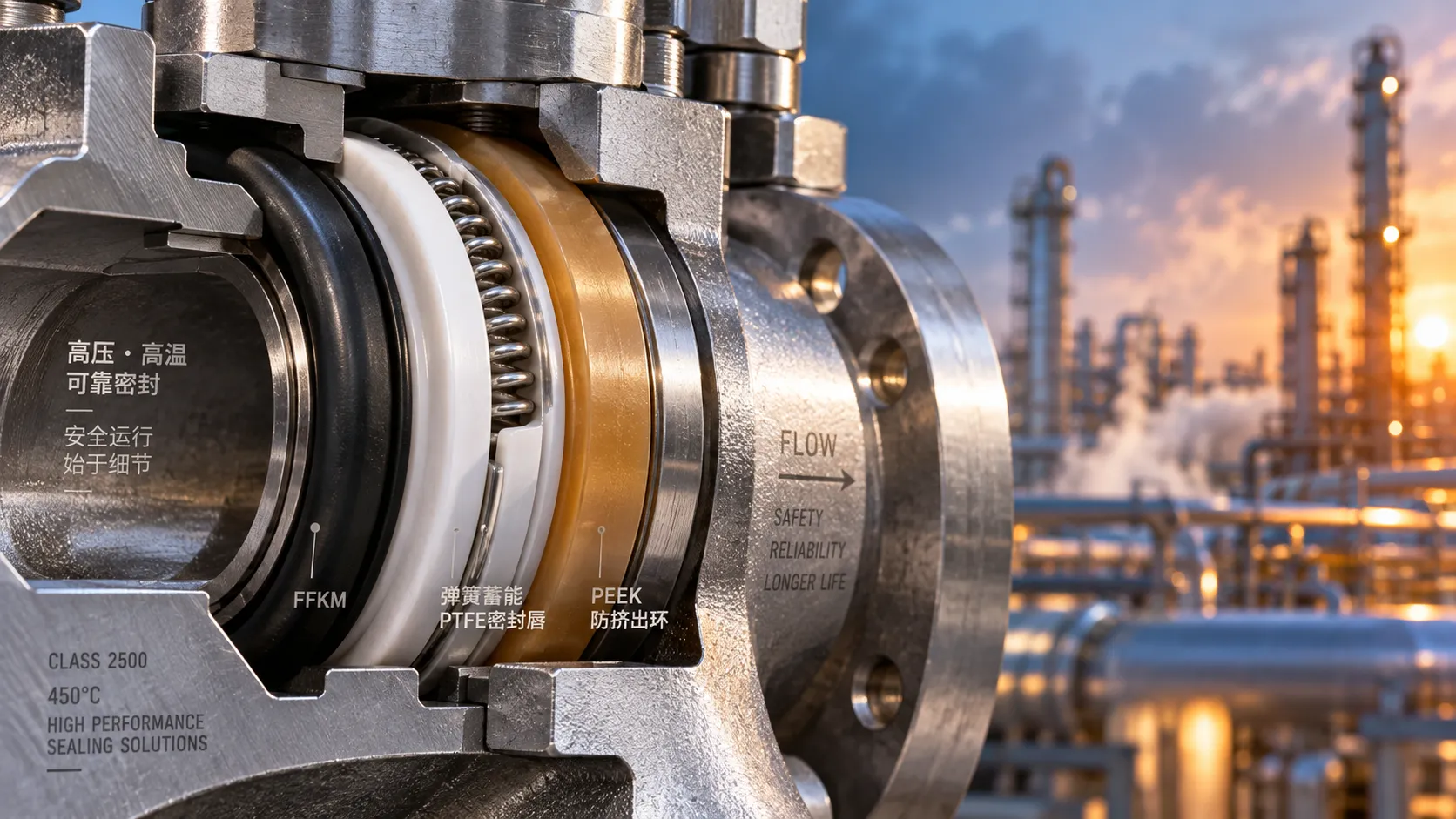
Which New Seal Materials Perform Best in High-Pressure, High-Temperature Service?
Industrial material breakthroughs for seals: compare FFKM, filled PTFE, PEEK, graphite, and metal options for reliable high-pressure, high-temperature service.
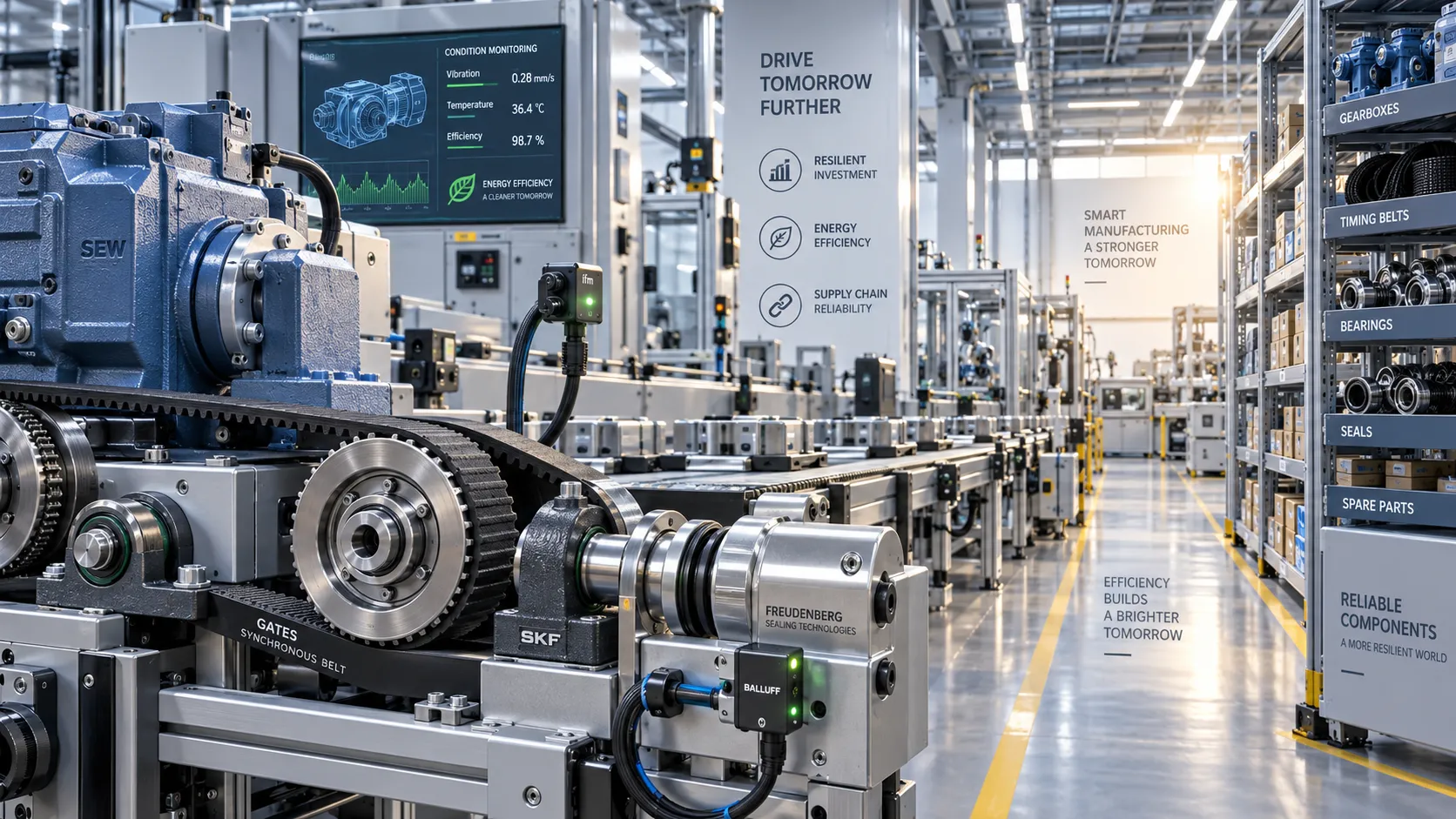
Industrial Economy Trends Shaping Capital Investment and Supply Chain Risk in 2026
Industrial economy trends for 2026 reveal how resilient capital investments, energy efficiency, and supply-chain strategies can protect uptime and strengthen returns.
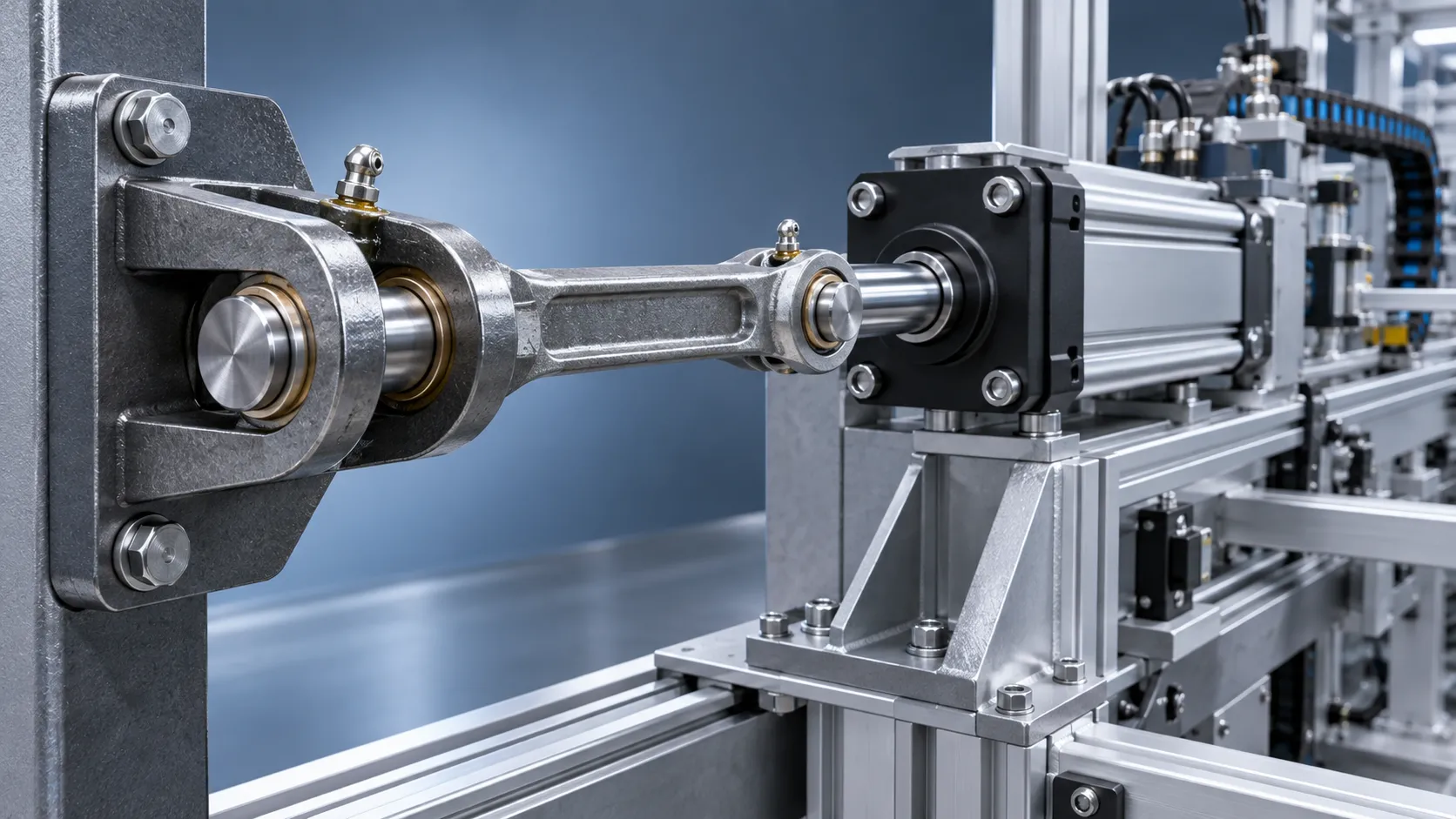
Mechanical Linkage Design: How to Balance Load Capacity, Motion Accuracy, and Wear
Mechanical linkage design guide: balance load capacity, motion accuracy, and wear with practical insights on geometry, joints, tolerances, lubrication, and service life.
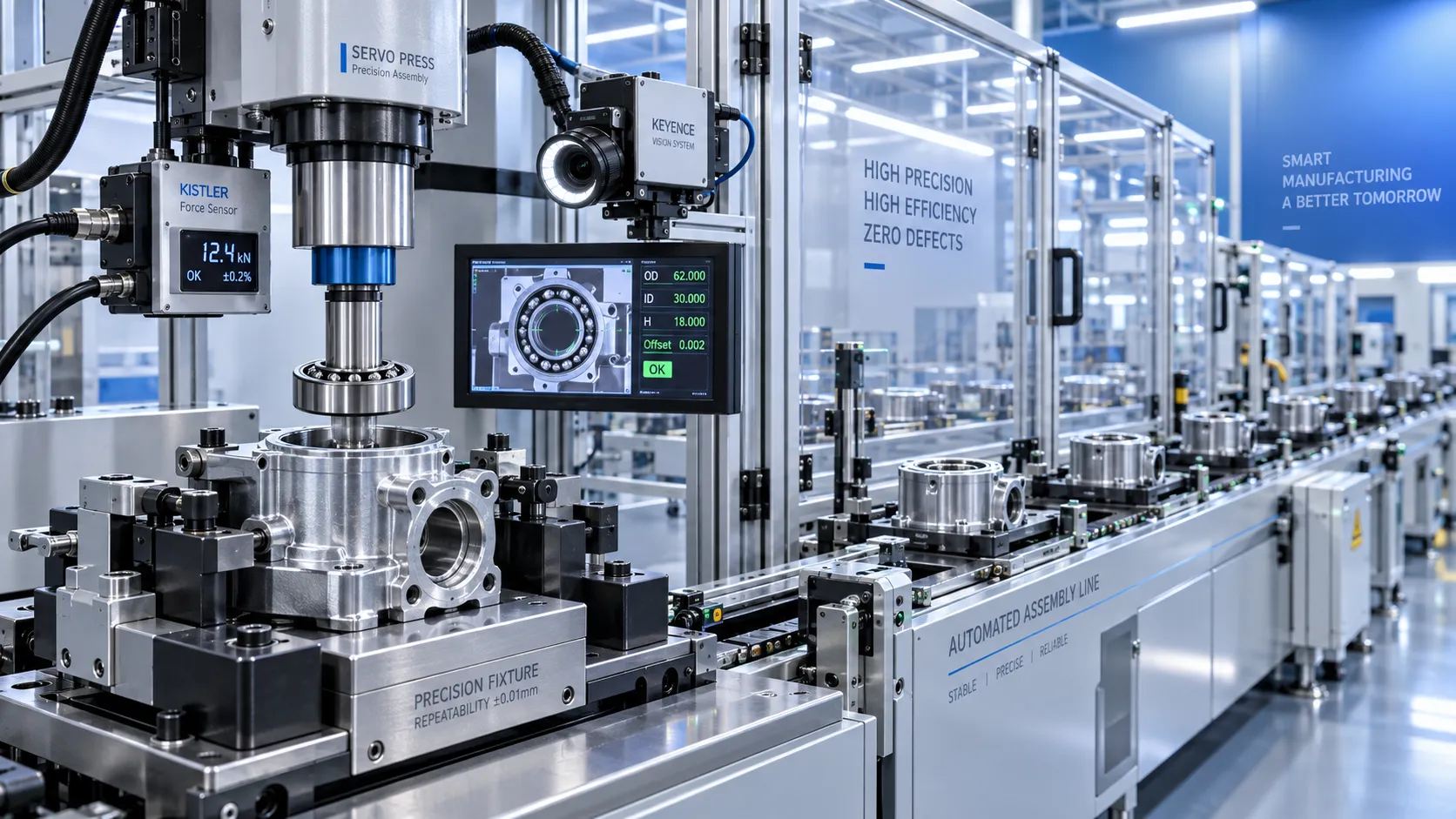
How Precision Automated Production Improves Quality Control in High-Volume Assembly
Precision automated production strengthens quality control in high-volume assembly with real-time verification, traceability, and safer defect containment.
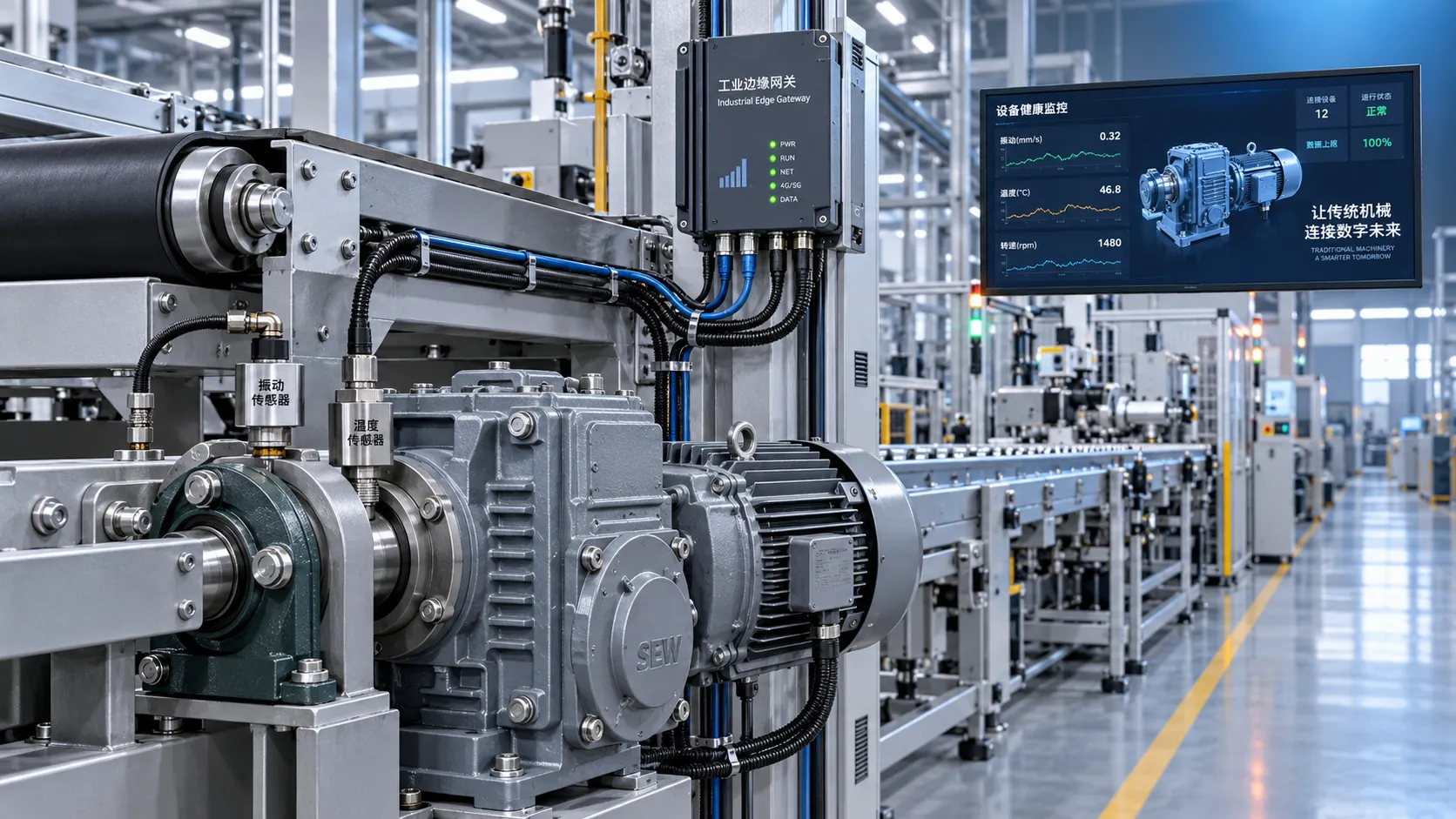
Industry 4.0 Integration: A Roadmap for Connecting Legacy Machines and Data
Industry 4.0 integration roadmap for connecting legacy machines, improving data visibility, reducing downtime, and scaling secure, measurable operational performance.
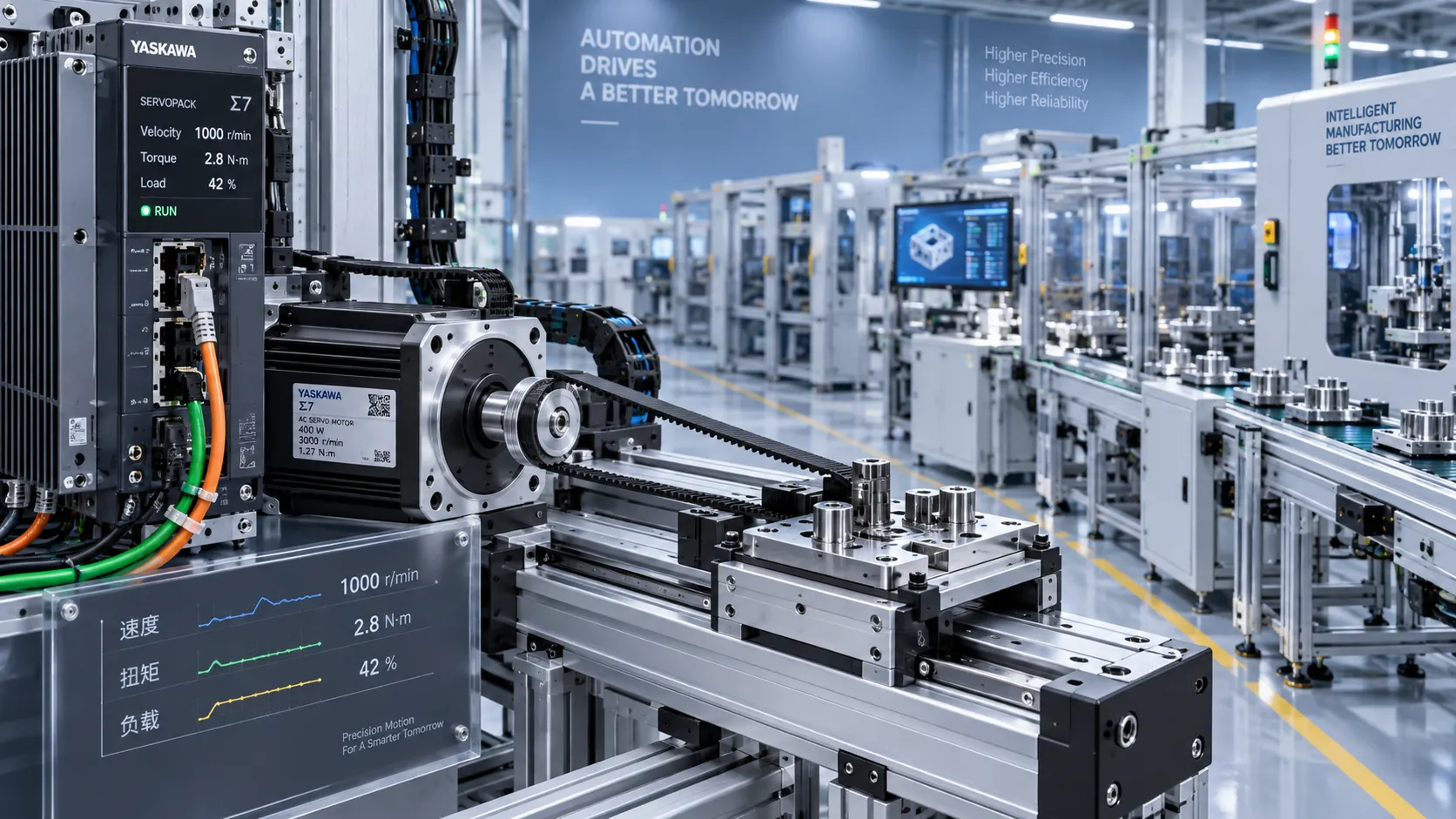
Servo Drive Comparison: Selecting Motion Control for Speed, Torque, and Load
Technical product comparison servo drives: evaluate speed, torque, inertia, safety, and control integration to select a reliable motion system with proven performance margins.
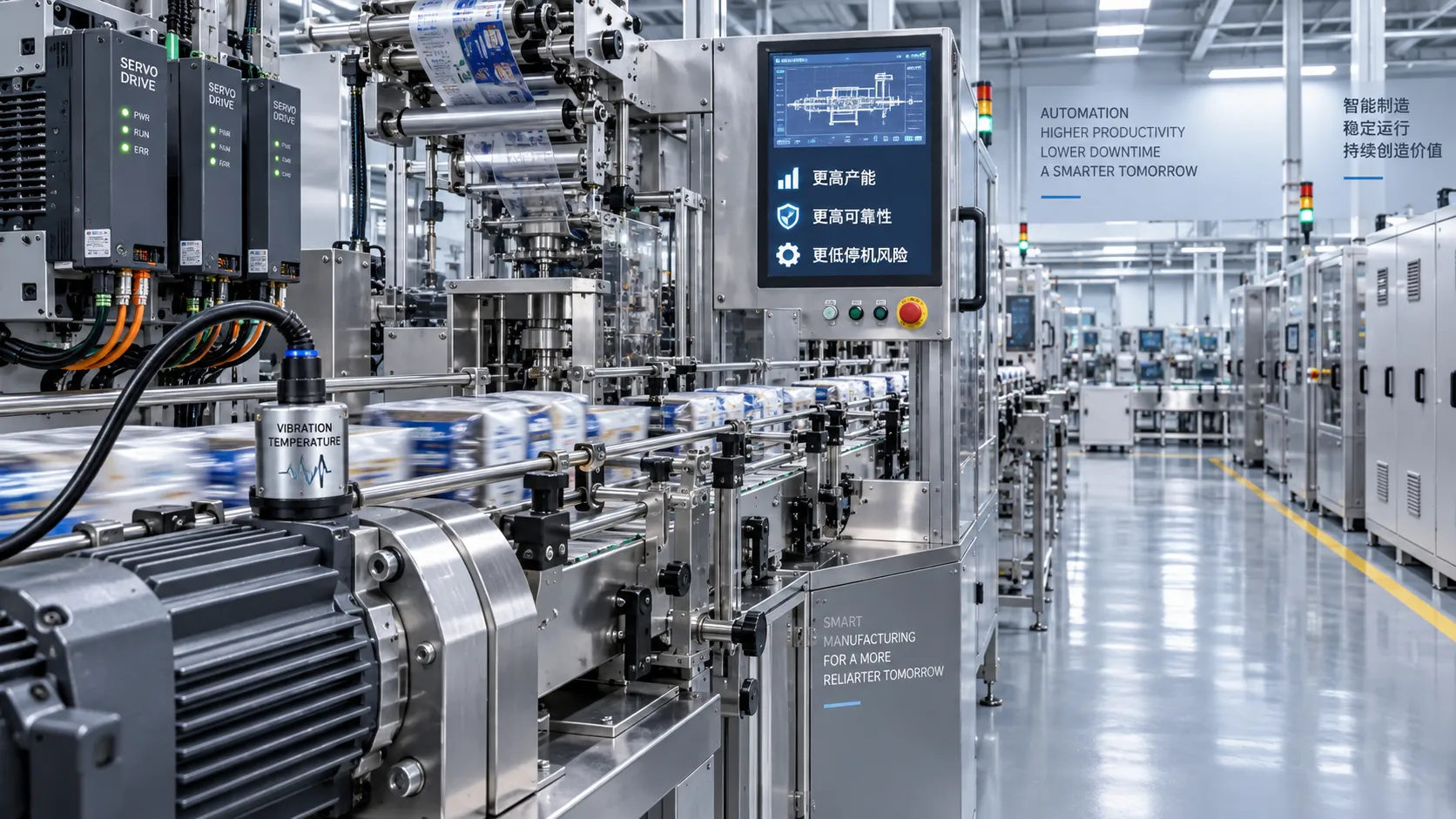
Industrial Automation Technology: How to Prioritize Upgrades by ROI and Downtime Risk
Industrial automation technology upgrades: learn to rank projects by ROI, bottleneck exposure, and downtime risk to reduce losses and make smarter capital decisions.
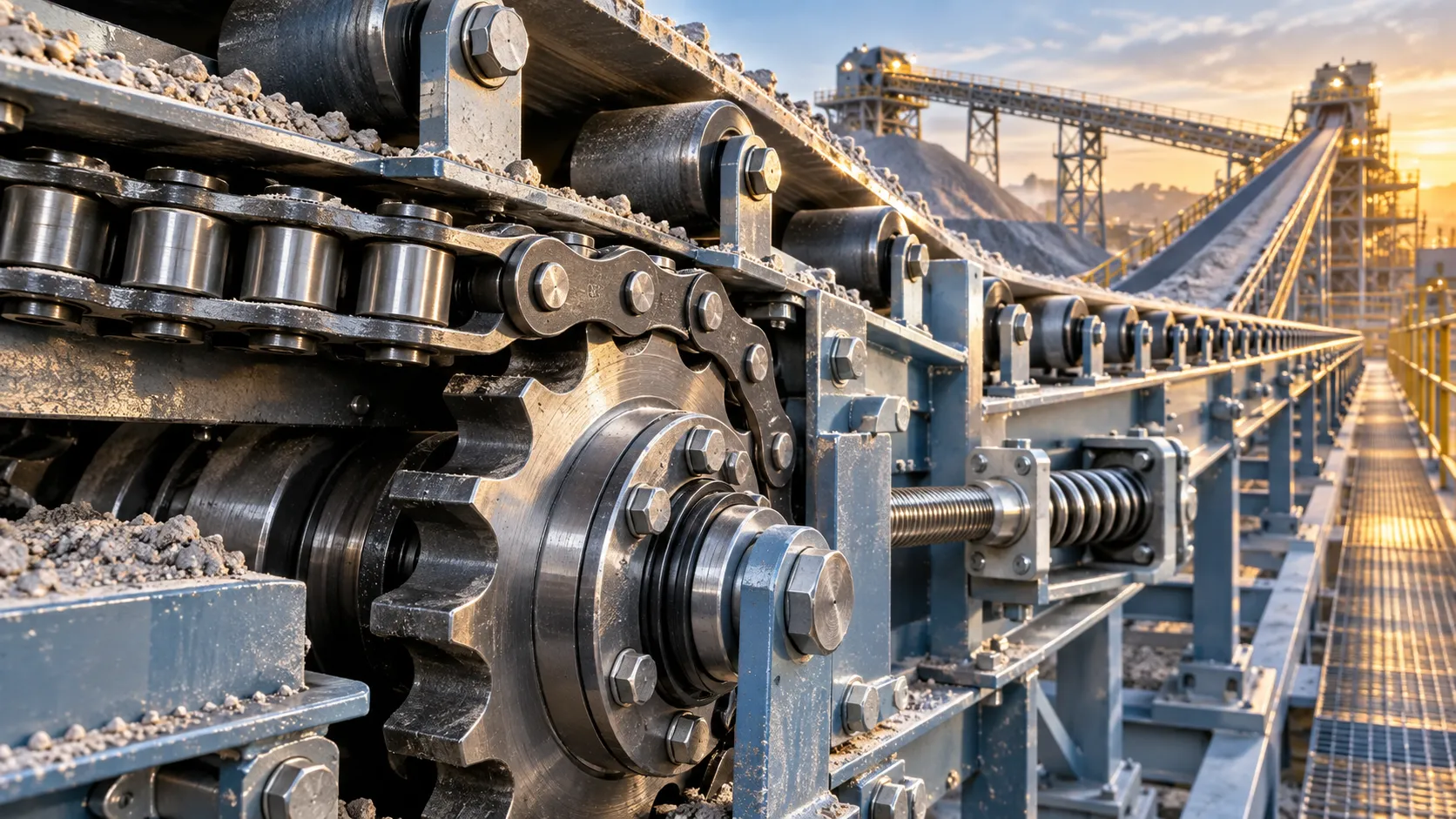
Selecting Low-Maintenance Chain Components for Dusty, High-Load Conveyors
Low maintenance chain components for dusty, high-load conveyors: compare seals, lubrication, materials, sprockets, and load capacity to reduce wear and downtime.
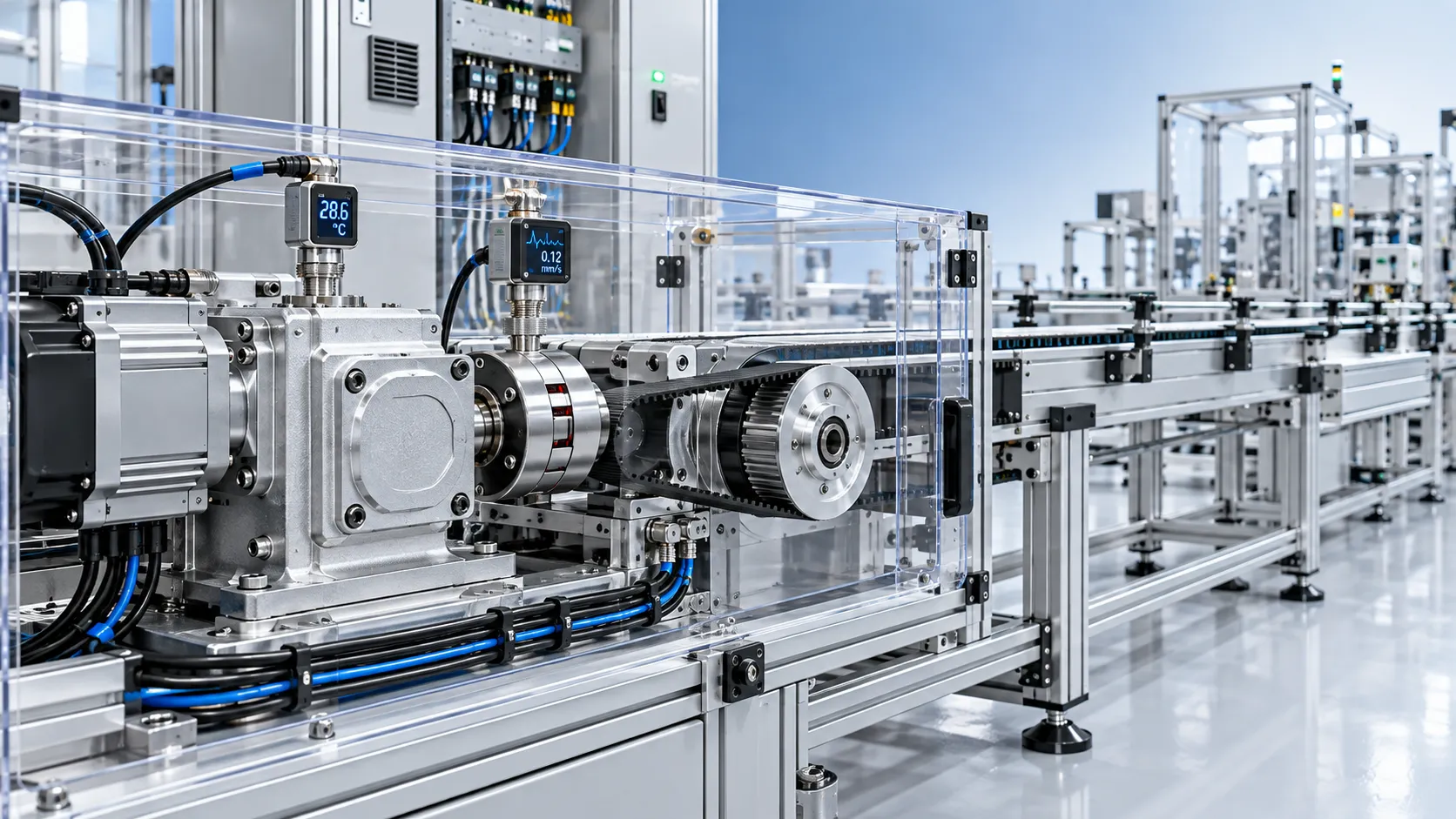
Selecting Smart Transmission Modules for Automated Lines: Control, Load, and Safety
Smart transmission modules for automated lines: evaluate control compatibility, real load demands, safety boundaries, and predictive maintenance value for reliable performance.