
Industry News
Curation by industry experts
Hot Articles
Popular Tags
How to avoid failures in heavy power transmission parts
Failures in heavy power transmission components often begin as small defects. If ignored, they can trigger severe downtime, unsafe operation, and expensive secondary damage in connected equipment.
For systems using heavy equipment power transmission components, prevention depends on disciplined inspection, correct loading, lubrication control, alignment accuracy, and timely replacement of worn parts.
In mining, energy, ports, construction, and bulk handling, transmission assemblies work under shock loads, dust, heat, moisture, and long operating cycles. Those conditions demand practical reliability methods rather than reactive repairs.
This guide explains how to reduce failures in heavy equipment power transmission components through a structured path: understand common failure modes, review current industry risk factors, classify critical assemblies, and apply field-ready maintenance actions.
Failure Prevention Fundamentals in Heavy Power Transmission Assemblies
Heavy equipment power transmission components include gearboxes, couplings, shafts, bearings, chains, sprockets, pulleys, belts, seals, and mounted drive systems. Each part transfers torque while resisting load variation and environmental stress.
Failure rarely comes from one cause alone. Most breakdowns result from combined effects such as poor lubrication, misalignment, overload, contamination, fatigue, improper installation, or delayed condition monitoring.
A useful prevention principle is simple: reduce stress, control contamination, and detect change early. This applies across nearly all heavy equipment power transmission components, regardless of machine type.
Common failure modes
- Surface wear from dirty lubricant or poor sealing
- Tooth pitting and scuffing in gears under poor oil film conditions
- Bearing spalling caused by overload, vibration, or contamination
- Chain elongation from pin and bushing wear
- Belt cracking, glazing, or slip due to tension errors
- Seal hardening or leakage under heat and chemical exposure
- Shaft fatigue initiated by misalignment or cyclic bending
Understanding these modes helps prioritize inspection points. It also improves service planning for heavy equipment power transmission components that operate continuously or under unpredictable loading.
Current Industry Risk Signals and Reliability Priorities
Across the broader industrial sector, transmission reliability is receiving more attention. Higher equipment utilization, volatile operating environments, and pressure for energy efficiency all increase sensitivity to component health.
The intelligence perspective seen across platforms such as GPT-Matrix highlights a clear pattern. Mechanical efficiency now depends as much on maintenance data quality as on component strength.
These signals matter because heavy equipment power transmission components are often hidden inside larger systems. By the time obvious noise or heat appears, wear may already be advanced.
Operational Value of Preventing Transmission Component Failures
Preventive control of heavy equipment power transmission components creates value beyond avoiding breakdowns. It supports output stability, energy efficiency, safety performance, and longer life for surrounding assemblies.
A worn coupling can overload bearings. A leaking seal can contaminate lubricant. A misaligned pulley can destroy belts and shafts together. Prevention reduces these cascading failures.
Key business and maintenance benefits
- Lower unplanned downtime in critical production systems
- Better spare part forecasting and shutdown planning
- Reduced energy losses from slip, drag, and misalignment
- Longer service intervals for heavy equipment power transmission components
- Improved safety in high-torque, high-inertia applications
This is why transmission reliability should be treated as a system issue, not only a part issue. Consistent small checks often deliver better results than infrequent major overhauls.
Typical Components and Failure-Sensitive Scenarios
Not all heavy equipment power transmission components fail in the same way. Risk increases when the component type, load profile, and environment interact poorly.
This classification helps focus resources where failure risk is highest. It also supports better planning for inspections of heavy equipment power transmission components under mixed duty cycles.
Practical Measures to Avoid Failures in Heavy Equipment Power Transmission Components
The most effective prevention programs are simple, repeatable, and evidence-based. They combine routine checks with targeted measurements and clear replacement criteria.
1. Control alignment from installation onward
Misalignment is a leading cause of premature failure. It increases vibration, heat, seal wear, and uneven loading across shafts, bearings, couplings, and belt drives.
- Verify soft foot before final tightening
- Use laser or precision dial alignment where possible
- Recheck alignment after thermal stabilization
- Inspect pulley and sprocket parallelism regularly
2. Keep lubrication clean, correct, and consistent
Lubrication failure is one of the fastest ways to damage heavy equipment power transmission components. Wrong viscosity, over-greasing, water ingress, or dirty oil can all shorten service life dramatically.
- Match lubricant grade to load, speed, and temperature
- Seal storage containers to avoid contamination
- Sample oil at regular intervals for wear debris and moisture
- Avoid mixing grease types without compatibility review
3. Monitor load, temperature, and vibration trends
Trend data shows deterioration earlier than visual checks alone. Even basic temperature and vibration records can reveal developing problems in heavy equipment power transmission components.
Watch for rising bearing temperatures, repeated torque spikes, unusual gear mesh noise, or changing belt frequency patterns. Small trend shifts often appear before visible failure.
4. Protect against contamination and environmental attack
Dust, slurry, water, and chemicals attack seals and lubricants first. Once contamination enters the system, wear rates accelerate across heavy equipment power transmission components.
- Inspect seals for hardening, scoring, and leakage
- Use guards that reduce direct contamination exposure
- Clean housings before opening any drive assembly
- Replace damaged breathers and filtration elements promptly
5. Replace by condition, not only by calendar
Time-based replacement remains useful, but condition-based decisions are better for many heavy equipment power transmission components. Real wear varies with load, contamination, speed, and duty cycle.
Set measurable limits for chain elongation, backlash growth, belt width loss, vibration level, oil particle count, and seal leakage. Clear thresholds reduce uncertainty during maintenance shutdowns.
Action Path for More Reliable Transmission Systems
A strong next step is to map the most failure-critical heavy equipment power transmission components in each system. Rank them by load importance, environment severity, and downtime consequence.
Then build a simple inspection standard. Include alignment checks, lubrication intervals, contamination controls, temperature records, and wear limits for each major assembly.
Use reliability intelligence sources, technical bulletins, and evolving material data to refine the program over time. Better information leads to better decisions on parts, intervals, and operating practices.
When heavy equipment power transmission components are managed as a connected reliability system, failures become easier to predict, easier to prevent, and far less costly to resolve.
Recommended News
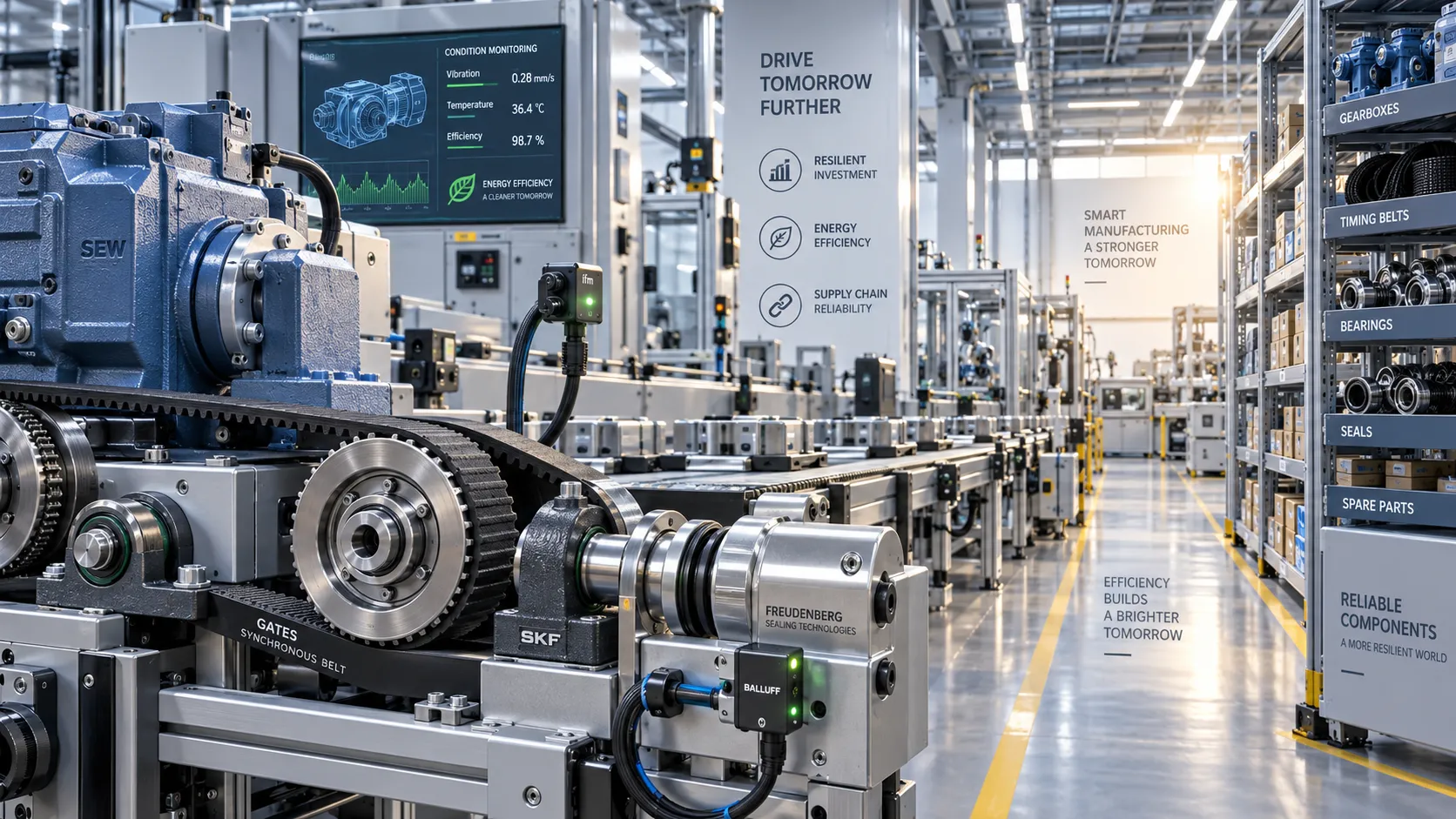
Industrial Economy Trends Shaping Capital Investment and Supply Chain Risk in 2026
Industrial economy trends for 2026 reveal how resilient capital investments, energy efficiency, and supply-chain strategies can protect uptime and strengthen returns.
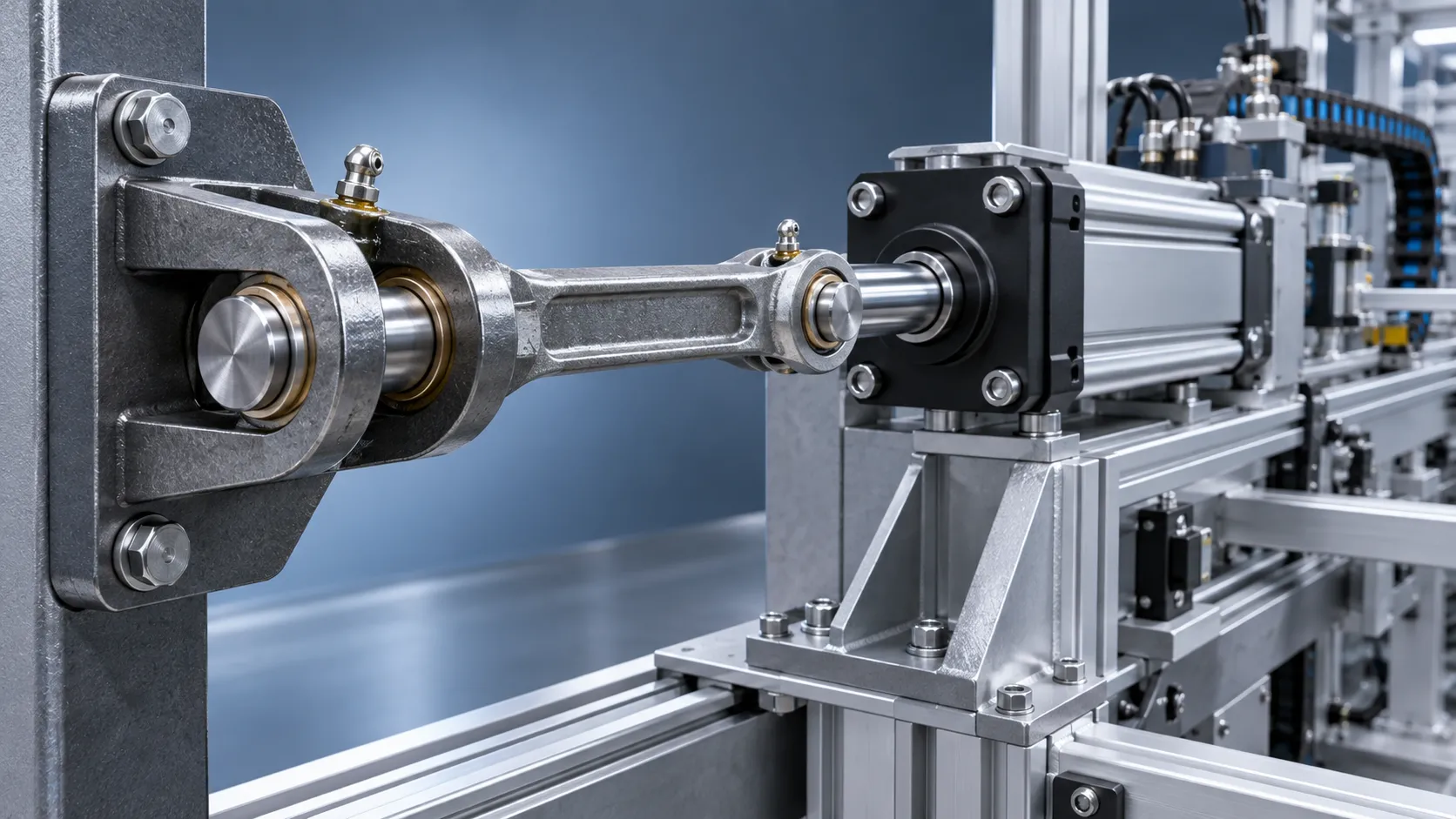
Mechanical Linkage Design: How to Balance Load Capacity, Motion Accuracy, and Wear
Mechanical linkage design guide: balance load capacity, motion accuracy, and wear with practical insights on geometry, joints, tolerances, lubrication, and service life.

How Precision Automated Production Improves Quality Control in High-Volume Assembly
Precision automated production strengthens quality control in high-volume assembly with real-time verification, traceability, and safer defect containment.
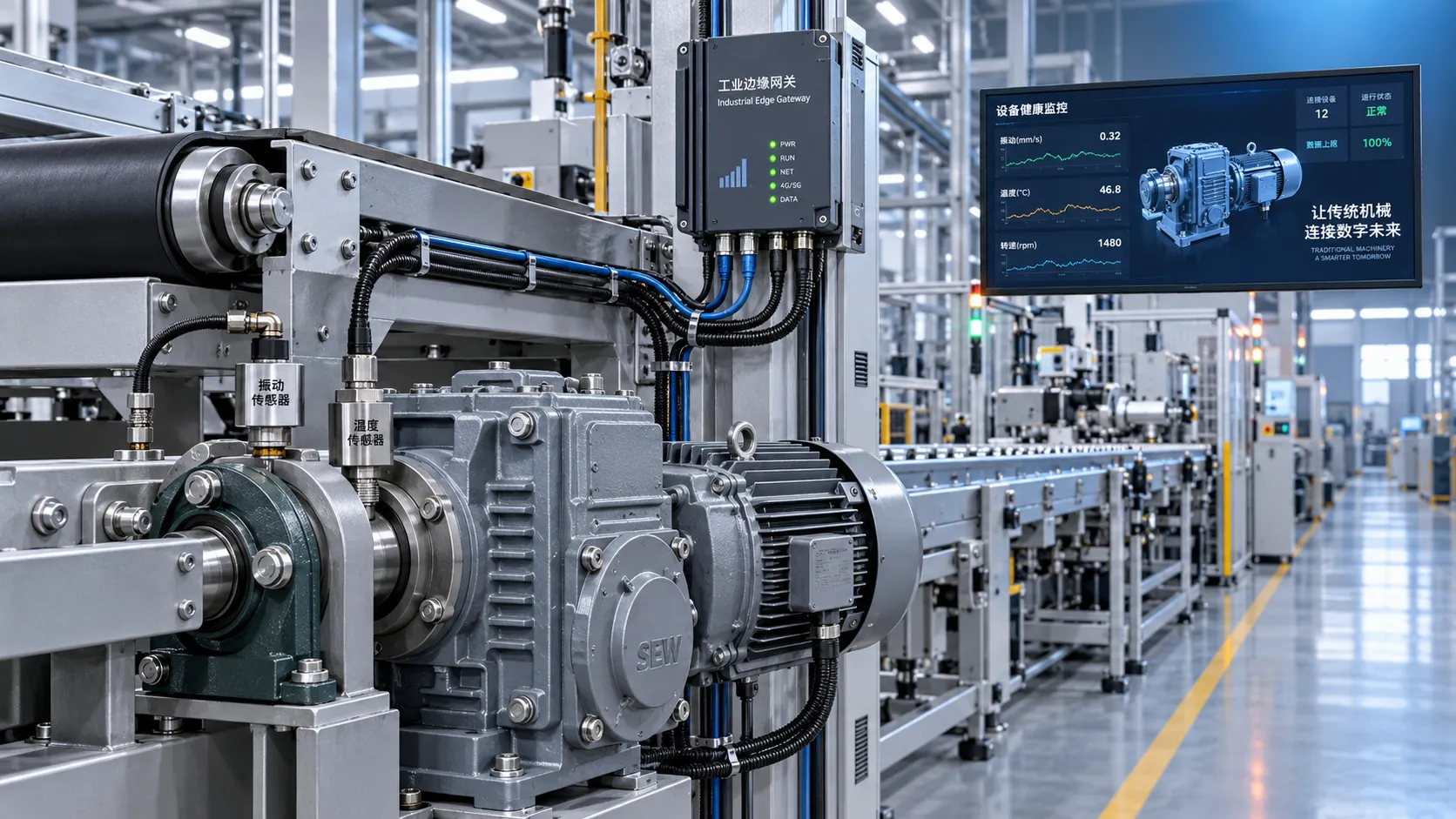
Industry 4.0 Integration: A Roadmap for Connecting Legacy Machines and Data
Industry 4.0 integration roadmap for connecting legacy machines, improving data visibility, reducing downtime, and scaling secure, measurable operational performance.
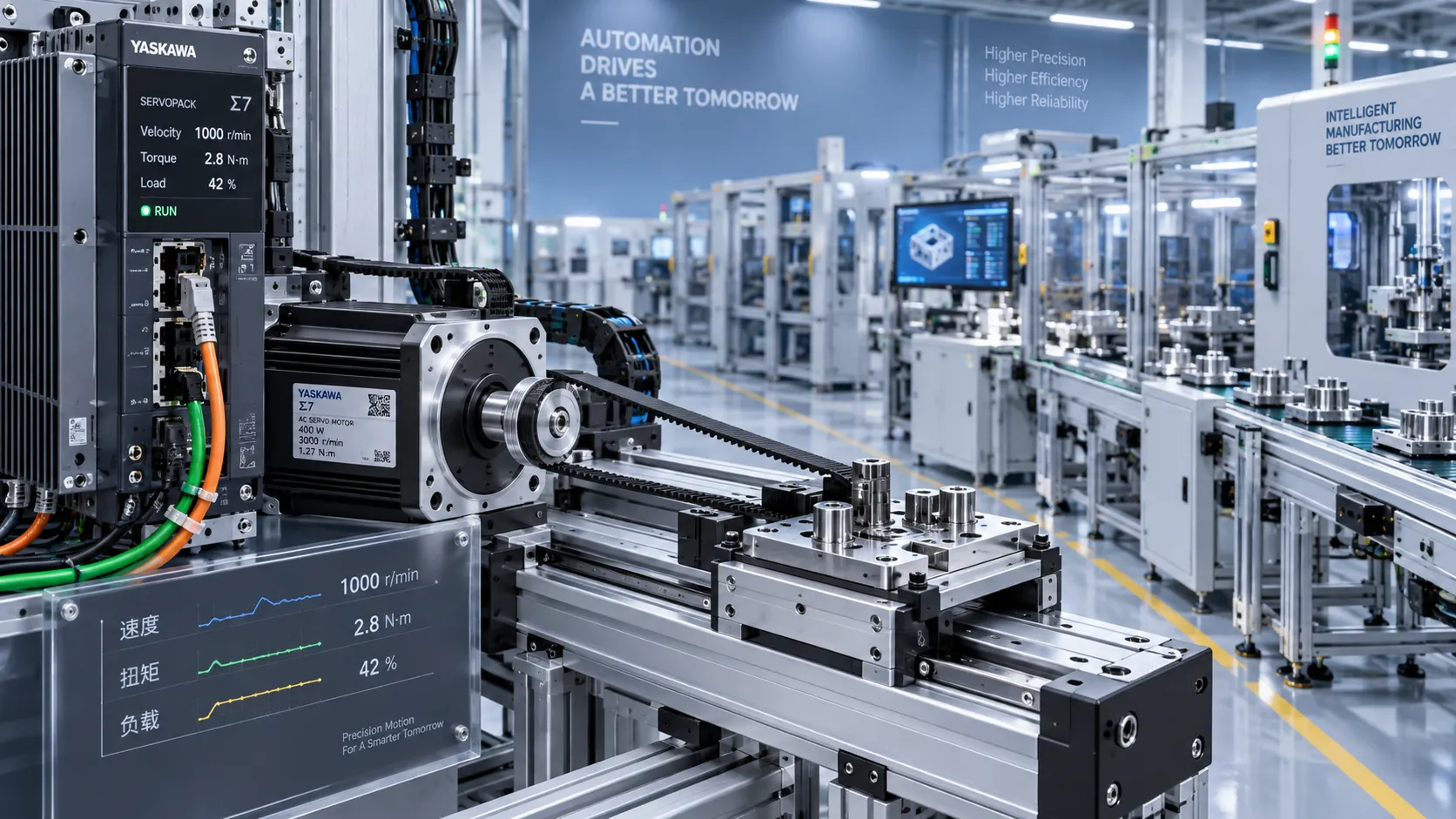
Servo Drive Comparison: Selecting Motion Control for Speed, Torque, and Load
Technical product comparison servo drives: evaluate speed, torque, inertia, safety, and control integration to select a reliable motion system with proven performance margins.

Industrial Automation Technology: How to Prioritize Upgrades by ROI and Downtime Risk
Industrial automation technology upgrades: learn to rank projects by ROI, bottleneck exposure, and downtime risk to reduce losses and make smarter capital decisions.
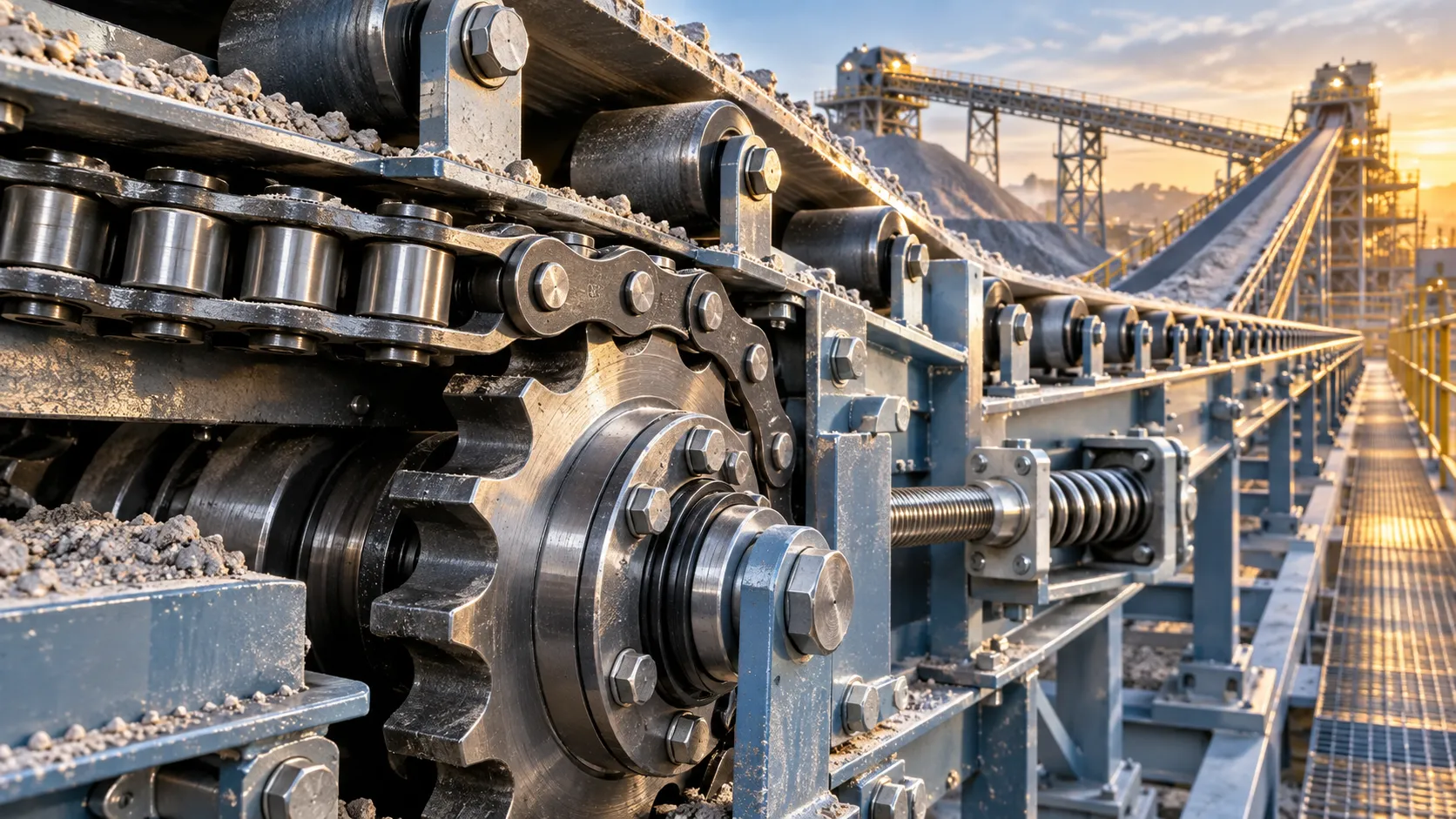
Selecting Low-Maintenance Chain Components for Dusty, High-Load Conveyors
Low maintenance chain components for dusty, high-load conveyors: compare seals, lubrication, materials, sprockets, and load capacity to reduce wear and downtime.
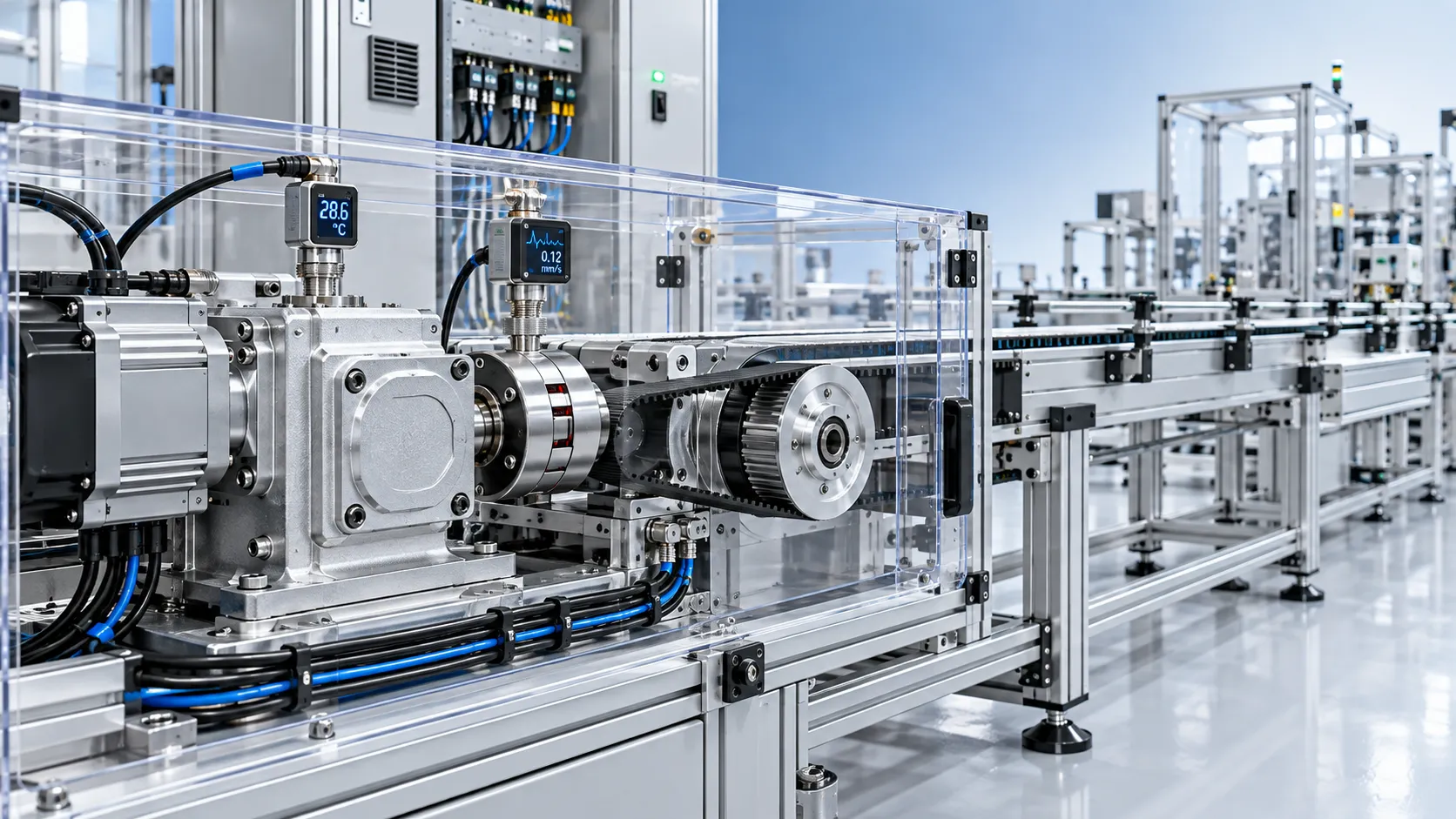
Selecting Smart Transmission Modules for Automated Lines: Control, Load, and Safety
Smart transmission modules for automated lines: evaluate control compatibility, real load demands, safety boundaries, and predictive maintenance value for reliable performance.

How to Assess Automated Packaging Production for High-Mix Manufacturing Lines
Automated production for packaging: assess changeovers, flexibility, controls, reliability, and lifecycle cost to build high-mix lines that deliver stable output.