
Industry News
Curation by industry experts
Hot Articles
Popular Tags
What pump seal makers rarely tell buyers upfront
Choosing among mechanical seals for pumps manufacturers can seem straightforward—until hidden differences in materials, testing standards, lifecycle cost, and after-sales support start affecting uptime and procurement risk. For buyers, the real challenge is not price alone, but knowing what suppliers often leave unsaid upfront. This article highlights the overlooked factors that shape seal reliability, operating efficiency, and long-term value.
What do mechanical seals for pumps manufacturers often leave unclear at the quotation stage?
Many quotations focus on size, face material, and unit price.
What stays hidden is the context behind performance claims.
Some mechanical seals for pumps manufacturers list carbon versus silicon carbide.
They may not explain grade purity, porosity, binder content, or finish quality.
Those details directly affect leakage stability and heat resistance.
Elastomer naming can also sound complete while remaining incomplete.
A quote may say FKM, EPDM, or NBR without clarifying formulation source.
Not all compounds within the same family handle chemicals equally well.
Spring metallurgy is another quiet risk area.
A seal can look identical externally yet fail faster in chloride-rich fluid.
Reliable mechanical seals for pumps manufacturers specify metallurgy with application logic.
Questions worth asking before approval
- Are material grades generic or traceable to a certified source?
- Is the pressure and temperature range continuous or intermittent?
- Was the seal tested in water only or in similar process media?
- Does the quote include shaft movement limits and runout tolerance?
- What installation conditions are assumed for the stated service life?
These questions expose whether the offer reflects real operating conditions.
Why do similar-looking seals perform very differently in service?
Visual similarity is one of the biggest traps in industrial buying.
Two seals can share dimensions yet behave very differently in actual pumps.
Mechanical seals for pumps manufacturers differ in surface flatness control.
Seal faces need precise lapping to maintain a stable fluid film.
A small deviation can raise friction, flash temperature, and leakage.
Secondary sealing elements matter just as much.
Poor elastomer compression set causes hardening, shrinkage, or sudden cracking.
Tolerance stack-up also changes field behavior.
When springs, sleeves, and drive features vary slightly, load distribution changes.
That affects startup reliability, especially during dry-running or intermittent cycling.
Key technical differences behind the same appearance
This is why trusted mechanical seals for pumps manufacturers discuss process duty, not only dimensions.
How should testing standards and quality documents be interpreted?
Certificates can create confidence, but not all documents prove the same thing.
Some papers confirm material chemistry.
Others only confirm shipment inspection or dimensional checks.
Mechanical seals for pumps manufacturers may mention testing without naming the protocol.
That makes comparison difficult and often misleading.
A hydrostatic pressure test is useful, but it is not a full endurance trial.
A rotational test in clean water may not reflect slurry, hydrocarbons, or thermal shock.
Good suppliers explain what was tested, for how long, and under which operating envelope.
Documents that help real evaluation
- Material traceability for faces, metals, and elastomers
- Dimensional inspection records with critical tolerances
- Face flatness or lapping quality records
- Pressure, speed, and temperature test details
- Failure analysis support procedure
The strongest mechanical seals for pumps manufacturers provide documents tied to actual serial batches.
That lowers replacement uncertainty and supports root-cause review after a shutdown.
Is the lowest purchase price really the lowest total cost?
In most industrial systems, seal price is only a small part of total cost.
Downtime, energy loss, product contamination, and maintenance labor dominate economics.
Cheap seals often become expensive when replacement intervals shorten unexpectedly.
Some mechanical seals for pumps manufacturers win orders through entry price alone.
The unstated assumption is that operating conditions are forgiving.
Many applications are not forgiving.
Hot water, solvents, abrasive fines, vacuum fluctuation, and start-stop cycles accelerate weakness.
A higher-grade seal may cost more upfront yet reduce emergency stoppages significantly.
A practical lifecycle cost view
This comparison helps evaluate mechanical seals for pumps manufacturers beyond invoice price.
What application details should always be shared before selecting a seal?
Incomplete application data leads to avoidable mismatch.
Even the best mechanical seals for pumps manufacturers need accurate duty information.
Fluid name alone is not enough.
Concentration, solids content, pH, temperature swings, and vapor pressure can change seal behavior.
Pump model and speed are also not the full story.
Shaft deflection, alignment quality, and seal chamber condition matter greatly.
Flush plans, barrier fluid practice, and startup procedures can determine success or failure.
Minimum data checklist before supplier comparison
- Fluid composition, concentration, and contamination level
- Operating and upset temperature range
- Normal, maximum, and transient pressure
- Shaft speed, rotation direction, and runout
- Dry-running possibility or intermittent operation
- Installation limits and available flushing arrangements
When this information is shared early, mechanical seals for pumps manufacturers can recommend more reliably.
How important are delivery stability and after-sales support?
Seal quality matters, but supply continuity matters too.
A technically good seal loses value if replacement lead times are unpredictable.
Some mechanical seals for pumps manufacturers rely heavily on outsourced subcomponents.
That can increase variation between batches and lengthen response time.
After-sales capability is equally important during failure investigation.
A useful supplier reviews wear tracks, thermal marks, and elastomer condition systematically.
A weak supplier simply offers another replacement part.
The difference affects uptime across water treatment, chemical processing, food lines, and general manufacturing.
Quick FAQ comparison table
Industrial intelligence platforms such as GPT-Matrix highlight these deeper evaluation points.
They connect material science, transmission logic, and sealing reliability with decision-ready insight.
That perspective is valuable when comparing mechanical seals for pumps manufacturers across global supply chains.
The safest decision usually comes from asking better questions, not only requesting lower prices.
Review material traceability, test relevance, lifecycle cost, application fit, and support depth together.
When evaluating mechanical seals for pumps manufacturers, use a structured checklist before the first order.
That step reduces hidden risk, improves pump uptime, and creates stronger long-term value.
Recommended News
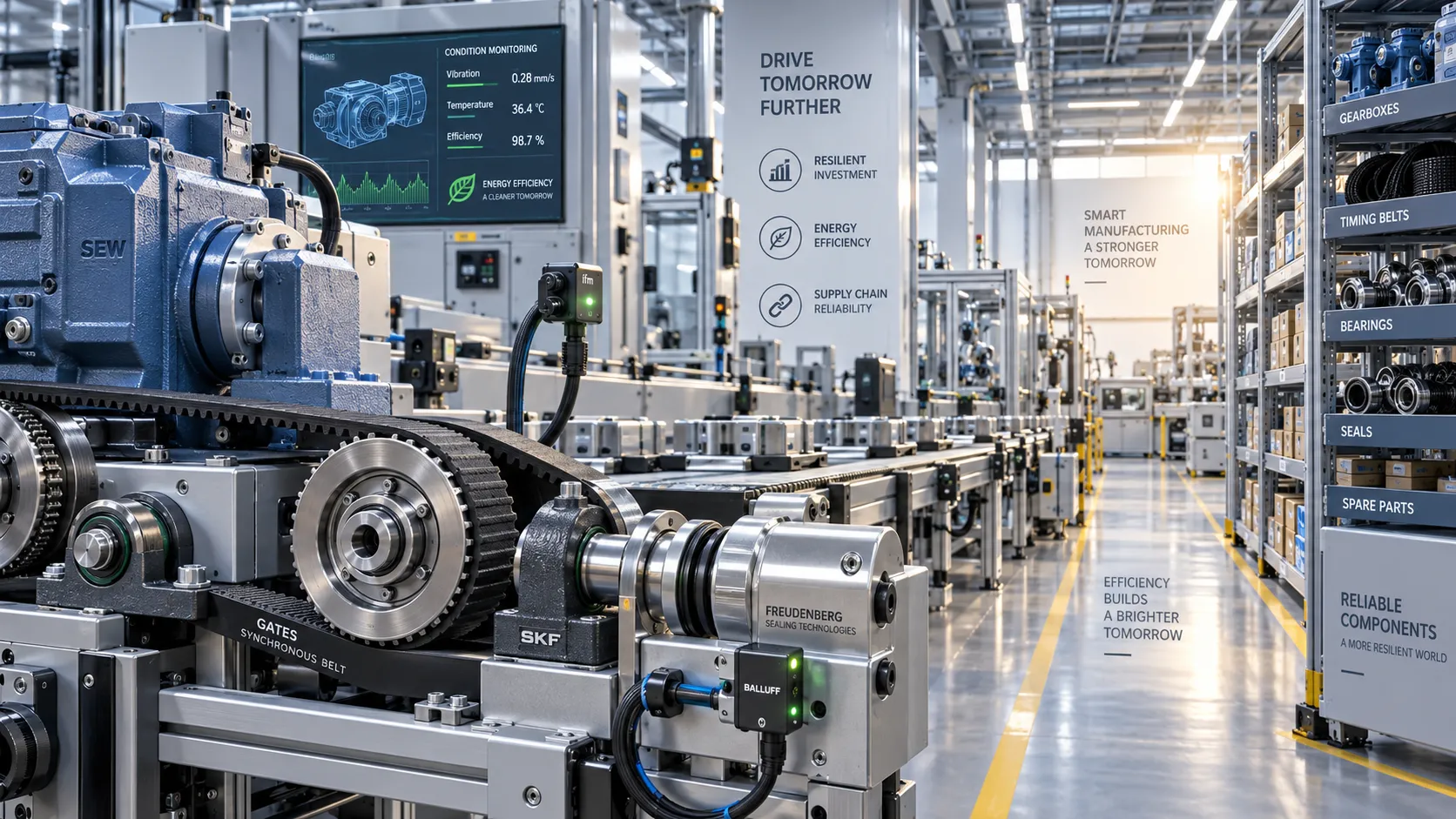
Industrial Economy Trends Shaping Capital Investment and Supply Chain Risk in 2026
Industrial economy trends for 2026 reveal how resilient capital investments, energy efficiency, and supply-chain strategies can protect uptime and strengthen returns.
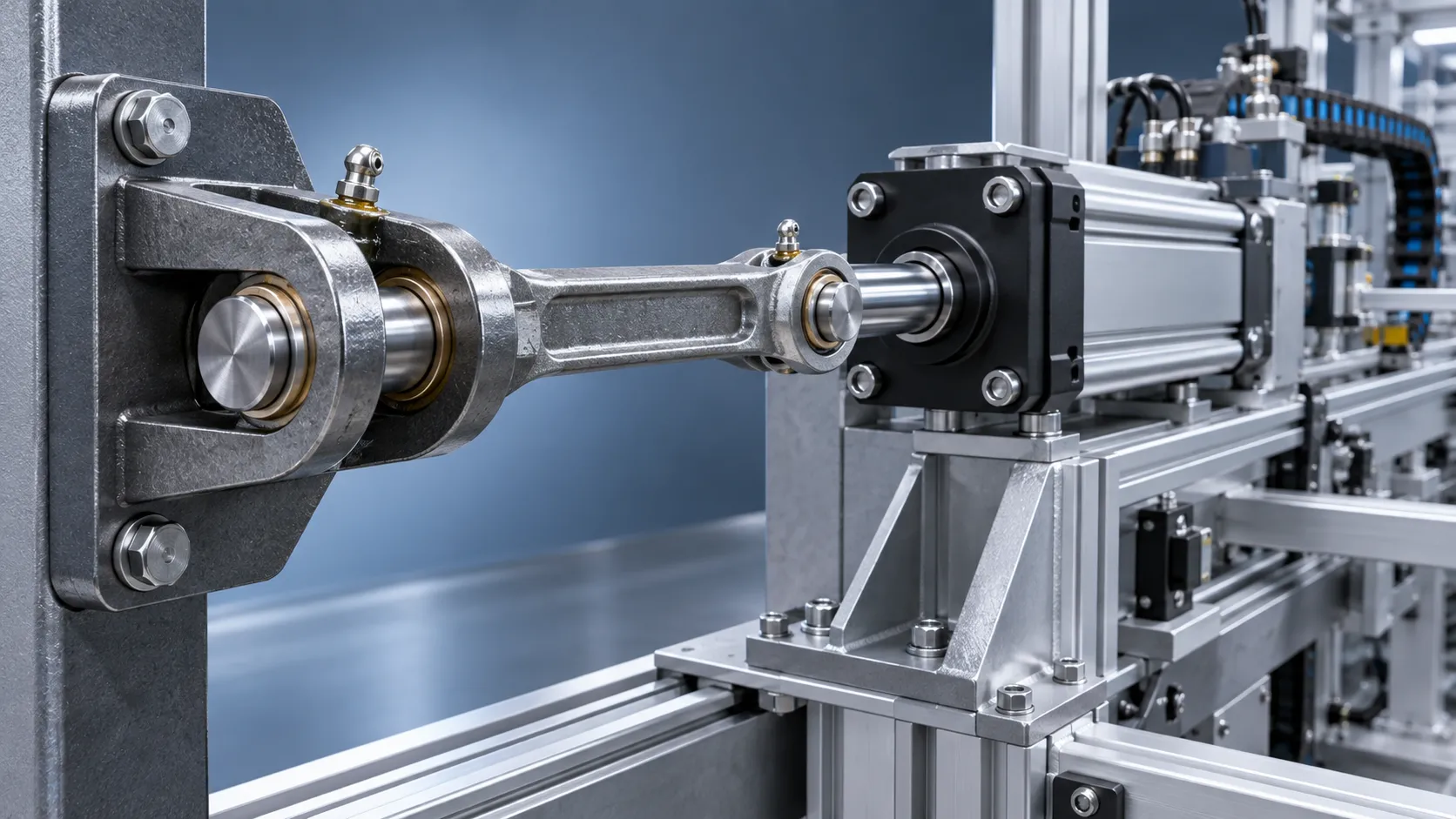
Mechanical Linkage Design: How to Balance Load Capacity, Motion Accuracy, and Wear
Mechanical linkage design guide: balance load capacity, motion accuracy, and wear with practical insights on geometry, joints, tolerances, lubrication, and service life.
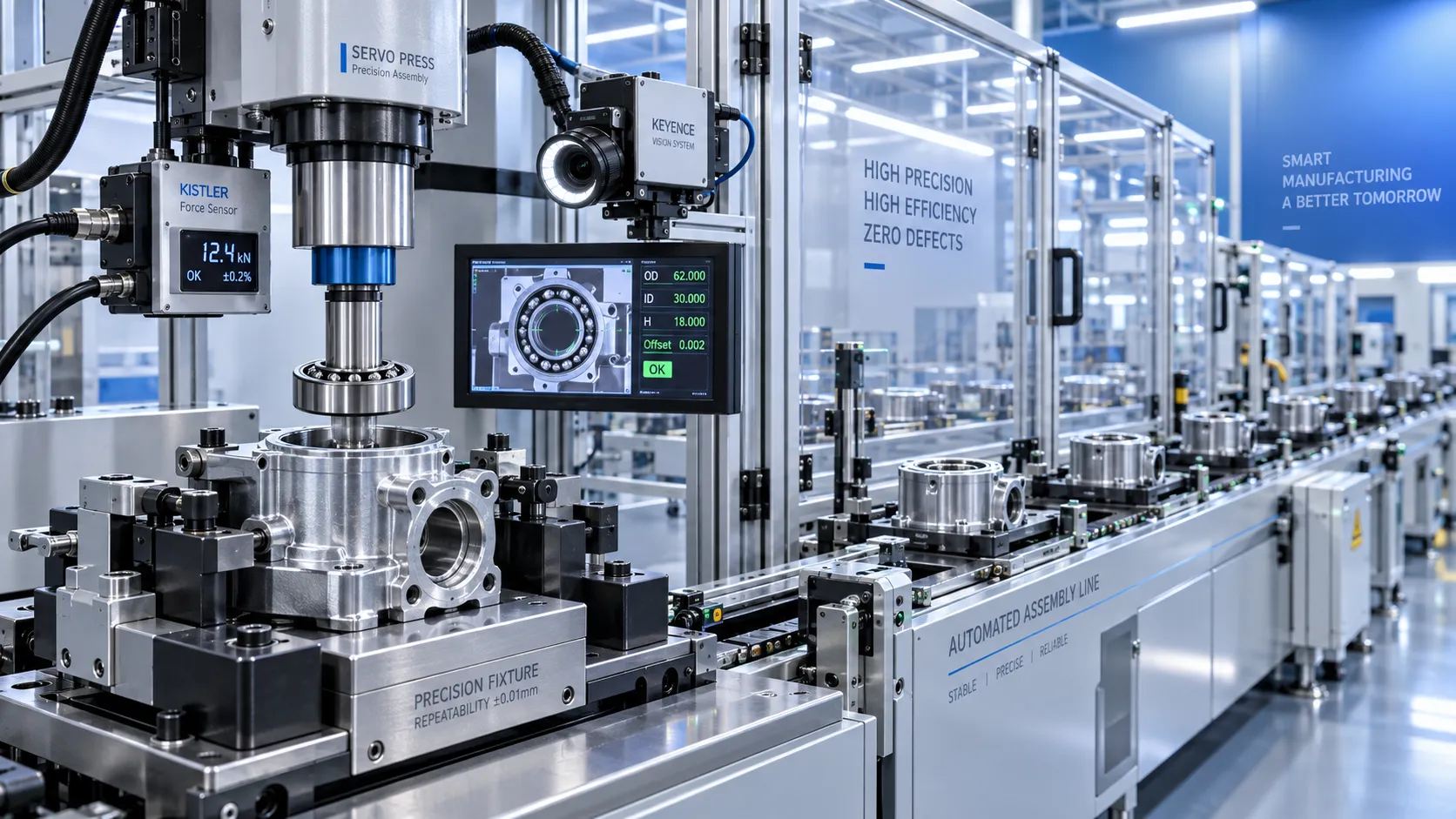
How Precision Automated Production Improves Quality Control in High-Volume Assembly
Precision automated production strengthens quality control in high-volume assembly with real-time verification, traceability, and safer defect containment.
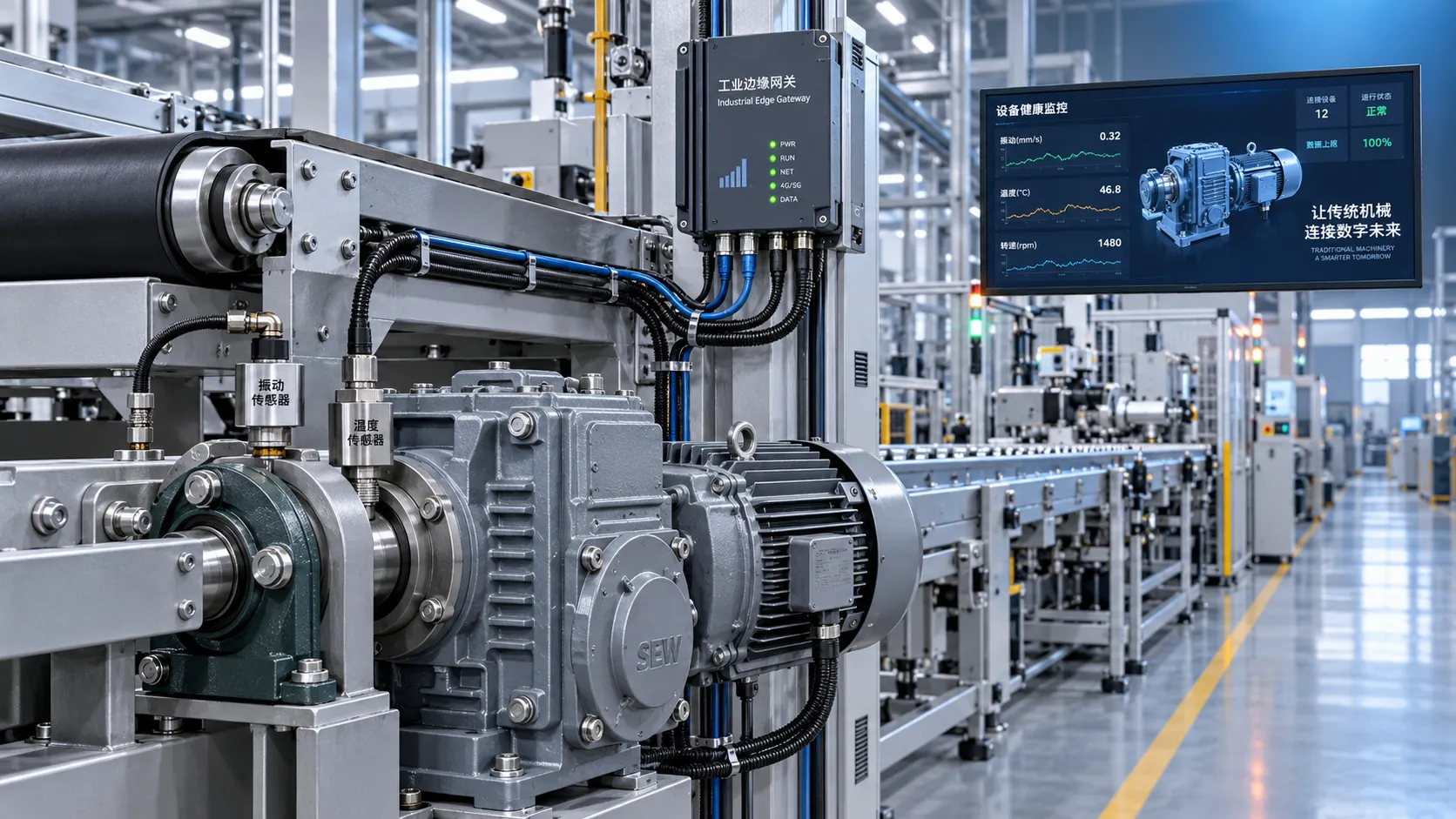
Industry 4.0 Integration: A Roadmap for Connecting Legacy Machines and Data
Industry 4.0 integration roadmap for connecting legacy machines, improving data visibility, reducing downtime, and scaling secure, measurable operational performance.
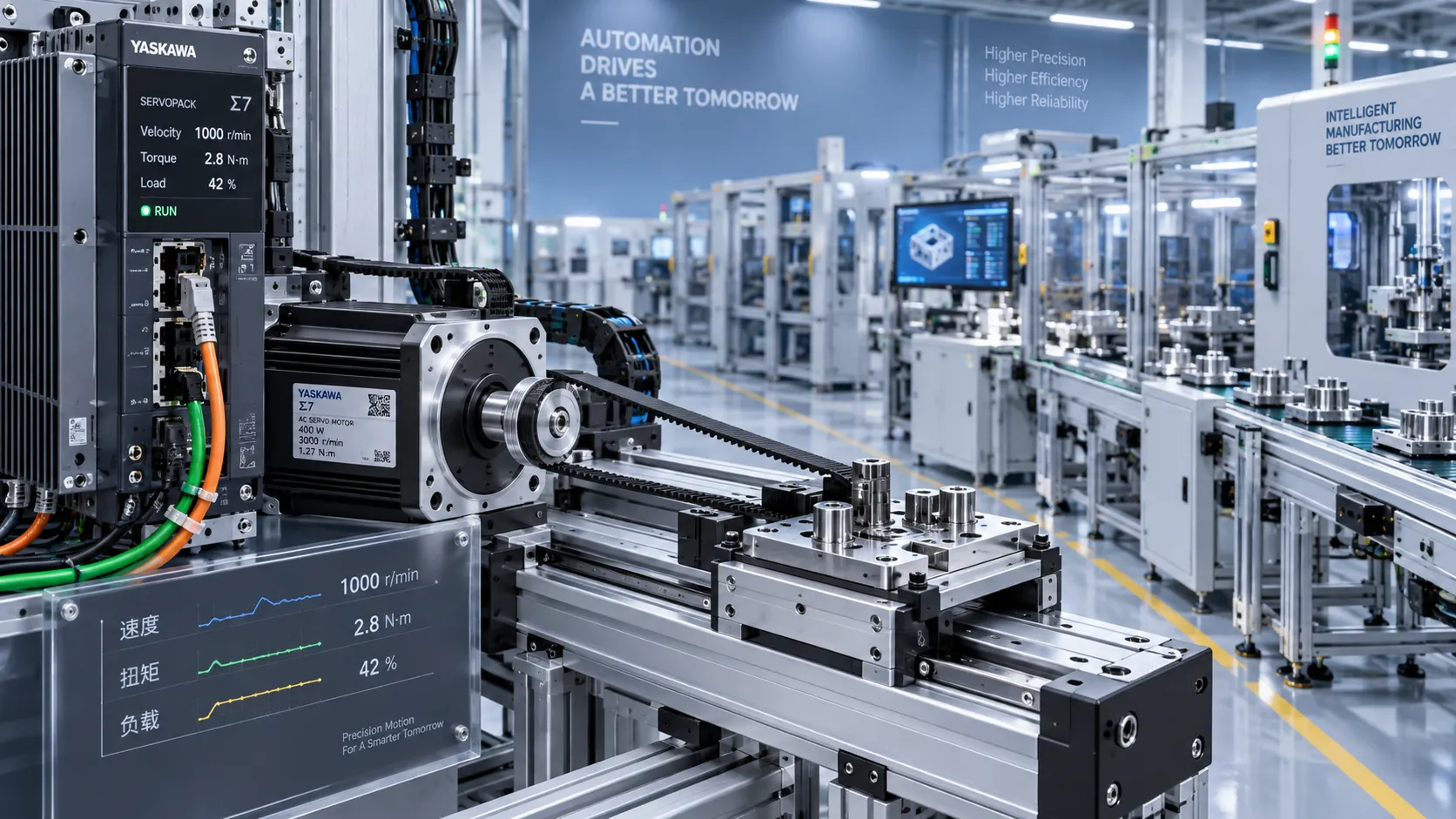
Servo Drive Comparison: Selecting Motion Control for Speed, Torque, and Load
Technical product comparison servo drives: evaluate speed, torque, inertia, safety, and control integration to select a reliable motion system with proven performance margins.
Industrial Automation Technology: How to Prioritize Upgrades by ROI and Downtime Risk
Industrial automation technology upgrades: learn to rank projects by ROI, bottleneck exposure, and downtime risk to reduce losses and make smarter capital decisions.
Selecting Low-Maintenance Chain Components for Dusty, High-Load Conveyors
Low maintenance chain components for dusty, high-load conveyors: compare seals, lubrication, materials, sprockets, and load capacity to reduce wear and downtime.
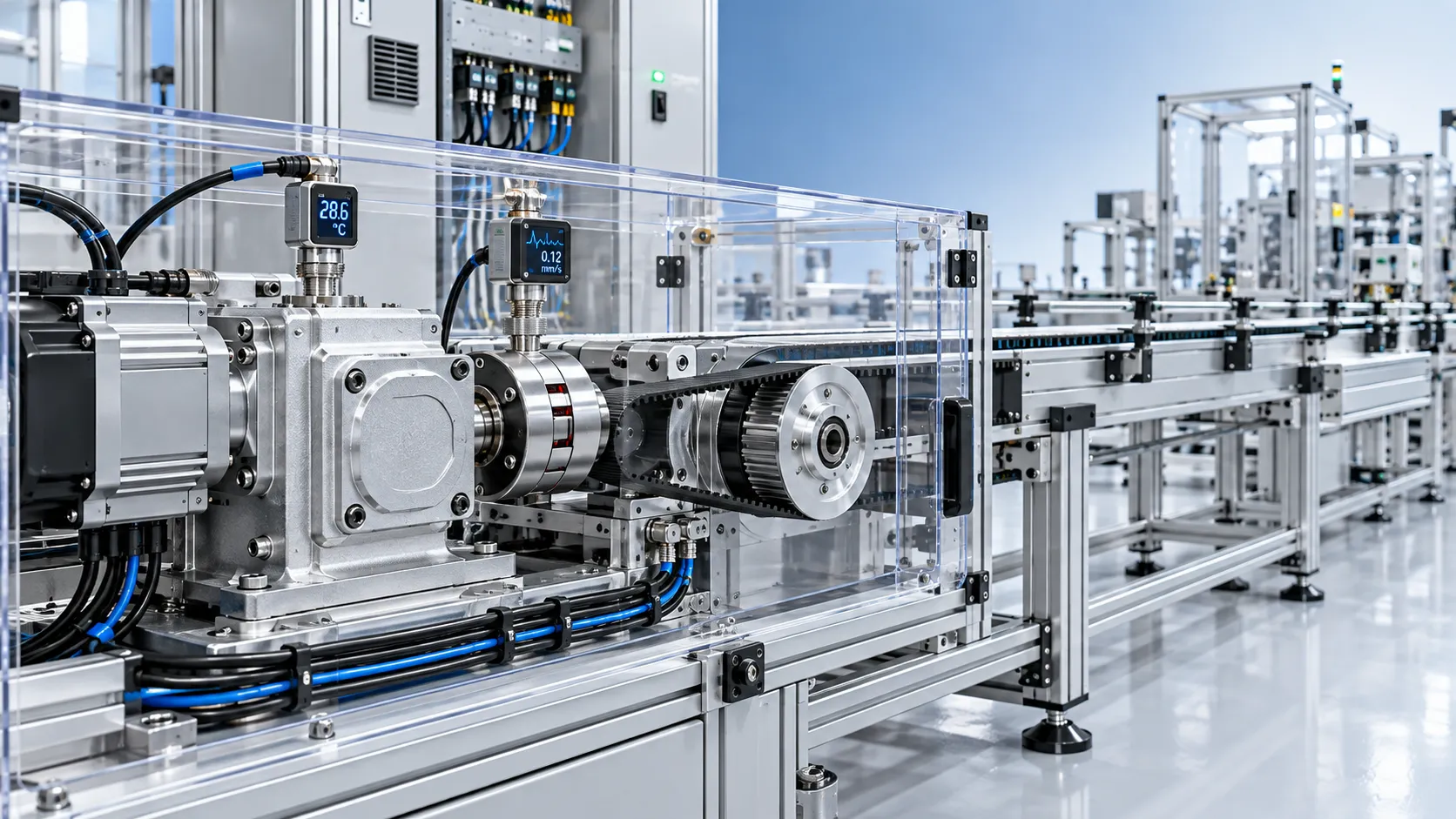
Selecting Smart Transmission Modules for Automated Lines: Control, Load, and Safety
Smart transmission modules for automated lines: evaluate control compatibility, real load demands, safety boundaries, and predictive maintenance value for reliable performance.

How to Assess Automated Packaging Production for High-Mix Manufacturing Lines
Automated production for packaging: assess changeovers, flexibility, controls, reliability, and lifecycle cost to build high-mix lines that deliver stable output.