
Industry News
Curation by industry experts
Hot Articles
Popular Tags
What affects reliability in mechanical transmission most?
Reliability in mechanical transmission depends on far more than nominal strength or catalog ratings. In real industrial service, durability is shaped by material behavior, lubrication quality, alignment precision, sealing integrity, load stability, and operating conditions.
When any one factor is ignored, the entire power path becomes vulnerable. Reduced reliability in mechanical transmission often appears first as heat, vibration, leakage, noise, or rising energy consumption.
For equipment-intensive industries, understanding these interacting variables supports better design decisions, smarter maintenance planning, and longer service life. It also helps connect component performance with wider goals in efficiency, uptime, and cost control.
Fundamental Meaning of Reliability in Mechanical Transmission
Reliability in mechanical transmission refers to the ability of gears, belts, chains, couplings, bearings, shafts, and seals to transmit motion and torque consistently over time without unacceptable failure.
This concept includes more than survival under peak load. It also covers accuracy, efficiency retention, vibration control, lubrication stability, and resistance to environmental stress during the expected operating life.
In practical terms, high reliability in mechanical transmission means predictable performance. Systems run with fewer unplanned stops, less component wear, and lower risk of secondary damage to connected equipment.
The most important point is interaction. A premium gear set can still fail early if lubrication is poor. A strong bearing arrangement can still degrade quickly under misalignment or contamination.
Core reliability indicators
- Stable torque transmission under normal and variable loads
- Low wear rate across contact surfaces
- Controlled temperature rise during operation
- Acceptable vibration and noise levels
- Minimal lubricant loss or contamination entry
- Expected service life with manageable maintenance intervals
The Main Factors That Affect Reliability in Mechanical Transmission Most
Several variables influence reliability in mechanical transmission, but not all carry equal weight. The most decisive factors usually combine mechanical design quality with operating discipline.
1. Material quality and heat treatment
Material selection sets the baseline for fatigue strength, hardness, toughness, and wear resistance. In gears and shafts, improper metallurgy often leads to pitting, cracking, scuffing, or sudden fracture.
Heat treatment is equally critical. Surface hardness must be balanced with core toughness. If that balance is poor, reliability in mechanical transmission declines even under normal duty cycles.
2. Lubrication management
Lubrication is often the single most visible influence on reliability in mechanical transmission. It separates contacting surfaces, reduces friction, removes heat, and limits particle-driven abrasion.
Failures often result from wrong viscosity, degraded oil, insufficient replenishment, or incompatible additives. Even advanced transmission components cannot compensate for weak lubrication control.
3. Load distribution and shock conditions
Uniform load distribution supports long life. Concentrated stress at tooth edges, chain links, belt cords, or bearing raceways accelerates wear and fatigue damage.
Shock loading is especially harmful. Repeated starts, jams, impact events, and torque spikes create stress cycles that can exceed design assumptions and quickly reduce reliability in mechanical transmission.
4. Alignment and assembly accuracy
Misalignment changes contact patterns and increases bending loads. It can also raise temperature, amplify vibration, and create uneven wear across coupled elements.
Assembly errors matter as much as design errors. Incorrect clearances, poor torque control, weak shaft support, and improper tensioning all undermine reliability in mechanical transmission.
5. Sealing performance and contamination control
Effective sealing keeps lubricant inside and contaminants outside. Dust, moisture, metal particles, and chemicals can damage surfaces, dilute lubricants, and trigger corrosive wear.
In harsh environments, sealing reliability may determine total system reliability. Once contamination enters the load zone, component life can collapse rapidly.
6. Operating environment and thermal behavior
Temperature, humidity, airborne debris, washdown exposure, and corrosive media all affect performance. Excessive heat weakens lubricants and changes material properties.
Thermal expansion can also alter clearances and alignment. That is why reliability in mechanical transmission must always be evaluated under real service conditions, not only laboratory assumptions.
Industry Background and Current Areas of Concern
Across general industry, transmission systems are operating under tighter efficiency targets and longer maintenance intervals. At the same time, equipment is expected to handle variable loads and demanding environments.
This makes reliability in mechanical transmission a strategic concern, not only a maintenance topic. It directly affects energy use, spare parts demand, asset planning, and overall production stability.
Intelligence platforms such as GPT-Matrix highlight these trends by linking material science, tribology, sealing performance, and industrial operating data. That broader view is essential for sound reliability judgments.
Business Value of Improving Reliability in Mechanical Transmission
Improved reliability in mechanical transmission creates value beyond fewer breakdowns. It supports more stable output, lower lifecycle cost, and stronger confidence in equipment planning.
- Less unplanned downtime and reduced production interruption
- Lower maintenance frequency and spare parts consumption
- Higher energy efficiency through reduced friction and slip
- Longer asset life for connected motors, gearboxes, and driven equipment
- Improved safety by reducing failure-related operating risks
- Better support for Industry 4.0 and data-driven maintenance strategies
In many facilities, the strongest return does not come from a single premium component. It comes from coordinated reliability management across the whole transmission path.
Typical Transmission Types and Their Reliability Priorities
Different transmission forms fail for different reasons. Understanding the dominant risk in each type improves maintenance focus and design selection.
Practical Recommendations for Stronger Reliability Performance
The most effective improvements are usually systematic rather than isolated. Reliability in mechanical transmission rises when design, installation, operation, and maintenance are treated as one chain.
- Match materials and heat treatment to actual load cycles, not only nominal power.
- Set a lubrication plan based on temperature, speed, contamination risk, and service interval.
- Check alignment during installation and after thermal stabilization or major maintenance.
- Use sealing solutions suited to dust, water, chemicals, and pressure variation.
- Monitor vibration, temperature, and oil condition for early warning signs.
- Review overload events, starts, stops, and shock patterns in actual operation.
- Record failure modes to improve future component selection and operating practice.
A useful rule is simple: if the transmission path shows heat, noise, or leakage, reliability in mechanical transmission is already under pressure, even before visible failure occurs.
Action Path for Better Evaluation and Next-Step Planning
A structured review can quickly reveal what affects reliability in mechanical transmission most in a given system. Start by mapping the full drive path and identifying the highest-stress interfaces.
Then compare material specification, lubrication practice, alignment data, sealing condition, and environmental exposure. This often shows whether the main risk is design-related, maintenance-related, or operational.
For deeper analysis, intelligence sources like GPT-Matrix help connect transmission behavior with broader trends in tribology, mechanical seals, motion control, and lifecycle efficiency. That perspective supports more reliable long-term decisions.
In the end, reliability in mechanical transmission is affected most by the quality of control over the whole system. Strong materials matter, but consistent lubrication, accurate alignment, clean sealing, and realistic load management matter even more.
Recommended News
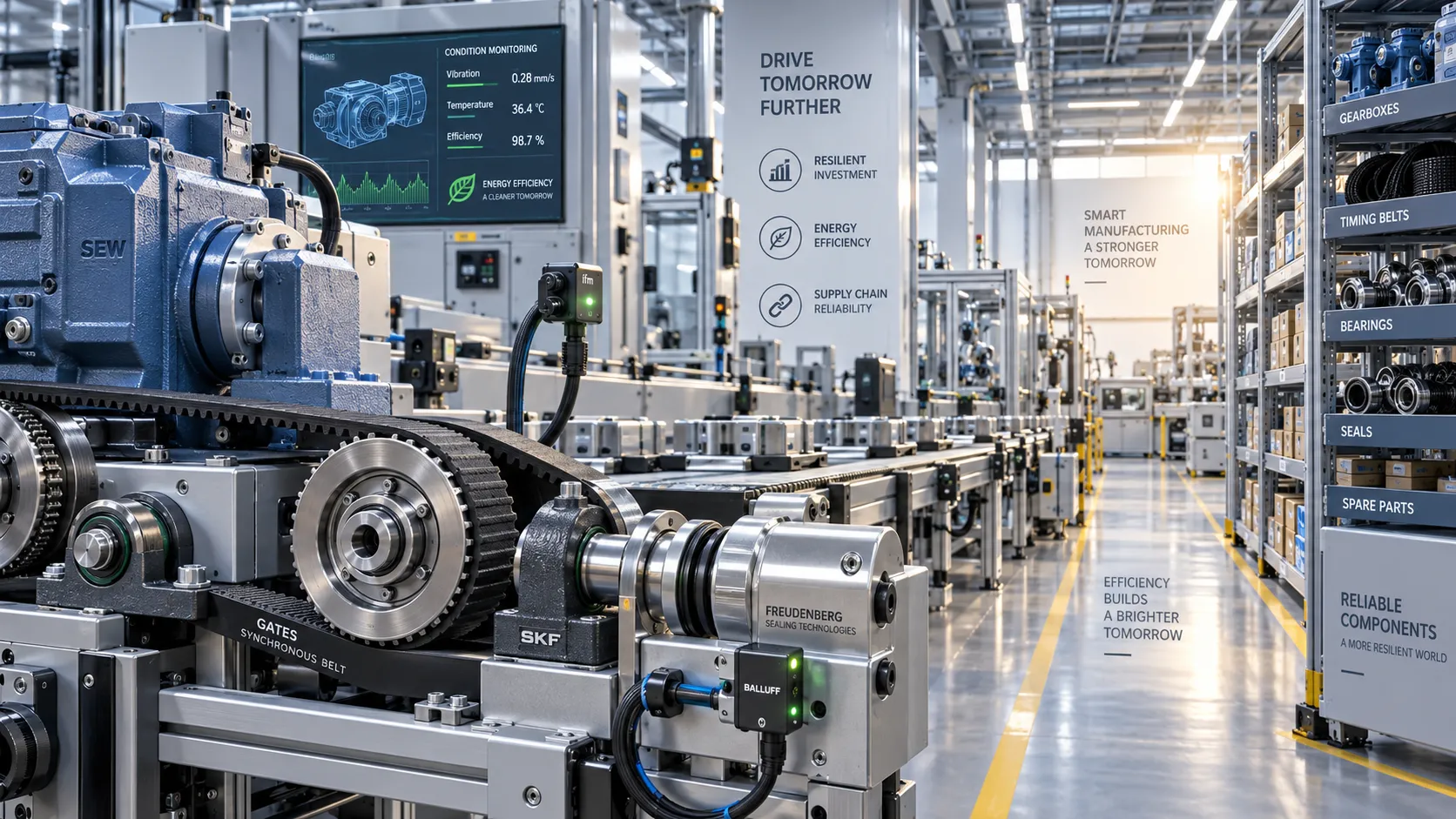
Industrial Economy Trends Shaping Capital Investment and Supply Chain Risk in 2026
Industrial economy trends for 2026 reveal how resilient capital investments, energy efficiency, and supply-chain strategies can protect uptime and strengthen returns.
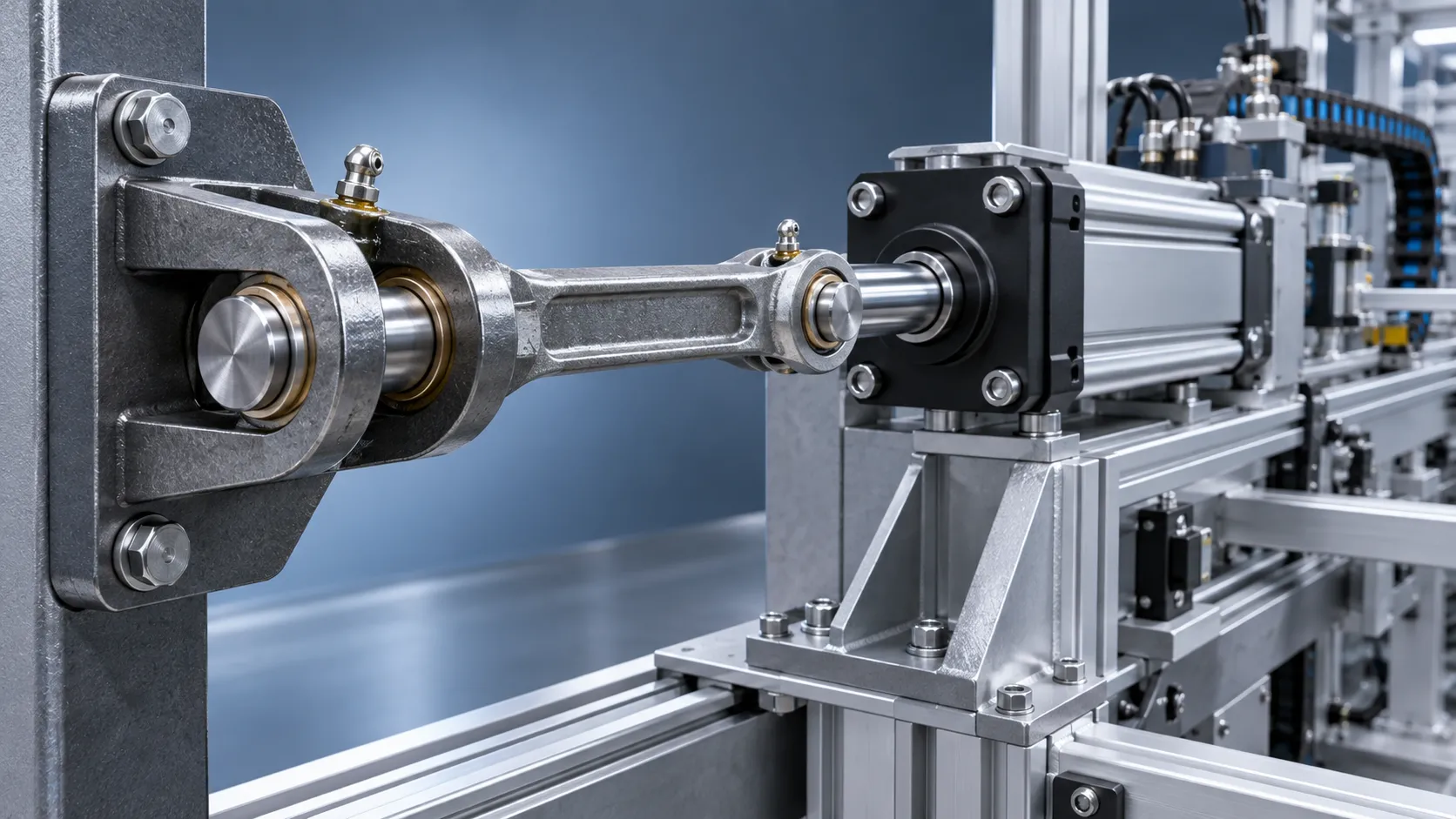
Mechanical Linkage Design: How to Balance Load Capacity, Motion Accuracy, and Wear
Mechanical linkage design guide: balance load capacity, motion accuracy, and wear with practical insights on geometry, joints, tolerances, lubrication, and service life.
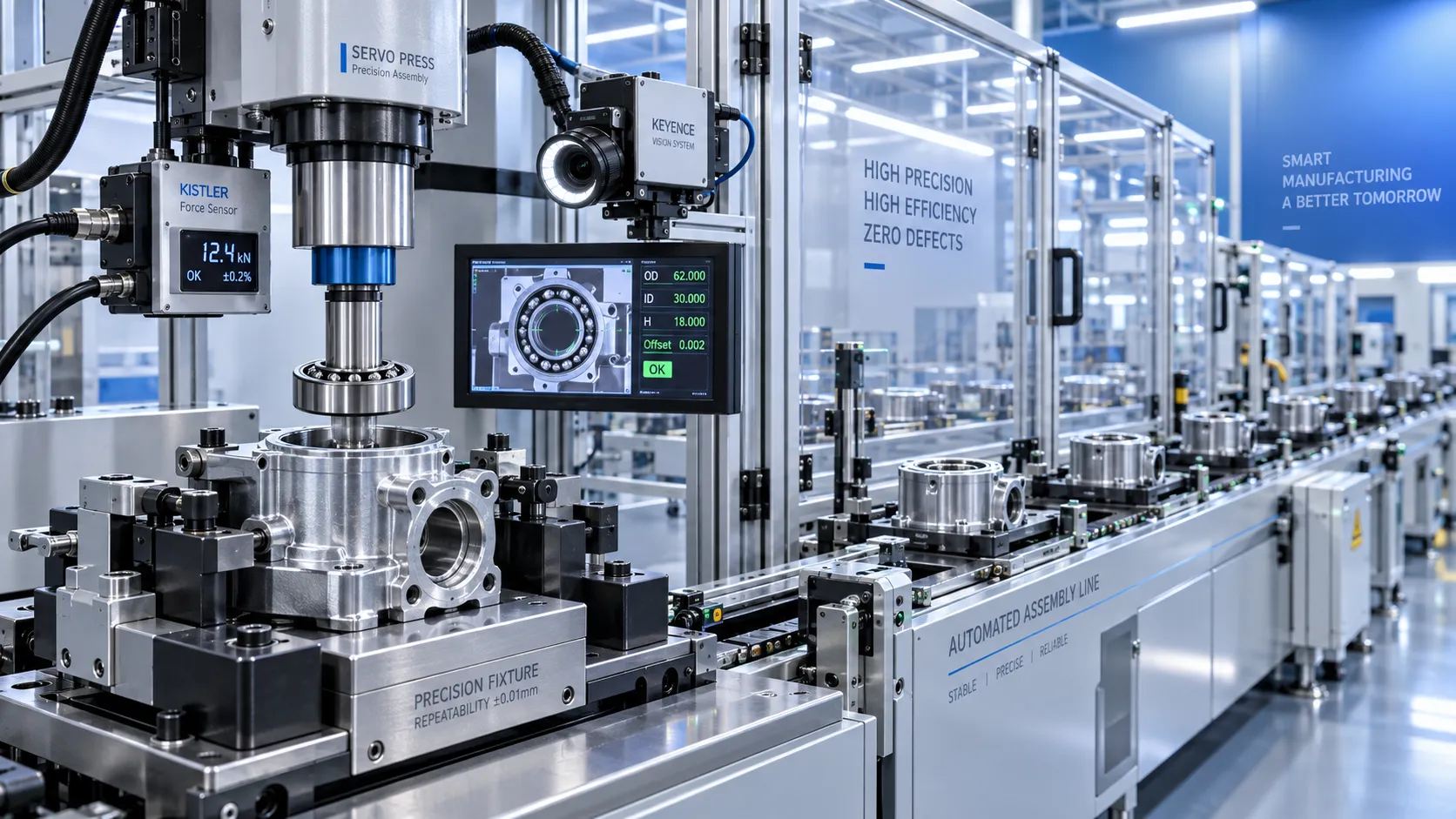
How Precision Automated Production Improves Quality Control in High-Volume Assembly
Precision automated production strengthens quality control in high-volume assembly with real-time verification, traceability, and safer defect containment.
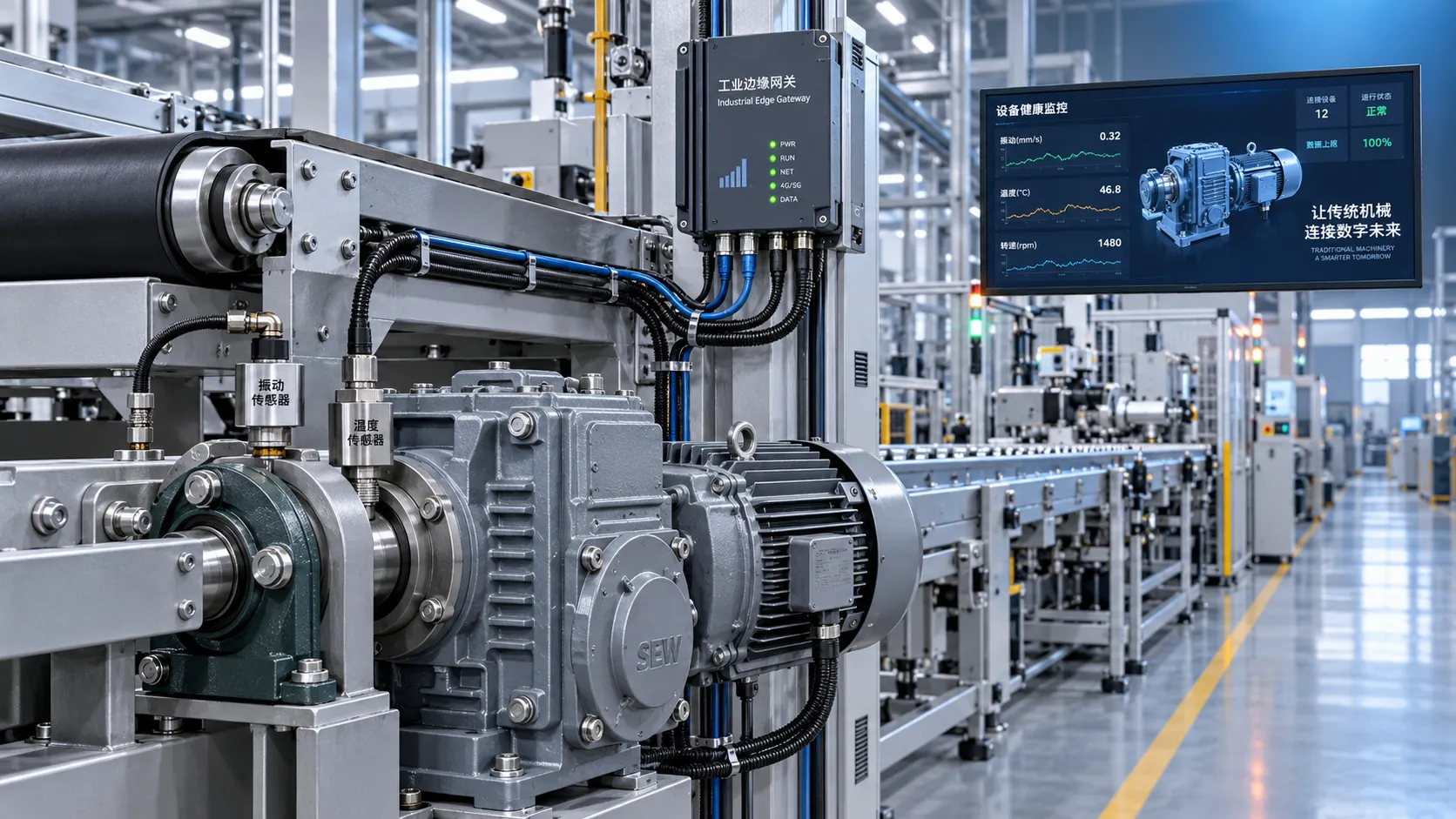
Industry 4.0 Integration: A Roadmap for Connecting Legacy Machines and Data
Industry 4.0 integration roadmap for connecting legacy machines, improving data visibility, reducing downtime, and scaling secure, measurable operational performance.
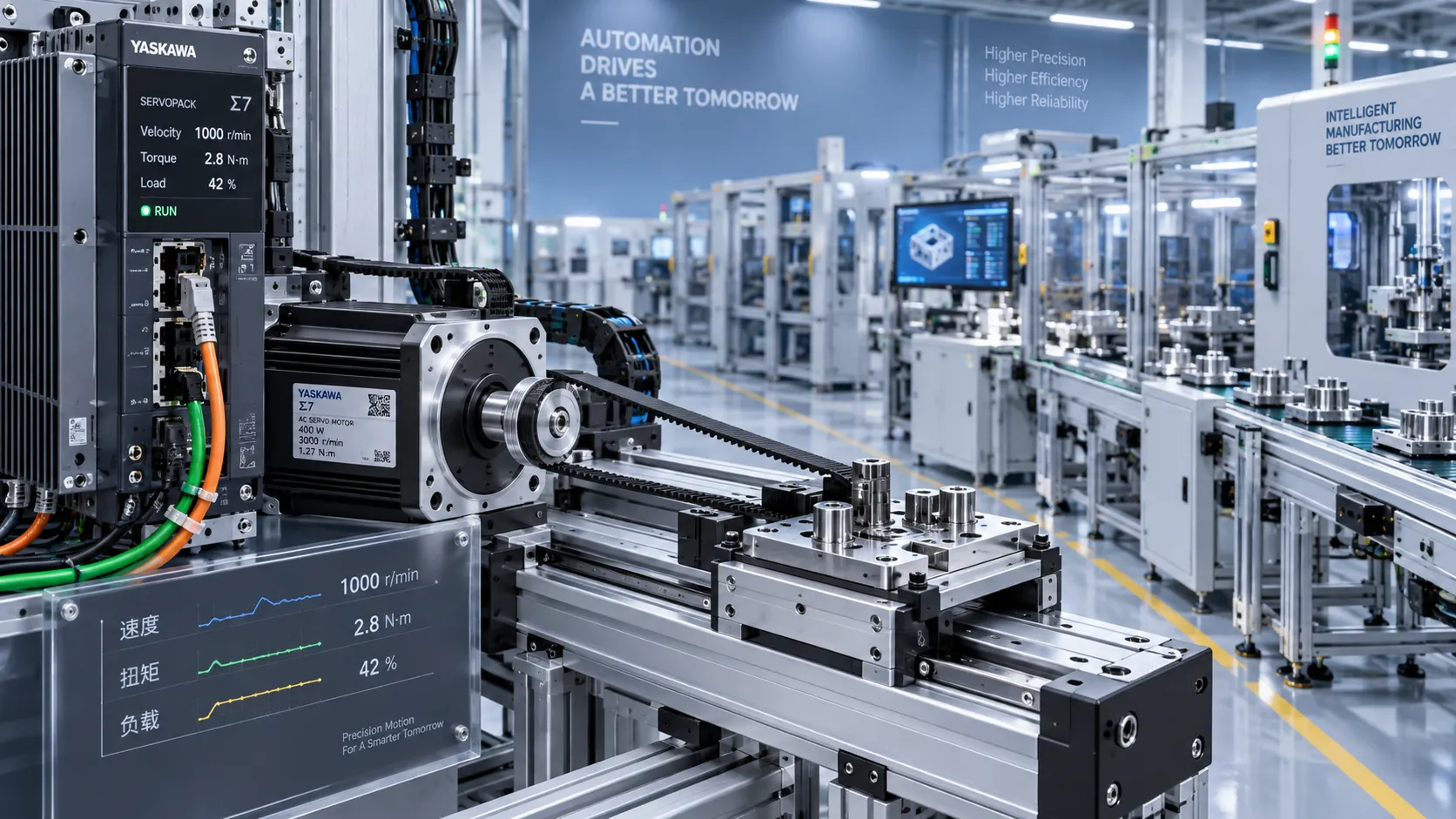
Servo Drive Comparison: Selecting Motion Control for Speed, Torque, and Load
Technical product comparison servo drives: evaluate speed, torque, inertia, safety, and control integration to select a reliable motion system with proven performance margins.

Industrial Automation Technology: How to Prioritize Upgrades by ROI and Downtime Risk
Industrial automation technology upgrades: learn to rank projects by ROI, bottleneck exposure, and downtime risk to reduce losses and make smarter capital decisions.
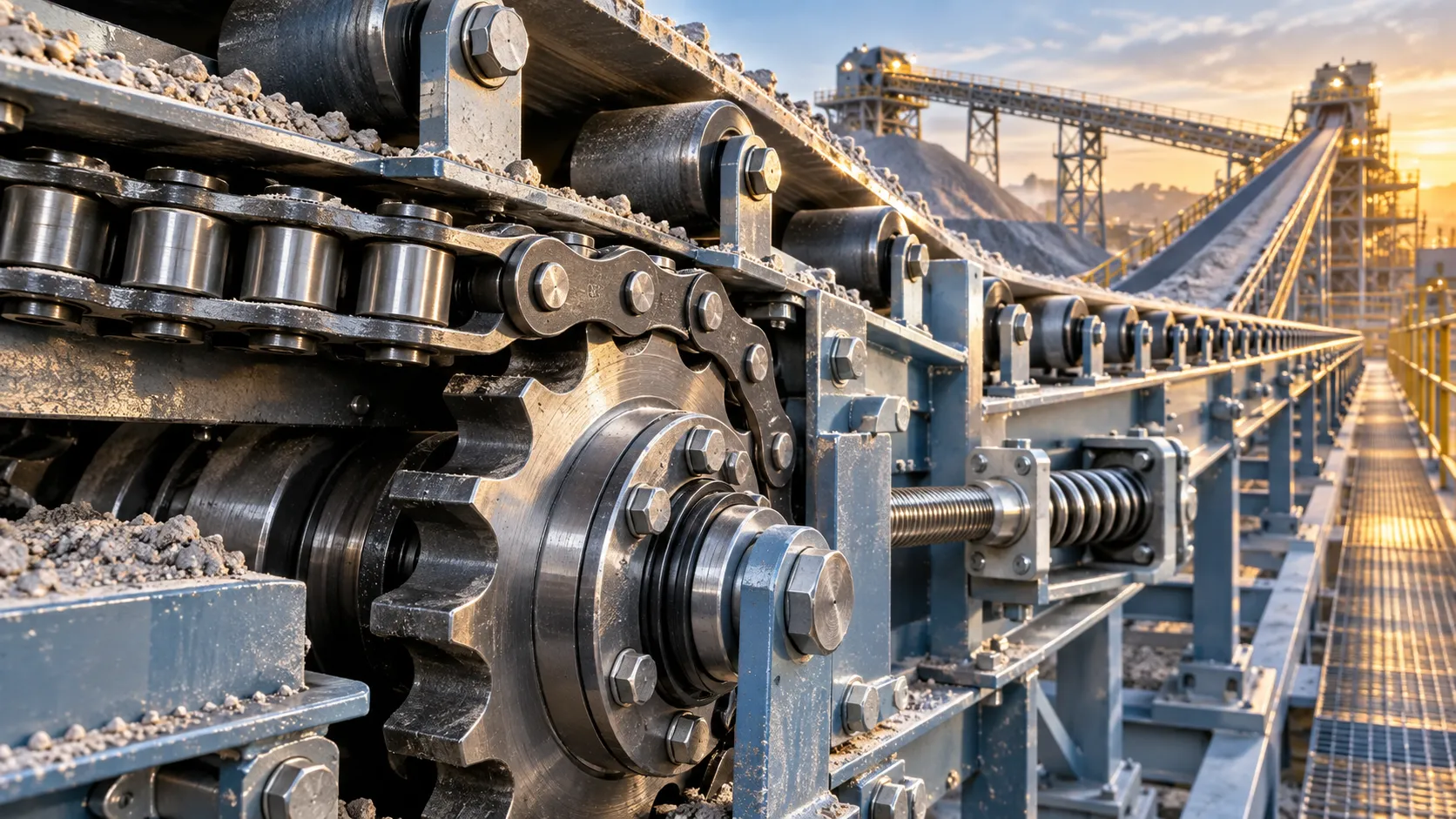
Selecting Low-Maintenance Chain Components for Dusty, High-Load Conveyors
Low maintenance chain components for dusty, high-load conveyors: compare seals, lubrication, materials, sprockets, and load capacity to reduce wear and downtime.
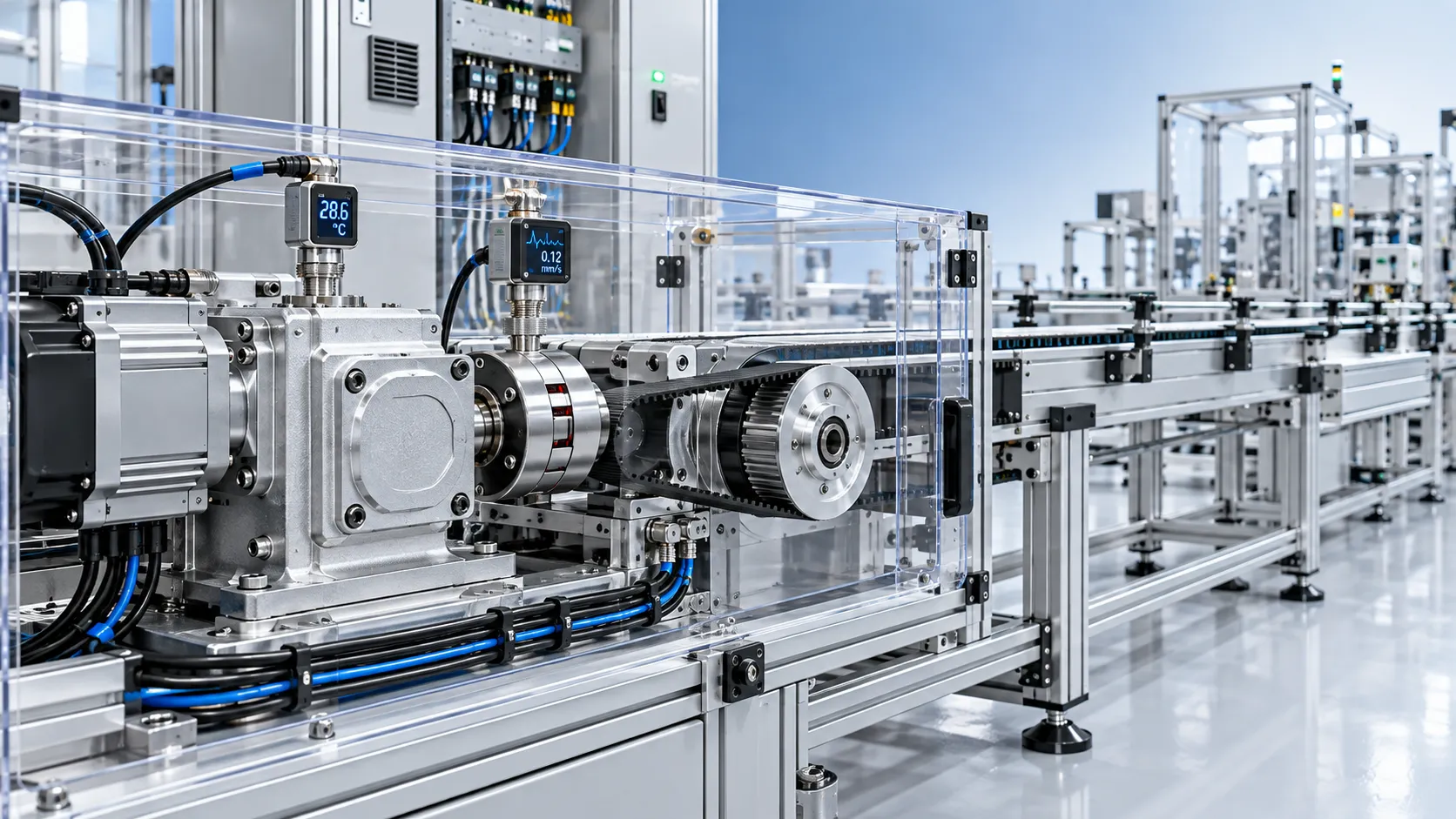
Selecting Smart Transmission Modules for Automated Lines: Control, Load, and Safety
Smart transmission modules for automated lines: evaluate control compatibility, real load demands, safety boundaries, and predictive maintenance value for reliable performance.

How to Assess Automated Packaging Production for High-Mix Manufacturing Lines
Automated production for packaging: assess changeovers, flexibility, controls, reliability, and lifecycle cost to build high-mix lines that deliver stable output.