
Industry News
Curation by industry experts
Hot Articles
Popular Tags
How do extreme condition mechanical systems fail first?
How do extreme condition mechanical systems fail first? For quality control and safety programs, the answer usually appears early, not late. In most cases, extreme condition mechanical systems begin with small shifts in friction, sealing, alignment, surface temperature, and lubricant condition. Those changes often look minor during routine operation, yet they are the first visible break in system stability.
When heat, pressure, shock loading, corrosive media, dust, or moisture rise beyond design margins, failure rarely starts as a dramatic collapse. It starts as energy loss, material fatigue, micro-cracking, seal hardening, film breakdown, or local deformation. If these first symptoms are missed, bearings seize, gear teeth spall, shafts deflect, couplings loosen, and seals leak under load.
This article provides a practical checklist for judging how extreme condition mechanical systems fail first, what warning signals matter most, and how to act before small defects become shutdown events.
Why a checklist is essential for extreme condition mechanical systems
Extreme environments compress failure timelines. A problem that develops over months in normal duty may reach a critical stage in days under thermal cycling, abrasive contamination, pressure pulsation, or repeated impact.
A checklist prevents random inspection habits. It forces attention onto the same mechanical interfaces every time: bearings, gears, shafts, couplings, seals, fasteners, lubricants, and mounting geometry.
It also improves decision quality. Instead of reacting only to noise or visible leakage, teams can compare temperature drift, vibration patterns, wear debris, and alignment change against known thresholds.
Core checklist: where extreme condition mechanical systems fail first
Use this sequence during inspections, commissioning reviews, and failure-prevention audits. In extreme condition mechanical systems, first-failure points usually cluster around load transfer surfaces and fluid barriers.
- Check lubricant film integrity by trending viscosity, contamination level, oxidation, and foaming, because lubrication collapse is often the earliest trigger for bearing and gear distress.
- Measure localized temperature rise at housings, seal faces, and gearboxes, since hot spots usually reveal friction increase, misalignment, overload, or cooling path restriction.
- Inspect seals for hardening, leakage tracks, lip wear, and face scoring, because sealing loss often appears before catastrophic mechanical failure in harsh pressure or chemical exposure.
- Verify shaft alignment under operating temperature, not only at shutdown, because thermal growth can shift centerlines and overload bearings, couplings, and mechanical seals.
- Listen for changing acoustic signatures such as whining, rattling, or cyclic knocking, which often indicate early gear mesh damage, looseness, or rolling element fatigue.
- Track vibration by frequency band and direction, because overall vibration alone can hide whether failure begins in imbalance, misalignment, looseness, resonance, or lubrication starvation.
- Examine wear particles in oil or grease samples, since metal debris shape and composition can show whether extreme condition mechanical systems are losing bearings, gears, or sliding surfaces first.
- Review fastener preload and base rigidity, because repeated shock and thermal cycling gradually relax joints and create movement that accelerates fatigue across connected components.
- Inspect surface finish and contact patterns on teeth, races, and seal faces, as uneven loading often appears before fracture through polishing, pitting, scoring, or edge contact.
- Confirm material compatibility with temperature, media, and duty cycle, because elastomers, coatings, and alloys may degrade earlier than the primary mechanical structure.
What the first failure signs usually look like
Lubrication breakdown
In extreme condition mechanical systems, lubricant failure is one of the most common first events. High heat thins oil, low temperature blocks flow, and contamination destroys the protective film between loaded surfaces.
The earliest clues include darkened oil, varnish, burnt odor, rising bearing temperature, and increased start-up torque. If ignored, adhesive wear and surface scoring follow quickly.
Sealing loss
Seals are frontline components in dust, slurry, steam, chemicals, and pressure cycling. They often fail before shafts or housings because they absorb both frictional and chemical stress.
First indicators include slight weeping, crust around seal glands, pressure instability, and abnormal fluid consumption. Once contamination enters, adjacent components degrade much faster.
Misalignment and structural movement
Thermal expansion, uneven foundations, and cyclic loads can shift machine geometry. In extreme condition mechanical systems, this movement often starts small but concentrates load on bearings and couplings.
Watch for coupling wear dust, repeating seal leaks, unusual bearing edge loading, and directional vibration changes. These signs usually appear before visible shaft damage.
Surface fatigue
Repeated shock and peak loading create micro-pits and subsurface cracks in gears and rolling elements. The first stage is often microscopic, but it changes vibration and wear debris patterns.
Once pitting connects across contact zones, crack growth accelerates. That is why oil analysis and trend-based vibration review matter more than occasional visual checks.
Application scenarios that change failure order
High-temperature process equipment
In furnaces, dryers, thermal conveyors, and hot-gas systems, the first weakness is often lubricant oxidation or seal hardening. Thermal growth then creates alignment drift, raising contact stress.
Inspection should prioritize hot-state alignment, housing temperature mapping, grease relubrication intervals, and elastomer grade verification. Cold-state measurements alone are not enough.
Dusty or abrasive handling systems
Conveyors, crushers, mixers, and bulk handling drives often fail first at seals and bearings. Fine particles enter through breathing points, damage lubricant films, and act as grinding media.
The best early controls are contamination counting, seal-lip inspection, housing pressure management, and strict cleaning around lubrication ports before servicing.
High-shock mobile or heavy-duty equipment
In mining, construction, and off-road systems, fastener relaxation and structural looseness are common first steps toward broader failure. Shock loading also shortens rolling-contact fatigue life.
Focus on torque retention, bracket cracking, mounting flatness, and impact-related brinelling. A healthy lubricant cannot compensate for unstable geometry.
Wet, corrosive, or chemical exposure environments
Pumps, agitators, and sealed drives in aggressive media often show first failure at seal faces, sleeves, and coated surfaces. Corrosion and abrasion can combine to remove tolerance very quickly.
Here, material selection becomes an inspection topic, not only a design topic. Compatibility review should include startup, washdown, standby, and upset conditions.
Commonly overlooked risks
One frequent mistake is treating leakage as a housekeeping problem instead of a reliability signal. In extreme condition mechanical systems, minor leakage often marks barrier failure and contamination entry.
Another is checking alignment only after maintenance. Thermal growth, piping strain, and load direction changes can move shafts significantly during real operation.
A third risk is relying on average temperature. Local hot spots near bearings, seals, or gear meshes reveal failure sooner than a single casing reading.
Many programs also underuse oil analysis. Wear debris morphology can identify the first failing interface before noise becomes obvious.
Finally, replacement parts may match dimensions but not duty severity. In extreme condition mechanical systems, small differences in elastomer, coating, heat treatment, or clearance can change life sharply.
Practical execution steps
- Set inspection routes around first-failure interfaces: bearings, seals, couplings, gear meshes, and mounting points.
- Capture baseline data during stable operation, including vibration spectrum, temperature map, oil condition, and leakage status.
- Trend changes by rate, not only by limit. Rapid movement often matters more than a single acceptable reading.
- Inspect under real load and temperature whenever possible to reveal thermal distortion and pressure-related sealing changes.
- Link findings to corrective actions such as relubrication, realignment, seal upgrade, contamination control, or duty reduction.
- Review recurring faults against material selection and operating envelope, not only maintenance technique.
Conclusion and next action
Extreme condition mechanical systems rarely fail without warning. They usually fail first at friction surfaces, sealing barriers, and load-transfer interfaces. The earliest signs are heat rise, lubricant distress, leakage, vibration change, and contact pattern irregularity.
Use the checklist above to standardize inspections, compare trends, and isolate the first weak point before secondary damage spreads. A short review of lubrication, sealing, alignment, and debris evidence can prevent costly downtime and strengthen mechanical reliability across demanding industrial environments.
For organizations tracking the reliability evolution of extreme condition mechanical systems, a disciplined first-failure approach delivers clearer maintenance priorities, safer operation, and more durable asset performance.
Recommended News
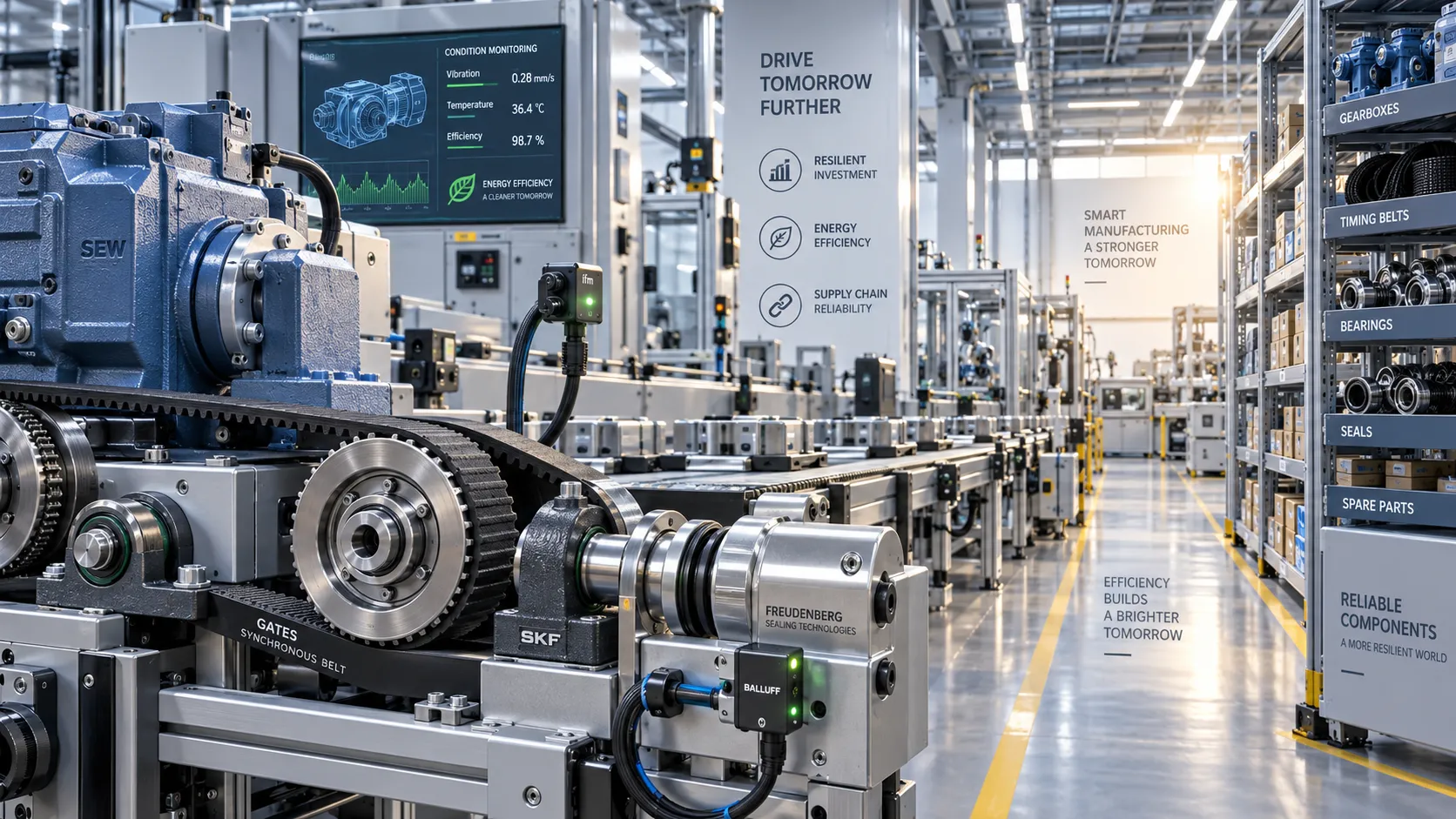
Industrial Economy Trends Shaping Capital Investment and Supply Chain Risk in 2026
Industrial economy trends for 2026 reveal how resilient capital investments, energy efficiency, and supply-chain strategies can protect uptime and strengthen returns.
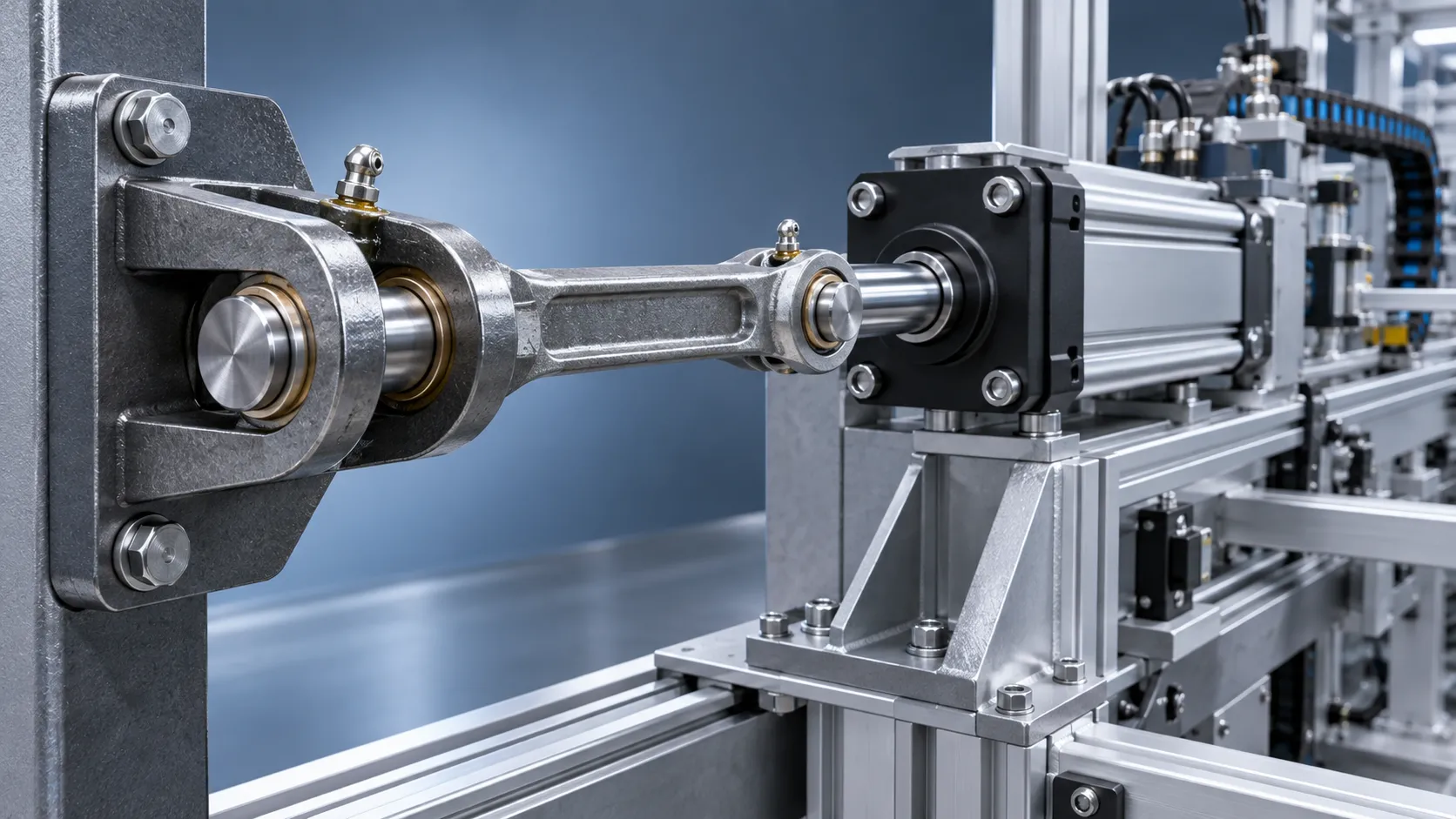
Mechanical Linkage Design: How to Balance Load Capacity, Motion Accuracy, and Wear
Mechanical linkage design guide: balance load capacity, motion accuracy, and wear with practical insights on geometry, joints, tolerances, lubrication, and service life.

How Precision Automated Production Improves Quality Control in High-Volume Assembly
Precision automated production strengthens quality control in high-volume assembly with real-time verification, traceability, and safer defect containment.
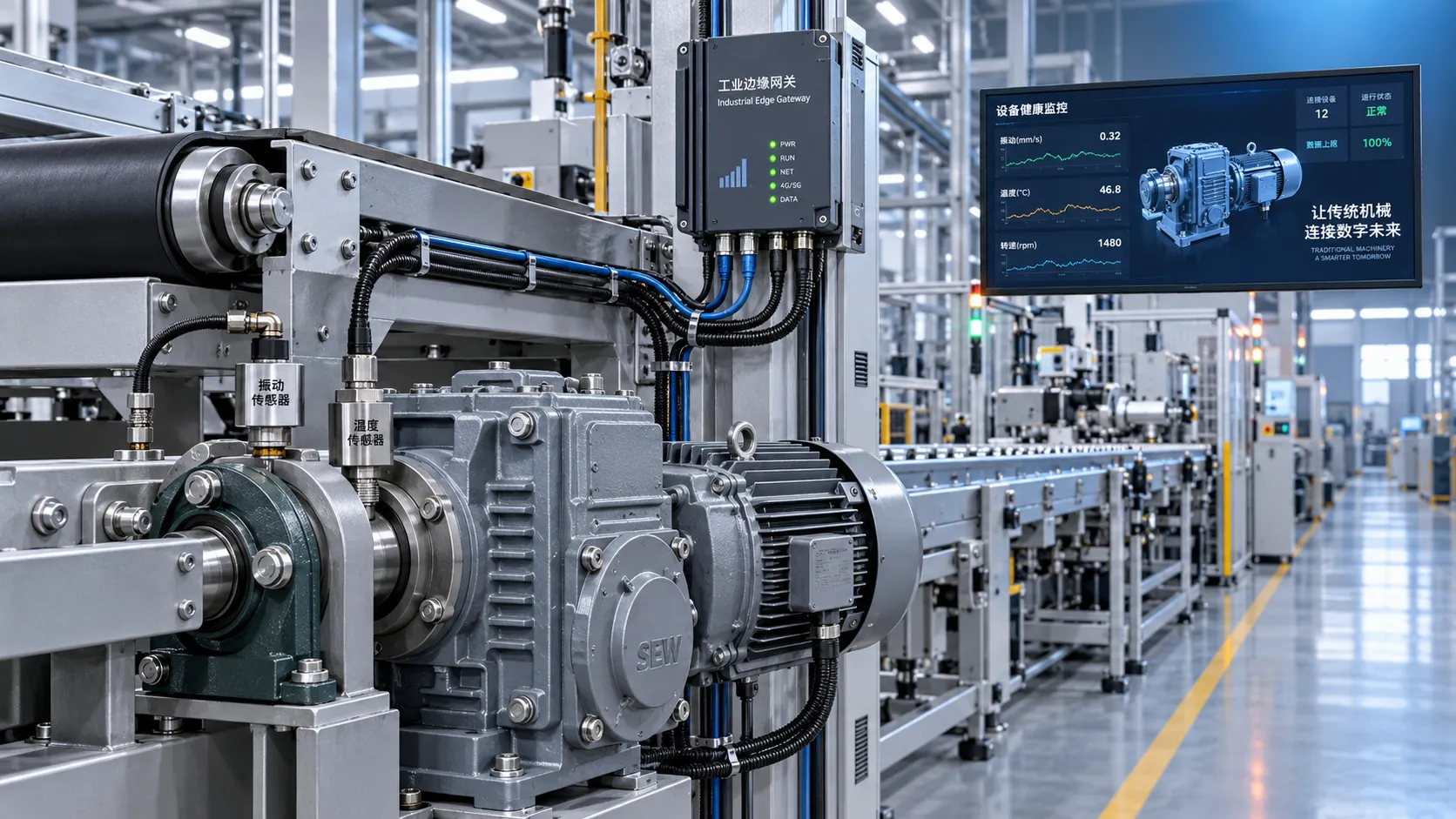
Industry 4.0 Integration: A Roadmap for Connecting Legacy Machines and Data
Industry 4.0 integration roadmap for connecting legacy machines, improving data visibility, reducing downtime, and scaling secure, measurable operational performance.
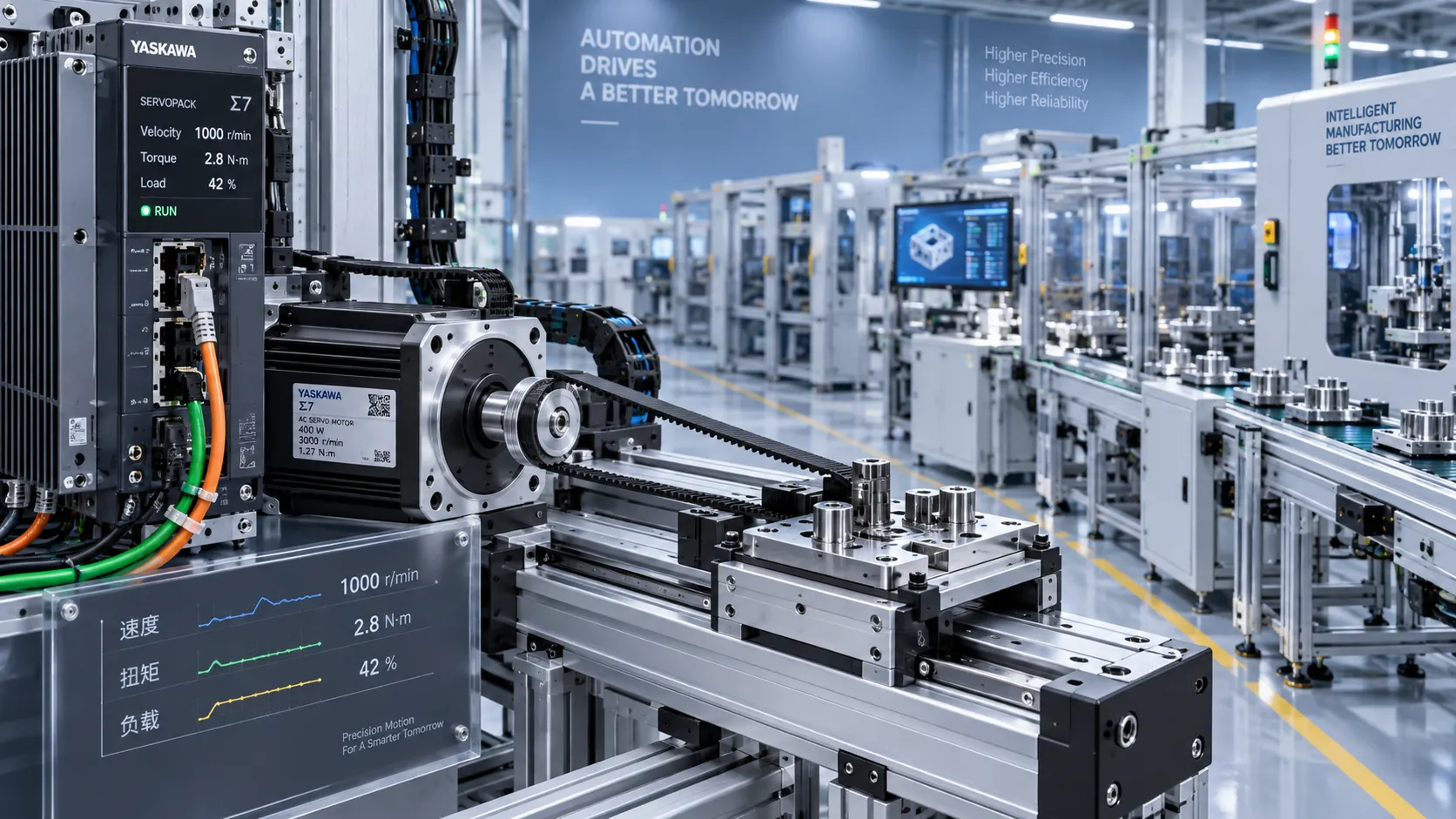
Servo Drive Comparison: Selecting Motion Control for Speed, Torque, and Load
Technical product comparison servo drives: evaluate speed, torque, inertia, safety, and control integration to select a reliable motion system with proven performance margins.

Industrial Automation Technology: How to Prioritize Upgrades by ROI and Downtime Risk
Industrial automation technology upgrades: learn to rank projects by ROI, bottleneck exposure, and downtime risk to reduce losses and make smarter capital decisions.

Selecting Low-Maintenance Chain Components for Dusty, High-Load Conveyors
Low maintenance chain components for dusty, high-load conveyors: compare seals, lubrication, materials, sprockets, and load capacity to reduce wear and downtime.
Selecting Smart Transmission Modules for Automated Lines: Control, Load, and Safety
Smart transmission modules for automated lines: evaluate control compatibility, real load demands, safety boundaries, and predictive maintenance value for reliable performance.

How to Assess Automated Packaging Production for High-Mix Manufacturing Lines
Automated production for packaging: assess changeovers, flexibility, controls, reliability, and lifecycle cost to build high-mix lines that deliver stable output.