
Industry News
Curation by industry experts
Hot Articles
Popular Tags
How to compare industrial automation components without overspending
Comparing industrial automation components can become costly when price is treated as the main decision point. In today’s market, supply volatility, faster upgrade cycles, and stricter efficiency targets have changed how industrial automation components should be evaluated.
A lower quote may hide integration delays, energy loss, shorter service life, or higher maintenance frequency. A higher quote may also include features that bring little practical value. The smarter path is disciplined comparison.
For industrial systems, component selection now affects uptime, energy use, digital visibility, and future scalability. That is why comparing industrial automation components without overspending requires a trend-aware framework, not a simple price check.
Why industrial automation components are harder to compare than before
The market for industrial automation components has shifted from stable catalog buying to multi-variable technical evaluation. Motion control, sealing, sensing, drives, and transmission parts increasingly interact inside connected production environments.
At the same time, suppliers are differentiating through software compatibility, predictive maintenance functions, and energy-saving claims. These claims are not always directly comparable across brands, series, or regions.
Another change is lifecycle pressure. Many facilities now expect longer operating windows, fewer shutdowns, and lower labor dependence. This makes reliability and maintainability central when reviewing industrial automation components.
Global intelligence platforms such as GPT-Matrix reflect this shift clearly. Mechanical performance is no longer evaluated in isolation. Material science, tribology, energy pricing, and digital integration all shape component value.
The strongest trend signals affecting industrial automation components
Several signals explain why overpaying happens more often during component selection. Most of them originate outside the component itself, yet they directly change buying logic.
- Energy costs have turned efficiency differences into long-term financial issues.
- Raw material volatility affects price stability and replacement planning.
- Digital integration raises the value of communication compatibility.
- Labor shortages increase the importance of easy installation and serviceability.
- Production flexibility requires components that support future line changes.
- Sustainability goals favor lower-friction, lower-loss, longer-life designs.
These signals mean industrial automation components should be compared by use-case value, not by item description alone. Similar-looking products may produce very different operating outcomes.
What is driving the shift in evaluation criteria
The comparison model has changed because the cost of a wrong choice is now broader. It includes downtime, retrofit expense, control complexity, spare inventory burden, and hidden energy waste.
This is especially relevant in power transmission and motion systems. Belts, reducers, couplings, bearings, seals, and actuators influence each other. One mismatched element can reduce the value of the entire assembly.
How these changes affect cost, operations, and replacement planning
The impact reaches far beyond initial purchasing. Industrial automation components now shape maintenance routines, machine availability, line balancing, and energy budgeting across mixed equipment environments.
When a component is selected only by nominal specification, operating mismatches often appear later. These include heat buildup, vibration, premature seal wear, communication errors, or difficult spare part sourcing.
A disciplined comparison process reduces those risks. It also helps standardize replacement logic across sites, making inventory planning and training more efficient over time.
- Operations benefit from fewer unplanned stoppages.
- Maintenance benefits from simpler diagnostics and part interchangeability.
- Engineering benefits from easier integration into control architecture.
- Commercial planning benefits from more stable total cost forecasting.
What to prioritize when comparing industrial automation components
To avoid overspending, industrial automation components should be assessed with a weighted comparison model. The goal is not to find the cheapest option, but the best-fit option for real operating conditions.
1. Functional fit before feature count
Start with load, speed, duty cycle, environment, control logic, and installation constraints. Extra functions add cost quickly. If they do not support the actual process, they should not drive selection.
2. Lifecycle value before unit price
Check expected service life, lubrication needs, wear patterns, replacement intervals, and likely downtime cost. Many industrial automation components are inexpensive to buy but expensive to own.
3. Compatibility before brand preference
Verify mechanical dimensions, communication protocols, mounting standards, material compatibility, and environmental ratings. Strong brand recognition does not guarantee seamless fit inside an existing system.
4. Reliability evidence before marketing claims
Look for field data, test standards, failure history, and support records. Industrial automation components should be validated by operating evidence, especially in demanding transmission or sealing applications.
5. Supply resilience before short-term discounts
A lower price loses value when lead times become unpredictable. Compare regional stock availability, approved substitutes, documentation quality, and after-sales responsiveness before making a final decision.
A practical framework to compare industrial automation components without overspending
A structured framework improves consistency and keeps decisions grounded in measurable value. The following approach works well across mixed industrial automation components.
- Define the operating scenario in measurable terms.
- List mandatory specifications and optional features separately.
- Estimate total cost of ownership over a realistic service period.
- Score compatibility with existing mechanical and control systems.
- Review reliability evidence and expected maintenance burden.
- Compare supplier stability, lead time, and technical support depth.
- Run a short list through risk-based final review.
Where smarter decisions are likely to create the biggest savings next
The next savings opportunities will likely come from better selection discipline in wear-sensitive, energy-sensitive, and integration-sensitive categories. These include drive components, reducers, seals, couplings, actuators, and sensor-linked devices.
As industrial automation components become more connected and specialized, value will increasingly come from matching performance to application stage. Not every line needs premium features, but every line needs dependable fit.
This is where high-authority intelligence matters. Market visibility into material evolution, reliability trends, and mechanical efficiency helps separate real innovation from expensive specification inflation.
A more disciplined next step for industrial automation components
The best next move is to review current comparison practices and remove any reliance on unit price alone. Build a repeatable scorecard for industrial automation components that includes performance fit, lifecycle cost, compatibility, reliability, and supply resilience.
Use trusted market intelligence to track technology shifts in power transmission, motion control, and sealing systems. Stronger component decisions begin with stronger information, especially when operating conditions and global cost drivers keep changing.
When industrial automation components are compared through a trend-aware, system-level lens, overspending becomes easier to prevent. The result is better mechanical efficiency, lower risk, and smarter long-term value across industrial operations.
Recommended News
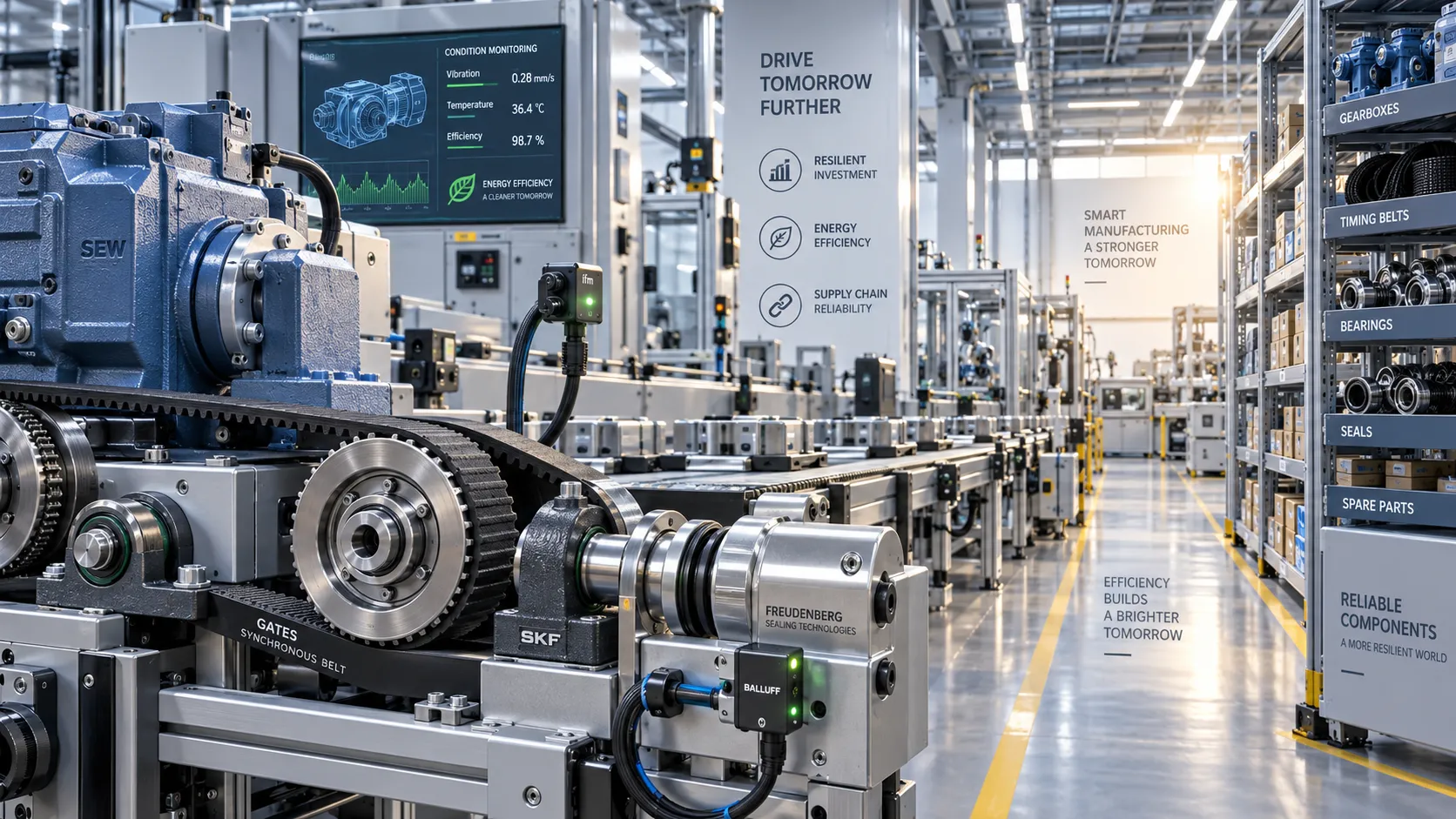
Industrial Economy Trends Shaping Capital Investment and Supply Chain Risk in 2026
Industrial economy trends for 2026 reveal how resilient capital investments, energy efficiency, and supply-chain strategies can protect uptime and strengthen returns.
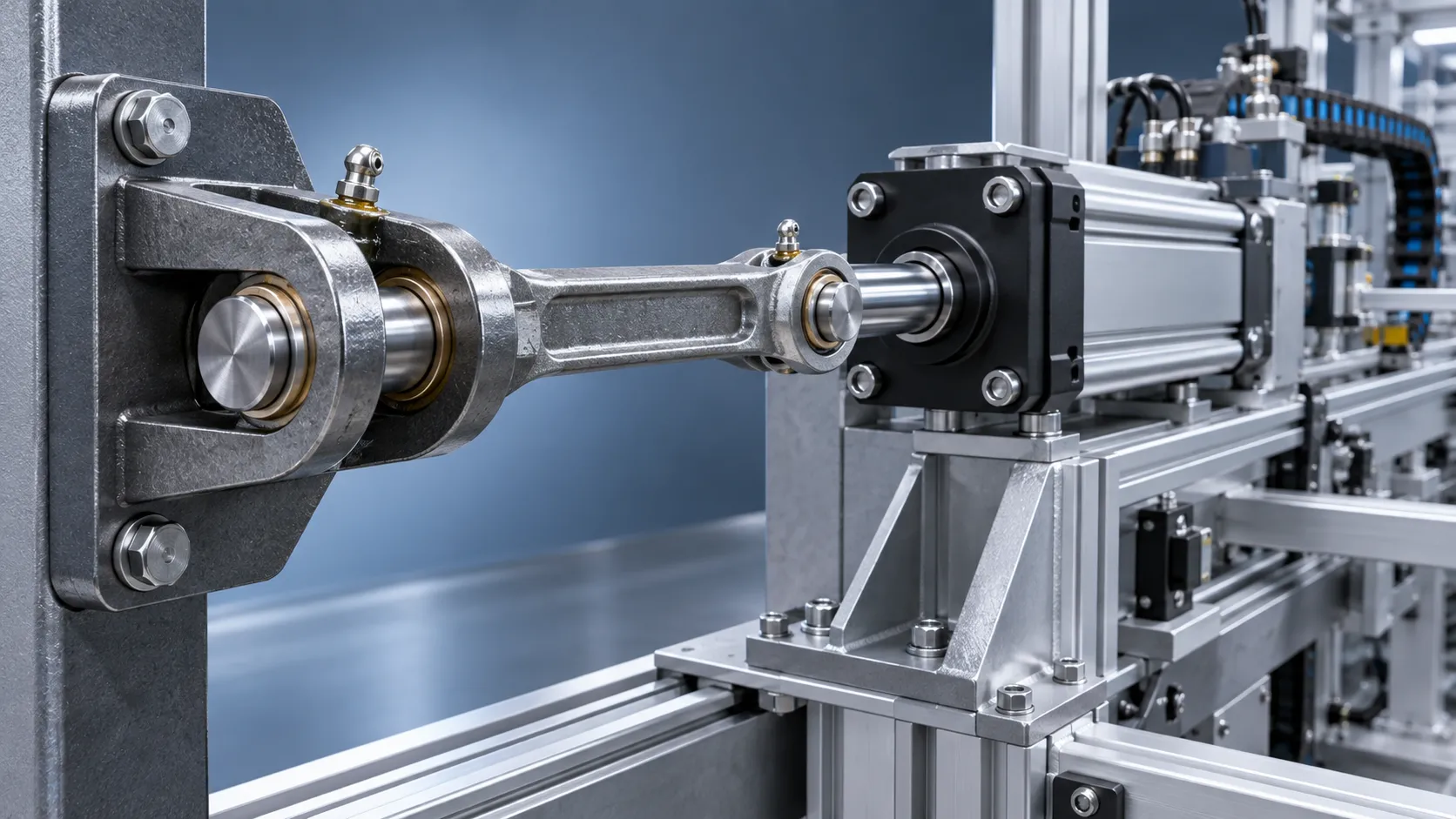
Mechanical Linkage Design: How to Balance Load Capacity, Motion Accuracy, and Wear
Mechanical linkage design guide: balance load capacity, motion accuracy, and wear with practical insights on geometry, joints, tolerances, lubrication, and service life.
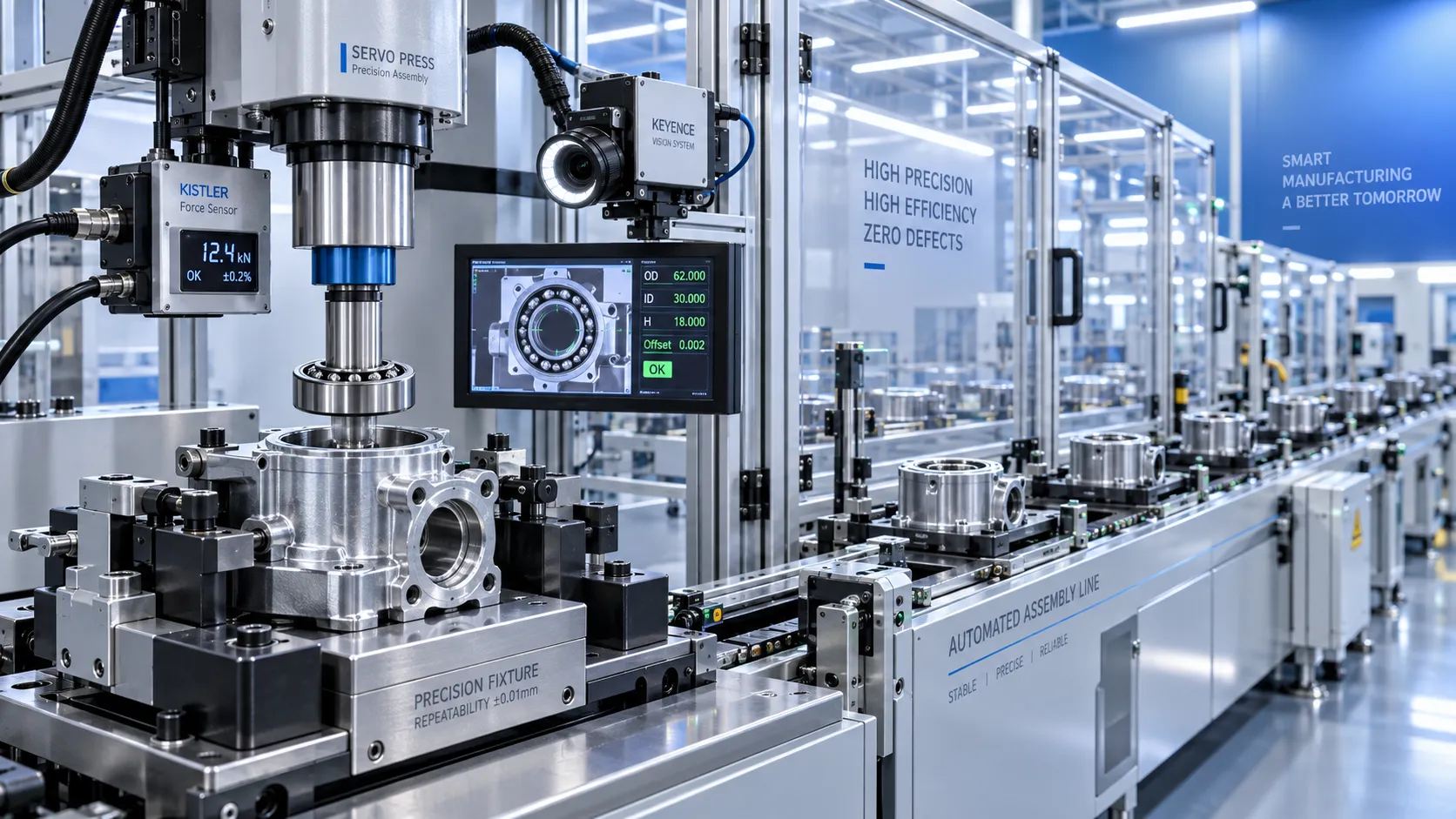
How Precision Automated Production Improves Quality Control in High-Volume Assembly
Precision automated production strengthens quality control in high-volume assembly with real-time verification, traceability, and safer defect containment.
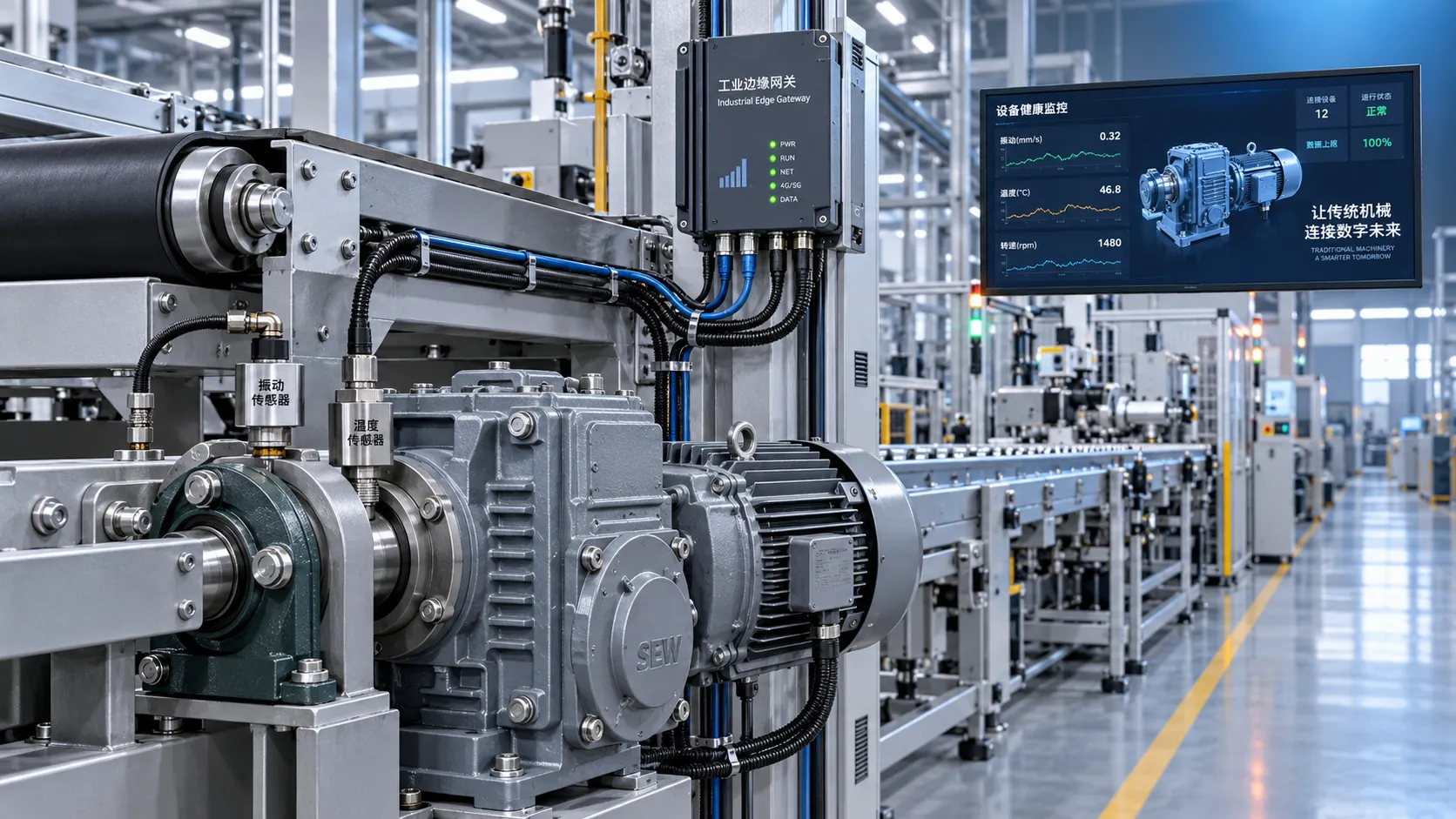
Industry 4.0 Integration: A Roadmap for Connecting Legacy Machines and Data
Industry 4.0 integration roadmap for connecting legacy machines, improving data visibility, reducing downtime, and scaling secure, measurable operational performance.
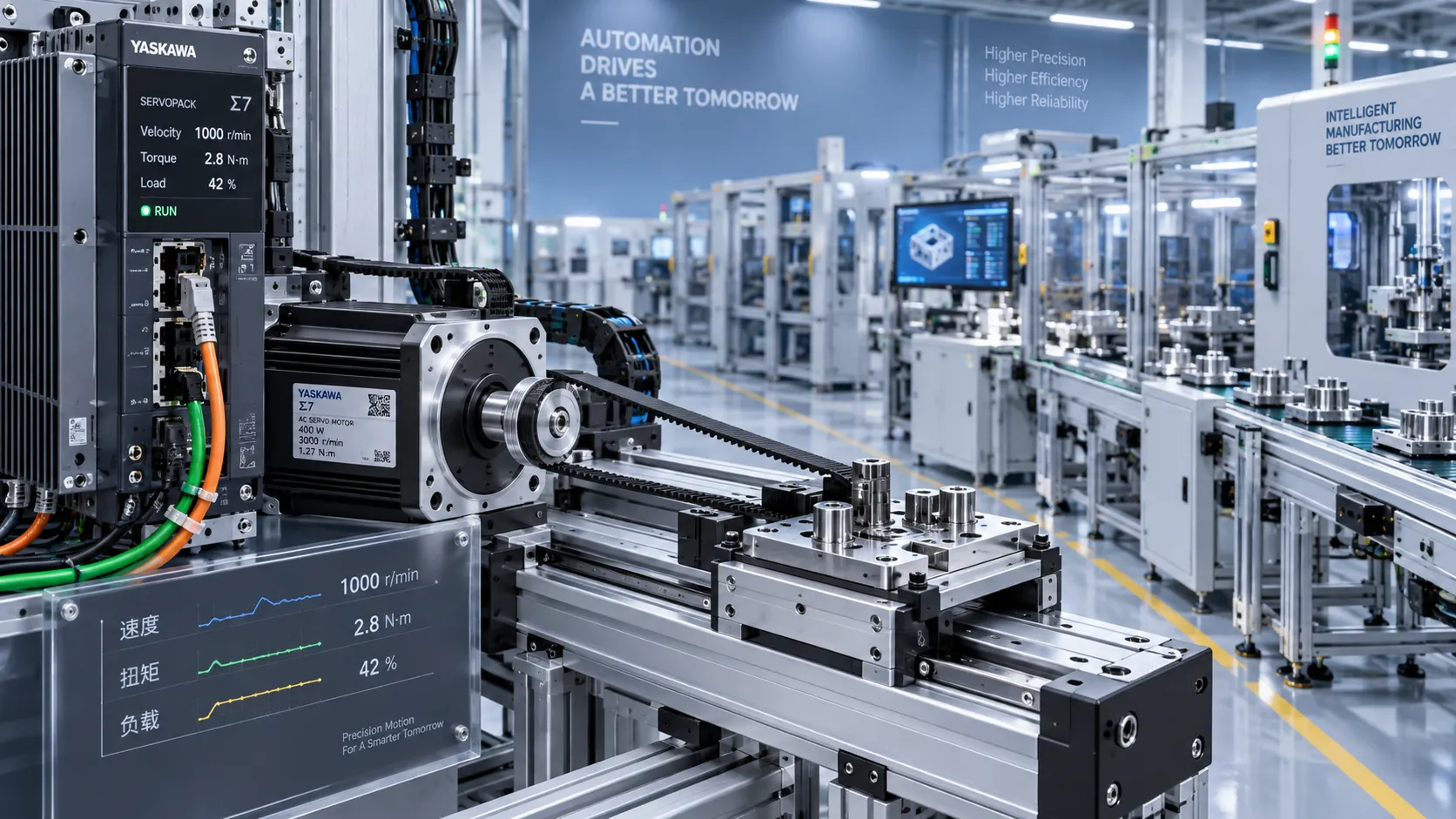
Servo Drive Comparison: Selecting Motion Control for Speed, Torque, and Load
Technical product comparison servo drives: evaluate speed, torque, inertia, safety, and control integration to select a reliable motion system with proven performance margins.
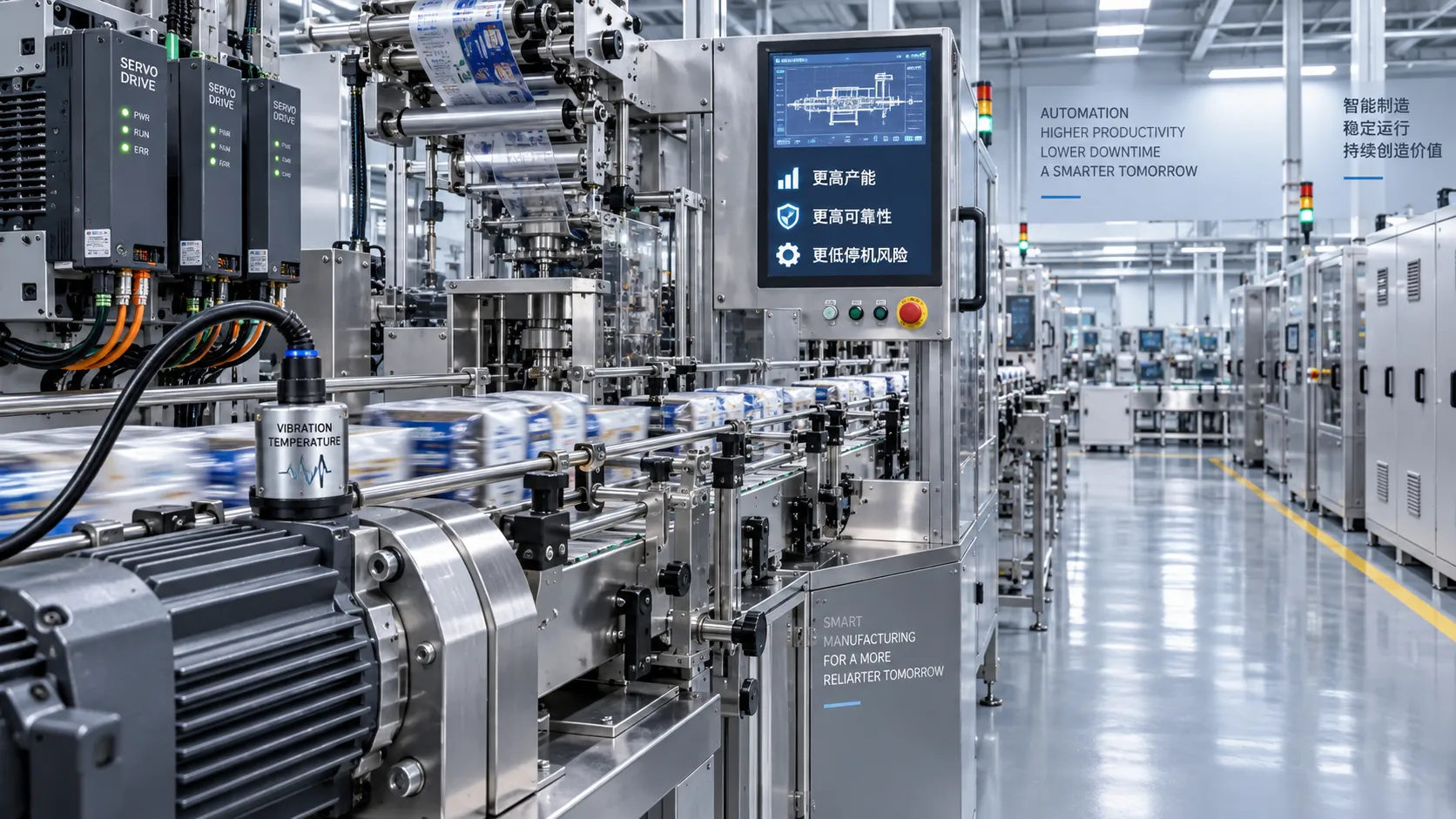
Industrial Automation Technology: How to Prioritize Upgrades by ROI and Downtime Risk
Industrial automation technology upgrades: learn to rank projects by ROI, bottleneck exposure, and downtime risk to reduce losses and make smarter capital decisions.
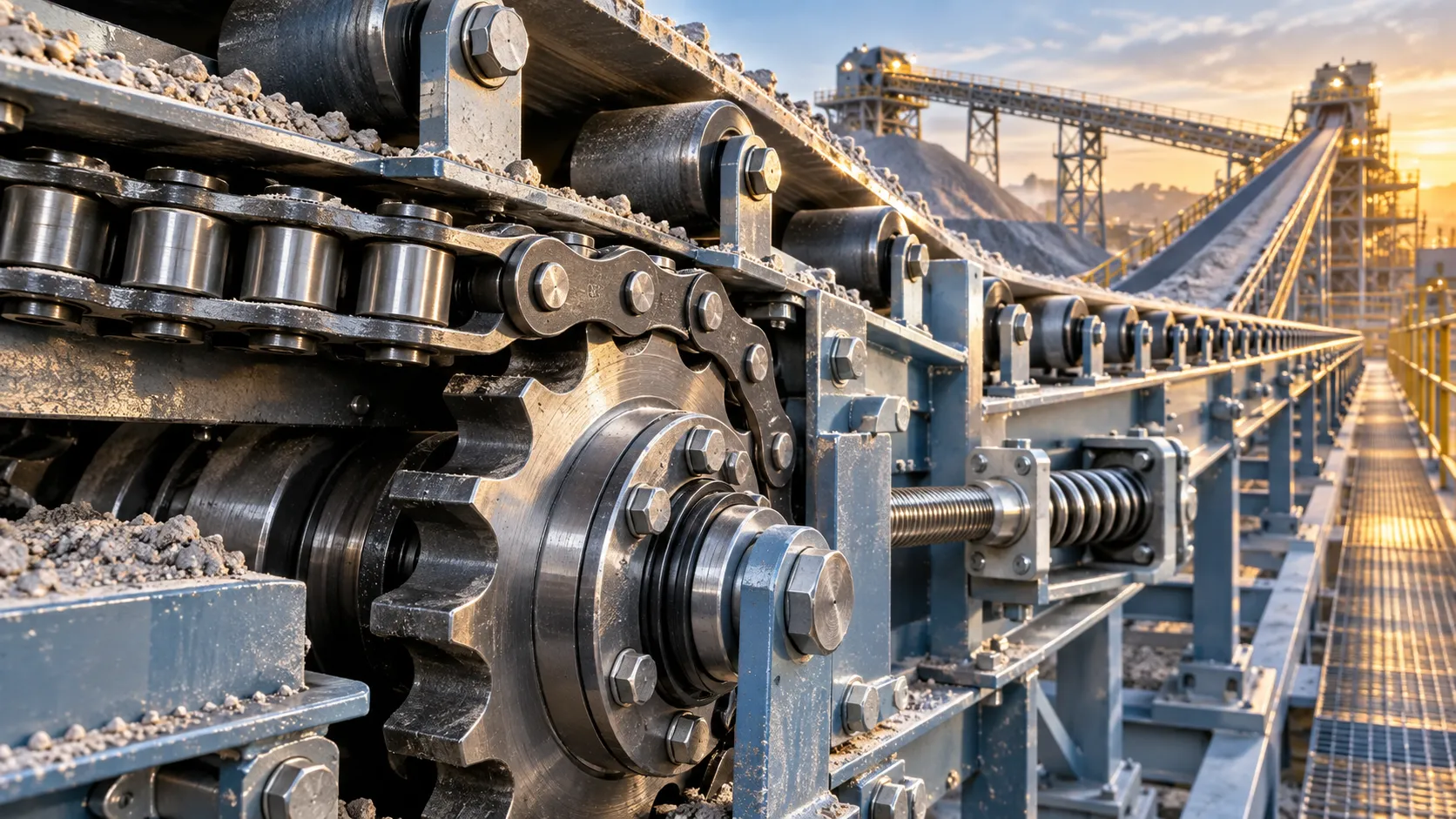
Selecting Low-Maintenance Chain Components for Dusty, High-Load Conveyors
Low maintenance chain components for dusty, high-load conveyors: compare seals, lubrication, materials, sprockets, and load capacity to reduce wear and downtime.
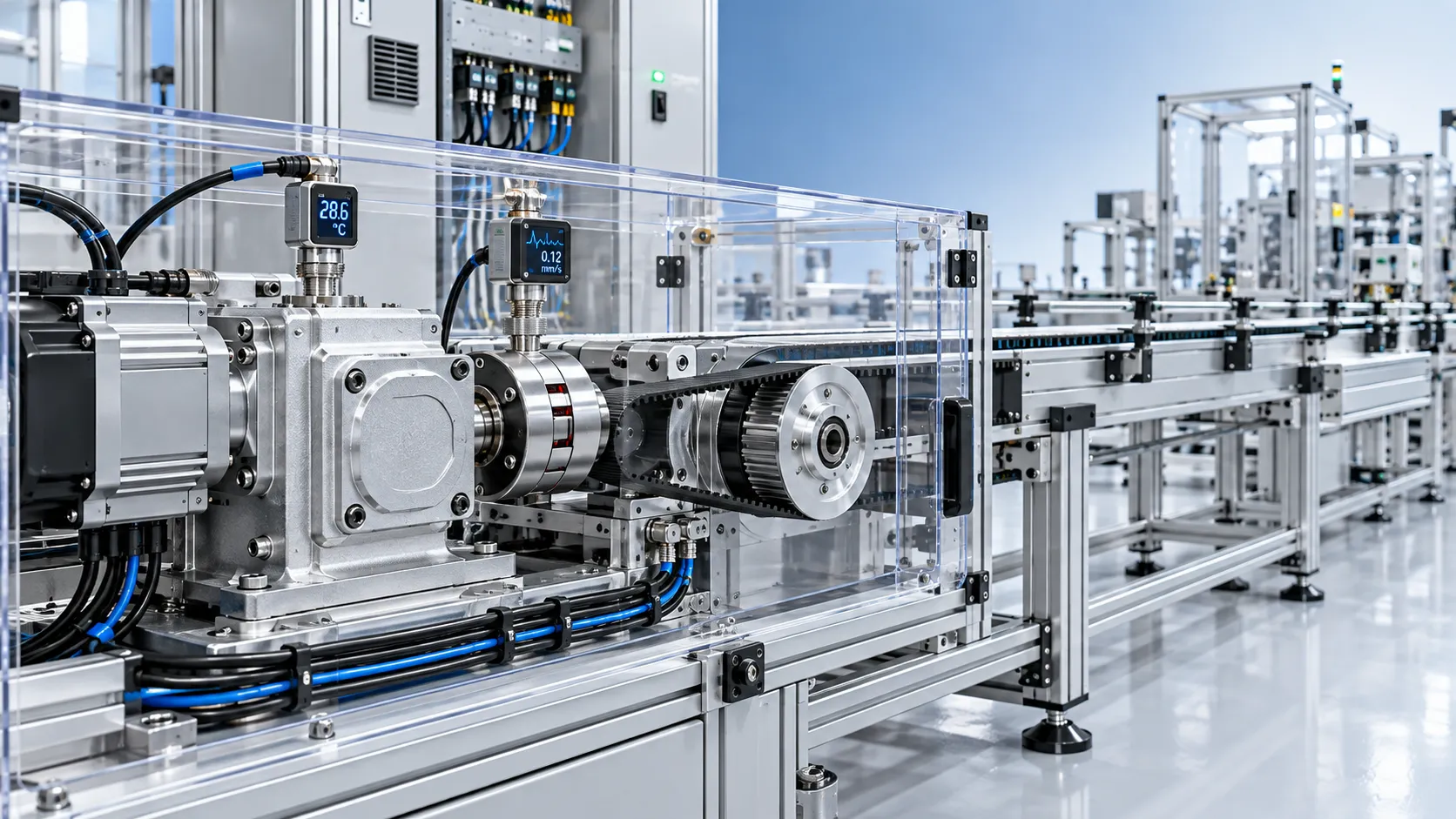
Selecting Smart Transmission Modules for Automated Lines: Control, Load, and Safety
Smart transmission modules for automated lines: evaluate control compatibility, real load demands, safety boundaries, and predictive maintenance value for reliable performance.
How to Assess Automated Packaging Production for High-Mix Manufacturing Lines
Automated production for packaging: assess changeovers, flexibility, controls, reliability, and lifecycle cost to build high-mix lines that deliver stable output.