
Industry News
Curation by industry experts
Hot Articles
Popular Tags
When heavy equipment transmission systems fail, what comes first?
When heavy equipment transmission systems fail, the first warning is rarely the final cause. For aftersales maintenance teams, early clues often hide in heat, noise, vibration, or lubrication changes long before a major breakdown occurs. Understanding what appears first helps shorten downtime, prevent secondary damage, and improve service decisions in demanding industrial environments.
What usually appears first when heavy equipment transmission systems fail?
In most field cases, the first visible symptom is not a broken gear or a seized bearing. It is a subtle operating deviation. Heavy equipment transmission systems often signal distress through abnormal temperature rise, lubricant discoloration, unusual vibration, delayed torque response, or intermittent noise during load changes.
For aftersales maintenance personnel, this matters because the first symptom guides the inspection path. If the team mistakes noise for the root cause, they may replace a gearbox while ignoring misalignment, contamination, or inadequate lubrication control upstream.
Across construction machinery, mining systems, marine drives, steel handling lines, and large conveyors, the pattern is similar: failure starts as a condition shift, then progresses into component damage. The smartest response is condition-based diagnosis rather than part-by-part guessing.
- Heat often appears first when lubrication film thickness drops, oil oxidizes, or internal friction increases under overload.
- Vibration is an early clue when shafts lose alignment, couplings loosen, gears wear unevenly, or bearing clearance changes.
- Noise becomes noticeable when tooth contact shifts, backlash changes, bearing surfaces spall, or cavitation affects hydraulic drive interfaces.
- Lubrication changes show up as metallic particles, burnt odor, foaming, water ingress, or viscosity drift.
Why the “first symptom” is rarely the root cause
A gearbox may run hot because its oil is contaminated. But contamination may come from a failed seal, poor breather protection, cleaning errors during service, or dust ingress from a harsh site. In heavy equipment transmission systems, symptoms travel through the machine faster than causes reveal themselves.
This is where GPT-Matrix adds value. Its cross-disciplinary intelligence on tribology, sealing technology, motion control, and materials behavior helps maintenance teams connect isolated symptoms into a mechanical logic chain, especially when operating conditions are severe and downtime costs are high.
How to read early warning signs before a major transmission breakdown
Aftersales teams need a practical screening method. The goal is not to inspect every component immediately, but to rank likely failure paths. The table below helps identify which signal tends to appear first in heavy equipment transmission systems and what that usually points to.
The main lesson is simple: treat the first symptom as a directional clue, not a conclusion. Maintenance teams that pair symptom detection with lubrication analysis, vibration trending, and seal inspection usually isolate problems faster and avoid unnecessary component replacement.
A field-ready inspection order
- Confirm the complaint under actual load, because unloaded rotation can hide transmission faults.
- Check temperature distribution, not only maximum temperature, to find localized friction zones.
- Review lubricant condition, refill history, filter status, and contamination sources.
- Measure vibration pattern by direction and operating phase, especially during startup and torque changes.
- Inspect couplings, seals, breather condition, and mounting integrity before opening the transmission.
Which failure mode is most common in different operating scenarios?
Not all heavy equipment transmission systems fail for the same reason. The first symptom depends heavily on duty cycle, contamination exposure, shock load frequency, ambient temperature, and maintenance discipline. That is why scenario-based diagnosis is more useful than generic fault lists.
Construction and earthmoving equipment
These machines often operate with repeated shock loads, dust exposure, and variable operator behavior. Early warnings commonly include seal leakage, rising oil temperature, and vibration during travel or lifting transitions. Dust ingestion and misalignment are frequent underlying drivers.
Mining and bulk material handling
Conveyors, crushers, and stacker-reclaimers place continuous torque demand on reducers and couplings. Here, the first visible issue is often lubricant contamination or bearing heat, followed by noise under sustained load. Delayed shutdown can accelerate gear tooth surface damage.
Marine, port, and offshore support equipment
Moisture exposure changes the failure pattern. Water ingress into lubricants, corrosion at contact surfaces, and seal degradation may appear before any serious noise develops. Aftersales maintenance teams should treat milky oil or emulsification as a high-priority transmission risk.
Steel, cement, and high-temperature processing lines
Heat is the dominant first clue in these environments. Elevated ambient temperature can mask internal friction, so trend changes matter more than absolute values. Oil oxidation, hardening of elastomeric sealing elements, and thermal growth misalignment are common contributors.
What should aftersales teams check first: gears, bearings, seals, or lubrication?
A practical service decision starts with probability, access, and damage progression speed. In many heavy equipment transmission systems, lubrication and sealing deserve first attention because they influence nearly every rotating contact interface and often trigger secondary failures.
The table below compares major fault-entry points from a maintenance response perspective. It is designed for technicians who must decide quickly whether to troubleshoot on-site, plan a shutdown, or escalate to deeper teardown inspection.
This comparison does not reduce the importance of gears or bearings. It simply reflects field efficiency. When lubrication and sealing failures go unnoticed, technicians may replace expensive components without fixing the source of the problem.
A useful priority rule
- If oil condition is abnormal, investigate lubrication and sealing before gear replacement planning.
- If vibration rises before heat, check alignment, coupling integrity, and structural looseness first.
- If noise appears only under torque, inspect load path, backlash changes, and bearing support stiffness.
How to make better repair-or-replace decisions under budget and downtime pressure
Aftersales maintenance teams are often judged on two numbers: downtime hours and repair cost. But heavy equipment transmission systems rarely fit a simple low-cost fix. A cheaper immediate repair can become more expensive if it leaves contamination, misalignment, or heat damage untreated.
Decision quality improves when teams compare not only part prices, but also root cause confidence, lead time, installation risk, and service interval extension. GPT-Matrix supports this process by connecting market intelligence, component reliability trends, and material-performance evolution across drive belts, reducers, seals, and related power transmission components.
Questions worth asking before approving a repair
- Is the observed symptom local, or is it part of a broader system problem involving alignment, lubrication, or contamination control?
- Will replacing one failed item leave worn mating components in service and shorten the next maintenance interval?
- Are there material or sealing upgrades suitable for higher dust, heat, water, or shock-load exposure?
- What is the realistic lead time for the selected component, and is there a compatible alternative that meets operating limits?
When replacement is usually the safer choice
Replacement tends to be more sensible when gear tooth pitting is widespread, bearing fragments are already in the oil, housing fits are damaged, repeated seal changes have failed due to shaft wear, or thermal damage has altered lubricant behavior beyond normal recovery. In these cases, partial repair may only postpone another shutdown.
Which standards and inspection habits reduce repeat failures?
No single standard prevents every failure in heavy equipment transmission systems, but structured inspection habits make repeat failure less likely. Maintenance teams usually benefit from working with accepted practices around lubricant cleanliness, bearing handling, alignment checks, torque control, and seal compatibility with media and temperature.
Depending on equipment type, teams may reference common industrial frameworks such as ISO-related vibration evaluation methods, lubricant cleanliness practices, or OEM maintenance procedures. The value lies less in the document name and more in discipline: trend data, documented inspection points, and closed-loop corrective action.
High-value habits for aftersales maintenance
- Use baseline readings for temperature, vibration, and oil condition after every major service.
- Record load condition when symptoms appear, because data without operating context can mislead diagnosis.
- Treat seal leakage as a contamination control issue, not only a housekeeping issue.
- Review coupling alignment after nearby structural or foundation work, especially on mobile or high-impact machines.
FAQ: practical questions about heavy equipment transmission systems
How do I know whether heat or vibration is the more important first symptom?
Look at timing and pattern. A slow temperature increase under steady load often points to lubrication or friction problems. A vibration spike during startup, directional change, or impact loading usually points first to alignment, support looseness, or rotating imbalance. When both rise together, inspect lubrication and bearing condition immediately.
Can contaminated oil alone damage heavy equipment transmission systems?
Yes. Contaminated oil can abrade gear teeth, reduce bearing life, accelerate seal wear, and increase operating temperature. Water, dust, and metallic particles all change film behavior. In severe-duty equipment, oil contamination is not a secondary issue; it is often a primary failure accelerator.
Should seals be replaced every time a gearbox is opened?
In many cases, yes, especially when the machine operates in dusty, wet, or hot conditions. Reusing aged seals may save a small amount upfront but can undermine the whole repair if lip wear, hardening, or shaft-surface damage is already present. Always verify material compatibility and shaft condition, not only seal size.
What procurement details matter most during emergency replacement?
Focus on torque capacity, ratio, shaft dimensions, mounting interface, lubrication requirement, sealing arrangement, and operating environment. Lead time also matters. A fast-delivery component that does not match contamination exposure or thermal load can create another failure cycle. Technical equivalence should come before schedule pressure whenever possible.
Why choose us for maintenance intelligence and service decision support?
GPT-Matrix is built for professionals who work where mechanical decisions carry operational consequences. For aftersales teams handling heavy equipment transmission systems, our advantage is not generic content. It is the integration of power transmission knowledge, tribology insight, sealing logic, material evolution, and commercial intelligence into one usable reference point.
We help maintenance and service teams clarify what to check first, what failure path is most likely, and how to compare replacement options under real-world constraints such as downtime, budget, environment, and parts availability. Our intelligence focus is especially useful when the problem spans multiple components rather than one obvious broken part.
- Ask us to support parameter confirmation for reducers, belts, couplings, seals, and related transmission interfaces.
- Consult us on product selection when load profile, temperature range, dust exposure, or lubrication condition makes standard choices risky.
- Discuss delivery timing, substitute options, and compatibility concerns when urgent shutdown recovery is required.
- Request guidance on certification expectations, maintenance planning inputs, and sample or quotation communication for cross-border sourcing projects.
If your team is facing repeated overheating, unexplained vibration, seal-related contamination, or uncertain replacement choices in heavy equipment transmission systems, contact GPT-Matrix with the operating conditions, symptom sequence, and known component details. That information is often enough to narrow the diagnosis path and improve the next service decision.
Recommended News
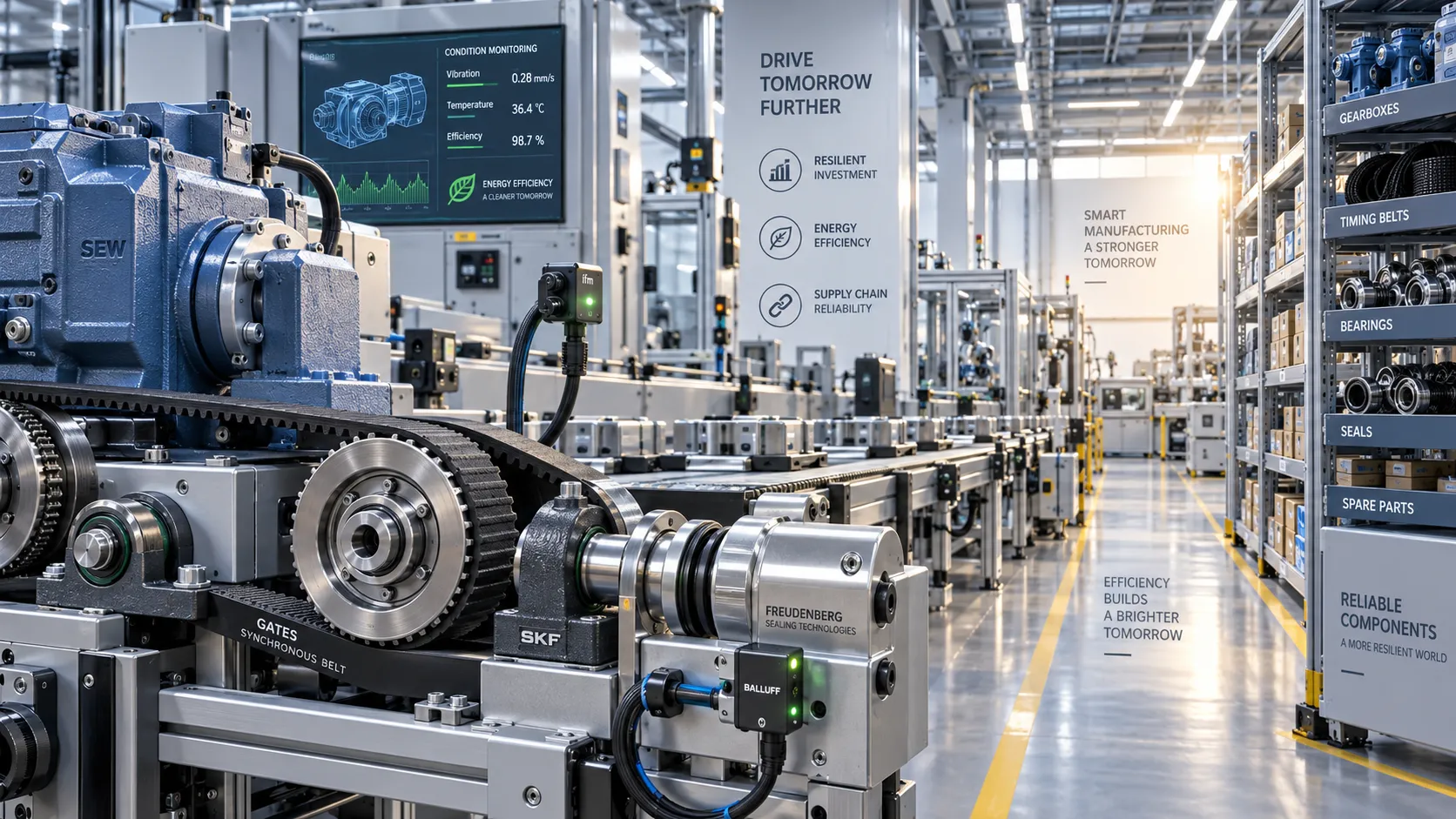
Industrial Economy Trends Shaping Capital Investment and Supply Chain Risk in 2026
Industrial economy trends for 2026 reveal how resilient capital investments, energy efficiency, and supply-chain strategies can protect uptime and strengthen returns.
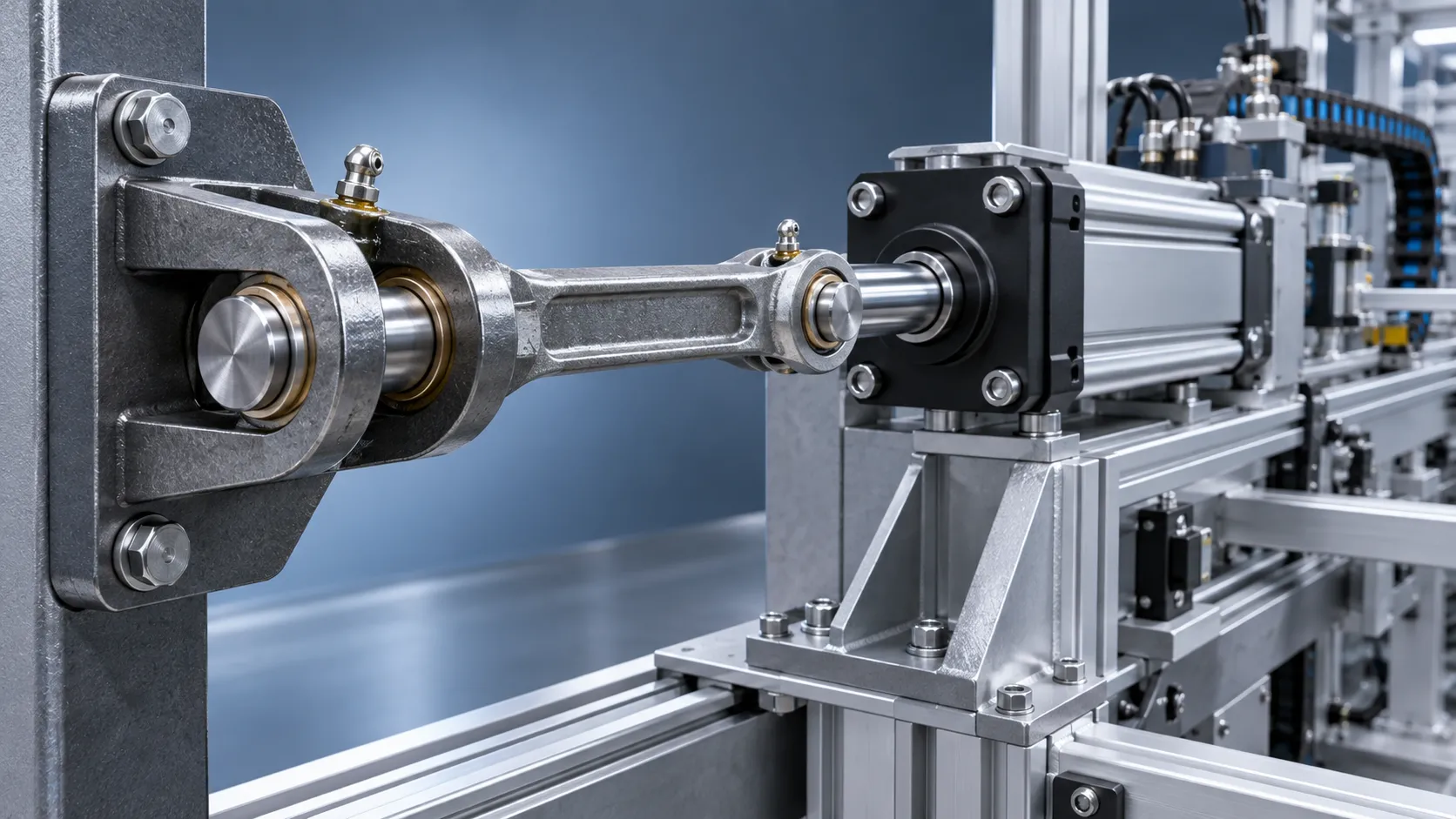
Mechanical Linkage Design: How to Balance Load Capacity, Motion Accuracy, and Wear
Mechanical linkage design guide: balance load capacity, motion accuracy, and wear with practical insights on geometry, joints, tolerances, lubrication, and service life.
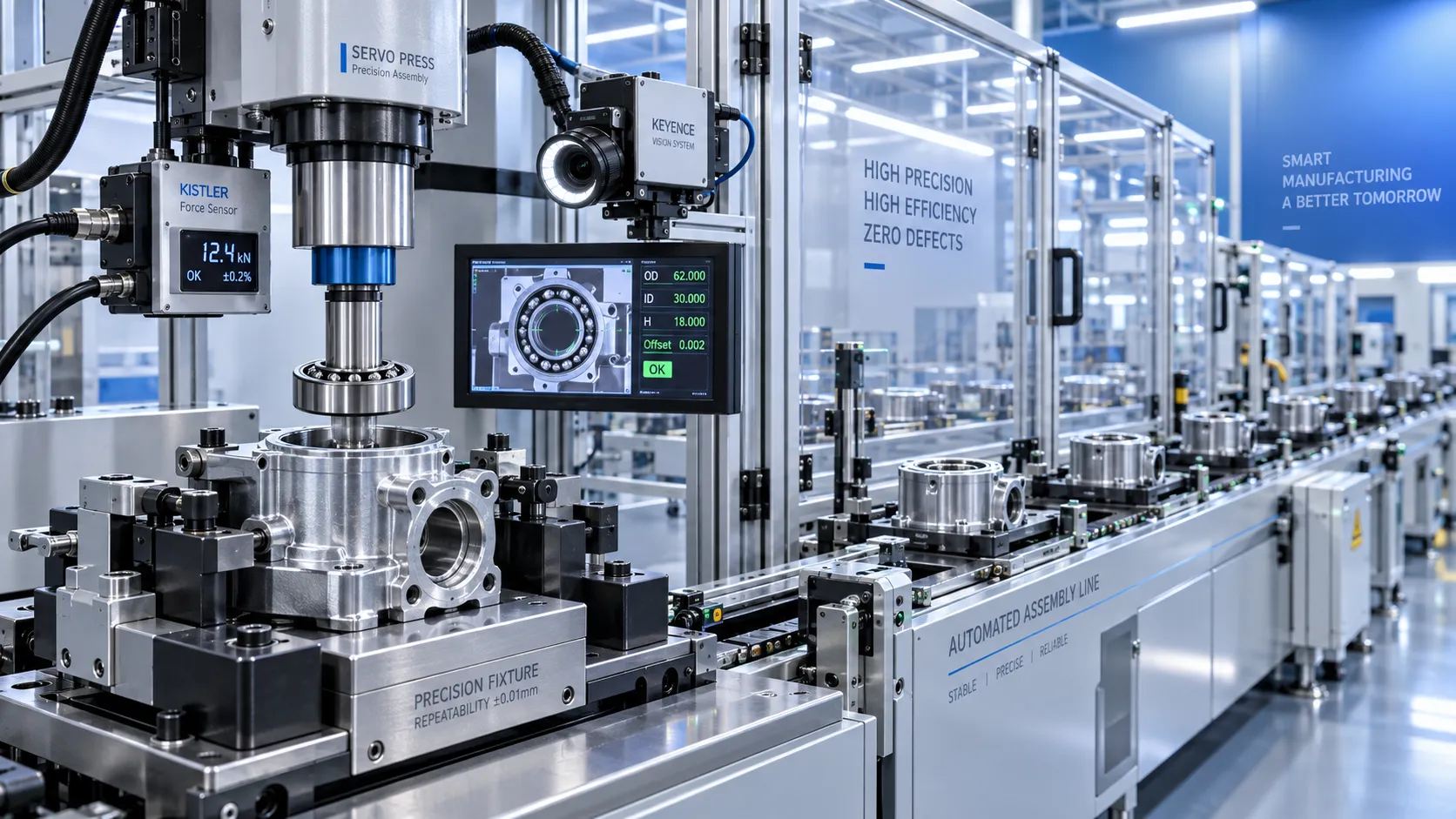
How Precision Automated Production Improves Quality Control in High-Volume Assembly
Precision automated production strengthens quality control in high-volume assembly with real-time verification, traceability, and safer defect containment.
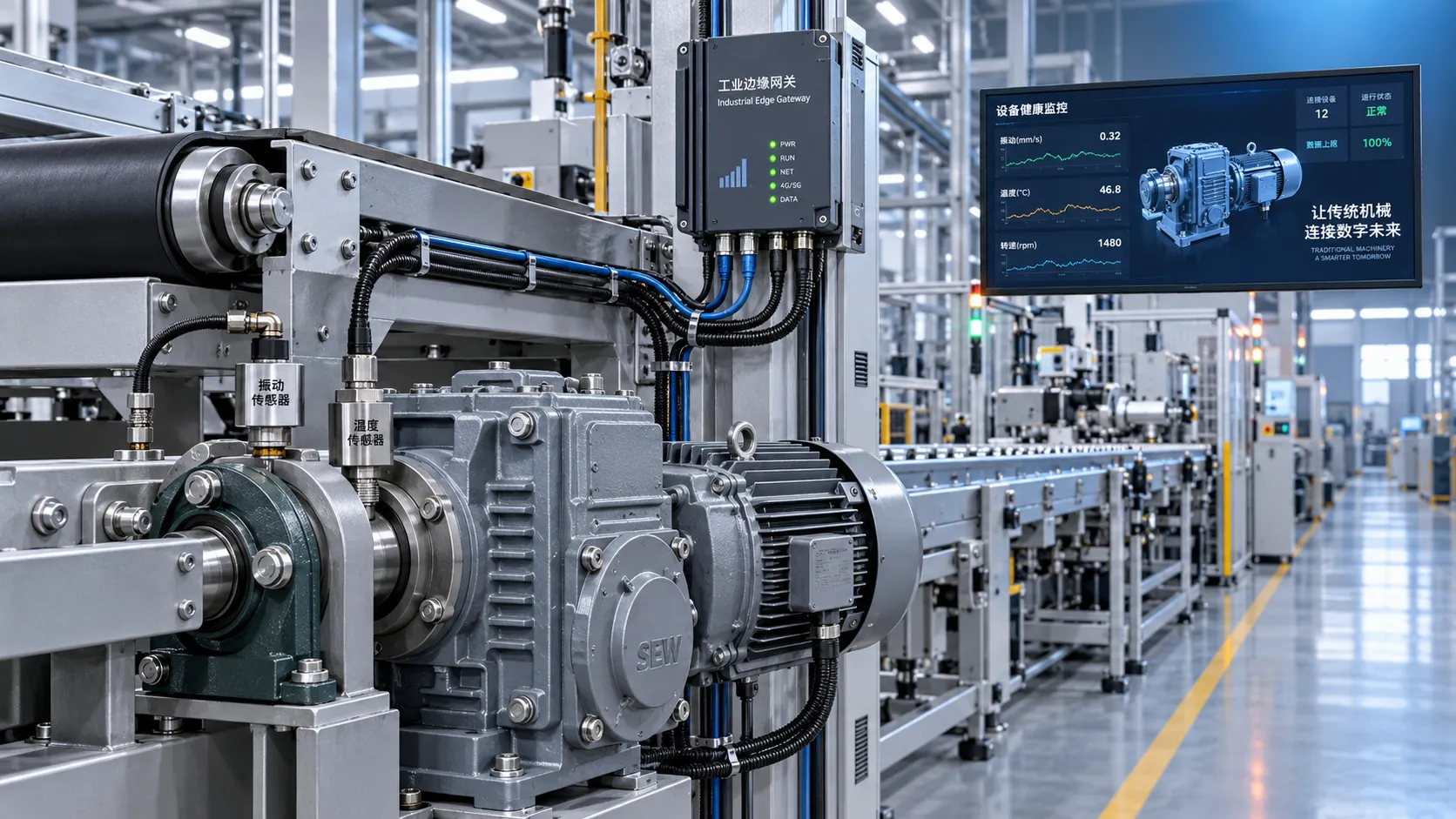
Industry 4.0 Integration: A Roadmap for Connecting Legacy Machines and Data
Industry 4.0 integration roadmap for connecting legacy machines, improving data visibility, reducing downtime, and scaling secure, measurable operational performance.
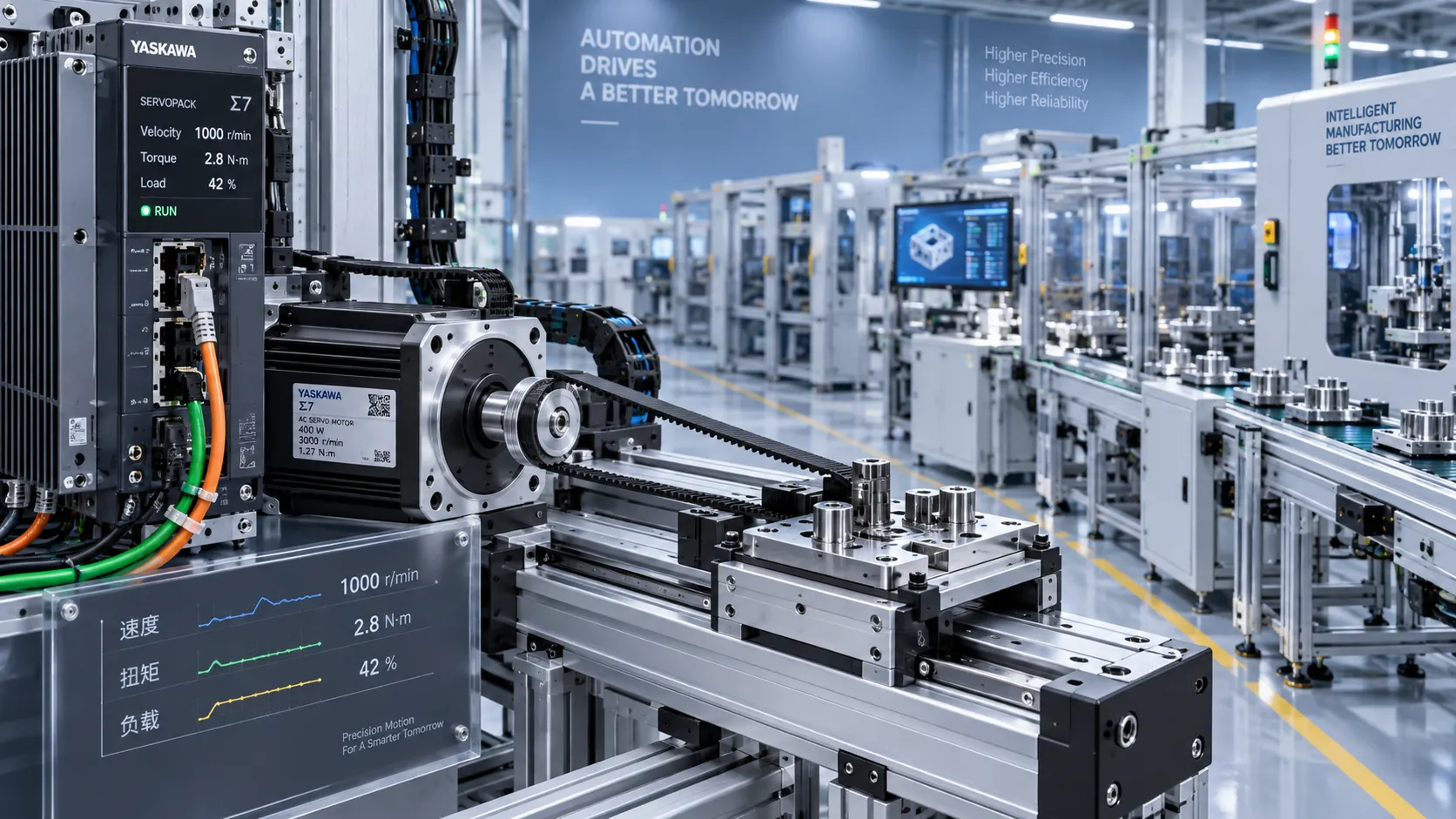
Servo Drive Comparison: Selecting Motion Control for Speed, Torque, and Load
Technical product comparison servo drives: evaluate speed, torque, inertia, safety, and control integration to select a reliable motion system with proven performance margins.

Industrial Automation Technology: How to Prioritize Upgrades by ROI and Downtime Risk
Industrial automation technology upgrades: learn to rank projects by ROI, bottleneck exposure, and downtime risk to reduce losses and make smarter capital decisions.

Selecting Low-Maintenance Chain Components for Dusty, High-Load Conveyors
Low maintenance chain components for dusty, high-load conveyors: compare seals, lubrication, materials, sprockets, and load capacity to reduce wear and downtime.
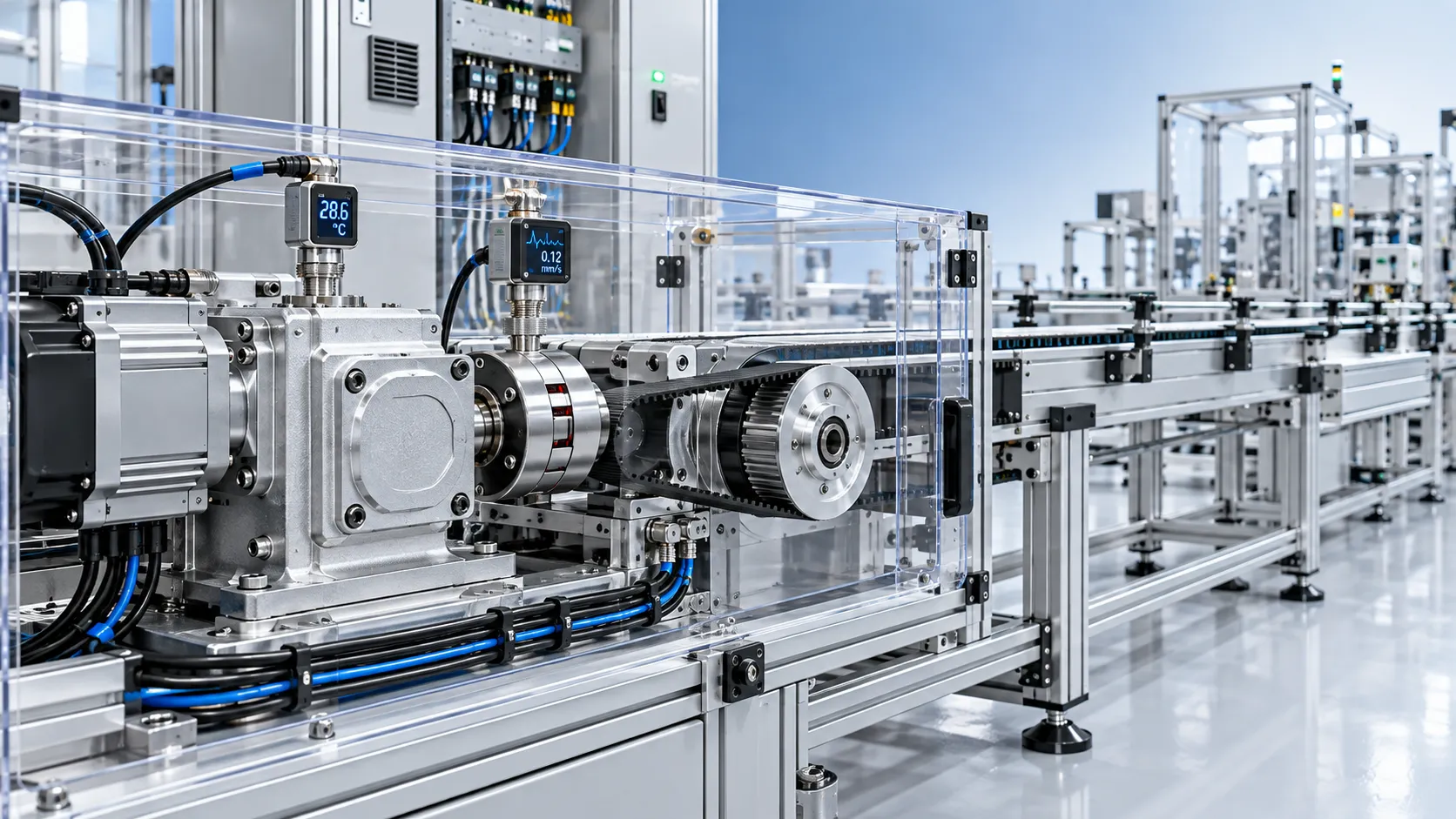
Selecting Smart Transmission Modules for Automated Lines: Control, Load, and Safety
Smart transmission modules for automated lines: evaluate control compatibility, real load demands, safety boundaries, and predictive maintenance value for reliable performance.

How to Assess Automated Packaging Production for High-Mix Manufacturing Lines
Automated production for packaging: assess changeovers, flexibility, controls, reliability, and lifecycle cost to build high-mix lines that deliver stable output.