
Industry News
Curation by industry experts
Hot Articles
Popular Tags
What to check before choosing belt suppliers
Choosing high performance drive belts suppliers is not only about price or catalog range. It affects uptime, consistency, after-sales confidence, and long-term business reputation across industrial applications.
Before cooperation starts, it is wise to examine technical strength, production stability, certification, logistics, and communication quality. A careful review reduces sourcing risk and supports more predictable growth.
This guide explains what to check before selecting high performance drive belts suppliers. It also highlights common mistakes, comparison points, and practical steps for stronger supplier decisions.
What defines reliable high performance drive belts suppliers?
Reliable high performance drive belts suppliers offer more than products. They provide repeatable quality, technical transparency, responsive support, and stable delivery across changing market conditions.
A supplier may look competitive online, yet lack process discipline. The first check should be whether the business can support industrial requirements, not only transactional orders.
Strong suppliers usually show clear competence in materials, tooth profile accuracy, tensile member selection, rubber or polyurethane formulation, and operational traceability.
Review whether the supplier serves varied sectors. Experience in automation, packaging, HVAC, agriculture, conveyors, textiles, and heavy equipment often indicates better engineering depth.
A dependable partner also understands the wider transmission market. That includes efficiency targets, noise reduction, load behavior, maintenance intervals, and compatibility with pulleys and systems.
Basic signs of supplier maturity
- Consistent product specifications and tolerances
- Documented quality control procedures
- Stable export or domestic delivery records
- Clear technical data sheets and test reports
- Responsive communication before and after ordering
How should material quality and performance capability be checked?
Material quality is central when comparing high performance drive belts suppliers. Surface appearance alone cannot reveal fatigue resistance, dimensional stability, or long-cycle durability.
Ask what compounds are used. Different formulations influence heat resistance, oil tolerance, abrasion behavior, static conductivity, and flexibility under repeated bending.
Check the tensile member as carefully as the belt body. Aramid, fiberglass, polyester, or steel reinforcement can produce very different load and elongation performance.
Dimensional accuracy matters in synchronous systems. Small deviations in pitch, thickness, or tooth geometry may cause noise, poor meshing, or early wear.
Request evidence of testing. Good high performance drive belts suppliers can explain load capacity, operating temperature range, service life estimates, and test methods.
Important performance questions to ask
- What raw materials and reinforcement structures are used?
- Are there results from fatigue, tensile, and wear testing?
- What operating temperature and chemical resistance are supported?
- Can the belt perform in high-speed or high-torque conditions?
- Is there batch traceability for each shipment?
If possible, compare samples from multiple high performance drive belts suppliers under the same application conditions. A short verification trial can reveal large long-term differences.
Which certifications, documents, and compliance records really matter?
Certifications do not guarantee perfect products, but they help confirm process discipline. They are especially valuable when quality consistency must be proven across repeated orders.
Look first for quality management systems such as ISO 9001. In some applications, environmental or industry-specific compliance may also be relevant.
Material declarations can be important for export markets. Depending on destination and application, review RoHS, REACH, or other regional compliance requirements.
Documentation quality often reveals management quality. Reliable high performance drive belts suppliers usually maintain organized records, revision control, and accessible technical files.
Also ask about inspection standards. Incoming material checks, in-process controls, final inspection, and nonconformance handling all affect the final outcome.
Document checklist before approval
How can delivery stability and supply chain resilience be evaluated?
Even capable high performance drive belts suppliers can become risky if lead times are unstable. Delivery reliability is often as important as technical quality.
Ask where raw materials come from and whether key inputs depend on single sources. Supply concentration can create sudden delays during cost spikes or logistics disruptions.
Production capacity should be reviewed by season and product family. Some suppliers perform well on samples but struggle with scaled orders or mixed-size demand.
Check average lead time, on-time delivery rate, and emergency response options. A realistic planning process is better than aggressive promises without fulfillment discipline.
Packaging and shipping standards also matter. Poor packing may damage belts during transit, affecting geometry, cleanliness, or installation performance.
Useful supply chain evaluation points
- Normal and peak-season lead times
- Safety stock strategy for common sizes
- Alternative material sourcing plans
- Export packing and labeling standards
- Claims handling for damaged or late shipments
What service and technical support should be expected after ordering?
Good high performance drive belts suppliers remain valuable after shipment. Support during installation, troubleshooting, and replacement planning often determines actual partnership quality.
Ask whether technical teams can recommend belt types based on speed, torque, pulley design, ambient temperature, and maintenance targets. Generic advice is rarely enough.
It helps when the supplier can analyze failure causes. Cracking, tooth wear, delamination, stretching, and slippage usually require specific corrective actions.
Communication speed matters too. If drawings, specifications, or quality questions take too long, business continuity may suffer during urgent replacement cycles.
Strong support from high performance drive belts suppliers can also improve market positioning. Better technical guidance often leads to fewer complaints and more repeat business.
Signs of strong support capability
- Application-based product recommendations
- Fast answers on dimensions and compatibility
- Failure analysis with practical correction advice
- Clear warranty and claims procedures
- Support for samples, customization, or labeling
What common mistakes should be avoided when comparing suppliers?
A frequent mistake is choosing only by unit price. Lower pricing can hide inconsistent compounds, unstable reinforcement quality, or weak process control.
Another mistake is treating all belt types as interchangeable. Timing belts, V-belts, ribbed belts, and specialty belts differ in design logic and operating demands.
Some evaluations focus on sample quality alone. That ignores whether the same standard can be maintained over larger batches and longer supply cycles.
It is also risky to skip document checks. Missing traceability or compliance records can create downstream disputes, especially in regulated or export-driven markets.
Finally, avoid vague expectations. High performance drive belts suppliers should be assessed using measurable criteria, not general impressions or short-term convenience.
Quick risk comparison table
FAQ: How do you make the final supplier decision with less risk?
Start by building a simple scorecard. Compare high performance drive belts suppliers across quality, delivery, support, certification, communication, and commercial terms.
Run a sample or pilot order before full commitment. Track dimensional accuracy, packaging condition, response speed, and on-time shipment performance.
Where application risk is high, request batch-level records and test reports. Data-based validation is more reliable than verbal assurance.
Use multiple checkpoints during onboarding. Confirm specifications, delivery promises, claims policy, and document format before regular purchasing begins.
Market intelligence also helps. Platforms such as GPT-Matrix can support better decisions by tracking material trends, transmission technology shifts, and supplier-facing industry changes.
In the end, the best high performance drive belts suppliers combine engineering credibility with commercial reliability. That balance creates stronger continuity and better long-term value.
If the next sourcing step is approaching, prepare a supplier checklist, test samples under real conditions, and compare partners using measurable criteria rather than assumptions.
Recommended News
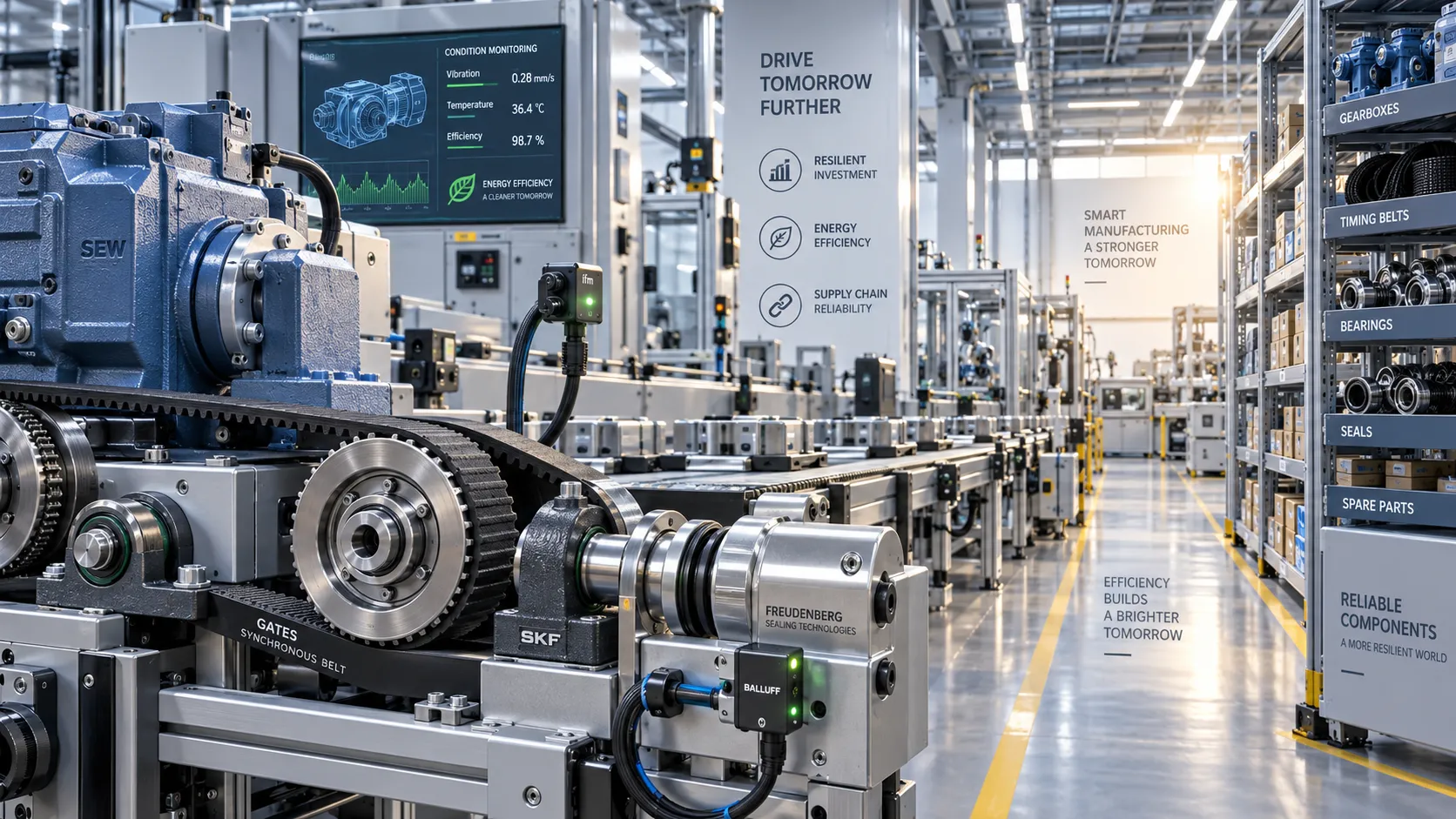
Industrial Economy Trends Shaping Capital Investment and Supply Chain Risk in 2026
Industrial economy trends for 2026 reveal how resilient capital investments, energy efficiency, and supply-chain strategies can protect uptime and strengthen returns.
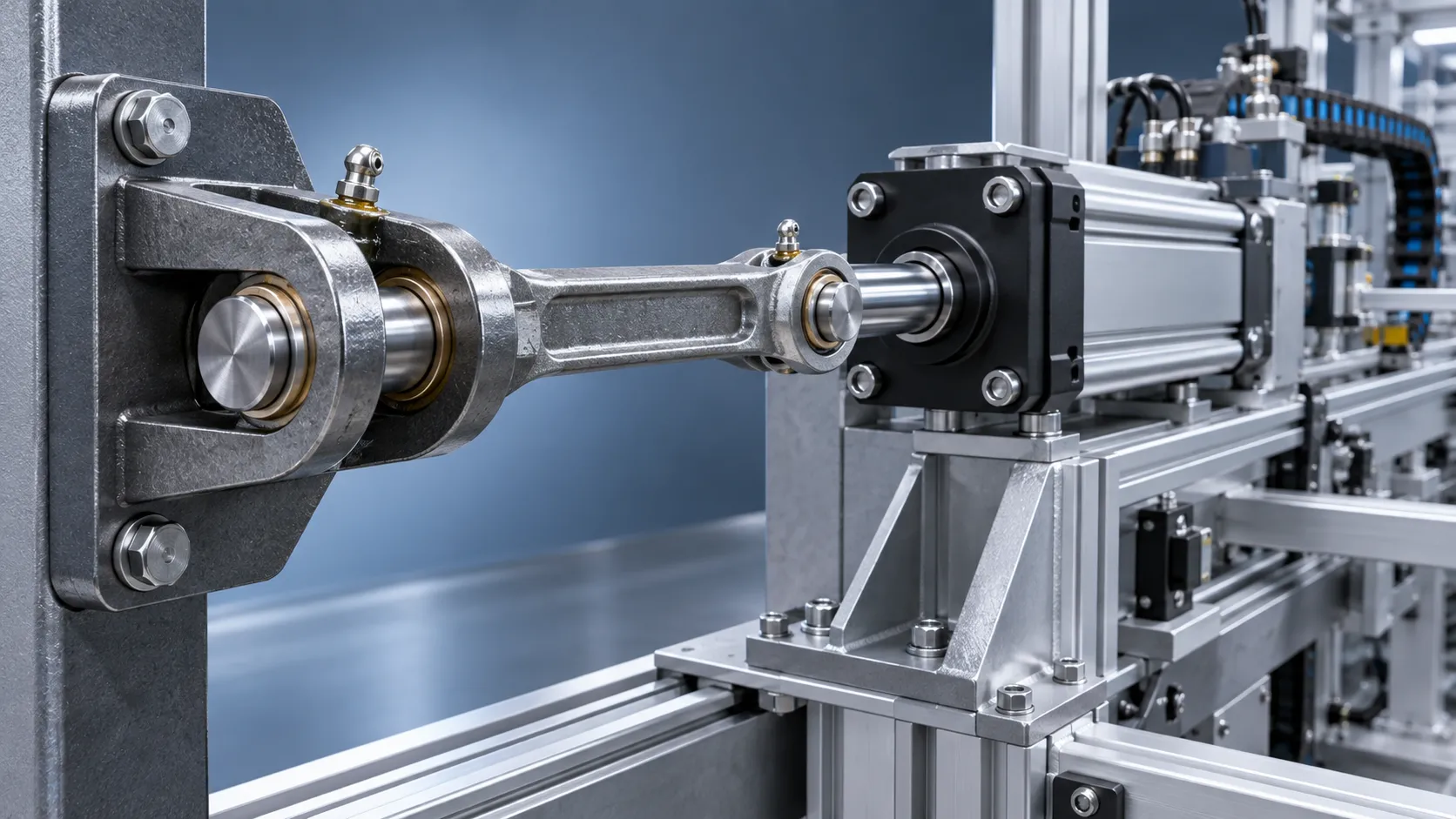
Mechanical Linkage Design: How to Balance Load Capacity, Motion Accuracy, and Wear
Mechanical linkage design guide: balance load capacity, motion accuracy, and wear with practical insights on geometry, joints, tolerances, lubrication, and service life.
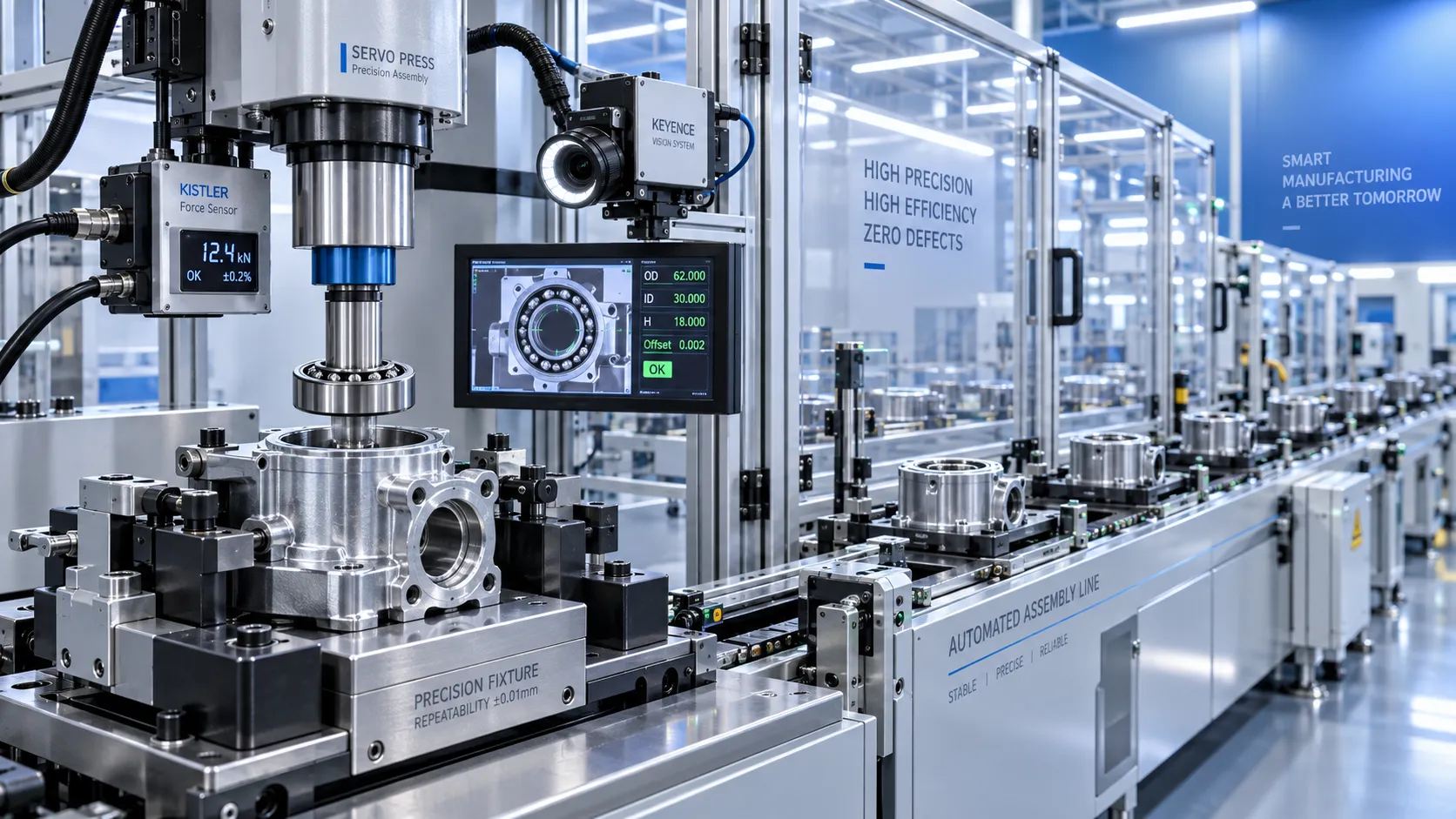
How Precision Automated Production Improves Quality Control in High-Volume Assembly
Precision automated production strengthens quality control in high-volume assembly with real-time verification, traceability, and safer defect containment.
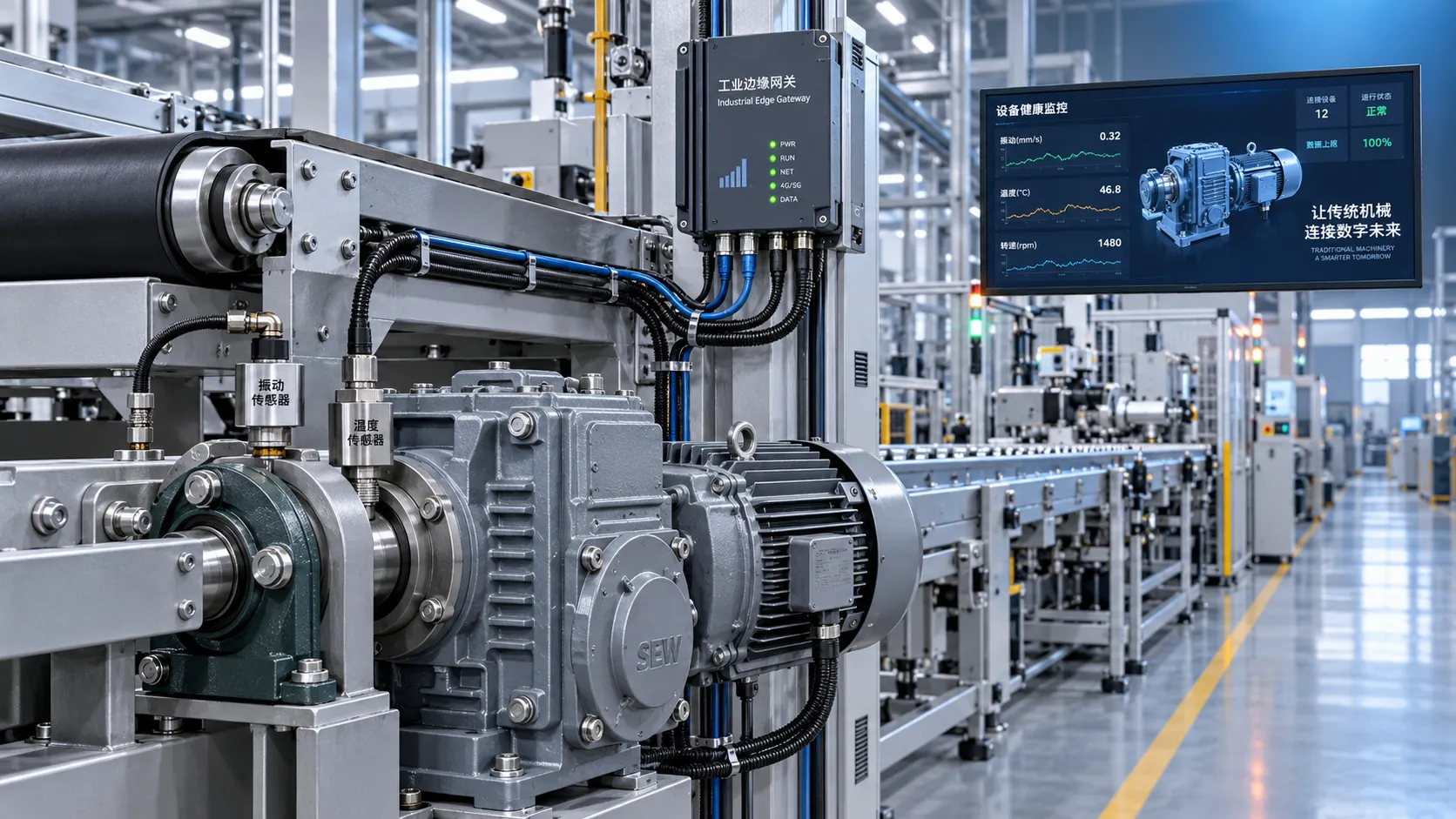
Industry 4.0 Integration: A Roadmap for Connecting Legacy Machines and Data
Industry 4.0 integration roadmap for connecting legacy machines, improving data visibility, reducing downtime, and scaling secure, measurable operational performance.
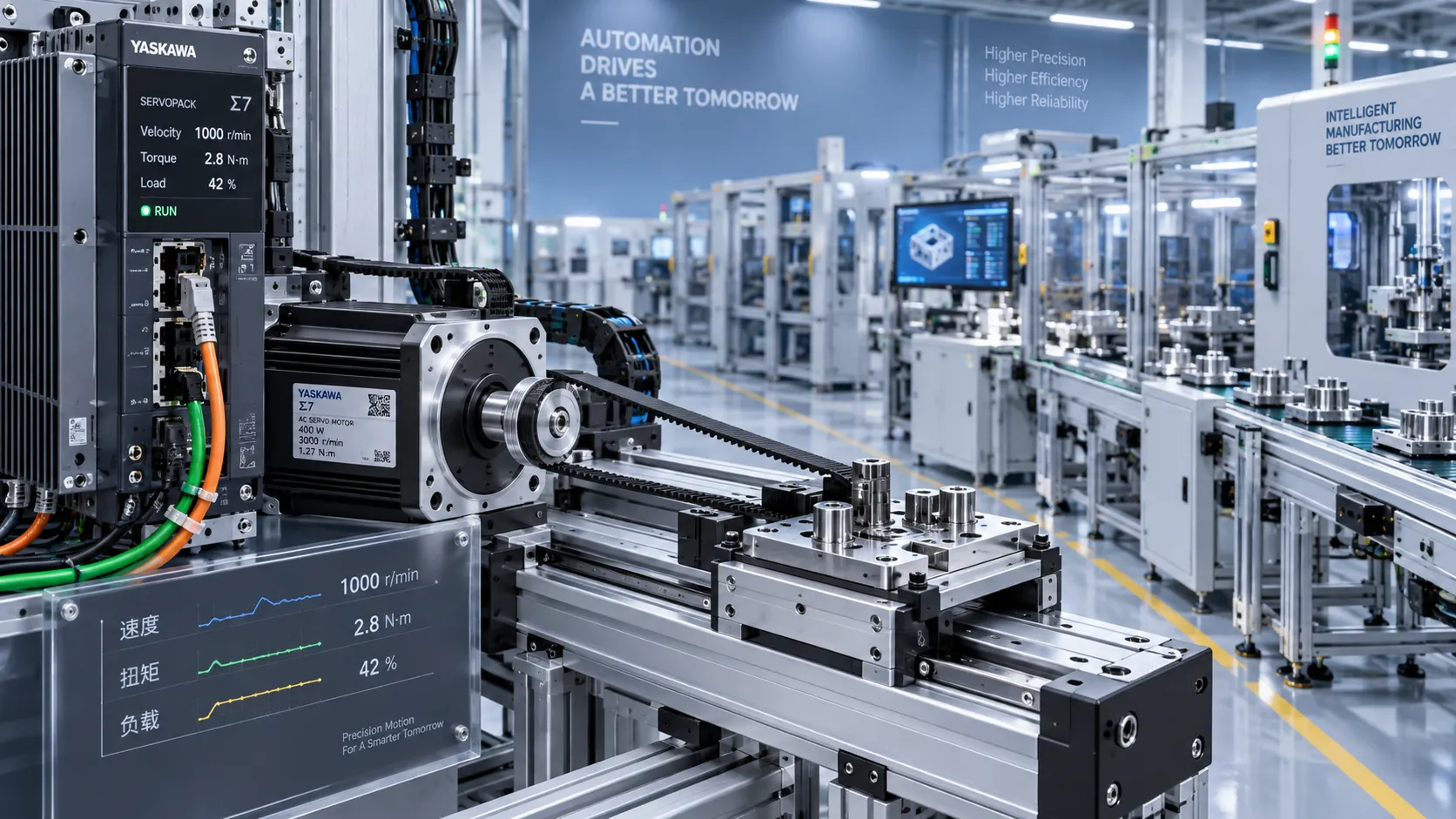
Servo Drive Comparison: Selecting Motion Control for Speed, Torque, and Load
Technical product comparison servo drives: evaluate speed, torque, inertia, safety, and control integration to select a reliable motion system with proven performance margins.
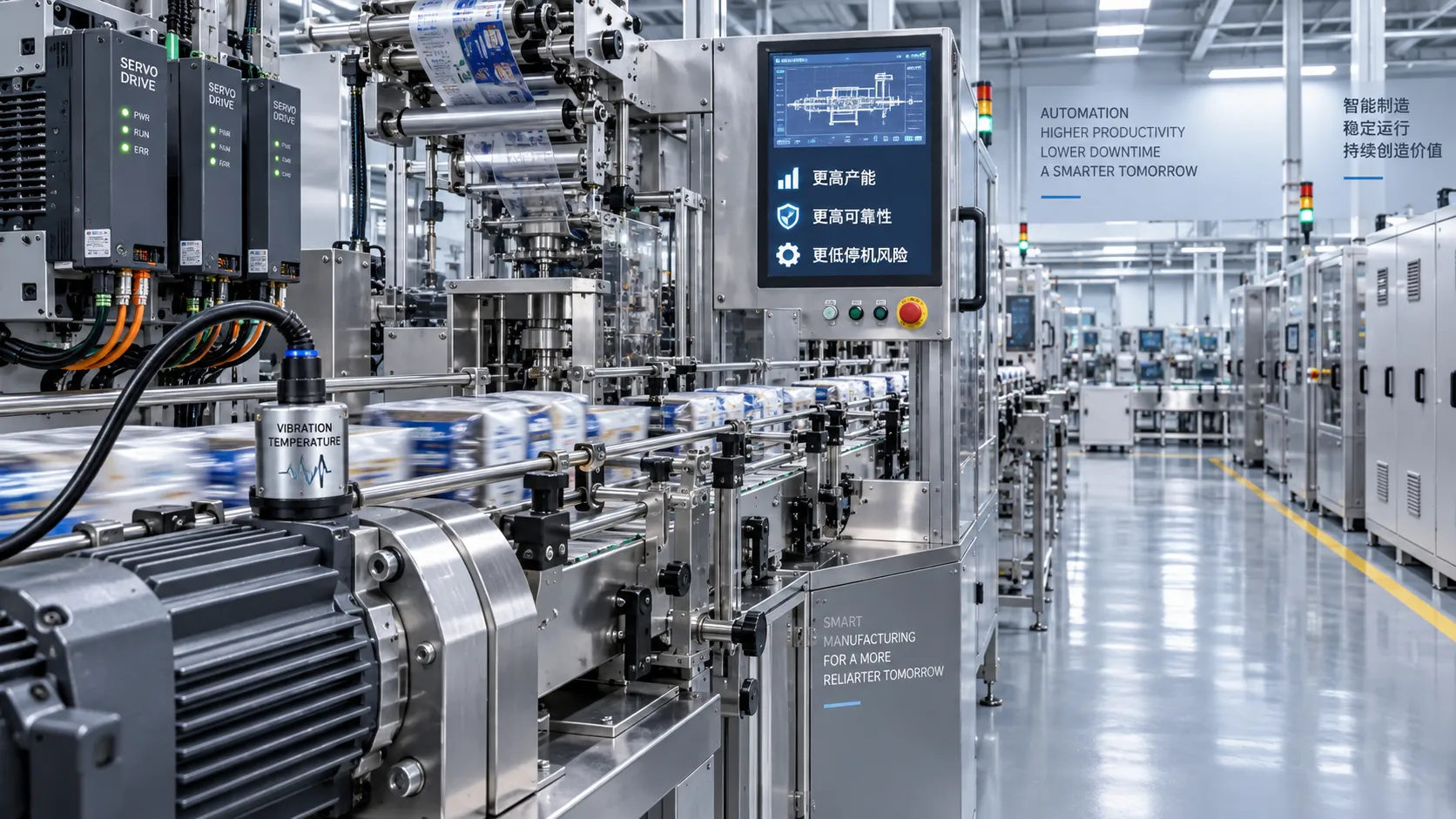
Industrial Automation Technology: How to Prioritize Upgrades by ROI and Downtime Risk
Industrial automation technology upgrades: learn to rank projects by ROI, bottleneck exposure, and downtime risk to reduce losses and make smarter capital decisions.
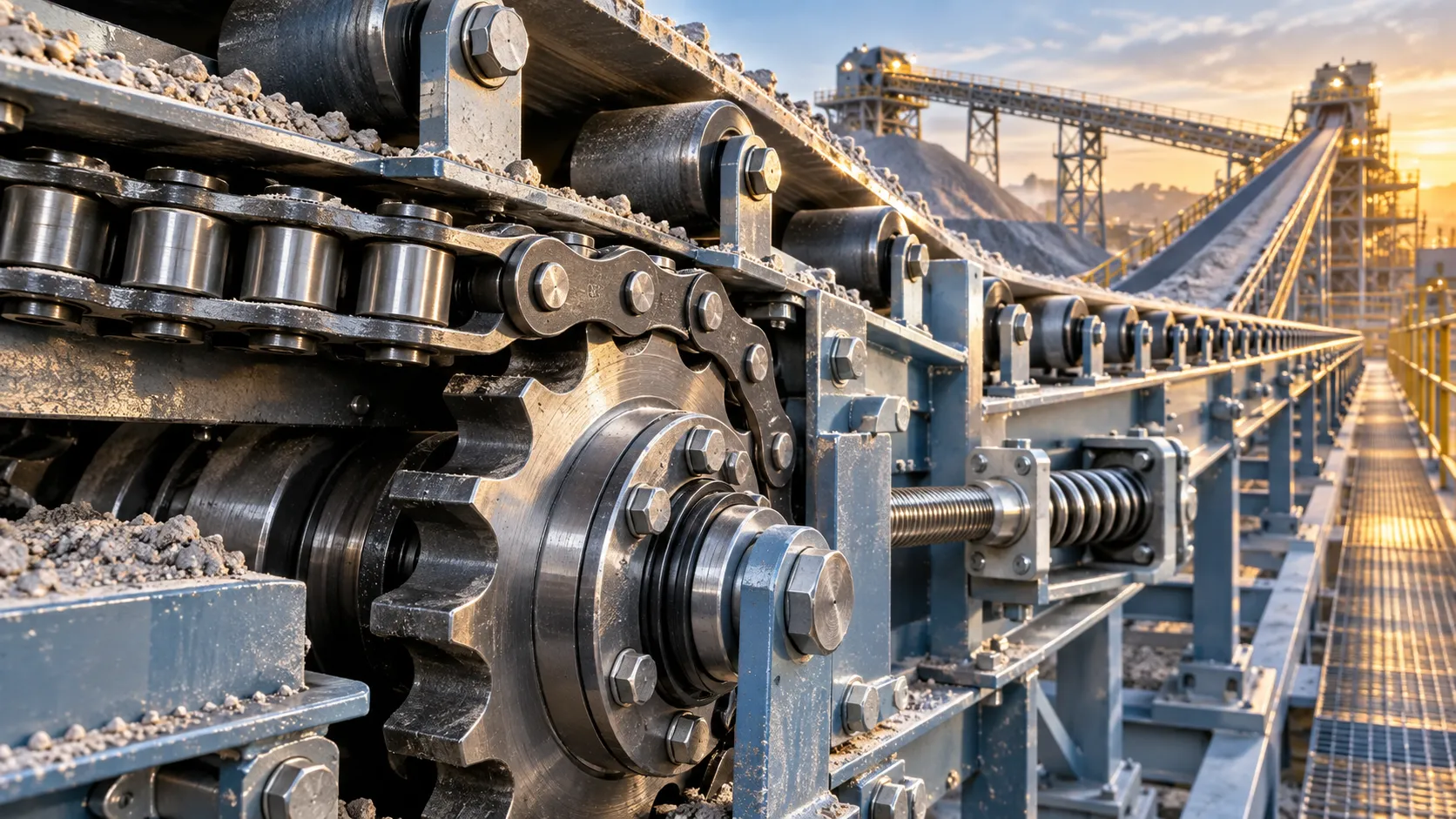
Selecting Low-Maintenance Chain Components for Dusty, High-Load Conveyors
Low maintenance chain components for dusty, high-load conveyors: compare seals, lubrication, materials, sprockets, and load capacity to reduce wear and downtime.
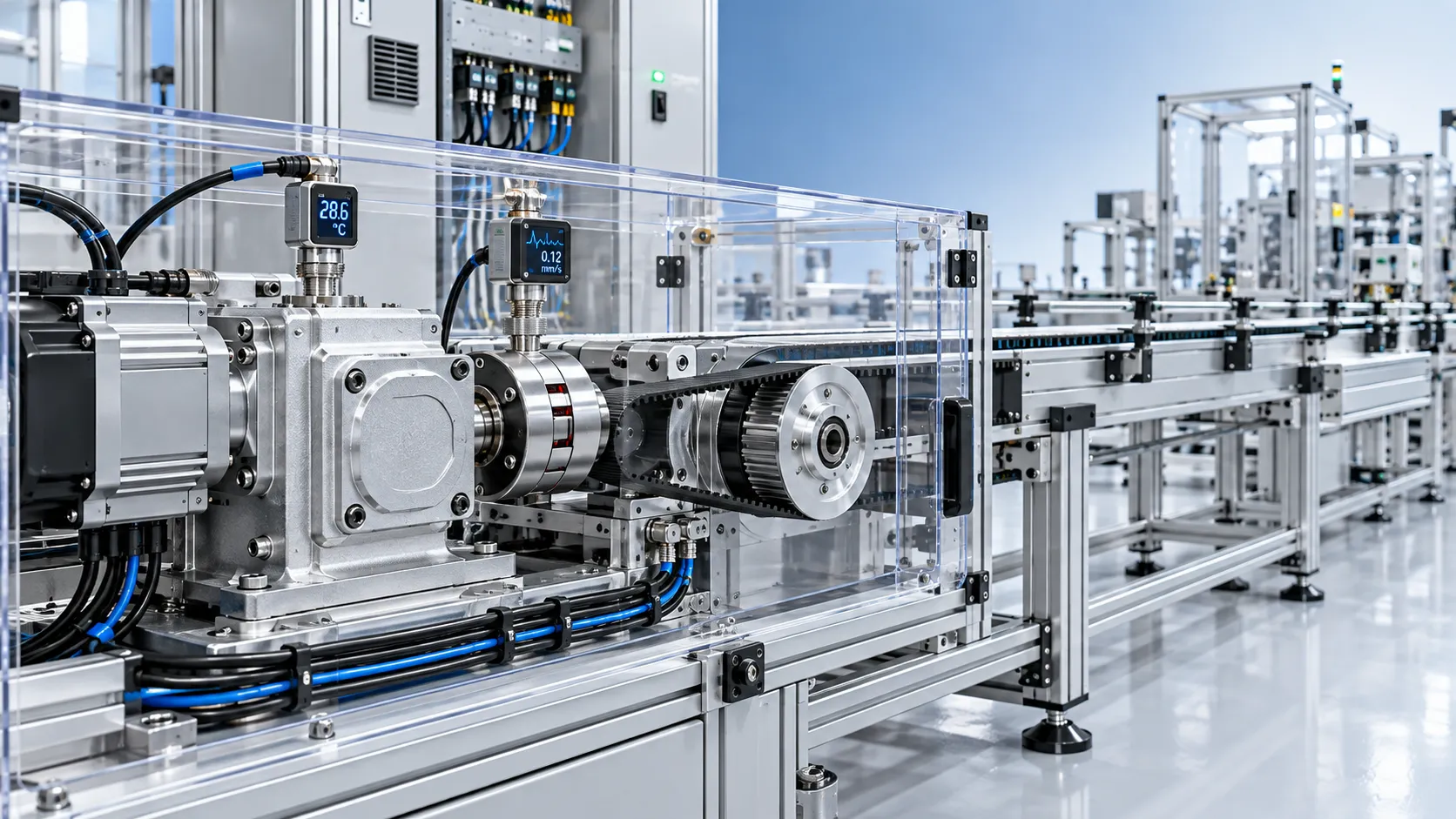
Selecting Smart Transmission Modules for Automated Lines: Control, Load, and Safety
Smart transmission modules for automated lines: evaluate control compatibility, real load demands, safety boundaries, and predictive maintenance value for reliable performance.

How to Assess Automated Packaging Production for High-Mix Manufacturing Lines
Automated production for packaging: assess changeovers, flexibility, controls, reliability, and lifecycle cost to build high-mix lines that deliver stable output.