
Industry News
Curation by industry experts
Hot Articles
Popular Tags
Which energy saving upgrades pay back the fastest
For finance-led capital planning, the most attractive projects are simple: lower energy bills, limited downtime, and short payback periods. That is why energy saving solutions for manufacturing are moving from optional upgrades to core operating strategy.
In many industrial settings, the fastest returns come from fixing hidden losses inside motors, drives, compressed air systems, heating loads, and mechanical transmission paths. Small efficiency gains often compound across long operating hours.
This guide explains which upgrades usually pay back fastest, how to compare them, and where GPT-Matrix intelligence helps connect component choices with measurable energy performance.
Which energy saving upgrades usually deliver the fastest payback?
The fastest projects are rarely the most glamorous. They are usually the least disruptive and easiest to verify through utility data, maintenance records, and equipment runtime.
Across mixed industrial operations, several categories repeatedly show quick returns within energy saving solutions for manufacturing:
- Variable frequency drives on fans, pumps, and conveyors
- Compressed air leak detection and pressure optimization
- High-efficiency motors replacing failed or oversized units
- LED lighting with controls in large facilities
- Belt, coupling, gearbox, and bearing optimization
- Steam, thermal insulation, and heat recovery improvements
Why do these projects pay back quickly? Because they target waste that already exists. They do not depend on speculative demand growth or future process redesign.
Mechanical upgrades are often underestimated. A misaligned drive, worn belt, poor lubrication regime, or oversized reducer can quietly increase power draw every hour of operation.
Typical quick-return profile
Projects with the fastest payback usually share four traits: low installation complexity, high runtime exposure, measurable baseline losses, and limited production interruption during implementation.
Why do motor, drive, and transmission upgrades rank so highly?
Electric motor systems consume a major share of industrial electricity. Yet energy use depends on more than motor nameplate efficiency alone.
The full chain matters: motor, gearbox, belt drive, chain drive, coupling, bearings, seals, lubrication, alignment, and load control. A weak link reduces the whole system’s efficiency.
This is where energy saving solutions for manufacturing become practical rather than theoretical. Instead of replacing entire lines, many sites improve existing assets through targeted mechanical optimization.
Upgrades that often outperform expectations
- Installing VFDs where loads vary throughout shifts
- Replacing standard belts with synchronous or high-efficiency designs
- Correcting pulley sizing to match actual duty
- Upgrading worn bearings and reducing friction losses
- Improving sealing reliability to prevent leakage and contamination
- Applying precision alignment and condition-based lubrication
The savings come from lower electrical demand, fewer heat losses, improved reliability, and reduced unplanned downtime. Faster payback often follows because maintenance and energy benefits arrive together.
GPT-Matrix tracks these component-level trends closely. Material improvements in belts, reducers, and seals increasingly support both efficiency and service life, strengthening the investment case.
How can compressed air and utilities beat larger capital projects?
Compressed air is one of the most expensive utilities in industry. It is also one of the least visible sources of waste.
Leaks, excess pressure, poor controls, and misuse can destroy efficiency. Because these losses are continuous, corrective action often pays back faster than larger equipment replacements.
Common high-return actions
- Audit leaks during non-production hours.
- Lower system pressure where process tolerance allows.
- Separate critical and noncritical air demand.
- Replace inappropriate air uses with electric tools or blowers.
- Add controls, storage, and sequencing improvements.
The same logic applies to steam and thermal systems. Insulation repairs, condensate recovery, burner tuning, and heat recovery may look modest, but they often generate immediate savings.
Within broader energy saving solutions for manufacturing, utility optimization stands out because it cuts waste without changing product quality or production flow.
How should payback be judged beyond simple purchase price?
A low purchase price does not guarantee a fast return. Good evaluation combines direct energy savings with maintenance, reliability, production, and replacement cycle impacts.
A practical review should include:
- Annual operating hours
- Actual load profile, not theoretical load
- Energy price volatility
- Installation downtime requirements
- Maintenance cost reduction
- Failure risk and spare parts consumption
For example, a premium bearing or synchronous belt may cost more upfront. Yet if it lowers friction, extends service intervals, and reduces stoppages, payback can beat cheaper alternatives.
This is a major reason energy saving solutions for manufacturing should be screened at system level. Efficiency is not only about energy intensity. It is also about asset stability.
FAQ comparison table
What mistakes slow down returns on energy upgrades?
The biggest mistake is chasing headline technology while ignoring basic losses. Many sites still have unresolved leaks, friction issues, misalignment, and control inefficiencies.
Another mistake is using simple payback without checking operating conditions. A motor upgrade on lightly used equipment may underperform, while a small conveyor fix may save more.
Frequent misjudgments
- Ignoring load variability when selecting drives
- Replacing components by price instead of lifecycle value
- Underestimating maintenance-related energy losses
- Skipping baseline measurement before implementation
- Failing to verify savings after installation
Energy saving solutions for manufacturing work best when engineering data, maintenance history, and cost analysis are reviewed together. That avoids overinvestment and supports stronger capital discipline.
Which upgrades make the most sense in today’s cost environment?
Volatile energy prices and tighter sustainability expectations are changing investment priorities. Projects that once looked marginal can now clear internal return thresholds much faster.
Current conditions especially favor upgrades with three benefits: immediate utility savings, resilience against supply chain disruption, and reduced dependence on frequent maintenance intervention.
That is why efficient reducers, advanced sealing systems, long-life bearings, optimized belt drives, and digital condition monitoring are gaining attention. They support both efficiency and continuity.
GPT-Matrix positions these developments within a global industrial intelligence framework. Its coverage of material science, tribology, and transmission reliability helps turn component selection into a strategic efficiency decision.
Practical next-step checklist
- Rank assets by runtime, energy intensity, and failure frequency.
- Audit compressed air, motor systems, and transmission losses first.
- Build business cases using total cost, not purchase price alone.
- Schedule upgrades during planned maintenance windows.
- Track post-installation performance against baseline data.
The fastest-paying opportunities are usually already inside the plant, hidden in waste, friction, and poor control. Start with visible losses, then move toward system-level optimization.
Well-chosen energy saving solutions for manufacturing can improve margins quickly while also strengthening reliability, sustainability, and long-term capital efficiency. The key is disciplined prioritization backed by credible technical insight.
Recommended News
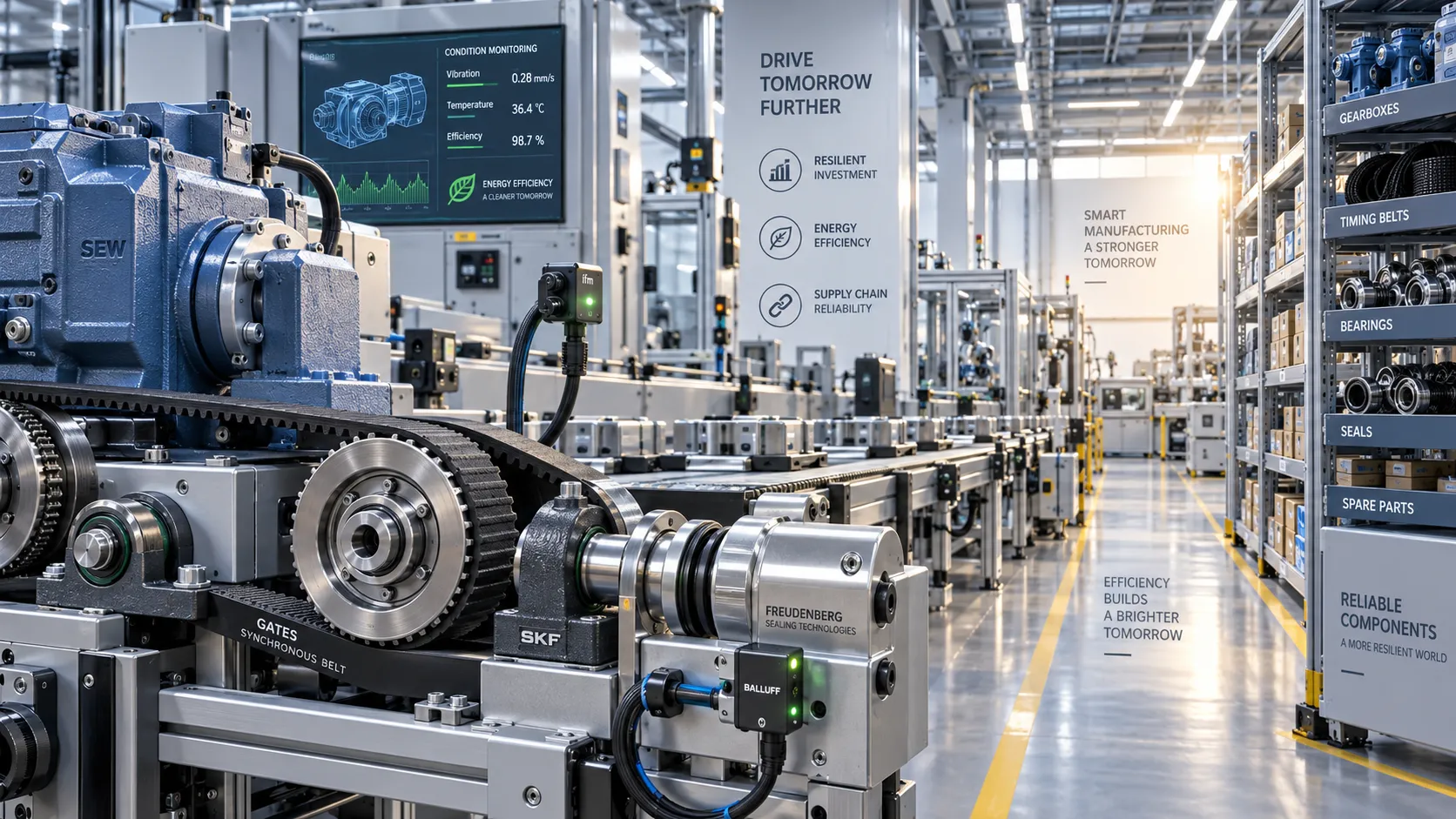
Industrial Economy Trends Shaping Capital Investment and Supply Chain Risk in 2026
Industrial economy trends for 2026 reveal how resilient capital investments, energy efficiency, and supply-chain strategies can protect uptime and strengthen returns.
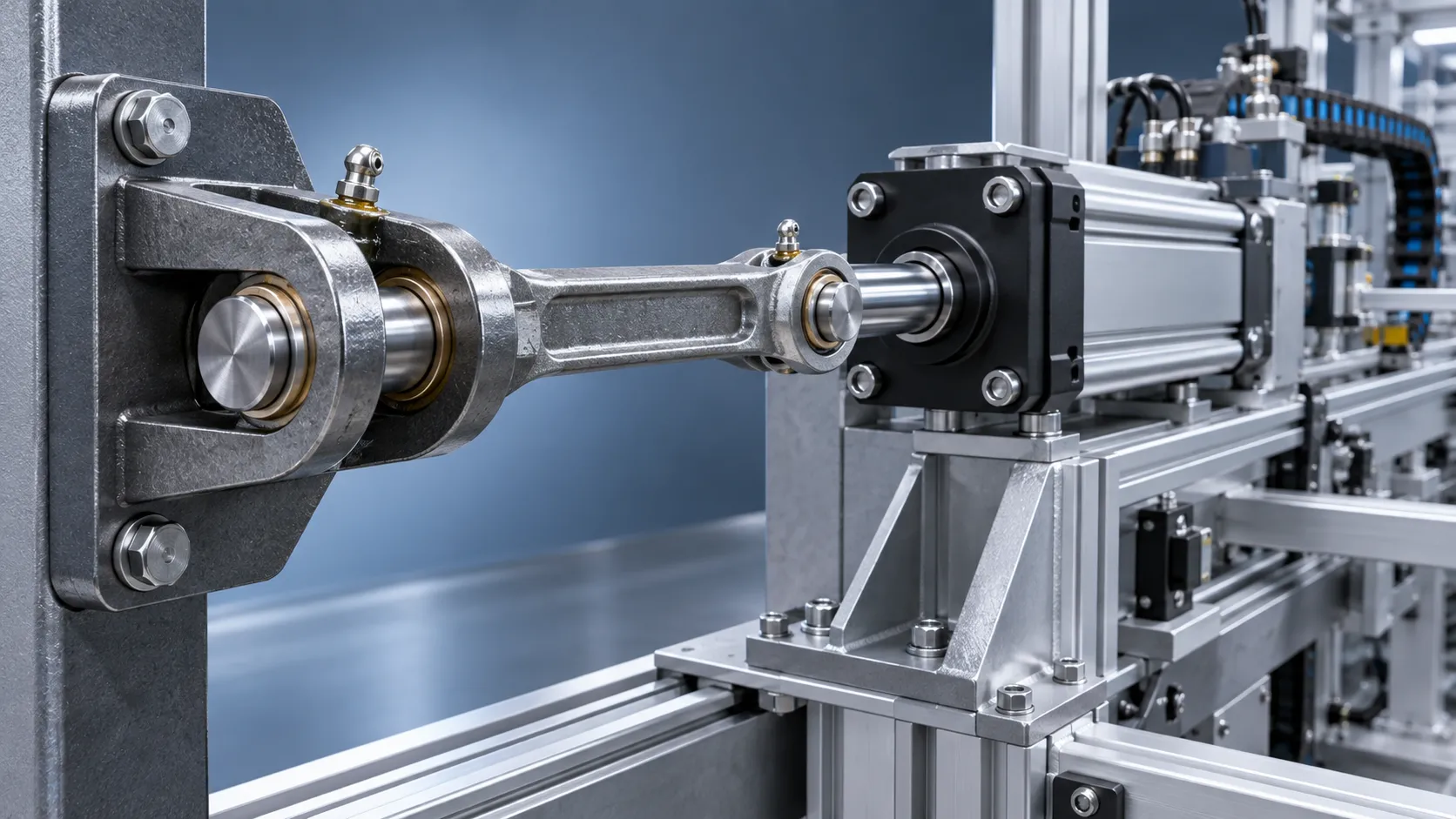
Mechanical Linkage Design: How to Balance Load Capacity, Motion Accuracy, and Wear
Mechanical linkage design guide: balance load capacity, motion accuracy, and wear with practical insights on geometry, joints, tolerances, lubrication, and service life.
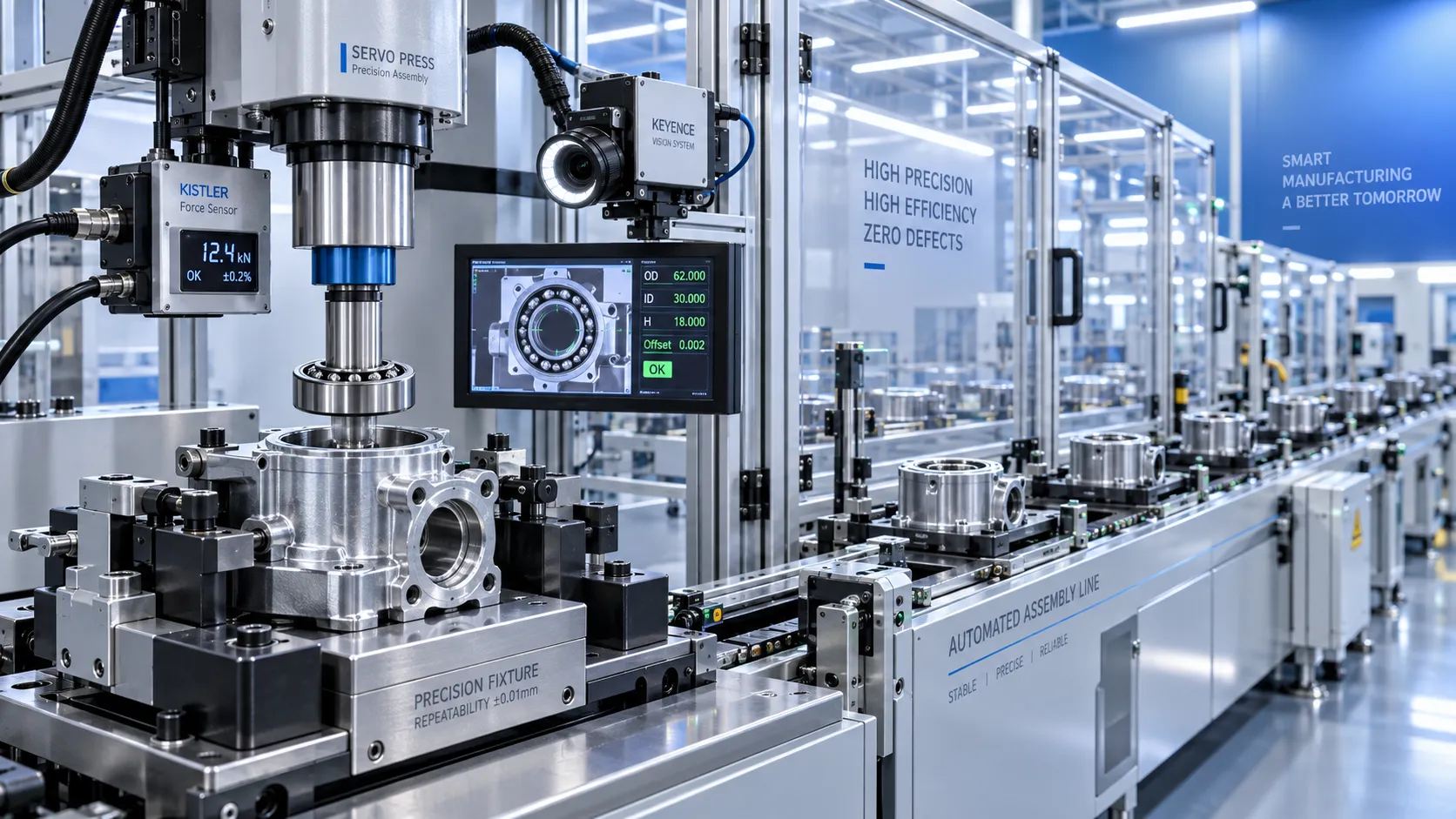
How Precision Automated Production Improves Quality Control in High-Volume Assembly
Precision automated production strengthens quality control in high-volume assembly with real-time verification, traceability, and safer defect containment.
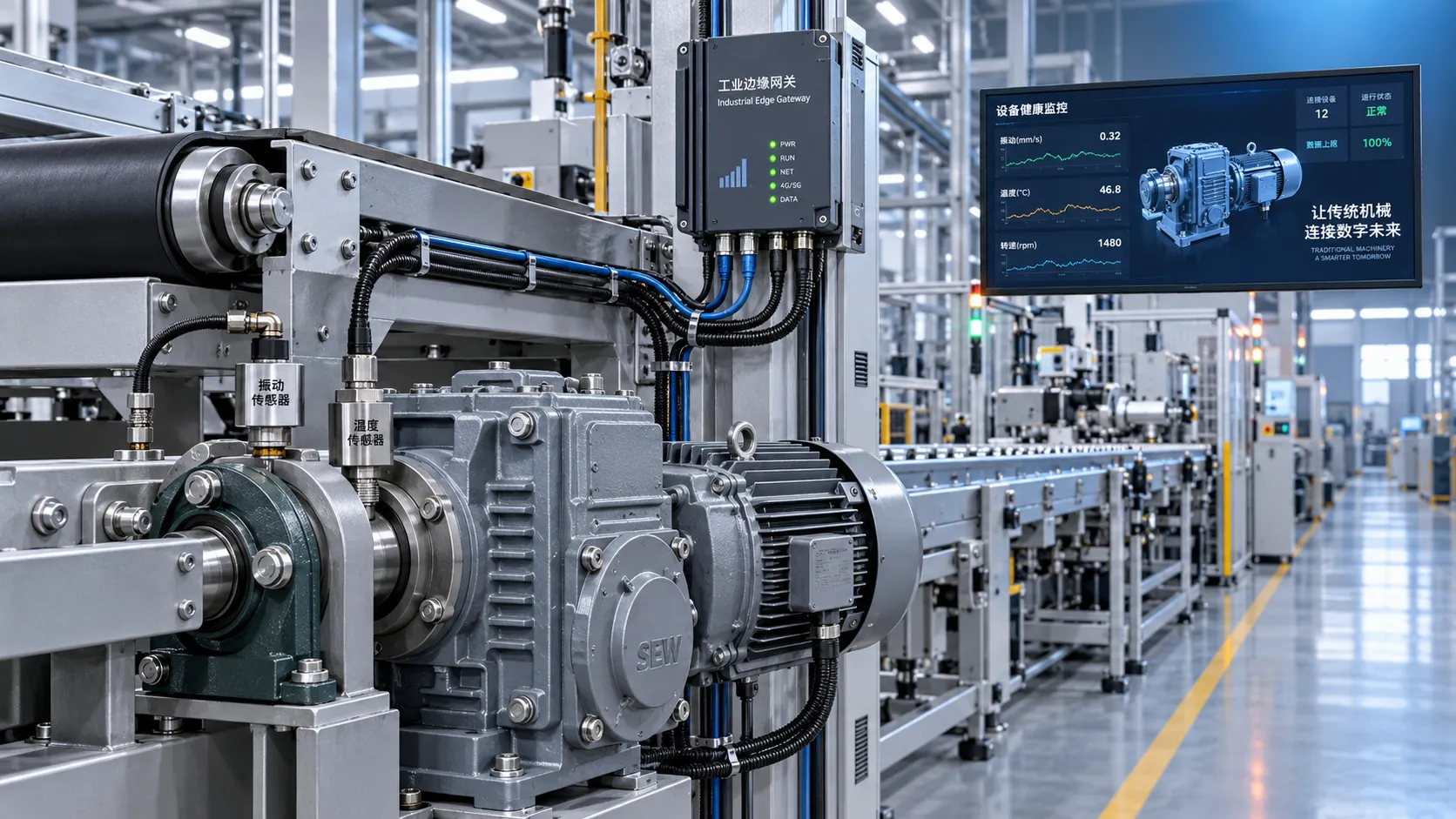
Industry 4.0 Integration: A Roadmap for Connecting Legacy Machines and Data
Industry 4.0 integration roadmap for connecting legacy machines, improving data visibility, reducing downtime, and scaling secure, measurable operational performance.
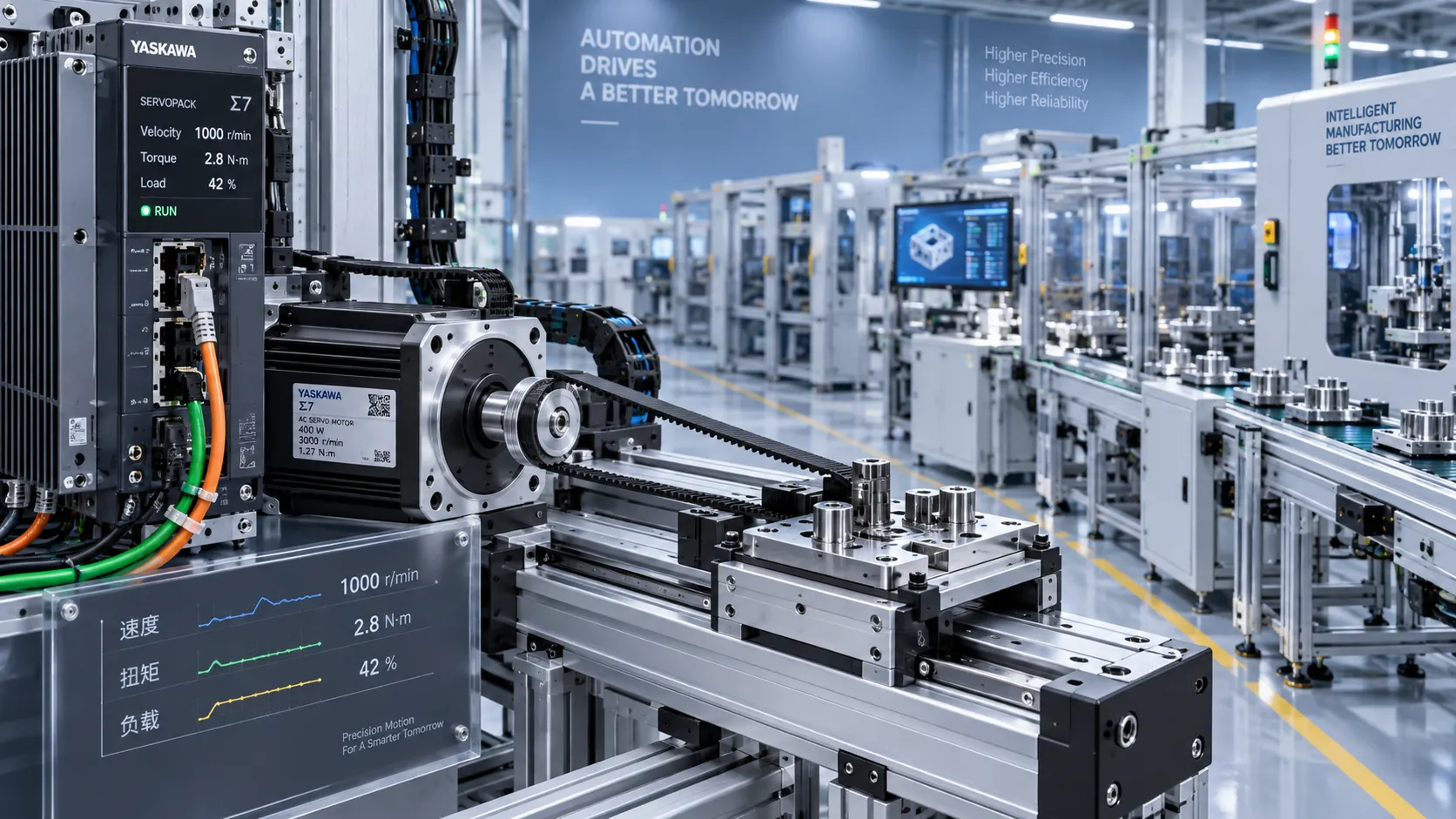
Servo Drive Comparison: Selecting Motion Control for Speed, Torque, and Load
Technical product comparison servo drives: evaluate speed, torque, inertia, safety, and control integration to select a reliable motion system with proven performance margins.
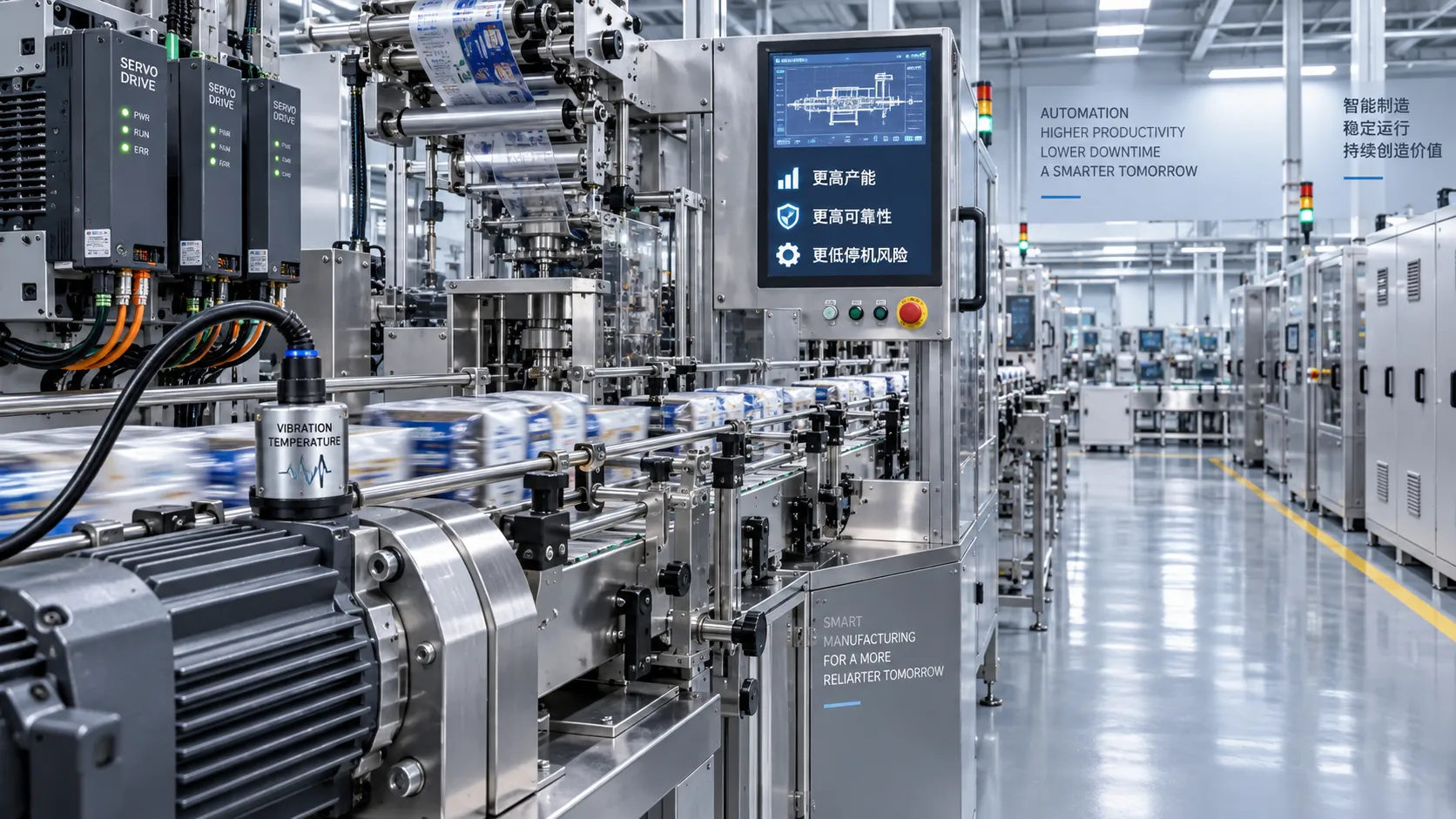
Industrial Automation Technology: How to Prioritize Upgrades by ROI and Downtime Risk
Industrial automation technology upgrades: learn to rank projects by ROI, bottleneck exposure, and downtime risk to reduce losses and make smarter capital decisions.
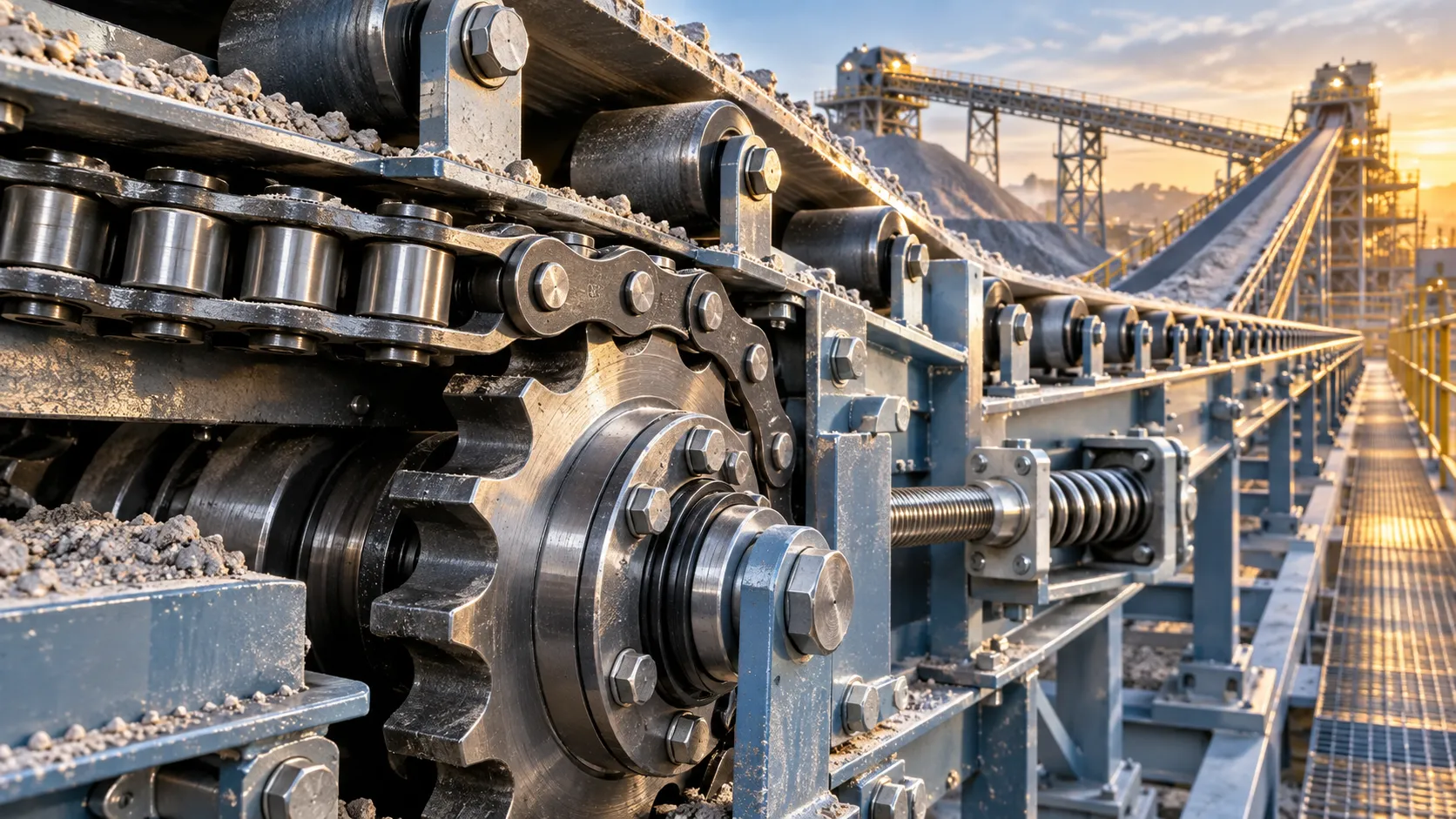
Selecting Low-Maintenance Chain Components for Dusty, High-Load Conveyors
Low maintenance chain components for dusty, high-load conveyors: compare seals, lubrication, materials, sprockets, and load capacity to reduce wear and downtime.
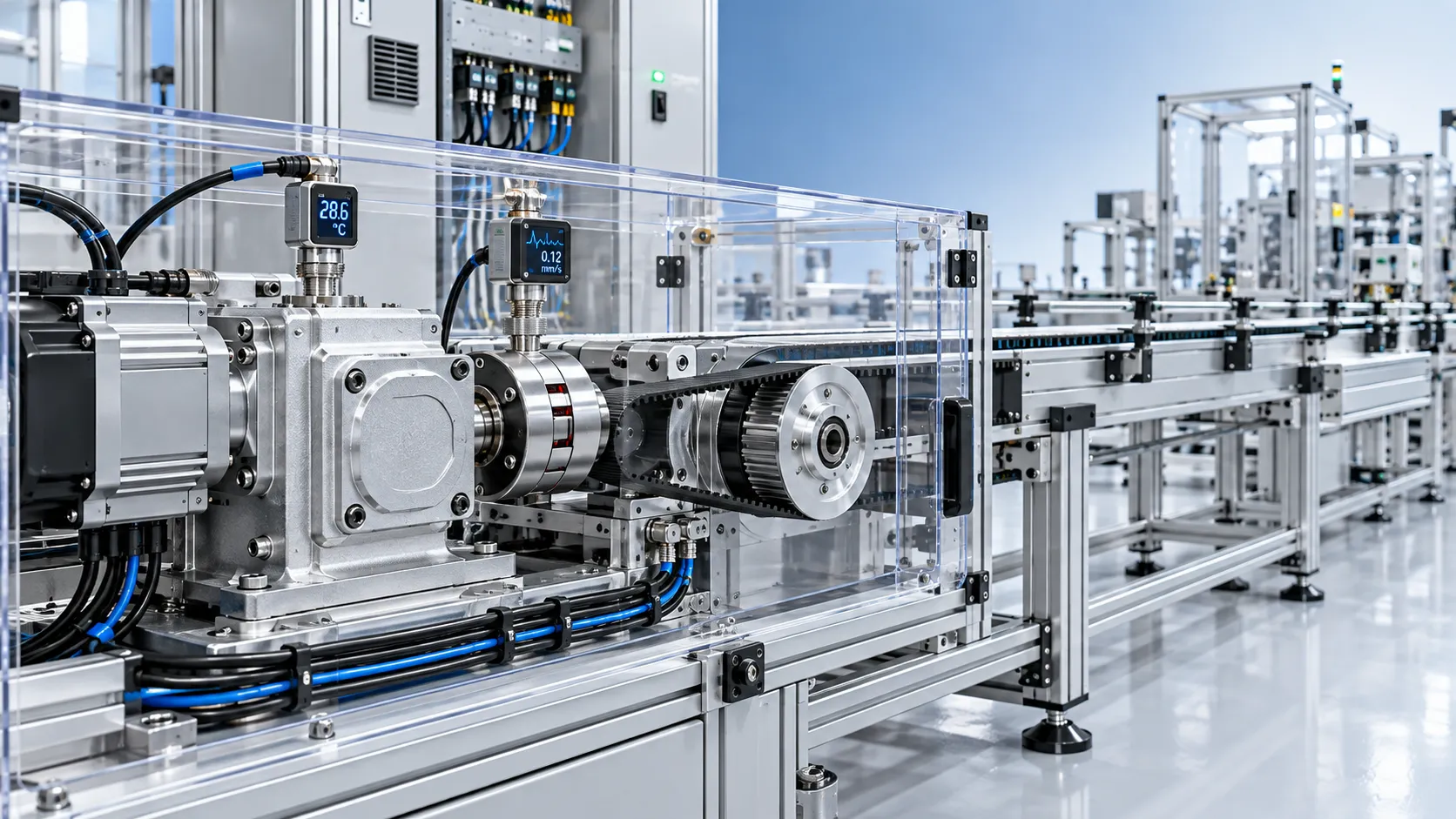
Selecting Smart Transmission Modules for Automated Lines: Control, Load, and Safety
Smart transmission modules for automated lines: evaluate control compatibility, real load demands, safety boundaries, and predictive maintenance value for reliable performance.
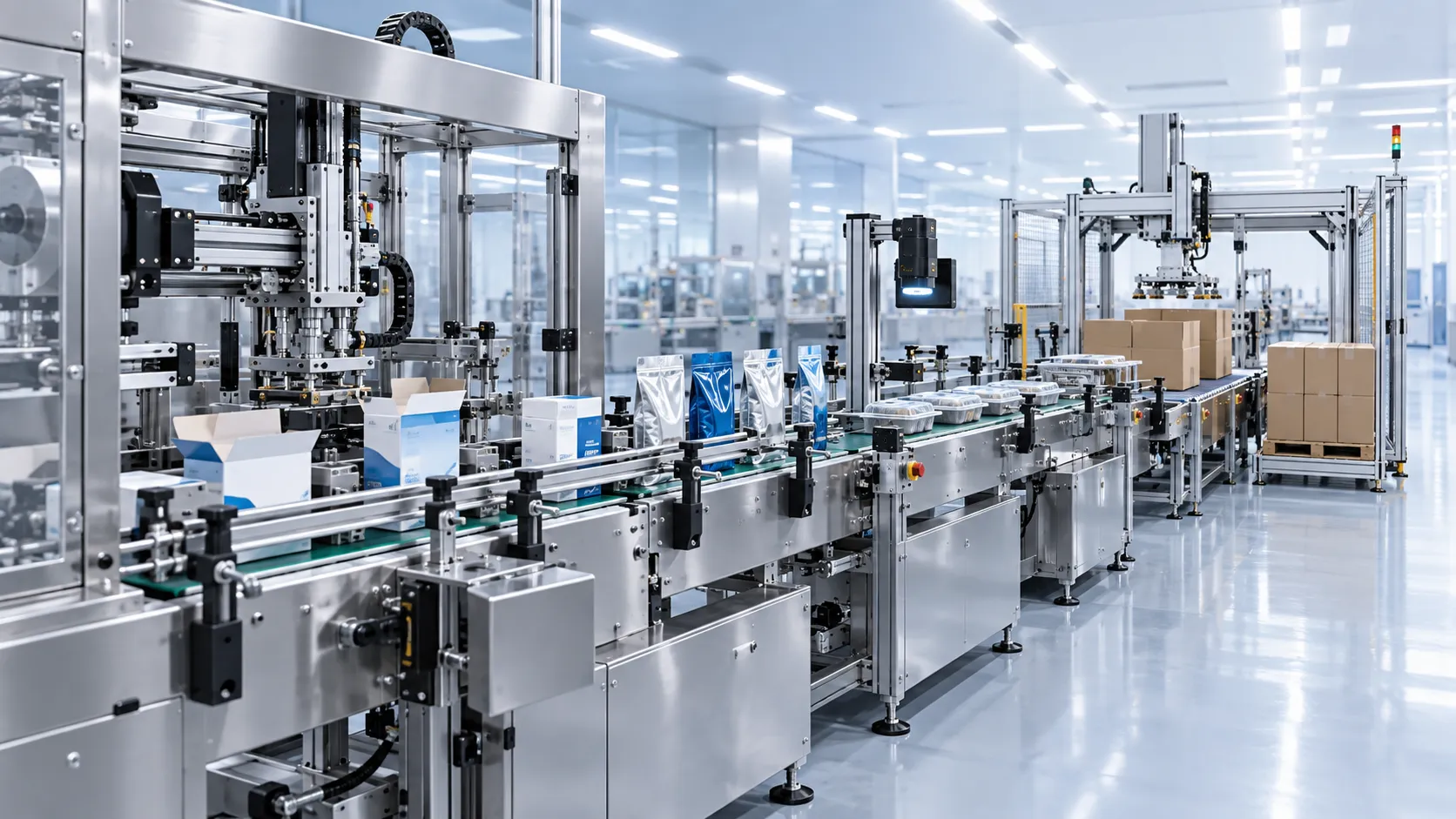
How to Assess Automated Packaging Production for High-Mix Manufacturing Lines
Automated production for packaging: assess changeovers, flexibility, controls, reliability, and lifecycle cost to build high-mix lines that deliver stable output.