
Industry News
Curation by industry experts
Hot Articles
Popular Tags
How critical sealing solutions reduce safety risks
How critical sealing solutions reduce safety risks in complex industrial scenarios
In high-risk industrial environments, critical sealing solutions are more than components—they are frontline safeguards against leaks, contamination, pressure loss, and unexpected equipment failure.
When seals perform poorly, safety incidents often begin quietly. A minor leak can become fire exposure, product spoilage, environmental release, or sudden shutdown.
That is why critical sealing solutions matter across the broader industrial landscape. They support operational integrity, regulatory compliance, asset protection, and stable production continuity.
For GPT-Matrix, this topic sits at the intersection of material science, tribology, and mechanical reliability. Effective sealing is not an accessory decision; it is a system-level safety strategy.
Why scenario-based seal selection changes safety outcomes
Not every leak risk looks the same. Temperature, media type, pressure cycling, shaft speed, vibration, and cleaning practices all change the performance requirements.
A sealing material that works in dry rotating equipment may fail in aggressive chemicals. A design suited to stable pressure may crack under pulsation or thermal shock.
Critical sealing solutions reduce safety risks only when matched to the real operating scenario. Misalignment between application and seal capability is a common root cause of preventable failure.
Scenario-based evaluation helps identify hidden hazards early. It also improves maintenance planning, spare part control, and long-term lifecycle cost visibility.
Key variables that alter sealing risk
- Fluid characteristics, including corrosiveness, viscosity, and particle content
- Operating pressure, vacuum conditions, and pressure spikes
- Temperature range, thermal cycling, and heat aging exposure
- Motion type, such as static, rotary, reciprocating, or oscillating movement
- Installation quality, tolerances, surface finish, and alignment control
- Cleaning chemicals, sterilization cycles, and maintenance frequency
Scenario 1: High-pressure fluid systems where leaks escalate quickly
Hydraulic units, pumps, compressors, and process lines often operate under sustained or fluctuating pressure. In these settings, seal failure can trigger fast and dangerous media release.
Critical sealing solutions in high-pressure systems must resist extrusion, compression set, and rapid wear. Material resilience and groove design become as important as chemical compatibility.
Core judgment points for this scenario
- Whether pressure surges exceed the seal’s design envelope
- Whether backup rings or reinforced profiles are required
- Whether system contamination accelerates lip or face damage
- Whether heat buildup changes elasticity during long duty cycles
In this scenario, safety risk grows when teams rely only on nominal pressure data. Real conditions often include spikes, starts, stops, and vibration events.
Scenario 2: Chemical and corrosive media environments with hidden compatibility risks
Chemical processing, surface treatment, and mixed-fluid handling create a different safety profile. Here, the greatest danger may come from gradual degradation rather than sudden rupture.
Critical sealing solutions for corrosive service must withstand swelling, hardening, cracking, and permeation. Compatibility charts help, but field exposure and compound formulation still matter.
A seal can appear stable during short testing but fail after continuous exposure. That delay makes chemical compatibility errors especially dangerous for safety management.
Core judgment points for this scenario
- Whether fluid concentration changes during operation or cleaning
- Whether mixed chemicals create untested compatibility conditions
- Whether permeation could affect nearby components or sensors
- Whether maintenance intervals exceed realistic material life
Scenario 3: Hygienic and contamination-sensitive operations where seal failure affects product safety
Food, beverage, pharmaceutical, and clean-process environments demand more than leak prevention. They require contamination control, cleanability, and reliable sealing under washdown conditions.
Critical sealing solutions in these applications reduce safety risks by preventing ingress, microbial retention, and cross-media migration. Surface finish and dead-space reduction are major concerns.
Frequent cleaning adds another challenge. Steam, disinfectants, and aggressive detergents can shorten service life if seal materials are not properly validated.
Core judgment points for this scenario
- Whether the seal design supports full clean-in-place performance
- Whether thermal sanitation causes repeated expansion stress
- Whether particles, residues, or biofilm can collect near interfaces
- Whether compliance documentation matches actual process exposure
Scenario 4: Heavy-duty rotating equipment exposed to heat, speed, and vibration
Fans, mixers, gear-driven assemblies, turbines, and large motors create persistent mechanical stress. In these cases, sealing performance directly affects bearing life and fire prevention.
Critical sealing solutions must handle shaft runout, misalignment, lubrication retention, and contaminant exclusion. Small losses in sealing efficiency can damage connected transmission components.
This is where the GPT-Matrix view becomes valuable. Sealing reliability should be assessed together with reducers, belts, couplings, and lubrication behavior, not in isolation.
How different scenarios change critical sealing solutions requirements
Practical adaptation steps for safer seal selection and use
The most effective critical sealing solutions programs combine engineering review, material validation, and maintenance discipline. Practical adaptation usually starts with a structured risk screen.
- Map operating conditions, including upset events and cleaning cycles.
- Review seal material, geometry, and hardware compatibility together.
- Check installation methods, tolerances, and surface condition records.
- Track failure modes using leakage patterns, wear marks, and downtime history.
- Set replacement intervals based on risk, not only on calendar schedules.
- Use intelligence sources to monitor new material and reliability developments.
Where systems are interconnected, upgrades should also consider adjacent power transmission parts. Better sealing may fail to deliver full safety benefits if vibration or misalignment remains unresolved.
Common misjudgments that weaken safety protection
One frequent mistake is selecting by price or basic dimensions alone. Low initial cost can lead to far greater losses from leakage, cleanup, downtime, and regulatory consequences.
Another mistake is assuming chemical compatibility equals full suitability. Temperature swings, friction, pressure pulses, and assembly errors can still defeat otherwise acceptable materials.
A third oversight is separating sealing review from the broader mechanical system. Critical sealing solutions work best when integrated with lubrication, alignment, and condition monitoring practices.
Documentation gaps also create risk. If replacement history, exposure data, or failure analysis is weak, recurring problems become difficult to predict and control.
Next actions for building a stronger sealing risk strategy
Start by identifying equipment where leakage could cause injury, contamination, ignition, or major process interruption. Those assets deserve immediate review of their critical sealing solutions.
Then compare actual service conditions with current seal specifications. Focus on pressure variability, thermal exposure, media composition, cleaning regimes, and observed wear behavior.
Use trusted industrial intelligence to benchmark material upgrades, reliability trends, and system interactions. GPT-Matrix supports this approach by linking sealing insight with transmission and motion control knowledge.
When applied with discipline, critical sealing solutions reduce safety risks not only by stopping leaks, but by strengthening the entire operating system around them.
Recommended News
Industrial Economy Trends Shaping Capital Investment and Supply Chain Risk in 2026
Industrial economy trends for 2026 reveal how resilient capital investments, energy efficiency, and supply-chain strategies can protect uptime and strengthen returns.
Mechanical Linkage Design: How to Balance Load Capacity, Motion Accuracy, and Wear
Mechanical linkage design guide: balance load capacity, motion accuracy, and wear with practical insights on geometry, joints, tolerances, lubrication, and service life.
How Precision Automated Production Improves Quality Control in High-Volume Assembly
Precision automated production strengthens quality control in high-volume assembly with real-time verification, traceability, and safer defect containment.
Industry 4.0 Integration: A Roadmap for Connecting Legacy Machines and Data
Industry 4.0 integration roadmap for connecting legacy machines, improving data visibility, reducing downtime, and scaling secure, measurable operational performance.
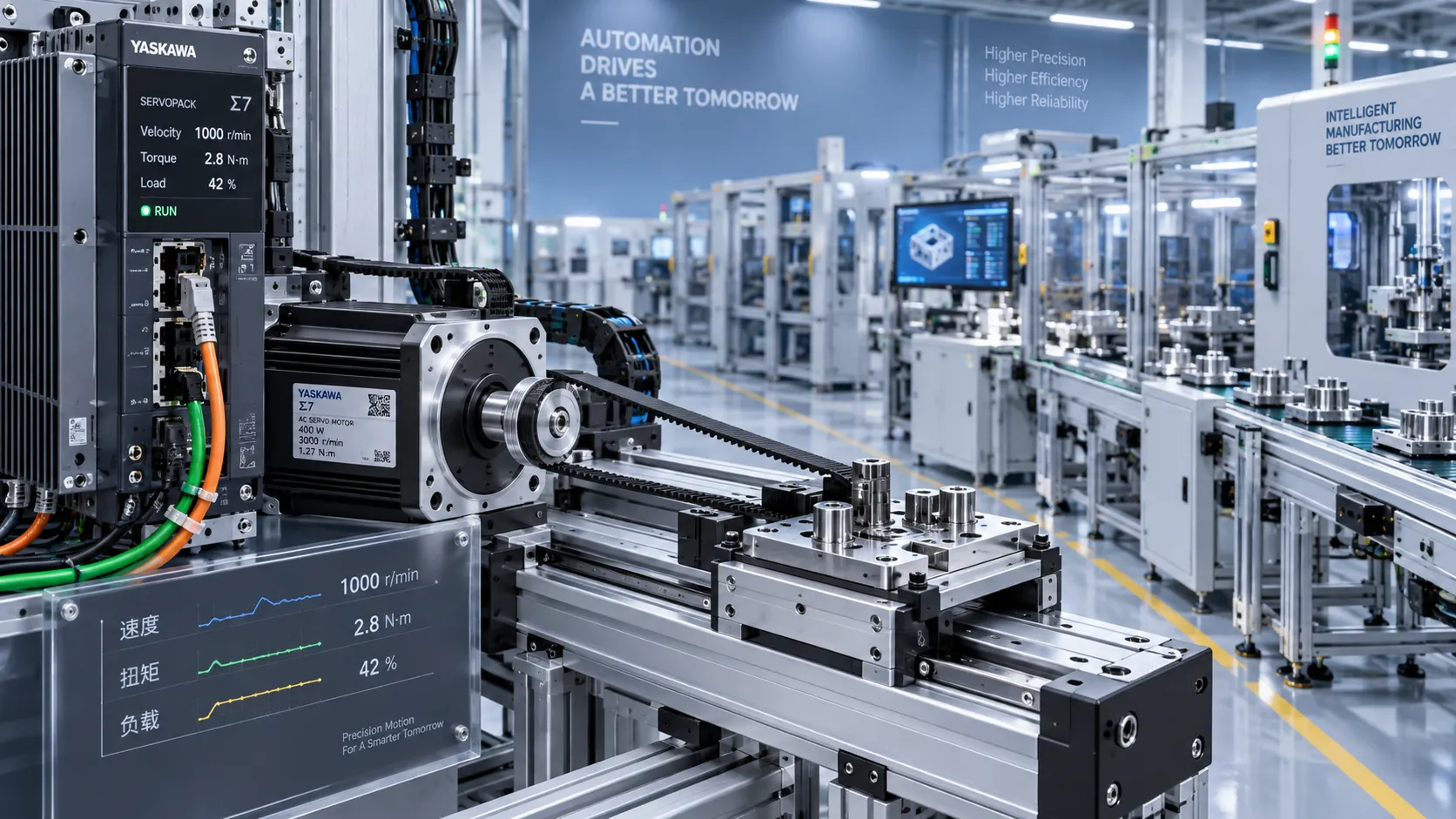
Servo Drive Comparison: Selecting Motion Control for Speed, Torque, and Load
Technical product comparison servo drives: evaluate speed, torque, inertia, safety, and control integration to select a reliable motion system with proven performance margins.
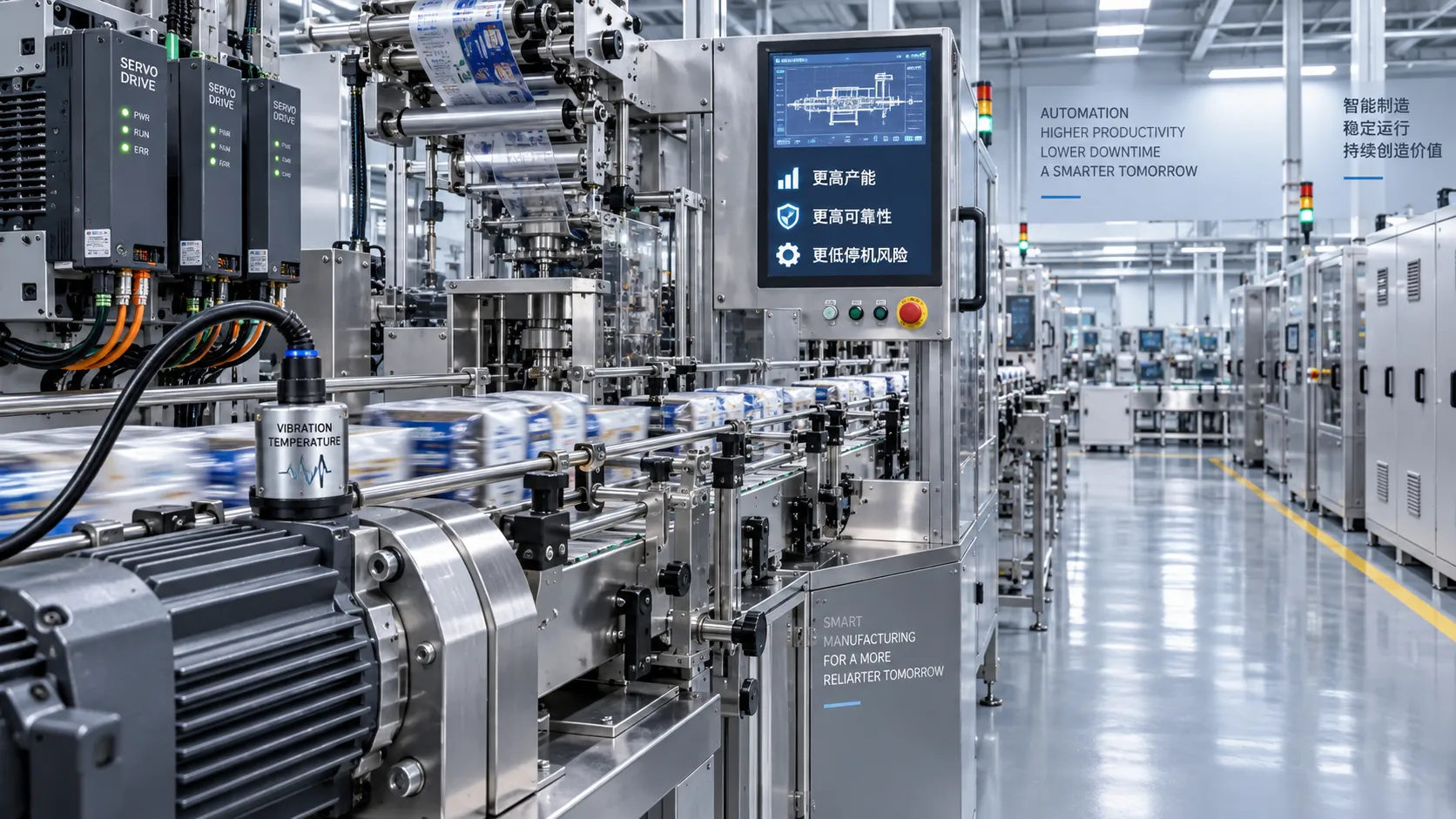
Industrial Automation Technology: How to Prioritize Upgrades by ROI and Downtime Risk
Industrial automation technology upgrades: learn to rank projects by ROI, bottleneck exposure, and downtime risk to reduce losses and make smarter capital decisions.

Selecting Low-Maintenance Chain Components for Dusty, High-Load Conveyors
Low maintenance chain components for dusty, high-load conveyors: compare seals, lubrication, materials, sprockets, and load capacity to reduce wear and downtime.
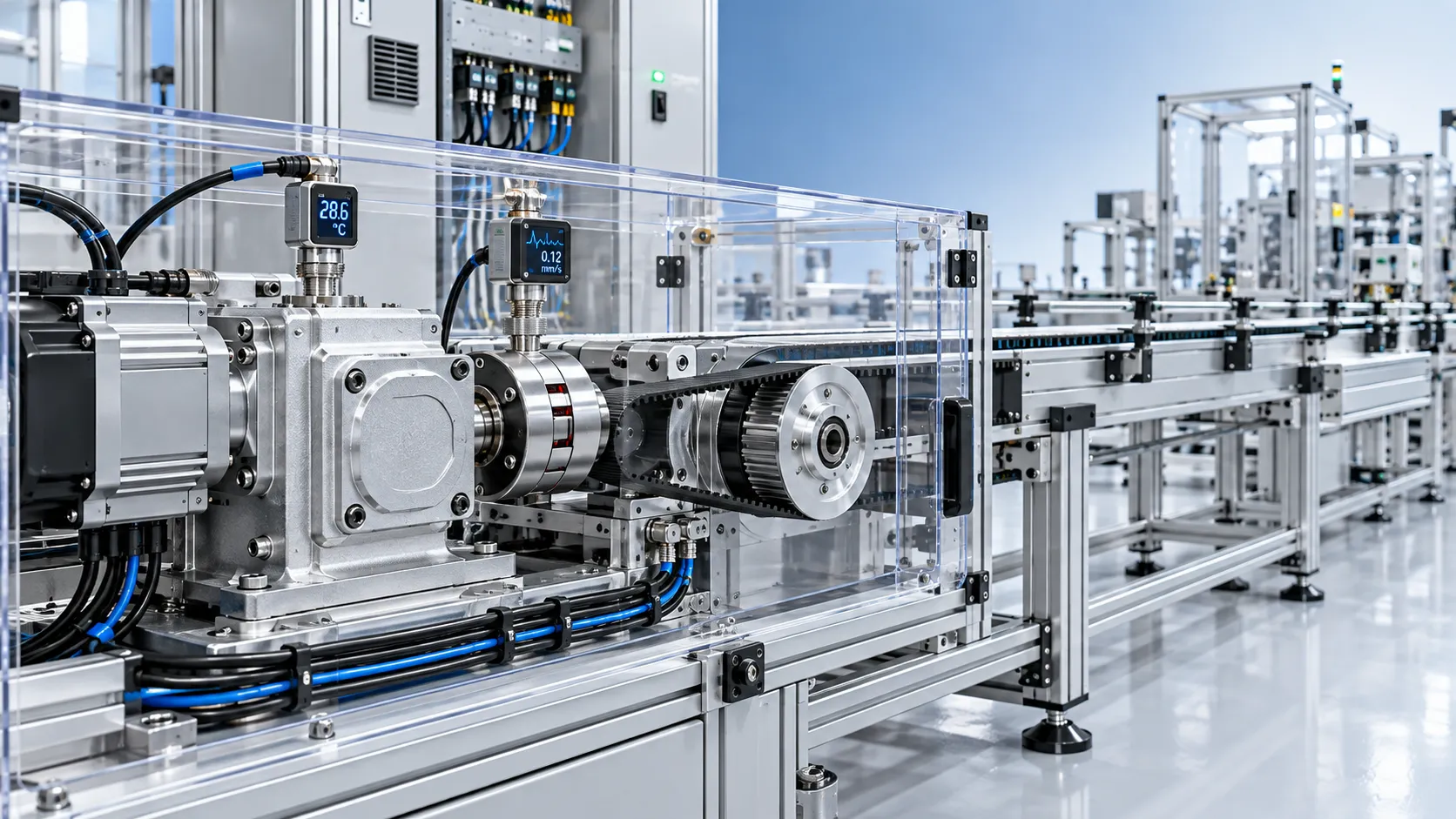
Selecting Smart Transmission Modules for Automated Lines: Control, Load, and Safety
Smart transmission modules for automated lines: evaluate control compatibility, real load demands, safety boundaries, and predictive maintenance value for reliable performance.
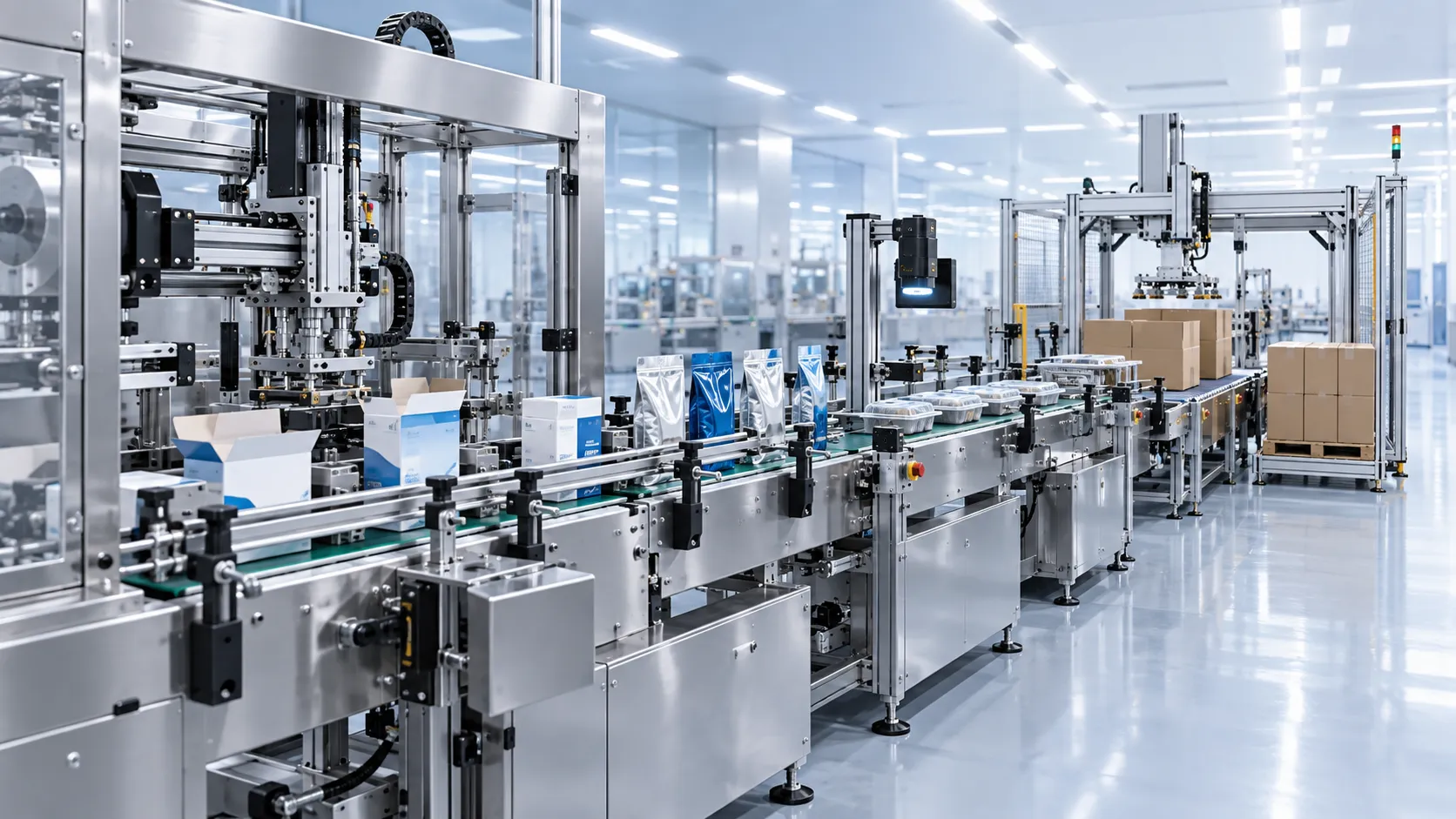
How to Assess Automated Packaging Production for High-Mix Manufacturing Lines
Automated production for packaging: assess changeovers, flexibility, controls, reliability, and lifecycle cost to build high-mix lines that deliver stable output.