
Industry News
Curation by industry experts
Hot Articles
Popular Tags
Industrial motion control mistakes that slow production
Industrial motion control errors often begin with small setting mismatches, aging components, and weak timing logic. They seem harmless at first, yet they gradually reduce throughput, increase scrap, and create unstable cycle times.
In mixed production environments, industrial motion control must support speed, repeatability, safety, and energy efficiency at the same time. When one parameter drifts, the whole line can lose rhythm.
This matters across packaging, material handling, machining, converting, and automated assembly. The right correction is rarely a single replacement. It usually starts with understanding the production scenario, load behavior, and synchronization demands.
For platforms such as GPT-Matrix, this is where intelligence becomes practical. Reliable insight into transmission behavior, sealing reliability, and drive coordination helps turn industrial motion control from a hidden risk into a measurable advantage.
Why industrial motion control mistakes vary by production scenario
Not every slowdown comes from the same source. A high-speed cartoner faces different industrial motion control risks than a conveyor network or a servo-driven press.
The real issue is context. Motion profiles, inertia, feedback quality, thermal drift, and mechanical transmission efficiency behave differently under different production demands.
That is why the same symptom, such as missed timing, can point to tuning problems in one line and mechanical wear in another. Scenario-based diagnosis prevents wasted maintenance time.
Fast-cycle lines need timing accuracy more than raw speed
In fast-cycle operations, industrial motion control fails when acceleration is pushed without checking settling time. The axis reaches position, but vibration delays the next movement.
This creates hidden losses. The machine may still run, but micro-pauses accumulate across shifts and reduce total output more than expected.
Heavy-load systems depend on torque stability and transmission health
In heavier applications, industrial motion control often slows because load assumptions are outdated. Gear reducers, couplings, belts, and bearings may no longer match real operating stress.
Even perfect drive commands cannot overcome excessive backlash, lubrication loss, or seal degradation. Mechanical resistance turns into slower response and higher energy consumption.
Typical industrial motion control mistakes in automated assembly
Automated assembly depends on coordinated axis movement, precise stops, and stable repeatability. Here, industrial motion control mistakes usually appear as inconsistency rather than total failure.
Mistake 1: Overlooking synchronization between axes
When multiple axes share a task, phase drift causes pick-and-place delays, poor insertion quality, and intermittent jams. Small synchronization errors create large quality losses.
A common correction is reviewing master-slave relationships, electronic gearing, and encoder feedback integrity. Timing should be checked under actual load, not only during dry runs.
Mistake 2: Using aggressive tuning to hide mechanical weakness
Some systems are tuned harder to compensate for looseness or wear. This may restore short-term speed, but it increases oscillation, heat, and component fatigue.
Industrial motion control should not be used to mask poor transmission condition. Check couplings, reducers, belts, linear guides, and mounting stiffness before changing gain values.
Common industrial motion control errors in conveyor and material handling lines
Conveyor systems look simple, yet industrial motion control problems here can spread across entire plants. A minor speed mismatch at one transfer point may disrupt every downstream station.
Mistake 3: Ignoring speed matching at transfer zones
Products shift, rotate, or pile up when adjacent conveyors run at incompatible speeds. The result is manual intervention, sensor faults, and unstable throughput.
Industrial motion control in handling lines must consider product behavior, not only motor speed. Surface friction, load spacing, and start-stop frequency all matter.
Mistake 4: Neglecting acceleration and deceleration profiles
Abrupt motion creates product slip, frame stress, and unnecessary current peaks. Smooth profiles often improve real output because they reduce resets and stoppages.
This is especially important where delicate packages, unstable loads, or frequent indexing are involved. Better profiles protect both product quality and drive components.
Where industrial motion control breaks down in machining and precision processes
Machining, cutting, and precision positioning require industrial motion control that remains accurate over long runs. Here, drift and thermal effects often cause the biggest losses.
Mistake 5: Failing to account for thermal expansion and drift
Axes may perform well at startup, then lose precision after hours of operation. Heat changes clearances, encoder behavior, and lubricant performance.
Routine thermal checks, compensation strategies, and stable lubrication practices can restore industrial motion control accuracy without major hardware changes.
Mistake 6: Trusting feedback devices without validation
Encoders and sensors can degrade slowly. Signals may remain present while accuracy declines, leading to repeatability issues that look like software faults.
Validation should include cable condition, signal noise, mounting security, and comparison against actual position results. Feedback quality is central to industrial motion control stability.
How scenario needs differ across industrial motion control applications
Different applications demand different priorities. The table below shows how industrial motion control needs change by operating scenario.
Practical industrial motion control adjustments that fit each scenario
Effective corrections should match the operating environment. A useful industrial motion control review usually includes these actions:
- Measure cycle losses at real production speed, not only test mode.
- Compare commanded motion with actual mechanical response.
- Inspect belts, couplings, reducers, seals, and bearings for hidden drag.
- Review acceleration curves for product stability and energy peaks.
- Validate encoder data and check electrical noise sources.
- Separate software tuning issues from physical transmission limitations.
These steps reduce guesswork. They also align industrial motion control decisions with component life, efficiency targets, and uptime goals.
Frequent misjudgments that keep industrial motion control problems hidden
One common mistake is blaming the motor first. In many cases, industrial motion control performance drops because of friction, backlash, contamination, or seal-related resistance.
Another error is focusing only on peak speed. Production output depends more on stable cycle completion, clean transfers, and repeatable positioning than headline velocity.
A third misjudgment is treating maintenance and control engineering as separate topics. Mechanical transmission health and industrial motion control logic must be evaluated together.
This integrated view reflects broader industry trends. As systems become more automated, data-backed insight into motion, wear, and energy efficiency becomes increasingly valuable.
Next steps to improve industrial motion control before production slows further
Start with one line, one bottleneck, and one measurable symptom. Track stop frequency, transfer quality, position error, and recovery time over several shifts.
Then connect those findings to the physical transmission chain and the control layer. This is where industrial motion control improvements become sustainable instead of temporary.
Using intelligence from sources like GPT-Matrix can support faster diagnosis. Sector news, material evolution insights, and transmission reliability analysis help identify which correction will deliver the best result.
When industrial motion control is matched to the real scenario, production becomes smoother, maintenance becomes more targeted, and efficiency gains become easier to protect over time.
Recommended News
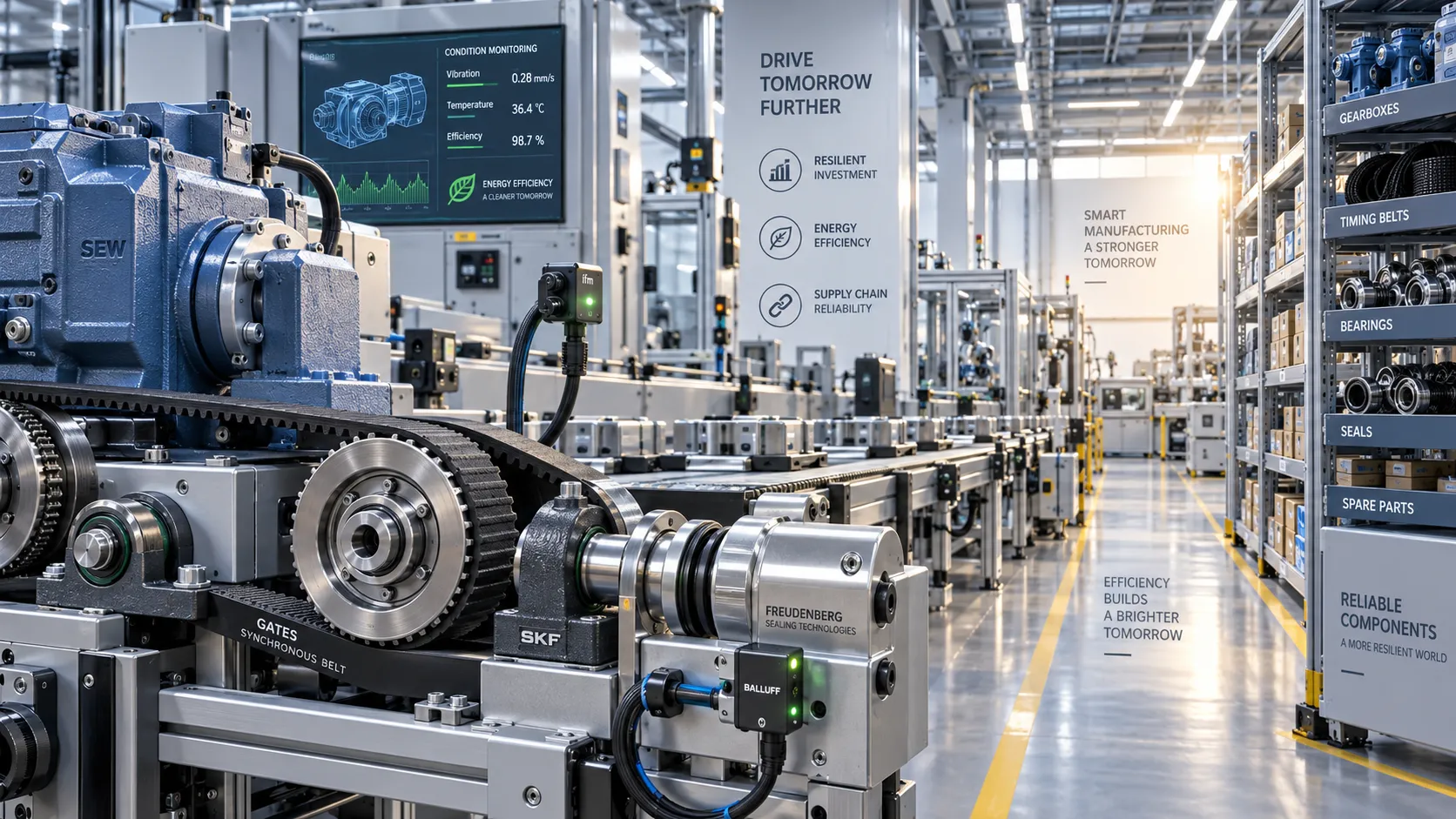
Industrial Economy Trends Shaping Capital Investment and Supply Chain Risk in 2026
Industrial economy trends for 2026 reveal how resilient capital investments, energy efficiency, and supply-chain strategies can protect uptime and strengthen returns.
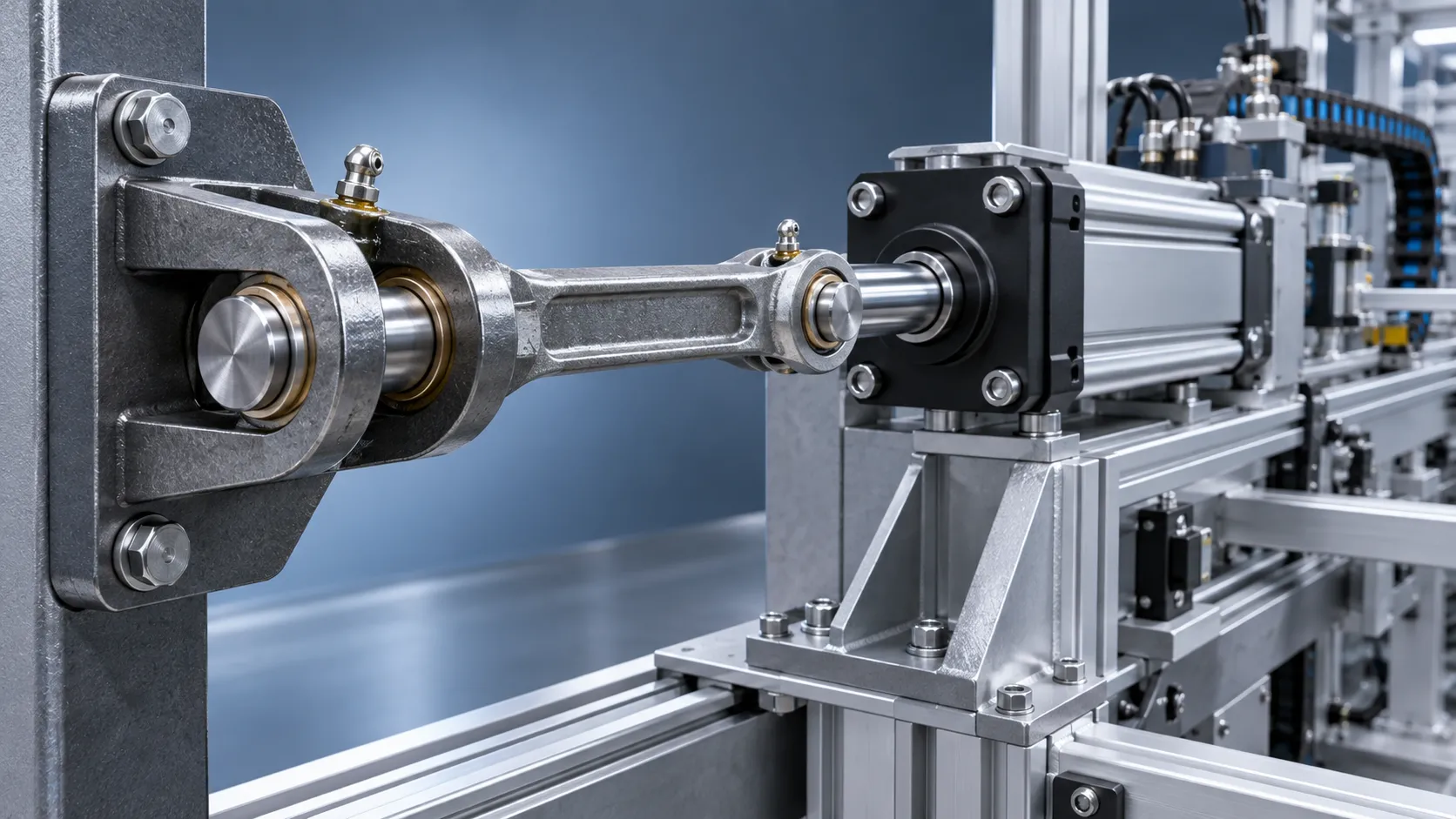
Mechanical Linkage Design: How to Balance Load Capacity, Motion Accuracy, and Wear
Mechanical linkage design guide: balance load capacity, motion accuracy, and wear with practical insights on geometry, joints, tolerances, lubrication, and service life.
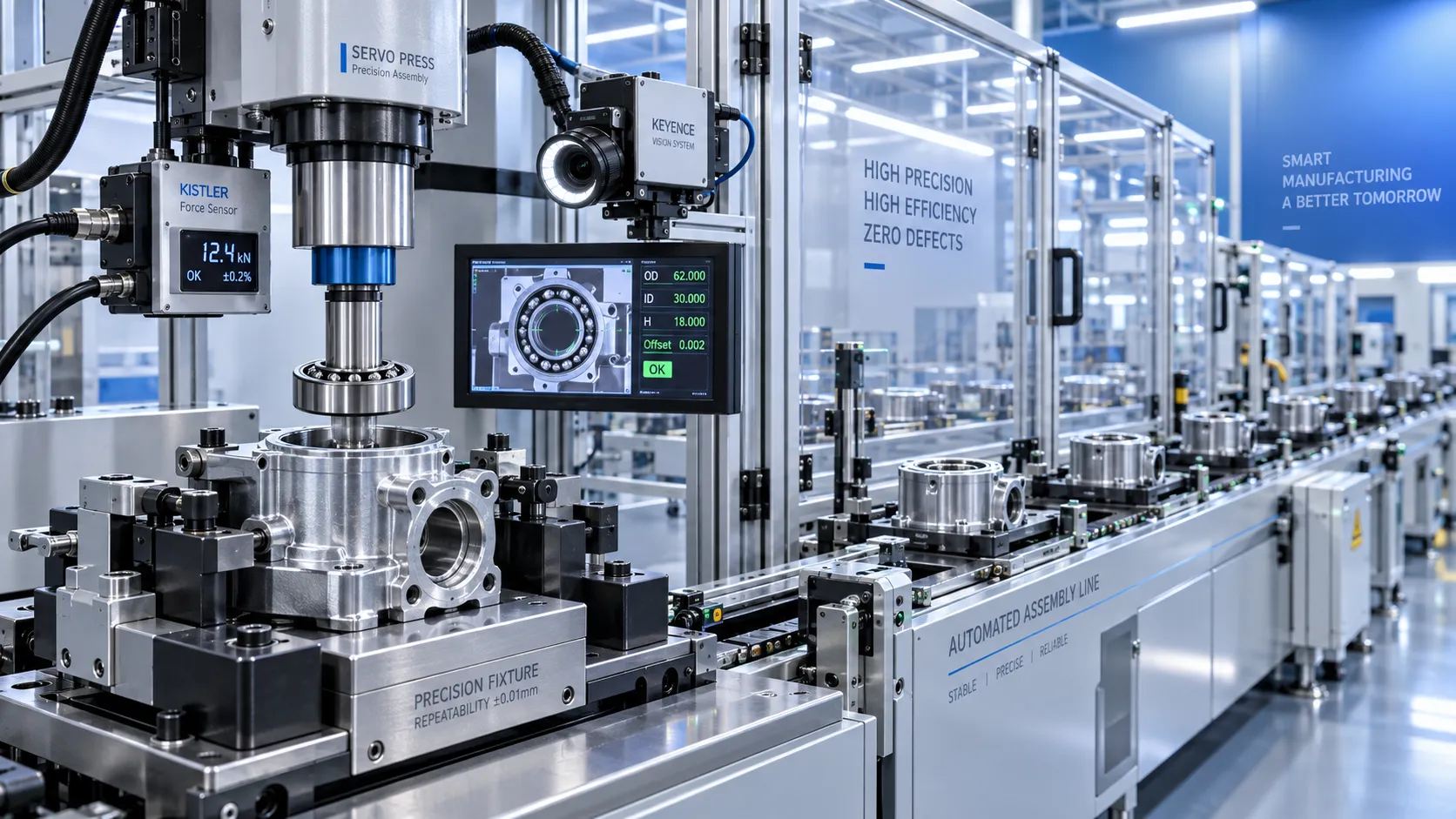
How Precision Automated Production Improves Quality Control in High-Volume Assembly
Precision automated production strengthens quality control in high-volume assembly with real-time verification, traceability, and safer defect containment.
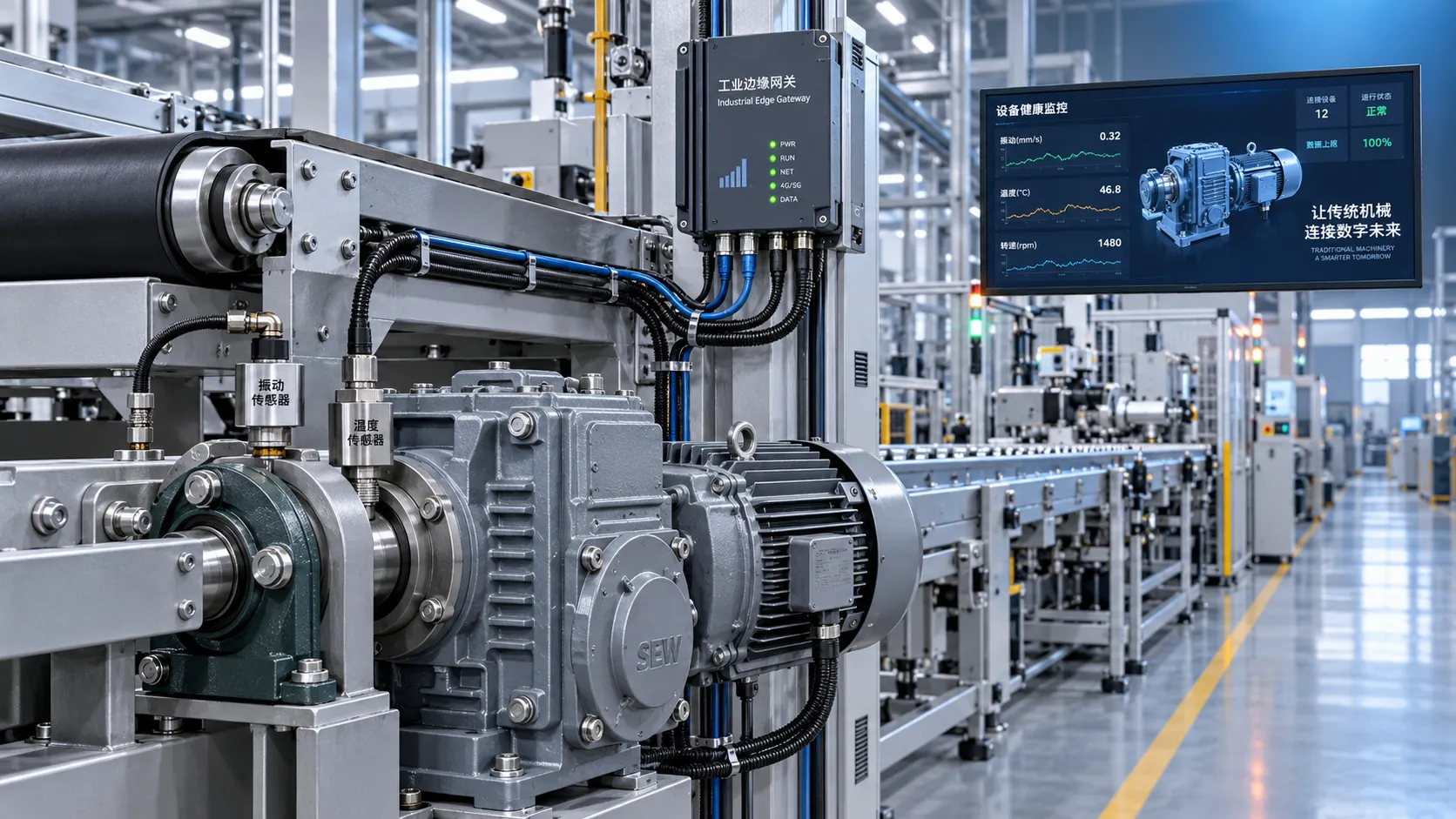
Industry 4.0 Integration: A Roadmap for Connecting Legacy Machines and Data
Industry 4.0 integration roadmap for connecting legacy machines, improving data visibility, reducing downtime, and scaling secure, measurable operational performance.
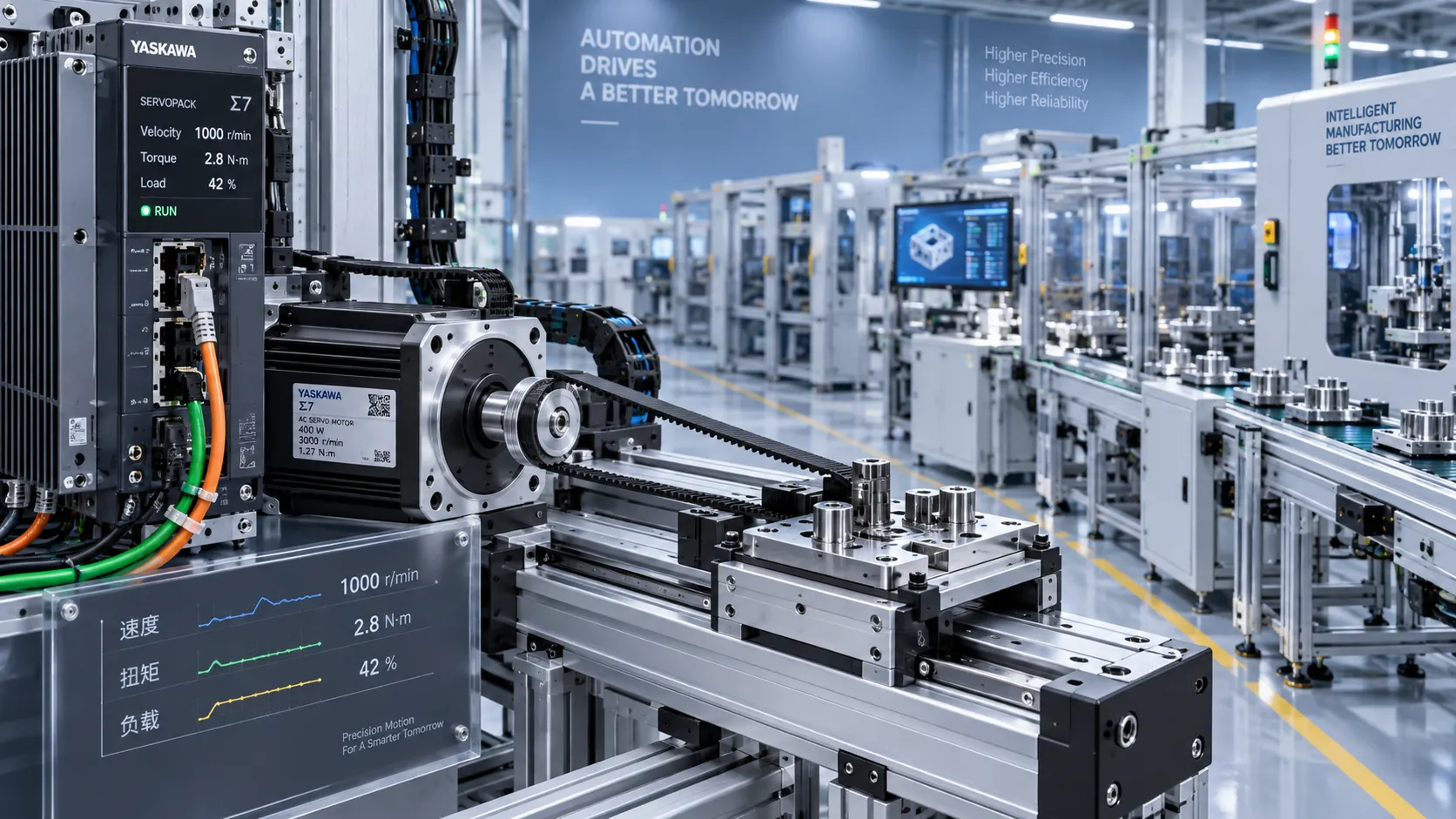
Servo Drive Comparison: Selecting Motion Control for Speed, Torque, and Load
Technical product comparison servo drives: evaluate speed, torque, inertia, safety, and control integration to select a reliable motion system with proven performance margins.
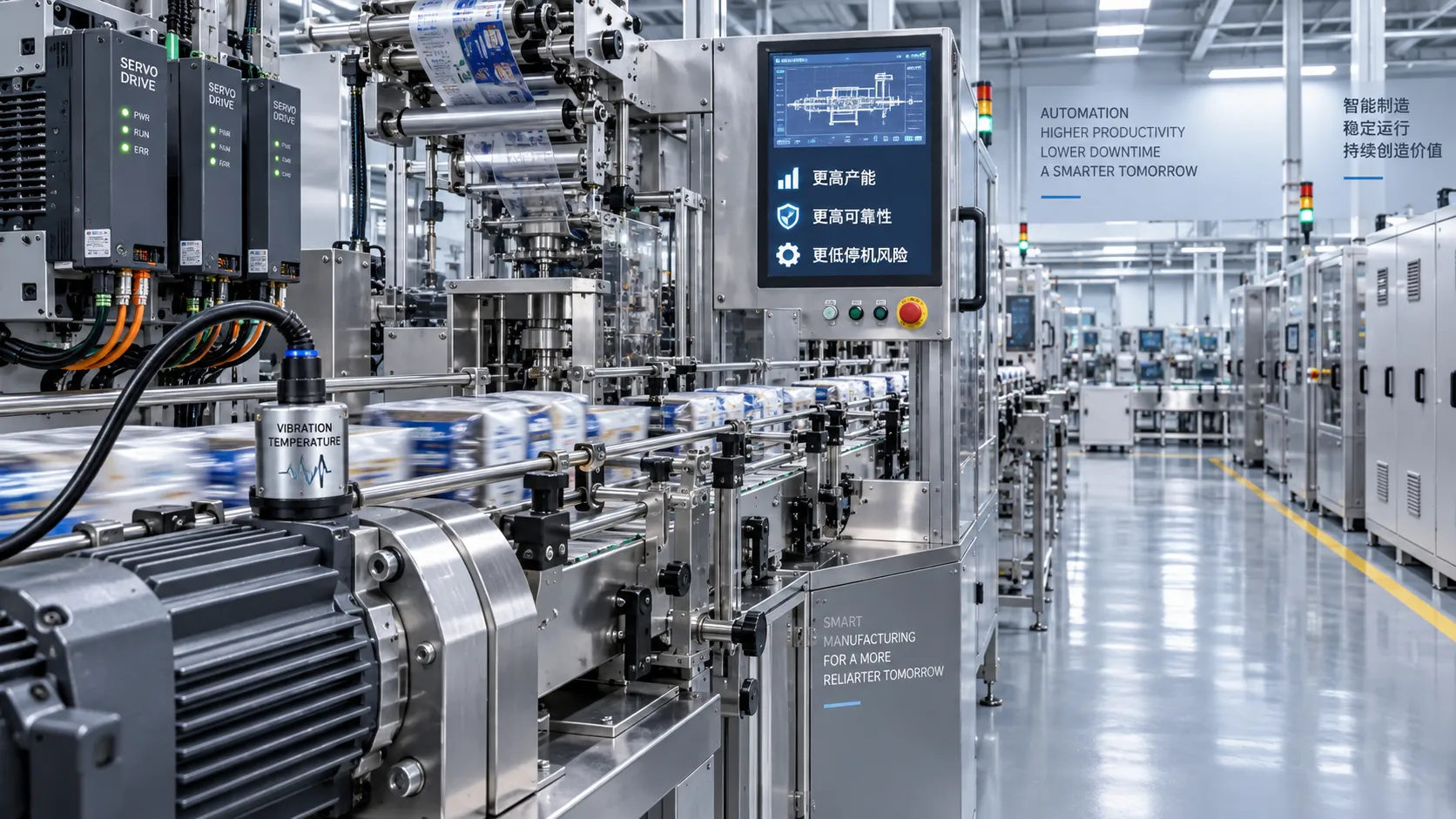
Industrial Automation Technology: How to Prioritize Upgrades by ROI and Downtime Risk
Industrial automation technology upgrades: learn to rank projects by ROI, bottleneck exposure, and downtime risk to reduce losses and make smarter capital decisions.
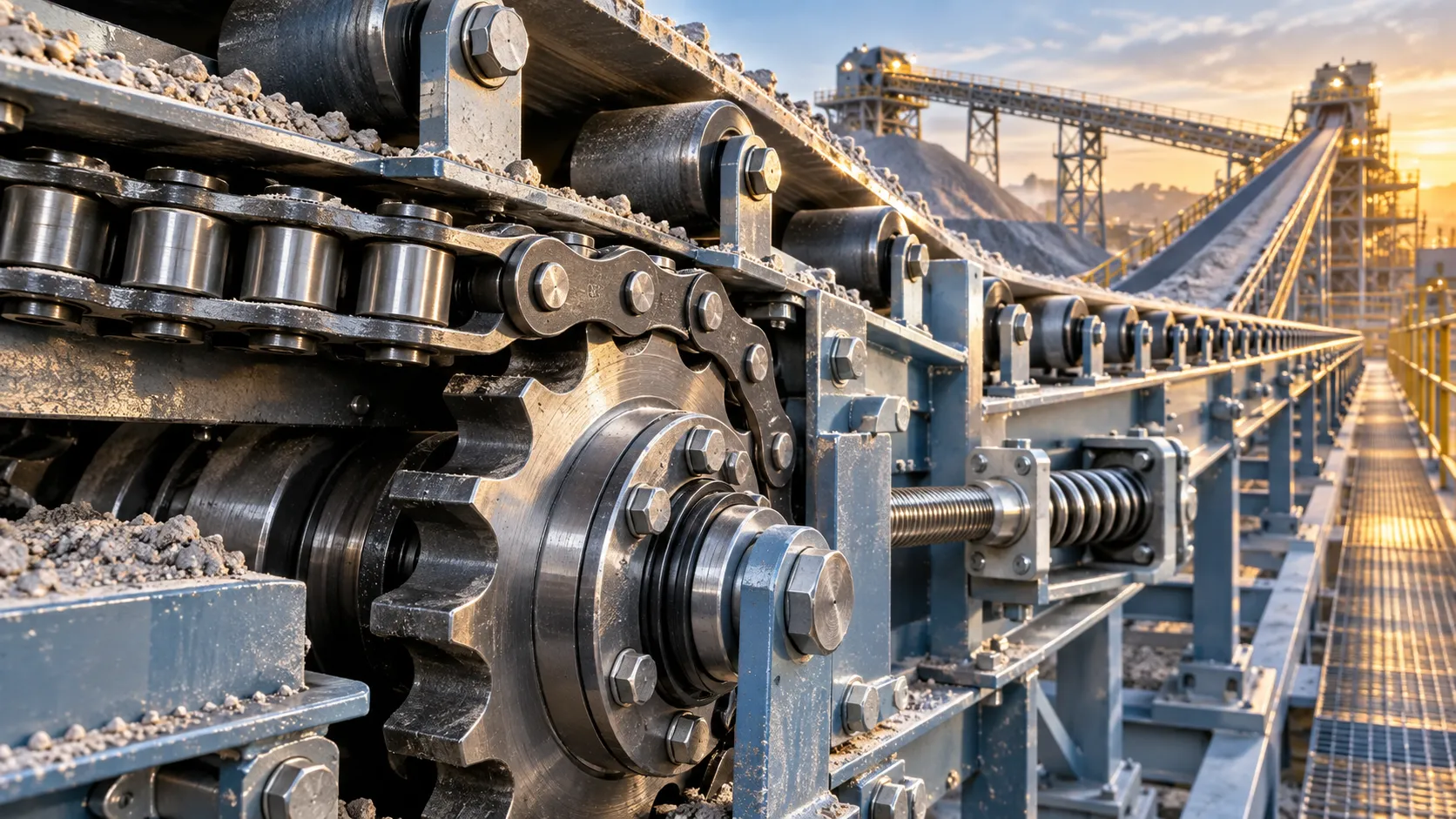
Selecting Low-Maintenance Chain Components for Dusty, High-Load Conveyors
Low maintenance chain components for dusty, high-load conveyors: compare seals, lubrication, materials, sprockets, and load capacity to reduce wear and downtime.
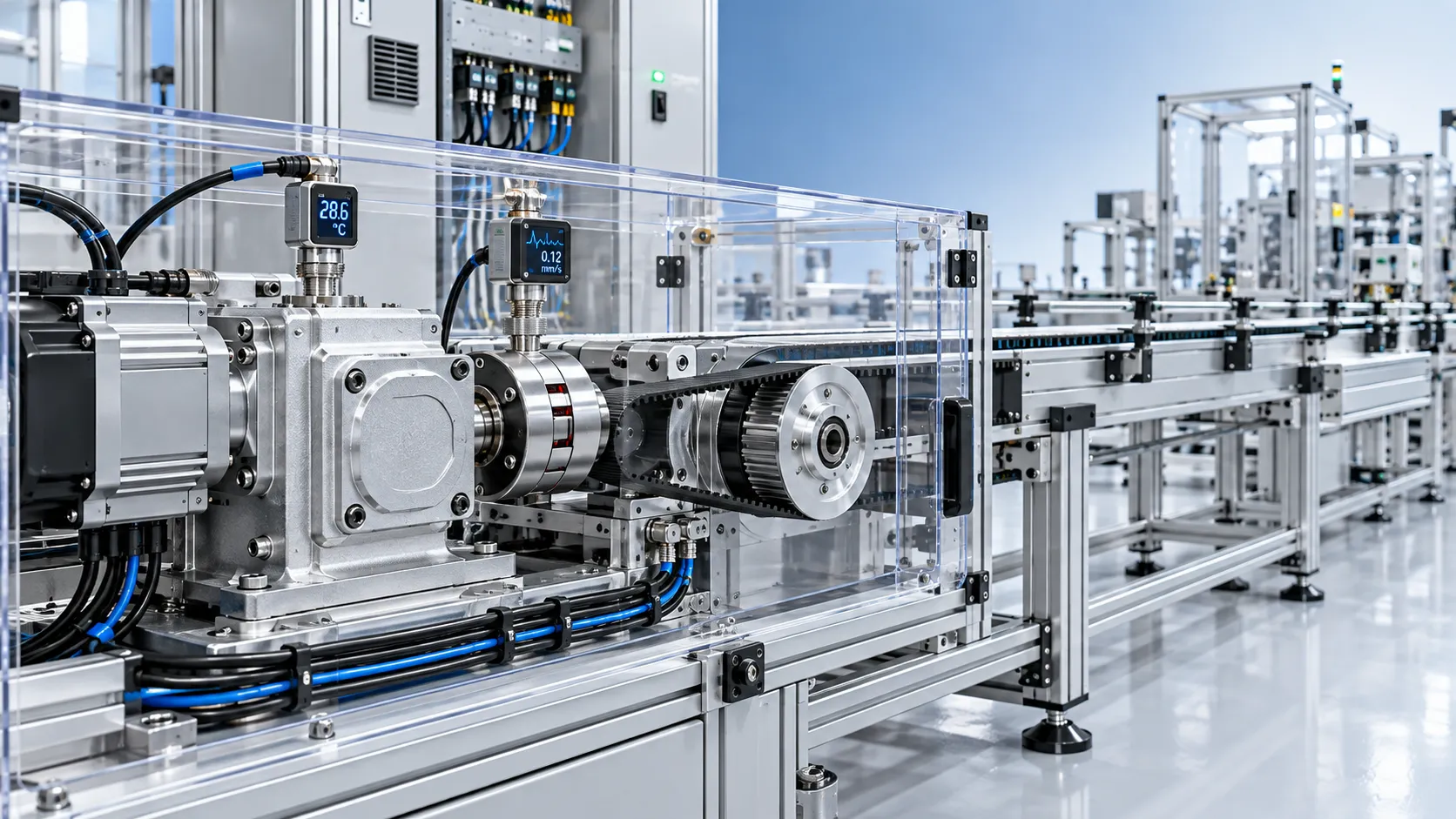
Selecting Smart Transmission Modules for Automated Lines: Control, Load, and Safety
Smart transmission modules for automated lines: evaluate control compatibility, real load demands, safety boundaries, and predictive maintenance value for reliable performance.
How to Assess Automated Packaging Production for High-Mix Manufacturing Lines
Automated production for packaging: assess changeovers, flexibility, controls, reliability, and lifecycle cost to build high-mix lines that deliver stable output.