
Industry News
Curation by industry experts
Hot Articles
Popular Tags
How mechanical seals technology advancements reduce leaks
Why mechanical seals technology advancements matter for leak reduction
For quality control and safety managers, even small leak failures can trigger compliance risks, downtime, and costly maintenance. Understanding how mechanical seals technology advancements improve sealing reliability is essential in today’s high-demand industrial environments. From advanced materials to smarter design and monitoring, these innovations are reshaping leak prevention strategies and helping operations achieve safer, cleaner, and more efficient performance.
Across the comprehensive industrial sector, sealing performance affects pumps, mixers, compressors, reactors, and rotating equipment. Leak control is no longer just a maintenance issue. It now influences environmental reporting, energy efficiency, product purity, and equipment lifecycle cost.
That is why mechanical seals technology advancements deserve checklist-based evaluation. New seal face materials, improved secondary sealing elements, optimized hydraulics, cartridge formats, and digital monitoring all reduce the chance of leakage when selected and applied correctly.
Use this checklist to evaluate mechanical seals technology advancements
A structured checklist helps compare sealing options before failure occurs. It also turns broad innovation claims into practical engineering decisions that support reliability and compliance.
- Verify operating conditions first, including pressure, temperature, shaft speed, fluid chemistry, solids content, and upset cycles, because mechanical seals technology advancements only work when matched to real service data.
- Choose advanced face materials such as silicon carbide, tungsten carbide, or engineered carbon grades to improve wear resistance, thermal stability, and dry-running tolerance in demanding applications.
- Check whether seal geometry reduces heat generation through better face balance, hydrodynamic lift features, or optimized spring positioning, since thermal distortion is a major source of leakage.
- Review elastomer or metal bellows compatibility carefully, because secondary seals often fail before primary faces when exposed to aggressive chemicals, temperature swings, or frequent start-stop duty.
- Prioritize cartridge seal designs where possible, as pre-set alignment and installation control reduce human error, limit shaft damage, and improve repeatable sealing performance after maintenance.
- Assess dual seal or gas seal options for hazardous, volatile, or sterile media, especially when emissions limits, contamination control, or near-zero visible leakage are critical requirements.
- Confirm support system quality, including flush plans, barrier fluids, filtration, cooling, and pressure control, because poor auxiliary conditions can defeat otherwise strong mechanical seals technology advancements.
- Add condition monitoring tools such as temperature, pressure, vibration, and leakage sensors to detect instability early and support predictive maintenance rather than reactive seal replacement.
- Compare total lifecycle cost, not purchase price alone, because improved seal technology often delivers value through lower emissions, reduced downtime, longer service intervals, and lower utility losses.
- Document failure history by equipment type and duty pattern, then use that evidence to validate whether proposed mechanical seals technology advancements address the actual leak mechanism.
Key technologies behind lower leakage rates
Advanced materials improve face stability
One of the most important mechanical seals technology advancements is material engineering. Modern seal faces use harder, more thermally stable materials that resist scoring, blistering, and distortion under variable loads.
Silicon carbide combinations, premium carbon composites, and specialized coatings help maintain a controlled fluid film. That thin film is essential. If it breaks down, friction rises quickly and leakage often follows.
Smarter design reduces misalignment and heat
Design innovation has also reduced seal sensitivity. Balanced seals lower face loading. Better spring arrangements resist clogging. Hydraulically optimized designs improve lubrication and reduce hot spots during transient operation.
These mechanical seals technology advancements are especially valuable in mixed-service equipment where duty conditions change throughout the day. Stable face contact means lower wear and more predictable leakage control.
Monitoring turns leaks into manageable signals
Digitalization is changing sealing strategy. Sensors now track seal chamber temperature, barrier fluid pressure, flow, and vibration. Instead of waiting for visible leaks, teams can detect abnormal trends and intervene early.
In this sense, mechanical seals technology advancements are not limited to hardware. They also include data visibility, alarm logic, and maintenance planning that reduce sudden release events.
How different applications benefit
Chemical and process systems
In chemical duty, aggressive media and strict emissions rules make leakage expensive. Dual seals, corrosion-resistant metallurgy, and compatible elastomers help maintain containment where conventional arrangements struggle.
Mechanical seals technology advancements also support cleaner shutdowns and safer maintenance isolation. That matters when fluids are hazardous, regulated, or highly sensitive to contamination.
Water, utilities, and general industry
In water treatment, HVAC, and utility pumping, the priority is often long service life with limited intervention. Cartridge seals and improved face materials reduce installation errors and lower routine leakage over long operating hours.
Here, mechanical seals technology advancements often pay back through maintenance labor savings and better equipment availability rather than through highly specialized seal systems.
Food, pharma, and clean production
Clean manufacturing needs both leak prevention and hygiene. Seals must tolerate washdown, sterilization, and product contact rules without trapping residue or degrading under repeated thermal cycles.
Mechanical seals technology advancements for these sectors include sanitary designs, low-emission arrangements, and materials that support product purity while minimizing water and chemical loss.
Commonly overlooked risks that still cause leaks
Ignoring system-level issues is a common mistake. Even the best mechanical seals technology advancements cannot compensate for shaft runout, pipe strain, cavitation, or unstable pump operation.
Underestimating fluid changes also creates failures. A seal chosen for one solvent blend may fail quickly after process reformulation, cleaning chemical substitution, or solids concentration increase.
Skipping installation discipline remains another major risk. Incorrect sleeve condition, damaged O-rings, dirty seal chambers, and poor venting can lead to immediate leakage, regardless of design quality.
Treating monitoring data as optional reduces the value of modern systems. Sensors only help if alarm thresholds are realistic and response actions are clearly assigned.
Practical execution steps for better sealing performance
- Map leak-prone assets by medium, severity, frequency, and consequence.
- Rank current failures by root cause, not by visible symptoms alone.
- Standardize seal selection rules for each duty family and operating envelope.
- Upgrade to cartridge, balanced, dual, or monitored designs where data supports change.
- Audit support systems, alignment, piping strain, and commissioning procedures.
- Track seal life, leakage trend, repair interval, and energy or fluid loss monthly.
This approach aligns well with the intelligence-driven perspective promoted by GPT-Matrix. Sealing reliability improves fastest when material science, application data, and operating economics are analyzed together rather than in isolation.
Conclusion: turn mechanical seals technology advancements into measurable leak control
Mechanical seals technology advancements reduce leaks by combining better materials, better design, better support systems, and better monitoring. The real advantage comes from disciplined application, not from technology labels alone.
Start with a checklist, validate service conditions, and focus on failure mechanisms already present in the equipment base. That process turns sealing upgrades into measurable gains in safety, compliance, uptime, and total operating efficiency.
When evaluating the next sealing improvement, use evidence from operating history and current leak exposure. That is the most reliable way to convert mechanical seals technology advancements into durable, low-leak industrial performance.
Recommended News
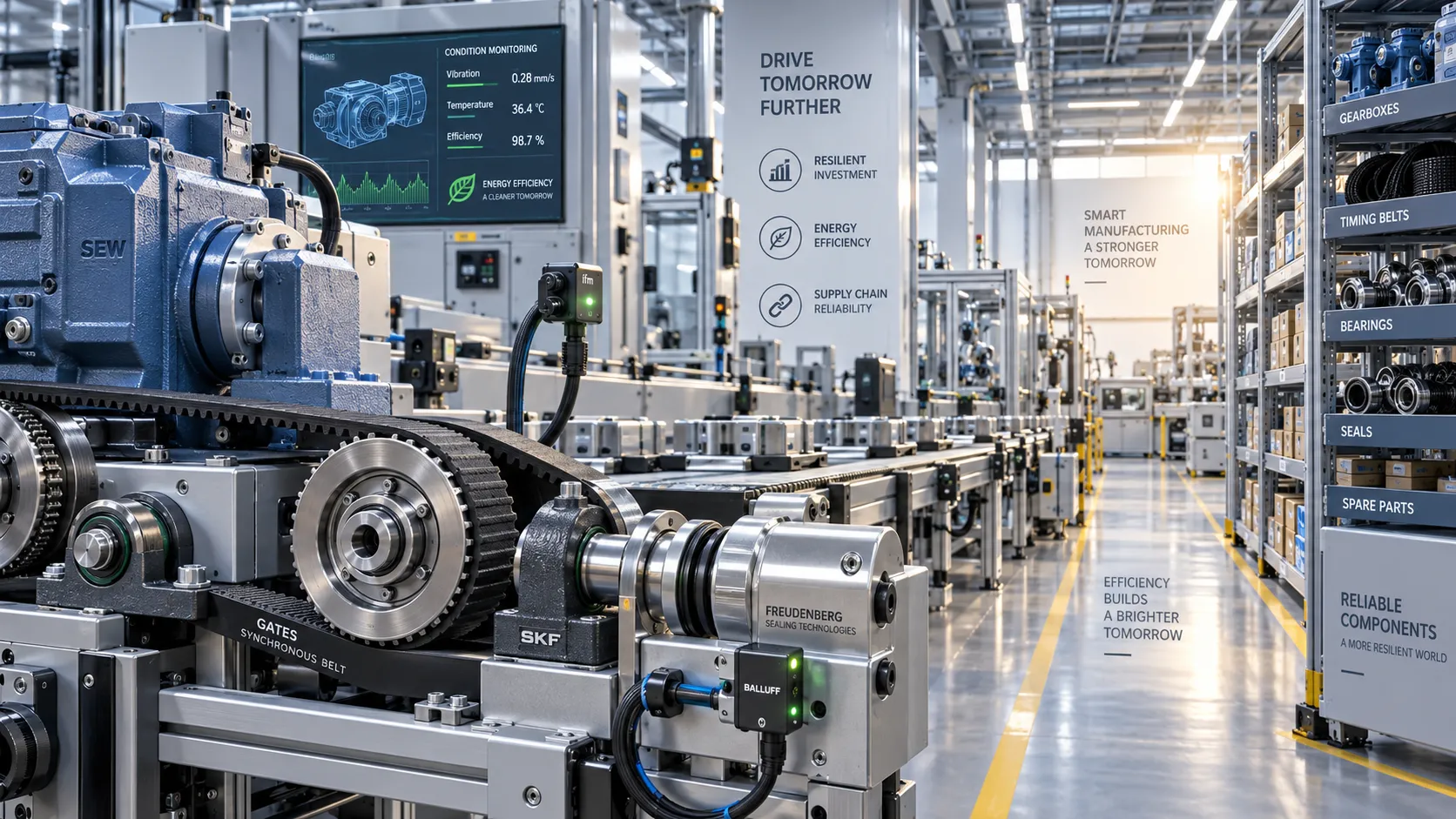
Industrial Economy Trends Shaping Capital Investment and Supply Chain Risk in 2026
Industrial economy trends for 2026 reveal how resilient capital investments, energy efficiency, and supply-chain strategies can protect uptime and strengthen returns.
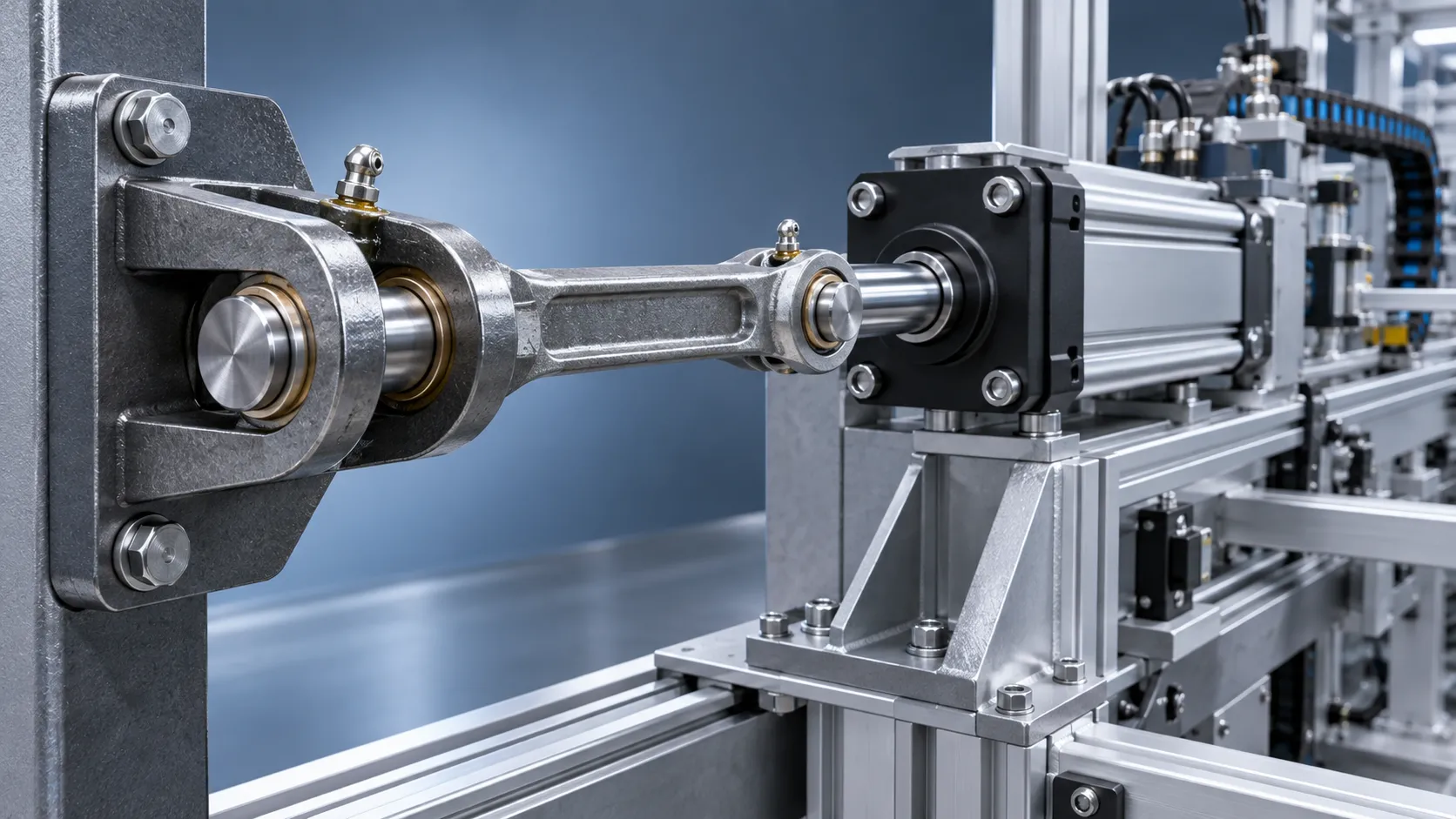
Mechanical Linkage Design: How to Balance Load Capacity, Motion Accuracy, and Wear
Mechanical linkage design guide: balance load capacity, motion accuracy, and wear with practical insights on geometry, joints, tolerances, lubrication, and service life.
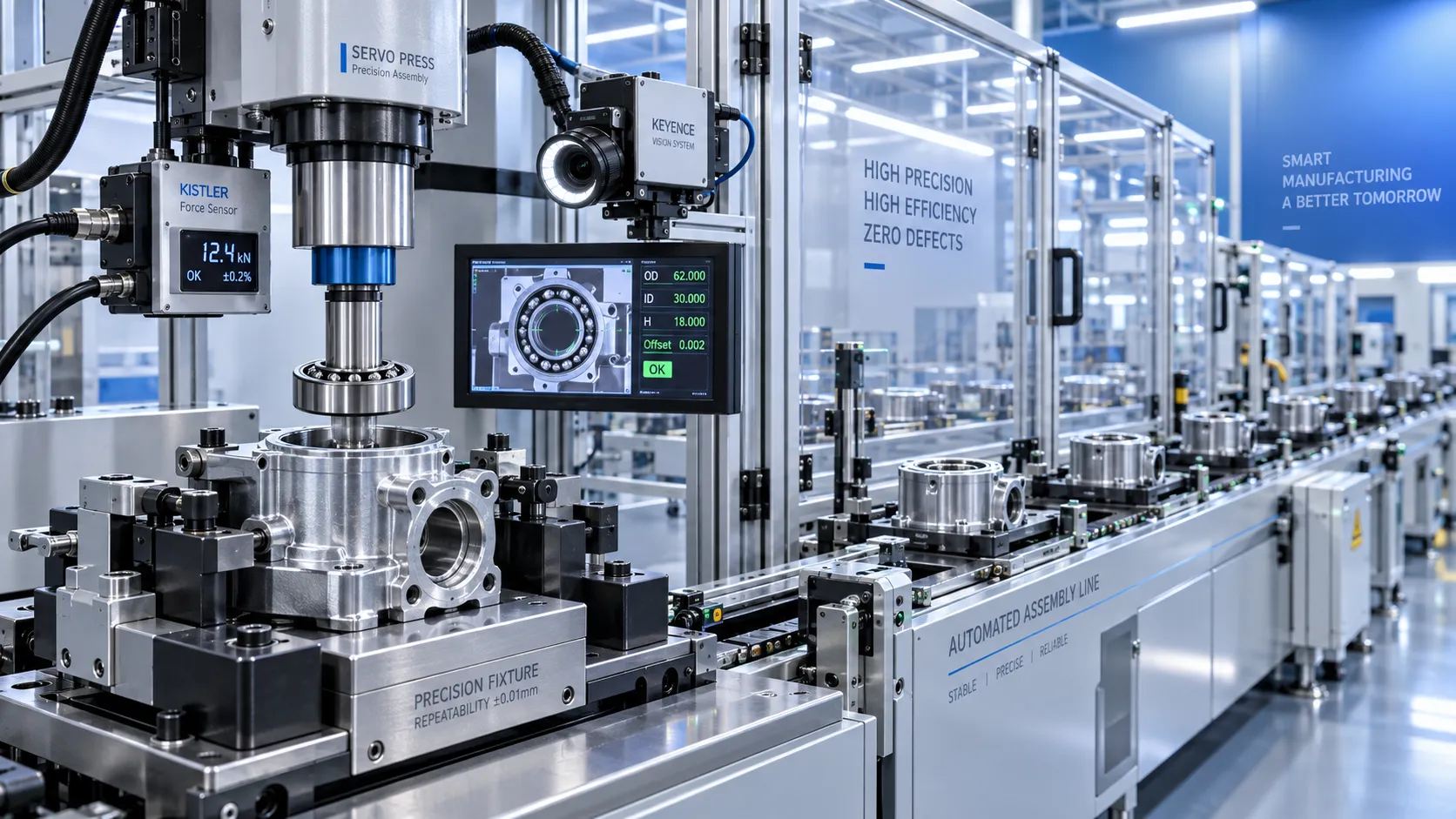
How Precision Automated Production Improves Quality Control in High-Volume Assembly
Precision automated production strengthens quality control in high-volume assembly with real-time verification, traceability, and safer defect containment.
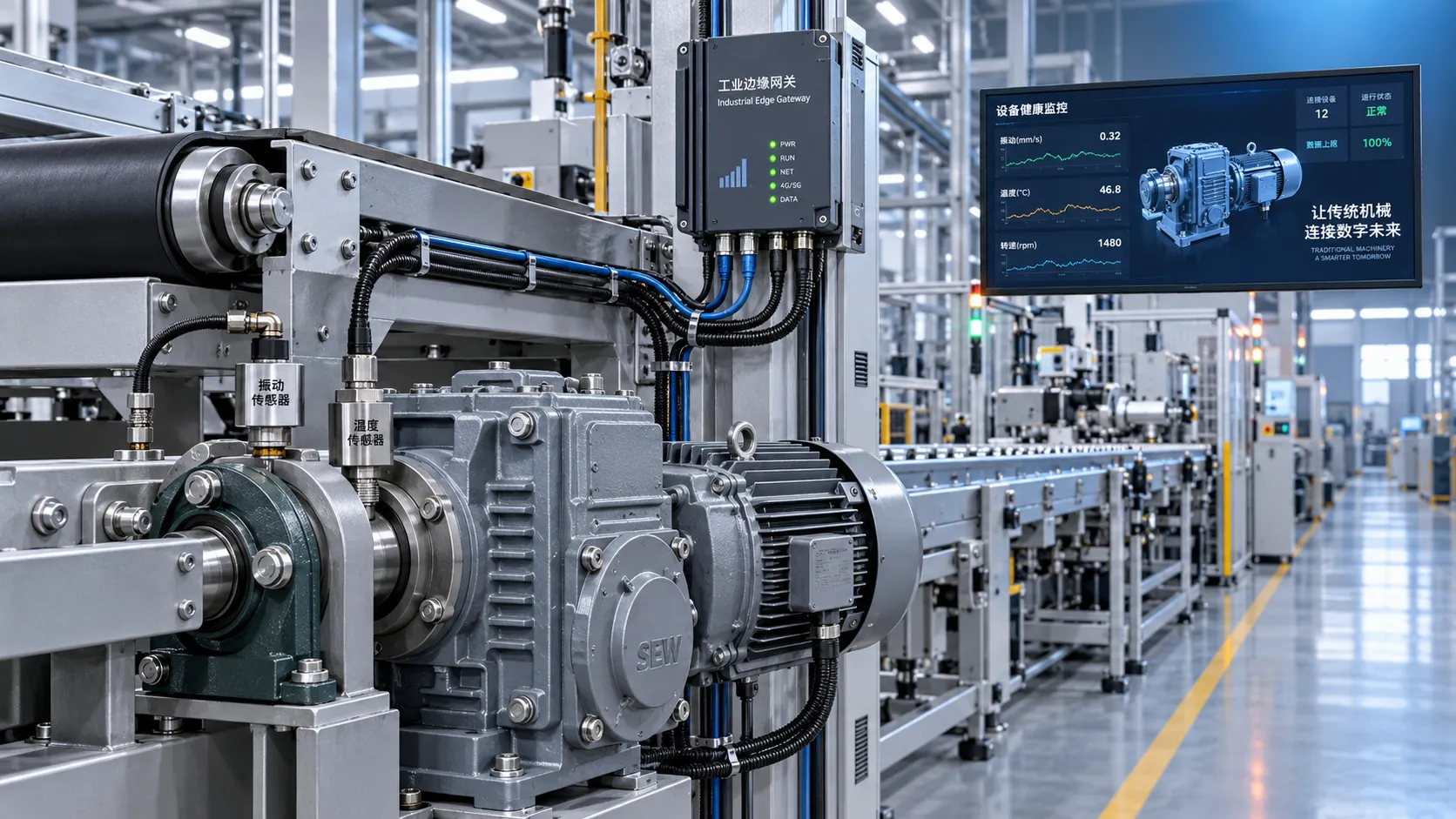
Industry 4.0 Integration: A Roadmap for Connecting Legacy Machines and Data
Industry 4.0 integration roadmap for connecting legacy machines, improving data visibility, reducing downtime, and scaling secure, measurable operational performance.
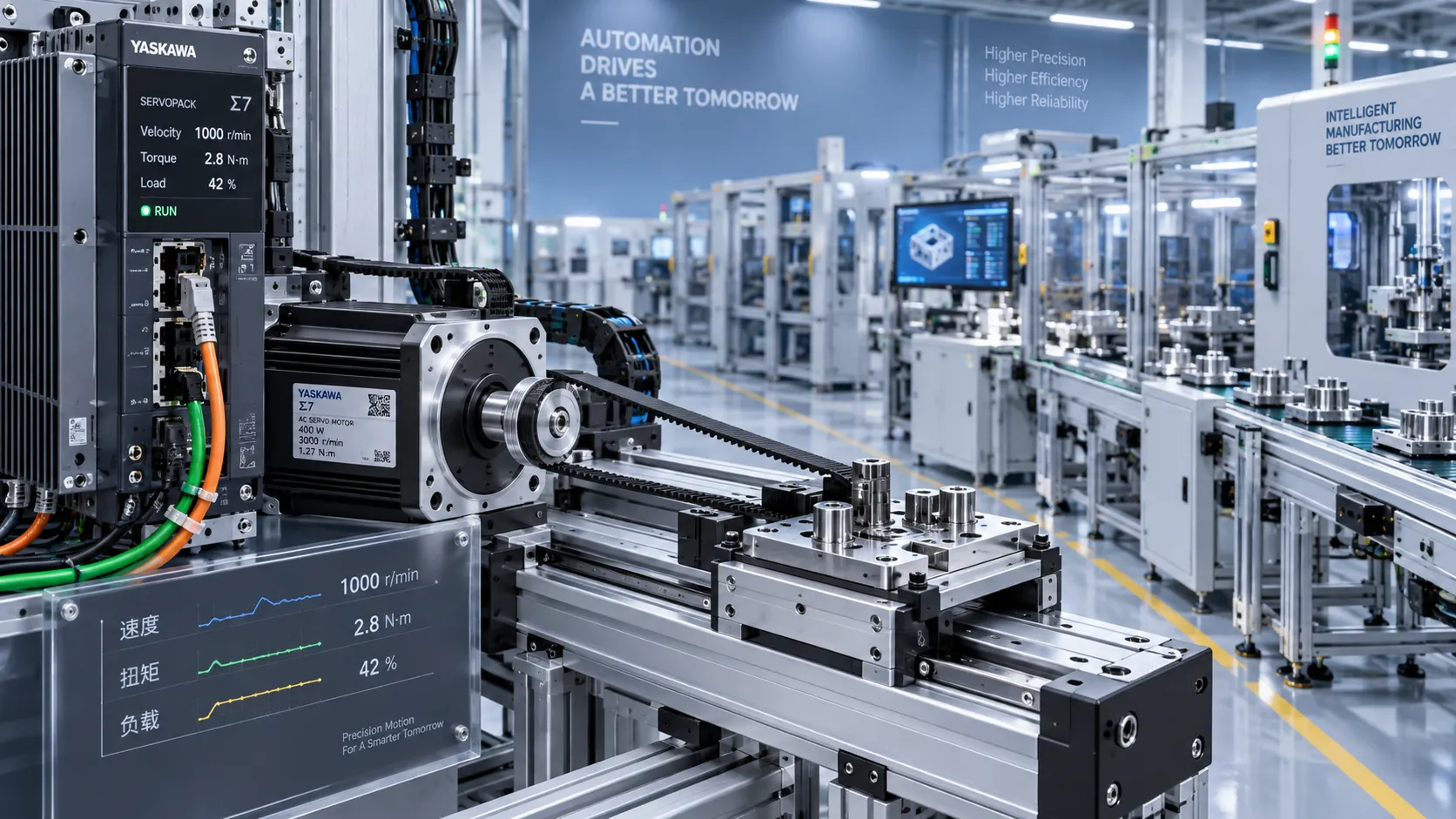
Servo Drive Comparison: Selecting Motion Control for Speed, Torque, and Load
Technical product comparison servo drives: evaluate speed, torque, inertia, safety, and control integration to select a reliable motion system with proven performance margins.
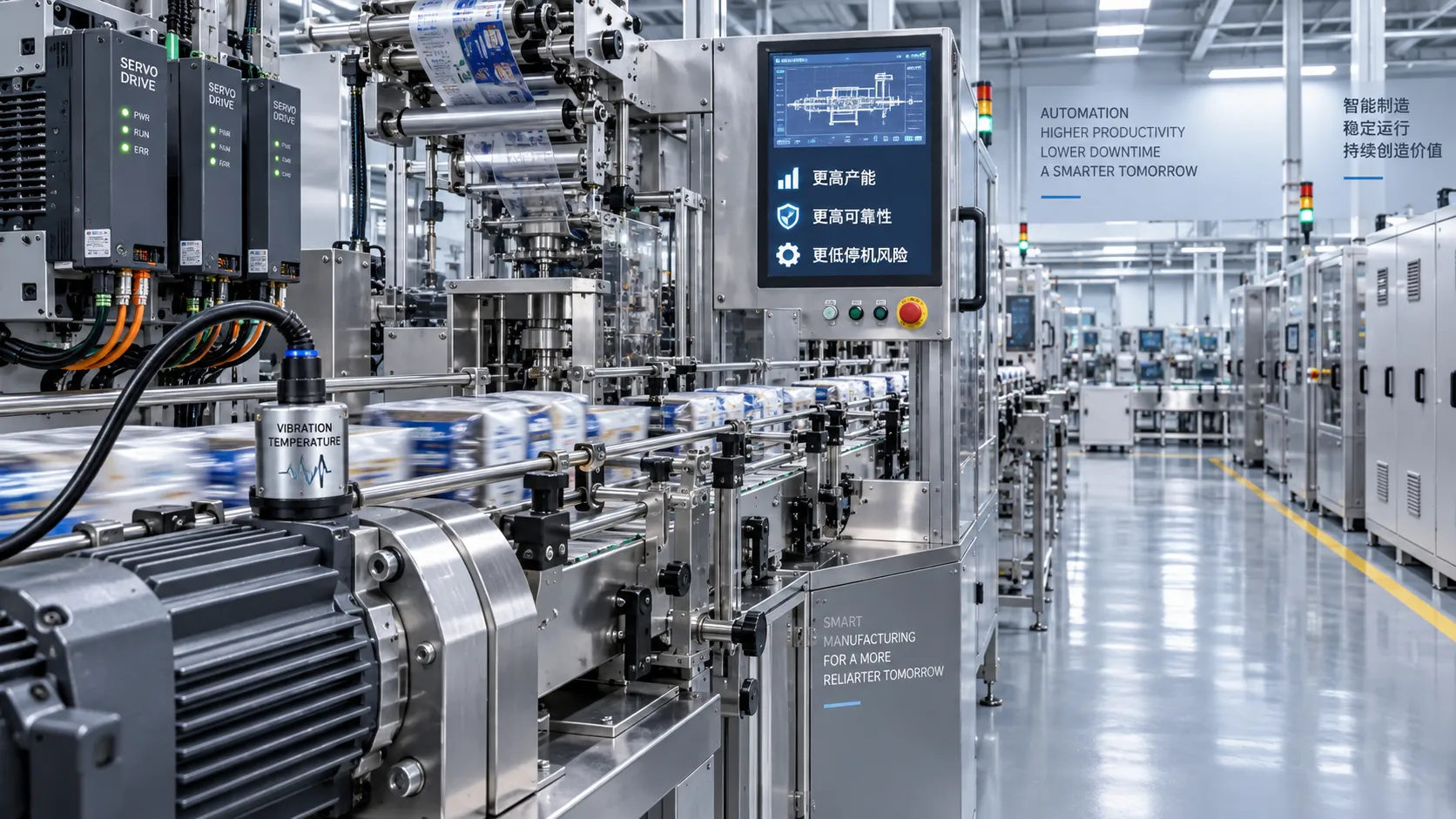
Industrial Automation Technology: How to Prioritize Upgrades by ROI and Downtime Risk
Industrial automation technology upgrades: learn to rank projects by ROI, bottleneck exposure, and downtime risk to reduce losses and make smarter capital decisions.
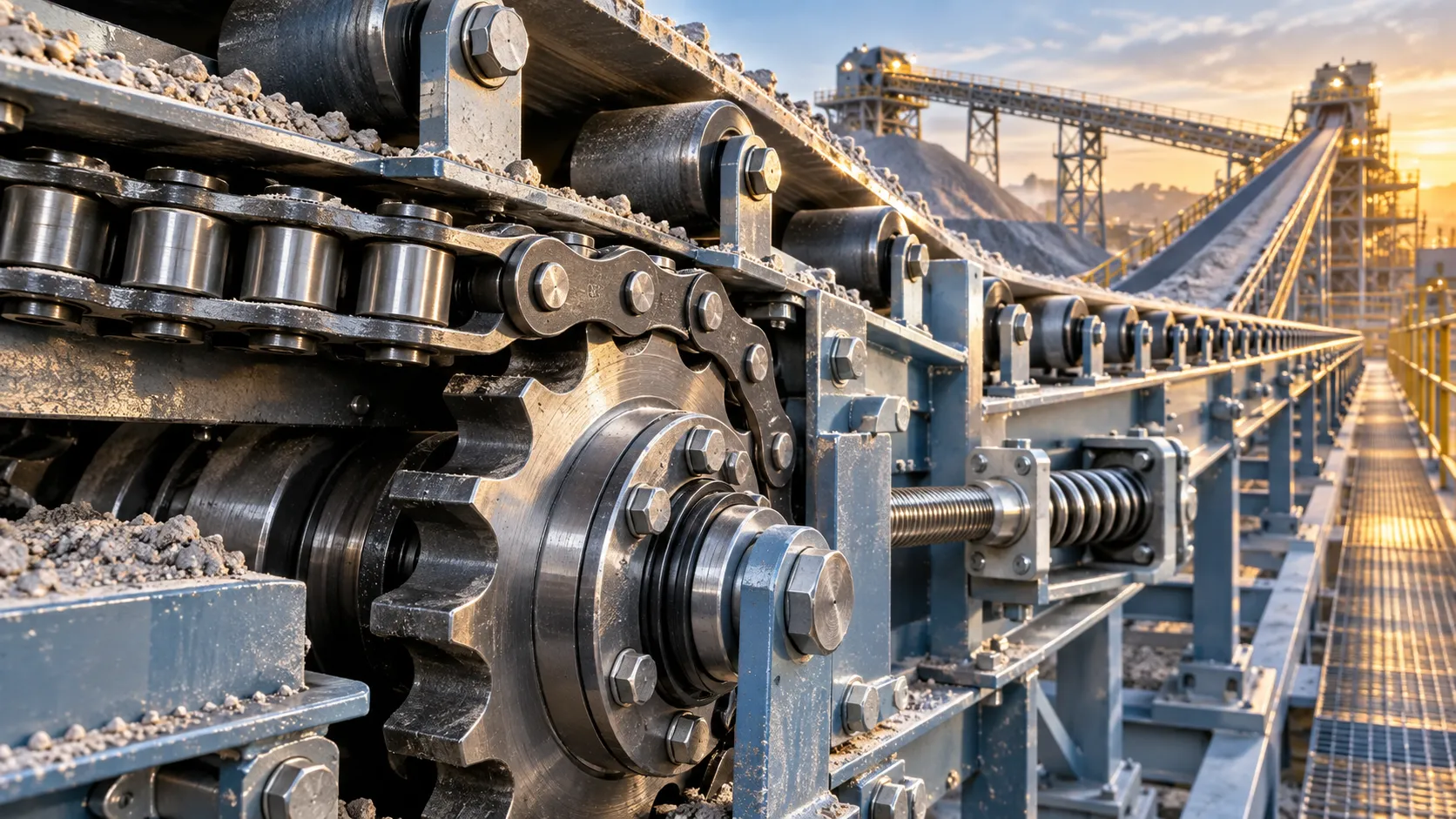
Selecting Low-Maintenance Chain Components for Dusty, High-Load Conveyors
Low maintenance chain components for dusty, high-load conveyors: compare seals, lubrication, materials, sprockets, and load capacity to reduce wear and downtime.
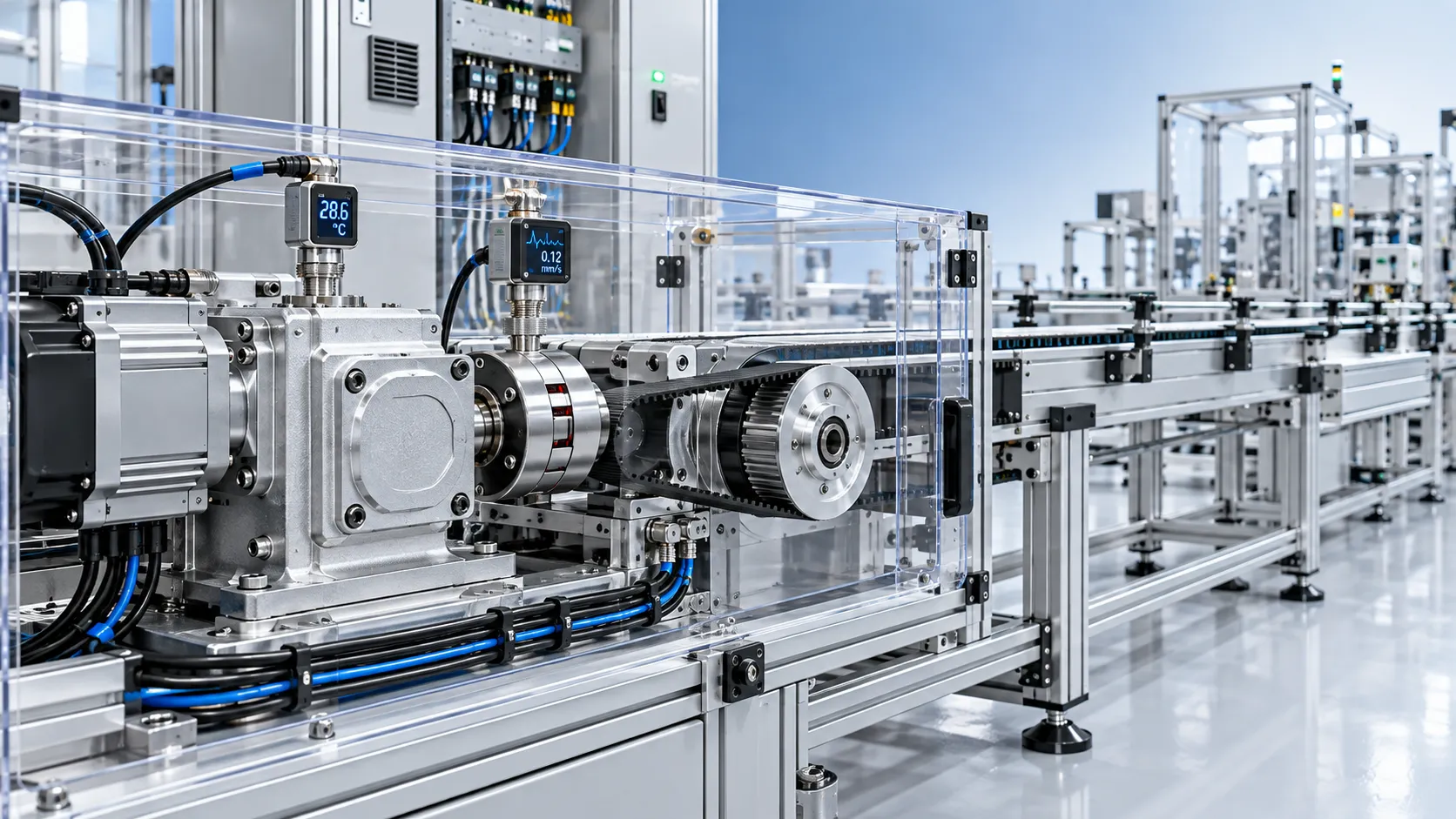
Selecting Smart Transmission Modules for Automated Lines: Control, Load, and Safety
Smart transmission modules for automated lines: evaluate control compatibility, real load demands, safety boundaries, and predictive maintenance value for reliable performance.
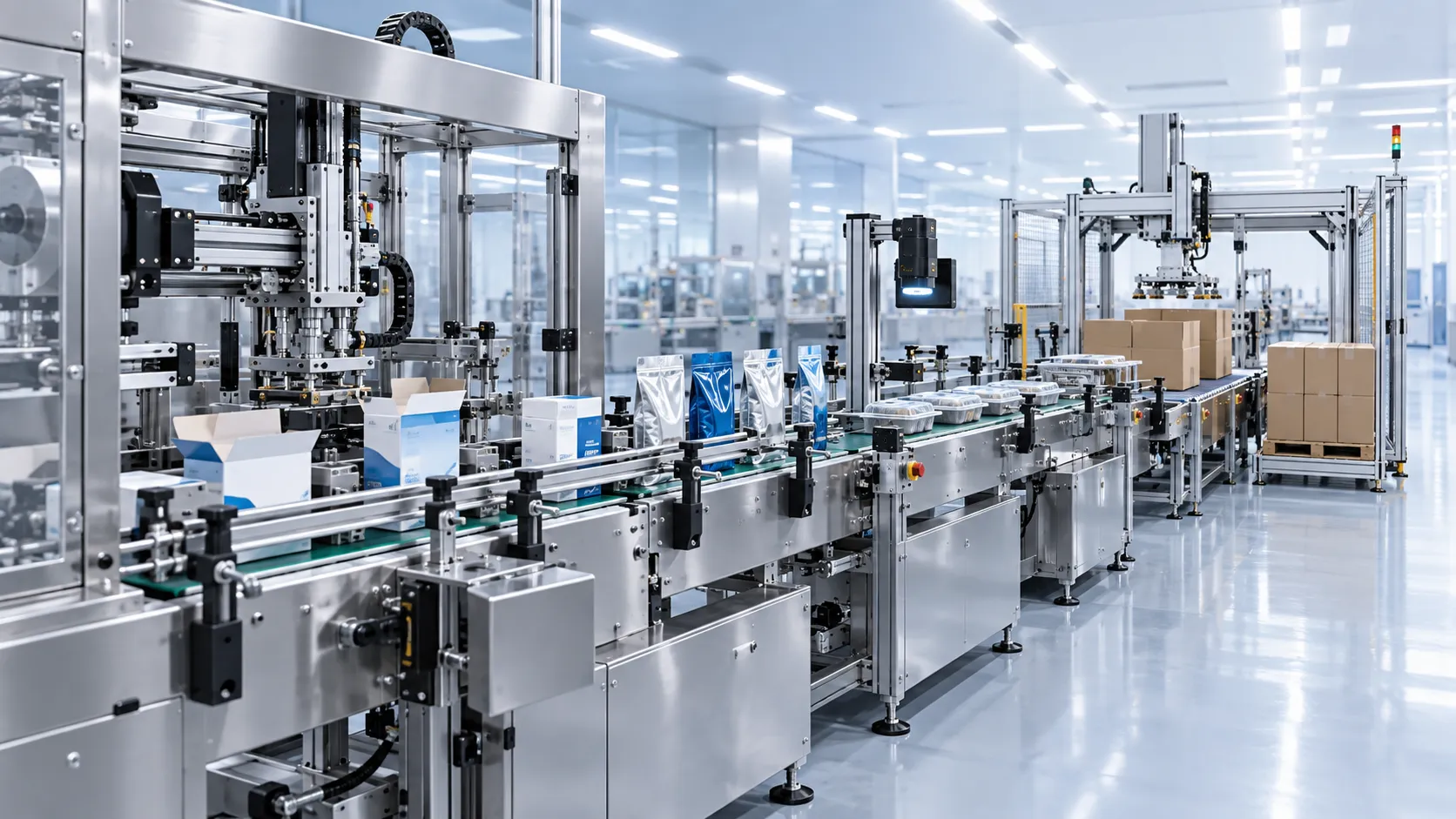
How to Assess Automated Packaging Production for High-Mix Manufacturing Lines
Automated production for packaging: assess changeovers, flexibility, controls, reliability, and lifecycle cost to build high-mix lines that deliver stable output.