
Industry News
Curation by industry experts
Hot Articles
Popular Tags
When motion control components suppliers affect line accuracy
In high-precision production lines, motion behavior is no longer defined by design alone. The capabilities of motion control components suppliers now shape accuracy, uptime, and process stability across automated manufacturing.
When tolerances tighten, even minor variation in servo drives, guides, reducers, encoders, or couplings can create measurable positioning errors. That is why supplier quality has become a strategic variable, not a routine sourcing detail.
For industrial systems tracked by GPT-Matrix, this shift reflects a broader market reality. Component consistency, engineering support, and lifecycle intelligence now matter as much as nominal specifications.
Why line accuracy is becoming more dependent on motion control components suppliers
Production lines are moving toward higher speeds, smaller batch sizes, and tighter digital coordination. Under these conditions, hidden variation between supplied components becomes easier to detect and more expensive to ignore.
A linear module with slight backlash variation may still pass inspection. Yet once integrated into multi-axis equipment, it can amplify stack-up error, vibration, and synchronization drift.
This is where motion control components suppliers influence actual machine performance. Their process discipline affects repeatability, matching behavior, and field reliability over long operating cycles.
In many sectors, line accuracy is no longer judged at installation only. It is judged after thermal cycling, dynamic loading, maintenance intervals, and software updates.
Current trend signals show accuracy risk moving upstream
A visible trend across integrated manufacturing is the upstream migration of accuracy risk. Problems once blamed on setup or calibration are increasingly traced back to source-level component variation.
This trend is especially clear in packaging, electronics assembly, battery production, converting lines, and precision material handling. Faster cycles leave less room for mechanical inconsistency.
At the same time, machine builders expect plug-and-play integration. That expectation raises the burden on motion control components suppliers to deliver predictable electrical and mechanical behavior.
- More closed-loop control exposes small hardware inconsistencies.
- Higher acceleration increases stress on couplings, bearings, and reducers.
- Compact machines are more sensitive to heat growth and alignment error.
- Globalized supply chains create greater lot-to-lot variation risk.
The main forces pushing supplier influence higher
Several structural forces explain why motion control components suppliers now have a larger effect on line accuracy than before. These drivers combine technical, operational, and commercial pressures.
Not all motion control components suppliers respond equally to these pressures. The strongest ones align material quality, machining control, test discipline, and application engineering into one stable delivery system.
Where supplier performance most directly changes line accuracy
Component consistency across batches
Batch consistency is one of the most underestimated accuracy variables. If torque ripple, preload, or backlash shifts between lots, machine tuning becomes unstable and replacement parts alter behavior unexpectedly.
Mechanical and control integration quality
Line accuracy depends on interface performance. Poor connector design, weak shielding, mismatched inertia data, or unclear mounting tolerances can degrade otherwise capable equipment.
Reliability under real operating conditions
Some motion control components suppliers publish ideal laboratory values. But real lines face dust, vibration, washdown, thermal shifts, speed changes, and continuous starts and stops.
Accuracy retention depends on whether components keep stiffness, signal integrity, and mechanical stability under those changing conditions. Initial precision without endurance is not enough.
The operational impact spreads beyond the motion axis itself
Supplier-driven accuracy issues rarely remain isolated. A small positioning error can expand into yield loss, seal quality drift, labeling defects, uneven coating, or downstream robotic correction delays.
In integrated lines, one unstable axis often affects the entire process rhythm. That makes motion control components suppliers relevant not only to engineering quality, but also to throughput economics.
- More scrap when index timing shifts.
- Longer changeover because tuning windows narrow.
- Higher maintenance burden from early wear signals.
- Lower OEE when micro-stoppages increase.
- Greater validation cost after component substitution.
What to examine when comparing motion control components suppliers
A useful evaluation approach goes beyond price and catalog specifications. The goal is to understand whether a supplier can preserve accuracy over time, across batches, and across operating scenarios.
- Process capability evidence for critical dimensions and assemblies.
- Lot traceability for bearings, magnets, seals, and machined parts.
- Validation data under thermal, vibration, and duty-cycle stress.
- Integration support for drives, feedback systems, and communications.
- Replacement consistency and change notification control.
- Field failure analysis speed and corrective action depth.
The best motion control components suppliers also provide application-level intelligence. They explain not only what a component can do, but where its performance limits start to threaten line accuracy.
A practical framework for judging future accuracy risk
Because motion systems evolve, evaluation should focus on future drift risk, not only present compliance. A supplier that meets today’s tolerance may still struggle under tomorrow’s speed, load, or digital integration demands.
The next decision focus is not just precision, but precision continuity
The market is moving beyond headline precision metrics. The deeper question is whether motion control components suppliers can maintain that precision across time, scale, maintenance events, and supply transitions.
This perspective aligns with broader industrial priorities tracked by GPT-Matrix. Energy efficiency, digitalization, and reliability are converging, making component quality a long-cycle strategic issue.
As lines become faster and more interconnected, supplier capability becomes part of machine architecture. Accuracy is no longer only engineered into the equipment. It is also engineered into the supply base.
Actionable next steps for stronger line accuracy decisions
Start by mapping every accuracy-critical axis to the specific components that influence repeatability, stiffness, thermal behavior, and response stability. Then connect each part to actual supplier performance evidence.
Create a comparison model that weighs lifecycle consistency, integration support, and controlled change management alongside nominal precision. This reveals which motion control components suppliers reduce long-term error risk.
For deeper market tracking, GPT-Matrix offers intelligence on transmission, motion control, and sealing technologies that affect automated line performance. Better decisions begin with better technical context.
Recommended News
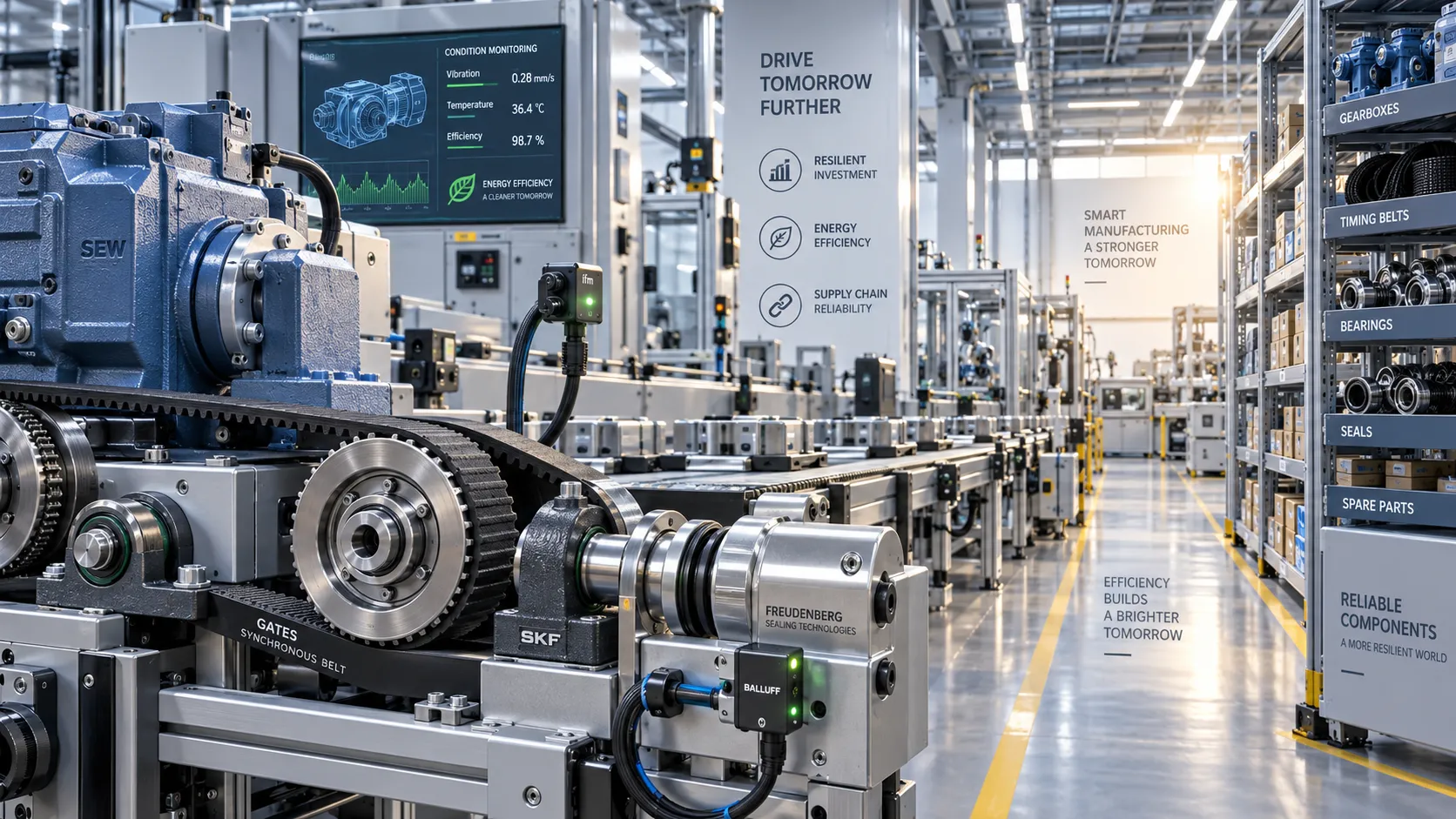
Industrial Economy Trends Shaping Capital Investment and Supply Chain Risk in 2026
Industrial economy trends for 2026 reveal how resilient capital investments, energy efficiency, and supply-chain strategies can protect uptime and strengthen returns.
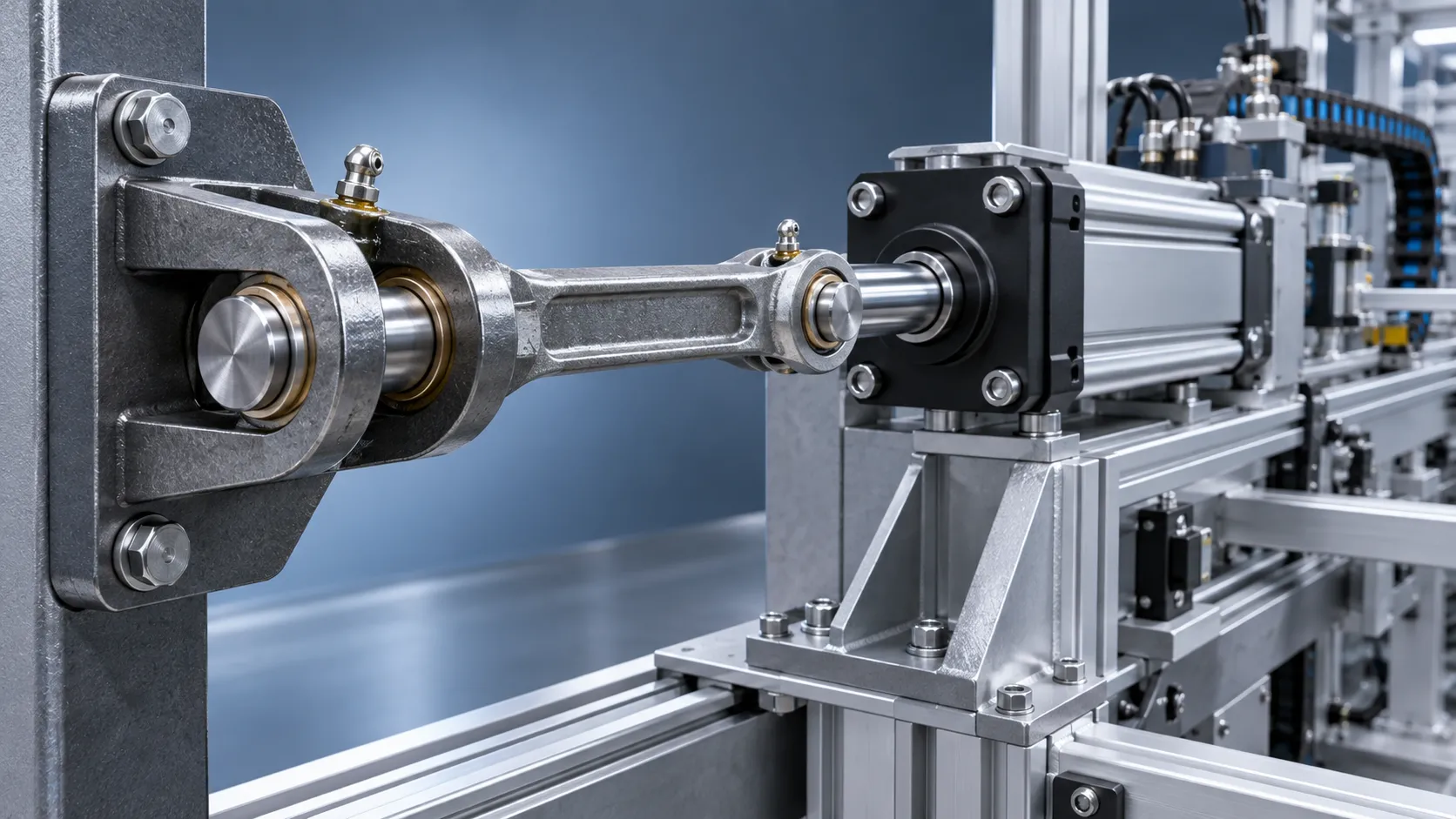
Mechanical Linkage Design: How to Balance Load Capacity, Motion Accuracy, and Wear
Mechanical linkage design guide: balance load capacity, motion accuracy, and wear with practical insights on geometry, joints, tolerances, lubrication, and service life.
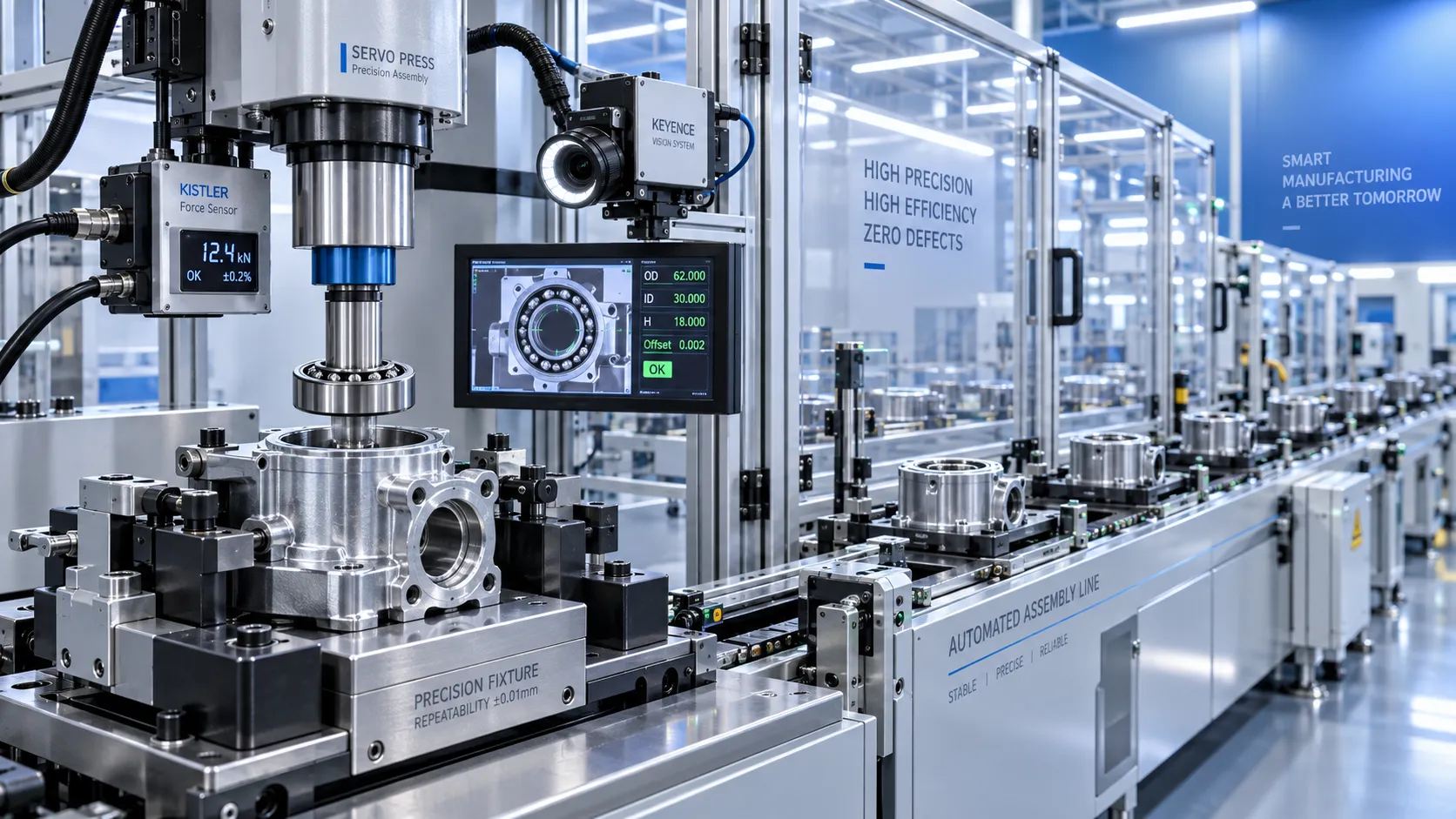
How Precision Automated Production Improves Quality Control in High-Volume Assembly
Precision automated production strengthens quality control in high-volume assembly with real-time verification, traceability, and safer defect containment.
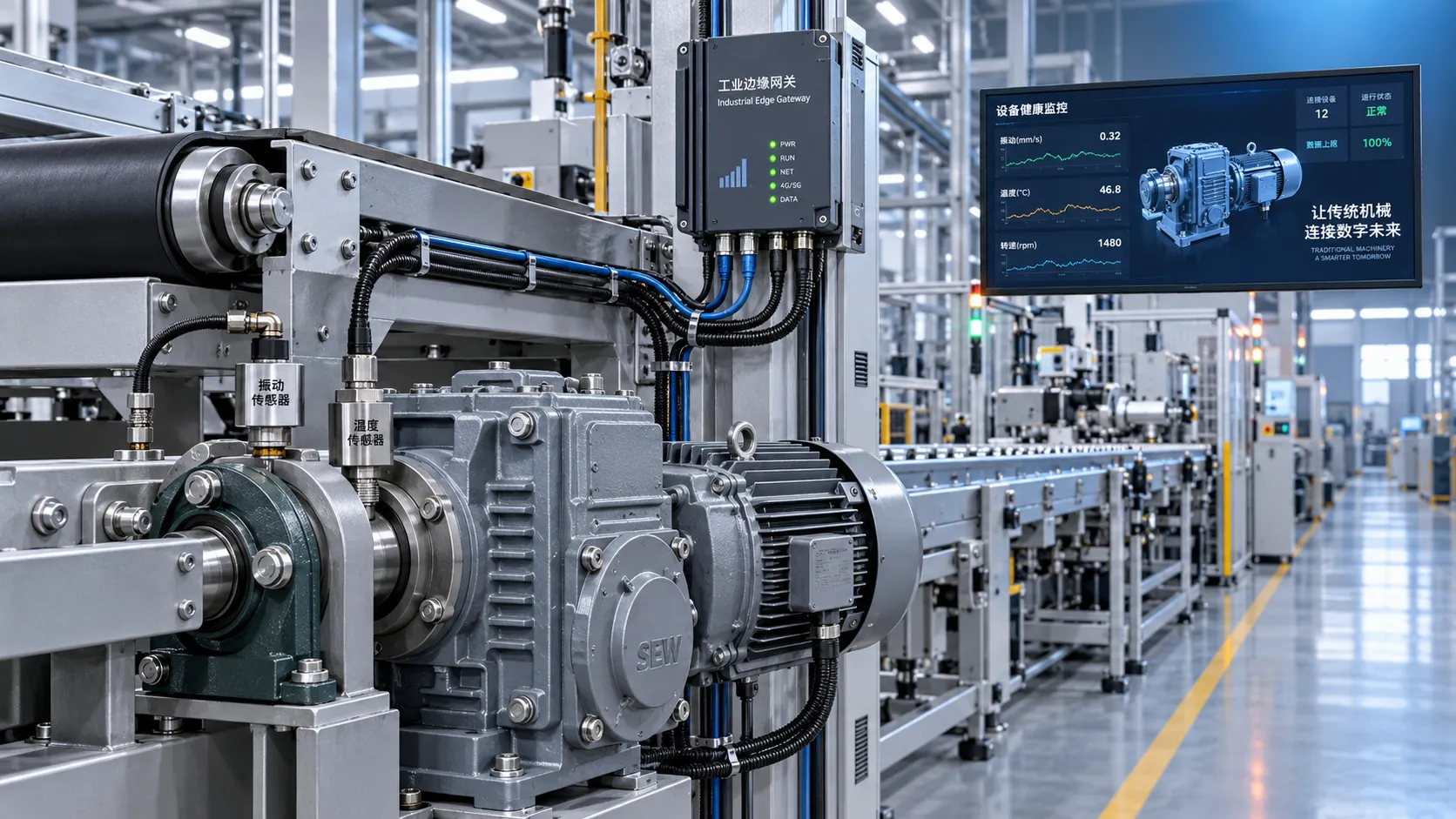
Industry 4.0 Integration: A Roadmap for Connecting Legacy Machines and Data
Industry 4.0 integration roadmap for connecting legacy machines, improving data visibility, reducing downtime, and scaling secure, measurable operational performance.
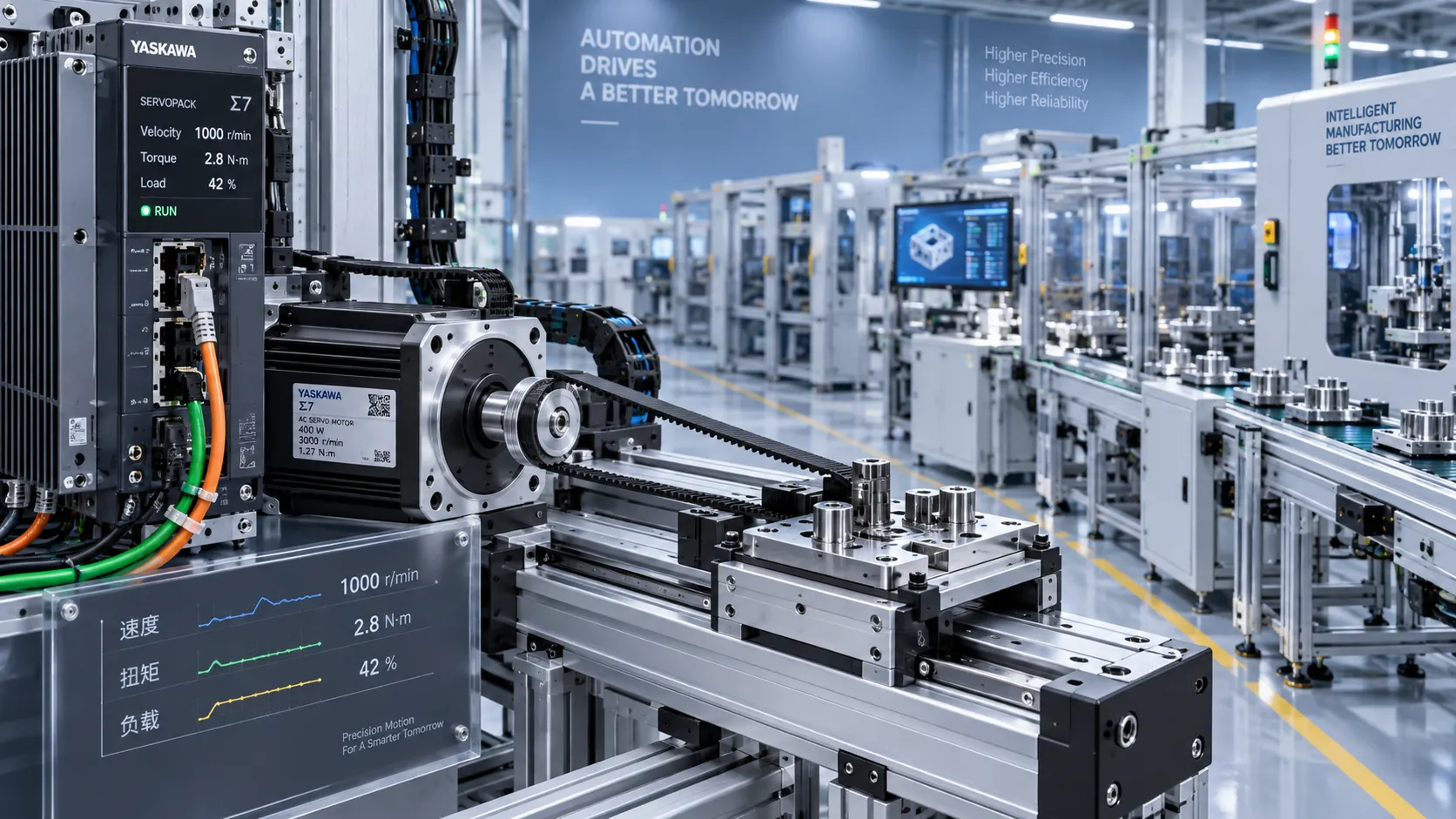
Servo Drive Comparison: Selecting Motion Control for Speed, Torque, and Load
Technical product comparison servo drives: evaluate speed, torque, inertia, safety, and control integration to select a reliable motion system with proven performance margins.
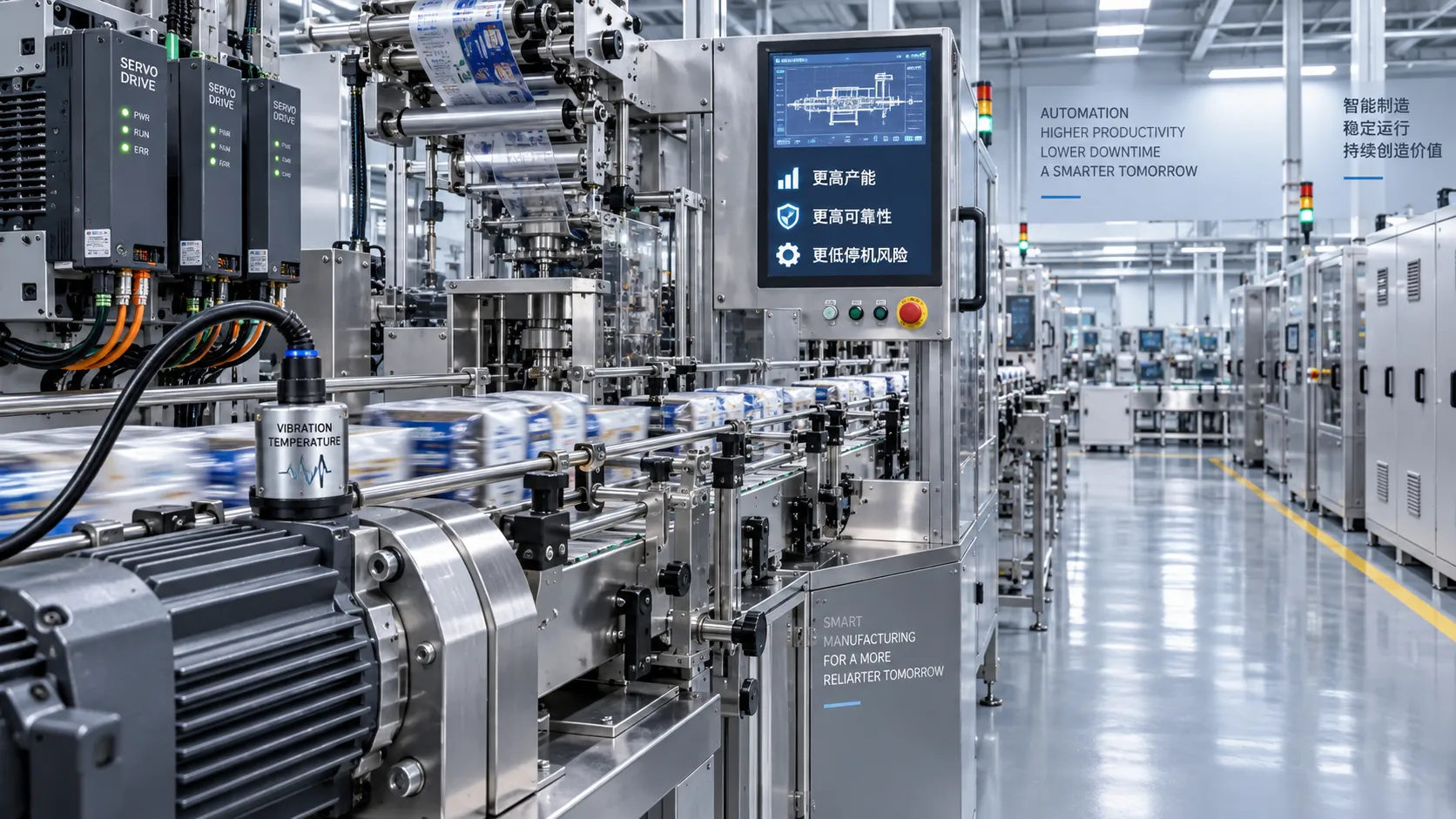
Industrial Automation Technology: How to Prioritize Upgrades by ROI and Downtime Risk
Industrial automation technology upgrades: learn to rank projects by ROI, bottleneck exposure, and downtime risk to reduce losses and make smarter capital decisions.
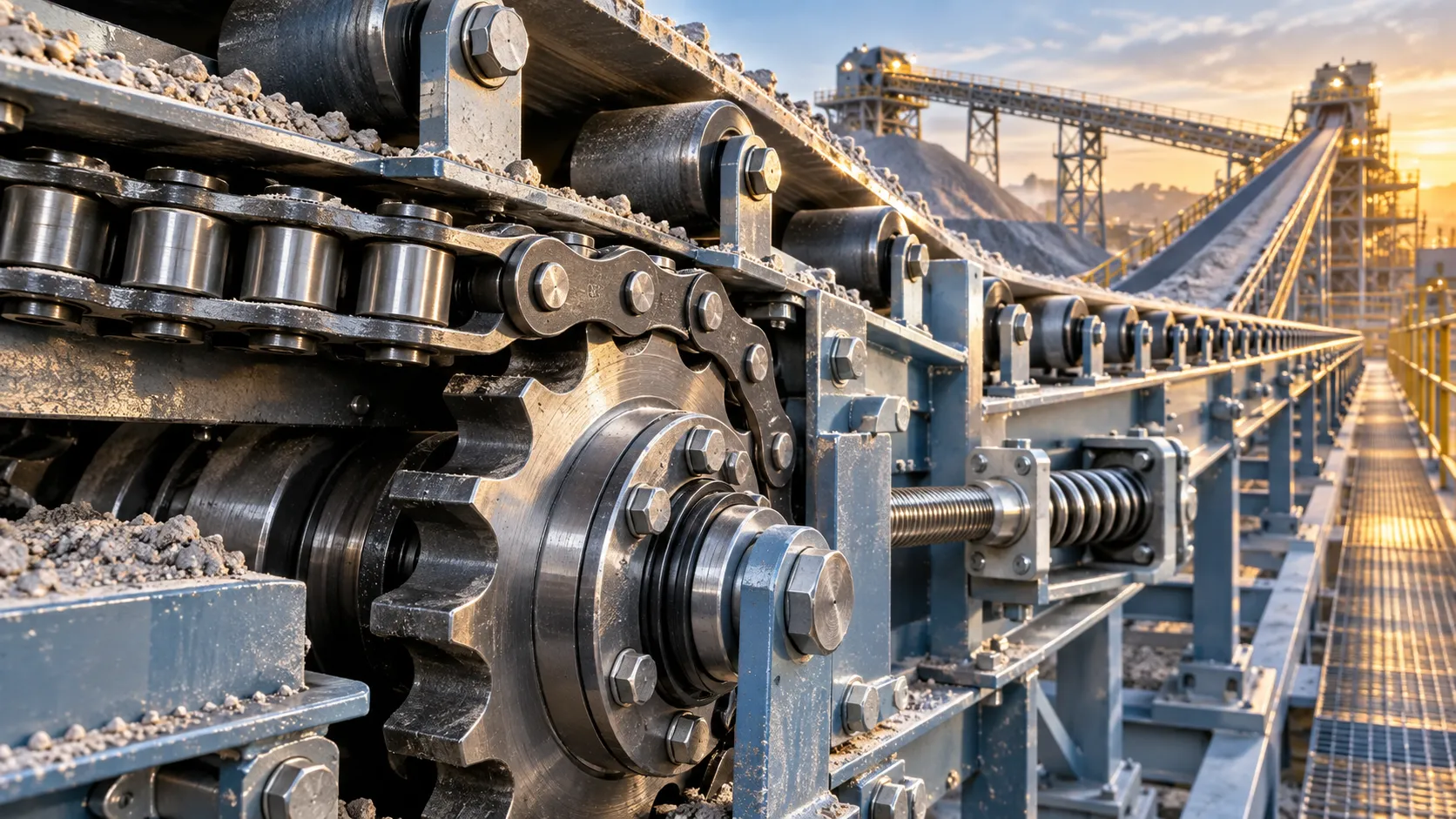
Selecting Low-Maintenance Chain Components for Dusty, High-Load Conveyors
Low maintenance chain components for dusty, high-load conveyors: compare seals, lubrication, materials, sprockets, and load capacity to reduce wear and downtime.
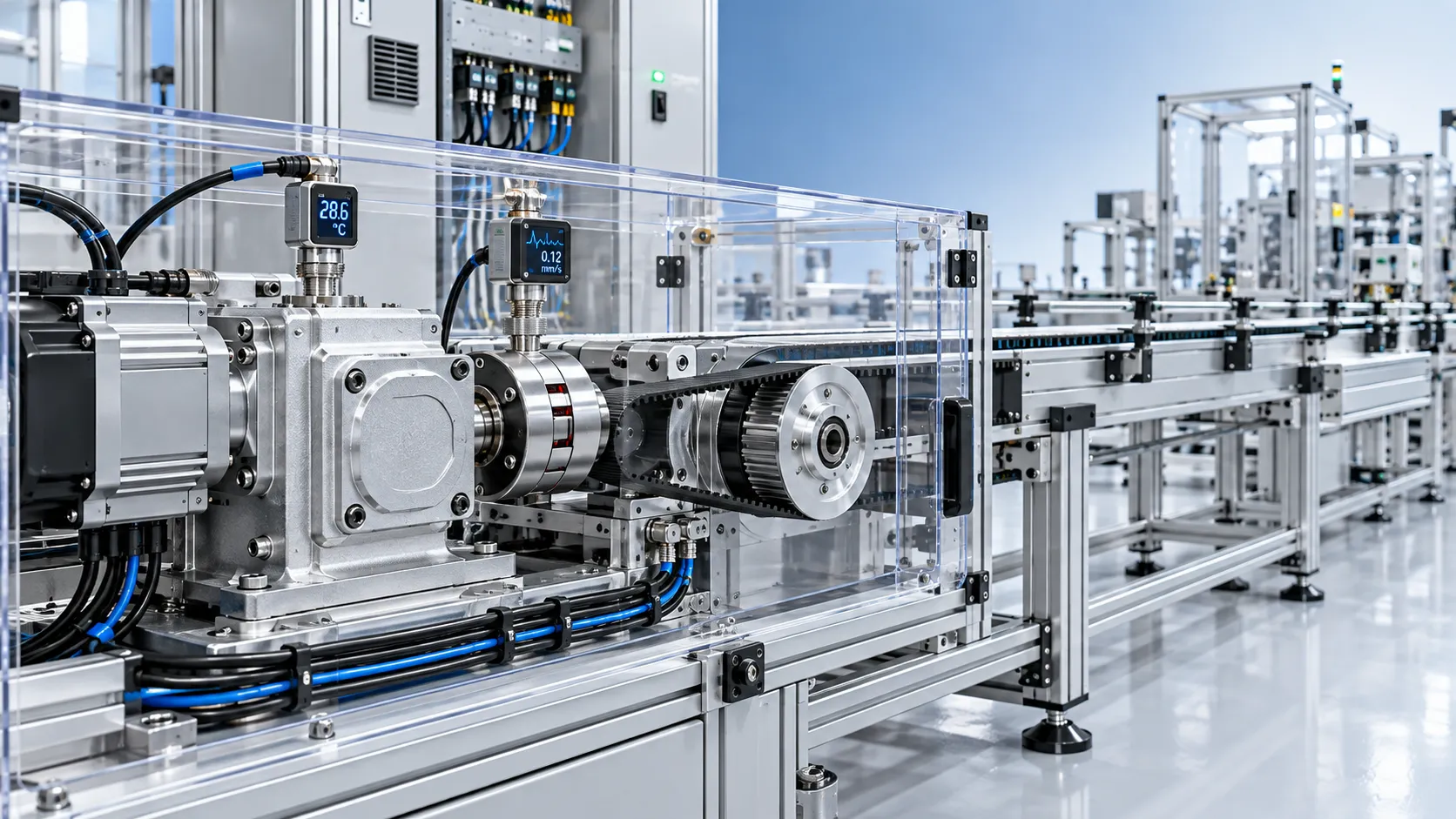
Selecting Smart Transmission Modules for Automated Lines: Control, Load, and Safety
Smart transmission modules for automated lines: evaluate control compatibility, real load demands, safety boundaries, and predictive maintenance value for reliable performance.
How to Assess Automated Packaging Production for High-Mix Manufacturing Lines
Automated production for packaging: assess changeovers, flexibility, controls, reliability, and lifecycle cost to build high-mix lines that deliver stable output.