
Industry News
Curation by industry experts
Hot Articles
Popular Tags
How to avoid leaks with extreme condition seals
In high-risk industrial environments, even a minor sealing failure can trigger safety incidents, quality deviations, and costly downtime. For operations exposed to heat, pressure, chemicals, dust, and vibration, selecting and managing extreme condition seals is a direct reliability issue. This guide explains how to prevent leaks through structured checks, practical engineering controls, and disciplined maintenance.
Why a checklist approach prevents sealing failures
Leak prevention often fails when teams focus only on the seal part number. In reality, extreme condition seals succeed or fail through system matching, installation quality, operating stability, and inspection discipline.
A checklist reduces assumptions. It forces verification of media compatibility, shaft condition, pressure cycling, thermal expansion, lubrication, and assembly tolerances before leakage begins.
This method also supports cross-industry use. The same logic applies to pumps, mixers, compressors, gearboxes, hydraulic units, reactors, and rotating process equipment.
Core checklist for avoiding leaks with extreme condition seals
- Define the full operating envelope, including normal loads, startup peaks, shutdown shocks, emergency excursions, and cleaning cycles before choosing extreme condition seals.
- Verify chemical compatibility against actual media concentration, additives, washdown fluids, and gas composition, not only the main process fluid listed on drawings.
- Check pressure direction, pressure spikes, and vacuum events because many extreme condition seals fail during rapid transitions instead of steady-state operation.
- Measure shaft runout, bore finish, flatness, and concentricity since imperfect hardware can overwhelm even premium extreme condition seals in service.
- Match seal material to temperature range and thermal cycling rate, considering hardening, swelling, compression set, and loss of elastic recovery.
- Control surface speed and frictional heat, especially in rotating equipment where dry running or poor lubrication quickly damages sealing faces.
- Confirm installation method, tool condition, and orientation so lips, faces, springs, and backup elements are not twisted, nicked, or overstretched.
- Review contamination pathways, including abrasive dust, slurry solids, and metal particles that can score counterfaces and degrade extreme condition seals.
- Stabilize vibration sources by checking alignment, bearing condition, coupling balance, and pipe strain that may cause dynamic leakage at interfaces.
- Specify inspection intervals based on duty severity, not calendar habit, using leakage trends, temperature drift, and vibration data as triggers.
Material and design choices that matter most
Material selection is the first barrier against leakage. Elastomers, PTFE blends, graphite, silicon carbide, tungsten carbide, and metal bellows each solve different failure modes.
For chemical exposure, resistance charts are a starting point, not a final answer. Real process streams often include trace solvents, steam, oxidizers, and cleaning agents.
For heat, focus on both maximum temperature and dwell time. Short thermal spikes may be acceptable, while repeated cycling can crack, embrittle, or permanently deform sealing elements.
Design geometry also matters. Single seals may work in moderate duty, while dual seals, spring-energized seals, or cartridge arrangements improve control under severe conditions.
- Use hard face materials for abrasive service.
- Use low-friction compounds for high speed rotation.
- Use backup rings where extrusion risk increases.
- Use secondary containment for hazardous leakage paths.
Application notes for different operating scenarios
High-temperature process equipment
In ovens, reactors, dryers, and hot pumps, temperature gradients often damage extreme condition seals more than average temperature values do. Uneven heating distorts hardware and changes contact pressure.
Add thermal shields, flush plans, or controlled cooldown procedures where practical. Review startup timing because cold seals exposed to sudden heat can crack or lose preload.
Chemical and corrosive environments
Acids, caustics, solvents, and mixed media require more than corrosion resistance. Swelling, permeation, and extraction can silently weaken extreme condition seals before visible leaks appear.
Use verified compatibility data from actual process chemistry. When process composition changes seasonally or by supplier, revalidate the seal package and not just the housing metal.
High-pressure hydraulic and fluid power systems
In hydraulic cylinders, valves, and intensifiers, pressure spikes and extrusion are common leak drivers. Extreme condition seals need correct groove design, anti-extrusion support, and stable fluid cleanliness.
Small installation damage becomes serious under pressure. Inspect lead-in chamfers, edge breaks, and assembly tools carefully to avoid cutting the sealing surface during insertion.
Dusty, abrasive, or vibrating machinery
Mining conveyors, cement equipment, material handling lines, and outdoor drives face contamination and motion instability together. In these cases, external exclusion features are as important as primary sealing.
Add deflectors, labyrinths, slingers, or purge systems where needed. If vibration persists, address the root mechanical fault instead of repeatedly replacing extreme condition seals.
Commonly overlooked risks
Ignoring transient conditions is a frequent mistake. Many leaks begin during startup, washdown, depressurization, or emergency stops, when movement and temperature shift quickly.
Overlooking counterface quality is another issue. A perfect seal cannot compensate for scored shafts, waviness, poor hardness, or incorrect surface roughness.
Mixing lubricants or cleaners without review can also shorten seal life. Some additives attack elastomers, strip protective films, or raise friction unexpectedly.
Replacing with “equivalent” parts based only on dimensions creates hidden risk. Extreme condition seals depend on compound formulation, spring force, lip geometry, and pressure capability.
Skipping failure analysis after a leak wastes useful evidence. Wear patterns, hardening, blistering, extrusion marks, and deposits often reveal the real root cause.
Practical execution steps for leak reduction
- Create a seal data sheet listing media, pressure, temperature, speed, vibration level, hardware dimensions, and cleaning chemicals for every critical asset.
- Standardize incoming inspection for shafts, housings, seal faces, and packaged seals before assembly begins.
- Use controlled installation tools and written torque, lubrication, and orientation instructions at each maintenance point.
- Trend leakage, bearing temperature, noise, and vibration to detect early degradation in extreme condition seals.
- Record every failure with photos, hours in service, process conditions, and removed-part observations.
- Review recurring failures with materials, design, and maintenance teams together instead of changing parts in isolation.
Summary and next actions
Preventing leaks with extreme condition seals requires more than buying a higher-grade component. Reliable sealing comes from matching material, design, hardware condition, installation method, and operating reality.
Start with the checklist in this guide. Audit one high-risk asset, document the true duty cycle, inspect the counterfaces, and compare current seal selection against actual exposure conditions.
Then convert findings into standards for specification, assembly, and monitoring. That step-by-step discipline lowers leakage risk, protects uptime, and improves safety across demanding industrial systems.
Recommended News
Industrial Economy Trends Shaping Capital Investment and Supply Chain Risk in 2026
Industrial economy trends for 2026 reveal how resilient capital investments, energy efficiency, and supply-chain strategies can protect uptime and strengthen returns.
Mechanical Linkage Design: How to Balance Load Capacity, Motion Accuracy, and Wear
Mechanical linkage design guide: balance load capacity, motion accuracy, and wear with practical insights on geometry, joints, tolerances, lubrication, and service life.
How Precision Automated Production Improves Quality Control in High-Volume Assembly
Precision automated production strengthens quality control in high-volume assembly with real-time verification, traceability, and safer defect containment.
Industry 4.0 Integration: A Roadmap for Connecting Legacy Machines and Data
Industry 4.0 integration roadmap for connecting legacy machines, improving data visibility, reducing downtime, and scaling secure, measurable operational performance.
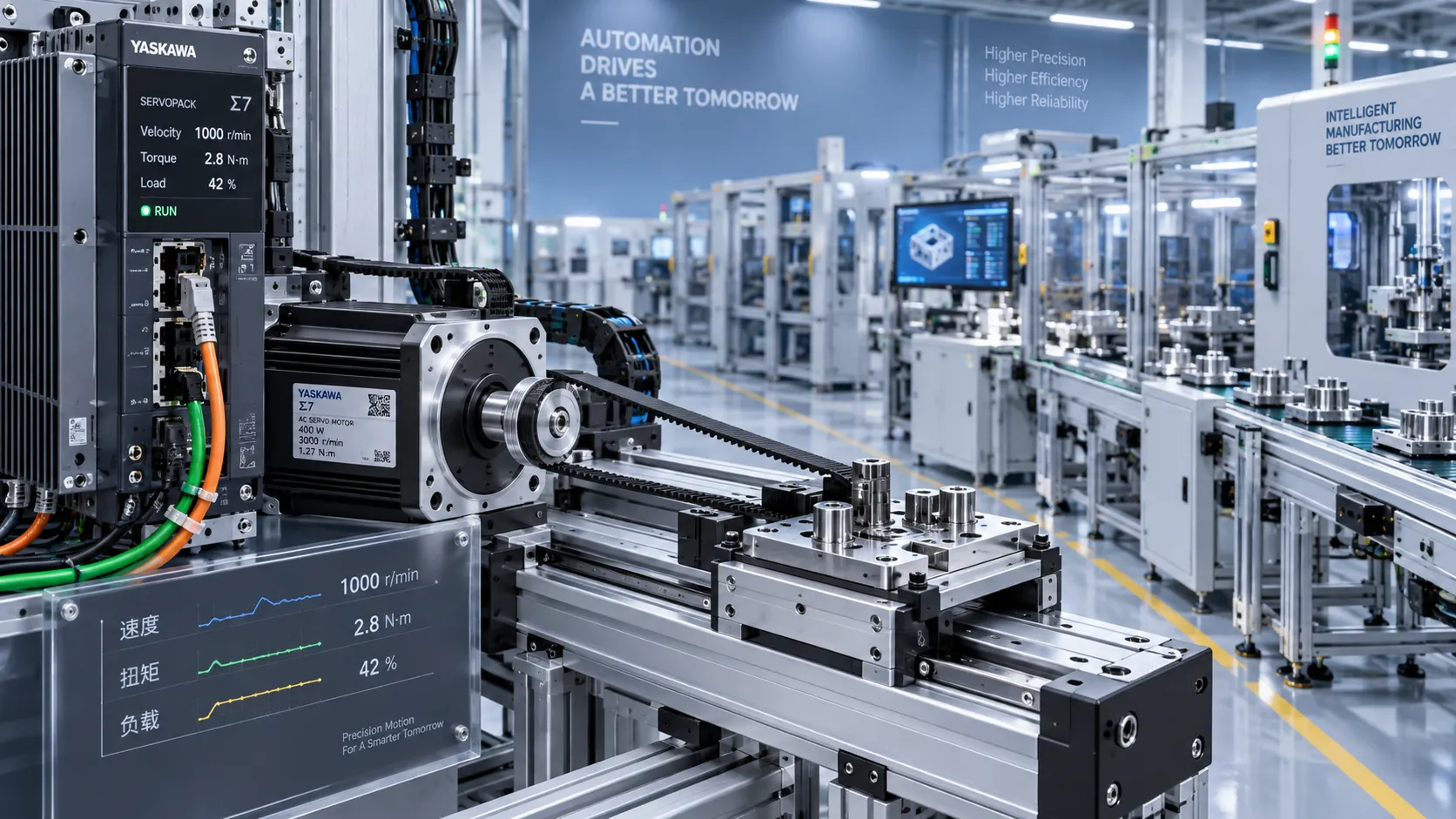
Servo Drive Comparison: Selecting Motion Control for Speed, Torque, and Load
Technical product comparison servo drives: evaluate speed, torque, inertia, safety, and control integration to select a reliable motion system with proven performance margins.
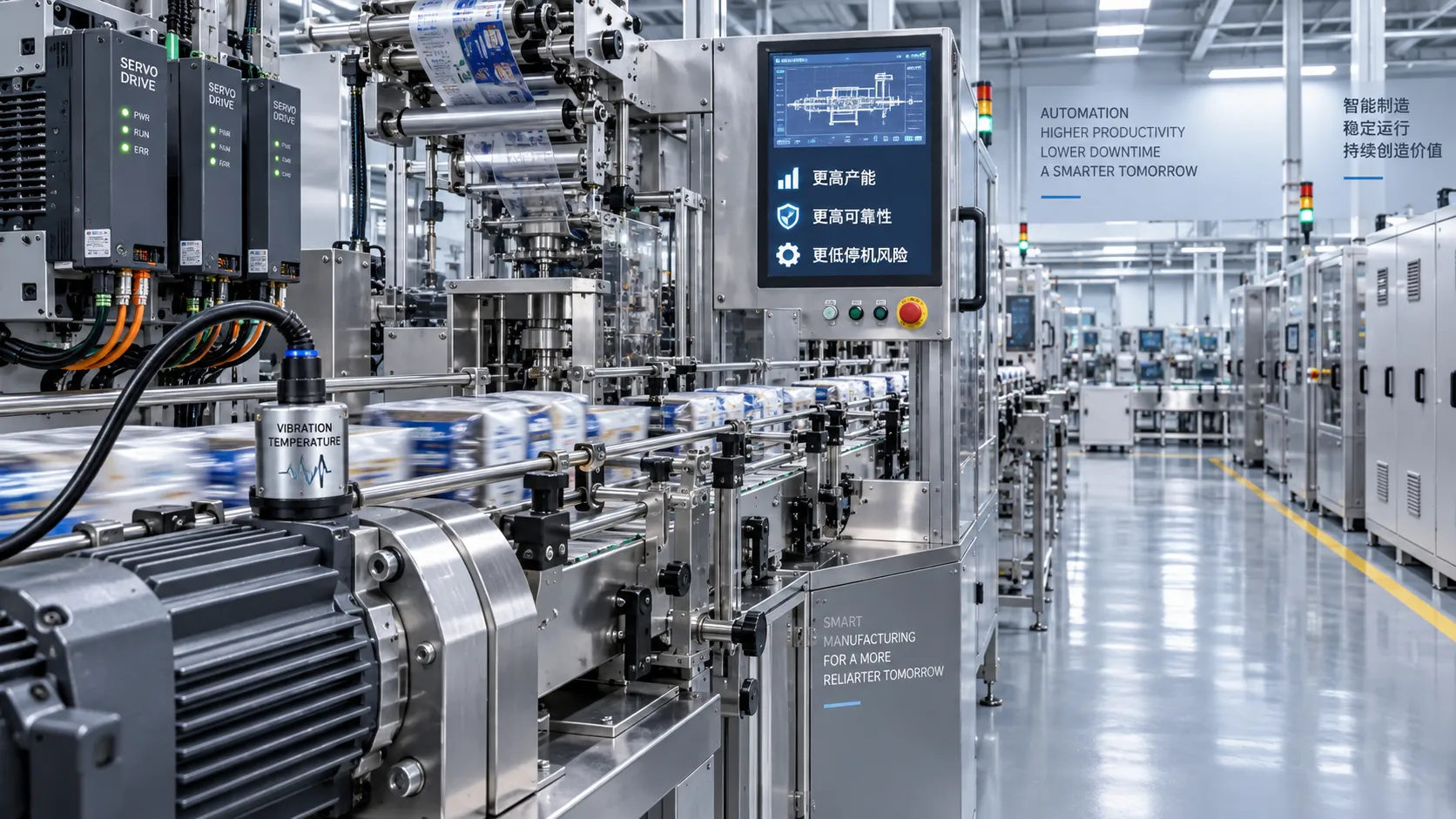
Industrial Automation Technology: How to Prioritize Upgrades by ROI and Downtime Risk
Industrial automation technology upgrades: learn to rank projects by ROI, bottleneck exposure, and downtime risk to reduce losses and make smarter capital decisions.
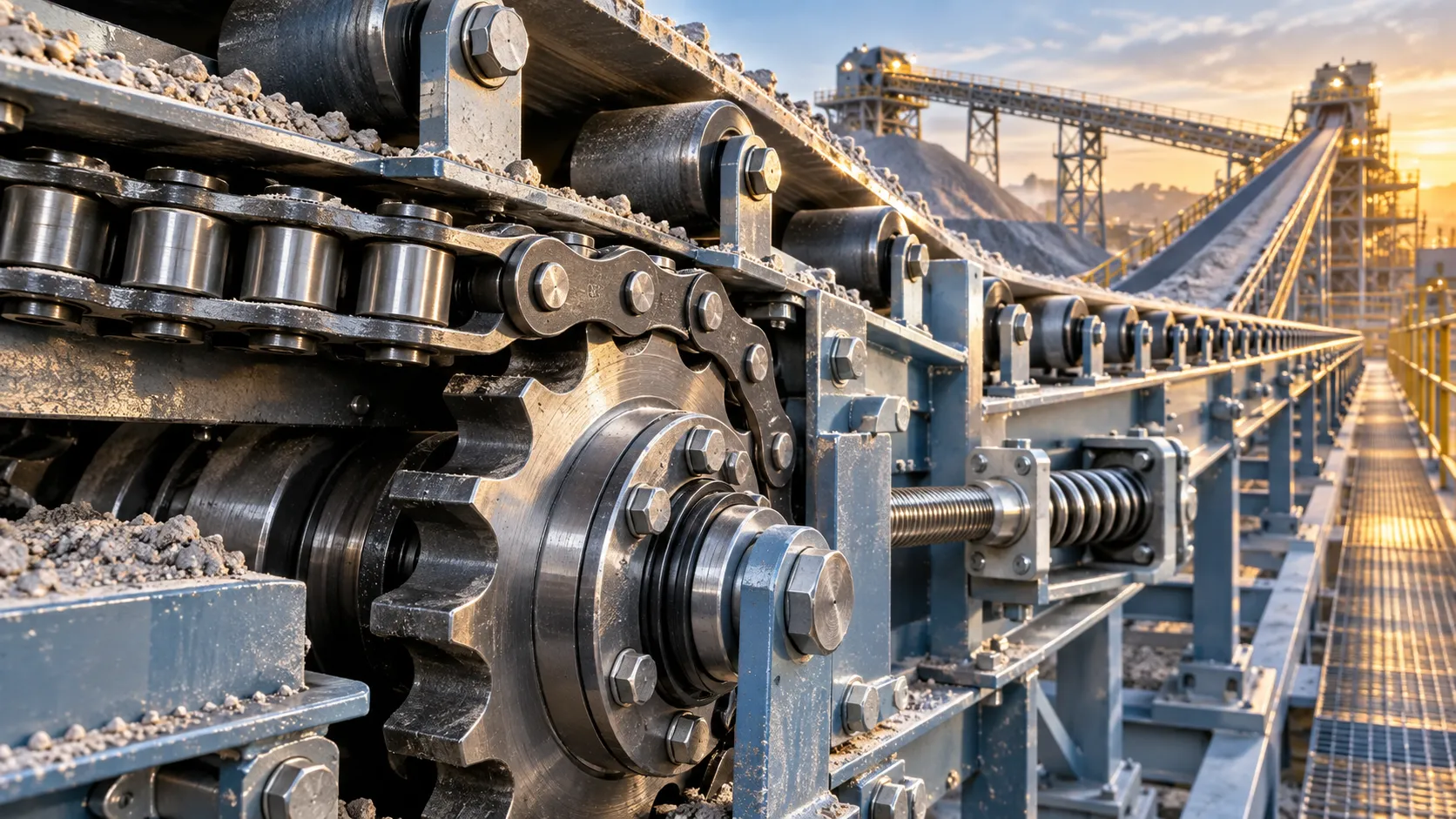
Selecting Low-Maintenance Chain Components for Dusty, High-Load Conveyors
Low maintenance chain components for dusty, high-load conveyors: compare seals, lubrication, materials, sprockets, and load capacity to reduce wear and downtime.
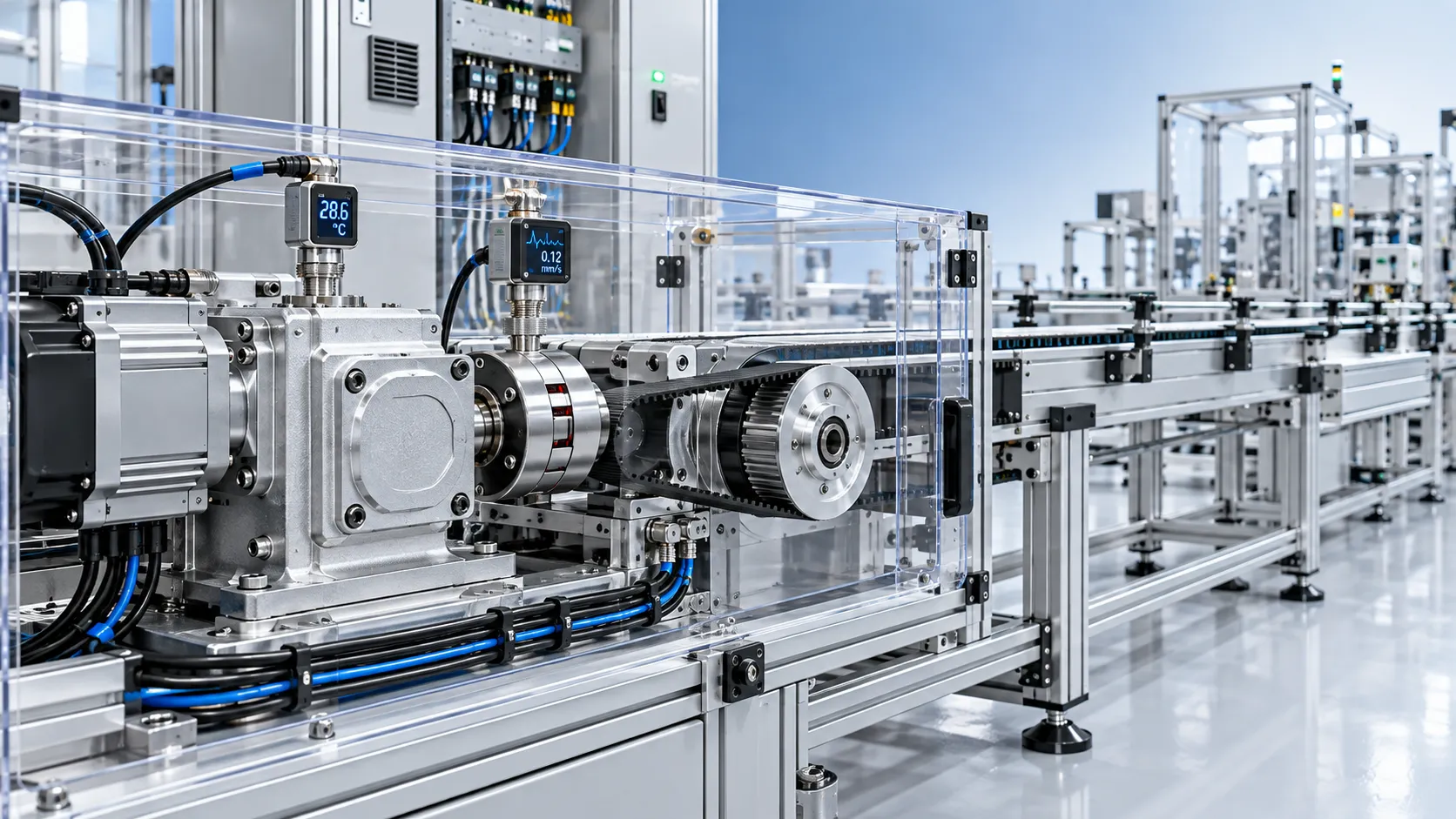
Selecting Smart Transmission Modules for Automated Lines: Control, Load, and Safety
Smart transmission modules for automated lines: evaluate control compatibility, real load demands, safety boundaries, and predictive maintenance value for reliable performance.

How to Assess Automated Packaging Production for High-Mix Manufacturing Lines
Automated production for packaging: assess changeovers, flexibility, controls, reliability, and lifecycle cost to build high-mix lines that deliver stable output.