
Industry News
Curation by industry experts
Hot Articles
Popular Tags
When digital gear integration starts saving real costs
When digital gear integration moves from pilot projects to plant-wide practice, finance leaders begin to see measurable savings instead of abstract innovation claims. From lower energy use and reduced maintenance downtime to longer component life and better procurement planning, digital gear integration turns mechanical performance into budget impact. This article explores where the real cost benefits emerge and how decision-makers can evaluate them with confidence.
Why does digital gear integration matter to finance approval teams?
For many approval managers, drivetrain upgrades are difficult to justify because the expense appears upfront while the value seems technical and delayed. Digital gear integration changes that discussion. It connects gear reducers, motors, sensors, control logic, and maintenance data into one measurable operating system. The result is not only smoother motion control, but clearer financial visibility.
In mixed industrial environments, from automated lines to heavy equipment, hidden costs often come from fragmented decisions. A reducer may be purchased on unit price alone, a motor on stock availability, and a monitoring tool as a separate project. That separation creates oversizing, energy waste, poor lubrication timing, and emergency replacement risk. Digital gear integration reduces these disconnects by aligning component behavior with operational and financial targets.
For finance stakeholders, the core question is simple: does the system lower total cost of ownership rather than just modernize equipment? In many cases, the answer depends less on headline technology and more on whether data can support better maintenance intervals, lower scrap risk, stable throughput, and procurement planning.
- Energy costs become easier to track when gear efficiency, load variation, and runtime patterns are monitored together instead of estimated separately.
- Maintenance budgets improve when vibration, temperature, and lubricant condition indicate service timing before failure occurs.
- Spare parts spending becomes more rational when actual wear patterns replace broad safety stock assumptions.
- Capital approval becomes easier when plant managers can translate drivetrain reliability into line availability and cost per operating hour.
Where do real savings from digital gear integration usually appear?
The savings from digital gear integration rarely come from one dramatic line item. They usually emerge across several budget categories that were previously managed in isolation. Finance teams should look at combined effects rather than asking whether one sensor or one software layer alone can pay back the full project.
1. Lower energy consumption
Improved load matching and speed control help reduce wasted power. In many plants, reducers run under partial or fluctuating loads, yet legacy settings keep motors operating inefficiently. Integrated digital feedback can identify mismatch between torque demand and actual operation, helping teams refine speed profiles, duty cycles, and component selection.
2. Less unplanned downtime
Unexpected gearbox issues are expensive because they trigger lost output, urgent labor, and premium spare part purchases. Digital gear integration supports condition-based maintenance by capturing warning signals before severe damage occurs. Even short reductions in unplanned stoppage can have a meaningful budget impact in high-throughput facilities.
3. Longer component service life
When lubrication intervals, alignment conditions, and thermal behavior are better controlled, wear rates often become more predictable. That does not mean every component lasts dramatically longer, but it often means replacement happens closer to actual end of life instead of premature caution or delayed failure.
4. Better procurement timing
A digitally visible drivetrain allows planners to order critical items before failure without carrying excessive inventory. This matters during periods of volatile raw material pricing or uncertain lead times, which GPT-Matrix tracks closely through sector intelligence tied to energy costs, supply chain shifts, and component demand patterns.
The table below shows how digital gear integration often shifts cost behavior from reactive spending to controlled operating economics.
Finance teams should read this table as a portfolio effect. The business case for digital gear integration strengthens when several moderate savings combine, especially in plants where downtime cost is significantly larger than component cost.
Which operating scenarios justify investment faster?
Not every site sees the same return profile. Plants with stable, low-duty equipment may benefit mainly from procurement visibility. By contrast, operations with variable loads, high uptime requirements, or expensive line interruptions often see stronger financial justification.
High-value automated production lines
In automated systems, a single gear reducer failure can halt several linked processes. Digital gear integration is especially relevant where synchronization quality affects throughput, scrap levels, and labor efficiency. Even minor reliability improvements can deliver fast payback if line stoppages are costly.
Heavy equipment and harsh-duty environments
Applications exposed to shock loads, dust, thermal stress, or long service intervals often suffer from poor visibility into real wear conditions. Digital monitoring helps validate whether seals, bearings, and gear stages are operating within acceptable limits, which supports better replacement planning.
Multi-site groups seeking procurement discipline
For groups operating across regions, digital gear integration can standardize data from different suppliers and facilities. That creates a stronger basis for comparing lifecycle cost, lead time exposure, and maintenance strategy. GPT-Matrix is particularly useful here because its intelligence model connects technical evolution with commercial signals such as raw material fluctuation and long-life component demand.
The following table helps finance approvers identify where digital gear integration is more likely to produce measurable savings.
The best candidates are not always the newest plants. Older assets with frequent maintenance uncertainty can also benefit, provided the integration path is practical and the data collected is tied to decision-making, not just dashboard visibility.
How should finance leaders evaluate digital gear integration proposals?
Approval should not rely on vendor enthusiasm or engineering assumptions alone. Financial review works best when proposals are translated into measurable operating hypotheses. The goal is to determine whether digital gear integration improves cost control under the plant’s actual conditions.
Use a practical review framework
- Define the current cost baseline. Include energy intensity, maintenance labor, spare parts spend, and downtime losses linked to gear-driven systems.
- Separate one-time integration cost from recurring digital service cost. This avoids overstating short-term savings or understating long-term obligations.
- Check whether the project targets a specific pain point such as overload events, lubrication uncertainty, or repeated seal failure rather than general modernization language.
- Request an implementation map showing which assets will be instrumented, what data will be collected, who will interpret it, and how it changes maintenance or procurement actions.
- Model sensitivity. If downtime reduction is lower than expected, does the project still make sense through energy and inventory savings?
Compare lifecycle indicators, not purchase price alone
Many approval mistakes come from focusing on equipment cost while ignoring operating volatility. A lower-priced reducer package may become more expensive if it lacks usable health data, requires conservative spare stocking, or performs poorly under variable load. Finance teams should ask for lifecycle comparisons over a defined service horizon rather than isolated quotations.
Use external intelligence to avoid narrow assumptions
This is where GPT-Matrix provides an advantage. Its Strategic Intelligence Center links mechanical expertise, tribology insight, and industrial economics. That combination helps decision-makers assess digital gear integration in a wider context, including shifts in energy pricing, long-life transmission component demand, and the evolution of reliable gear reducer integration paths.
What technical and compliance points deserve attention before approval?
Finance teams do not need to become design engineers, but they should verify that the proposed digital gear integration architecture is technically credible and operationally manageable. Weak technical alignment often destroys the expected savings case.
- Confirm operating load range, torque peaks, duty cycle, ambient temperature, and lubrication method. Savings assumptions depend on how accurately the system reflects real mechanical behavior.
- Check compatibility with existing control platforms and data protocols. Poor interoperability can add hidden integration cost and delay usable output.
- Review serviceability. If sensors or digital modules are difficult to maintain in harsh environments, the support burden may offset expected benefits.
- Ask whether monitoring points are tied to actionable thresholds. More data is not automatically better if no maintenance response is defined.
- Where relevant, confirm alignment with common industrial expectations around machine safety, electrical integration, and general quality management practices, such as those often organized under IEC or ISO frameworks.
A strong proposal should also explain how digital gear integration interacts with adjacent components such as seals, couplings, bearings, and drive belts. Mechanical savings are rarely isolated. If one weak component continues to fail, the data layer alone cannot protect the budget.
Common mistakes that make digital gear integration look cheaper than it is
Finance teams are right to be cautious because some projects are framed too broadly. The following mistakes often distort ROI expectations and should be challenged early.
Mistake 1: Treating monitoring as savings by itself
Sensors do not save money unless the organization changes maintenance timing, operating settings, or procurement behavior. A dashboard without response rules becomes a reporting expense.
Mistake 2: Ignoring data interpretation capability
If plant staff cannot distinguish normal load variation from failure signals, false alarms or missed warnings follow. Budget holders should ask who owns interpretation and how thresholds are validated.
Mistake 3: Assuming every asset deserves full integration
Criticality matters. Some gear systems justify continuous monitoring, while others only need periodic inspection and better spare planning. A tiered approach usually produces a healthier return.
Mistake 4: Underestimating supply chain value
Digital gear integration is often evaluated only as an operational project. In reality, better visibility into wear and replacement timing can improve supplier negotiation, reduce urgent logistics cost, and support standardization across multiple facilities.
FAQ: what do finance approvers ask most often about digital gear integration?
How do we know whether digital gear integration is worth the capital request?
Start with assets where downtime is expensive, loads fluctuate, or maintenance outcomes are unpredictable. If the proposal can quantify expected effects on energy use, service intervals, spare stock, and line availability, it is ready for financial review. If it only promises visibility, it is not ready.
What payback factors are most credible?
The most credible factors are reduced unplanned stoppage, more accurate maintenance timing, and better procurement planning for critical parts. Energy savings matter too, but they are often stronger when supported by measurable load optimization rather than generic efficiency claims.
Should we retrofit existing gear systems or wait for new equipment?
That depends on asset criticality, remaining service life, and integration complexity. Retrofitting can be justified when a current system creates repeated downtime or unpredictable maintenance cost. New equipment projects may offer cleaner integration, but delaying action can be costly if current failures are frequent.
What information should we request before approving suppliers?
Request operating assumptions, sensor logic, maintenance workflow impact, expected data outputs, spare part implications, and implementation milestones. Also ask how the supplier addresses harsh operating conditions, component interoperability, and long-term support for digital gear integration.
Why choose us for intelligence-led evaluation and next-step planning?
GPT-Matrix is built for decision-makers who need more than product descriptions. Our focus on industrial power transmission, motion control, and critical sealing technologies helps finance and procurement teams evaluate digital gear integration from both technical and commercial angles. We track the mechanical logic behind reducer performance while also monitoring energy cost shifts, raw material pressure, and demand for long-life, low-maintenance transmission components.
That means you can come to us not only for market visibility, but for structured support around the questions that approval teams actually face.
- Parameter confirmation for operating load, duty cycle, environmental conditions, and drivetrain configuration.
- Selection guidance for digital gear integration paths based on asset criticality, maintenance maturity, and budget priorities.
- Lead time and procurement risk review informed by sector news and supply chain movement in core mechanical components.
- Support for comparing alternative solutions, including retrofit scope, phased rollout options, and total cost considerations.
- Discussion of compliance expectations, data readiness, sample evaluation priorities, and quotation communication before formal approval.
If your team is reviewing a digital gear integration project, contact us with the asset type, operating conditions, target savings area, and timeline. We can help you narrow the evaluation criteria, identify the most relevant cost drivers, and frame a decision based on measurable industrial realities rather than assumptions.
- power transmission
- mechanical components
- motion control
- sealing technologies
- drive belts
- gear reducers
- tribology
- heavy equipment
- energy saving
- transmission components
- automated production
- long-life transmission
- industrial power transmission
- critical sealing
- digital gear integration
- automated production lines
- low-maintenance transmission components
Recommended News
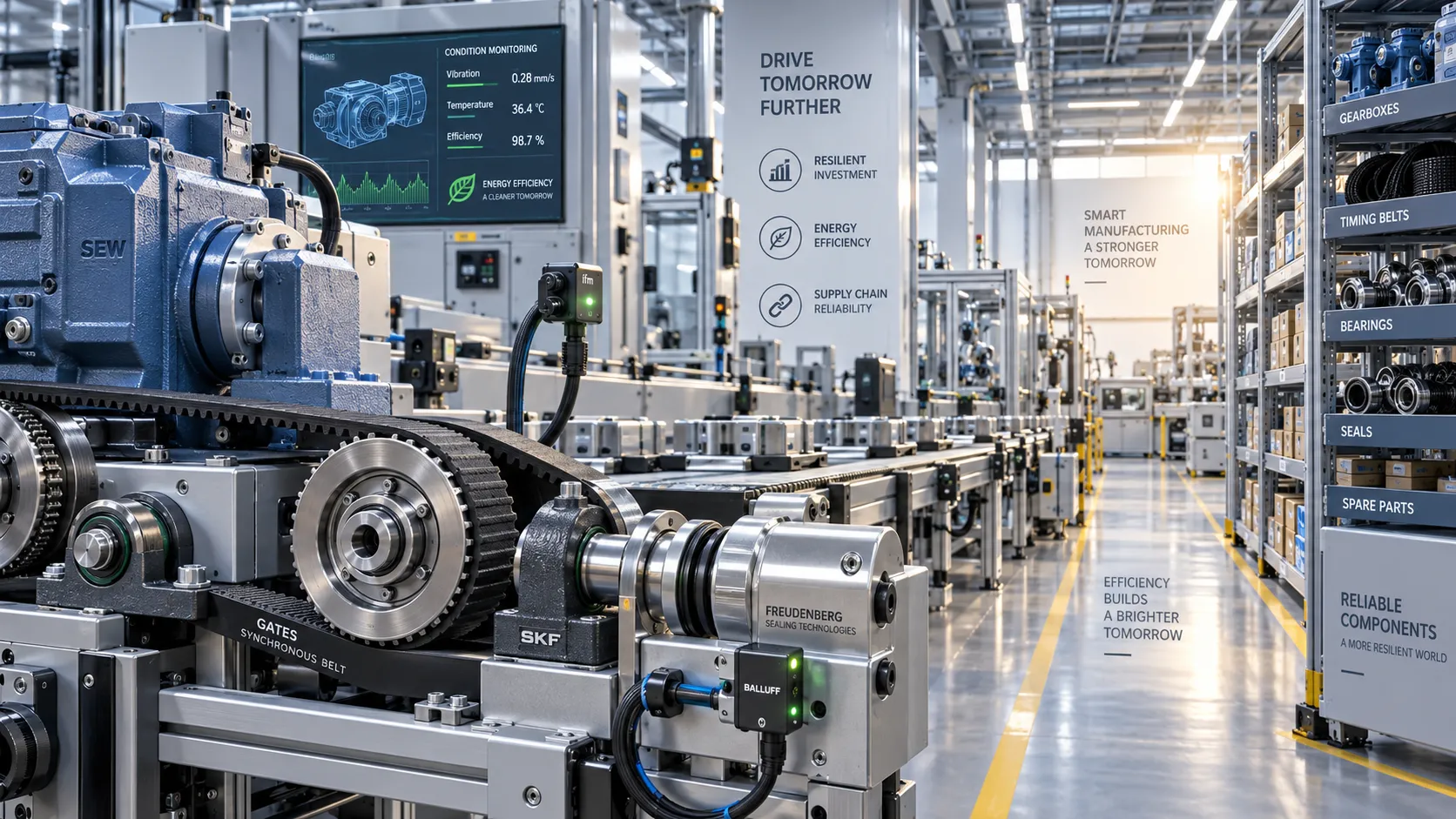
Industrial Economy Trends Shaping Capital Investment and Supply Chain Risk in 2026
Industrial economy trends for 2026 reveal how resilient capital investments, energy efficiency, and supply-chain strategies can protect uptime and strengthen returns.
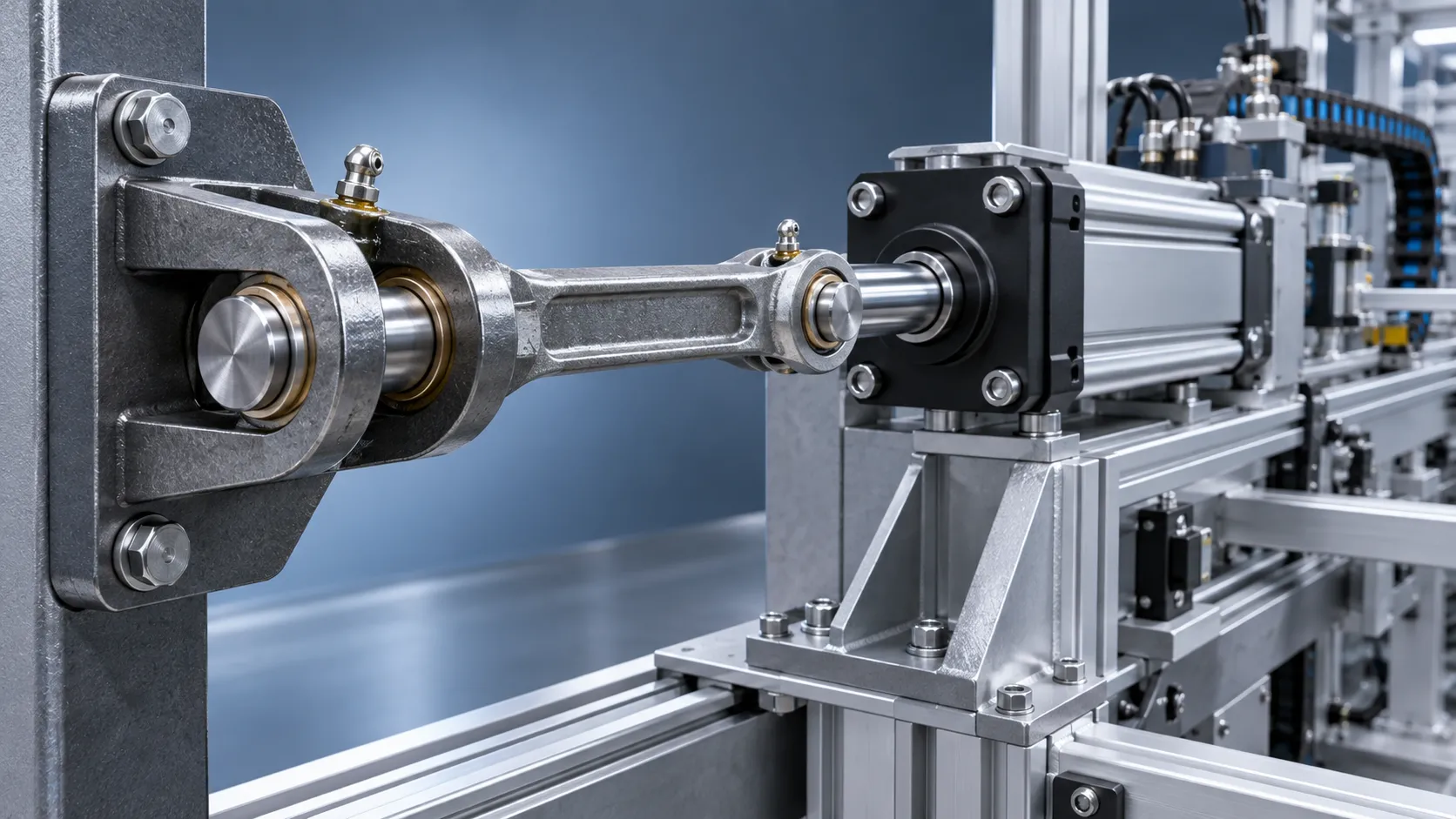
Mechanical Linkage Design: How to Balance Load Capacity, Motion Accuracy, and Wear
Mechanical linkage design guide: balance load capacity, motion accuracy, and wear with practical insights on geometry, joints, tolerances, lubrication, and service life.
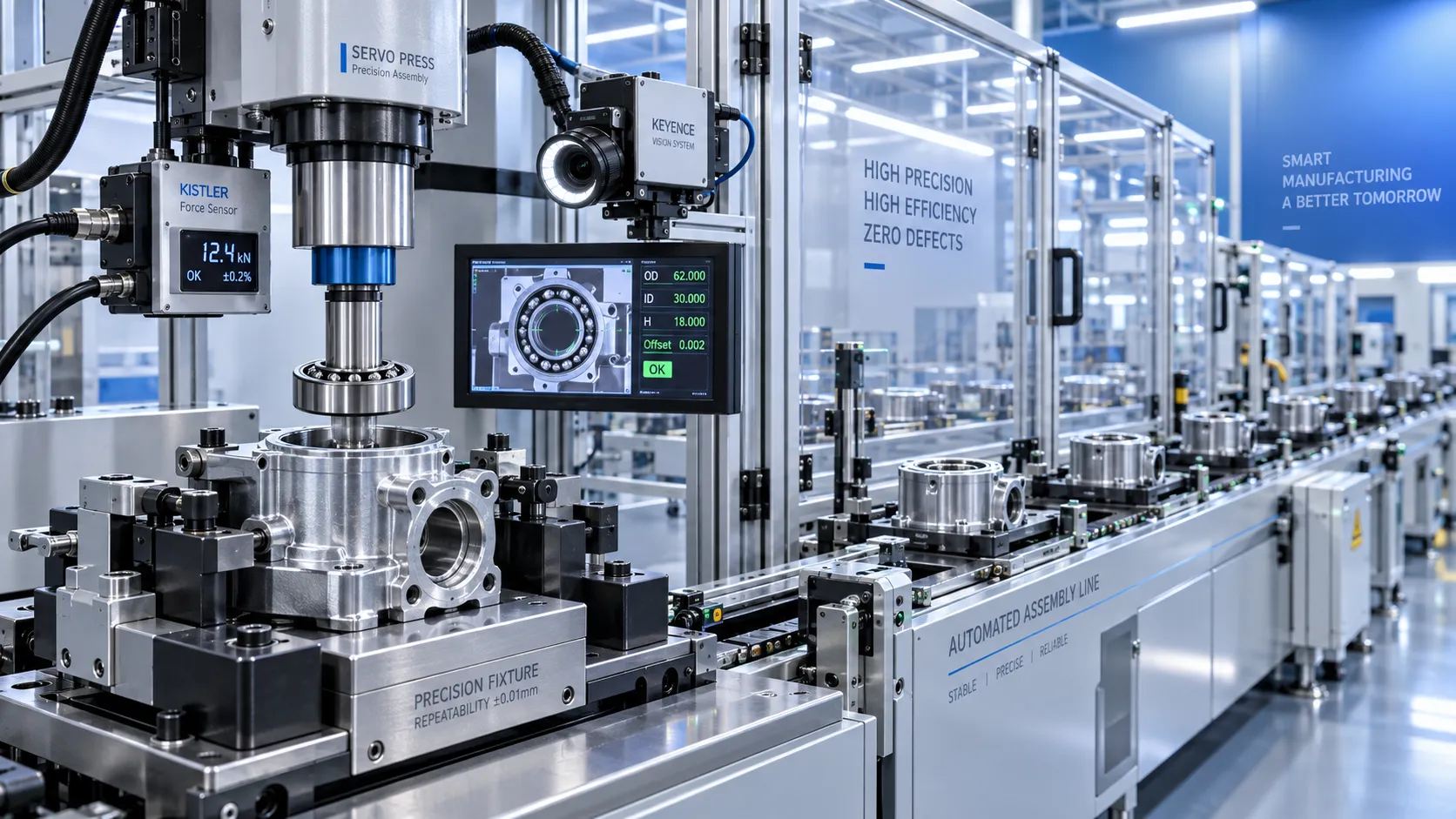
How Precision Automated Production Improves Quality Control in High-Volume Assembly
Precision automated production strengthens quality control in high-volume assembly with real-time verification, traceability, and safer defect containment.
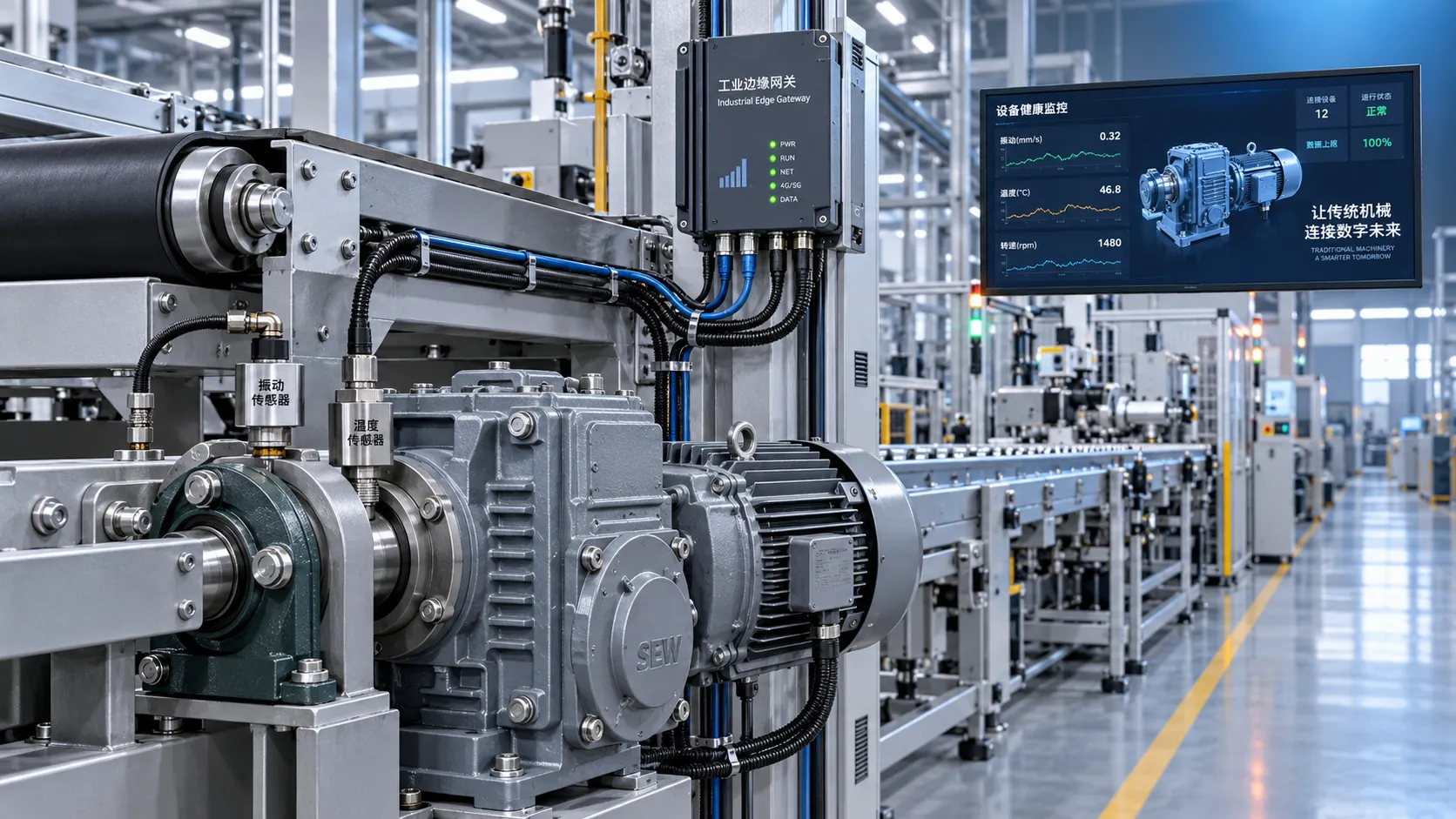
Industry 4.0 Integration: A Roadmap for Connecting Legacy Machines and Data
Industry 4.0 integration roadmap for connecting legacy machines, improving data visibility, reducing downtime, and scaling secure, measurable operational performance.
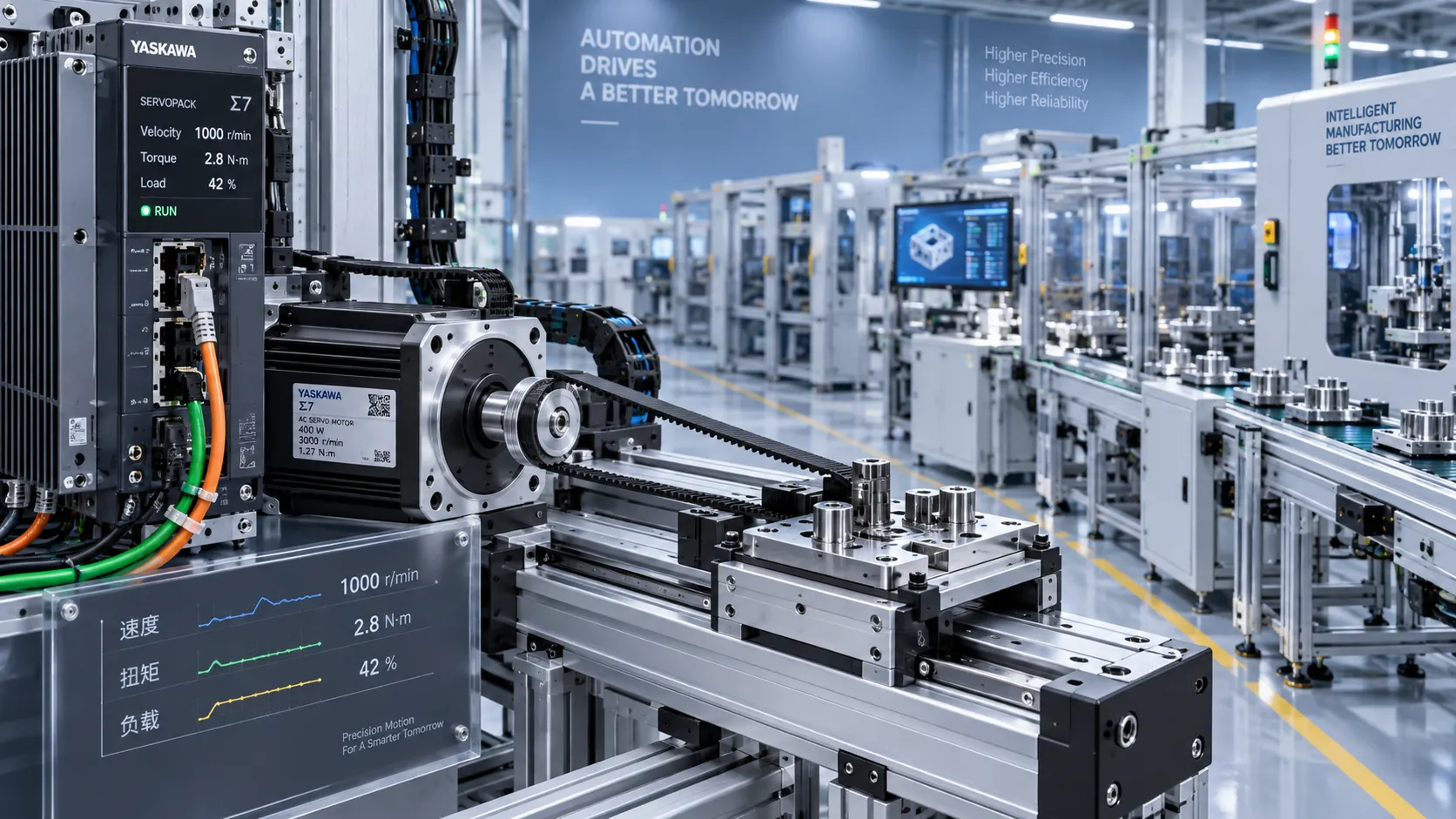
Servo Drive Comparison: Selecting Motion Control for Speed, Torque, and Load
Technical product comparison servo drives: evaluate speed, torque, inertia, safety, and control integration to select a reliable motion system with proven performance margins.
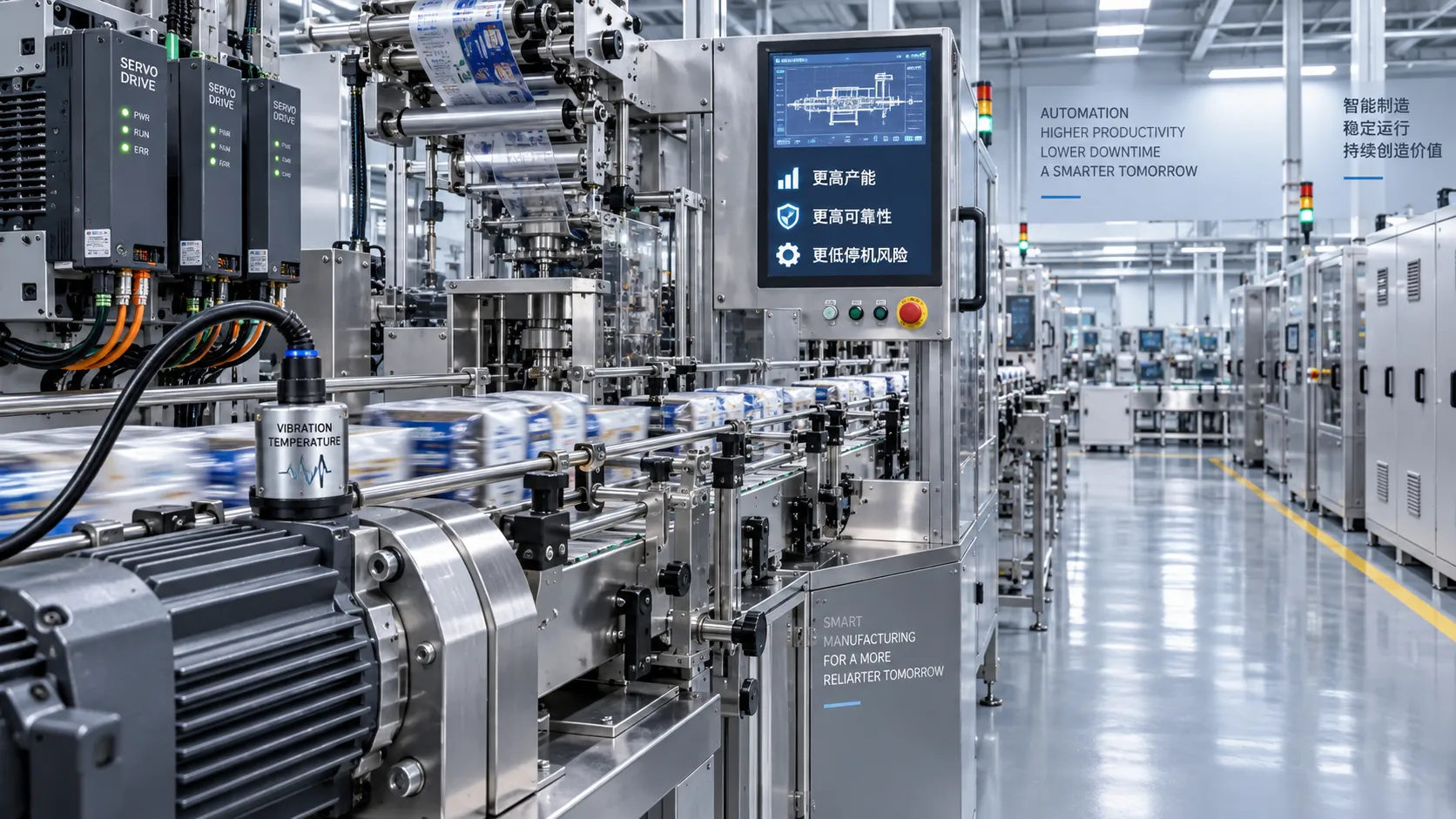
Industrial Automation Technology: How to Prioritize Upgrades by ROI and Downtime Risk
Industrial automation technology upgrades: learn to rank projects by ROI, bottleneck exposure, and downtime risk to reduce losses and make smarter capital decisions.
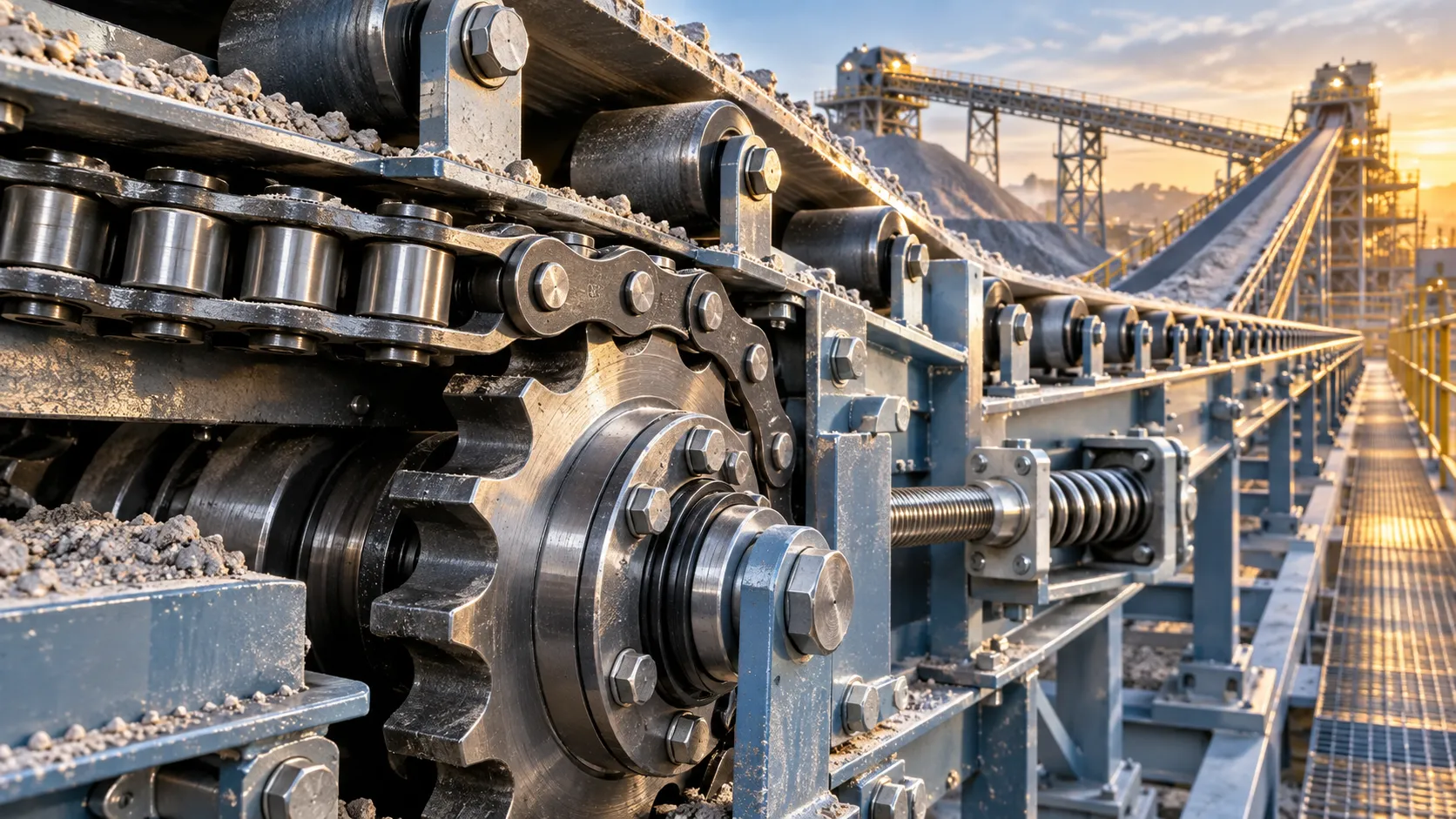
Selecting Low-Maintenance Chain Components for Dusty, High-Load Conveyors
Low maintenance chain components for dusty, high-load conveyors: compare seals, lubrication, materials, sprockets, and load capacity to reduce wear and downtime.
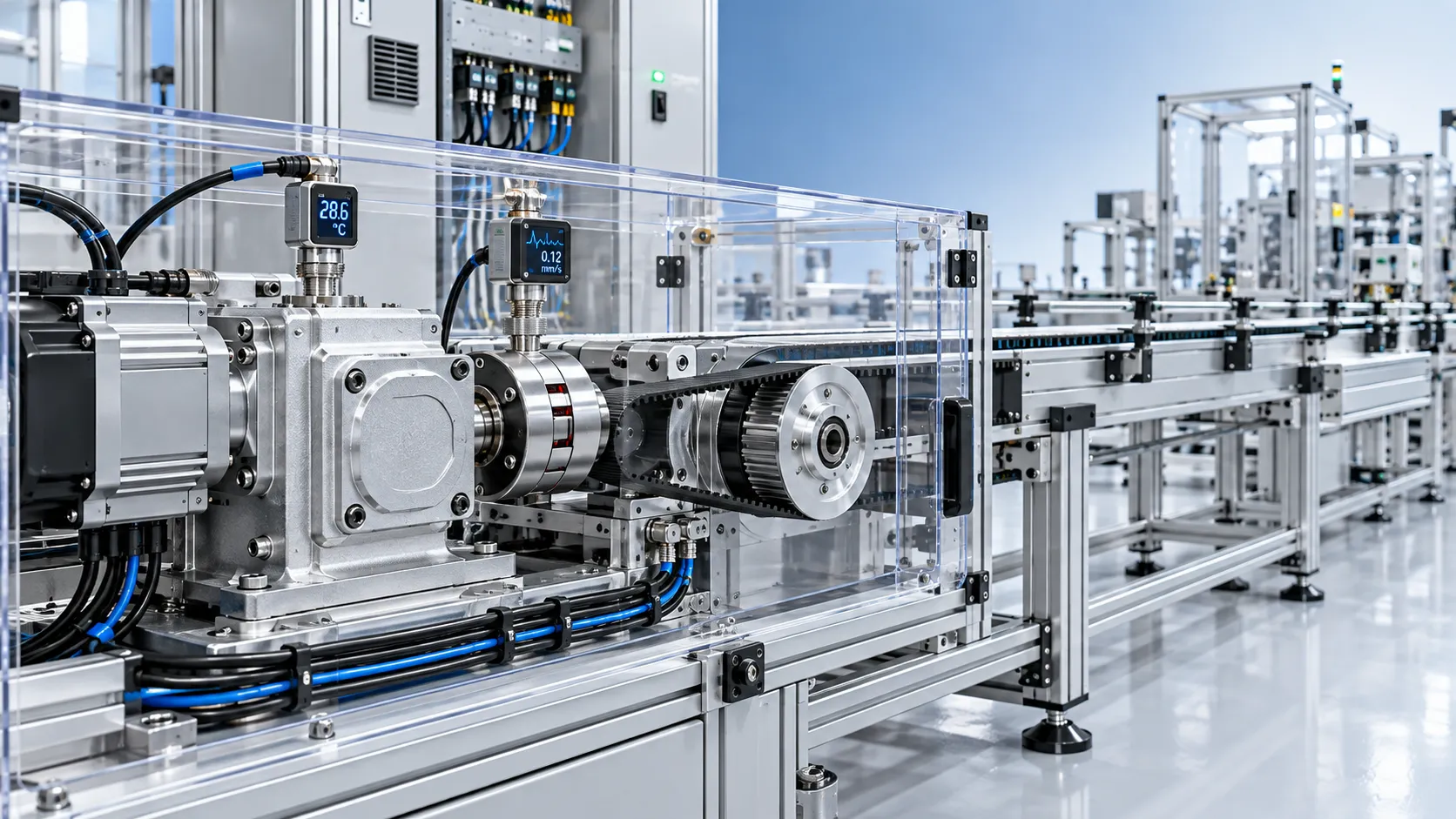
Selecting Smart Transmission Modules for Automated Lines: Control, Load, and Safety
Smart transmission modules for automated lines: evaluate control compatibility, real load demands, safety boundaries, and predictive maintenance value for reliable performance.

How to Assess Automated Packaging Production for High-Mix Manufacturing Lines
Automated production for packaging: assess changeovers, flexibility, controls, reliability, and lifecycle cost to build high-mix lines that deliver stable output.