
Industry News
Curation by industry experts
Hot Articles
Popular Tags
Which sealing technologies reduce leak risk?
Leak prevention is no longer just a maintenance concern—it is a quality, safety, and operational risk priority. For quality control and safety managers, selecting the right sealing technologies can determine whether equipment runs reliably or exposes teams to downtime, contamination, pressure loss, and compliance issues. From advanced mechanical seals to engineered gaskets and smart monitoring solutions, today’s options are evolving to handle higher loads, harsher media, and tighter efficiency demands. This article explores which approaches most effectively reduce leak risk in modern industrial systems.
In power transmission, motion control, pumping, hydraulic, pneumatic, and rotating equipment, leakage often begins as a small interface failure. Within 24–72 hours, it can escalate into scrap, unsafe working conditions, unplanned shutdowns, or audit findings.
For B2B teams, the real question is not whether a seal can close a gap. It is whether the selected sealing technologies can maintain controlled contact, chemical compatibility, dimensional stability, and traceable performance across the full operating cycle.
Why Leak Risk Must Be Managed as a System Issue
Leak risk is rarely caused by one component alone. It usually reflects a chain of decisions involving shaft alignment, surface finish, material selection, bolt load, lubricant behavior, pressure cycling, and inspection discipline.
A sealing point may operate at 2 bar in one process and face short pressure spikes above 10 bar in another. Temperature may shift from ambient to 150°C during startup, creating expansion differences that open leakage paths.
Common Failure Modes Seen by Quality and Safety Teams
Quality control personnel often see evidence after the process has already drifted. Examples include oil mist around bearing housings, product contamination near flange joints, pressure decay in pneumatic circuits, or residue trails under pump casings.
- Dynamic wear at rotating shafts due to misalignment above typical tolerances such as 0.05–0.10 mm.
- Compression loss in gaskets after repeated thermal cycles, often visible after 5–20 startup events.
- Chemical swelling of elastomers exposed to solvents, fuels, acids, or cleaning agents.
- Improper torque sequence on flanges, causing uneven load across 4, 8, 12, or more fasteners.
- Abrasive particles damaging sealing faces in slurry, dust-heavy, or poorly filtered systems.
Risk-Based Thinking Changes the Selection Process
A low-cost seal may be acceptable for a non-critical cover plate. It may be unacceptable for a gearbox, pressurized transfer line, sterile filling system, or hydraulic actuator near personnel access points.
Risk-based selection ranks leakage consequences across at least 4 dimensions: safety exposure, quality impact, downtime cost, and environmental or compliance burden. This makes sealing technologies part of operational governance, not only maintenance spending.
A Practical Risk Screen
Before comparing sealing technologies, teams should document the medium, pressure range, speed, temperature, duty cycle, cleaning method, and inspection interval. A 30-minute review can prevent weeks of corrective action later.
Mechanical Seals, Packing, and Dynamic Interfaces
Dynamic equipment creates the most demanding sealing environment because one surface moves while another remains stationary. Pumps, mixers, compressors, gearboxes, and rotary unions need sealing technologies that tolerate friction, vibration, and speed variation.
For shafts rotating at 500–3,600 rpm, contact stability matters as much as material hardness. A seal that performs during commissioning may fail after bearing wear, cavitation, dry running, or thermal distortion.
Advanced Mechanical Seals
Mechanical seals reduce leak risk by using precision faces, spring loading, and controlled lubrication between mating surfaces. Compared with traditional compression packing, they usually offer lower visible leakage and reduced shaft sleeve wear.
Single mechanical seals are common for clean fluids and moderate duty. Double seals or tandem arrangements are often selected for hazardous, valuable, abrasive, or volatile media where leakage tolerance is near zero.
Material pairing is critical. Carbon, silicon carbide, tungsten carbide, ceramics, and engineered elastomers each behave differently under heat, chemicals, dry starts, and particles above 50–100 microns.
Compression Packing Still Has a Place
Packing is not obsolete. It remains useful in certain valves, slow rotating shafts, utility pumps, and equipment where controlled leakage provides lubrication and heat removal.
However, safety managers should treat packing as a managed leakage technology. It requires adjustment, gland temperature checks, and replacement intervals often measured in weeks or months rather than multi-year cycles.
The following comparison helps teams match dynamic sealing technologies to operational risk, rather than choosing solely by initial purchase cost.
The strongest dynamic sealing strategy usually combines correct seal format with operating discipline. If dry running or misalignment is not controlled, even premium sealing technologies will underperform.
Selection Guideline for Rotating Equipment
For critical rotating assets, specify seal limits alongside equipment limits. Include pressure range, temperature range, shaft speed, allowable runout, face material, elastomer material, and flushing requirement in the purchase document.
Engineered Gaskets and Static Sealing Technologies
Static joints appear simpler than rotating seals, yet they are responsible for many field leaks. Flanges, covers, gear reducer housings, heat exchangers, access plates, and hydraulic manifolds all depend on stable compression.
In static sealing, the main objective is to maintain enough gasket stress during pressure, vibration, and temperature changes. The wrong gasket may creep, crack, extrude, or lose load after 2–10 thermal cycles.
Gasket Materials That Reduce Leak Paths
Elastomeric gaskets are flexible and useful for low to moderate pressure applications. NBR, EPDM, FKM, and silicone each have different resistance to oils, steam, acids, ozone, and temperature.
Graphite gaskets handle high temperature and chemical exposure, often in steam, exhaust, or process lines. PTFE-based gaskets resist many chemicals but require attention to creep under load.
Spiral wound and metal-jacketed gaskets are preferred where pressure and temperature fluctuate sharply. These sealing technologies provide resilience through combined metal and filler construction.
Bolt Load, Surface Finish, and Assembly Control
Even the right gasket can leak when installed incorrectly. Uneven bolt tightening can concentrate stress on one side while leaving another side below the minimum seating load.
For common flange work, teams should use a cross-pattern torque sequence in at least 3 passes: preliminary seating, intermediate torque, and final torque. A fourth verification pass is advisable for critical joints.
The table below summarizes practical criteria for selecting static sealing technologies across industrial interfaces.
Static leak prevention depends on compatibility and controlled assembly. The best gasket choice can fail if the flange surface is damaged, bolt lubrication changes torque output, or curing time is rushed.
Procurement Note for Gaskets
Ask suppliers for material data, recommended compression, temperature range, shelf-life guidance, and installation instructions. For repeat orders, standardize gasket drawings and tolerances to reduce batch-to-batch variation.
Smart Monitoring and Predictive Leak Prevention
Modern sealing technologies increasingly include monitoring around the seal, not only the seal itself. Sensors can detect abnormal pressure, temperature, vibration, fluid level, or conductivity before visible leakage appears.
For safety managers, early warning is valuable because many leak events follow a detectable pattern over 6–48 hours. Pressure decay, rising bearing temperature, or barrier fluid loss may appear before a spill.
What to Monitor Around Sealing Points
The correct sensor package depends on the risk class. A high-hazard pump may justify continuous monitoring, while a utility gearbox may only need periodic inspection and oil-level verification.
- Pressure decay: useful for pneumatic, hydraulic, and closed-loop fluid systems.
- Temperature rise: helpful for seal faces, bearing housings, and gland areas.
- Vibration: indicates misalignment, imbalance, looseness, or bearing deterioration.
- Barrier fluid level: essential for double mechanical seal reliability.
- Conductivity or moisture: useful for detecting water ingress or product leakage.
Digital Integration with Quality Systems
A sensor without a response process only creates data. Quality and safety teams should define alarm thresholds, escalation paths, inspection frequency, and corrective action deadlines.
For example, a pressure drop of 5% within 30 minutes may trigger an operator check, while a 15% drop may require line isolation. Thresholds should reflect process criticality and safety exposure.
Recommended 5-Step Monitoring Workflow
- Map critical sealing points and classify them into low, medium, and high-risk groups.
- Choose measurable indicators, such as pressure, temperature, vibration, or fluid level.
- Set baseline values during stable operation for at least 7–14 days.
- Create alarm limits and response steps for operators, maintenance, and safety teams.
- Review leak incidents monthly and update thresholds after confirmed root-cause analysis.
Smart monitoring does not replace robust sealing technologies. It strengthens them by giving teams time to act before a seal failure becomes a quality escape or safety incident.
How to Choose Sealing Technologies for Lower Total Risk
A strong selection process balances engineering fit, installation control, maintainability, and commercial reliability. The cheapest option at purchase may create higher costs through rework, shutdowns, cleanup, or regulatory reporting.
Quality control and safety managers should participate early, especially when the sealing point affects product purity, worker exposure, pressure containment, lubrication reliability, or production uptime above 95% targets.
Core Selection Criteria
- Media compatibility: verify resistance to oils, water, solvents, gases, chemicals, and cleaning agents.
- Operating envelope: define pressure, temperature, speed, vibration, and cycle frequency.
- Joint geometry: confirm surface finish, shaft condition, flange flatness, groove design, and tolerances.
- Installation repeatability: prefer designs that reduce manual adjustment errors in high-volume maintenance.
- Inspection access: select sealing technologies that support safe checks without unnecessary dismantling.
- Lifecycle cost: include downtime, labor hours, spare parts, disposal, and compliance documentation.
Supplier and Documentation Requirements
For industrial purchasing, documentation should be more than a catalog page. Ask for material specifications, recommended installation procedure, storage conditions, drawing confirmation, and allowable operating limits.
For repeatable quality, define acceptance criteria before ordering. These may include dimensional tolerances, surface defects, packaging protection, material traceability level, and inspection sampling such as 5–10 pieces per batch.
Questions to Ask Before Purchase
- What leakage mode is most likely: chemical attack, thermal relaxation, wear, extrusion, or assembly error?
- Does the application require containment, controlled leakage, or zero visible leakage under normal operation?
- What inspection interval is realistic: daily, weekly, monthly, or during planned shutdowns?
- Can the maintenance team install the seal consistently with existing tools and training?
- Are spare parts available within the required lead time, such as 3–7 days for critical assets?
This approach helps teams choose sealing technologies based on risk reduction, not habit. It also improves communication between engineering, procurement, maintenance, safety, and production departments.
Implementation Practices That Prevent Repeat Leaks
Once sealing technologies are selected, execution determines performance. Many repeat leaks occur because organizations replace parts without correcting installation errors, equipment wear, or process conditions.
A disciplined leak prevention program should include 3 layers: correct specification, controlled installation, and verified operation. Each layer needs records that quality and safety teams can audit.
Installation Controls
Cleanliness matters. Dirt, fibers, metal particles, and damaged packaging can create leak paths. For precision mechanical seals, even small debris can score faces during the first minutes of operation.
Torque control is equally important. Use calibrated tools and documented values. In critical joints, record final torque, installer name, date, gasket type, and pressure test result.
Verification After Startup
The first 1–8 hours after startup are important for detecting early problems. Teams should check temperature, pressure stability, visible seepage, odor, vibration, and lubricant condition.
For critical systems, perform a second check after 24 hours and a third check after 7 days. This catches relaxation, misalignment, or process-related issues that do not appear immediately.
Common Mistakes to Avoid
- Reusing damaged gaskets or seals to save short-term cost.
- Mixing elastomer materials without confirming chemical compatibility.
- Ignoring shaft grooves, sleeve wear, flange scratches, or warped covers.
- Applying excessive sealant that can squeeze into lubrication or process areas.
- Treating leaks as isolated maintenance events instead of quality risk signals.
The most reliable leak reduction programs are practical and repeatable. They combine clear work instructions, trained personnel, traceable parts, and feedback from every corrective action.
Frequently Asked Questions for Quality and Safety Managers
The following questions often appear during equipment upgrades, supplier evaluation, and corrective action reviews. They help teams decide when to change sealing technologies or improve surrounding controls.
Which sealing technology gives the lowest leak risk?
There is no single universal answer. Double mechanical seals with monitoring may be best for hazardous rotating equipment, while engineered gaskets may be ideal for static flanges. Fit depends on risk and conditions.
When should packing be replaced by mechanical seals?
Consider mechanical seals when leakage affects safety, product quality, housekeeping, or shaft wear. The business case is stronger when adjustment frequency exceeds monthly maintenance expectations.
How often should sealing points be inspected?
High-risk assets may need daily visual checks or continuous monitoring. Medium-risk systems are often reviewed weekly, while low-risk joints may align with monthly or shutdown-based inspections.
What information should be collected after a leak?
Record location, medium, operating conditions, installation date, seal type, photos, torque records, pressure data, and recent process changes. A complete record shortens root-cause analysis.
Building a Safer, Cleaner, and More Reliable Sealing Strategy
The sealing technologies that reduce leak risk most effectively are those selected as part of a complete reliability system. Mechanical seals, engineered gaskets, cartridge designs, compatible elastomers, and smart monitoring each solve different failure modes.
For quality control teams, the value lies in fewer defects, cleaner equipment, and more stable process conditions. For safety managers, the value is reduced exposure, better containment, and clearer response triggers.
GPT-Matrix supports industrial decision-makers with intelligence on power transmission, mechanical joints, tribology, and critical sealing technologies. Our perspective connects material science, mechanical logic, and operational risk into practical procurement guidance.
If your facility is reviewing leak incidents, upgrading rotating equipment, or standardizing gasket and seal specifications, now is the time to evaluate the full sealing system. Contact us to explore tailored insights, compare solution paths, and learn more about sealing technologies suited to your operating risks.
Recommended News
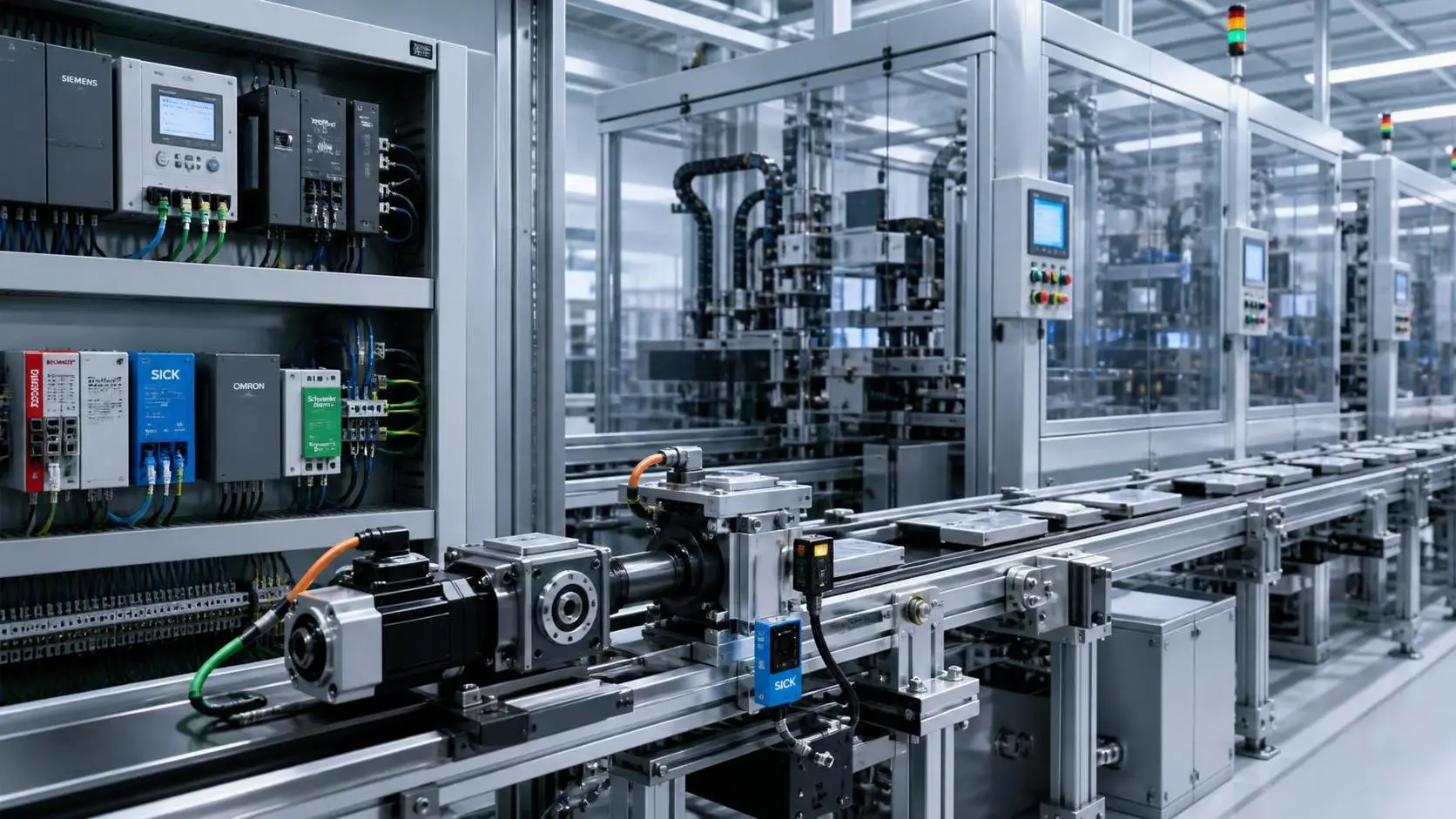
How to Integrate Industrial Automation Components Across Multi-Vendor Systems
Industrial automation components integration made practical: learn how to align multi-vendor controls, mechanics, networks, and diagnostics for reliable, scalable machine performance.
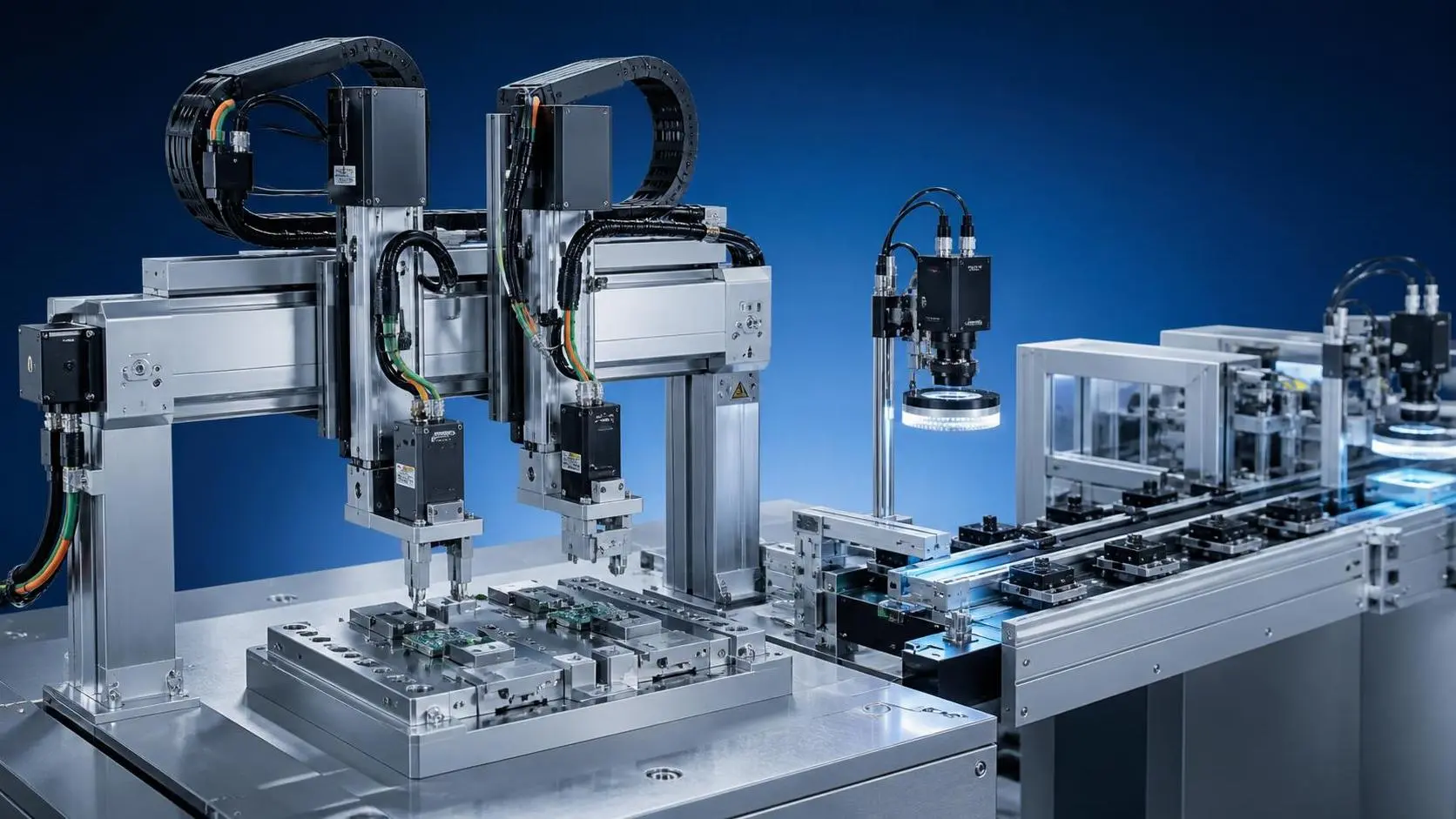
Where Linear Motors Deliver the Greatest Gains in High-Speed Automation
Explore motion control applications where linear motors boost speed, precision, and uptime. Compare high-ROI use cases, integration risks, and selection strategies.
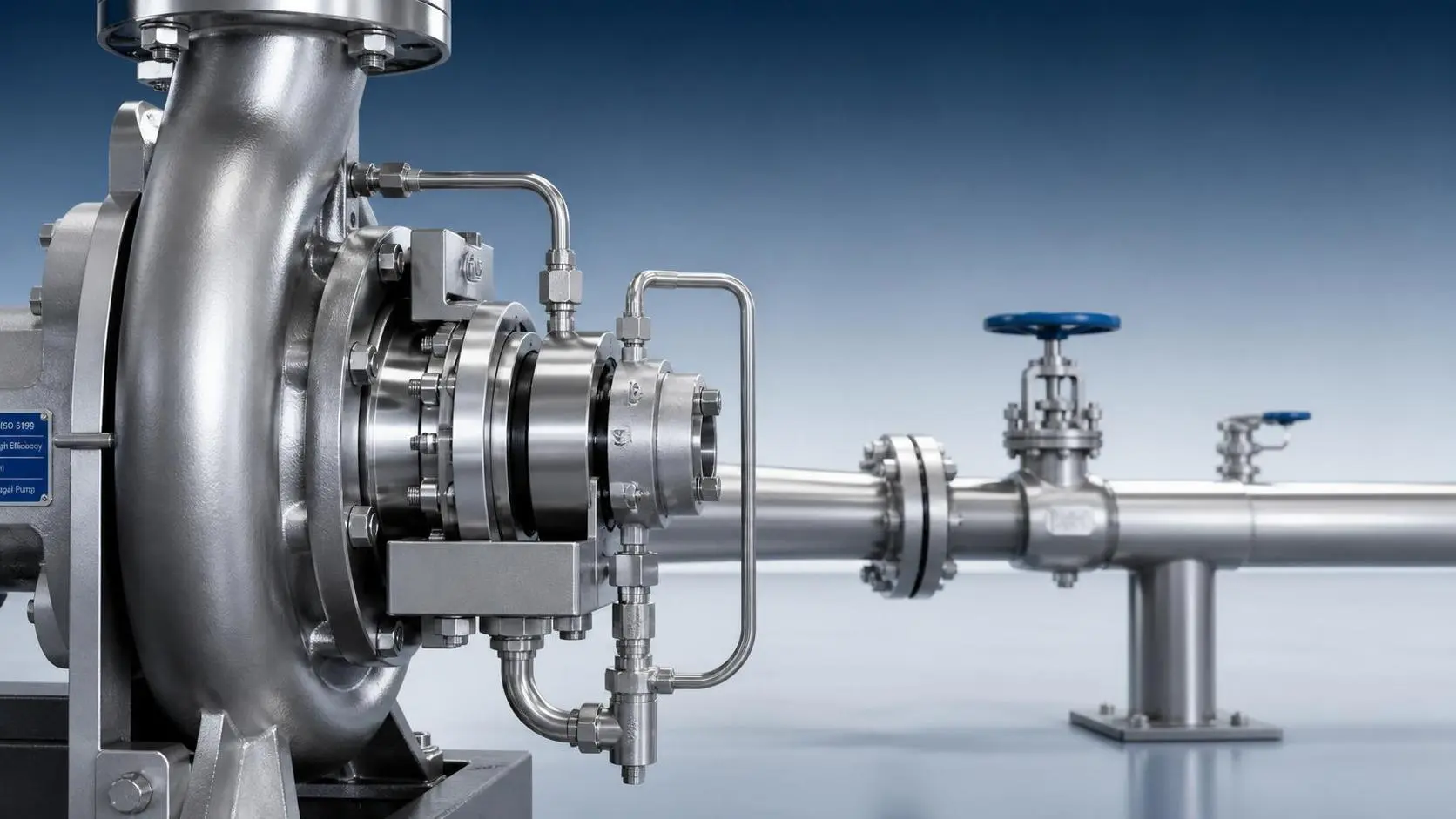
Selecting Split Mechanical Seals for Large Pumps: Shaft Size, Pressure, and Downtime
Split mechanical seals for large pumps: evaluate shaft size, pressure, fluid duty, and installation access to reduce downtime and improve sealing reliability.

How to Evaluate an Automated Production Supplier for a High-Uptime Manufacturing Line
Automated production supplier evaluation guide: assess uptime, maintainability, lifecycle cost, service support, and acceptance criteria for reliable manufacturing.
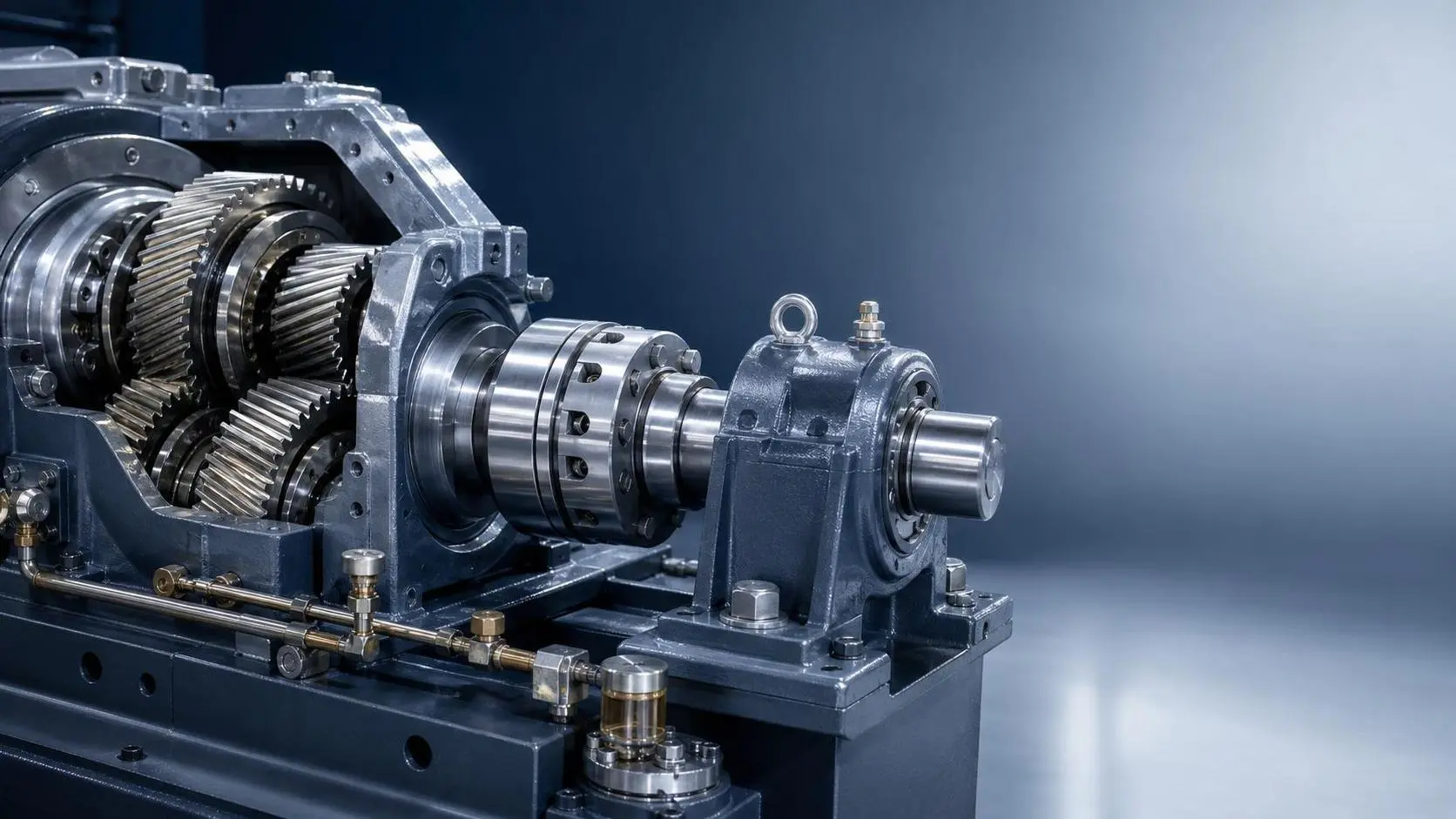
Designing Reliable Mechanical Transmissions: Load, Lubrication, and Fatigue Factors
Reliability in mechanical transmission design starts with real duty cycles. Explore load, lubrication, alignment, and fatigue factors for longer service life.
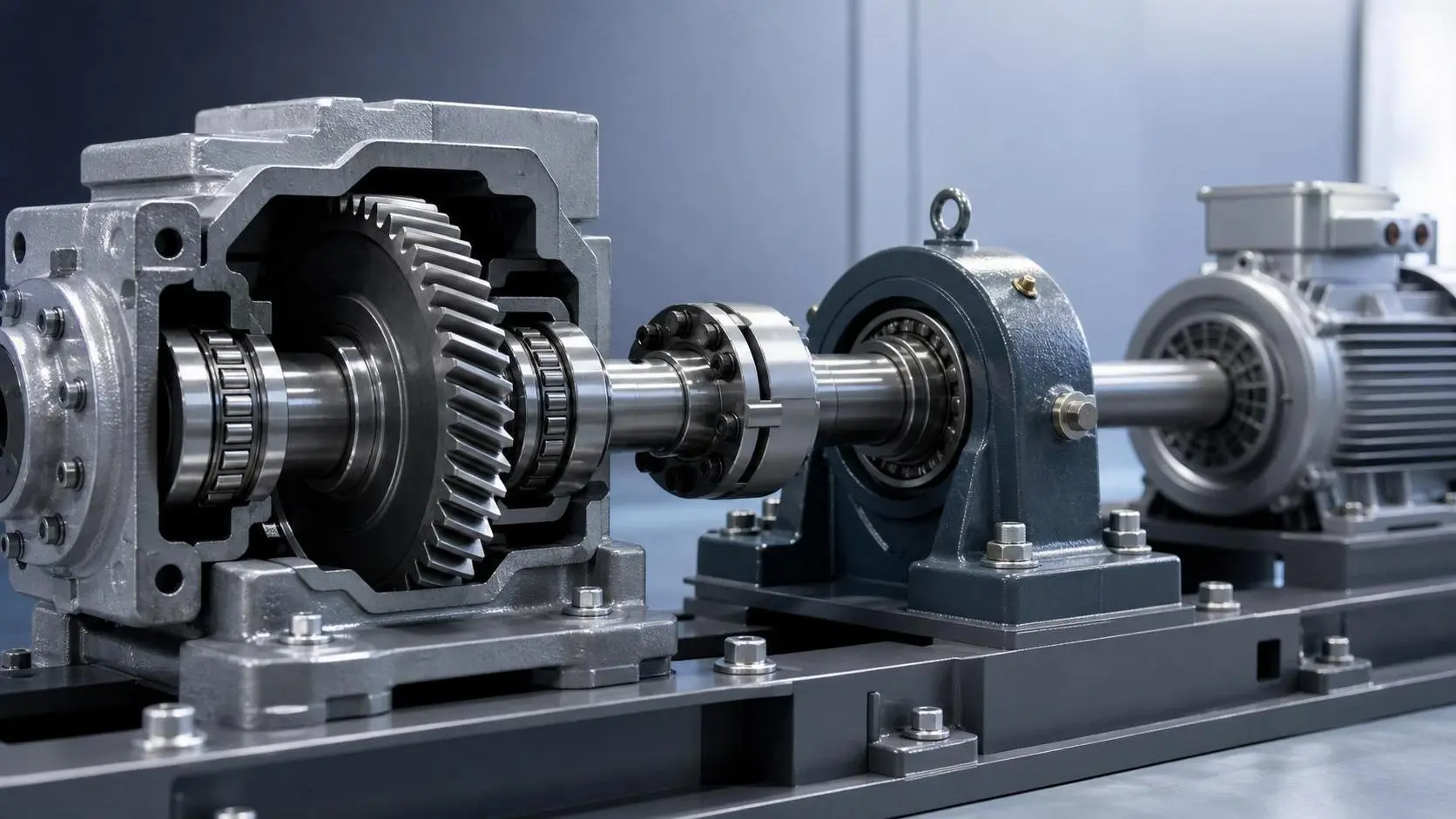
How to Define Load Requirements in Component Specifications for Safe Selection
Component specification guidance for load requirements: define load paths, duty cycles, peaks, environmental limits, and safety margins for safer component selection.
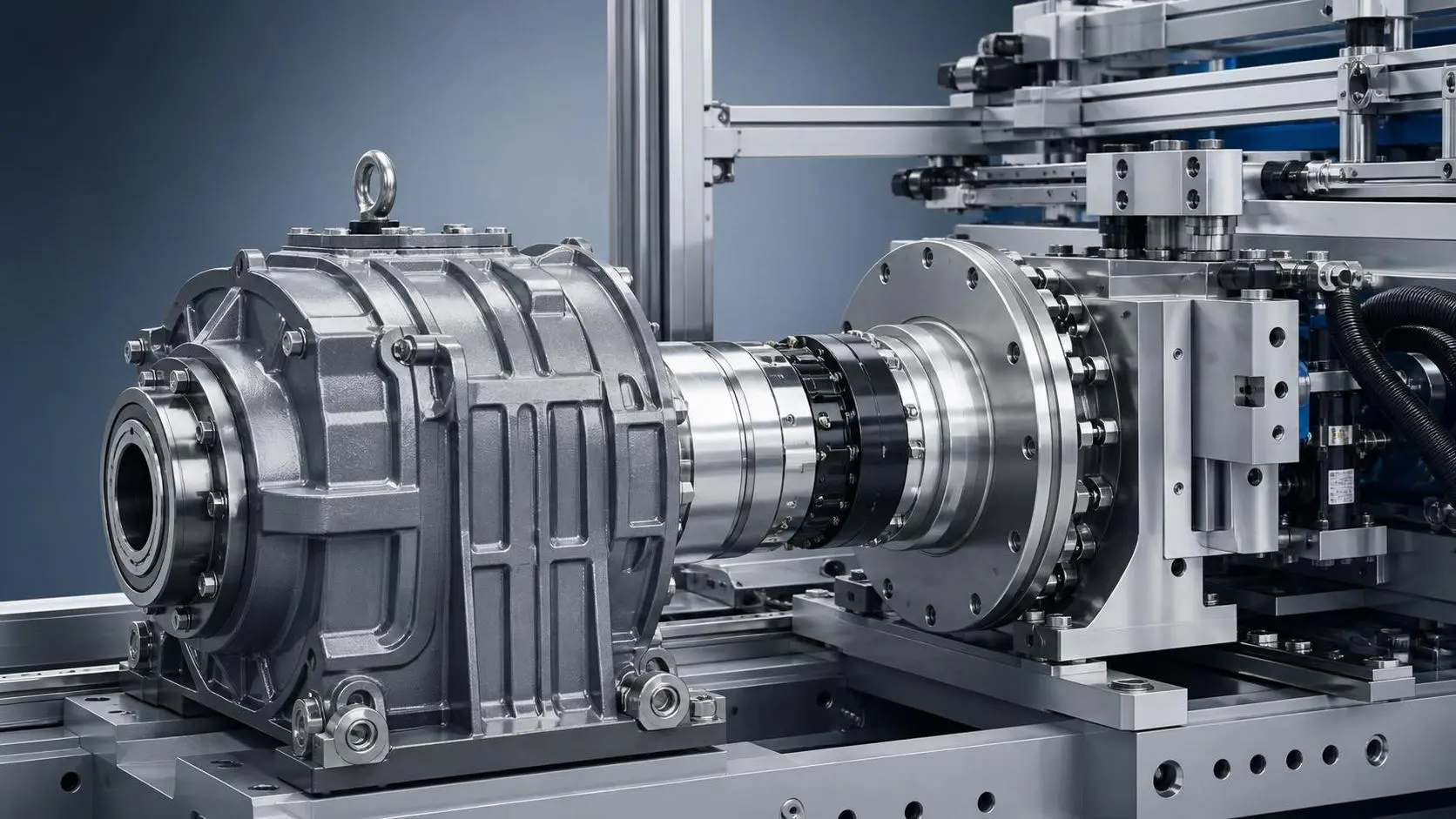
How to Evaluate Precision Engineered Transmissions for High-Load Industrial Systems
Precision engineered transmissions for high-load systems: learn how to assess load profiles, thermal limits, sealing, stiffness, and lifecycle reliability for smarter industrial decisions.
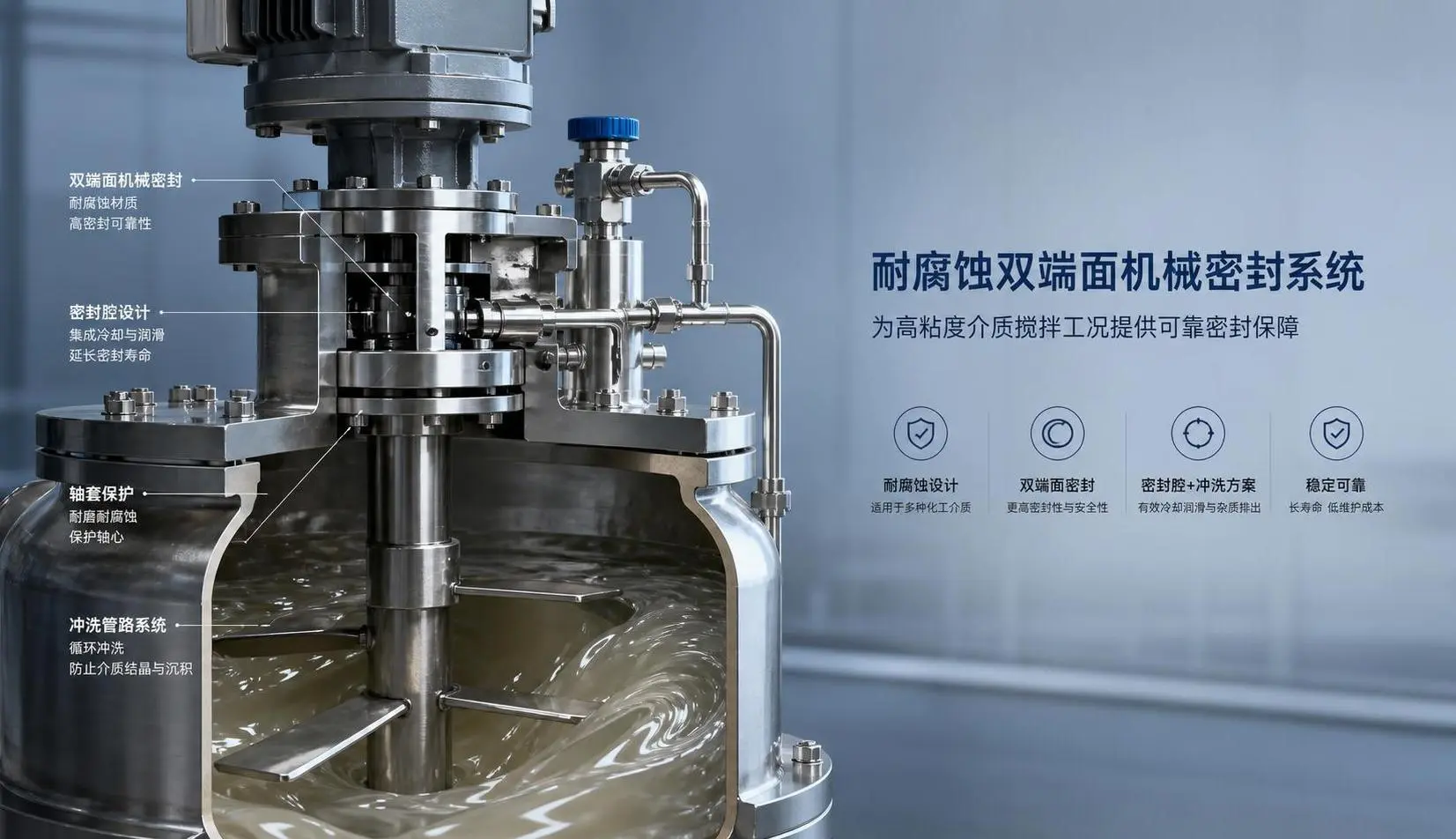
How to Select Mechanical Seals for Mixers in Corrosive or High-Viscosity Processes
Mechanical seals for mixers in corrosive or high-viscosity processes require the right materials, design, and support system. Learn how to choose a reliable seal and reduce leaks, downtime, and maintenance.
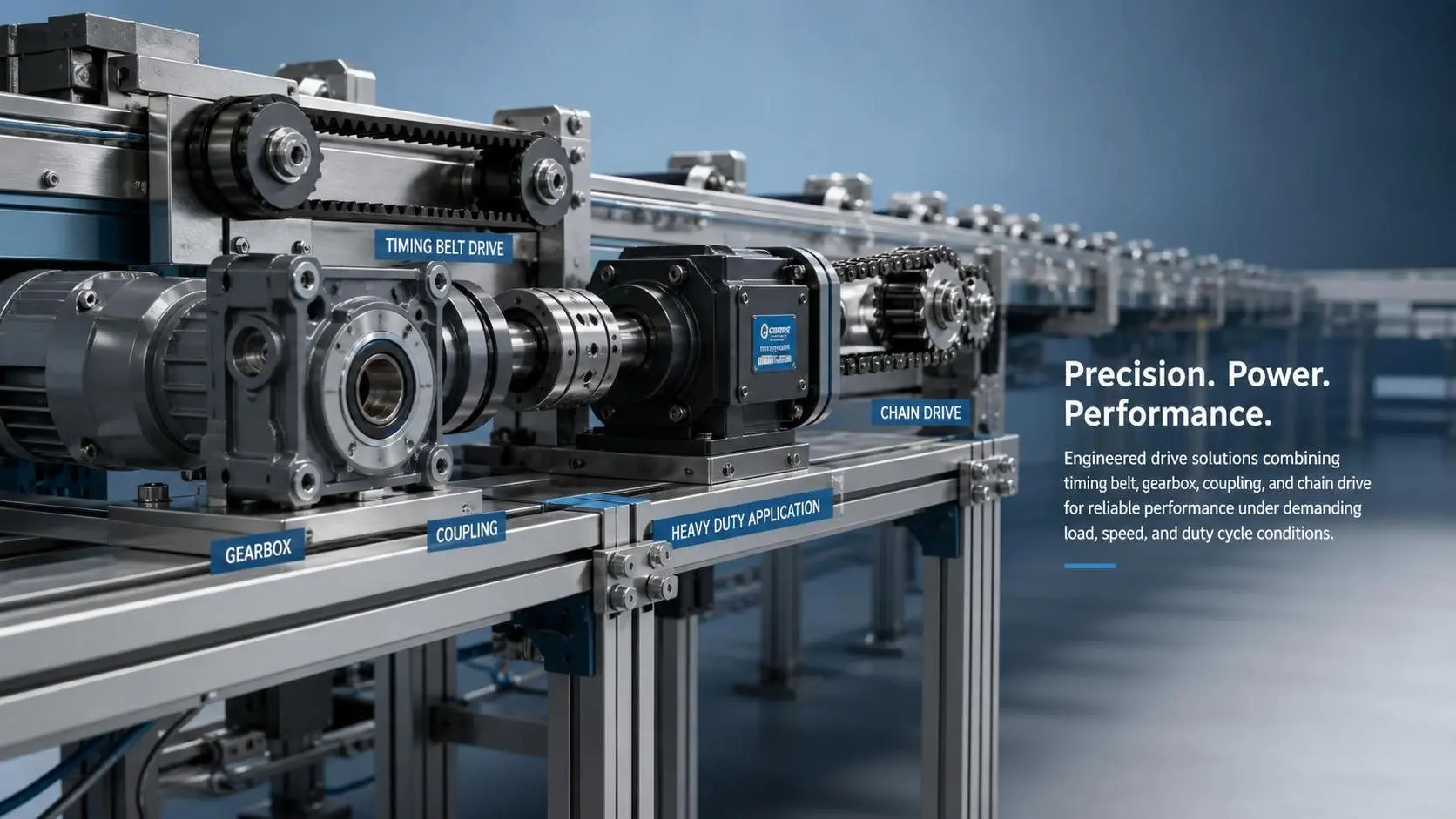
How to Select Automated Line Drive Components for Load, Speed, and Duty Cycle?
Automated line drive components selection starts with real load, speed, and duty cycle analysis. Learn how to reduce failures, improve reliability, and choose smarter for demanding production lines.