
Industry News
Curation by industry experts
Hot Articles
Popular Tags
Why low-maintenance transmission components fail early
Low-maintenance transmission components are specified to reduce downtime, labor, and lifecycle cost, yet many fail before expected service life.
The root cause is rarely one defective part. It is usually a chain of load, heat, lubrication, sealing, alignment, and operating assumptions.
This article explains why low-maintenance transmission components fail early and how better evaluation can improve industrial power transmission reliability.
Why low-maintenance transmission components fail early
The phrase “low-maintenance” often creates a dangerous expectation. It suggests reduced intervention, not immunity from wear, contamination, or installation error.
Low-maintenance transmission components still operate inside real mechanical systems. Those systems face torque variation, vibration, thermal cycling, dust, moisture, and human handling.
A sealed bearing, synchronous belt, coupling, gearbox, chain, or mechanical seal may be engineered for longer service intervals.
However, its design assumptions must match the actual machine environment. When they do not, premature failure becomes predictable.
For GPT-Matrix, this is a strategic intelligence issue. Mechanical efficiency depends on matching material science with transmission logic.
1. What does “low-maintenance” really mean in transmission systems?
Low-maintenance transmission components are designed to reduce scheduled service tasks. They may use improved materials, optimized geometry, or sealed lubrication systems.
Common examples include sealed-for-life bearings, wear-resistant belts, corrosion-resistant chains, pre-lubricated gear units, and advanced mechanical seals.
The value is clear. Fewer inspections and fewer lubrication events can reduce downtime, especially in automated production and remote equipment.
Yet low-maintenance transmission components are not maintenance-free. They still require correct selection, installation, monitoring, and operating discipline.
The problem begins when the label becomes a substitute for engineering verification. Reduced maintenance cannot compensate for poor duty-cycle analysis.
Key distinction
- Low-maintenance means service intervals are extended under defined conditions.
- Maintenance-free implies no service requirement, which is rarely realistic.
- Long-life performance depends on system-level compatibility.
In power transmission, every component inherits the weaknesses of the surrounding system. A premium part can still fail in a poor installation.
2. How do load profiles cause early failure?
Many low-maintenance transmission components are selected from catalog ratings. These ratings often assume steady load, controlled temperature, and proper alignment.
Real machines rarely behave so politely. They accelerate, stop, reverse, jam, vibrate, and absorb shock from upstream processes.
A component sized for average torque may be overloaded by peak torque. That difference can shorten life dramatically.
For belts, overload may cause tooth shear, cracking, or tension loss. For gears, it can create pitting or root fatigue.
For couplings, shock loads can damage elastomer inserts or metallic flex elements. For chains, impact can accelerate pin and bushing wear.
Practical evaluation questions
- Is the component rated for peak load, not only average load?
- Are start-stop cycles included in the life calculation?
- Does the system experience reversing torque or emergency braking?
- Are service factors based on real operating data?
Low-maintenance transmission components need accurate duty-cycle information. Without it, the selected part may be optimized for the wrong reality.
3. Why do lubrication assumptions create hidden risk?
Lubrication is one of the most common reasons low-maintenance transmission components fail early. The risk is often hidden at the specification stage.
Pre-lubricated parts rely on a carefully chosen grease or oil. Its viscosity, additive package, and thermal stability must fit the application.
If temperature rises beyond the design envelope, lubricant film strength declines. Oxidation may increase, and grease can harden or bleed.
In gear reducers, incorrect oil level or viscosity can trigger micropitting, overheating, and seal degradation. In bearings, starvation creates metal contact.
Low-maintenance transmission components are especially vulnerable when access is difficult. Because inspection is infrequent, early lubrication distress may go unnoticed.
Warning signs to monitor
- Unusual temperature rise during normal load.
- Darkened grease, oil leakage, or dry residue.
- Increasing vibration near bearing or gear locations.
- Noise changes after speed or load transitions.
A realistic lubrication strategy should include thermal mapping, lubricant compatibility checks, and inspection intervals based on severity.
4. How do alignment and installation errors defeat long-life design?
Even the best low-maintenance transmission components can fail rapidly after poor installation. Misalignment is a classic example.
Shaft offset, angular error, soft foot, incorrect belt tension, and poor pulley parallelism introduce extra stress.
These stresses are not always visible during commissioning. The machine may run, but the component life is already compromised.
A belt may track unevenly and develop edge wear. A coupling may heat and transmit vibration into bearings.
A gearbox may suffer uneven tooth contact. A mechanical seal may face shaft runout beyond its tolerance.
Installation controls that matter
- Use laser alignment or validated mechanical alignment tools.
- Record belt tension, shaft runout, and pulley condition.
- Confirm fastener torque and mounting surface flatness.
- Recheck alignment after thermal stabilization.
Low-maintenance transmission components require disciplined installation. A small setup error can erase the benefit of advanced materials.
5. What role do contamination and sealing performance play?
Contamination is a silent killer in industrial power transmission. Dust, water, abrasive particles, chemicals, and process residues all attack reliability.
Low-maintenance transmission components often depend on seals to preserve internal lubrication and block external contaminants.
When sealing performance is underestimated, failure accelerates. Fine particles can destroy lubricant films and create three-body abrasion.
Water can emulsify lubricants, promote corrosion, and reduce fatigue life. Chemicals may swell elastomers or degrade seal lips.
Washdown environments, mining equipment, food processing, packaging lines, and outdoor conveyors all require specific sealing choices.
Sealing questions before selection
- What contaminants are present, and how fine are they?
- Is the equipment exposed to water spray or pressure washing?
- Are seal materials compatible with process chemicals?
- Can inspection confirm seal wear before failure?
Low-maintenance transmission components should be matched with sealing systems, not selected as isolated mechanical parts.
6. How can better supplier data prevent premature failure?
Supplier data quality directly affects selection accuracy. Generic life claims are less useful than transparent test conditions.
Reliable data should explain load limits, temperature ranges, lubrication conditions, material grades, seal design, and testing standards.
Low-maintenance transmission components should be evaluated through documented assumptions. This supports fair comparison between competing solutions.
Look for application notes, derating curves, failure-mode guidance, and field performance references in similar operating environments.
GPT-Matrix emphasizes intelligence stitching across material science, tribology, motion control, and industrial economics for this reason.
Better decisions emerge when product data is connected to energy cost, lifecycle cost, downtime risk, and supply-chain resilience.
Common issue and corrective action table
FAQ: practical questions about low-maintenance transmission components
Are low-maintenance transmission components worth the higher initial cost?
They can be worth it when downtime, access difficulty, safety risk, or lubrication labor creates high lifecycle cost.
The business case should compare total cost, not unit price. Include replacement labor, lost production, energy use, and failure risk.
Which applications benefit most from low-maintenance transmission components?
Automated lines, continuous conveyors, heavy equipment, remote pumps, packaging machinery, and harsh-environment drives often benefit strongly.
The strongest candidates combine high downtime cost with predictable operating conditions and limited maintenance access.
What is the biggest selection mistake?
The biggest mistake is selecting by catalog life alone. Real machine conditions must be translated into engineering requirements.
Low-maintenance transmission components should be chosen after reviewing load spectrum, alignment tolerance, contamination, temperature, and inspection feasibility.
Can predictive maintenance replace scheduled inspection?
Predictive tools help, but they do not remove the need for baseline checks. Sensors must be linked to meaningful failure indicators.
Vibration, temperature, acoustic, and lubricant data are most valuable when compared against known operating patterns.
Conclusion: how to reduce early failure risk
Low-maintenance transmission components fail early when expectations outrun engineering reality. Reduced service does not cancel physics, contamination, heat, or installation error.
A stronger approach begins with duty-cycle data, realistic load factors, verified alignment, appropriate lubrication, and robust sealing analysis.
Supplier claims should be tested against operating evidence. Field data, derating guidance, and failure-mode transparency are essential decision inputs.
For industrial systems pursuing Industry 4.0 and green manufacturing, reliability is not accidental. It is designed, measured, and continuously refined.
Use a structured review before specifying low-maintenance transmission components. Confirm the environment, quantify the load, challenge assumptions, and document every maintenance boundary.
With disciplined evaluation, low-maintenance transmission components can deliver their intended value: less downtime, longer service life, and stronger mechanical efficiency.
Recommended News
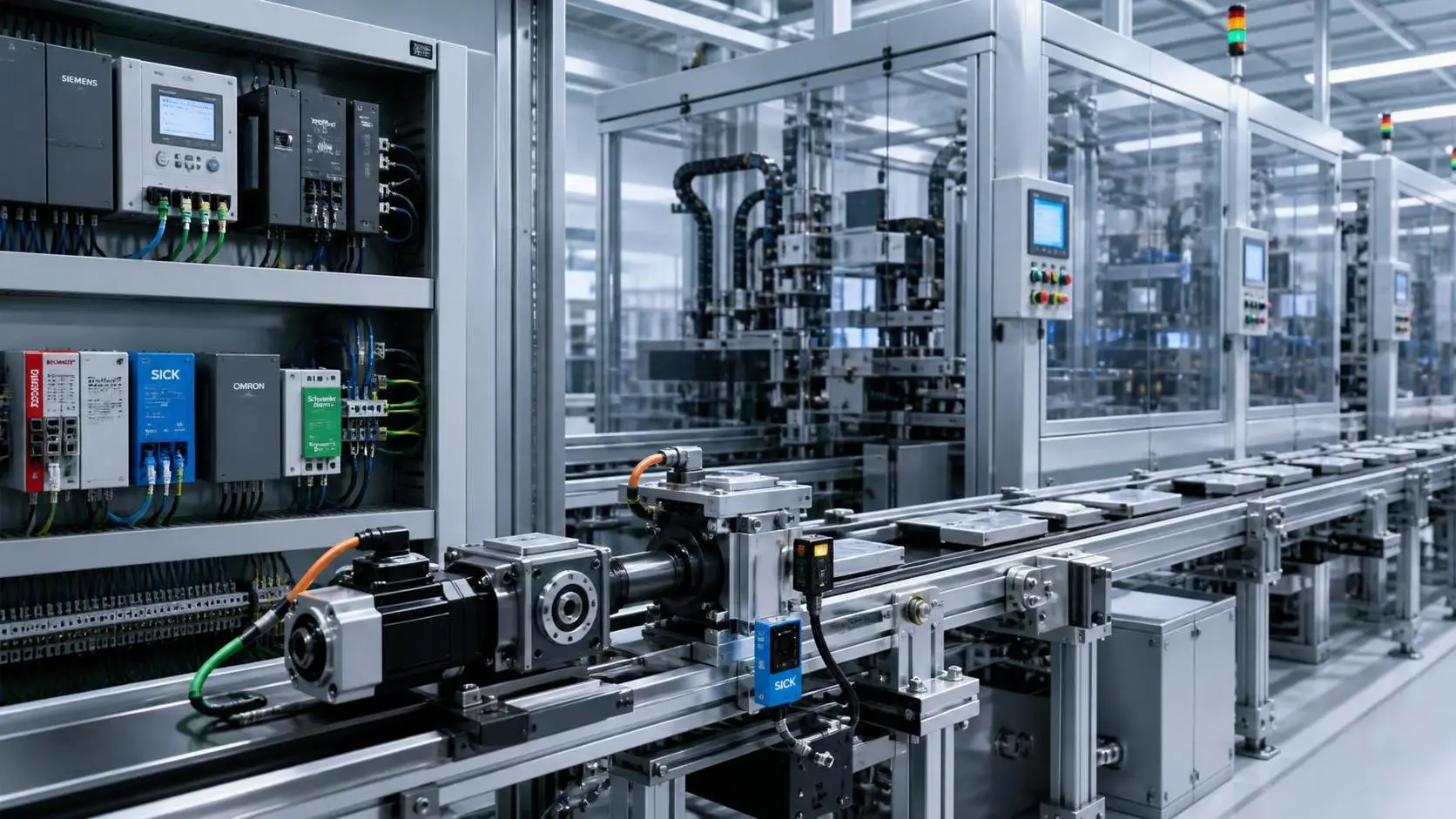
How to Integrate Industrial Automation Components Across Multi-Vendor Systems
Industrial automation components integration made practical: learn how to align multi-vendor controls, mechanics, networks, and diagnostics for reliable, scalable machine performance.
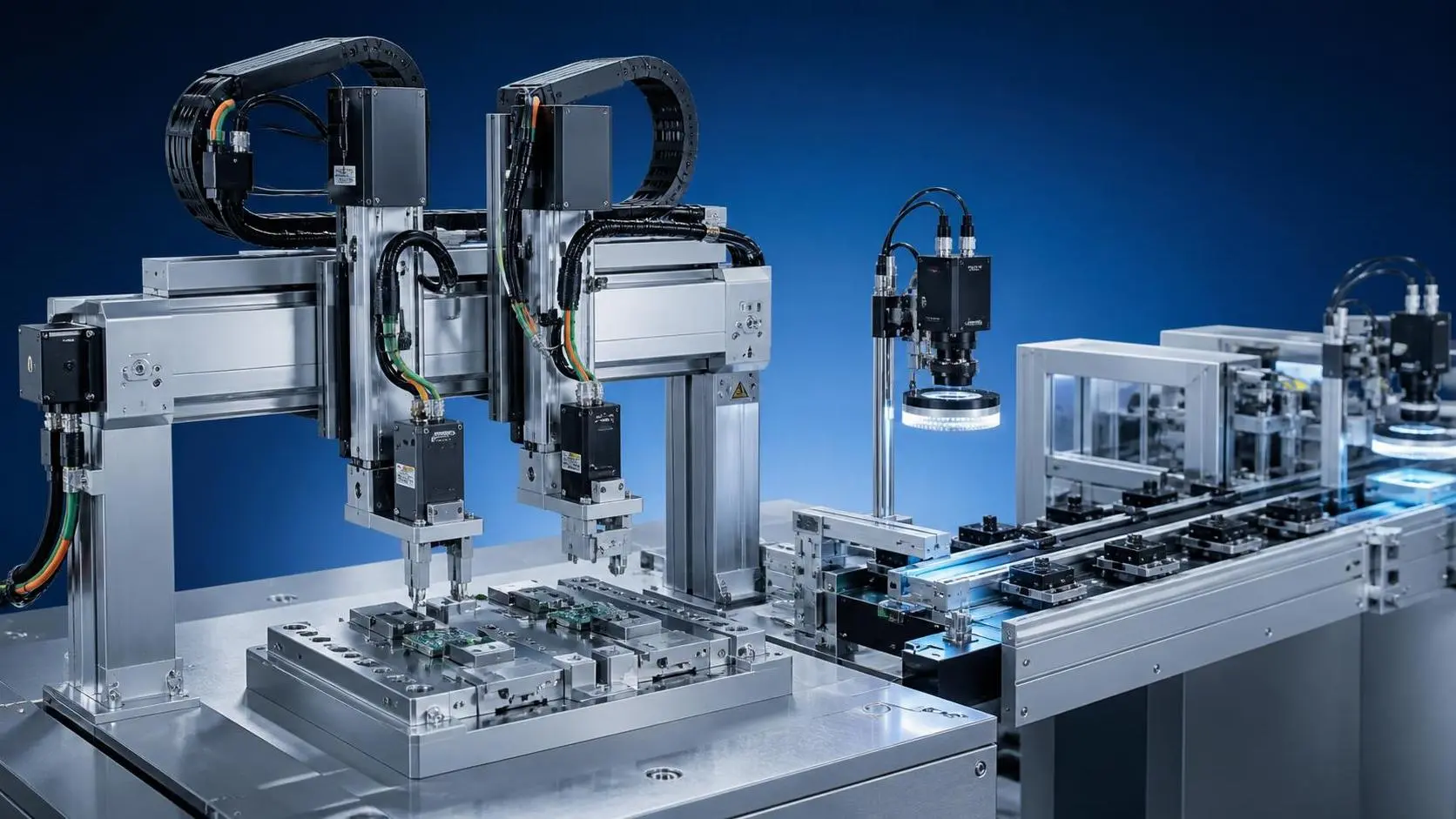
Where Linear Motors Deliver the Greatest Gains in High-Speed Automation
Explore motion control applications where linear motors boost speed, precision, and uptime. Compare high-ROI use cases, integration risks, and selection strategies.
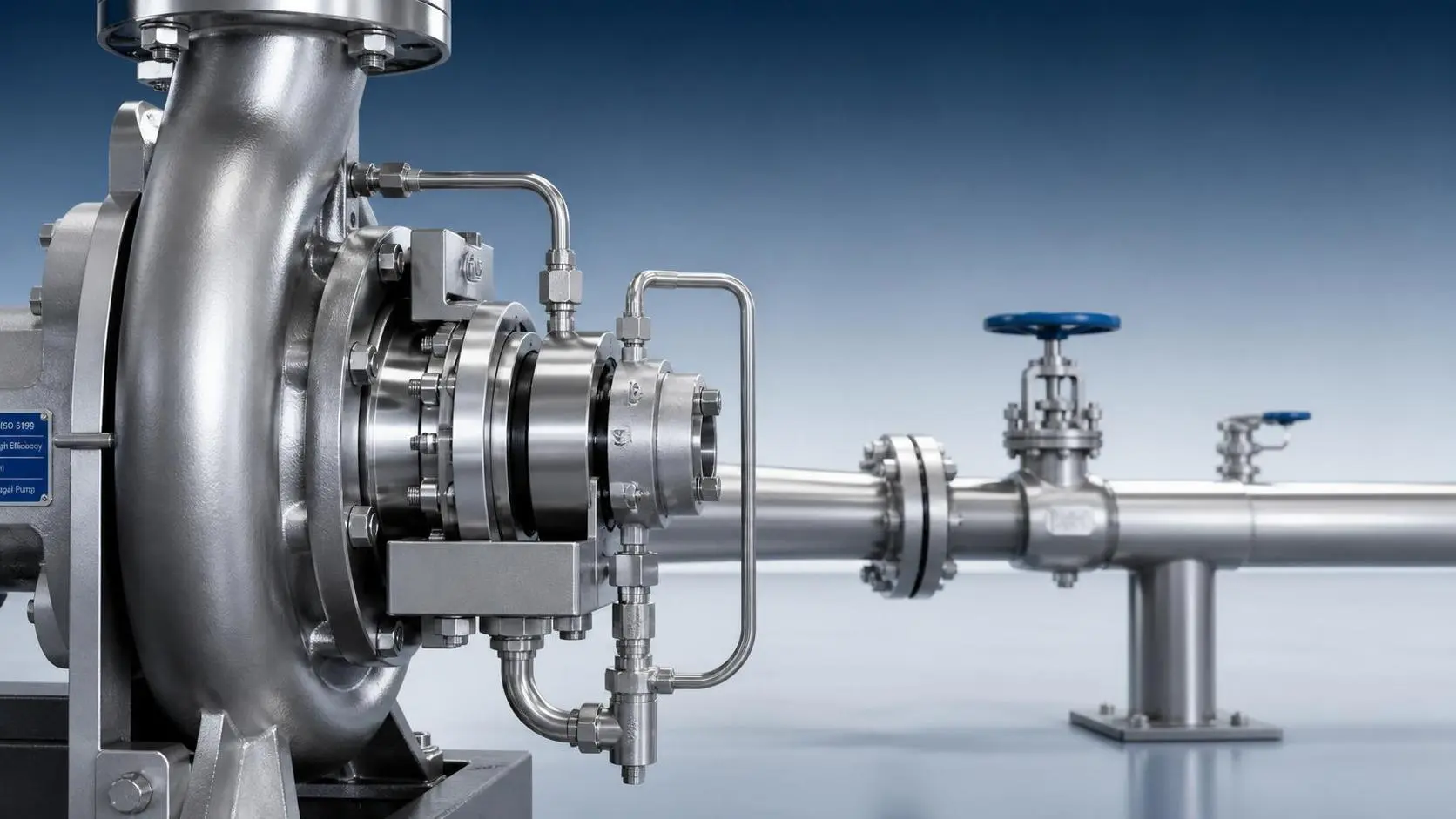
Selecting Split Mechanical Seals for Large Pumps: Shaft Size, Pressure, and Downtime
Split mechanical seals for large pumps: evaluate shaft size, pressure, fluid duty, and installation access to reduce downtime and improve sealing reliability.
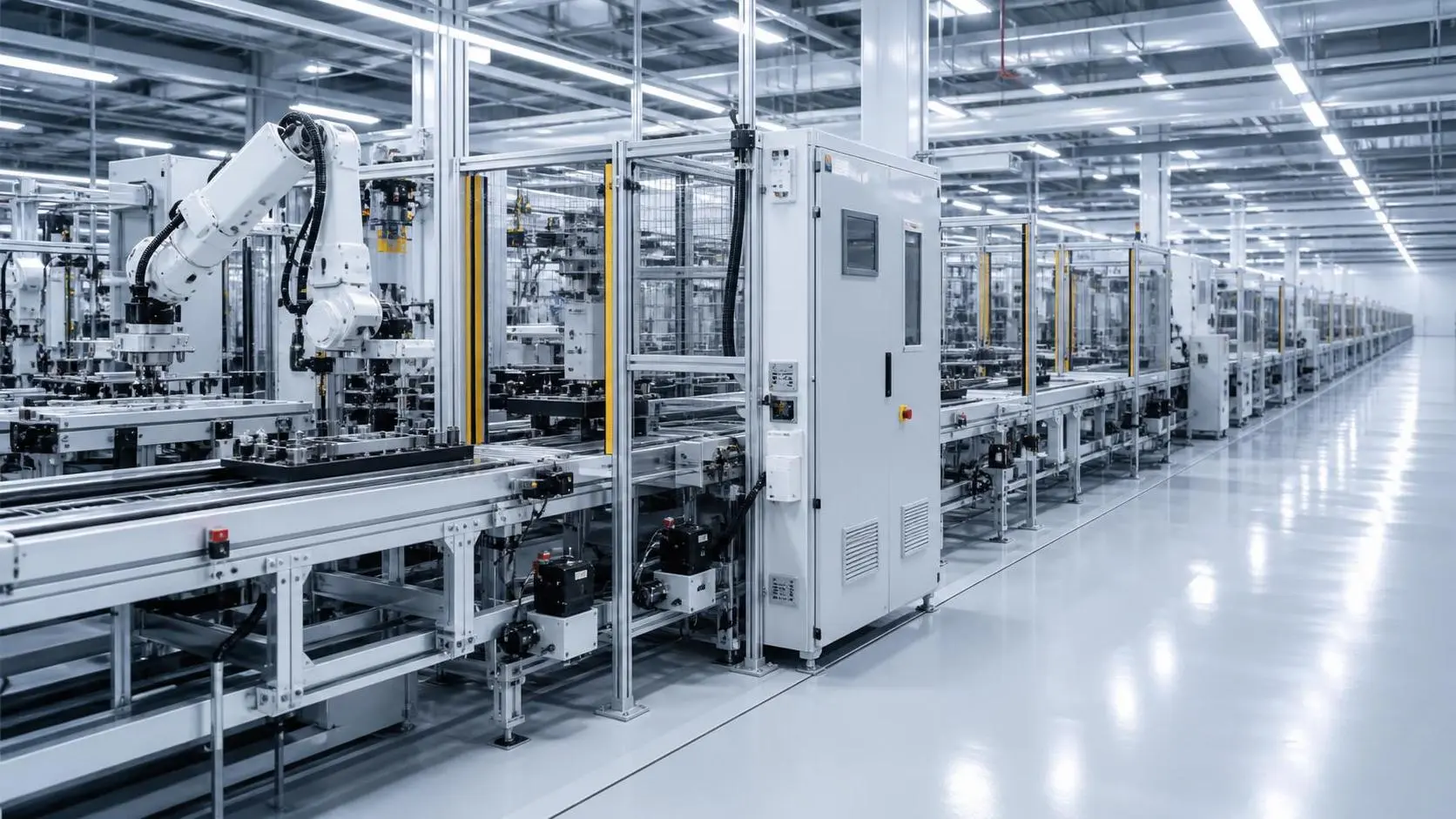
How to Evaluate an Automated Production Supplier for a High-Uptime Manufacturing Line
Automated production supplier evaluation guide: assess uptime, maintainability, lifecycle cost, service support, and acceptance criteria for reliable manufacturing.
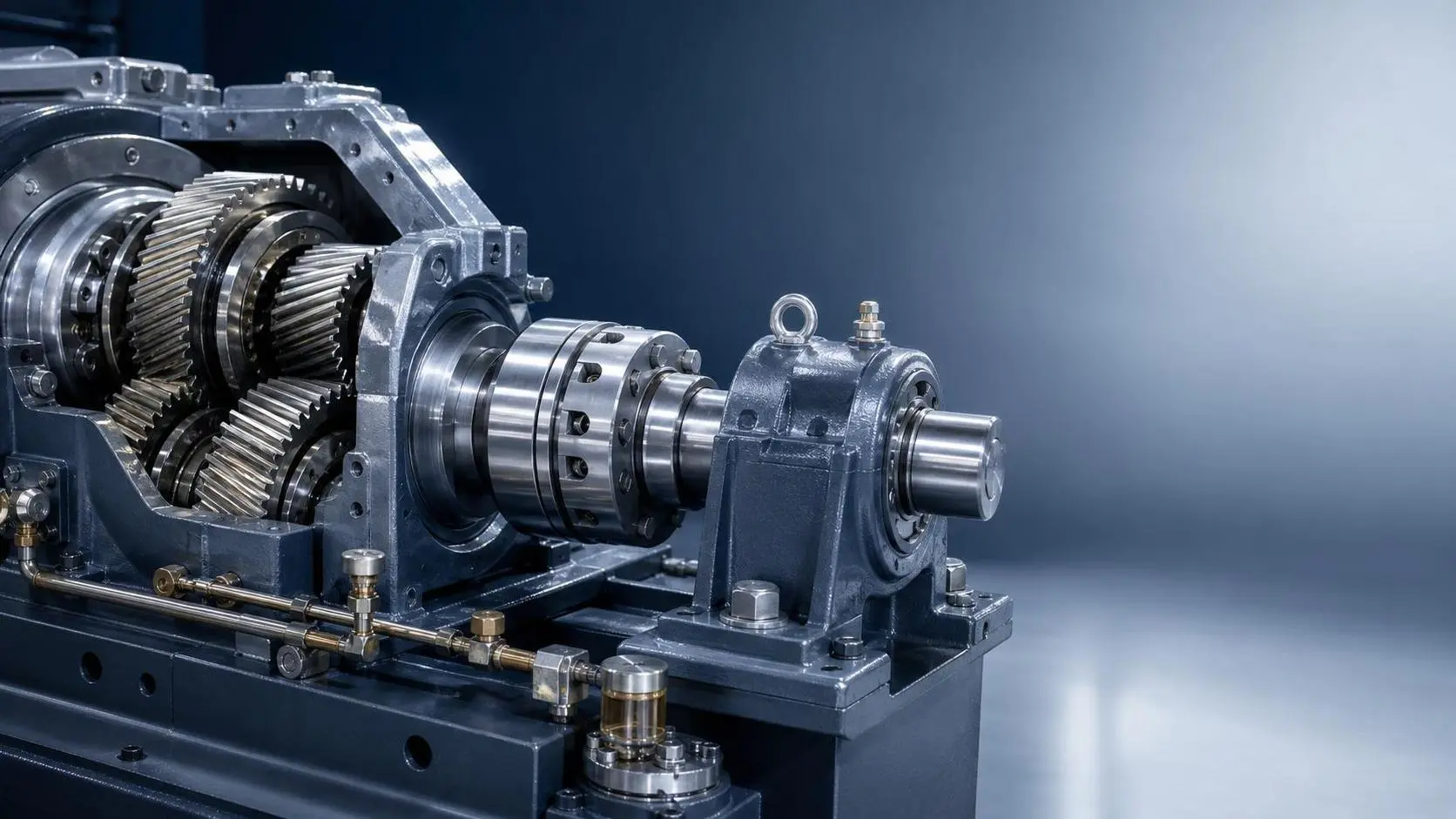
Designing Reliable Mechanical Transmissions: Load, Lubrication, and Fatigue Factors
Reliability in mechanical transmission design starts with real duty cycles. Explore load, lubrication, alignment, and fatigue factors for longer service life.
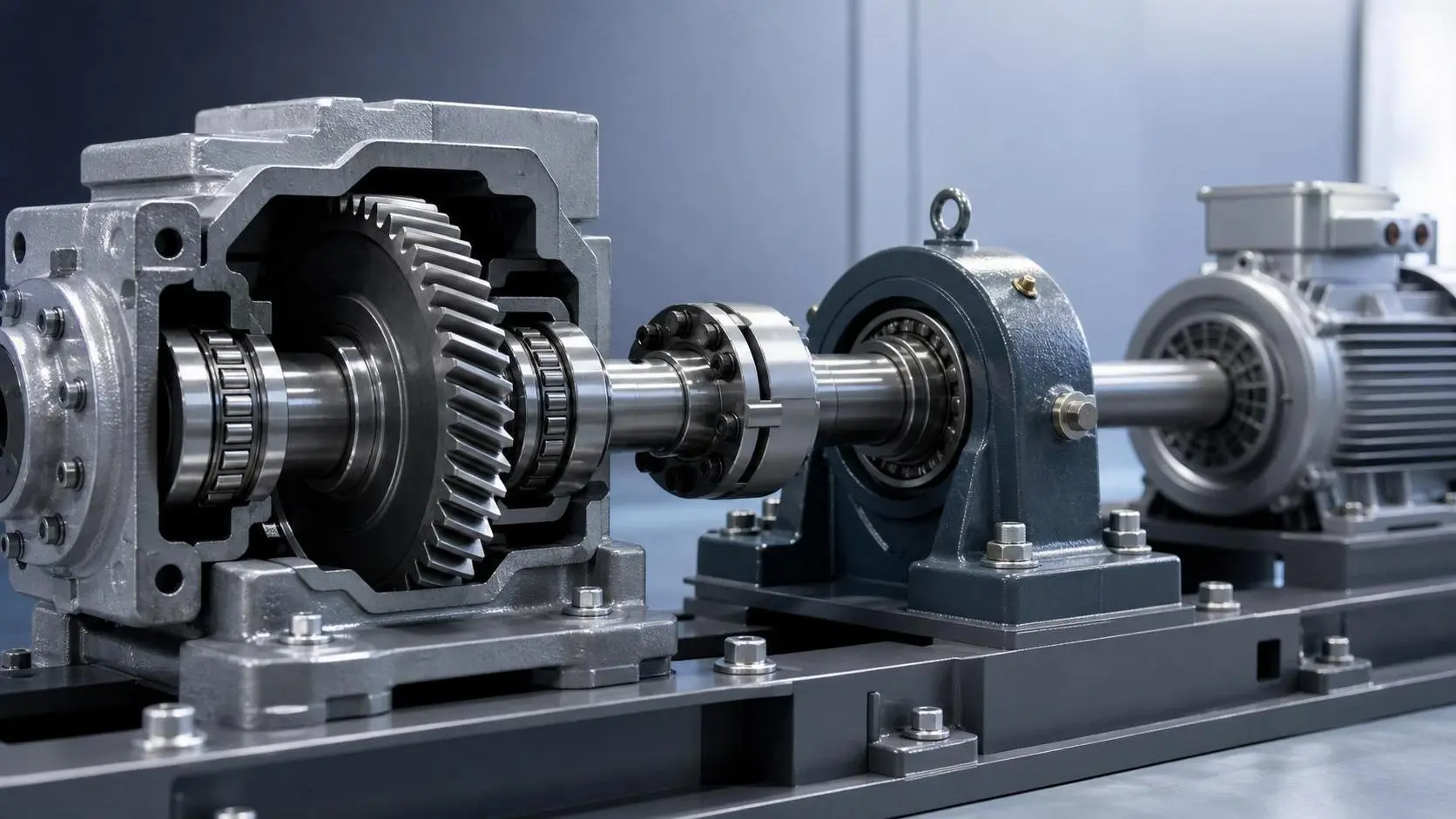
How to Define Load Requirements in Component Specifications for Safe Selection
Component specification guidance for load requirements: define load paths, duty cycles, peaks, environmental limits, and safety margins for safer component selection.
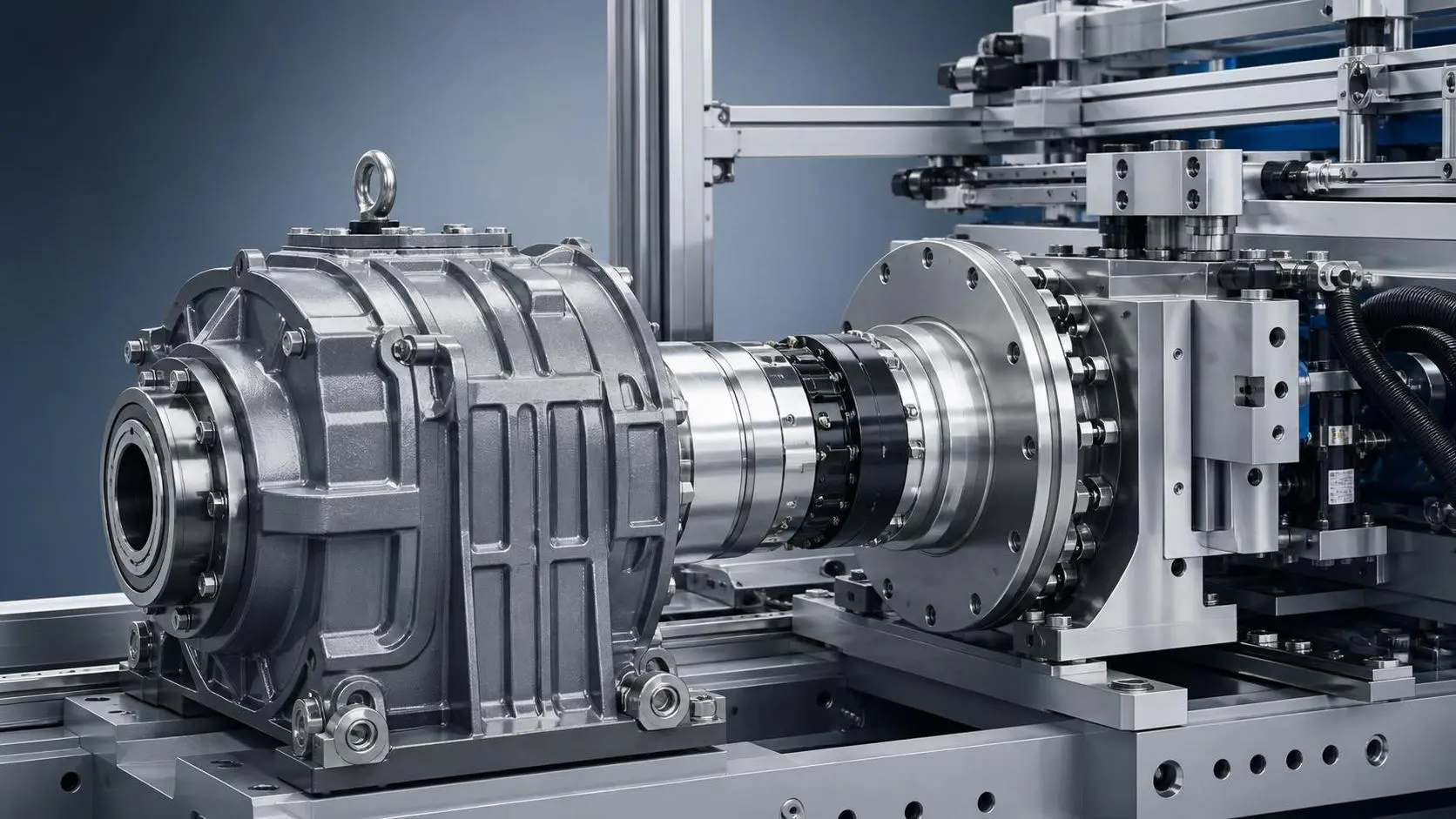
How to Evaluate Precision Engineered Transmissions for High-Load Industrial Systems
Precision engineered transmissions for high-load systems: learn how to assess load profiles, thermal limits, sealing, stiffness, and lifecycle reliability for smarter industrial decisions.
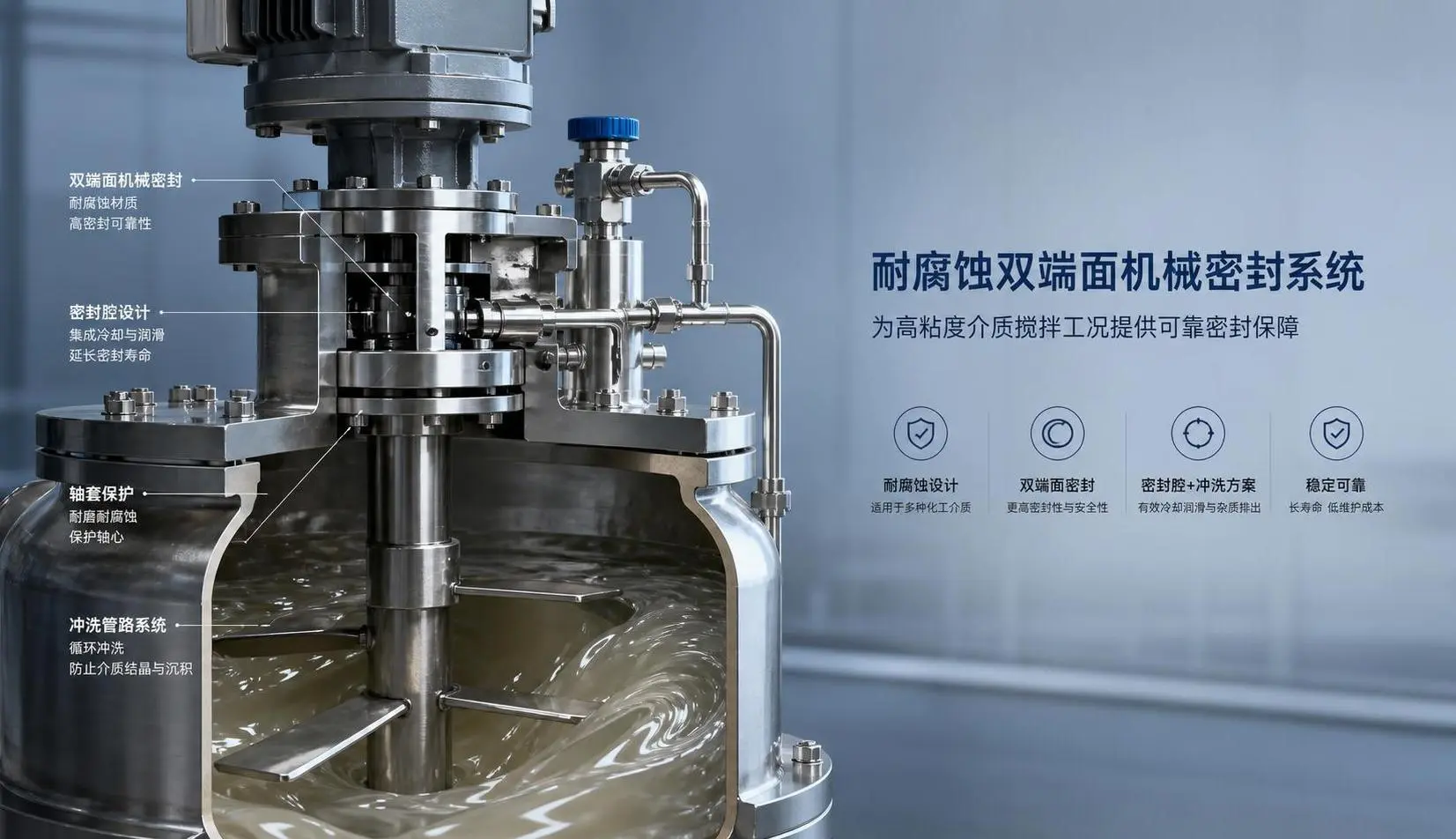
How to Select Mechanical Seals for Mixers in Corrosive or High-Viscosity Processes
Mechanical seals for mixers in corrosive or high-viscosity processes require the right materials, design, and support system. Learn how to choose a reliable seal and reduce leaks, downtime, and maintenance.
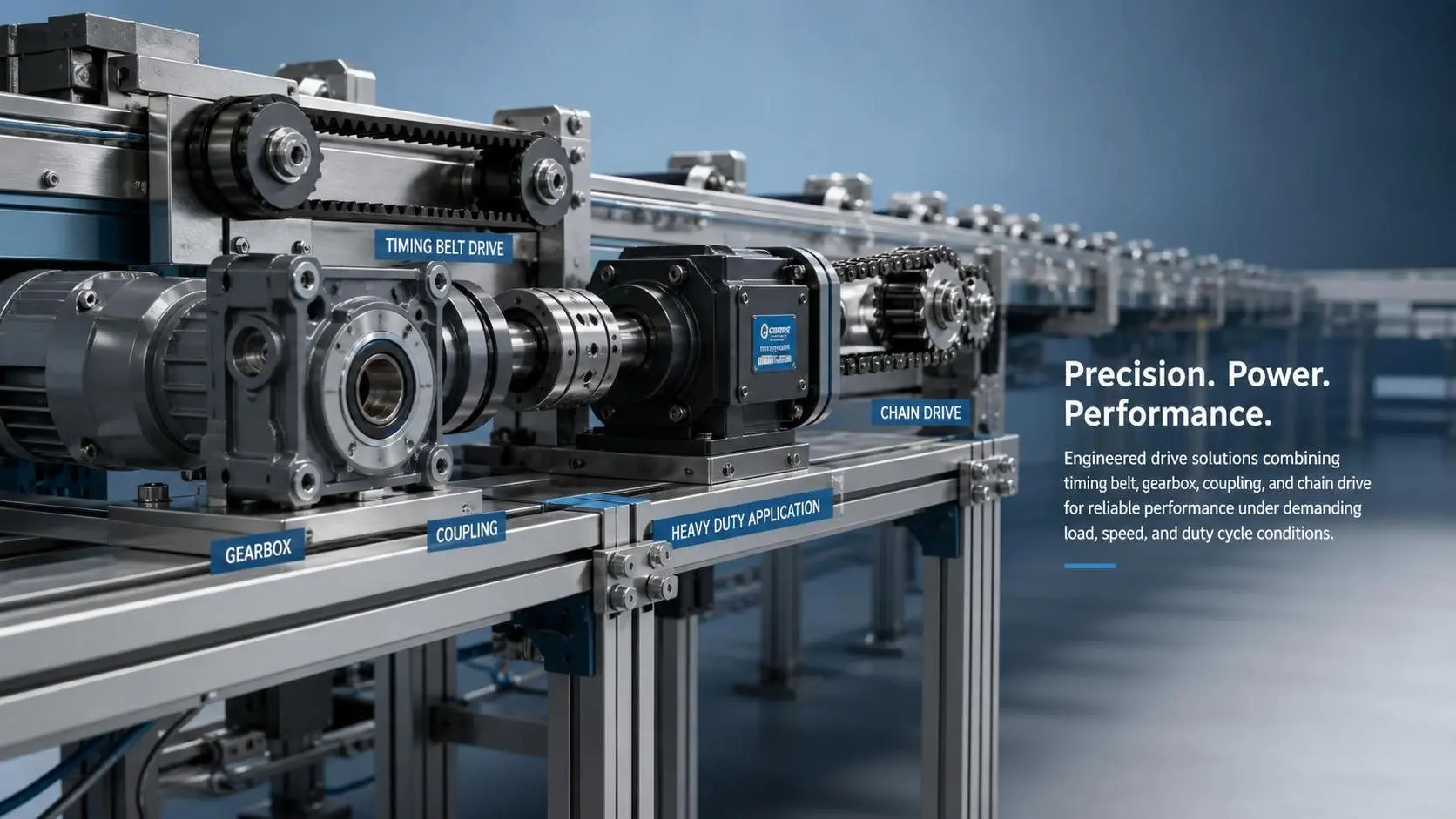
How to Select Automated Line Drive Components for Load, Speed, and Duty Cycle?
Automated line drive components selection starts with real load, speed, and duty cycle analysis. Learn how to reduce failures, improve reliability, and choose smarter for demanding production lines.