
Industry News
Curation by industry experts
Hot Articles
Popular Tags
Which seals last longer under extreme operating stress?
Under extreme operating stress, seal life is shaped by more than hardness or heat resistance. Real durability depends on pressure balance, shaft motion, fluid chemistry, cooling, and installation accuracy.
When leakage can stop production or trigger safety events, understanding seal behavior becomes a practical reliability task. This is why mechanical seals for extreme conditions manufacturers focus on system performance, not material claims alone.
This guide answers the most common questions about seal longevity under severe duty. It also explains how to compare options, avoid failure patterns, and choose solutions that survive real industrial stress.
What actually determines whether a seal lasts longer under extreme operating stress?
Seal life starts with operating context. Temperature swings, dry running, abrasive solids, pressure spikes, and shaft deflection all influence wear far more than a catalog rating suggests.
Face material matters, but face stability matters more. A hard face pair can still fail early if thermal distortion opens a leak path or creates uneven contact pressure.
Balanced seal designs often last longer at higher pressure. They reduce closing force at the faces, lower frictional heat, and improve survival when loads become unstable.
Secondary seals also affect service life. Elastomers must tolerate process media, vapor exposure, and temperature cycling without swelling, cracking, or compression set.
Support systems are equally important. Flush plans, barrier fluids, and cooling arrangements can transform a marginal seal into a stable long-life sealing system.
- Pressure balance and face loading
- Media compatibility and solids content
- Shaft runout, vibration, and misalignment
- Heat removal and lubrication regime
- Installation precision and startup conditions
Which seal types usually perform best in severe service applications?
No single seal wins in every harsh environment. The best choice depends on whether the stress comes from temperature, pressure, slurry abrasion, chemical attack, or intermittent dry running.
Mechanical seals in high-pressure and high-speed duty
Balanced cartridge mechanical seals often deliver the most predictable service life. They simplify installation and keep critical dimensions controlled, which reduces human error during maintenance.
Dual mechanical seals are common where leakage risk is unacceptable. With a proper barrier fluid, they handle toxic, flammable, or crystallizing media more safely.
Seals for abrasive or dirty media
In slurry service, hard face combinations such as silicon carbide versus silicon carbide are often favored. Their wear resistance helps, but flushing and solids management remain essential.
Split seals may reduce downtime in large equipment, yet they are not always the longest-lasting choice under severe dynamic stress. Application severity must guide the decision.
Alternatives beyond mechanical seals
Packing can survive dirty, forgiving services, but it usually leaks more and needs adjustment. Lip seals work for lower-pressure rotating duties, though extreme heat and pressure limit them.
For critical rotating equipment, mechanical seals for extreme conditions manufacturers typically prioritize engineered mechanical systems over simpler sealing methods because reliability expectations are higher.
How do material choices affect longevity in harsh environments?
Material selection should match the real failure mechanism. Heat, corrosion, blistering, erosion, and thermal shock each demand a different engineering response.
Silicon carbide offers strong hardness, corrosion resistance, and thermal conductivity. It is widely chosen for chemically aggressive or abrasive services where stable face performance matters.
Tungsten carbide can resist impact and wear very well. It is often useful where solids, vibration, or rough mechanical conditions may chip more brittle materials.
Carbon grades remain important because they provide self-lubricating behavior. In many face pairs, carbon helps manage friction, but its limits depend on media and temperature.
Elastomers require equal attention. FKM, EPDM, and FFKM each have different strengths. A premium face set cannot compensate for an O-ring that swells or hardens prematurely.
What are the most common reasons seals fail early, even when specifications look correct?
Early failure often comes from hidden system issues. The seal is blamed, but the root cause may be vibration, cavitation, pipe strain, poor venting, or unstable process temperatures.
Dry running is one of the fastest ways to destroy seal faces. Even short periods without lubrication can cause heat spikes, face cracking, and carbon damage.
Incorrect installation also shortens life. Damaged O-rings, poor shaft surface condition, and improper setting length create problems that may not appear until startup.
Many harsh applications fail because support plans are underdesigned. Dirty flush fluid, wrong barrier pressure, or poor cooler performance can erase the benefits of premium seal materials.
Experienced mechanical seals for extreme conditions manufacturers usually investigate the entire rotating system. They know a seal lasts longer when the equipment environment is controlled.
- Assuming harder materials always mean longer life
- Ignoring transient pressure or thermal cycling
- Selecting elastomers only by temperature rating
- Skipping alignment and runout checks
- Treating flushing as optional in dirty service
How should severe-service seals be evaluated before selection?
Start with the full operating envelope, not average conditions. Minimum flow, startup temperature, upset pressure, and shutdown behavior can decide seal survival more than steady-state values.
Review the media in detail. Viscosity, solids size, vapor pressure, corrosiveness, and crystallization tendency all affect face design, materials, and required support systems.
Then assess equipment behavior. Shaft deflection, bearing condition, seal chamber geometry, and available utilities influence whether a standard cartridge seal is enough.
Service life expectations should be realistic. If the process is unstable, the target may be risk reduction and predictable maintenance intervals rather than maximum calendar life.
Are higher-cost sealing systems always the better long-life option?
Not always. The best value comes from total lifecycle performance, not purchase price alone. A premium seal is justified when failure consequences are expensive or hazardous.
In moderate service, a simpler configuration may outperform an advanced design that is poorly supported. Complexity only helps when the operating problem truly requires it.
Cost analysis should include leakage losses, downtime, labor, spare inventory, utility consumption, and compliance exposure. This broader view often changes the apparent economics.
That is where strong engineering support matters. Leading mechanical seals for extreme conditions manufacturers usually help translate process risk into a practical sealing strategy.
Quick FAQ summary
The longest-lasting seal under extreme stress is the one engineered for the whole duty cycle. Design balance, support systems, media fit, and installation discipline all matter together.
When comparing options, focus on failure modes, not marketing labels. The best path is to document real operating extremes and validate them with trusted technical guidance.
For high-risk rotating equipment, review sealing performance with data from experienced mechanical seals for extreme conditions manufacturers. Better decisions begin with a complete system view.
Recommended News
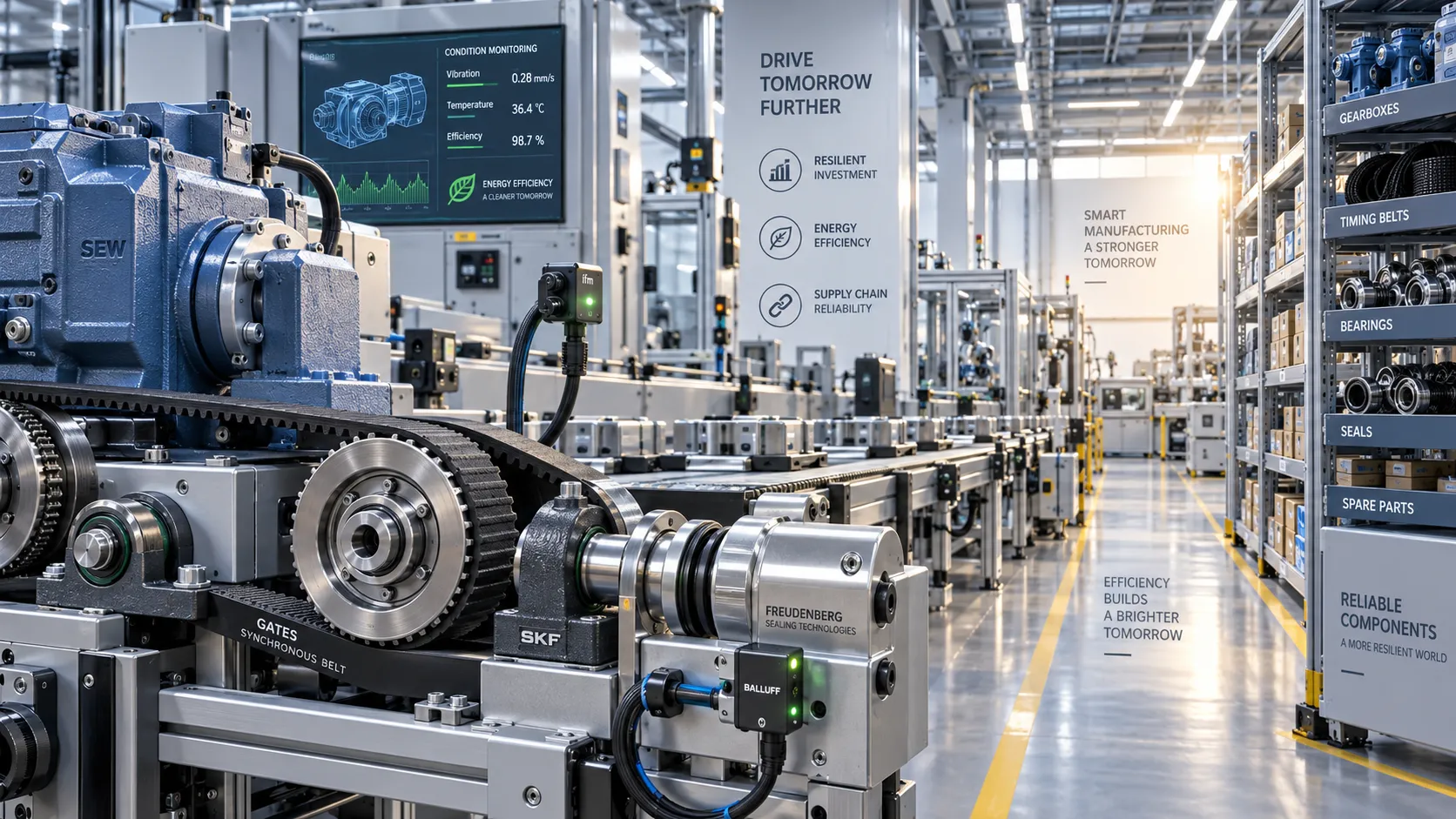
Industrial Economy Trends Shaping Capital Investment and Supply Chain Risk in 2026
Industrial economy trends for 2026 reveal how resilient capital investments, energy efficiency, and supply-chain strategies can protect uptime and strengthen returns.
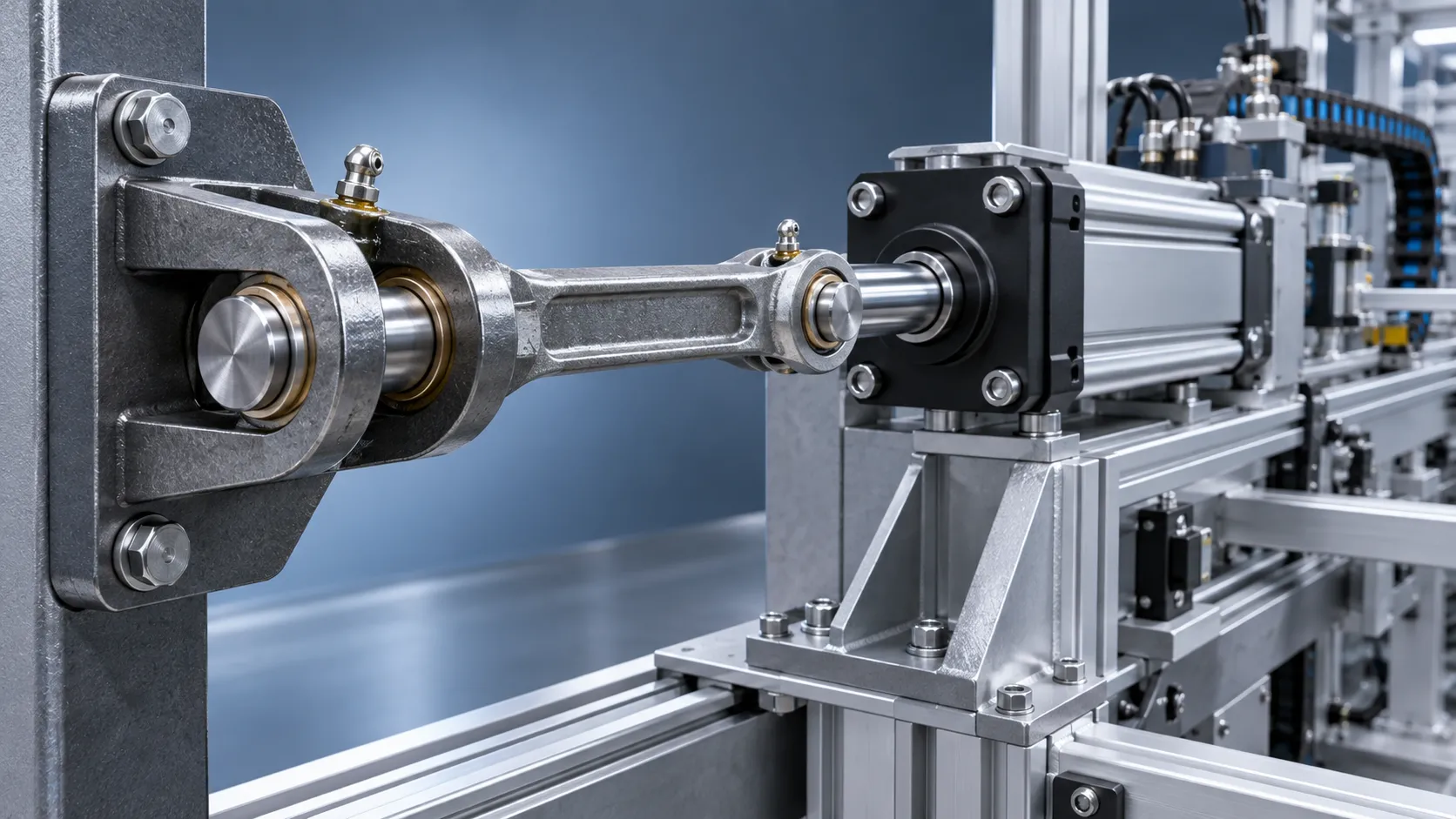
Mechanical Linkage Design: How to Balance Load Capacity, Motion Accuracy, and Wear
Mechanical linkage design guide: balance load capacity, motion accuracy, and wear with practical insights on geometry, joints, tolerances, lubrication, and service life.
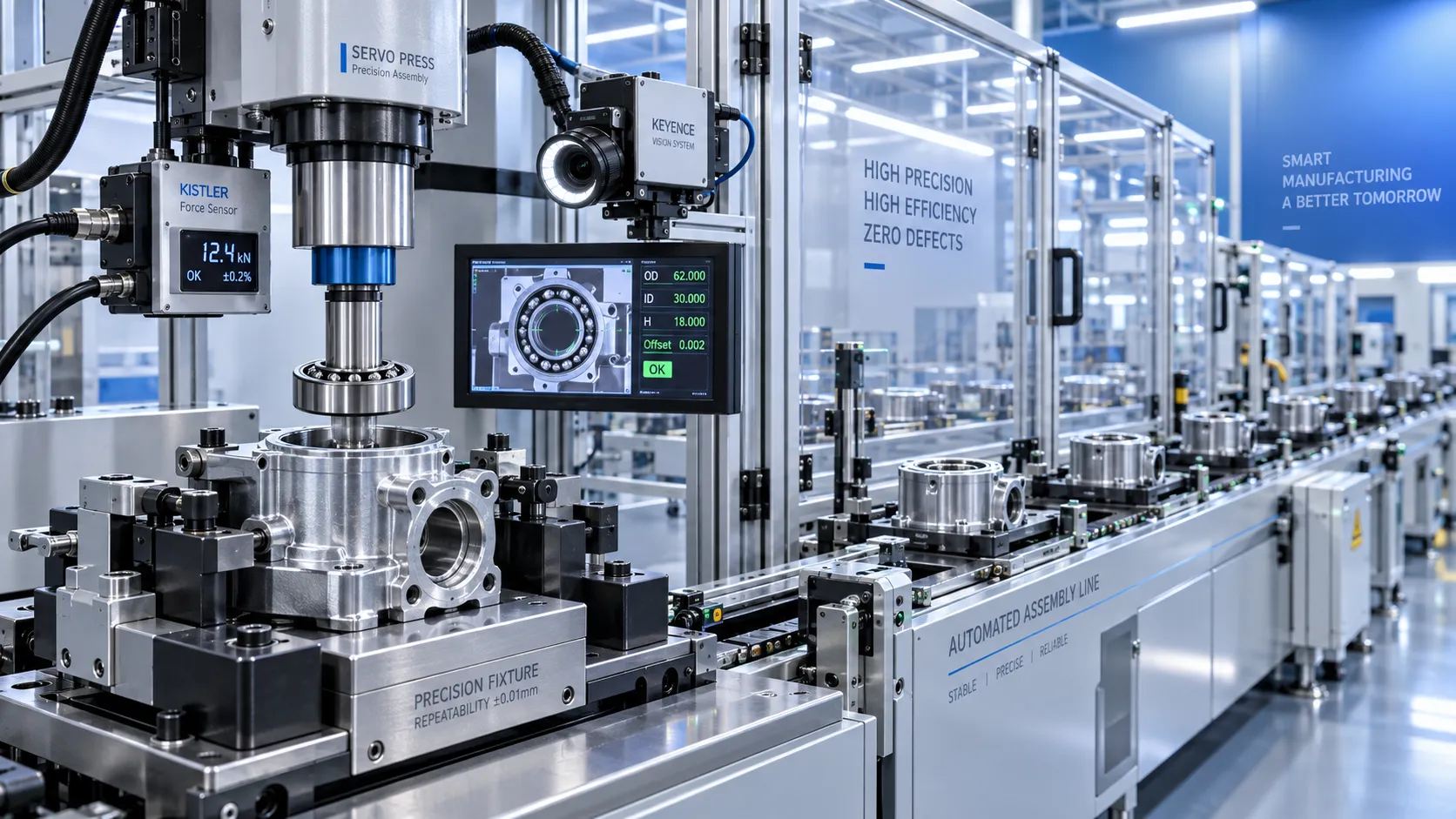
How Precision Automated Production Improves Quality Control in High-Volume Assembly
Precision automated production strengthens quality control in high-volume assembly with real-time verification, traceability, and safer defect containment.
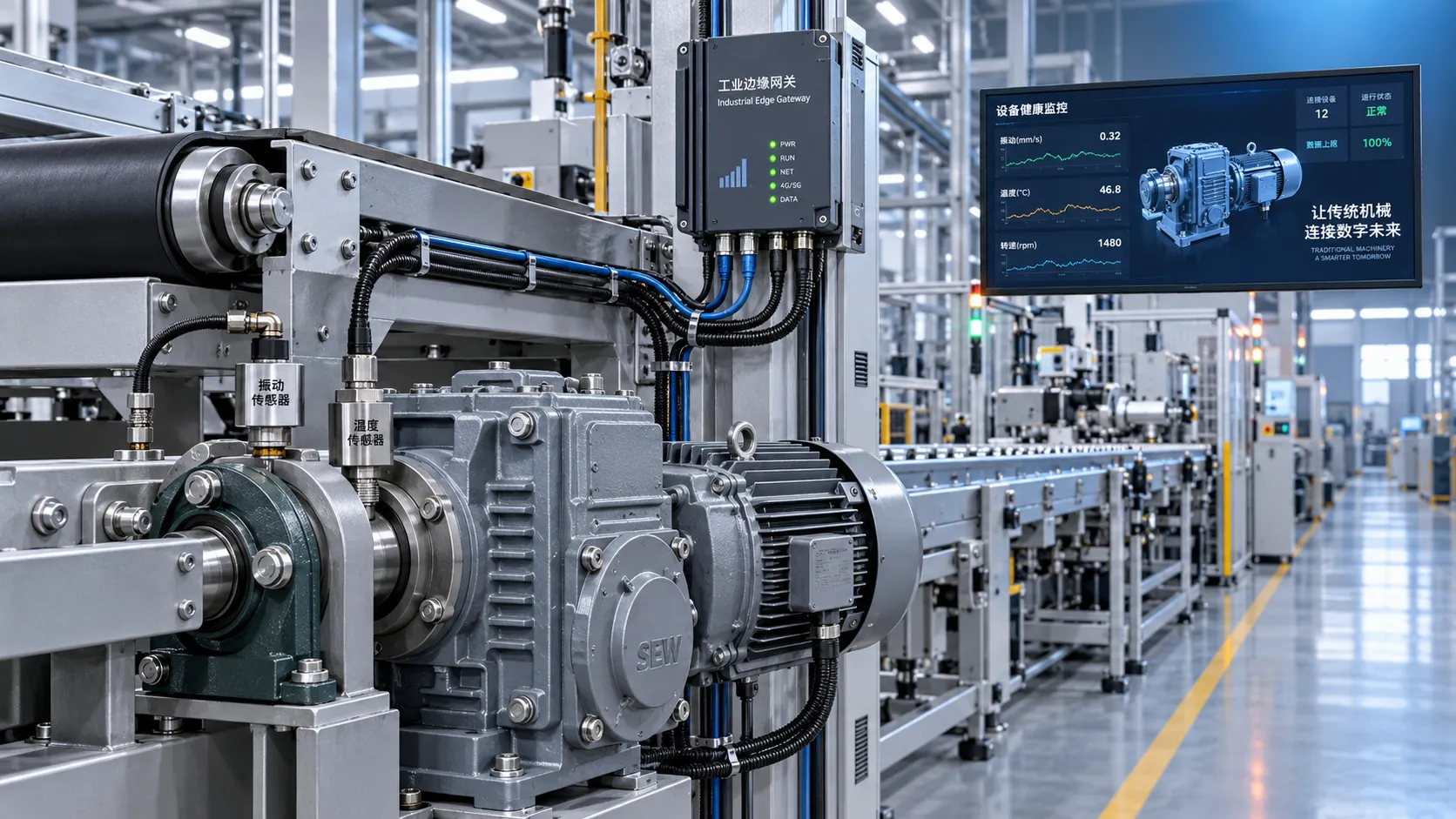
Industry 4.0 Integration: A Roadmap for Connecting Legacy Machines and Data
Industry 4.0 integration roadmap for connecting legacy machines, improving data visibility, reducing downtime, and scaling secure, measurable operational performance.
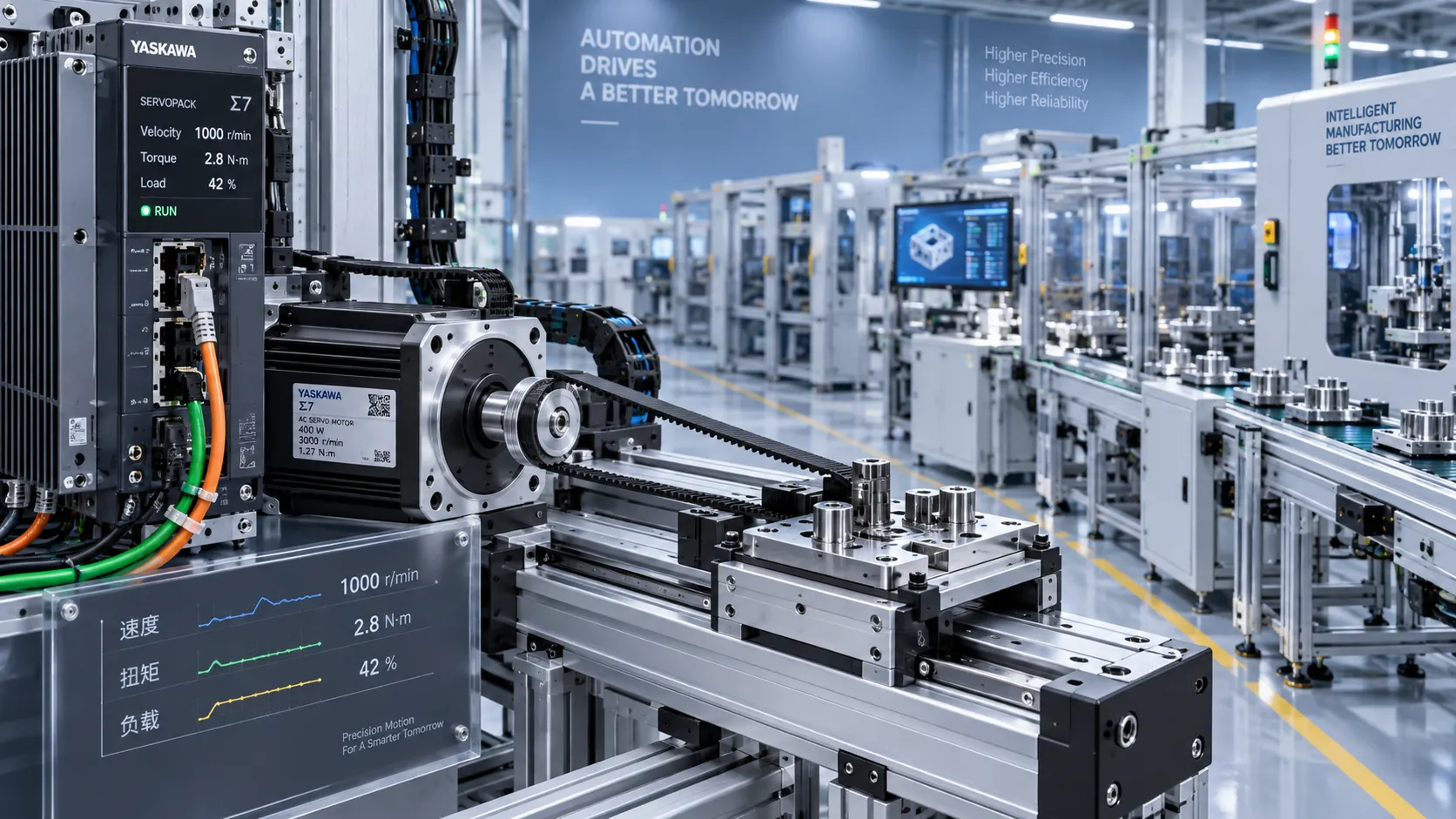
Servo Drive Comparison: Selecting Motion Control for Speed, Torque, and Load
Technical product comparison servo drives: evaluate speed, torque, inertia, safety, and control integration to select a reliable motion system with proven performance margins.
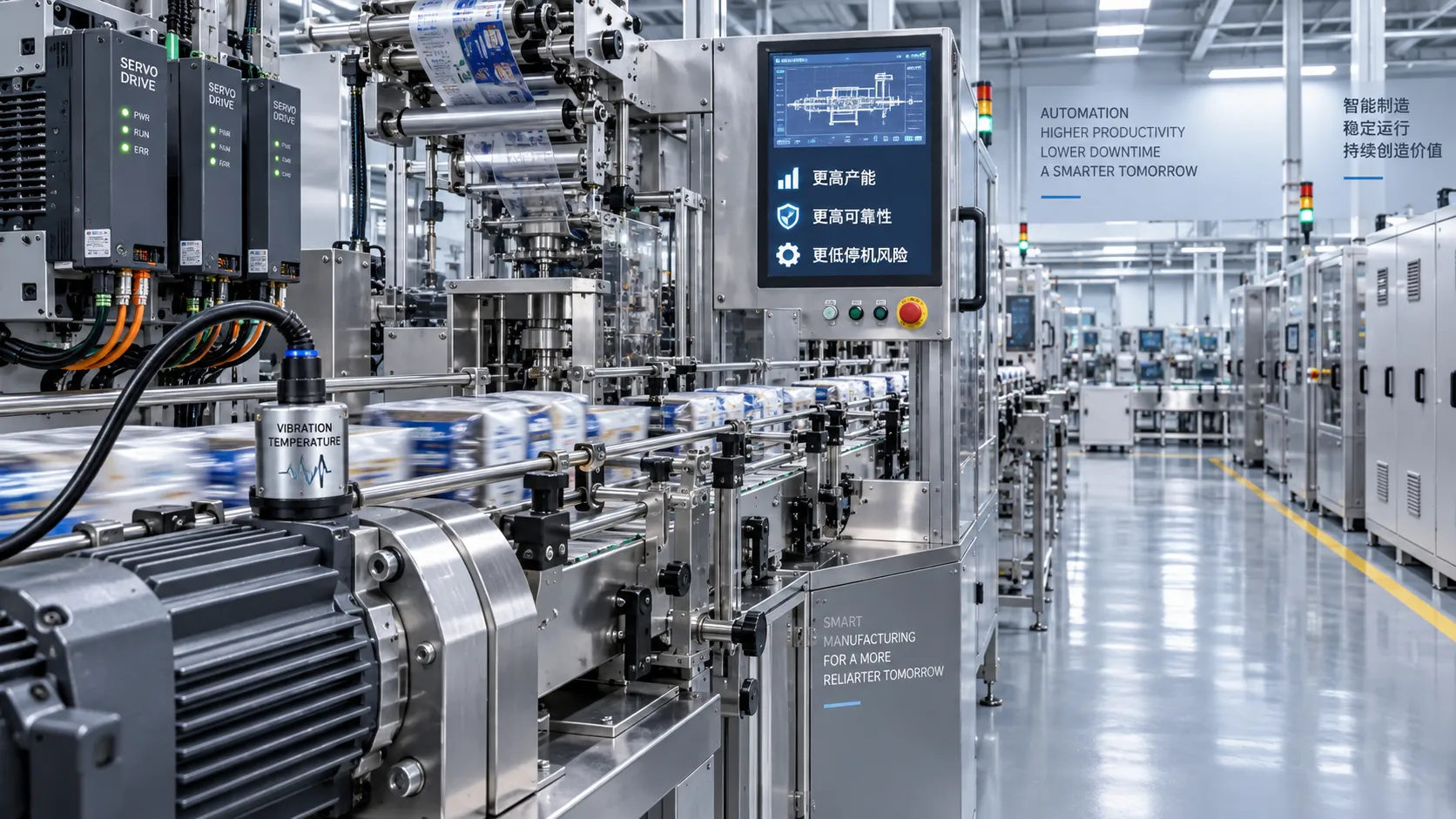
Industrial Automation Technology: How to Prioritize Upgrades by ROI and Downtime Risk
Industrial automation technology upgrades: learn to rank projects by ROI, bottleneck exposure, and downtime risk to reduce losses and make smarter capital decisions.
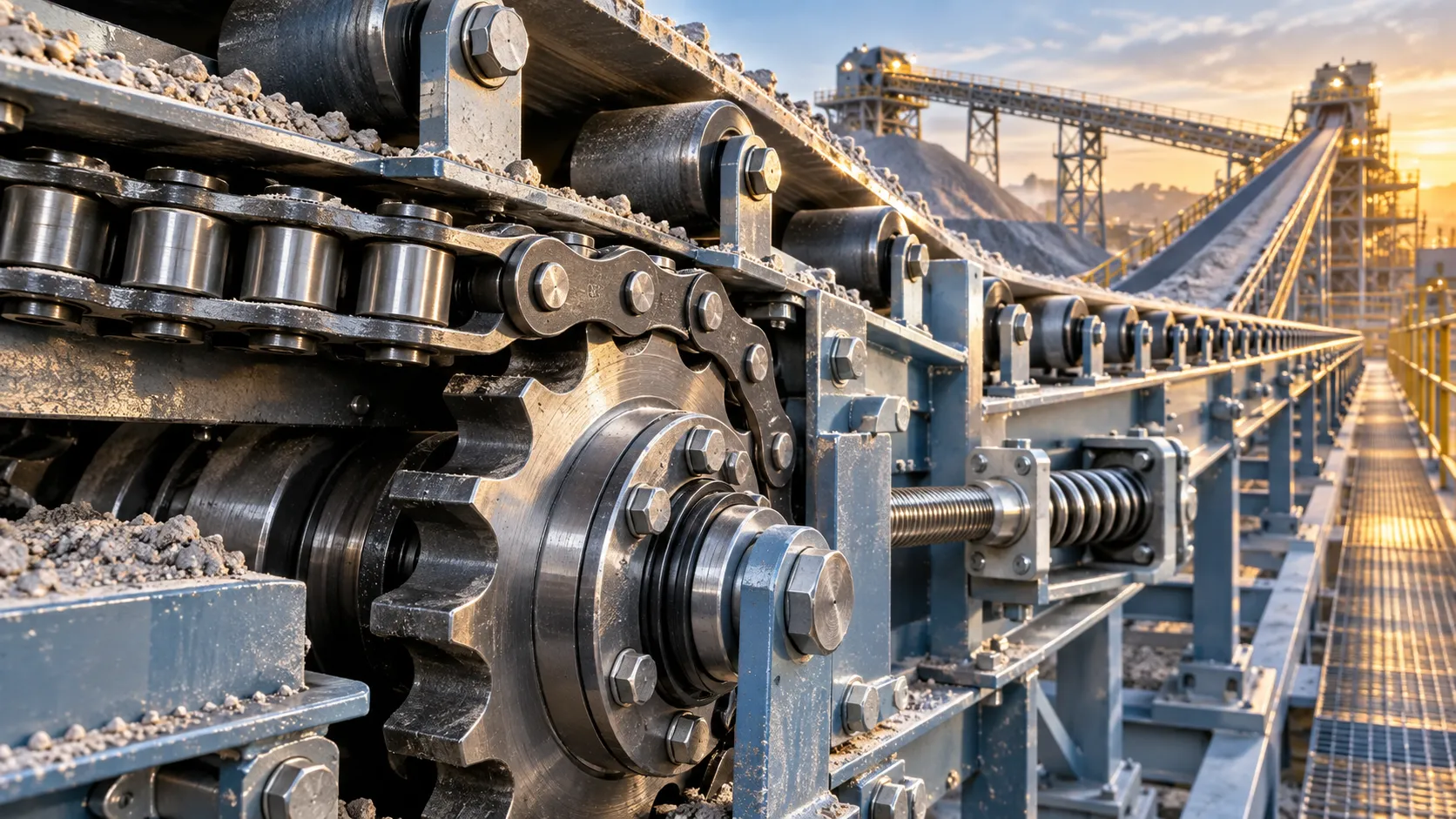
Selecting Low-Maintenance Chain Components for Dusty, High-Load Conveyors
Low maintenance chain components for dusty, high-load conveyors: compare seals, lubrication, materials, sprockets, and load capacity to reduce wear and downtime.
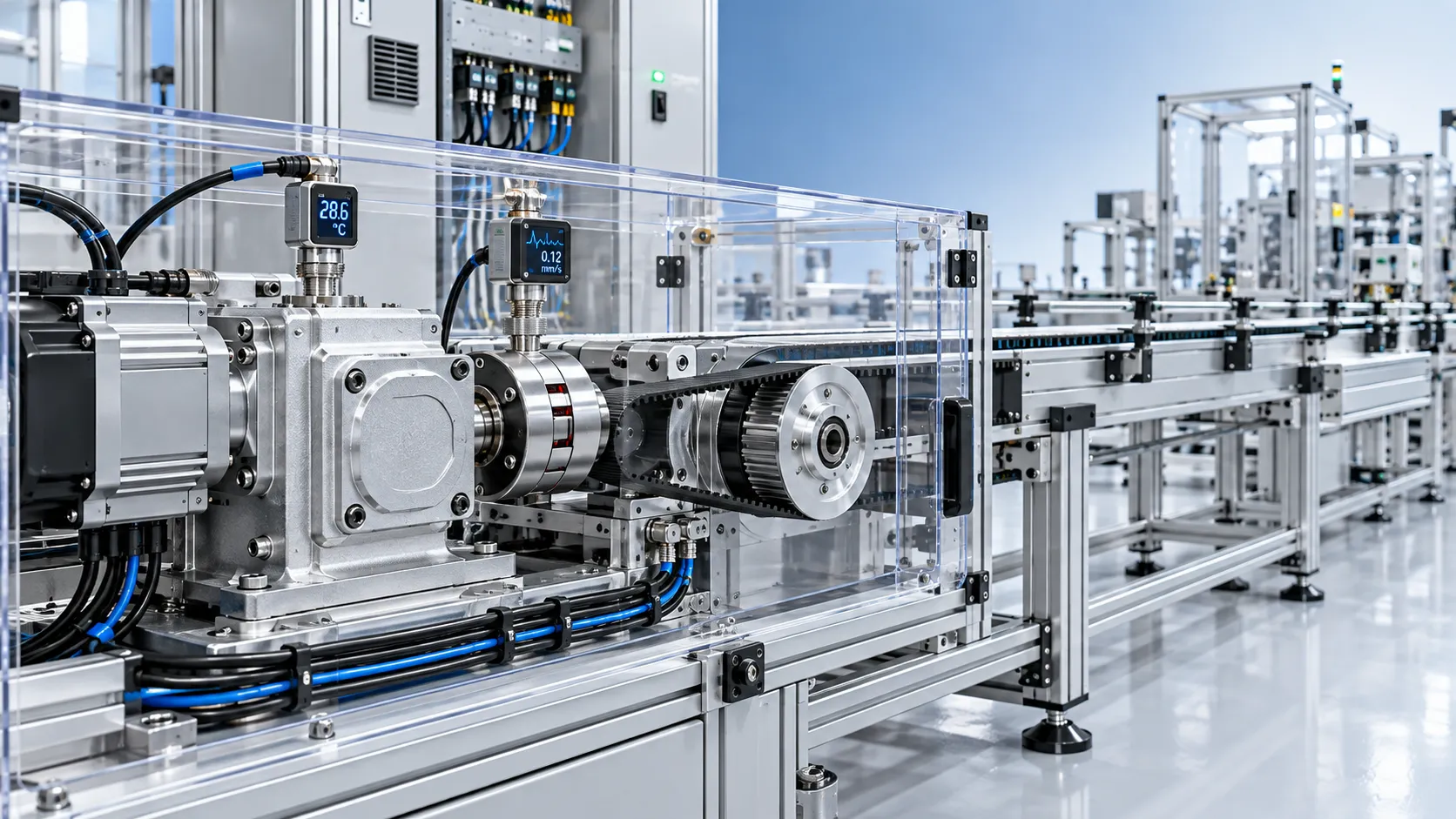
Selecting Smart Transmission Modules for Automated Lines: Control, Load, and Safety
Smart transmission modules for automated lines: evaluate control compatibility, real load demands, safety boundaries, and predictive maintenance value for reliable performance.
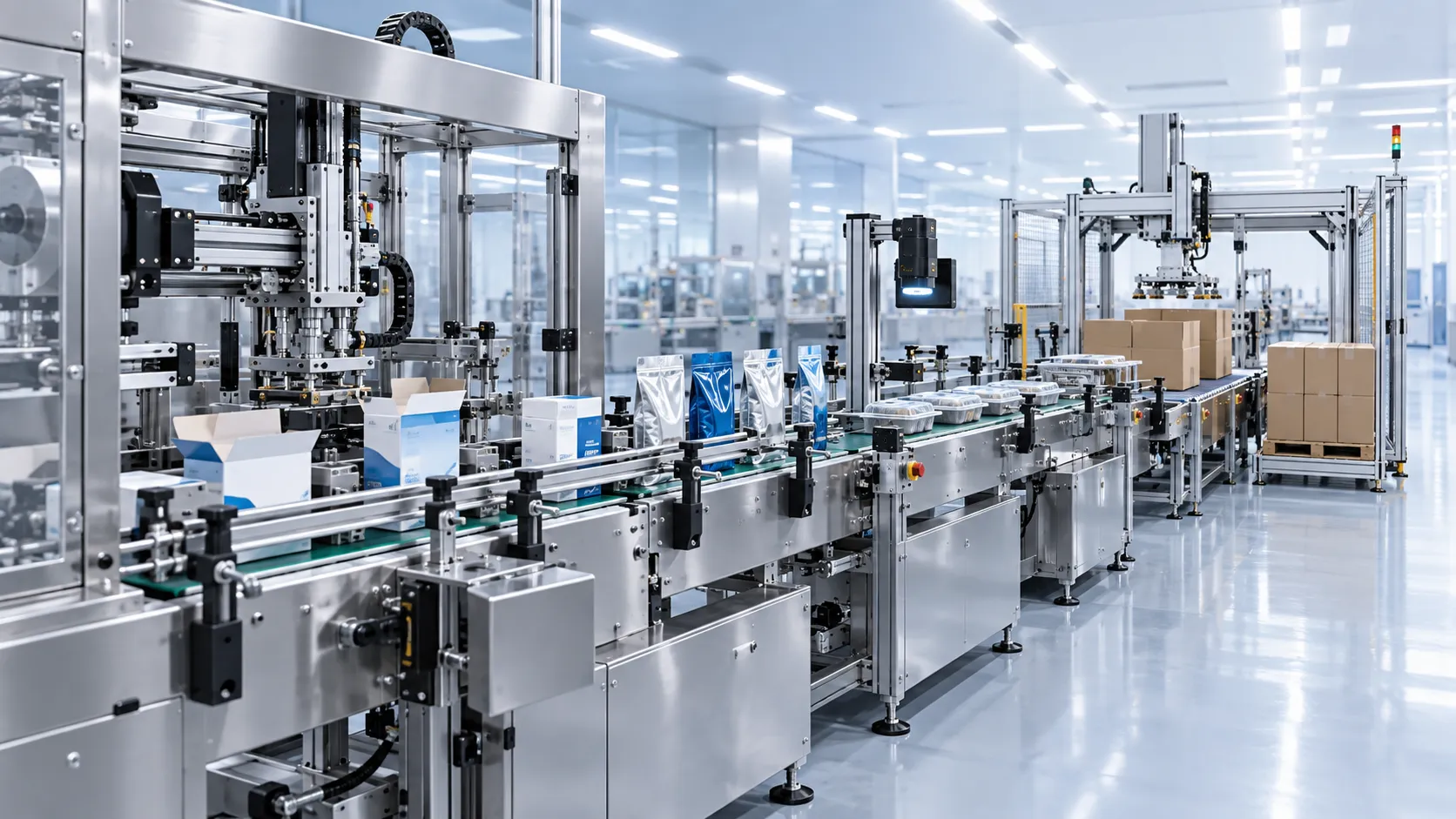
How to Assess Automated Packaging Production for High-Mix Manufacturing Lines
Automated production for packaging: assess changeovers, flexibility, controls, reliability, and lifecycle cost to build high-mix lines that deliver stable output.