
Industry News
Curation by industry experts
Hot Articles
Popular Tags
How high heat changes sealing performance over time
Heat does not damage seals all at once—it changes their performance gradually through hardening, shrinkage, loss of elasticity, and chemical attack. For after-sales maintenance teams, understanding these long-term effects is essential to preventing leakage, unplanned downtime, and costly replacements. This article explores how sealing technologies for high-temperature environments respond over time and what practical warning signs, material choices, and service strategies can improve reliability in demanding industrial systems.
Why high heat causes sealing performance to decline slowly, not suddenly
In industrial systems, thermal stress rarely creates instant failure unless the seal has already been overloaded, poorly installed, or chemically incompatible. More often, high temperature accelerates aging mechanisms that gradually weaken sealing force and surface conformity.
For after-sales maintenance personnel, this matters because the first sign is not always visible leakage. It may begin as torque change, vibration increase, pressure instability, or residue formation around the gland, flange, or housing interface.
This is where sealing technologies for high-temperature environments must be evaluated over service life, not only by catalog temperature limits. A seal rated for a certain maximum temperature may still degrade quickly if thermal cycling, pressure spikes, shaft runout, or aggressive media are present.
- Heat hardens elastomeric materials, reducing flexibility and lowering their ability to follow surface irregularities.
- Thermal oxidation can embrittle compounds, especially when oxygen exposure and long dwell times combine.
- Repeated expansion and contraction create stress at sealing lips, backup rings, and bonded interfaces.
- Lubricant degradation can indirectly damage seals by increasing friction, carbon deposits, and local hot spots.
GPT-Matrix tracks these reliability patterns by linking material science, tribology, and field service realities. That perspective helps maintenance teams move from reactive replacement to evidence-based service planning.
What changes first in sealing technologies for high-temperature environments?
The earliest changes are often mechanical and chemical at the same time. A seal may look intact during shutdown inspection, yet its compression set, elasticity, and surface energy may already have shifted beyond safe operating margins.
Key degradation modes maintenance teams should watch
The following table summarizes the most common long-term heat effects seen in sealing technologies for high-temperature environments across rotating and static industrial applications.
The maintenance implication is clear: visible leakage is a late-stage symptom. Teams that monitor dimensional change, elasticity loss, and deposit patterns can schedule intervention before shutdown becomes urgent.
Why thermal cycling is often worse than stable heat
A seal under constant high temperature may age predictably. A seal exposed to repeated start-stop cycles, however, experiences expansion mismatch between metal parts and sealing material, which repeatedly changes compression and contact geometry.
This is common in pumps, compressors, gearboxes, ovens, hydraulic systems, and exhaust-adjacent assemblies. In these settings, sealing technologies for high-temperature environments should be selected with thermal cycling resistance in mind, not just peak temperature capacity.
Which materials hold up better over time in hot industrial service?
Material selection is one of the most practical decisions for after-sales teams. The right choice depends on more than temperature alone. Media compatibility, pressure, motion type, shaft speed, dwell time, and maintenance intervals all matter.
The table below provides a field-oriented comparison for sealing technologies for high-temperature environments. It is not a replacement for engineering validation, but it helps narrow options during troubleshooting and replacement planning.
The lesson for maintenance buyers is simple: do not upgrade by temperature number alone. A more heat-resistant material can still underperform if it reduces compliance, increases friction, or conflicts with the operating medium.
How to avoid costly over-specification
- Use actual continuous temperature data instead of peak alarm values that last only a few minutes.
- Check whether failure is thermal, chemical, mechanical, or a combination of all three.
- Review shaft finish, gland design, squeeze level, and installation method before changing material family.
- Reserve premium materials for assets where leakage, downtime, or safety impact is high.
What warning signs should after-sales maintenance teams act on first?
Field teams usually work under time pressure. They need a practical inspection sequence that identifies whether sealing technologies for high-temperature environments are drifting out of tolerance before a shutdown becomes critical.
A useful inspection checklist during service visits
- Check for dry, glossy, cracked, or discolored surfaces around the seal zone. These often indicate heat aging rather than simple contamination.
- Compare leakage pattern with operating state. Leakage only after startup can point to compression loss or thermal mismatch.
- Inspect adjacent metal parts for scoring, distortion, or uneven contact marks that suggest excessive friction or misalignment.
- Review lubricant condition and interval history. Burnt or oxidized lubricant often increases local seal temperature.
- Document actual service hours, process temperature swings, and pressure events instead of relying on nominal design conditions.
This checklist helps maintenance teams separate random leakage from age-related degradation. It also supports better communication with procurement, engineering, and external suppliers when replacement decisions must be made quickly.
When replacement timing matters more than seal price
A low-cost seal that requires two unplanned interventions per year is rarely cheaper than a better-matched design installed once during a scheduled outage. In high-heat service, labor access, equipment stoppage, contamination risk, and restart verification often dominate the real cost picture.
How to choose sealing technologies for high-temperature environments under real maintenance constraints
After-sales teams do not choose in a laboratory. They choose under limited stock, urgent delivery needs, uncertain failure causes, and budget pressure. A structured selection process reduces repeat failures and shortens decision time.
The table below is a practical selection guide for maintenance planning, combining application, service risk, and replacement strategy.
For many organizations, the strongest improvement comes from standardizing these four checks. That creates repeatable maintenance decisions instead of one-off firefighting.
A practical decision path
- If leakage starts after heat-up, focus first on thermal expansion, compression loss, and material aging.
- If the seal swells or softens, investigate media compatibility before ordering a higher-temperature grade.
- If wear is localized, inspect misalignment, eccentricity, and surface condition rather than changing seal material alone.
- If downtime cost is high, prioritize proven life-cycle stability and supply continuity over the lowest unit price.
Common mistakes that shorten seal life in hot service
Many failures blamed on temperature are partly caused by maintenance practice. Recognizing these mistakes helps teams extend asset reliability without redesigning the whole system.
Frequent misconceptions
- Assuming the maximum catalog temperature equals safe continuous operating temperature in every medium and pressure condition.
- Replacing only the seal while ignoring worn shafts, damaged glands, poor finish, or out-of-spec housing geometry.
- Using storage-aged spare seals without checking shelf condition, packaging integrity, or hardness drift.
- Treating all high-temperature failures as material problems when lubricant breakdown or process contamination is the real trigger.
These errors are especially costly in multi-site industrial operations, where one incorrect replacement practice can spread across many similar machines. GPT-Matrix addresses this by connecting market intelligence, component trends, and field reliability logic in one decision framework.
FAQ: what maintenance teams usually ask about sealing technologies for high-temperature environments
How do I know whether heat is the main cause of leakage?
Look for stiffness, flattening, cracking, discoloration, or leakage that worsens after prolonged hot running. Then compare these signs with media compatibility, hardware wear, and lubrication condition. In many cases, heat is the accelerator, not the only root cause.
Are premium materials always worth the extra cost?
Not always. Premium compounds make sense when downtime cost, safety exposure, contamination risk, or replacement access is high. For less critical assets, a properly matched mid-range material plus better maintenance intervals may deliver better value.
What should be recorded during failure analysis?
Record operating temperature range, pressure pattern, media type, service hours, startup frequency, leakage timing, visible damage, shaft or flange condition, and lubricant status. This data makes future seal selection much more accurate than ordering by old part number alone.
Can the same sealing technology be used across all hot applications?
No. A seal that performs well in hot oil may fail in hot steam, solvents, abrasive dust, or dry-running conditions. Sealing technologies for high-temperature environments must be matched to thermal load, chemical exposure, motion type, and maintenance objective.
Why choose us for high-temperature sealing decisions and maintenance planning
GPT-Matrix helps after-sales maintenance teams make better sealing decisions by linking field symptoms with material behavior, transmission system realities, and evolving industrial supply conditions. That means less guesswork when equipment runs hot, cycles hard, or operates in chemically demanding environments.
If you are reviewing sealing technologies for high-temperature environments, you can consult us on practical topics such as parameter confirmation, replacement material screening, application-based selection, delivery cycle evaluation, service-life risk review, certification-related questions, sample support, and quotation communication.
For maintenance teams managing pumps, gear systems, actuators, compressors, conveyors, or process equipment, a focused discussion can quickly clarify whether the next step should be material upgrade, hardware inspection, stock strategy adjustment, or a more customized sealing solution.
Recommended News
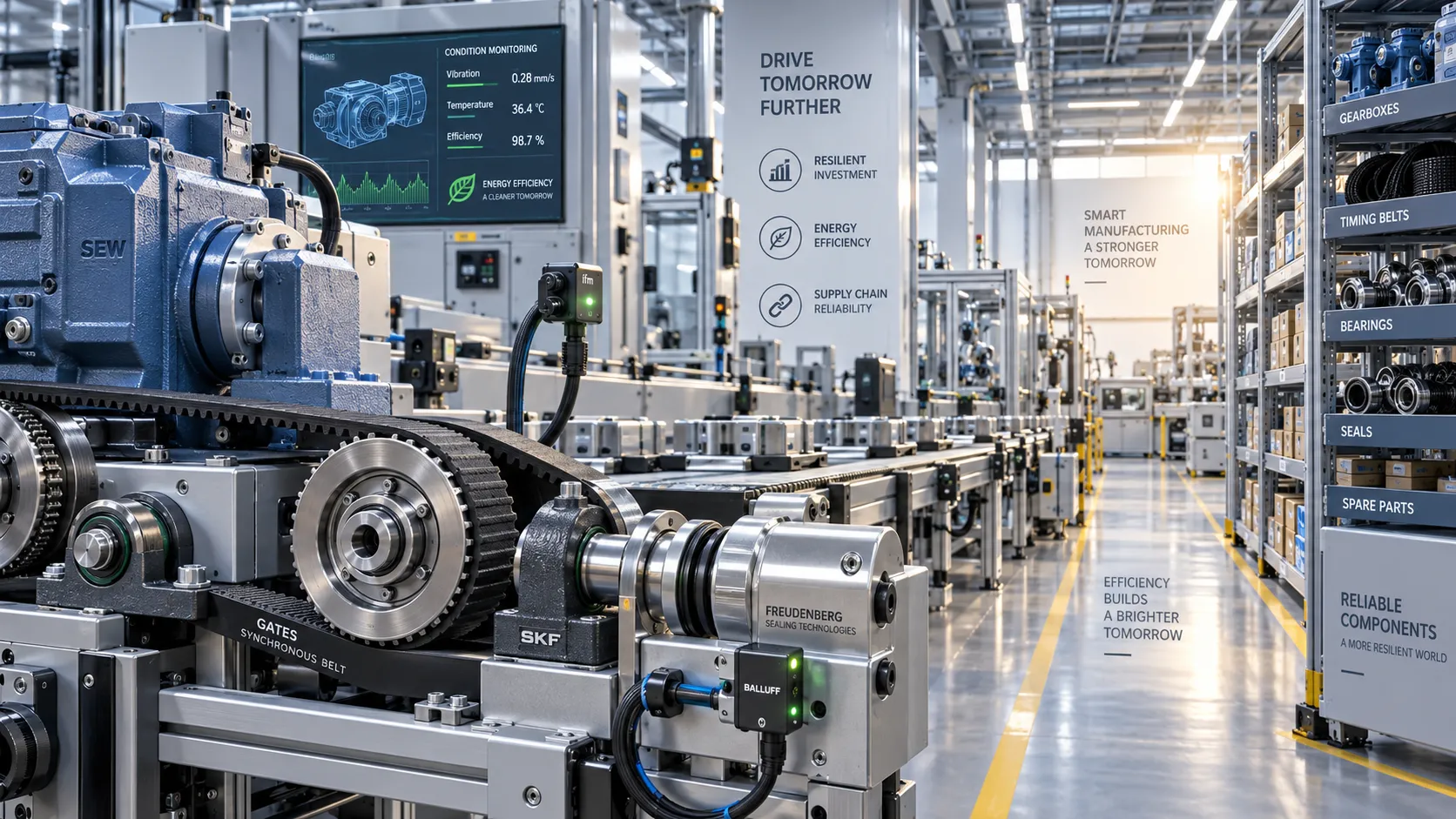
Industrial Economy Trends Shaping Capital Investment and Supply Chain Risk in 2026
Industrial economy trends for 2026 reveal how resilient capital investments, energy efficiency, and supply-chain strategies can protect uptime and strengthen returns.
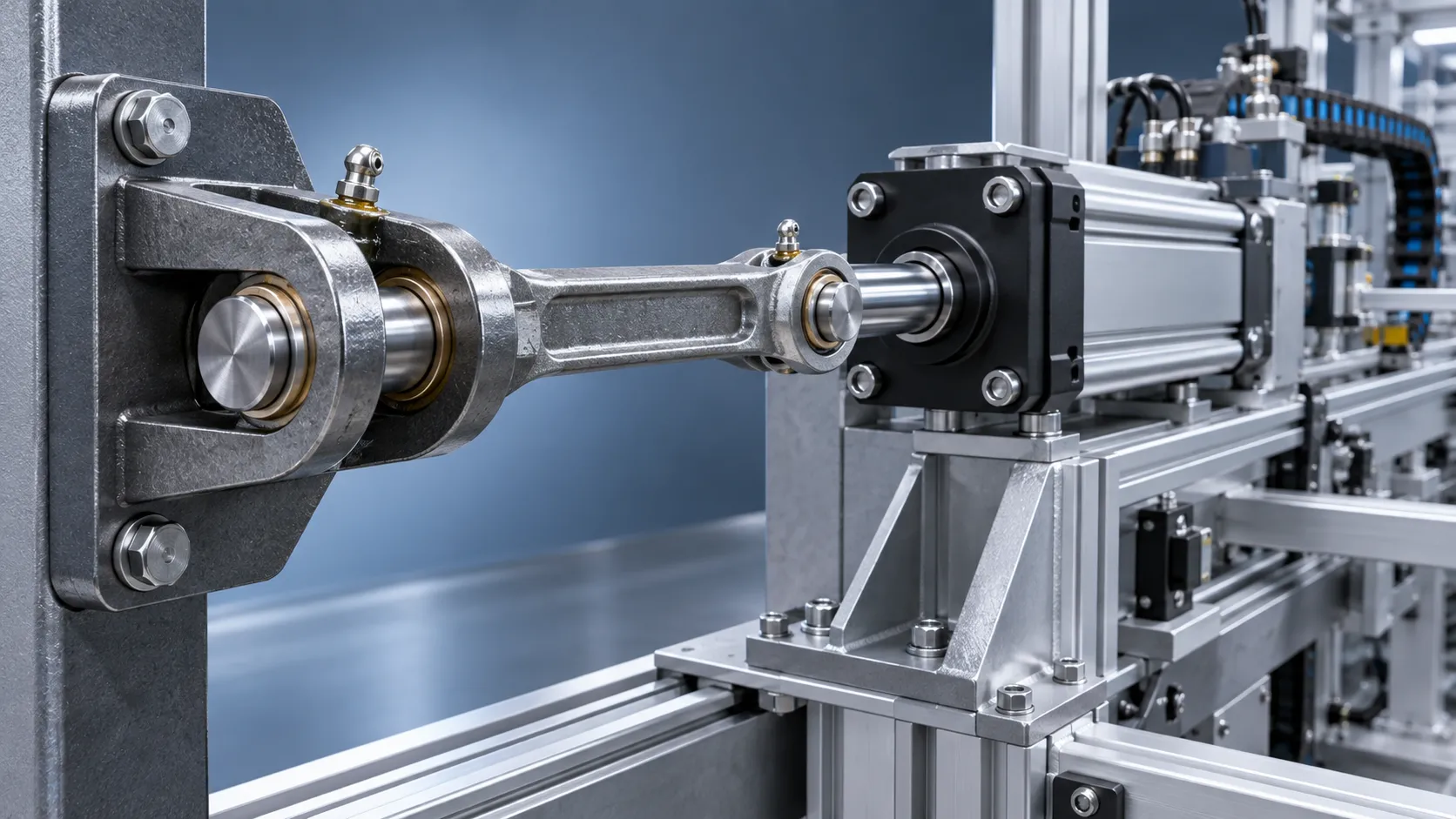
Mechanical Linkage Design: How to Balance Load Capacity, Motion Accuracy, and Wear
Mechanical linkage design guide: balance load capacity, motion accuracy, and wear with practical insights on geometry, joints, tolerances, lubrication, and service life.
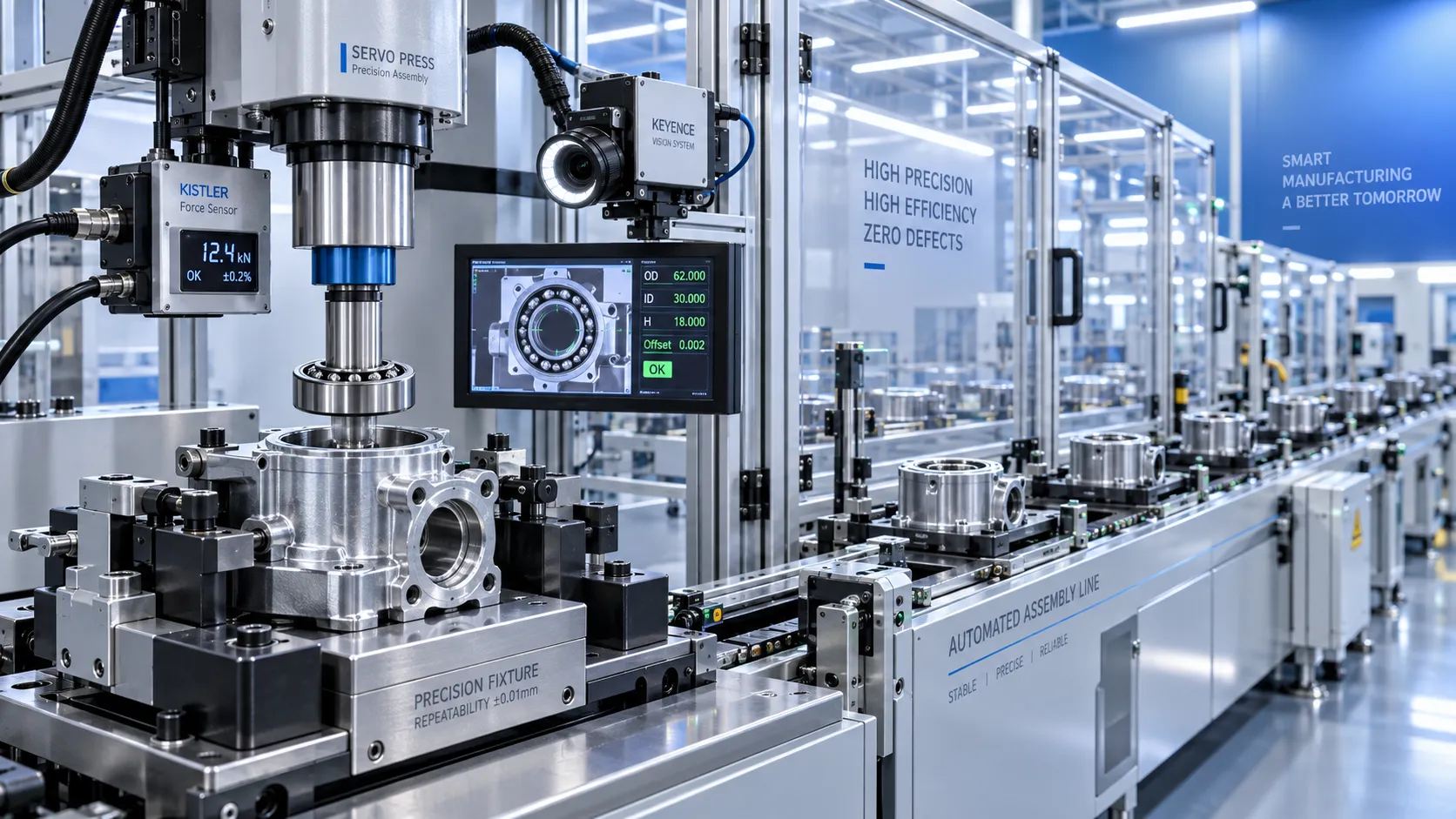
How Precision Automated Production Improves Quality Control in High-Volume Assembly
Precision automated production strengthens quality control in high-volume assembly with real-time verification, traceability, and safer defect containment.
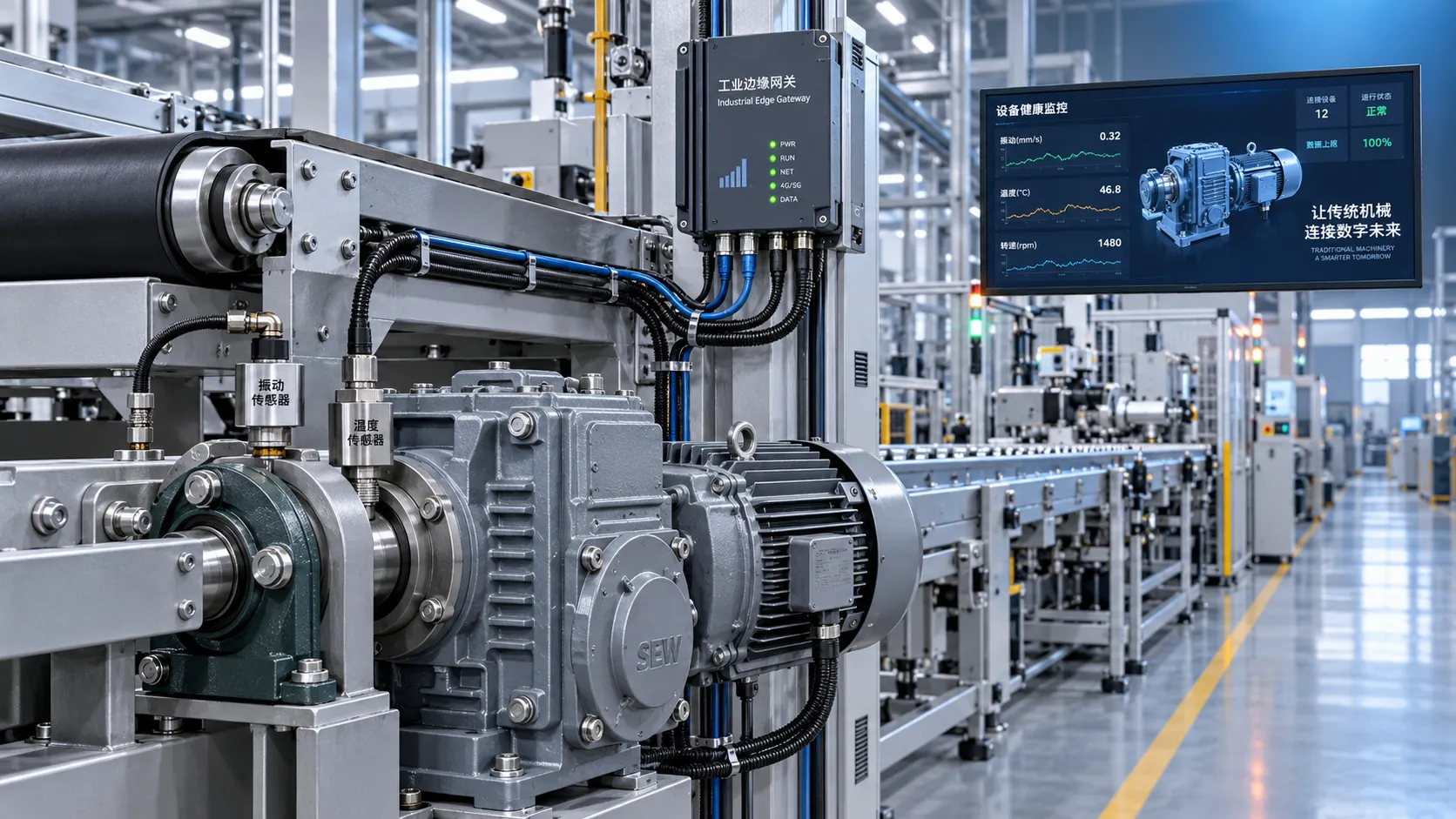
Industry 4.0 Integration: A Roadmap for Connecting Legacy Machines and Data
Industry 4.0 integration roadmap for connecting legacy machines, improving data visibility, reducing downtime, and scaling secure, measurable operational performance.
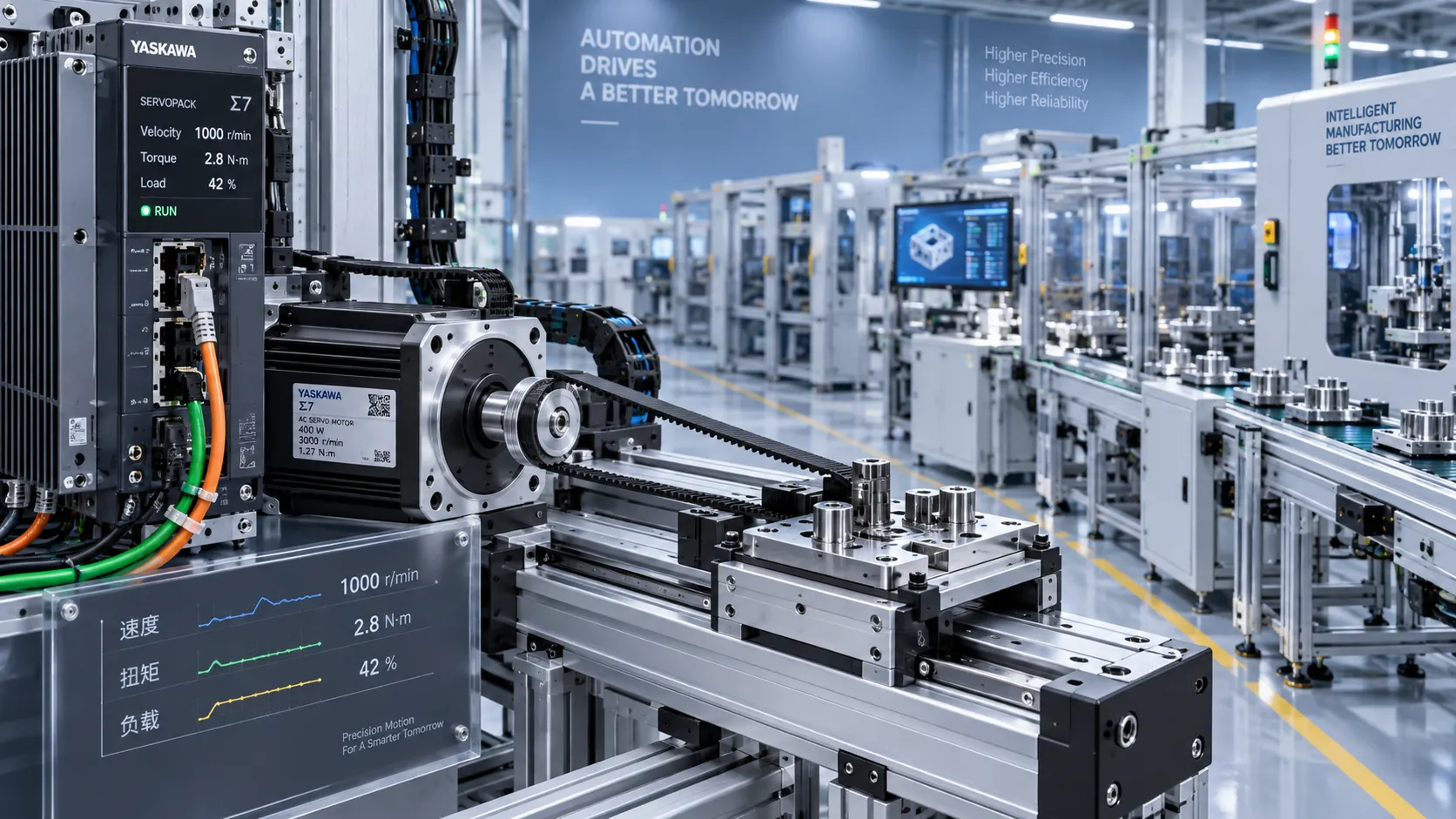
Servo Drive Comparison: Selecting Motion Control for Speed, Torque, and Load
Technical product comparison servo drives: evaluate speed, torque, inertia, safety, and control integration to select a reliable motion system with proven performance margins.
Industrial Automation Technology: How to Prioritize Upgrades by ROI and Downtime Risk
Industrial automation technology upgrades: learn to rank projects by ROI, bottleneck exposure, and downtime risk to reduce losses and make smarter capital decisions.

Selecting Low-Maintenance Chain Components for Dusty, High-Load Conveyors
Low maintenance chain components for dusty, high-load conveyors: compare seals, lubrication, materials, sprockets, and load capacity to reduce wear and downtime.
Selecting Smart Transmission Modules for Automated Lines: Control, Load, and Safety
Smart transmission modules for automated lines: evaluate control compatibility, real load demands, safety boundaries, and predictive maintenance value for reliable performance.
How to Assess Automated Packaging Production for High-Mix Manufacturing Lines
Automated production for packaging: assess changeovers, flexibility, controls, reliability, and lifecycle cost to build high-mix lines that deliver stable output.