
Industry News
Curation by industry experts
Hot Articles
Popular Tags
Why critical sealing solutions fail in harsh duty cycles
In harsh duty cycles, even advanced critical sealing solutions can fail long before their expected service life, putting product quality, worker safety, and equipment reliability at risk. For quality control and safety managers, understanding why seals break down under heat, pressure, contamination, and continuous motion is essential to preventing costly downtime and compliance issues. This article explores the root causes behind sealing failure and the practical factors that determine long-term performance.
Why do critical sealing solutions fail earlier than expected?
Seal failure is rarely caused by one factor alone. In most industrial environments, premature breakdown comes from a chain of interacting stresses: thermal cycling, shaft movement, fluid incompatibility, pressure fluctuation, assembly error, and poor contamination control.
For quality and safety teams, the problem is not only leakage. Failed critical sealing solutions can trigger product rejects, unsafe floor conditions, fire risk around hot rotating assets, lubricant loss, bearing damage, and unplanned shutdowns that spread across the line.
This is especially true in mixed-duty plants where conveyors, pumps, gearboxes, compressors, agitators, and rotating process equipment operate under different load patterns but share the same maintenance culture. A seal selected for steady-state operation often struggles when actual service includes starts, stops, shock loads, washdowns, and operator variability.
- Excess heat hardens elastomers, alters lip contact pressure, and changes fluid viscosity, reducing the seal’s ability to maintain a stable barrier.
- Pressure spikes distort sealing faces or extrude softer materials into gaps, especially where clearances were not designed for dynamic peaks.
- Abrasive particles cut, score, or embed into sealing surfaces, turning minor ingress into a self-accelerating wear mechanism.
- Misalignment and shaft runout create uneven contact, which produces localized heating and rapid edge wear.
The practical lesson is simple: seal reliability depends on the whole operating system, not just the seal itself. That is why GPT-Matrix approaches critical sealing solutions through material science, motion logic, tribology, and duty-cycle intelligence rather than isolated product claims.
Which harsh duty cycle factors create the highest sealing risk?
Quality control and safety managers often need a fast way to identify which operating stress deserves immediate attention. The table below maps common harsh-duty conditions to typical seal failure modes and operational impact.
The pattern matters more than any single value. Many critical sealing solutions survive high temperature or high pressure alone, but fail quickly when both combine with contamination and motion instability. That is why duty-cycle mapping should be part of every seal review.
Heat is more damaging when it is intermittent
Steady heat allows some materials to stabilize. Repeated temperature swings do not. Expansion and contraction change clearances, disturb face loading, and fatigue secondary sealing elements. In rotating assets, this often appears after shutdown and restart rather than during full-speed production.
Contamination is often a system issue, not a seal issue
Dirty breather design, poor storage practices, damaged shaft surfaces, and washdown ingress frequently overwhelm otherwise capable critical sealing solutions. When failure analysis stops at “seal worn out,” the root cause is missed and repeat incidents continue.
How do material mismatch and motion conditions undermine performance?
Material selection is one of the most misunderstood parts of sealing reliability. Teams often compare only basic chemical compatibility charts. In real duty cycles, however, material behavior under pressure, sliding speed, dryness, flex fatigue, and cleaning chemicals determines actual life.
An elastomer that handles the process fluid may still crack under ozone, lose resilience at low temperature, or soften during exposure to cleaning agents. A hard face material may resist wear but become vulnerable to brittle damage under vibration or dry running.
Motion conditions deserve equal attention. Reciprocating, oscillating, and rotating systems impose different lubrication behavior and contact patterns. Critical sealing solutions designed around ideal shaft finish and concentric motion can fail in equipment with worn bearings, transient cavitation, or torque fluctuation.
- Surface finish that is too rough accelerates wear, while a finish that is too smooth can impair fluid retention at the interface.
- Shaft hardness affects groove formation and long-term leakage development.
- Dry running periods, even brief ones, can destroy lubrication film stability at the sealing face.
- Secondary movements caused by vibration can be more harmful than nominal shaft speed.
GPT-Matrix tracks these interactions through its Strategic Intelligence Center, connecting field conditions with material trends and mechanical transmission behavior. For procurement and risk-control teams, this supports a more defensible selection process than relying on generic catalog ratings.
What should QC and safety managers inspect before approving critical sealing solutions?
Before approving a sealing package for production or replacement cycles, teams should use a structured screening method. The table below is designed as a practical evaluation framework for critical sealing solutions in multi-condition industrial settings.
This type of screening helps separate product limitations from process weaknesses. It also gives quality and safety teams documented reasons for acceptance, rejection, or design review, which is critical during audits and incident investigations.
A practical pre-approval checklist
- Validate actual field conditions using operating logs instead of nameplate assumptions.
- Confirm material compatibility with both process media and cleaning chemicals.
- Inspect shaft finish, runout, and bearing condition before replacing the seal.
- Review contamination ingress paths such as vents, covers, and washdown exposure.
- Define failure criteria in advance, including acceptable leakage and alarm response.
Are lower-cost alternatives creating higher lifecycle risk?
Budget pressure often pushes buyers toward lower upfront cost. That decision can be reasonable in non-critical equipment, but it becomes risky when seal failure affects containment, operator safety, process cleanliness, or downstream product quality.
The key comparison is not purchase price versus purchase price. It is purchase price versus total failure cost. In harsh duty cycles, cheaper critical sealing solutions may require more frequent replacement, cause more cleanup labor, increase spare consumption, and expose the plant to repeated compliance concerns.
Procurement teams should compare alternatives across at least four dimensions: expected life under real duty, failure consequence, maintenance access difficulty, and inventory complexity. A seal that is inexpensive but installed in a hard-to-reach, safety-sensitive machine may be the most expensive option over twelve months.
- Use low-cost options only where leakage consequence is minor and replacement access is easy.
- Prefer higher-spec sealing packages where contamination, pressure shock, or thermal cycling is frequent.
- Standardize only after confirming that similar machines share similar duty cycles.
- Track mean time between failures, not just annual spend, when reviewing supplier performance.
GPT-Matrix supports this decision process by linking commercial insight with reliability trends. That is useful when buyers must balance maintenance cost, supply-chain volatility, and operational risk without over-specifying every asset.
What standards and compliance points should not be overlooked?
In many facilities, seal failure is not only a maintenance event. It can become a quality deviation, an environmental containment issue, or a safety nonconformance. For that reason, critical sealing solutions should be reviewed against applicable equipment, process, and site-level compliance expectations.
The exact standard set depends on sector and geography, but common references may include manufacturer tolerances, general fluid sealing practices, rotating equipment guidelines, material traceability rules, and site-specific lockout, housekeeping, and leak response procedures.
Compliance questions worth asking
- Does the selected seal material align with the process medium, cleaning regime, and temperature exposure documented in site procedures?
- Are installation and inspection steps controlled enough to be repeatable across shifts and contractors?
- Is leakage classification defined clearly, including what counts as acceptable seepage versus reportable failure?
- Do maintenance records capture root cause data instead of only replacement dates?
These questions matter because recurring seal failure often reveals broader control gaps. When a plant can show a structured selection rationale, operating review, and documented inspection routine, both quality and safety performance improve.
Common misconceptions about critical sealing solutions
“A premium seal will solve any leakage problem”
Not necessarily. Premium materials cannot correct shaft damage, poor alignment, trapped debris, or unstable pressure conditions. If the surrounding system is wrong, the replacement will likely fail again.
“If the seal fits dimensionally, it should perform the same”
Dimensional fit is only the starting point. Lip geometry, spring characteristics, face pairing, material resilience, and allowable movement all affect performance under harsh duty cycles.
“Leakage always means the seal was defective”
Defects can happen, but recurring field failures usually point to application mismatch, assembly variation, contamination, or upstream mechanical wear. Root cause analysis should include the entire asset condition and operating pattern.
FAQ: what do buyers and site managers ask most often?
How should we choose critical sealing solutions for mixed operating conditions?
Start with the harshest real condition, not the average condition. Review peak temperature, pressure fluctuation, contaminants, cleaning exposure, shaft movement, and maintenance access. If one machine runs in multiple modes, select for the mode that creates the highest failure consequence.
Which warning signs indicate that seal failure is becoming a safety issue?
Watch for repeated leakage near hot surfaces, fluid on walking paths, sudden lubricant loss, visible shaft scoring, abnormal bearing temperature, or recurring replacement intervals that are getting shorter. These are signs that the issue is escalating from maintenance inconvenience to operational risk.
What should procurement request from suppliers before approving a purchase?
Request material information, recommended operating envelope, installation guidance, compatibility notes for media and cleaning chemicals, and any limitations related to runout, pressure spikes, or dry running. Also ask whether the proposal is based on stable or intermittent duty.
How can we reduce repeat failures without overspending?
Segment assets by criticality. Upgrade critical sealing solutions where failure consequence is high, but address contamination control, shaft condition, and installation discipline at the same time. In many plants, these process corrections deliver more value than moving to the highest-cost seal on every machine.
Why work with GPT-Matrix when reviewing sealing risk?
GPT-Matrix brings together industrial power transmission knowledge, tribology insight, and commercial intelligence in one decision framework. That matters because critical sealing solutions do not fail in isolation. Their reliability is tied to motion control, component interaction, raw material trends, maintenance behavior, and the economic pressure shaping replacement choices.
For quality control and safety managers, this means a more practical support model: clearer duty-cycle interpretation, better selection logic, stronger cross-functional communication between maintenance and procurement, and fewer blind spots during approval or investigation.
You can contact GPT-Matrix to discuss parameter confirmation, application-based product selection, expected delivery windows, material suitability, custom operating scenarios, certification-related concerns, sample evaluation support, and quotation planning for harsh-duty sealing projects. If your site is dealing with recurring leakage, contamination-driven wear, or uncertain replacement strategy, a structured review can prevent the next failure from becoming a quality or safety event.
Recommended News
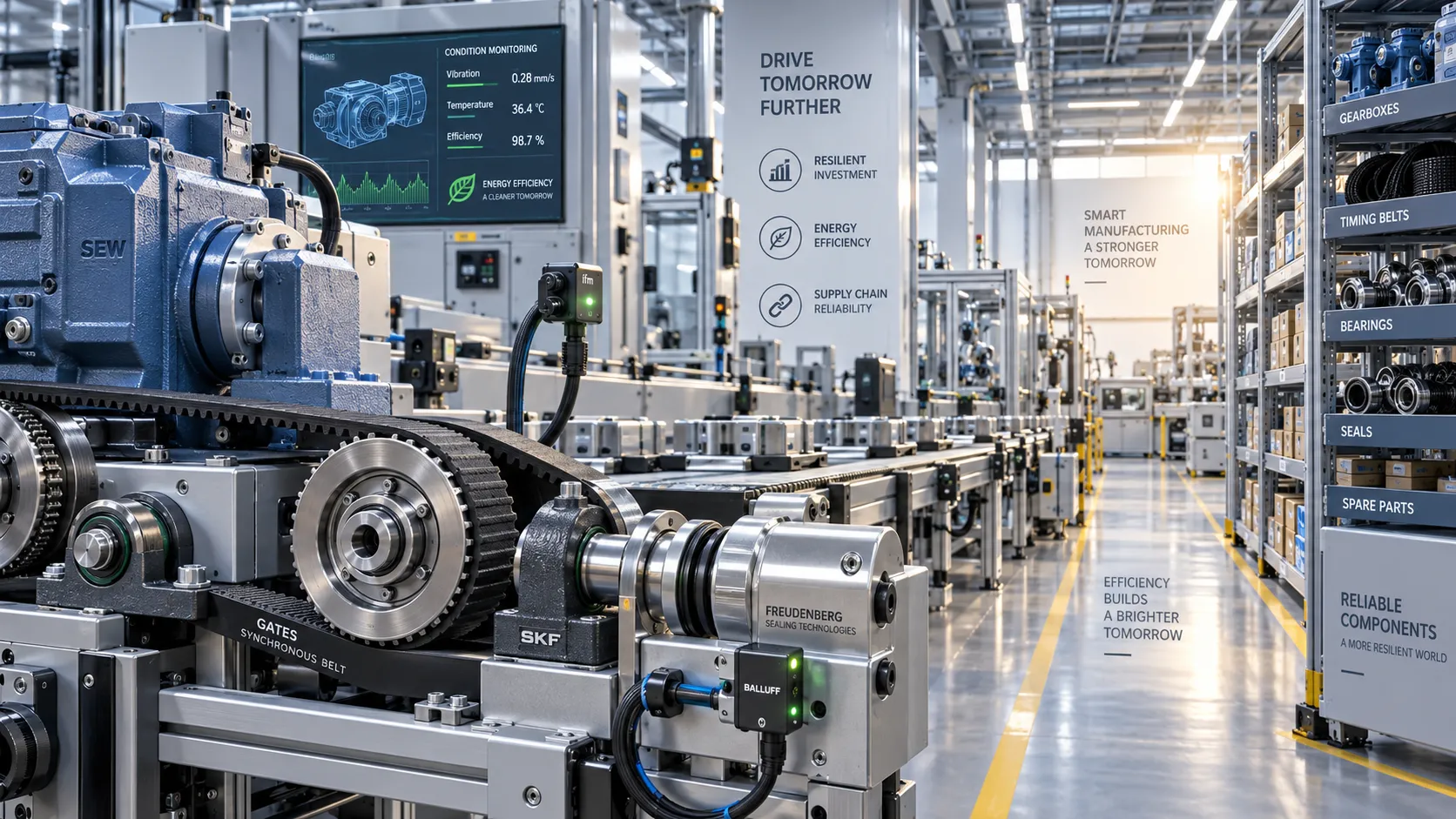
Industrial Economy Trends Shaping Capital Investment and Supply Chain Risk in 2026
Industrial economy trends for 2026 reveal how resilient capital investments, energy efficiency, and supply-chain strategies can protect uptime and strengthen returns.
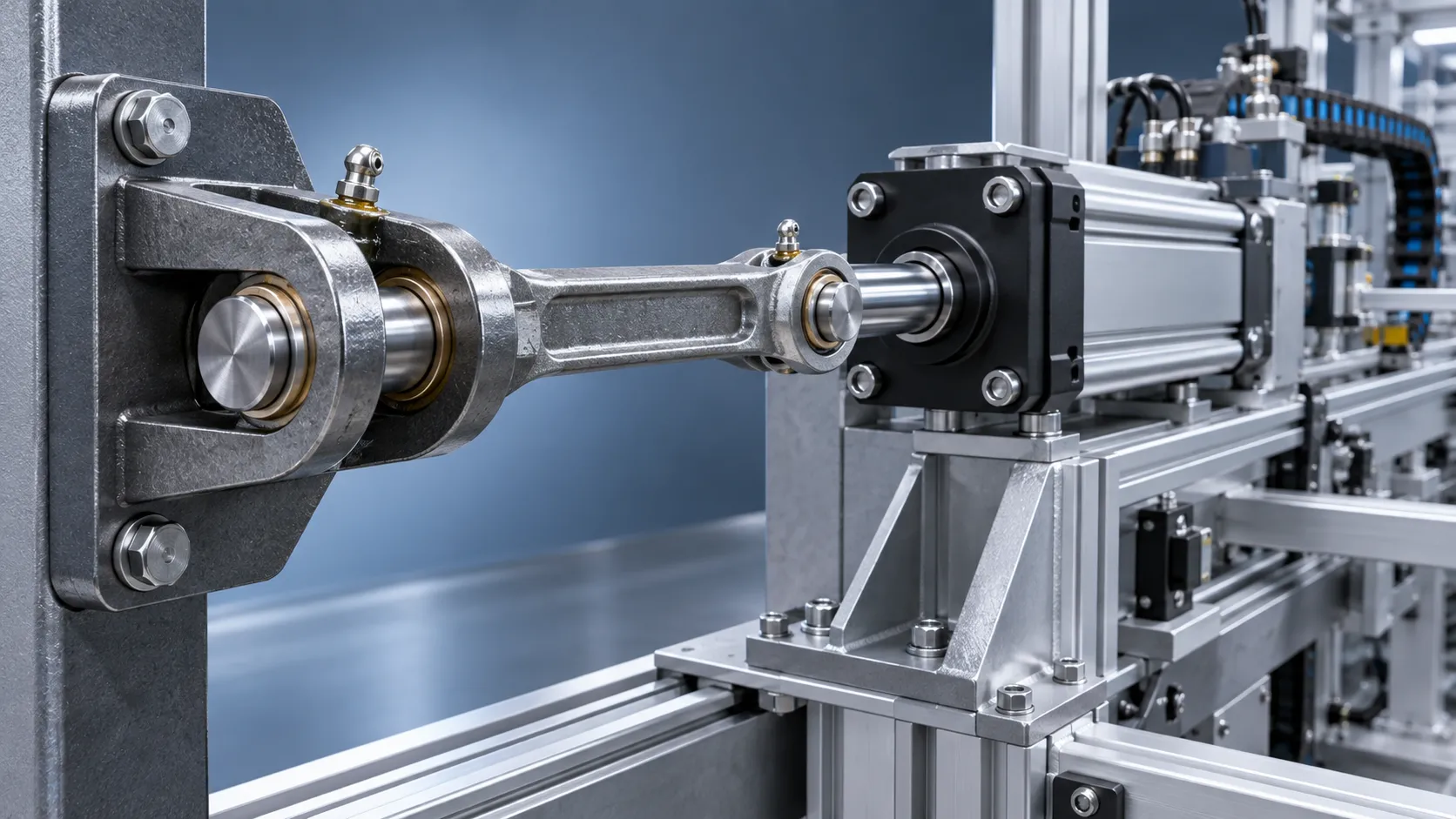
Mechanical Linkage Design: How to Balance Load Capacity, Motion Accuracy, and Wear
Mechanical linkage design guide: balance load capacity, motion accuracy, and wear with practical insights on geometry, joints, tolerances, lubrication, and service life.
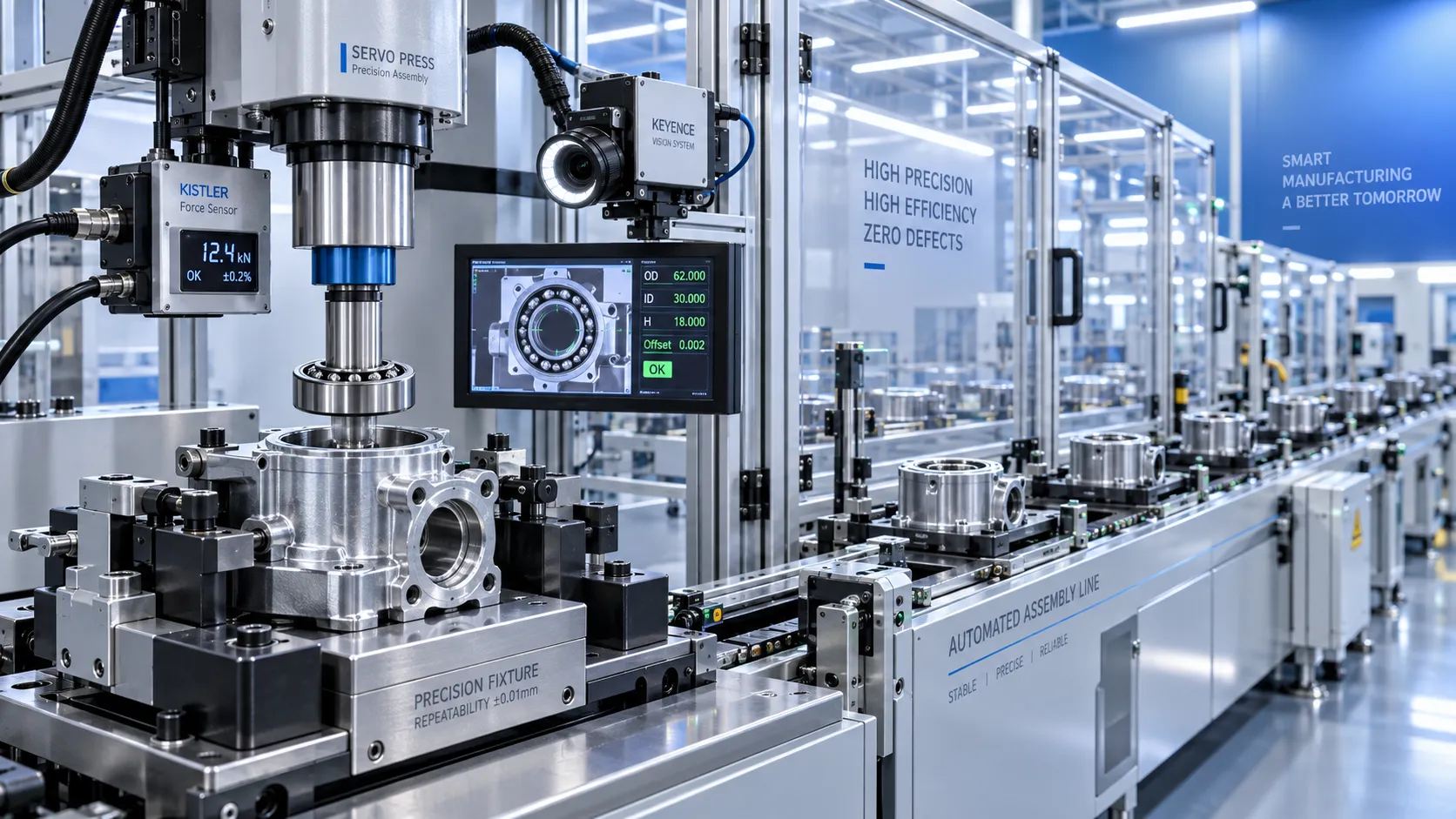
How Precision Automated Production Improves Quality Control in High-Volume Assembly
Precision automated production strengthens quality control in high-volume assembly with real-time verification, traceability, and safer defect containment.
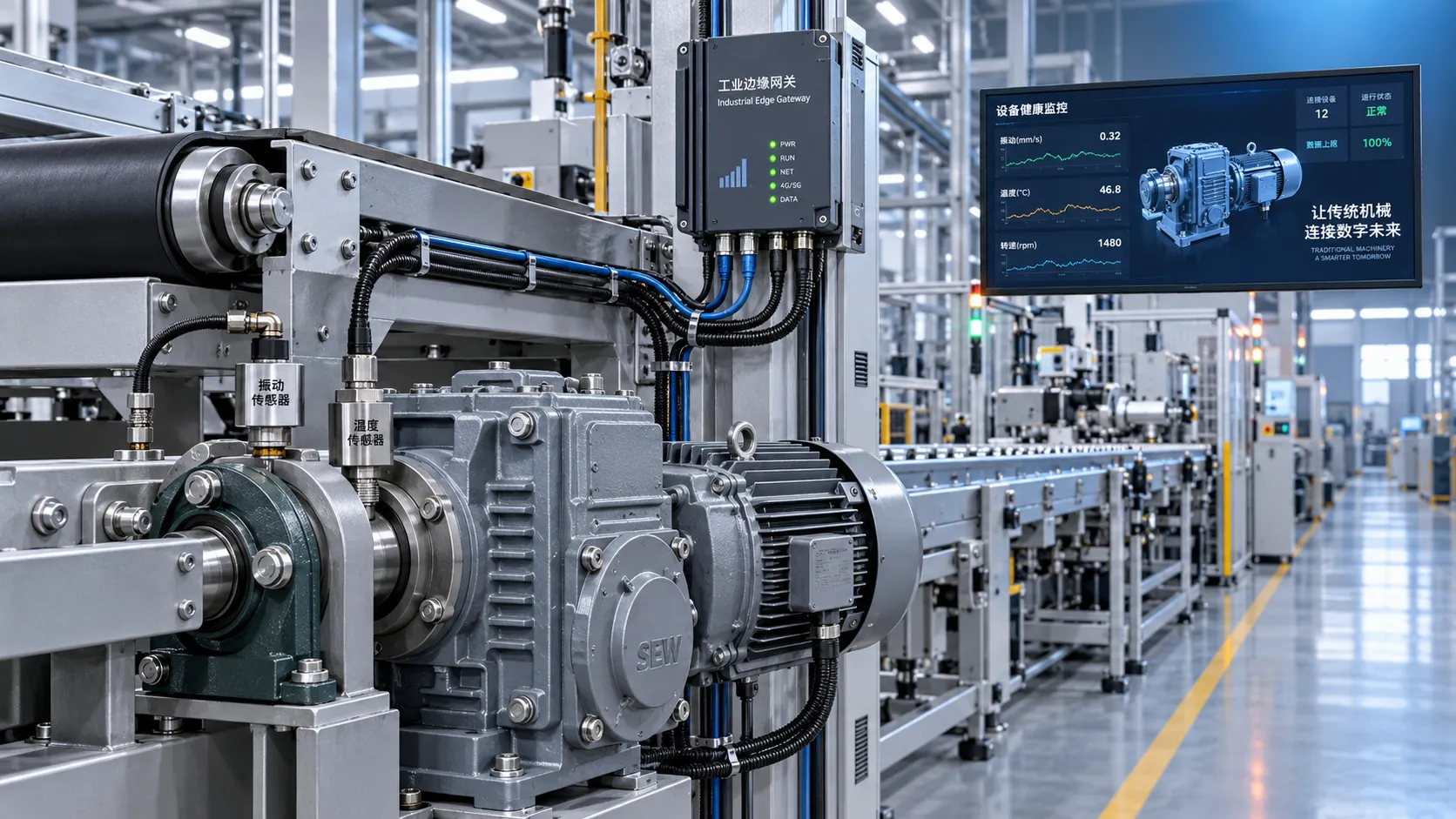
Industry 4.0 Integration: A Roadmap for Connecting Legacy Machines and Data
Industry 4.0 integration roadmap for connecting legacy machines, improving data visibility, reducing downtime, and scaling secure, measurable operational performance.
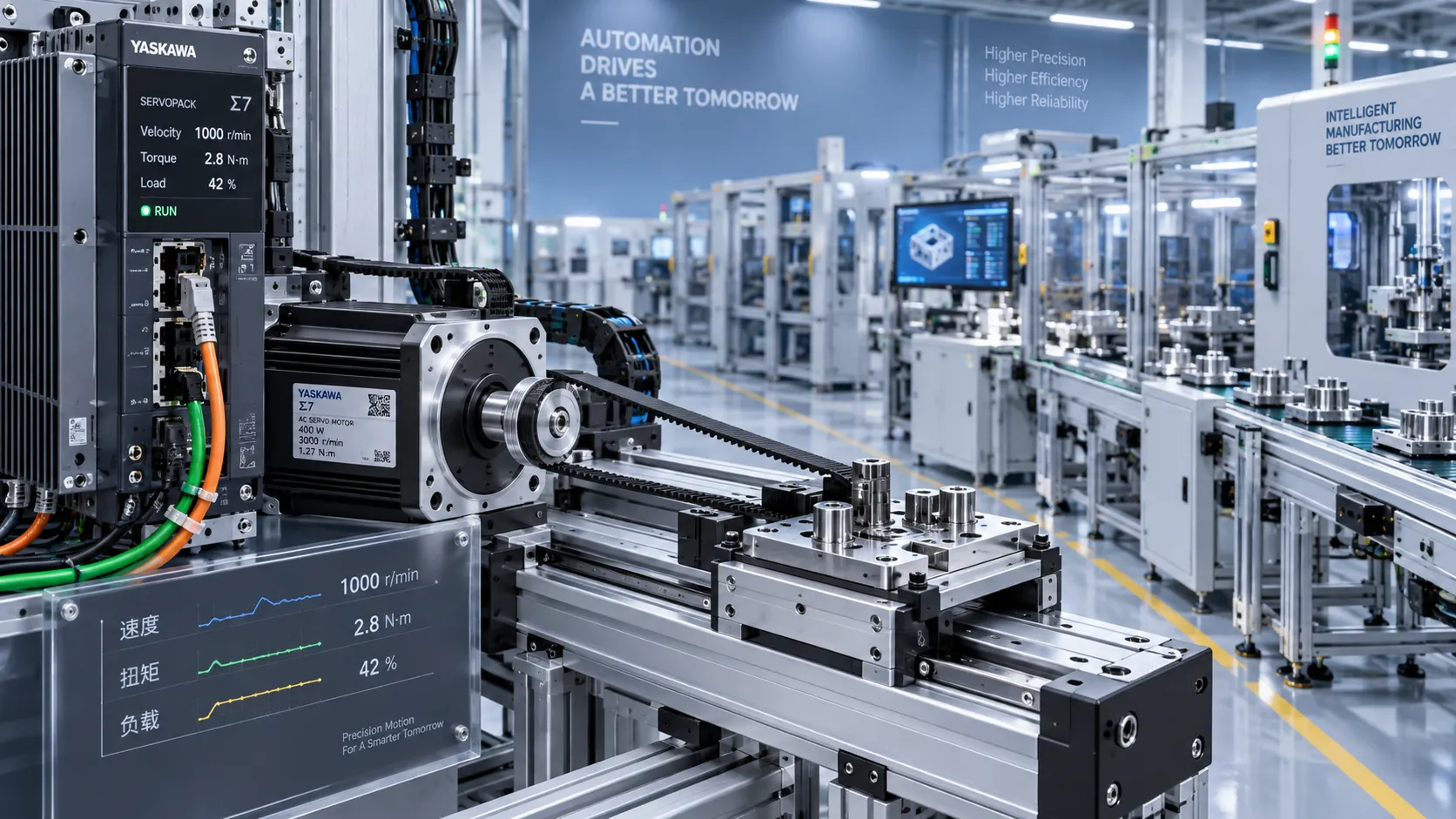
Servo Drive Comparison: Selecting Motion Control for Speed, Torque, and Load
Technical product comparison servo drives: evaluate speed, torque, inertia, safety, and control integration to select a reliable motion system with proven performance margins.
Industrial Automation Technology: How to Prioritize Upgrades by ROI and Downtime Risk
Industrial automation technology upgrades: learn to rank projects by ROI, bottleneck exposure, and downtime risk to reduce losses and make smarter capital decisions.

Selecting Low-Maintenance Chain Components for Dusty, High-Load Conveyors
Low maintenance chain components for dusty, high-load conveyors: compare seals, lubrication, materials, sprockets, and load capacity to reduce wear and downtime.
Selecting Smart Transmission Modules for Automated Lines: Control, Load, and Safety
Smart transmission modules for automated lines: evaluate control compatibility, real load demands, safety boundaries, and predictive maintenance value for reliable performance.

How to Assess Automated Packaging Production for High-Mix Manufacturing Lines
Automated production for packaging: assess changeovers, flexibility, controls, reliability, and lifecycle cost to build high-mix lines that deliver stable output.