
Industry News
Curation by industry experts
Hot Articles
Popular Tags
How to compare heavy equipment transmission components
Why heavy equipment transmission components deserve closer comparison now
For procurement professionals, knowing how to compare heavy equipment transmission components is essential to controlling cost, uptime, and long-term reliability.
From gears and shafts to seals, couplings, and reducers, each component affects performance under demanding workloads.
This guide helps buyers evaluate materials, durability, compatibility, and supplier credibility so they can make smarter sourcing decisions with greater confidence.
The comparison process has become more complex in recent years.
Heavy equipment now operates longer, under higher torque, harsher temperatures, and tighter efficiency targets.
At the same time, replacement cycles are under pressure from global supply volatility and stricter maintenance planning.
That means heavy equipment transmission components can no longer be compared only by price or basic dimensions.
A better evaluation method connects engineering fit, lifecycle cost, and supplier transparency.
Market signals are changing how buyers compare transmission parts
Several trend signals are reshaping how heavy equipment transmission components are selected across construction, mining, material handling, agriculture, and industrial fleets.
First, downtime has become more expensive than unit price in many operations.
Second, equipment platforms are becoming more specialized, reducing tolerance for generic substitutions.
Third, energy efficiency and heat control now influence component decisions once considered purely mechanical.
Fourth, service teams increasingly expect longer lubrication intervals and easier condition monitoring.
These signals push comparison toward measurable performance data.
In practice, buyers are asking deeper questions about metallurgy, surface treatment, sealing performance, torque ratings, and contamination resistance.
This shift matters because transmission failures rarely stay isolated.
A weak coupling can overload bearings.
A poor seal can destroy a gearbox.
An underspecified shaft can create vibration that shortens the life of adjacent systems.
The main forces behind smarter comparison decisions
The table below summarizes why heavy equipment transmission components require more disciplined comparison than before.
How to compare heavy equipment transmission components with fewer blind spots
A strong comparison framework should move from basic fit to operating reality.
That prevents attractive specifications from hiding field weaknesses.
1. Start with application load, not catalog description
Compare actual torque, speed, shock load, start-stop frequency, and ambient conditions before reviewing product labels.
Heavy equipment transmission components must match real duty cycles, not nominal operating assumptions.
2. Review material quality and heat treatment
For gears and shafts, ask about alloy grade, hardness range, core toughness, and case depth where relevant.
For couplings and housings, compare fatigue resistance and tolerance to misalignment.
For seals, verify elastomer or face material compatibility with temperature, pressure, and media exposure.
3. Check dimensional precision and interface consistency
Even durable heavy equipment transmission components can fail early if tolerances are unstable.
Inspect shaft fits, keyway tolerances, concentricity, gear profile accuracy, seal seat quality, and mounting interfaces.
Consistency between batches matters as much as one-time conformity.
4. Compare sealing and contamination defense
Dust, slurry, moisture, and abrasive particles are common failure triggers.
When comparing heavy equipment transmission components, examine ingress protection, seal lip design, venting strategy, and grease retention performance.
A lower-cost component often becomes expensive after contamination enters the system.
5. Verify testing, standards, and traceability
Ask for inspection records, material certificates, performance tests, and serial-level traceability where available.
Transmission parts used in demanding equipment need documented proof, not only verbal assurance.
Which component categories show the biggest evaluation differences
Not all heavy equipment transmission components should be compared with the same weightings.
Different categories fail differently and create different downstream costs.
The impact reaches maintenance, inventory, and operating risk
Better comparison of heavy equipment transmission components improves more than procurement outcomes.
It influences maintenance planning, spare part stocking, energy use, and warranty exposure.
When specifications are aligned with real operating stress, maintenance intervals become more predictable.
That improves service scheduling and reduces emergency replacement pressure.
When supplier quality is inconsistent, inventory safety stock often rises.
That ties up capital and still may not prevent downtime.
A more disciplined component review supports leaner stocking with stronger confidence in interchangeability and lead time reliability.
What should receive the closest attention during supplier review
Supplier credibility is now a technical variable, not just a commercial one.
- Manufacturing process control for machining, heat treatment, finishing, and inspection
- Documented quality consistency across production batches
- Application engineering support for load verification and fit review
- Failure analysis capability when field issues occur
- Lead time transparency and raw material sourcing stability
- Relevant certifications, testing protocols, and traceability discipline
This is where intelligence platforms such as GPT-Matrix add value.
They connect market trends, materials evolution, reliability signals, and supplier behavior into a decision-ready view.
Practical next-step framework for comparing heavy equipment transmission components
Use the following checklist to make comparison more objective and repeatable.
- Define the actual operating profile, including torque peaks, speed range, temperature, contamination, and duty hours.
- Group heavy equipment transmission components by criticality, not just by item category.
- Request material, tolerance, and testing data in a standard format for all candidate suppliers.
- Score components on lifecycle cost, not only purchase price.
- Review field failure history and service feedback before final approval.
- Keep approved alternatives only where compatibility and performance are validated.
The most reliable decisions usually come from combining engineering evidence with market intelligence.
As transmission systems face tougher operating demands, comparison discipline becomes a direct source of resilience.
For any organization seeking better uptime, lower failure cost, and stronger sourcing confidence, improving how to compare heavy equipment transmission components is a practical place to start.
Recommended News
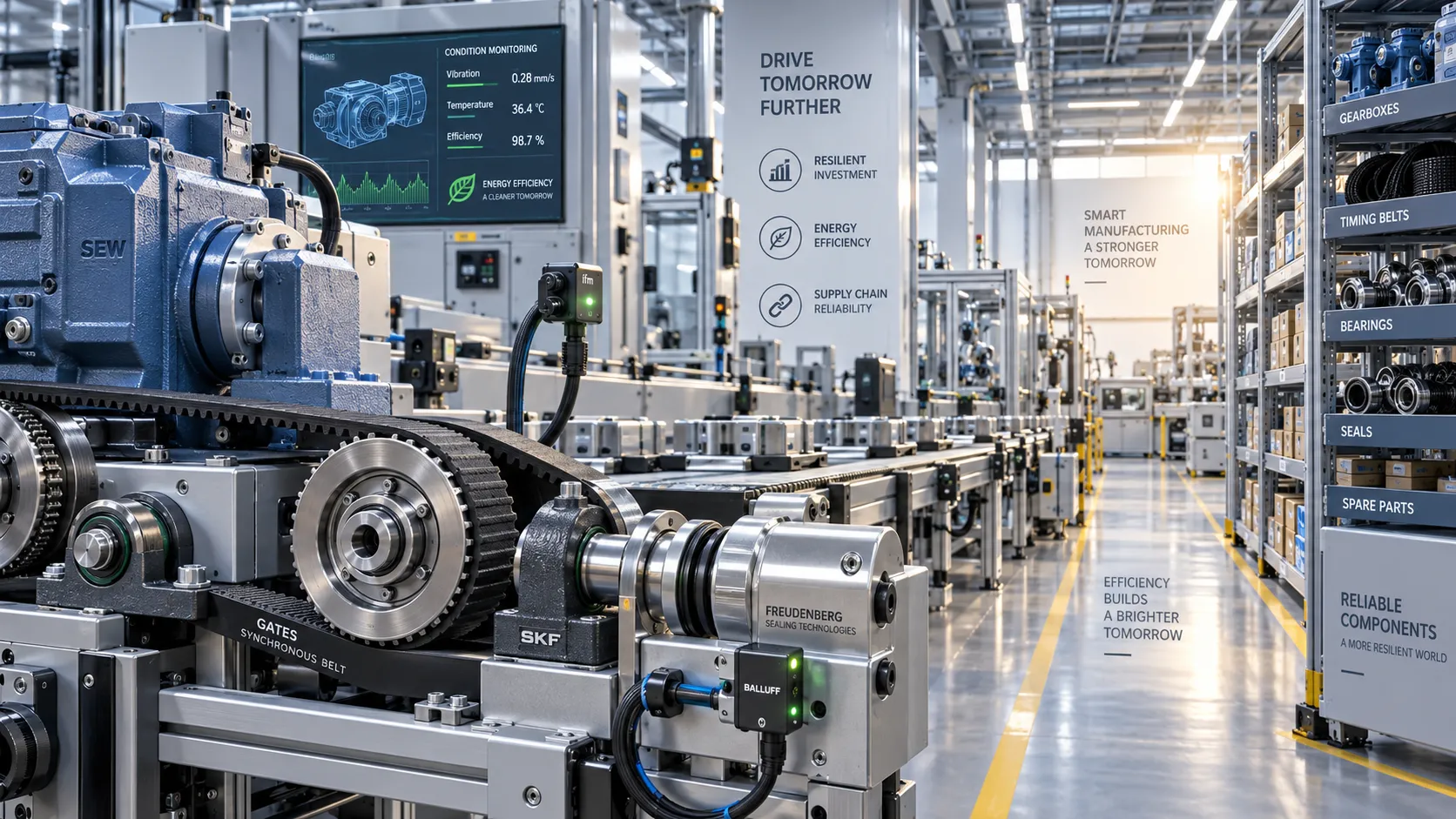
Industrial Economy Trends Shaping Capital Investment and Supply Chain Risk in 2026
Industrial economy trends for 2026 reveal how resilient capital investments, energy efficiency, and supply-chain strategies can protect uptime and strengthen returns.
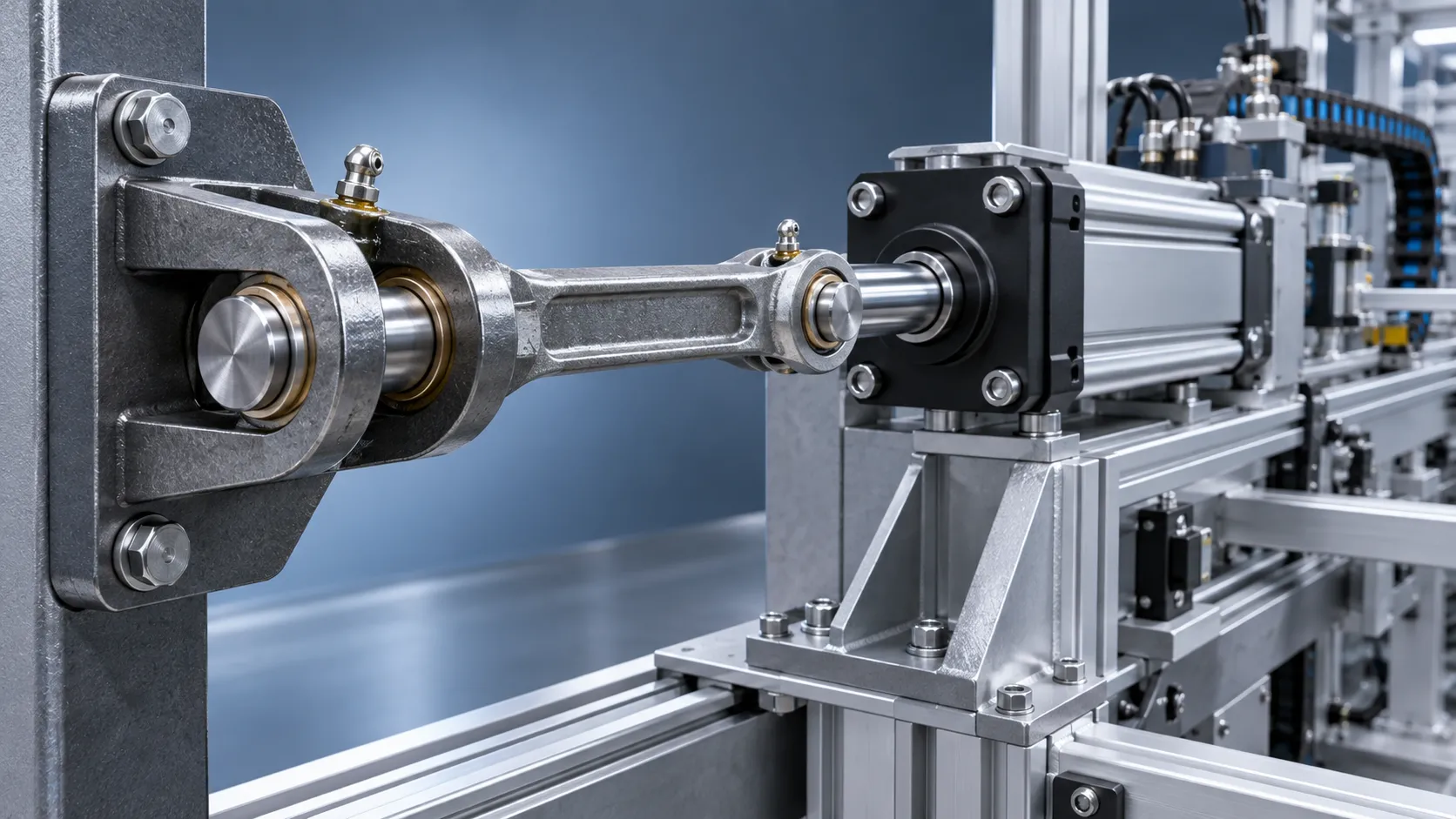
Mechanical Linkage Design: How to Balance Load Capacity, Motion Accuracy, and Wear
Mechanical linkage design guide: balance load capacity, motion accuracy, and wear with practical insights on geometry, joints, tolerances, lubrication, and service life.

How Precision Automated Production Improves Quality Control in High-Volume Assembly
Precision automated production strengthens quality control in high-volume assembly with real-time verification, traceability, and safer defect containment.
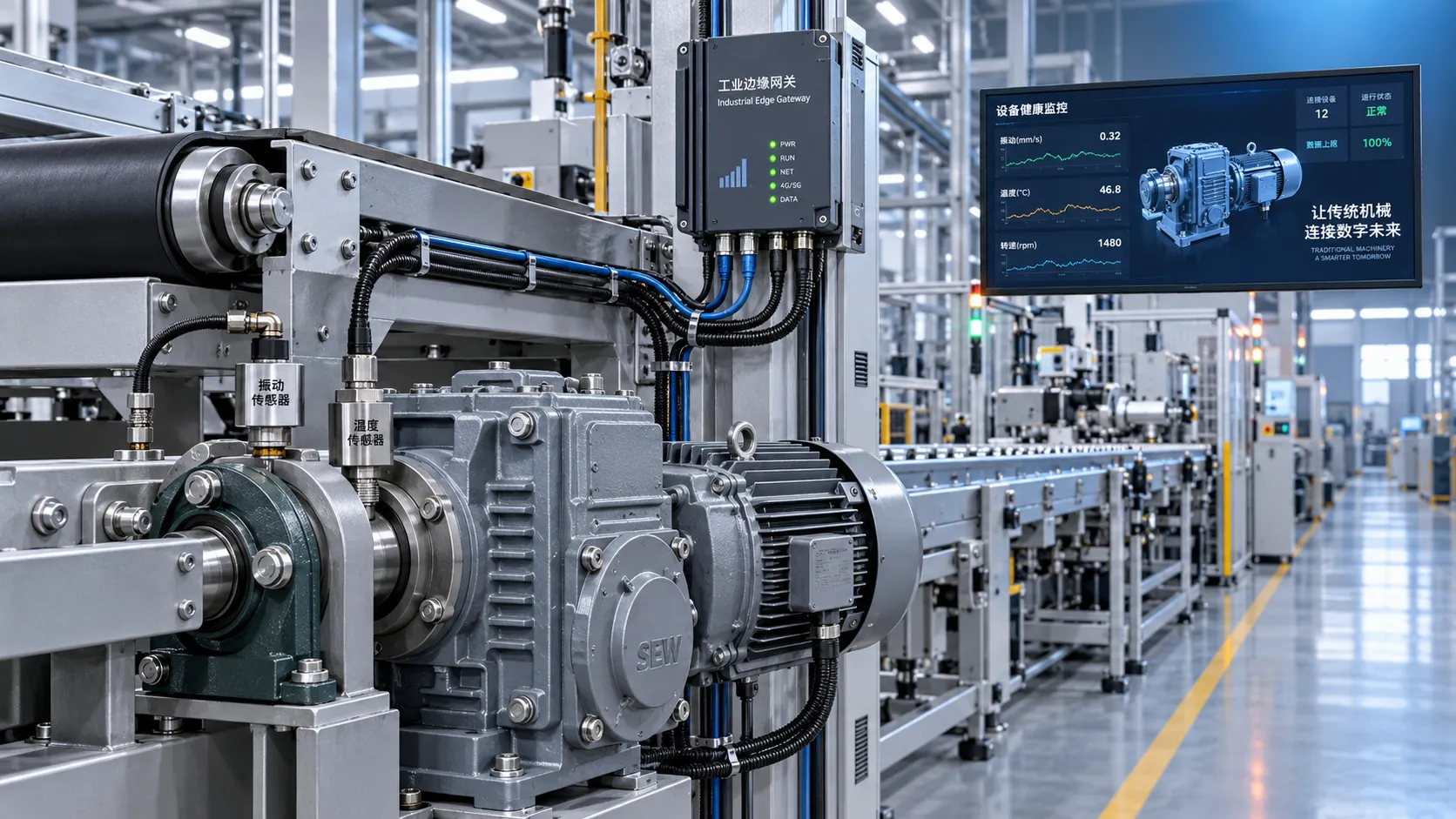
Industry 4.0 Integration: A Roadmap for Connecting Legacy Machines and Data
Industry 4.0 integration roadmap for connecting legacy machines, improving data visibility, reducing downtime, and scaling secure, measurable operational performance.
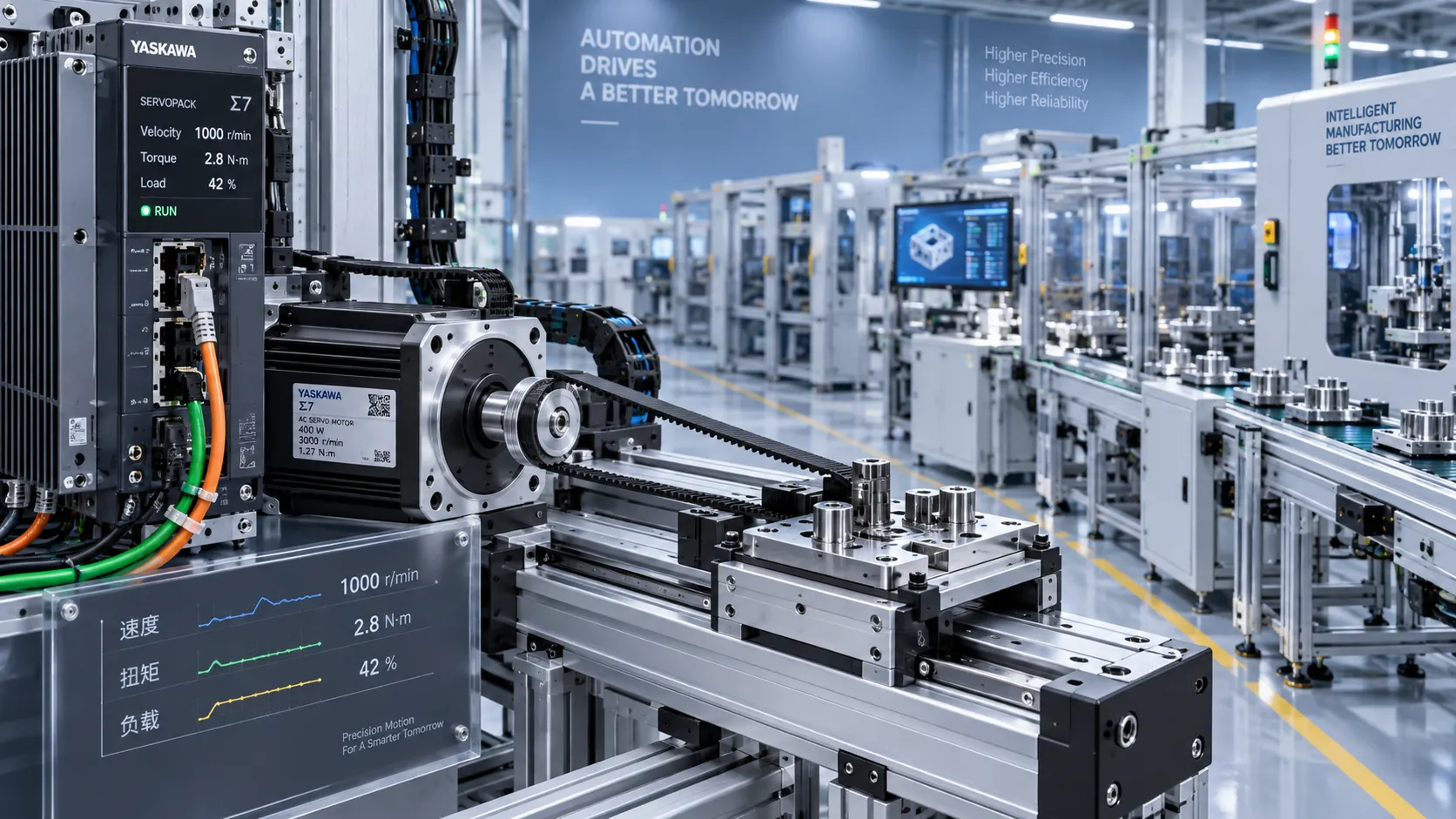
Servo Drive Comparison: Selecting Motion Control for Speed, Torque, and Load
Technical product comparison servo drives: evaluate speed, torque, inertia, safety, and control integration to select a reliable motion system with proven performance margins.

Industrial Automation Technology: How to Prioritize Upgrades by ROI and Downtime Risk
Industrial automation technology upgrades: learn to rank projects by ROI, bottleneck exposure, and downtime risk to reduce losses and make smarter capital decisions.

Selecting Low-Maintenance Chain Components for Dusty, High-Load Conveyors
Low maintenance chain components for dusty, high-load conveyors: compare seals, lubrication, materials, sprockets, and load capacity to reduce wear and downtime.

Selecting Smart Transmission Modules for Automated Lines: Control, Load, and Safety
Smart transmission modules for automated lines: evaluate control compatibility, real load demands, safety boundaries, and predictive maintenance value for reliable performance.

How to Assess Automated Packaging Production for High-Mix Manufacturing Lines
Automated production for packaging: assess changeovers, flexibility, controls, reliability, and lifecycle cost to build high-mix lines that deliver stable output.