
Industry News
Curation by industry experts
Hot Articles
Popular Tags
Why low-maintenance transmission components matter now
Why low-maintenance transmission components matter now
For aftersales maintenance teams, every unexpected stop means higher costs, tighter schedules, and more pressure on service performance.
That is why low-maintenance transmission components matter now: they reduce downtime, simplify inspections, and improve reliability across automated lines and heavy-duty equipment.
As industry shifts toward leaner, smarter, and more energy-aware operations, durable transmission parts are no longer optional upgrades.
They are becoming a practical response to labor constraints, variable loads, longer operating cycles, and stricter performance expectations.
Across the broader industrial landscape, the demand for low-maintenance transmission components now reflects a structural change, not a passing preference.
The operating environment has changed faster than maintenance routines
Production systems now run with less tolerance for interruption.
Automated conveyors, packaging lines, mixers, pumps, crushers, and material handling systems all depend on consistent torque transfer and predictable motion.
At the same time, maintenance windows are shrinking.
Facilities expect components to last longer between checks, while still supporting energy efficiency, stable output, and safe operation.
This shift explains why low-maintenance transmission components matter now across combined industries, from manufacturing and logistics to mining and utilities.
The trend is reinforced by global intelligence from platforms such as GPT-Matrix, which tracks reliability evolution, material innovation, and transmission system efficiency.
Its analysis shows rising interest in long-life belts, advanced gear reducers, optimized couplings, and sealing technologies built for fewer interventions.
Several trend signals show why low-maintenance transmission components matter now
The market is not moving on one factor alone.
A cluster of operational signals now points toward lower-maintenance power transmission systems as a strategic requirement.
- More continuous operation creates less room for reactive servicing.
- Higher energy costs increase attention on mechanical losses and alignment issues.
- Skilled service labor remains tight in many industrial regions.
- Equipment owners want fewer lubrication points and easier inspection routines.
- Harsh environments demand stronger resistance to dust, heat, moisture, and shock loads.
- Digital maintenance programs need components with stable performance patterns.
These signals explain why low-maintenance transmission components matter now even in sectors once driven mainly by upfront purchase price.
The main drivers behind the shift are practical, measurable, and industry-wide
Together, these drivers show why low-maintenance transmission components matter now in both legacy systems and new installations.
The impact reaches more than the maintenance function alone
A low-maintenance transmission strategy affects operating rhythm, service planning, energy performance, and spare parts control.
When belts keep tension longer, couplings resist misalignment better, and reducers hold performance under fluctuating loads, teams gain time and predictability.
This matters especially in facilities where one failed drive can stop several linked processes.
The effect is also financial.
Less frequent intervention reduces overtime exposure, emergency parts shipping, collateral wear, and production recovery losses after restart.
That broader impact is another reason why low-maintenance transmission components matter now.
Where the influence is most visible
- Automated production lines with tight takt times
- Bulk handling equipment exposed to dust and shock
- Food, packaging, and logistics systems requiring easy cleaning and simple checks
- Remote or hard-to-access installations where service visits are costly
- Heavy-duty applications where failure creates cascading mechanical damage
What deserves closer attention when evaluating transmission upgrades
Not every durable-looking part delivers low service demand in real conditions.
Performance depends on design fit, installation quality, load profile, and environmental compatibility.
To understand why low-maintenance transmission components matter now, evaluation should focus on field behavior, not only catalog claims.
- Expected service life under real load cycles
- Resistance to contamination, heat, vibration, and moisture
- Lubrication frequency and accessibility requirements
- Tolerance to minor misalignment or variable speed operation
- Ease of inspection and replacement during short shutdown windows
- Compatibility with sensors, monitoring routines, and maintenance records
These points help separate a truly low-maintenance transmission component from one that simply appears robust on paper.
A practical response starts with prioritization, not full replacement
It is rarely necessary to change every transmission element at once.
A better approach is to identify assets with the highest interruption cost, shortest maintenance interval, or harshest duty cycle.
This phased method turns the question of why low-maintenance transmission components matter now into a measurable improvement plan.
The next judgment should be based on intelligence, not assumptions
Industrial conditions are changing too quickly for static component choices.
Raw material shifts, energy pricing, uptime targets, and digital maintenance tools all influence transmission decisions.
That is where structured market and technical intelligence becomes useful.
GPT-Matrix follows these changes across power transmission, motion control, and critical sealing technologies.
Its Strategic Intelligence Center connects material science, equipment reliability, and commercial demand trends into a usable decision framework.
For organizations reviewing long-life belts, gear reducers, couplings, bearings, or seals, this perspective clarifies why low-maintenance transmission components matter now and what to watch next.
Take the next practical step before service pressure gets worse
Start with a simple audit of recurring transmission-related stoppages, inspection burdens, and replacement intervals.
Map those findings against assets with the highest uptime sensitivity.
Then compare current parts with low-maintenance transmission components that offer longer life, lower intervention needs, and better fit for present operating conditions.
The value of acting now is clear.
When maintenance pressure rises and operating windows tighten, reliability becomes a competitive asset.
That is exactly why low-maintenance transmission components matter now.
Follow intelligence-led updates from GPT-Matrix to track the technologies, performance trends, and lifecycle signals shaping the next generation of industrial transmission decisions.
Recommended News
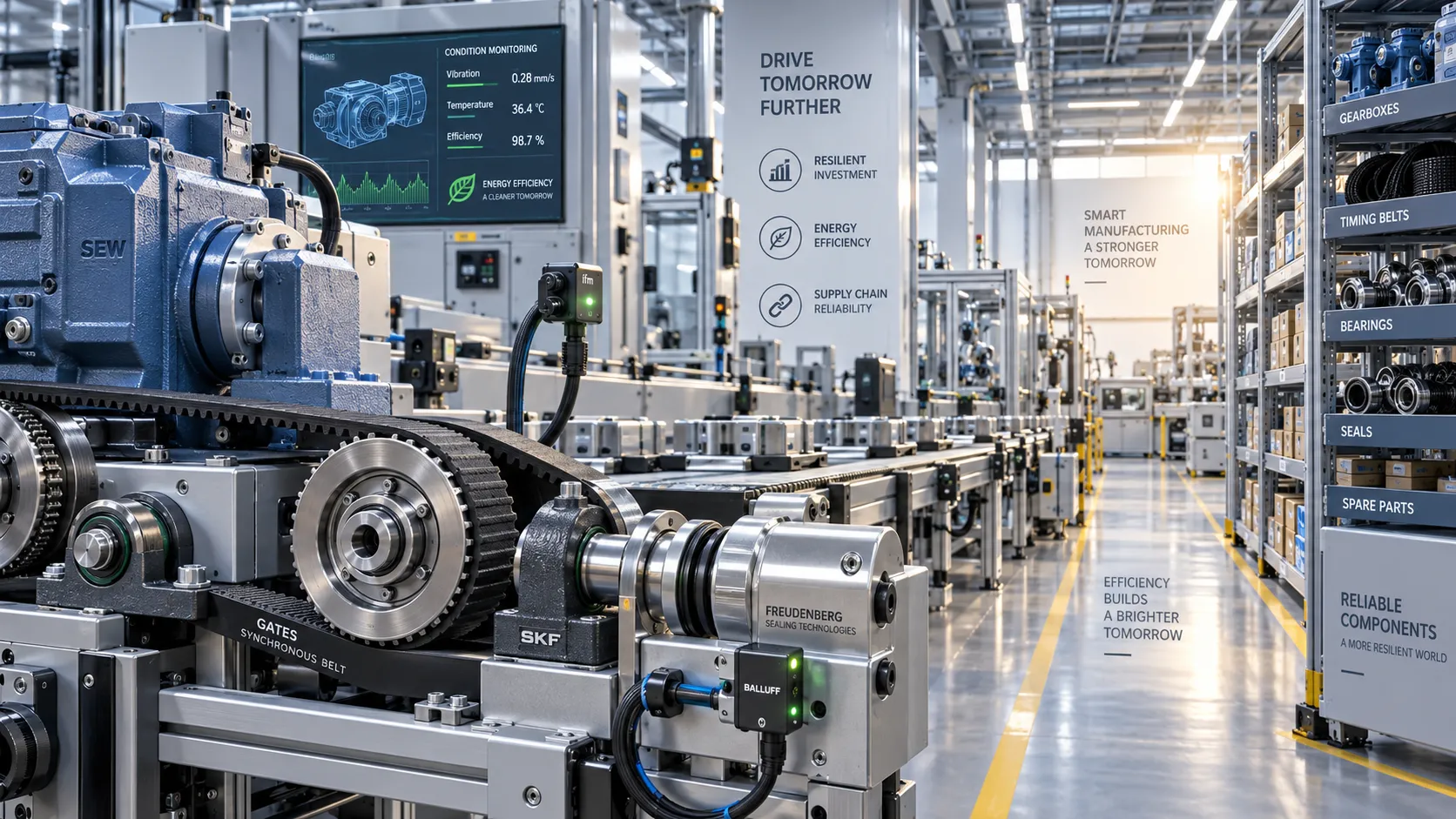
Industrial Economy Trends Shaping Capital Investment and Supply Chain Risk in 2026
Industrial economy trends for 2026 reveal how resilient capital investments, energy efficiency, and supply-chain strategies can protect uptime and strengthen returns.
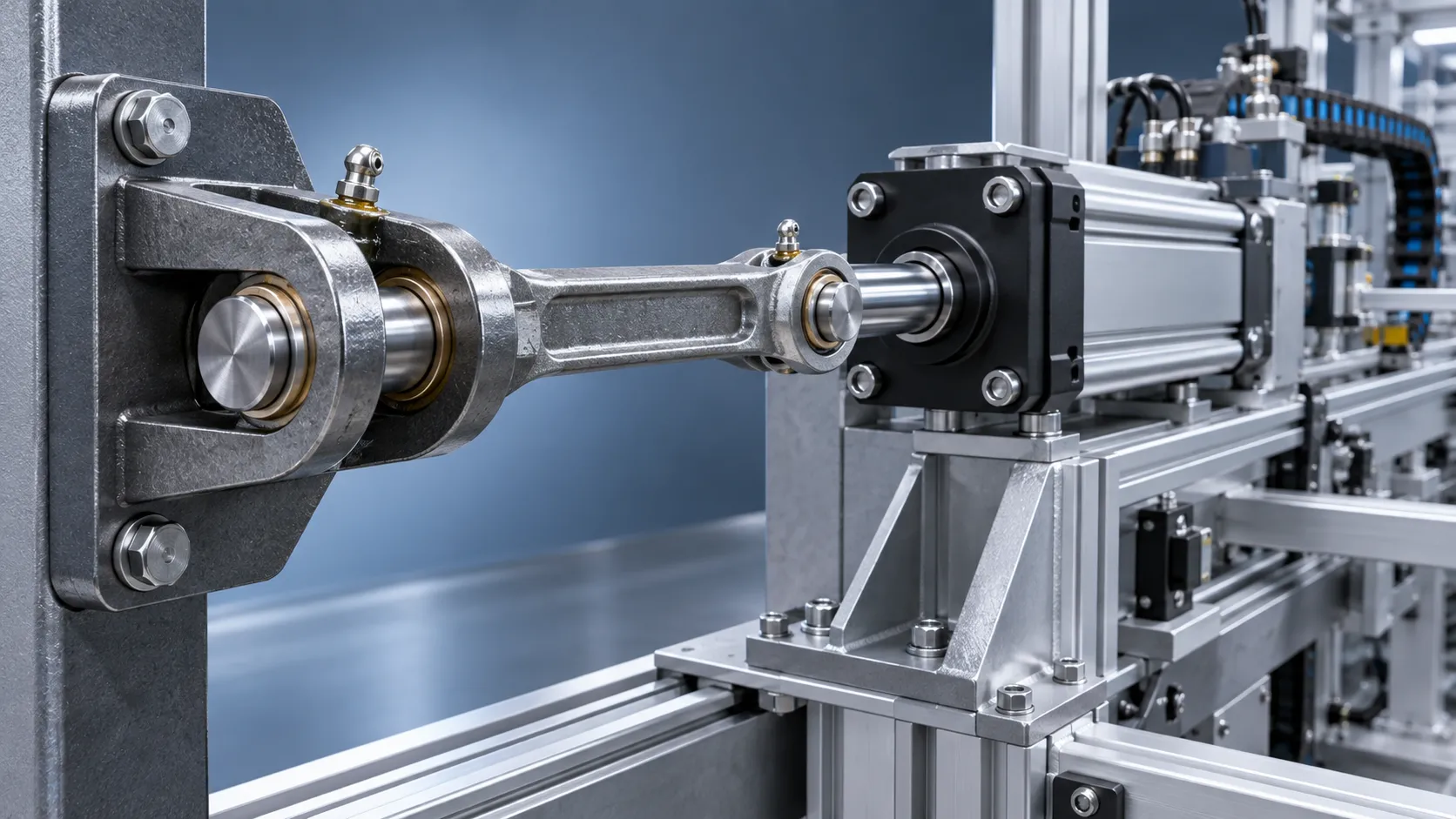
Mechanical Linkage Design: How to Balance Load Capacity, Motion Accuracy, and Wear
Mechanical linkage design guide: balance load capacity, motion accuracy, and wear with practical insights on geometry, joints, tolerances, lubrication, and service life.
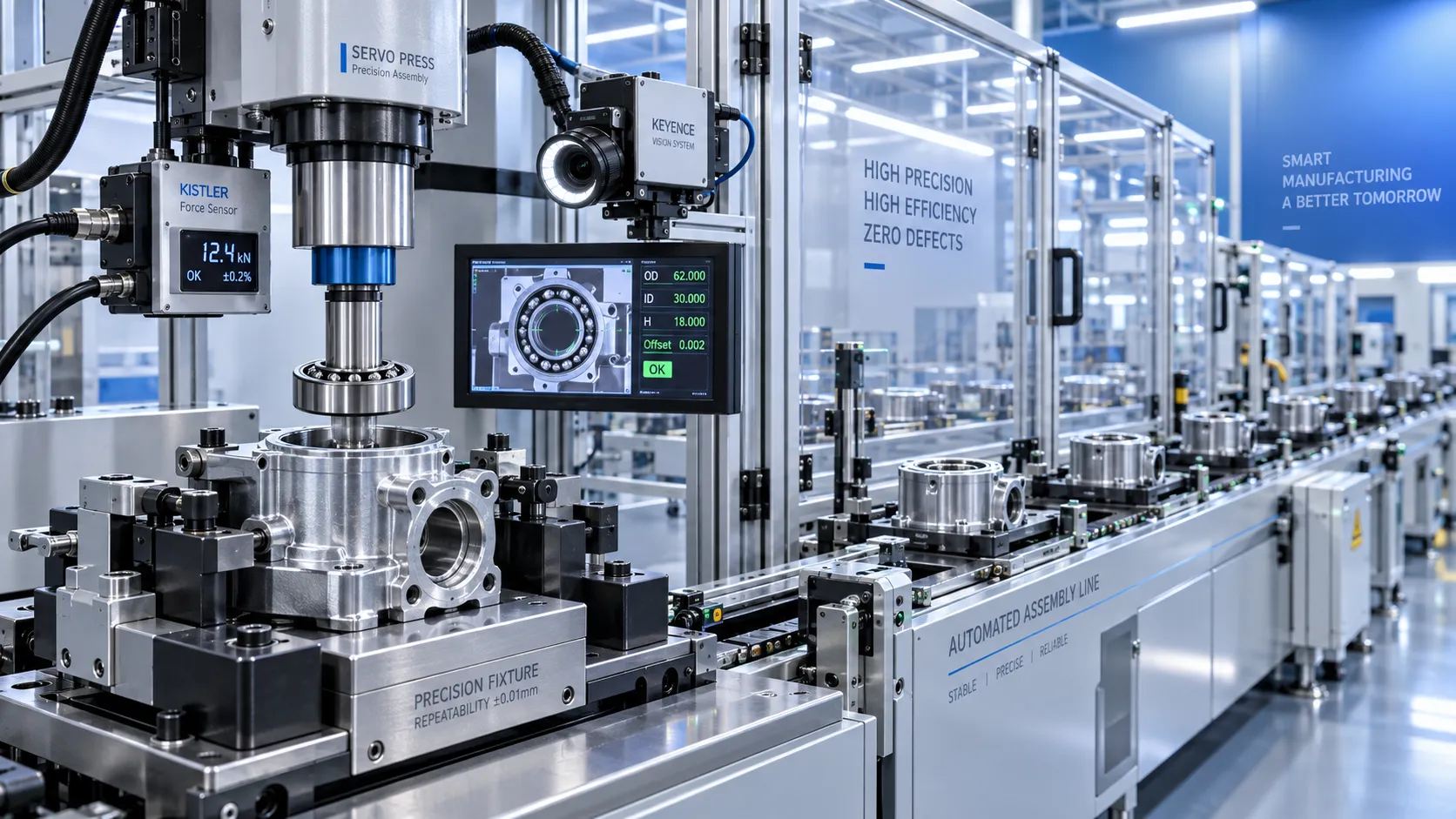
How Precision Automated Production Improves Quality Control in High-Volume Assembly
Precision automated production strengthens quality control in high-volume assembly with real-time verification, traceability, and safer defect containment.
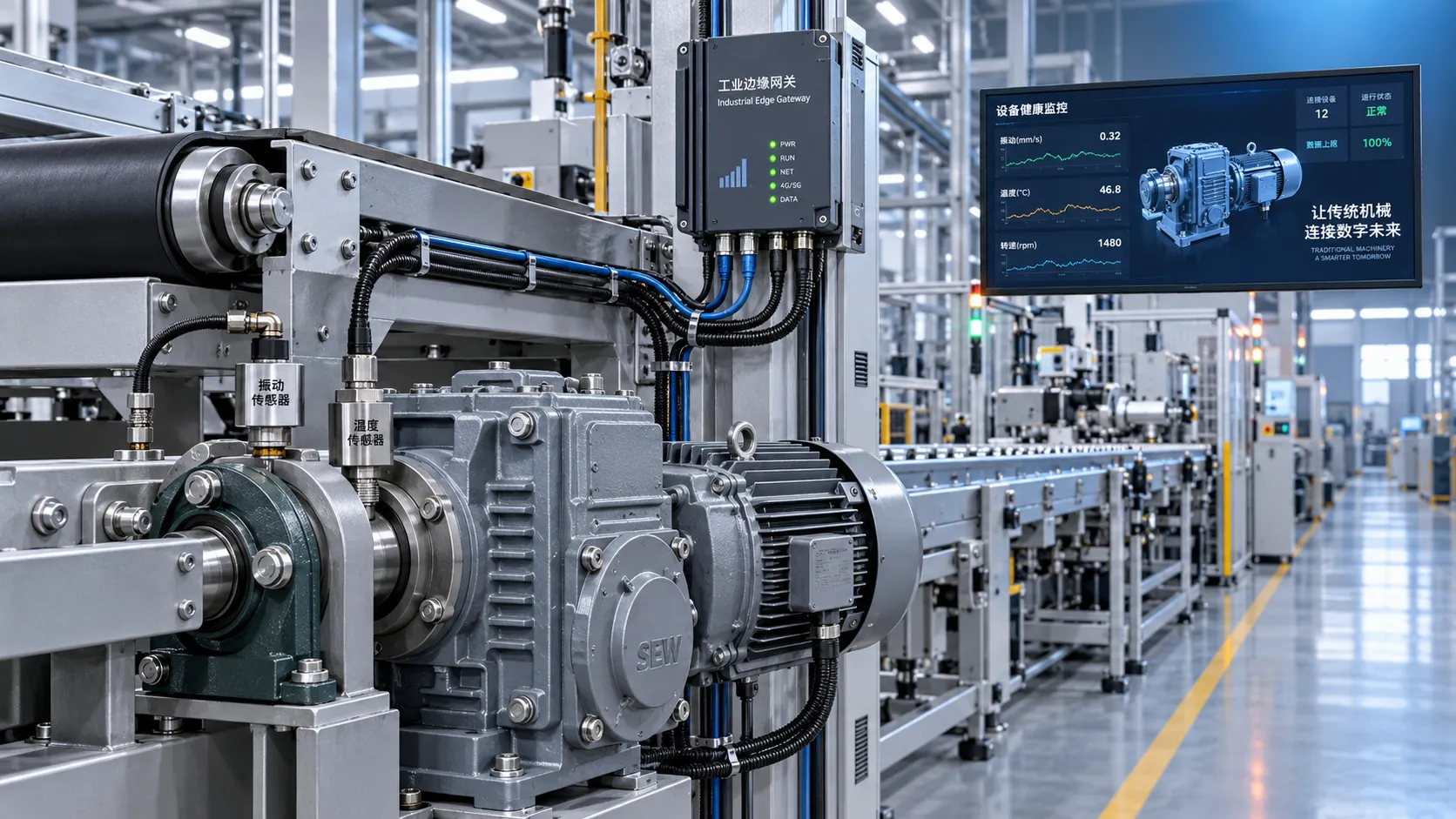
Industry 4.0 Integration: A Roadmap for Connecting Legacy Machines and Data
Industry 4.0 integration roadmap for connecting legacy machines, improving data visibility, reducing downtime, and scaling secure, measurable operational performance.
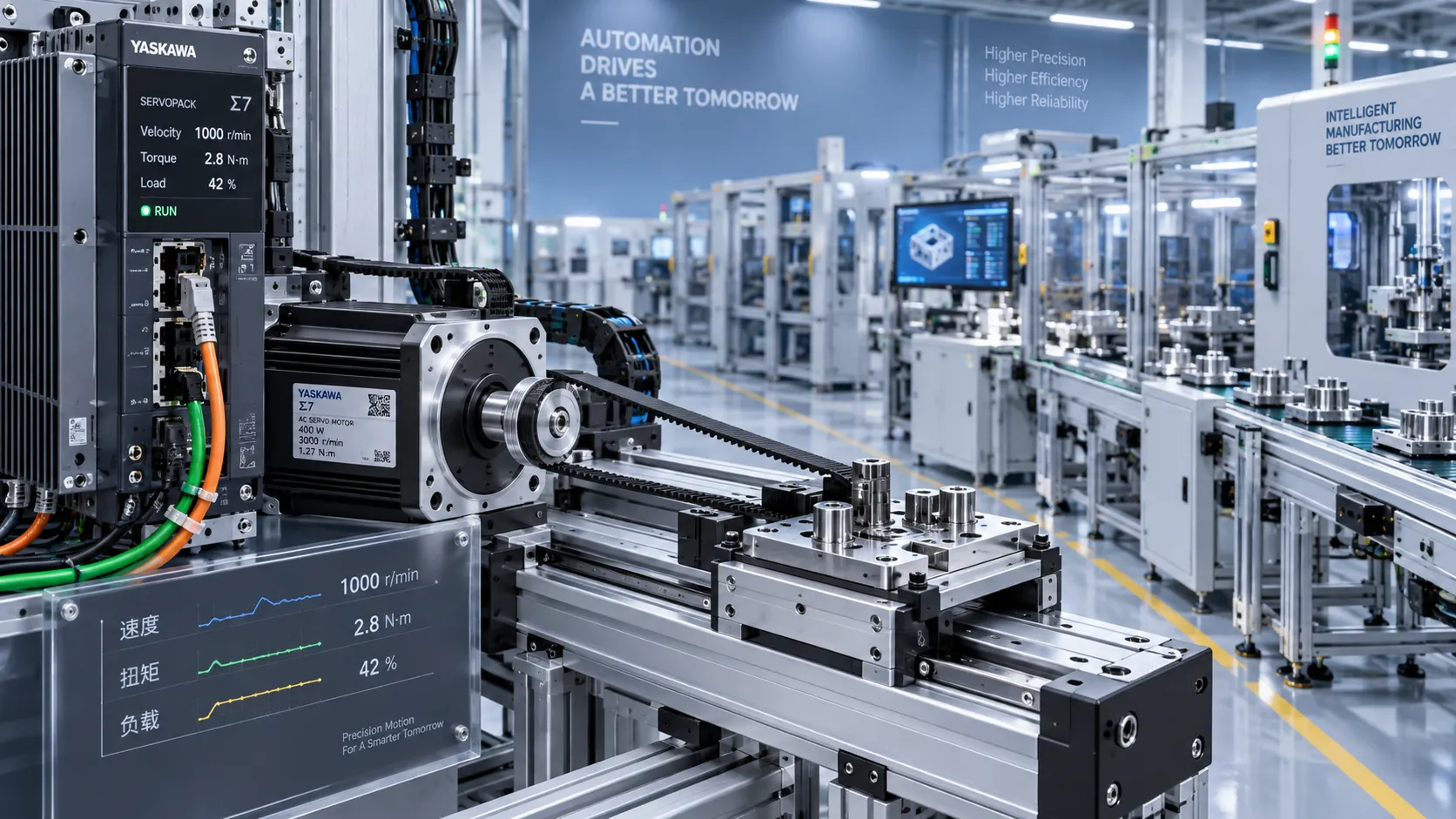
Servo Drive Comparison: Selecting Motion Control for Speed, Torque, and Load
Technical product comparison servo drives: evaluate speed, torque, inertia, safety, and control integration to select a reliable motion system with proven performance margins.
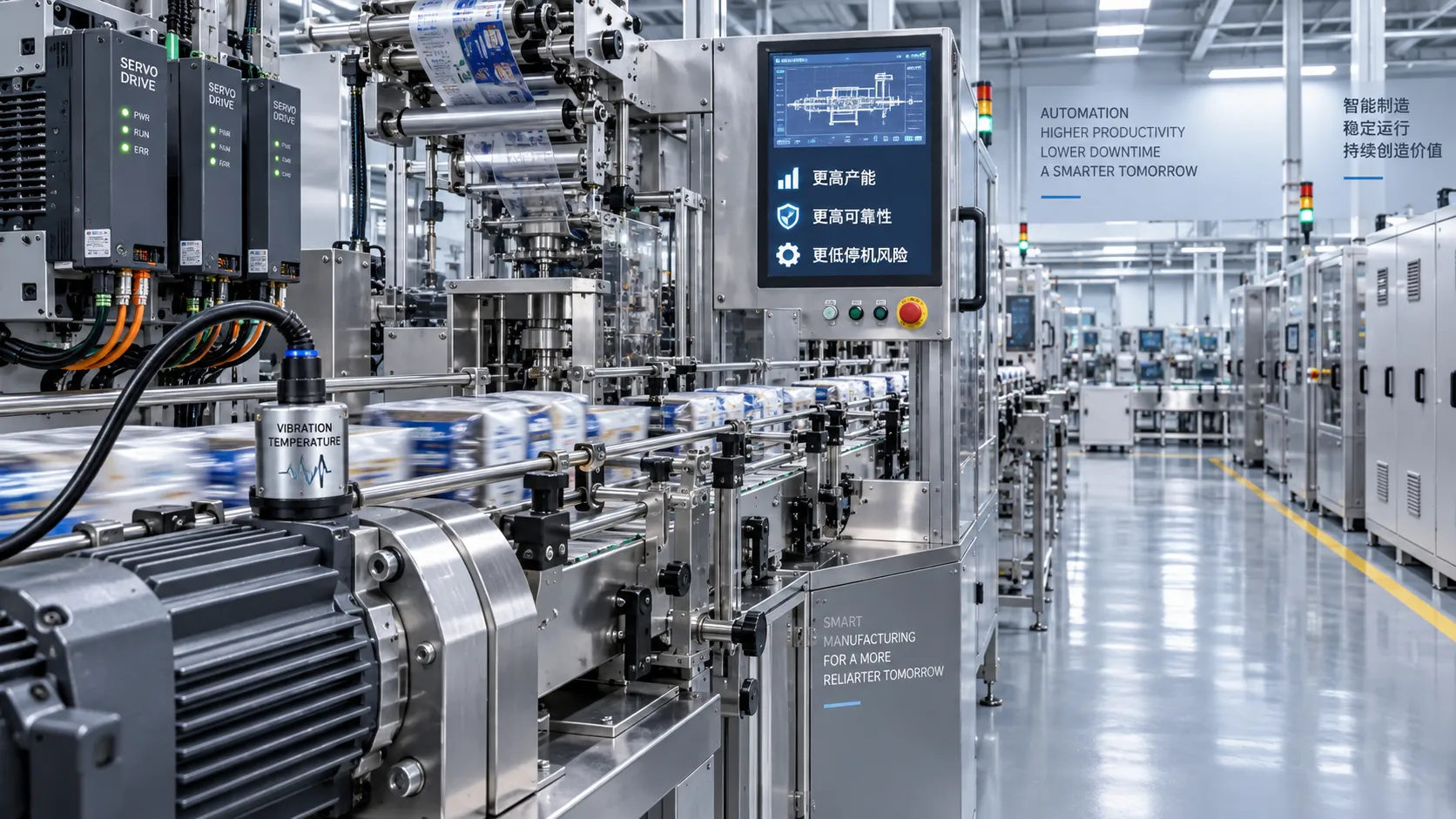
Industrial Automation Technology: How to Prioritize Upgrades by ROI and Downtime Risk
Industrial automation technology upgrades: learn to rank projects by ROI, bottleneck exposure, and downtime risk to reduce losses and make smarter capital decisions.
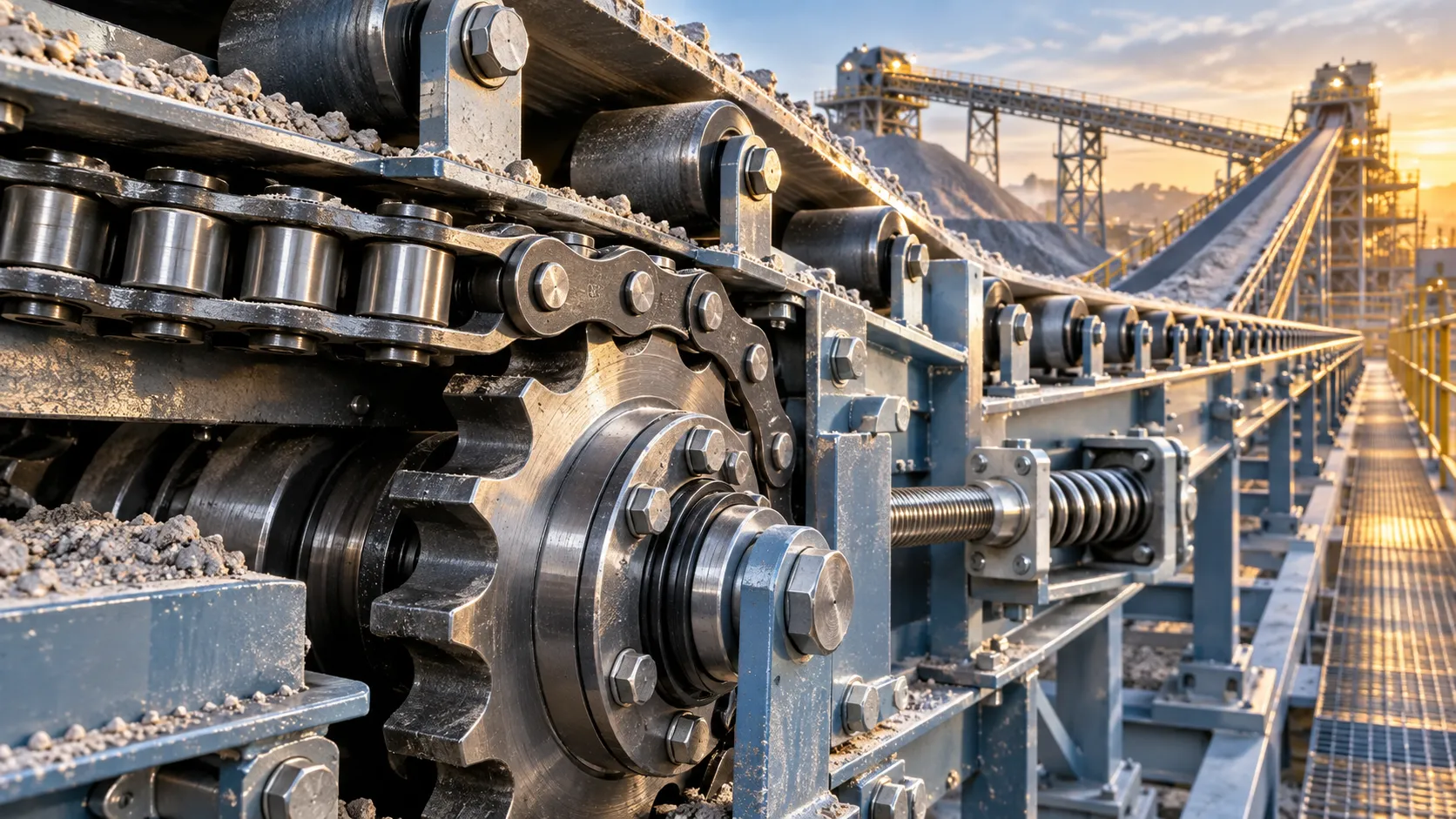
Selecting Low-Maintenance Chain Components for Dusty, High-Load Conveyors
Low maintenance chain components for dusty, high-load conveyors: compare seals, lubrication, materials, sprockets, and load capacity to reduce wear and downtime.
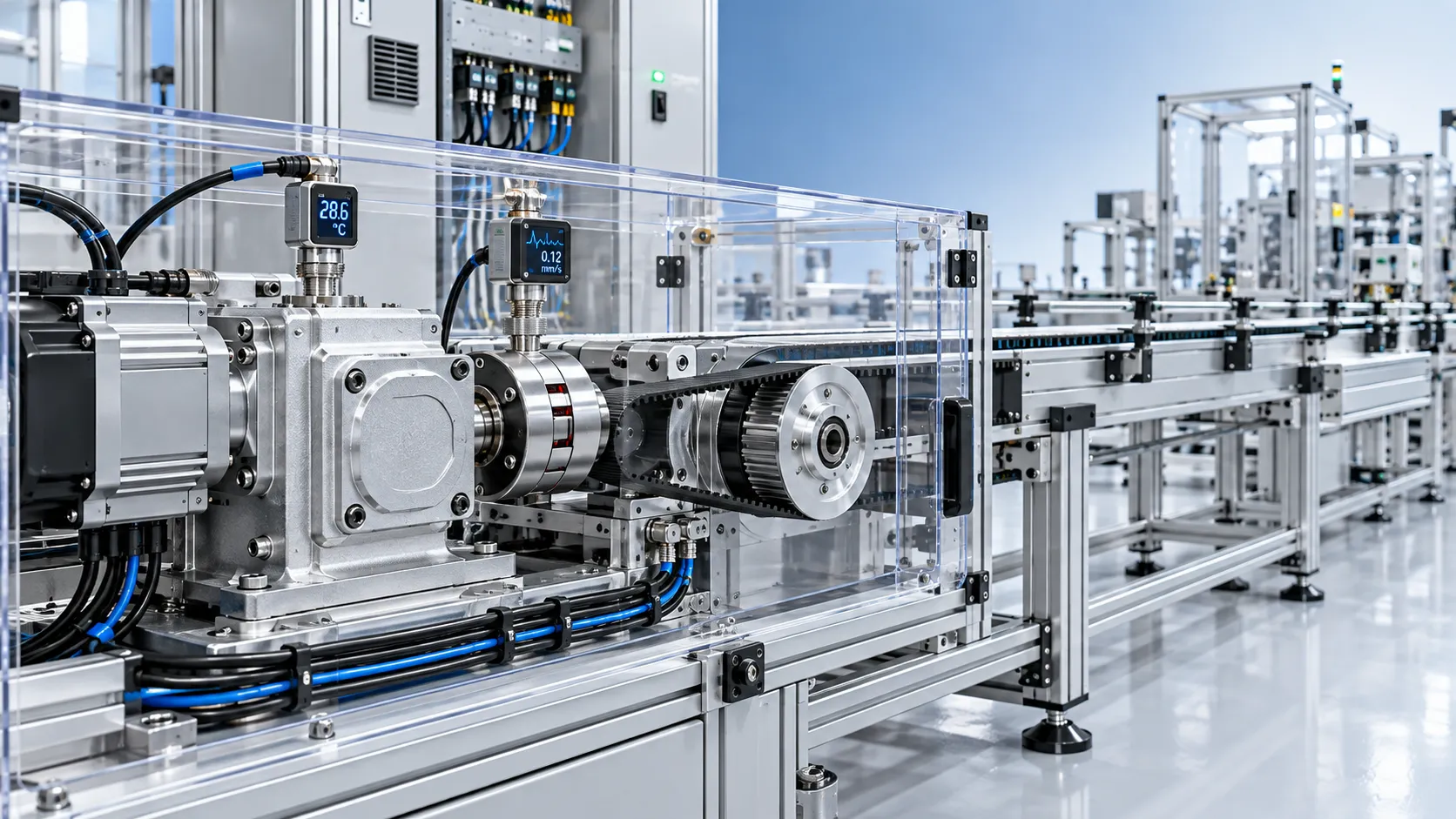
Selecting Smart Transmission Modules for Automated Lines: Control, Load, and Safety
Smart transmission modules for automated lines: evaluate control compatibility, real load demands, safety boundaries, and predictive maintenance value for reliable performance.

How to Assess Automated Packaging Production for High-Mix Manufacturing Lines
Automated production for packaging: assess changeovers, flexibility, controls, reliability, and lifecycle cost to build high-mix lines that deliver stable output.