
Industry News
Curation by industry experts
Hot Articles
Popular Tags
What improves gear reducer reliability in real service
In real service, gear reducer life is shaped by operating reality, not only by nameplate data. Speed variation, thermal cycling, contamination, shock loads, and mounting accuracy all interact over time.
That is why reliability engineering solutions for gear reducers matter. They turn failure analysis, design review, lubrication planning, and condition monitoring into practical decision tools for demanding industrial systems.
For technical evaluation across mixed industries, the key question is simple. Which factors truly improve reliability in service, and which assumptions create hidden maintenance risk?
What does real service reliability mean for a gear reducer?
Reliability is the ability to deliver required torque and speed over time without unacceptable failure, drift, leakage, noise growth, or temperature escalation.
Catalog ratings usually assume defined loads, alignment quality, lubricant condition, and ambient limits. Real duty cycles often break those assumptions in small but damaging ways.
Effective reliability engineering solutions for gear reducers focus on the full operating chain. They connect design margins, application behavior, maintenance discipline, and environment exposure.
A reducer may survive peak torque on paper yet fail early from repeated starts, micro-shocks, poor oil cleanliness, or heat trapped inside compact equipment.
- Mechanical reliability: gears, bearings, shafts, housing rigidity, and load distribution.
- Tribological reliability: lubricant film strength, contamination control, and wear stability.
- Sealing reliability: oil retention and protection against dust, water, and process debris.
- Thermal reliability: controlled operating temperature across variable duty.
Which failure drivers most often reduce service life?
The most common reliability losses rarely come from one dramatic event. They usually develop through interacting stresses that stay unnoticed during early operation.
How do load variation and shock events accelerate wear?
Reducers dislike unstable torque more than many users expect. Repeated peaks increase tooth root stress, bearing fatigue, shaft deflection, and backlash progression.
Frequent reversing, emergency stops, and pulsating drives can create dynamic loading far above average power calculations. This is where reliability engineering solutions for gear reducers add value.
Why is lubrication stability so critical?
Lubrication separates contact surfaces, removes heat, and carries debris toward filtration or settling zones. When viscosity shifts or contamination rises, wear mechanisms accelerate quickly.
Wrong oil grade, delayed replacement, water ingress, or foaming can destroy film integrity. Surface fatigue, scuffing, micropitting, and bearing distress then follow.
What role do heat and sealing play?
Heat changes oil viscosity, oxidizes additives, hardens seals, and raises component expansion. Once thermal balance is lost, leakage and internal wear usually increase together.
Sealing weakness often starts as a small issue. Yet dust, washdown moisture, chemical vapors, or metal fines can turn a sound reducer into a chronic maintenance problem.
How do reliability engineering solutions for gear reducers improve design evaluation?
They improve evaluation by moving beyond rated output alone. A better review checks whether the reducer design fits the true mission profile and service environment.
Reliable comparison should examine materials, tooth geometry, bearing arrangement, shaft support span, housing stiffness, and thermal dissipation path.
It should also verify whether service factors are realistic. Oversimplified service factors often hide cyclic loading, ambient extremes, or poor start-stop conditions.
Strong reliability engineering solutions for gear reducers also include failure mode review. This identifies what is most likely to fail first and what secondary damage may follow.
Which application conditions deserve closer attention before selection?
Not every operating factor carries equal weight. Some conditions deserve early scrutiny because they multiply risk across gears, bearings, seals, and lubricant.
Where are hidden risks commonly underestimated?
- Vertical mounting that changes oil distribution and seal loading.
- Outdoor exposure with dust, rain, UV, and large temperature swings.
- Frequent low-speed operation with high torque and limited cooling.
- Washdown or corrosive atmospheres that attack sealing materials.
- Coupling misalignment that increases bearing and shaft stress.
These factors are common across conveyors, mixers, packaging lines, bulk handling, water systems, and heavy-duty auxiliary machinery.
In such cases, reliability engineering solutions for gear reducers should include thermal checks, ingress protection review, and realistic startup torque analysis.
How can condition monitoring and maintenance improve reducer reliability?
Maintenance improves reliability most when it becomes predictive rather than reactive. The goal is to detect degradation before tooth damage or bearing spalling becomes irreversible.
Useful indicators include temperature trend, oil analysis, vibration spectrum, leakage pattern, noise change, and magnetic debris inspection.
A rising temperature alone does not prove failure. Combined with viscosity loss, particle increase, or vibration sidebands, it becomes far more meaningful.
This is another area where reliability engineering solutions for gear reducers support better decisions. They convert isolated symptoms into structured diagnostic evidence.
- Establish baseline temperature, vibration, and oil cleanliness after stable commissioning.
- Set sampling intervals based on duty severity, not calendar habit alone.
- Investigate trend changes early, especially after process modifications.
- Link findings to root causes such as overload, contamination, or alignment drift.
What mistakes weaken decision quality when comparing gear reducers?
A common mistake is treating all reducers with similar ratio and torque output as functionally equivalent. Real reliability differences often sit inside details not shown in headline ratings.
Another mistake is ignoring maintainability. Access for oil changes, inspection points, venting quality, and spare support can strongly affect total lifecycle performance.
Cost-only comparison also creates bias. A lower purchase price may lead to higher downtime risk, shorter oil life, and more frequent seal or bearing intervention.
Well-structured reliability engineering solutions for gear reducers compare both design resilience and service support depth. That delivers a more realistic ownership picture.
What is the most practical path to stronger reliability in service?
Start with the real duty cycle. Define torque variation, starts per hour, ambient range, contamination sources, mounting position, and expected maintenance access.
Then compare reducers using reliability engineering solutions for gear reducers, not output rating alone. Review thermal margin, lubrication design, sealing integrity, and failure mode exposure.
After installation, build a small monitoring routine. Even simple temperature, leakage, and oil trend records can reveal early instability before costly damage develops.
Across the broader industrial landscape, GPT-Matrix tracks the material, tribology, and transmission trends that shape these decisions. Better intelligence leads to better reducer life, lower maintenance risk, and more stable system efficiency.
If evaluation needs to be more confident, focus on evidence from service conditions, not assumptions from static data sheets. That is where lasting reliability is usually won.
Recommended News
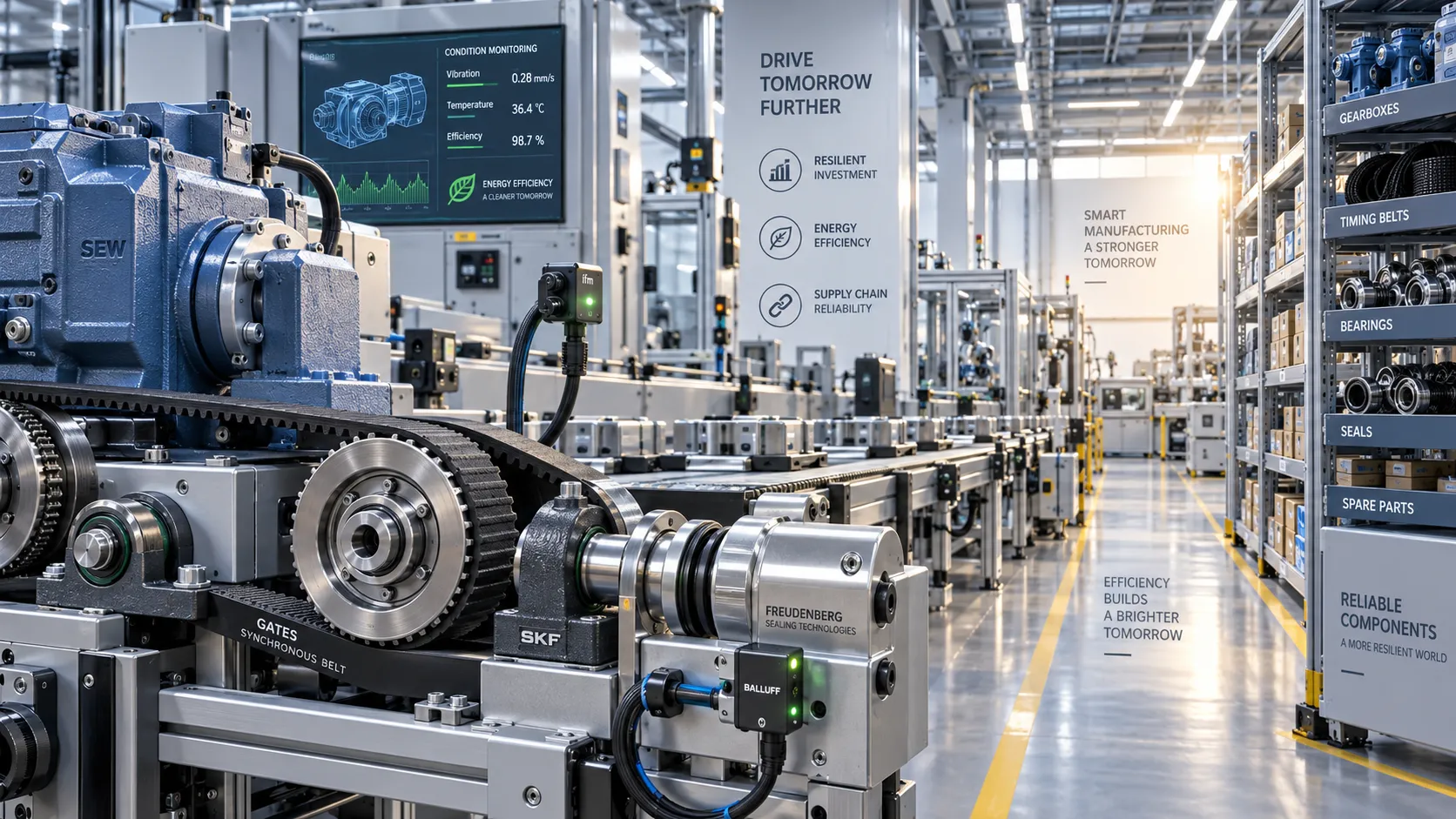
Industrial Economy Trends Shaping Capital Investment and Supply Chain Risk in 2026
Industrial economy trends for 2026 reveal how resilient capital investments, energy efficiency, and supply-chain strategies can protect uptime and strengthen returns.
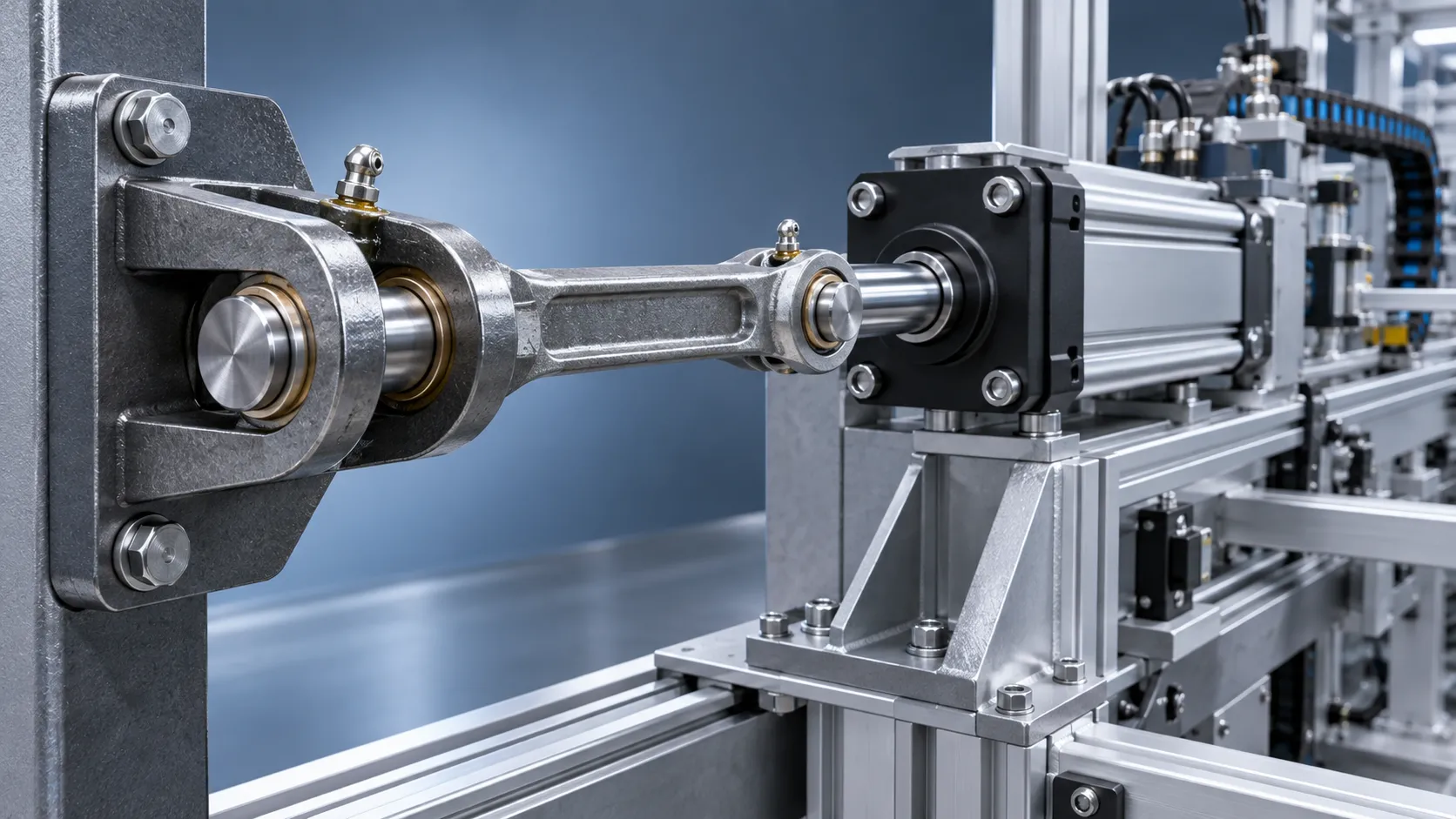
Mechanical Linkage Design: How to Balance Load Capacity, Motion Accuracy, and Wear
Mechanical linkage design guide: balance load capacity, motion accuracy, and wear with practical insights on geometry, joints, tolerances, lubrication, and service life.
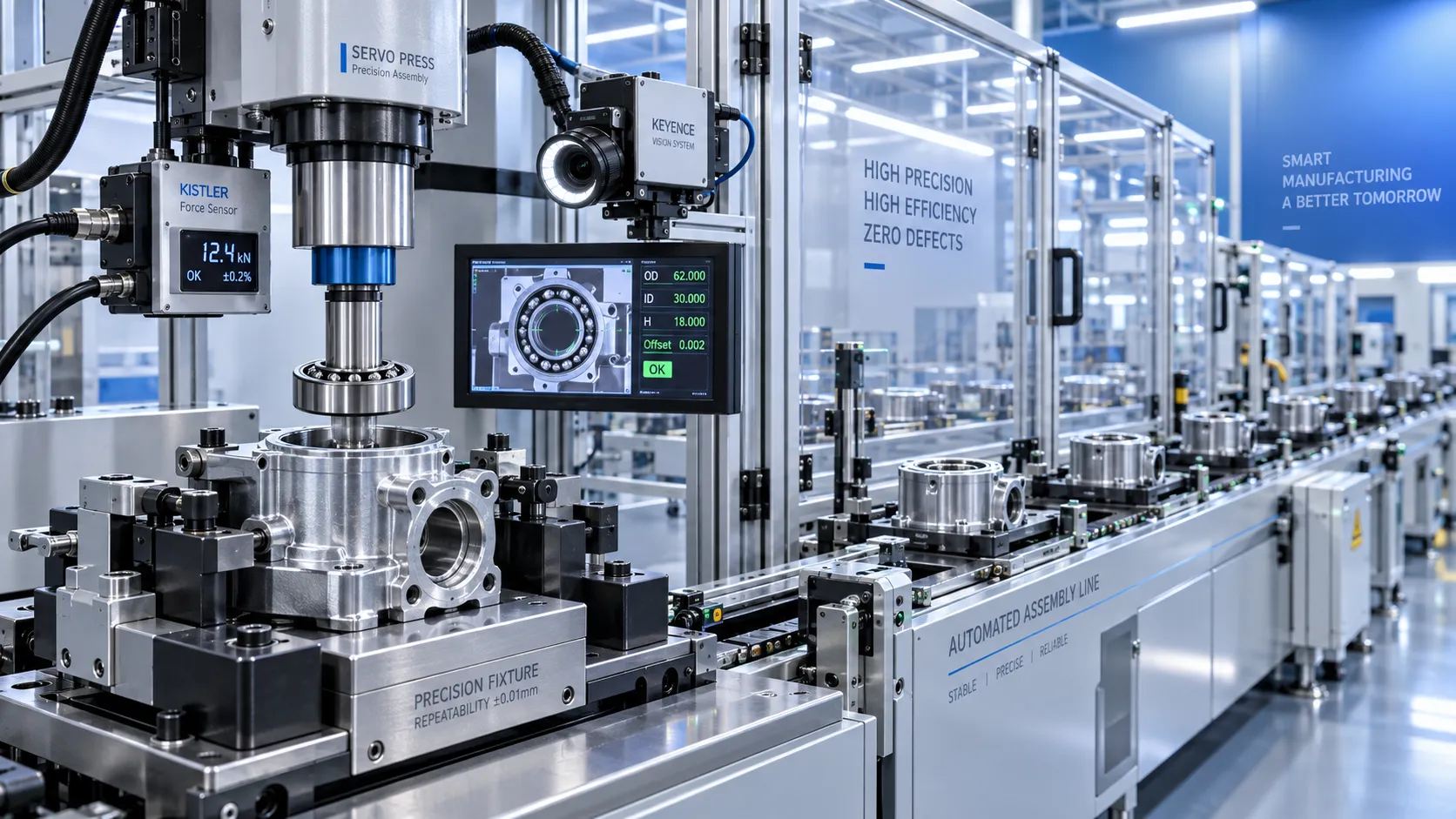
How Precision Automated Production Improves Quality Control in High-Volume Assembly
Precision automated production strengthens quality control in high-volume assembly with real-time verification, traceability, and safer defect containment.
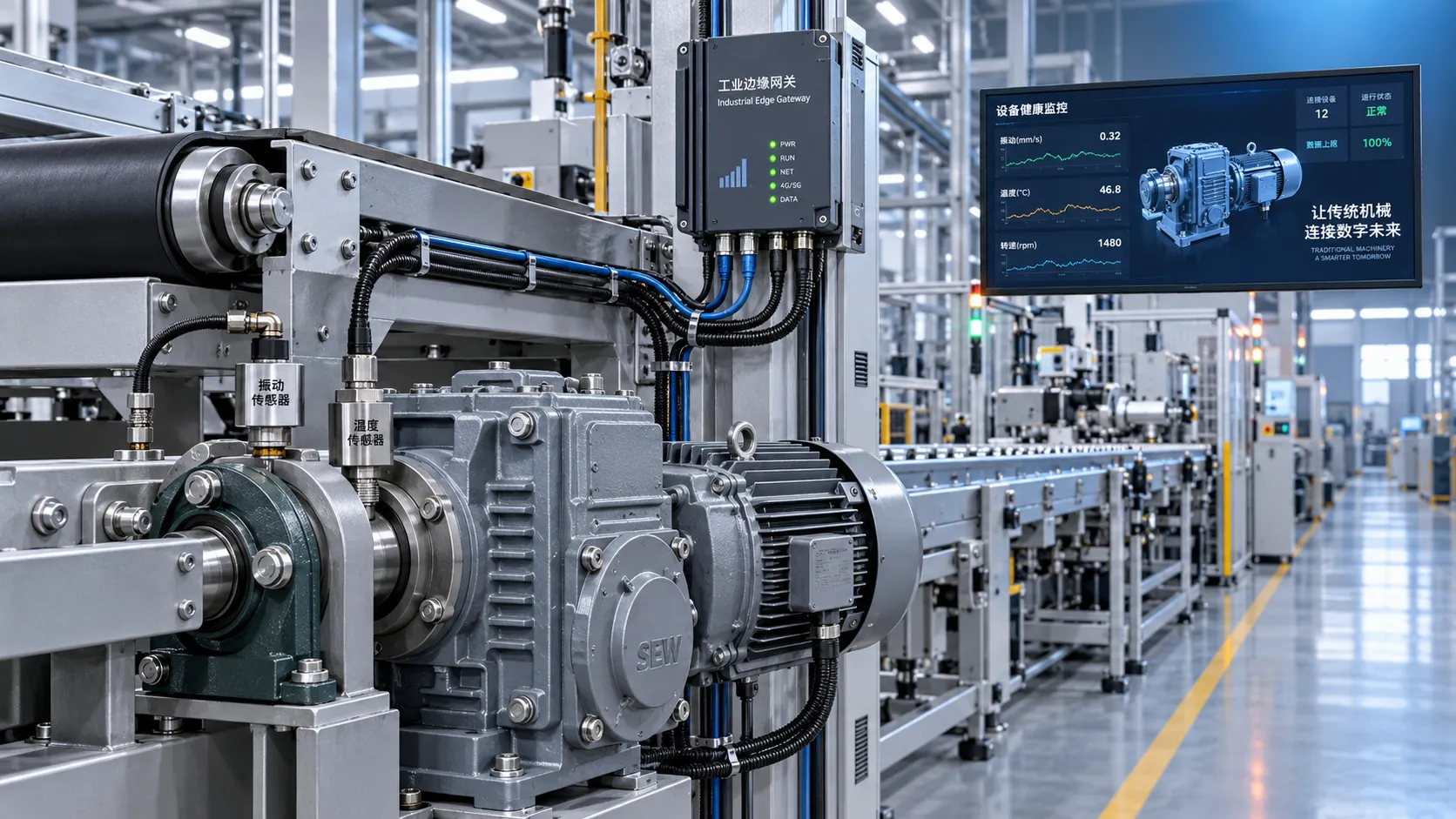
Industry 4.0 Integration: A Roadmap for Connecting Legacy Machines and Data
Industry 4.0 integration roadmap for connecting legacy machines, improving data visibility, reducing downtime, and scaling secure, measurable operational performance.
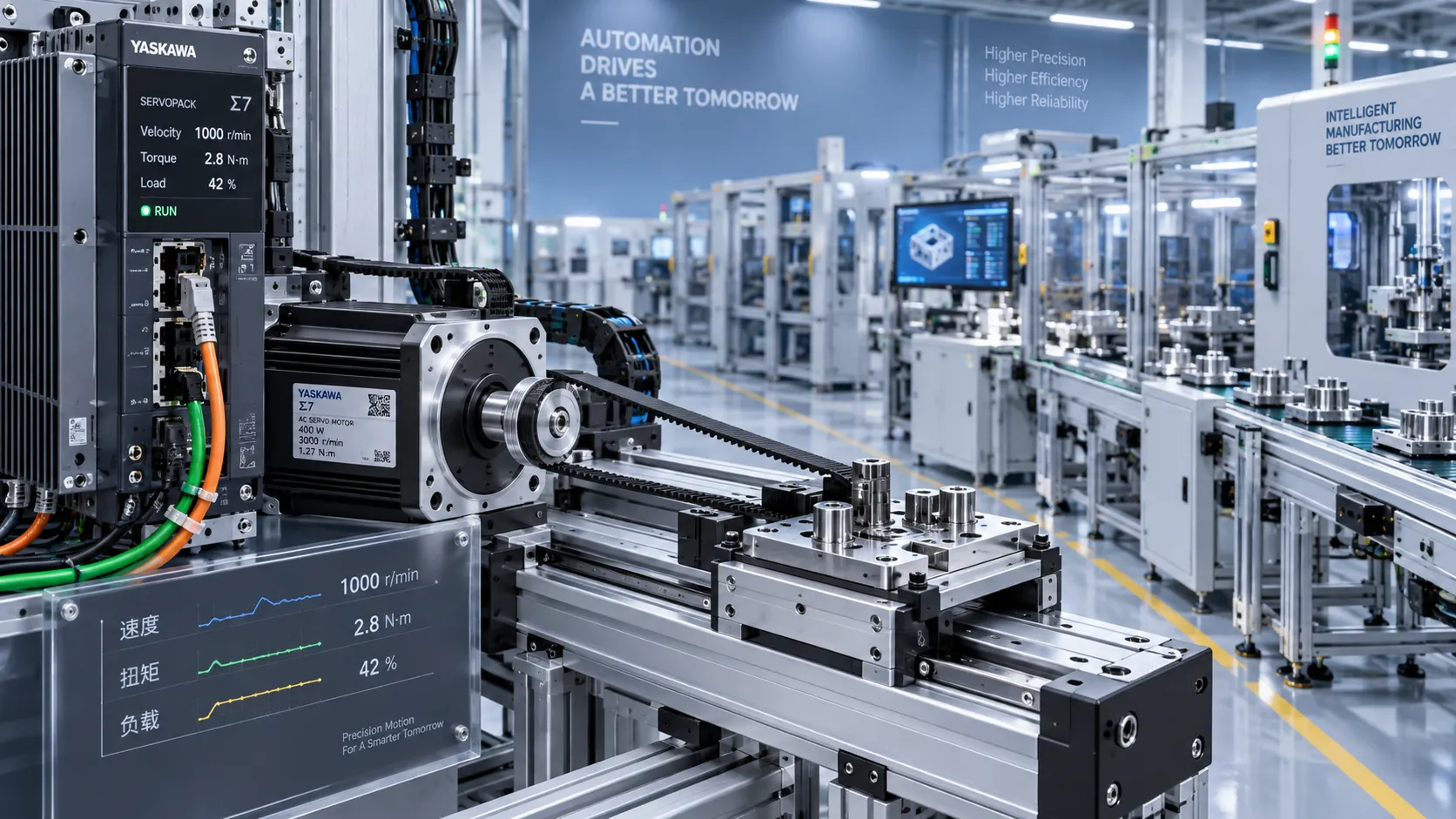
Servo Drive Comparison: Selecting Motion Control for Speed, Torque, and Load
Technical product comparison servo drives: evaluate speed, torque, inertia, safety, and control integration to select a reliable motion system with proven performance margins.
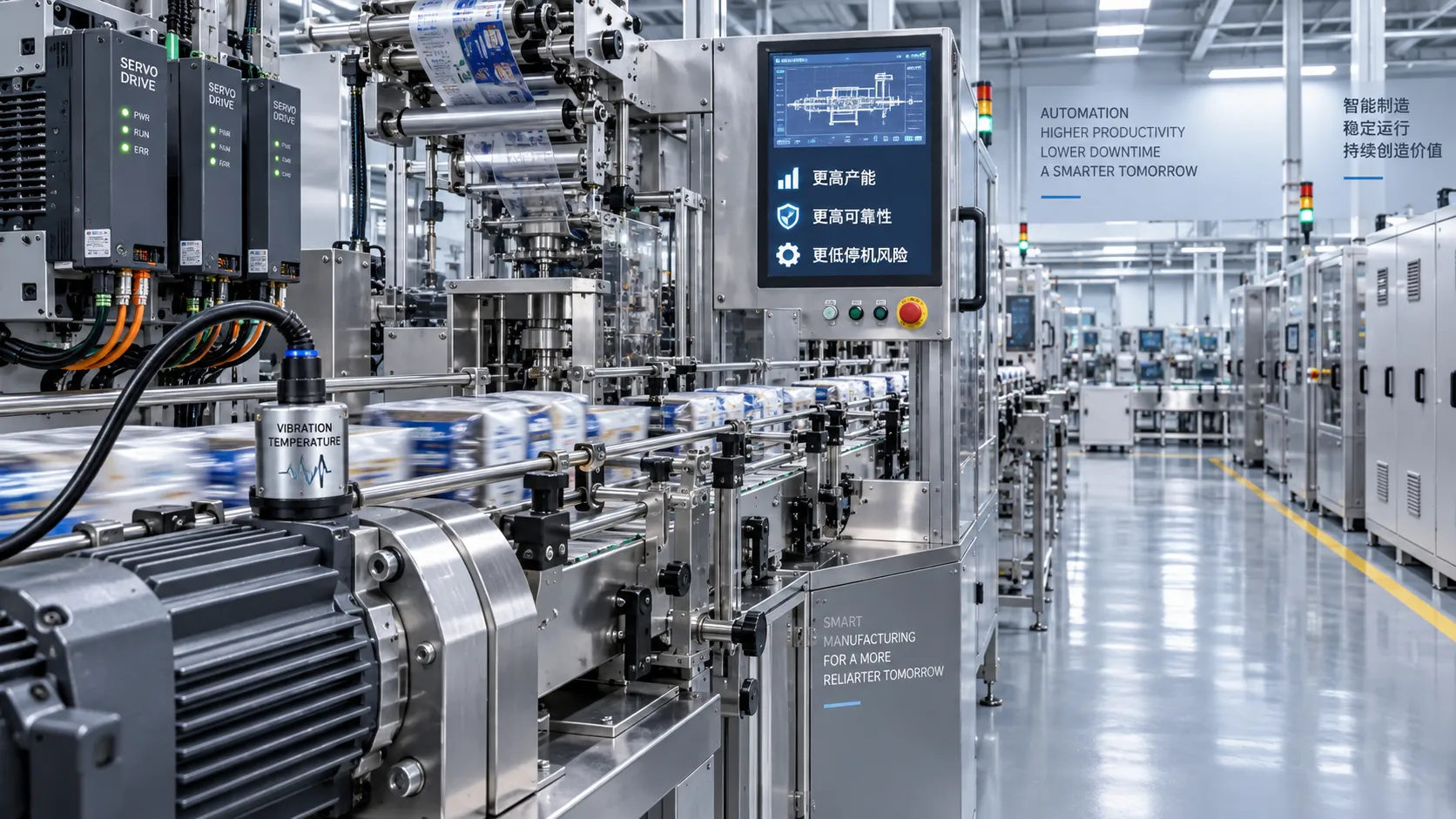
Industrial Automation Technology: How to Prioritize Upgrades by ROI and Downtime Risk
Industrial automation technology upgrades: learn to rank projects by ROI, bottleneck exposure, and downtime risk to reduce losses and make smarter capital decisions.
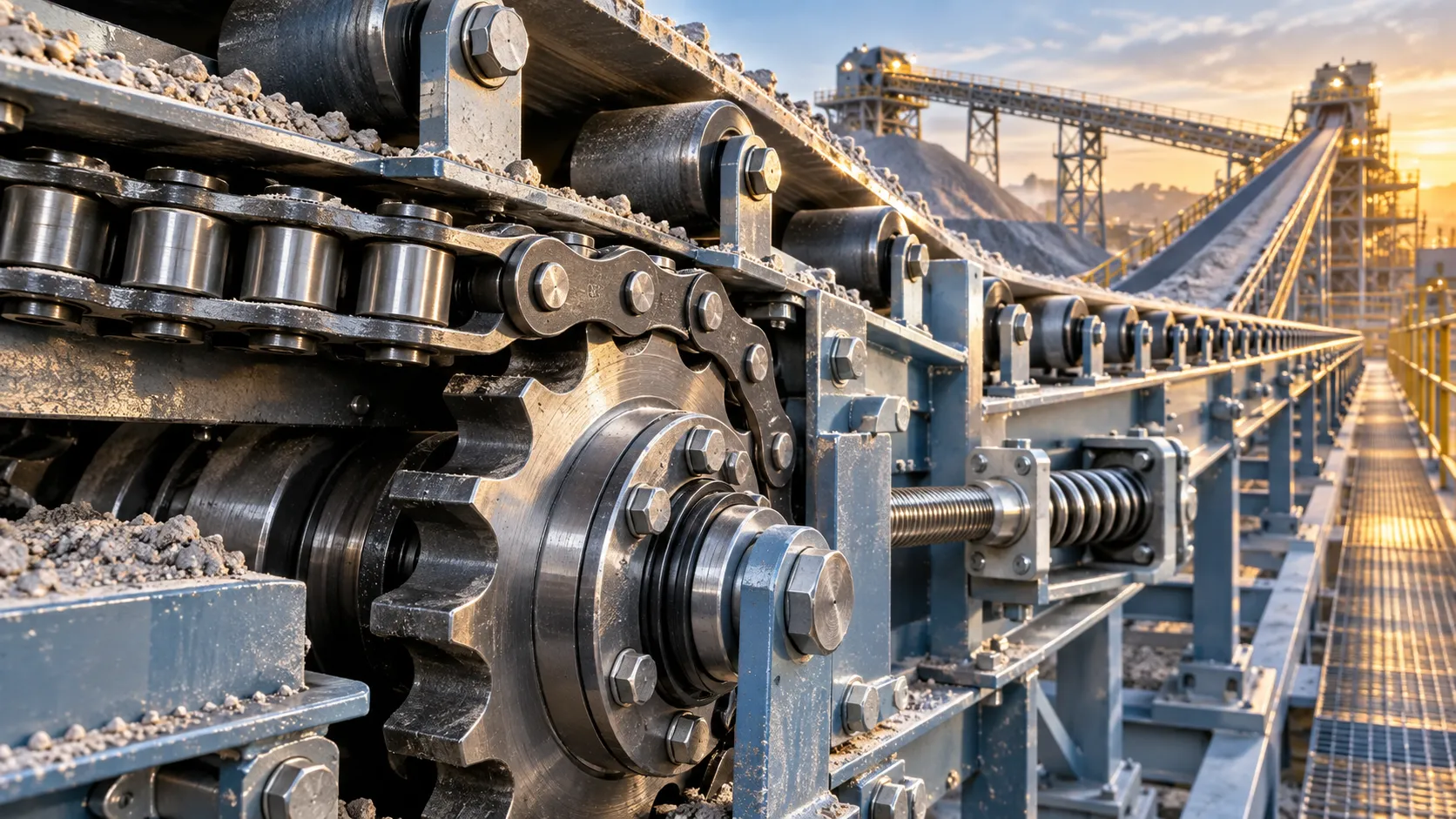
Selecting Low-Maintenance Chain Components for Dusty, High-Load Conveyors
Low maintenance chain components for dusty, high-load conveyors: compare seals, lubrication, materials, sprockets, and load capacity to reduce wear and downtime.
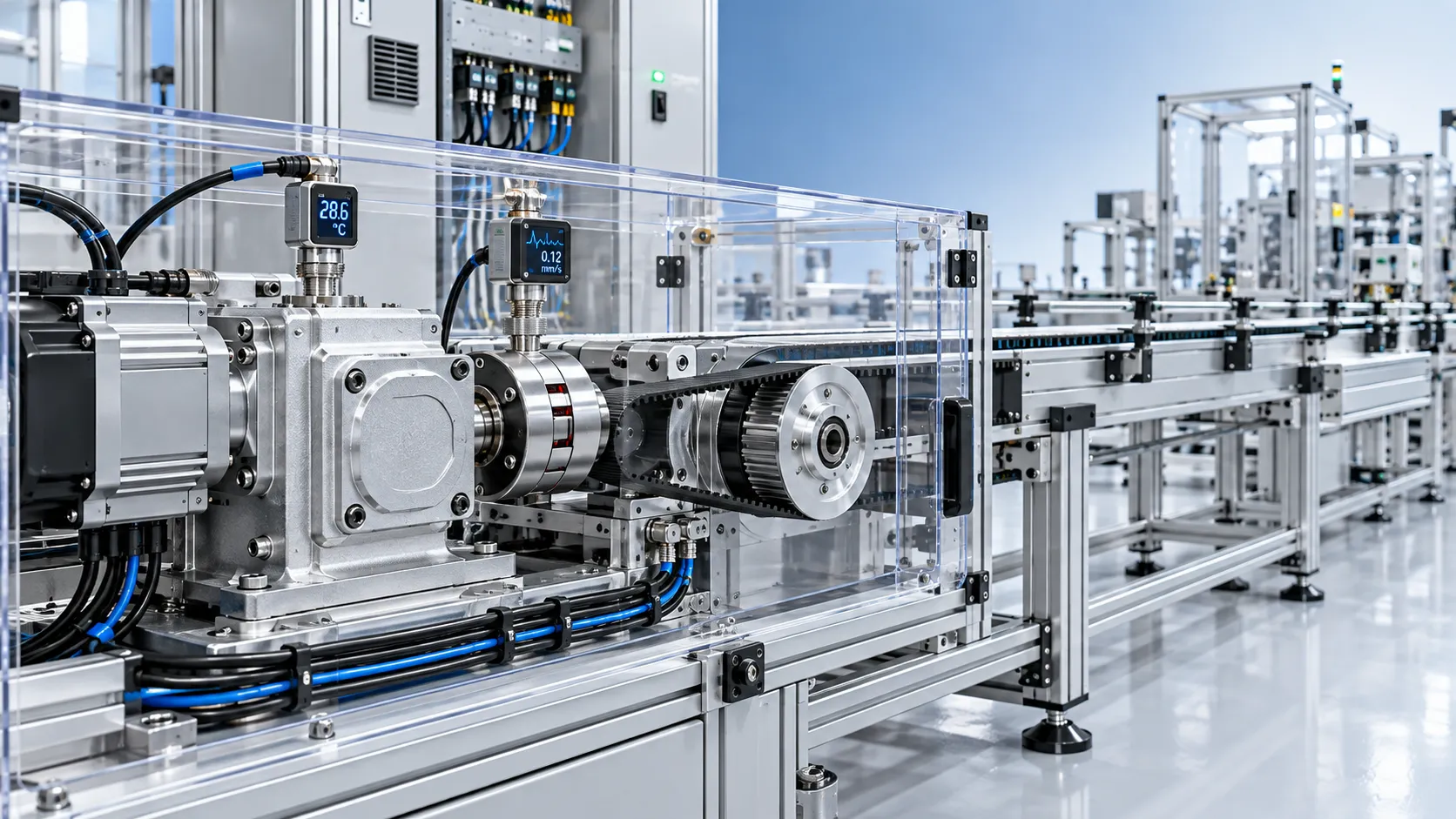
Selecting Smart Transmission Modules for Automated Lines: Control, Load, and Safety
Smart transmission modules for automated lines: evaluate control compatibility, real load demands, safety boundaries, and predictive maintenance value for reliable performance.
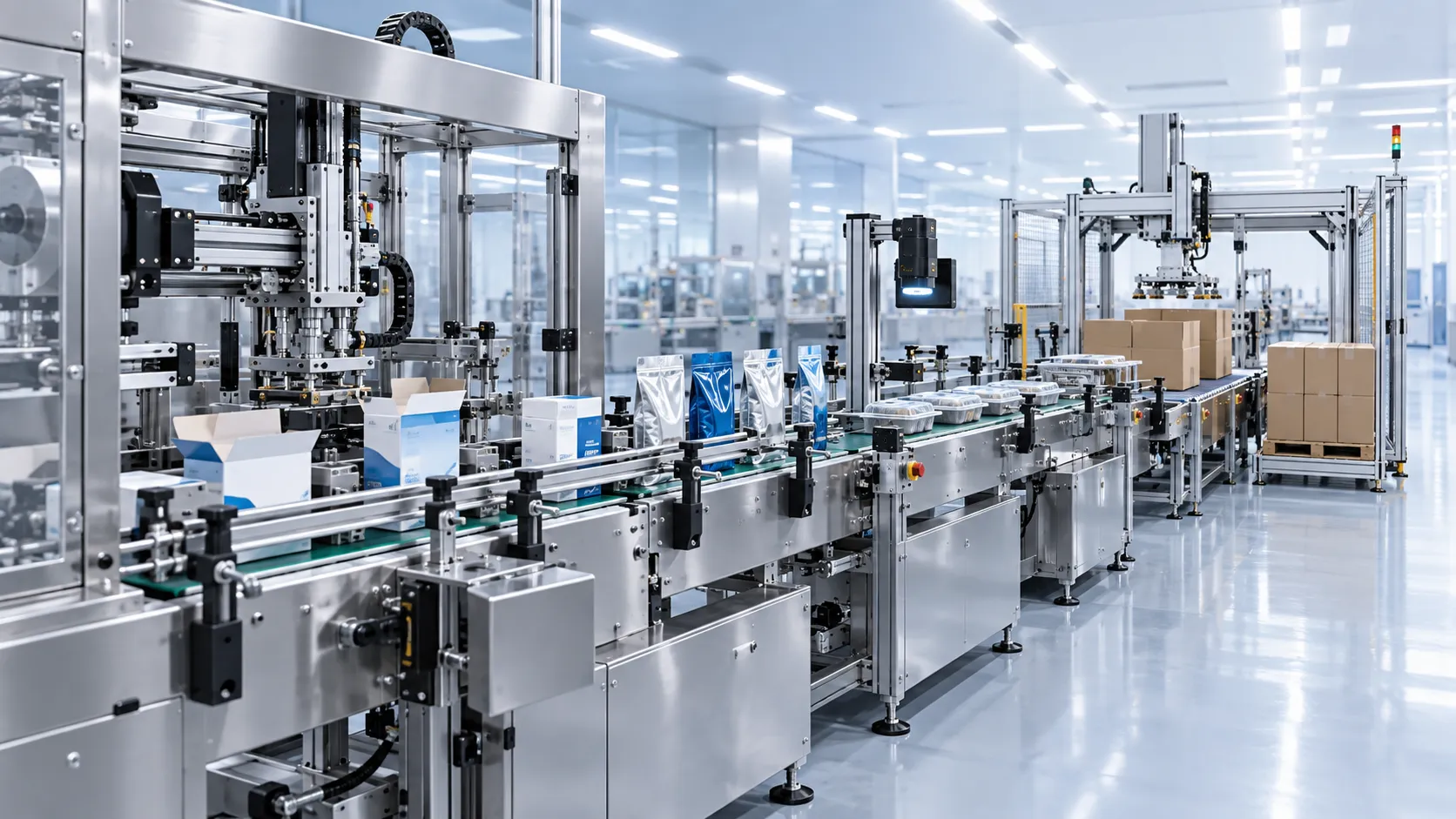
How to Assess Automated Packaging Production for High-Mix Manufacturing Lines
Automated production for packaging: assess changeovers, flexibility, controls, reliability, and lifecycle cost to build high-mix lines that deliver stable output.