
Industry News
Curation by industry experts
Hot Articles
Popular Tags
How to choose belts that handle heavy loads better
Choosing belts for heavy-load applications is not only about dimensions or unit price. It directly affects uptime, energy efficiency, and maintenance intervals. When evaluating high-performance transmission belts for heavy machinery, the best choice comes from matching load, environment, duty cycle, and system design. A belt that works in one plant may fail early in another. This guide explains how to judge real application needs, compare belt options across industrial scenarios, and make decisions that support long-term mechanical reliability.
Why application context matters before choosing heavy-load belts
Heavy loads do not create a single requirement. Different operating scenes produce different stress patterns. Shock loading, continuous torque, start-stop frequency, contamination, and pulley alignment all change belt performance.
A conveyor in mining faces abrasion and dust. A crusher drive faces torque spikes. A packaging line may need precise synchronization. Each scene demands a different belt structure.
This is why high-performance transmission belts for heavy machinery should be selected by operating condition, not by generic catalog ranking. Correct scene judgment prevents overdesign, underdesign, and costly downtime.
Scenario 1: Continuous bulk handling needs stability over long duty cycles
Bulk handling systems usually run for long hours with relatively stable loads. The key issue is not only peak strength. It is heat control, tension retention, and resistance to stretching over time.
In this scene, belt carcass strength and flex-fatigue resistance matter more than short-term overload claims. Poor tension retention leads to slip, heat buildup, and reduced efficiency.
Core judgment points
- Check rated power under continuous duty, not just maximum load.
- Confirm low elongation and stable tension behavior.
- Review heat resistance for long operating windows.
- Evaluate pulley wrap and slip risk at full throughput.
For these applications, high-performance transmission belts for heavy machinery often need reinforced cords, wear-resistant compounds, and predictable efficiency under steady loads.
Scenario 2: Shock-loaded drives need impact tolerance and grip
Crushers, shredders, mixers, and some agricultural machines experience sudden torque spikes. In these systems, the belt must survive impact events without cracking, jumping teeth, or losing traction.
A belt sized only for average load may fail quickly. Heavy-load selection must include service factors, startup inertia, and torsional fluctuations from the driven equipment.
Core judgment points
- Use service factors that reflect shock, not normal running load.
- Compare tooth shear strength or sidewall grip performance.
- Assess resistance to cord separation and edge damage.
- Verify startup torque capability and overload recovery.
In these scenes, high-performance transmission belts for heavy machinery should prioritize robust materials, stable engagement, and tolerance for repeated mechanical shock.
Scenario 3: Synchronous motion systems need load capacity plus positional accuracy
Some heavy machinery cannot tolerate slip. Indexing systems, gantries, precision feeders, and automated handling lines need exact motion transfer under high load.
Here, timing belts or synchronous belts may outperform friction-driven options. The key is balancing torque capacity with tooth engagement quality and dimensional stability.
Core judgment points
- Confirm tooth profile compatibility with pulley geometry.
- Check backlash sensitivity and positioning tolerance.
- Review cord material for low stretch under high tension.
- Examine dynamic load response during acceleration and deceleration.
For this application, high-performance transmission belts for heavy machinery must support load without sacrificing synchronization accuracy or repeatability.
Scenario 4: Harsh environments demand chemical, dust, and temperature resistance
Belts often fail because of environment, not load alone. Dust, oil mist, moisture, extreme heat, and outdoor temperature cycling can shorten belt life dramatically.
A strong belt compound may still harden, swell, glaze, or crack if it does not match the exposure profile. Environmental fit is essential for heavy-duty service.
Core judgment points
- Match rubber or polymer compounds to oil, ozone, and heat exposure.
- Check antistatic or flame-resistant requirements where needed.
- Assess cover wear in abrasive or dusty areas.
- Confirm temperature range during startup and full operation.
Reliable high-performance transmission belts for heavy machinery in harsh plants combine mechanical strength with material resistance tailored to the operating environment.
How load scenarios change belt requirements
Practical ways to identify belts that handle heavy loads better
After defining the application scene, selection becomes more precise. The following checks help compare competing options beyond headline specifications.
Review construction details, not only belt type
- Cord material affects tensile strength and elongation behavior.
- Compound chemistry affects heat, oil, and wear resistance.
- Tooth or rib geometry affects torque transfer and noise.
- Cover design influences abrasion life and debris shedding.
Validate installation and drive geometry
- Poor alignment can destroy premium belts quickly.
- Undersized pulleys increase flex fatigue and heat.
- Incorrect tension reduces both efficiency and service life.
- Guarding and airflow influence operating temperature.
Use lifecycle indicators for comparison
Good high-performance transmission belts for heavy machinery should be compared using energy efficiency, expected replacement interval, downtime cost exposure, and maintenance frequency.
A lower purchase price may look attractive. However, frequent replacement and production losses often make the cheaper option more expensive over time.
Scenario-based belt selection recommendations
Common mistakes that lead to weak heavy-load belt performance
One common error is choosing by horsepower alone. Real performance depends on shock, speed variation, pulley size, and environment. Load numbers without context are misleading.
Another mistake is ignoring system-level causes. Misalignment, worn pulleys, poor tensioning, and contamination can make even high-performance transmission belts for heavy machinery fail prematurely.
A third error is replacing a failed belt with the same specification without finding the failure mode. Glazing, cracking, edge wear, and tooth damage each point to different corrective actions.
A better next step for selecting heavy-load belts
Start with a simple application review. Record load pattern, runtime, startup behavior, pulley dimensions, environment, and recent failure history. This creates a practical basis for belt comparison.
Then compare candidate high-performance transmission belts for heavy machinery using scenario fit, lifecycle cost, and installation requirements, not price alone. This approach supports stronger reliability and better energy transfer.
For organizations following industrial transmission intelligence, GPT-Matrix highlights how material upgrades, reliability trends, and system-level analysis improve belt decisions across modern manufacturing and heavy equipment operations.
Recommended News
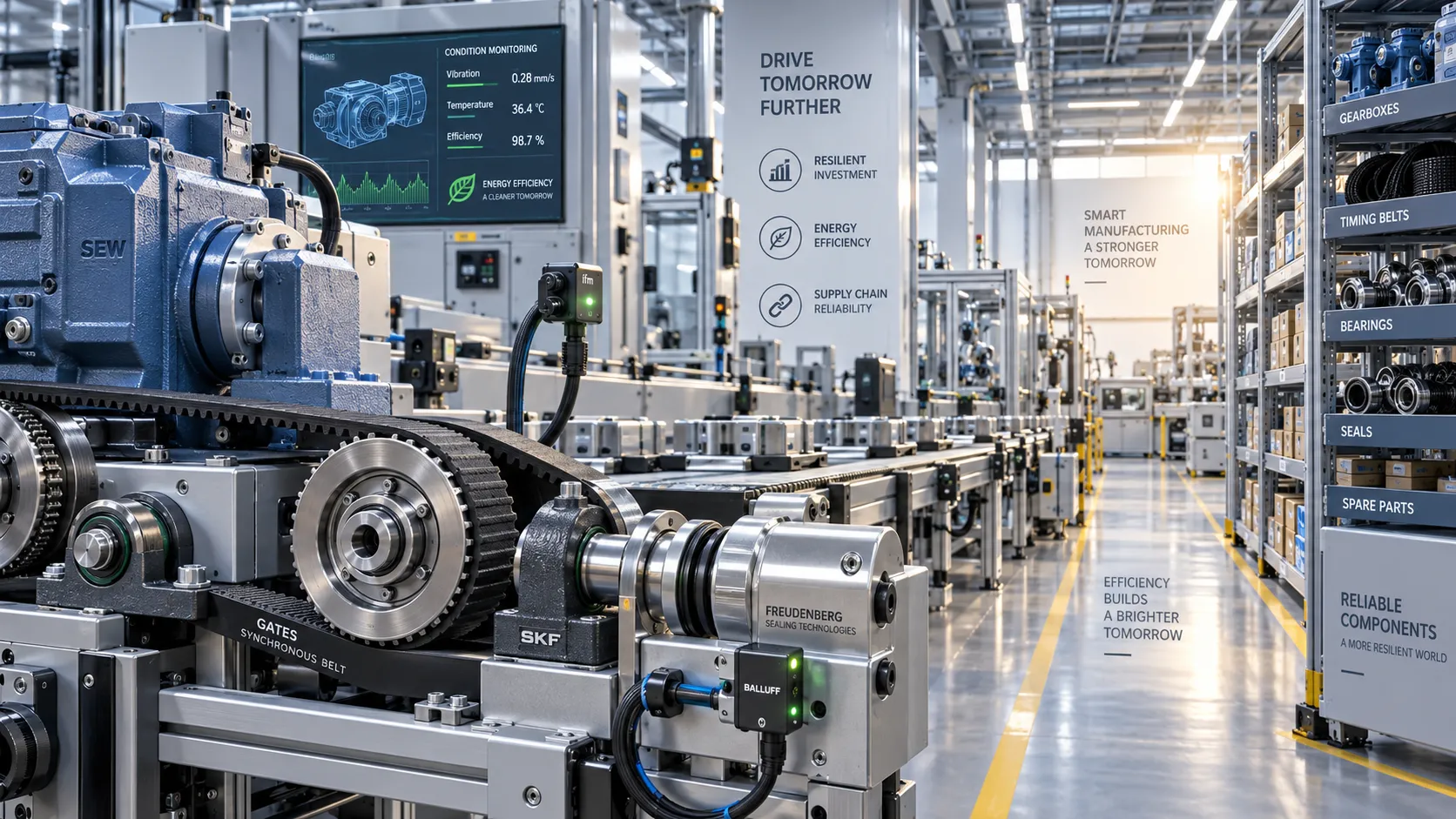
Industrial Economy Trends Shaping Capital Investment and Supply Chain Risk in 2026
Industrial economy trends for 2026 reveal how resilient capital investments, energy efficiency, and supply-chain strategies can protect uptime and strengthen returns.
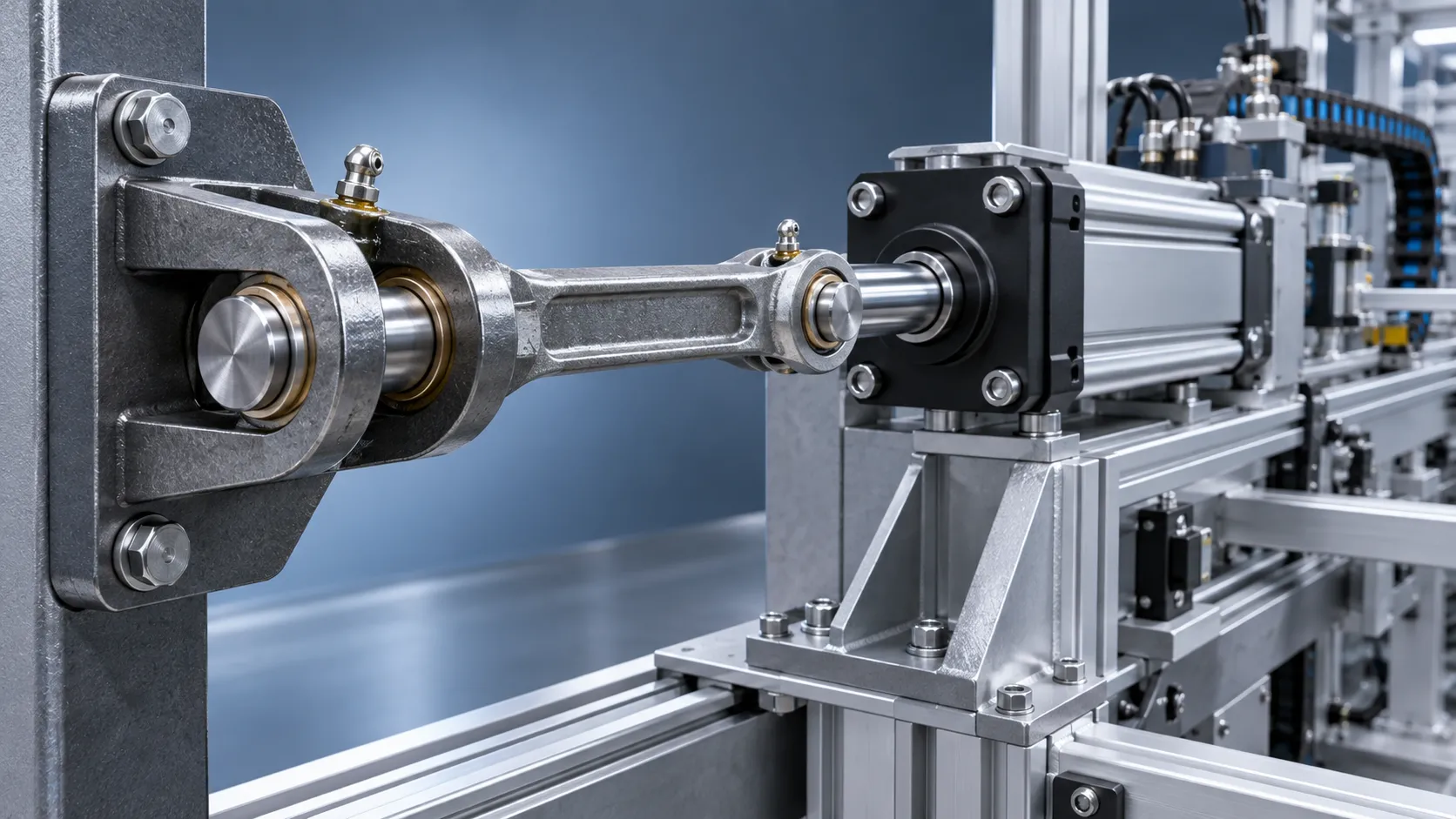
Mechanical Linkage Design: How to Balance Load Capacity, Motion Accuracy, and Wear
Mechanical linkage design guide: balance load capacity, motion accuracy, and wear with practical insights on geometry, joints, tolerances, lubrication, and service life.

How Precision Automated Production Improves Quality Control in High-Volume Assembly
Precision automated production strengthens quality control in high-volume assembly with real-time verification, traceability, and safer defect containment.
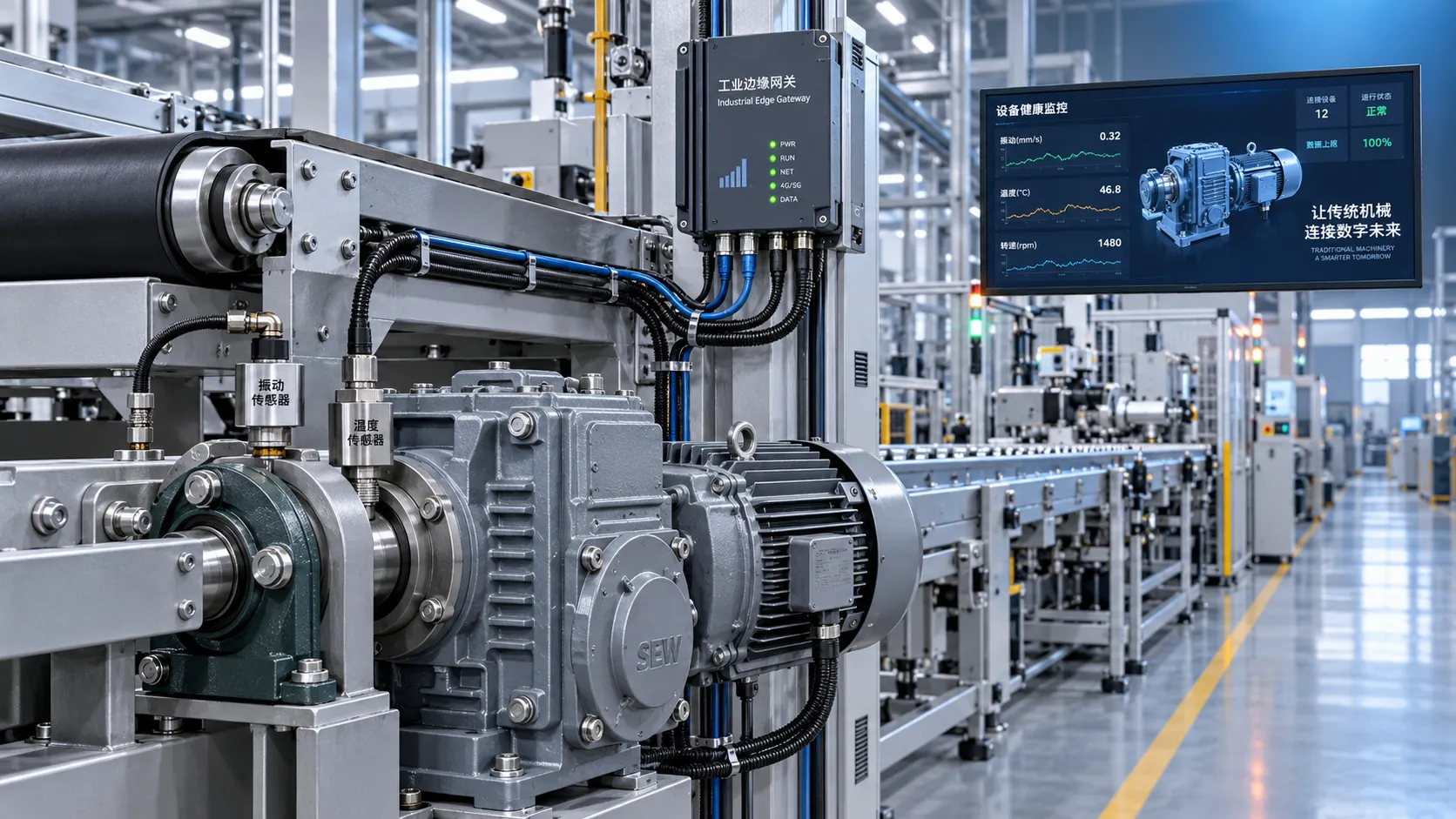
Industry 4.0 Integration: A Roadmap for Connecting Legacy Machines and Data
Industry 4.0 integration roadmap for connecting legacy machines, improving data visibility, reducing downtime, and scaling secure, measurable operational performance.

Servo Drive Comparison: Selecting Motion Control for Speed, Torque, and Load
Technical product comparison servo drives: evaluate speed, torque, inertia, safety, and control integration to select a reliable motion system with proven performance margins.

Industrial Automation Technology: How to Prioritize Upgrades by ROI and Downtime Risk
Industrial automation technology upgrades: learn to rank projects by ROI, bottleneck exposure, and downtime risk to reduce losses and make smarter capital decisions.

Selecting Low-Maintenance Chain Components for Dusty, High-Load Conveyors
Low maintenance chain components for dusty, high-load conveyors: compare seals, lubrication, materials, sprockets, and load capacity to reduce wear and downtime.

Selecting Smart Transmission Modules for Automated Lines: Control, Load, and Safety
Smart transmission modules for automated lines: evaluate control compatibility, real load demands, safety boundaries, and predictive maintenance value for reliable performance.

How to Assess Automated Packaging Production for High-Mix Manufacturing Lines
Automated production for packaging: assess changeovers, flexibility, controls, reliability, and lifecycle cost to build high-mix lines that deliver stable output.