
Industry News
Curation by industry experts
Hot Articles
Popular Tags
How long-life transmission systems lower total cost
For operators and maintenance teams, long-life transmission systems do more than extend service intervals—they reduce downtime, stabilize performance, and cut replacement and labor costs across the full equipment lifecycle. In today’s cost-sensitive industrial environment, understanding how component durability affects total cost is essential for better daily operation and smarter maintenance decisions.
Why do long-life transmission systems matter so much in daily operations?
In many industrial settings, operators do not judge a transmission system by catalog data alone. They judge it by whether the line starts on time, whether vibration stays under control, and whether maintenance windows remain predictable.
That is why long-life transmission systems have become a practical cost-control strategy rather than a premium option. When belts, chains, couplings, gear units, bearings, and seals last longer under load, the equipment around them performs more consistently.
For users and operators, total cost is shaped by more than purchase price. It also includes stoppage losses, emergency labor, spare inventory, energy consumption, alignment work, lubrication frequency, and the risk of damage spreading to adjacent components.
- Unplanned downtime often costs more than the replacement part itself, especially in automated lines and continuous-process equipment.
- Frequent part changes increase technician exposure to safety risks and create more opportunities for installation error.
- Short service life makes maintenance planning reactive, which usually raises overtime labor and spare-parts carrying costs.
- In high-load or contaminated environments, premature wear can affect shafts, housings, motors, and connected process equipment.
GPT-Matrix tracks these realities from both technical and commercial angles. By connecting tribology, mechanical design logic, material evolution, and operating economics, the platform helps industrial teams understand why longer service life usually lowers total ownership cost across the whole system.
Where does total cost really come from in transmission system ownership?
Many teams underestimate cost because they focus on unit price. In practice, the cost of a transmission assembly is distributed across installation, operating stability, service intervals, process losses, and replacement frequency.
The table below breaks down common cost drivers that explain why long-life transmission systems can outperform low-price alternatives over time.
This comparison shows why buyers who only compare initial purchase price often miss the larger economic picture. For operators, long-life transmission systems support production continuity, which is often the most valuable cost factor of all.
Direct costs vs. hidden costs
Direct costs are easy to see on a quotation. Hidden costs are spread across maintenance logs, overtime records, lost output, and quality deviations. These hidden costs are exactly where durable drive components create the strongest return.
GPT-Matrix emphasizes this lifecycle view because industrial purchasing is increasingly influenced by energy prices, raw material volatility, and the pressure to keep automated assets running longer with fewer interventions.
Which operating conditions benefit most from long-life transmission systems?
Not every application fails for the same reason. Some struggle with dust and contamination. Others face shock loads, long duty cycles, high temperature, washdown exposure, or limited access for maintenance. Long-life transmission systems are especially valuable where replacement is costly or disruptive.
Typical high-value application scenarios
- Automated production lines where even a short stoppage interrupts upstream and downstream processes.
- Heavy equipment and material handling systems exposed to shock loads, abrasion, and long operating hours.
- Remote or hard-to-access installations where maintenance labor, lifting equipment, or shutdown permits raise service cost.
- Precision machinery where backlash growth, slippage, or vibration can reduce product quality and process repeatability.
The next table shows how application conditions influence the value of longer component life and lower maintenance frequency.
In each scenario, durability is not just a materials issue. It is a system-level issue that includes tension control, alignment, sealing, lubrication, load distribution, and environmental protection.
What technical factors actually make a transmission system last longer?
Long service life does not come from one feature. It comes from a combination of material quality, mechanical design, operating fit, and maintenance discipline. Users should look beyond marketing terms and ask what supports durability under their real load spectrum.
Core durability factors to evaluate
- Material resistance to abrasion, fatigue, heat, chemicals, and micro-cracking during repeated load cycles.
- Load matching between motor output, torque peaks, starting frequency, and the selected drive component’s rated capacity.
- Alignment quality, because shaft offset and pulley or sprocket misalignment can accelerate wear even in premium components.
- Lubrication and sealing performance, especially in reducers, chains, bearing-supported assemblies, and mechanical interfaces.
- Thermal management, since elevated temperature shortens lubricant life and changes material behavior.
GPT-Matrix closely follows evolutionary trends in high-performance belts, digitalized gear reducers, and sealing reliability under demanding conditions. That perspective helps operators connect visible field symptoms to root causes in design, material science, and operating economics.
Warning signs of a short-life setup
- Frequent retensioning, unusual elongation, or recurring slip under normal operating load.
- Temperature rise near bearings, seals, couplings, or reducer housings.
- Visible dusting, tooth wear, corrosion, lubricant leakage, or vibration increase after a short running period.
- A maintenance pattern where component failure repeats without any change in alignment, environment, or load management.
How should operators compare long-life transmission systems with lower-cost alternatives?
A fair comparison should look at annual cost per operating hour, not just purchase price per unit. In many plants, a low-cost component is only economical if replacement is easy, downtime is cheap, and failure does not affect product quality or other equipment.
Use this practical comparison framework when discussing long-life transmission systems with maintenance, procurement, and production teams.
If your facility runs multi-shift operations, expensive raw materials, or tightly synchronized automation, the long-life option usually becomes easier to justify. The economic threshold depends on downtime cost, maintenance labor rates, and the effect of instability on production quality.
What should buyers and operators check before selecting a long-life system?
Selection errors often come from incomplete operating data. A durable part installed in the wrong duty condition will not deliver long service life. Good selection starts with accurate field information and realistic expectations.
Practical selection checklist
- Confirm power, torque, speed range, start-stop frequency, and shock-load characteristics rather than relying on nameplate power alone.
- Record ambient temperature, dust level, moisture, chemical exposure, washdown needs, and available installation space.
- Check whether failure history points to a single weak component or a wider system issue such as alignment, sealing, or overload.
- Review maintenance capability on site, including lubrication discipline, inspection frequency, and spare-parts management.
- Ask suppliers for lifecycle-oriented guidance, not only product brochures and nominal ratings.
This is where GPT-Matrix creates value. Its intelligence model does not isolate a belt, reducer, or seal from the rest of the machine. It helps teams evaluate transmission choices in the context of global energy costs, supply-chain shifts, reliability trends, and actual industrial usage patterns.
Standards and compliance considerations
Although exact requirements vary by market and equipment type, buyers should pay attention to common industrial expectations such as dimensional standards, material consistency, lubrication suitability, and safe operating documentation. For some projects, traceability, test documentation, and compatibility with plant maintenance procedures may matter as much as rated performance.
Compliance should support reliability, not replace engineering judgment. A component may meet a standard and still underperform if the application load case is misunderstood.
Common mistakes that raise cost even when long-life transmission systems are installed
Some plants invest in premium components but still do not achieve the expected savings. Usually the problem is not the durability concept itself. It is poor implementation.
Frequent cost-increasing mistakes
- Selecting a higher-grade part without correcting alignment, pulley condition, shaft runout, or mounting rigidity.
- Mixing new and worn mating components, which accelerates uneven contact and early wear.
- Ignoring lubrication cleanliness, viscosity suitability, or sealing integrity in geared and bearing-supported systems.
- Using fixed replacement habits instead of condition-informed intervals based on load and environment.
- Treating durability as a part-level decision when the real issue lies in system dynamics or process overload.
Operators can reduce these risks by documenting failure modes carefully. Was the component worn out, chemically attacked, overheated, overloaded, or misaligned? The answer determines whether a long-life transmission system will solve the issue directly or whether the machine layout must also change.
FAQ: what do operators usually ask about long-life transmission systems?
Are long-life transmission systems always worth the higher price?
Not always. They are most valuable where downtime is expensive, maintenance access is difficult, production is continuous, or failure affects product quality and adjacent equipment. In light-duty, easily serviced applications, the financial advantage may be smaller.
How can we estimate whether lifecycle savings are real?
Compare annual replacement count, average labor hours per change, downtime cost per hour, spare inventory value, and any related scrap or quality loss. Even a modest reduction in unplanned stoppages can outweigh a higher purchase price.
What data should we prepare before requesting a recommendation?
Prepare motor power, torque range, speeds, load fluctuations, ambient conditions, current component life, failure mode photos if possible, and maintenance intervals. This helps advisors separate material limits from installation or operating issues.
Can long-life transmission systems also support energy-saving goals?
Yes, in many cases they can. When wear, slippage, poor lubrication, and misalignment are reduced, mechanical losses may also decrease. The impact varies by system type and maintenance quality, but durability and efficiency often support each other.
Why consult GPT-Matrix when evaluating long-life transmission systems?
Choosing durable transmission solutions now requires more than reading a product sheet. Operators and buyers must consider material evolution, gearbox digitalization, sealing reliability, energy cost pressure, and supply-chain resilience at the same time.
GPT-Matrix supports this decision process through cross-disciplinary industrial intelligence. Its Strategic Intelligence Center connects mechanical linkage expertise, tribology insight, and industrial economics to help teams judge when long-life transmission systems truly lower total cost.
- Discuss parameter confirmation for belts, chains, gear reducers, couplings, bearings, and sealing-related interfaces.
- Review product selection logic based on operating load, environment, maintenance frequency, and expected service life.
- Ask about delivery-cycle risks, raw-material trends, and supply continuity for critical replacement components.
- Explore customized solution directions for harsh-duty lines, automated systems, and low-maintenance equipment strategies.
- Clarify documentation, certification expectations, sampling needs, and quotation communication before procurement moves forward.
If your team is comparing replacement options, trying to reduce unplanned shutdowns, or building a longer-term maintenance strategy, this is the right time to start a focused discussion. A well-chosen long-life transmission system can lower total cost not by promise alone, but by reducing the operational losses your plant faces every day.
Recommended News
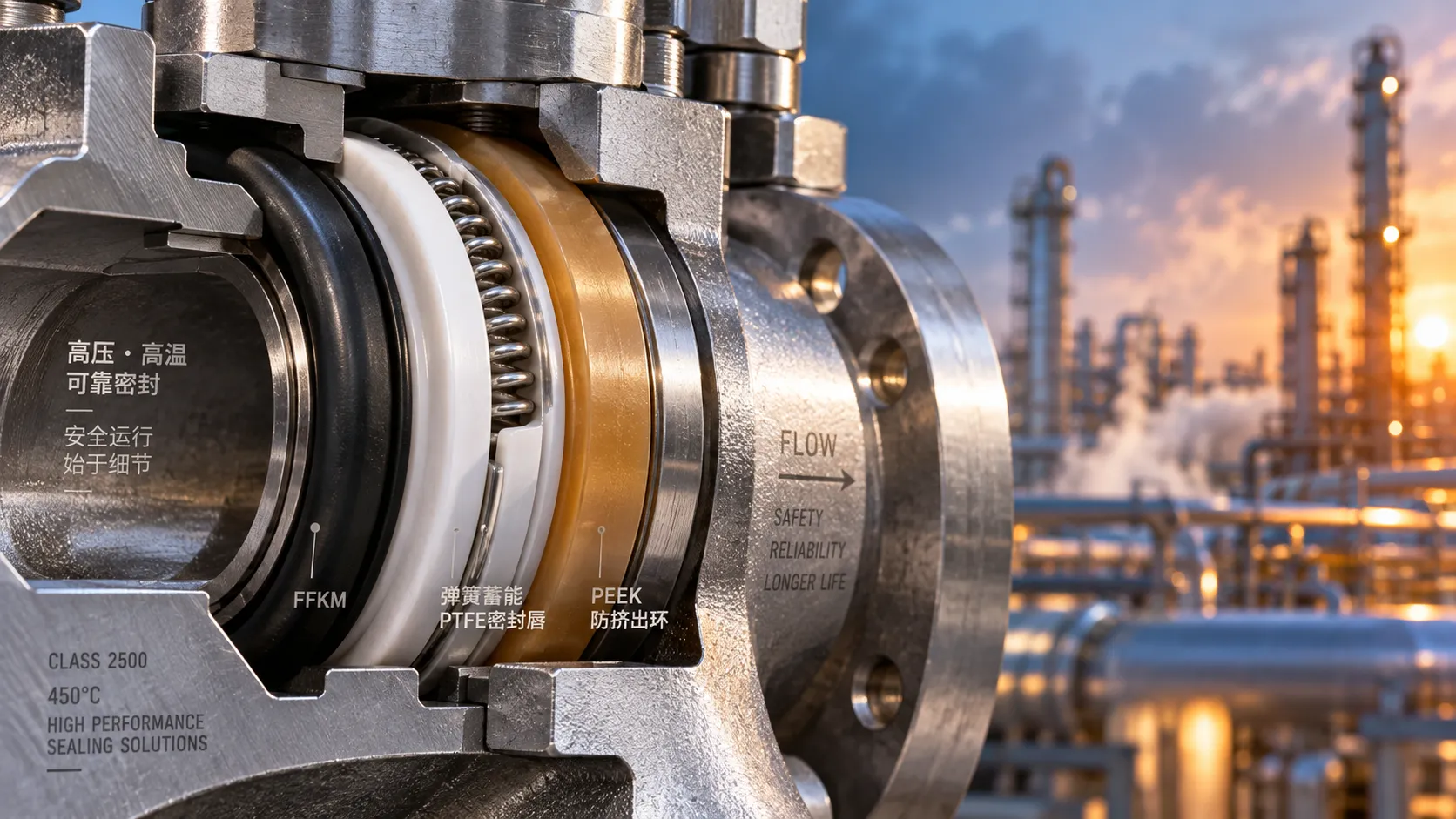
Which New Seal Materials Perform Best in High-Pressure, High-Temperature Service?
Industrial material breakthroughs for seals: compare FFKM, filled PTFE, PEEK, graphite, and metal options for reliable high-pressure, high-temperature service.
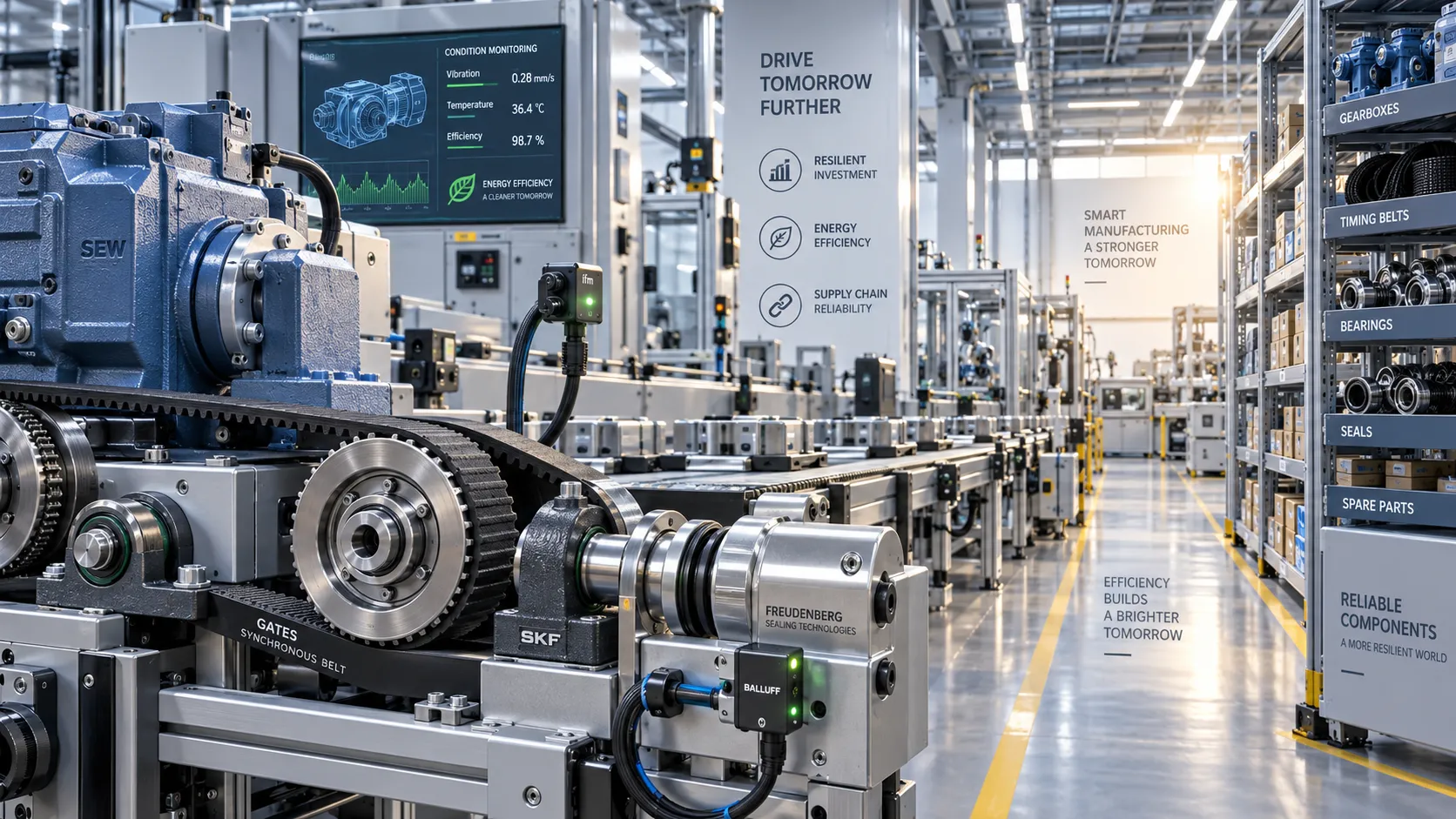
Industrial Economy Trends Shaping Capital Investment and Supply Chain Risk in 2026
Industrial economy trends for 2026 reveal how resilient capital investments, energy efficiency, and supply-chain strategies can protect uptime and strengthen returns.
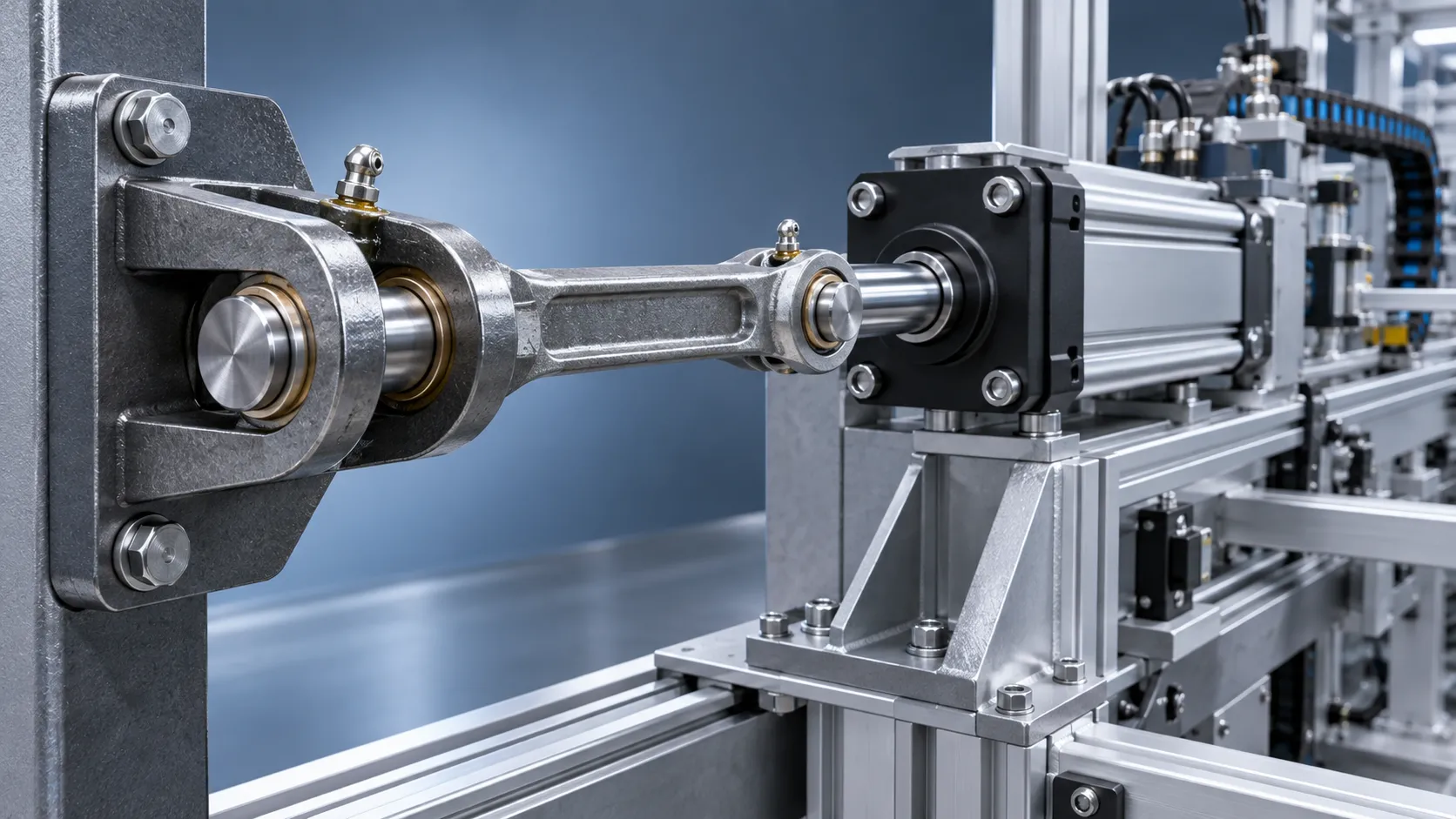
Mechanical Linkage Design: How to Balance Load Capacity, Motion Accuracy, and Wear
Mechanical linkage design guide: balance load capacity, motion accuracy, and wear with practical insights on geometry, joints, tolerances, lubrication, and service life.
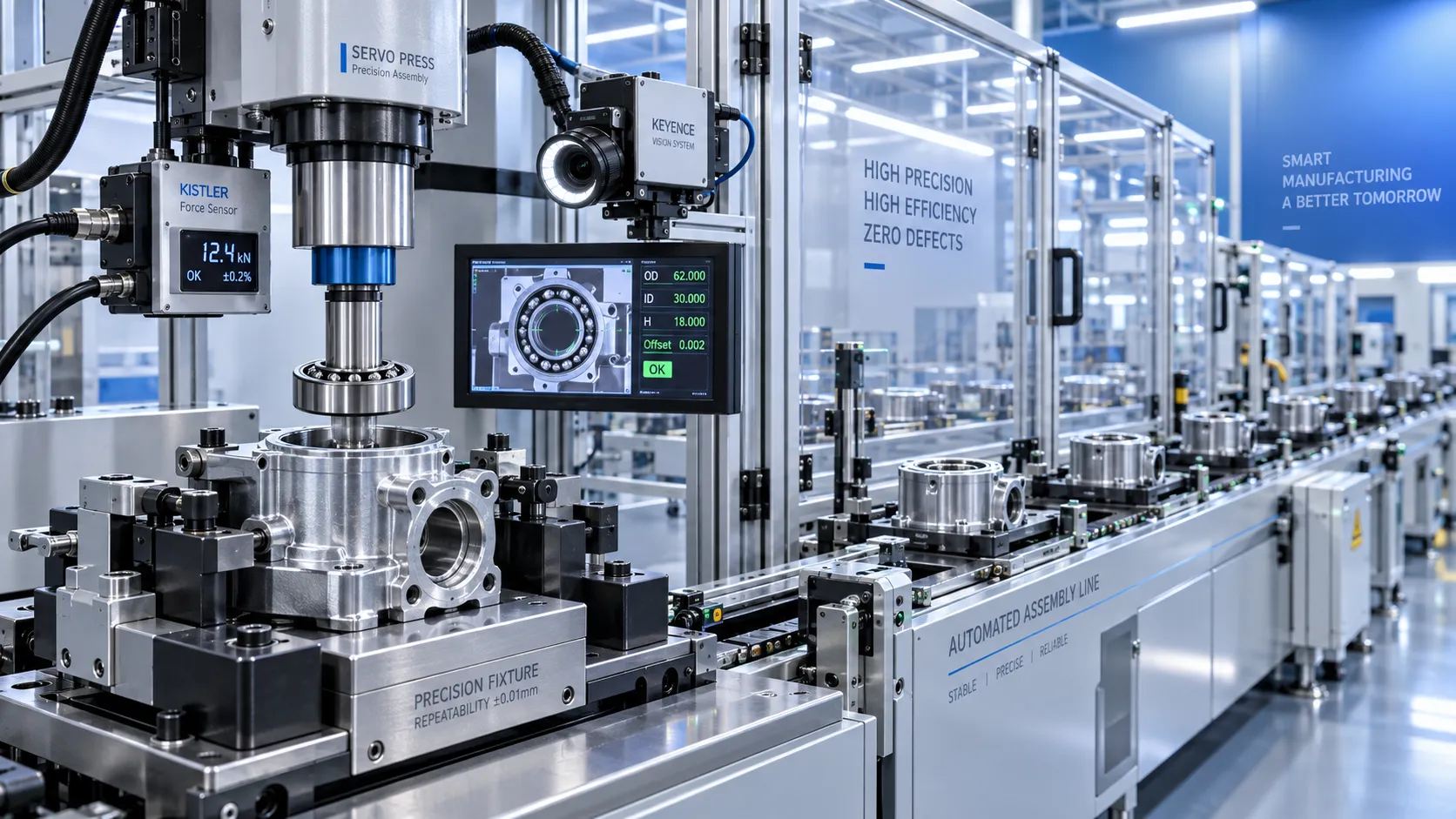
How Precision Automated Production Improves Quality Control in High-Volume Assembly
Precision automated production strengthens quality control in high-volume assembly with real-time verification, traceability, and safer defect containment.
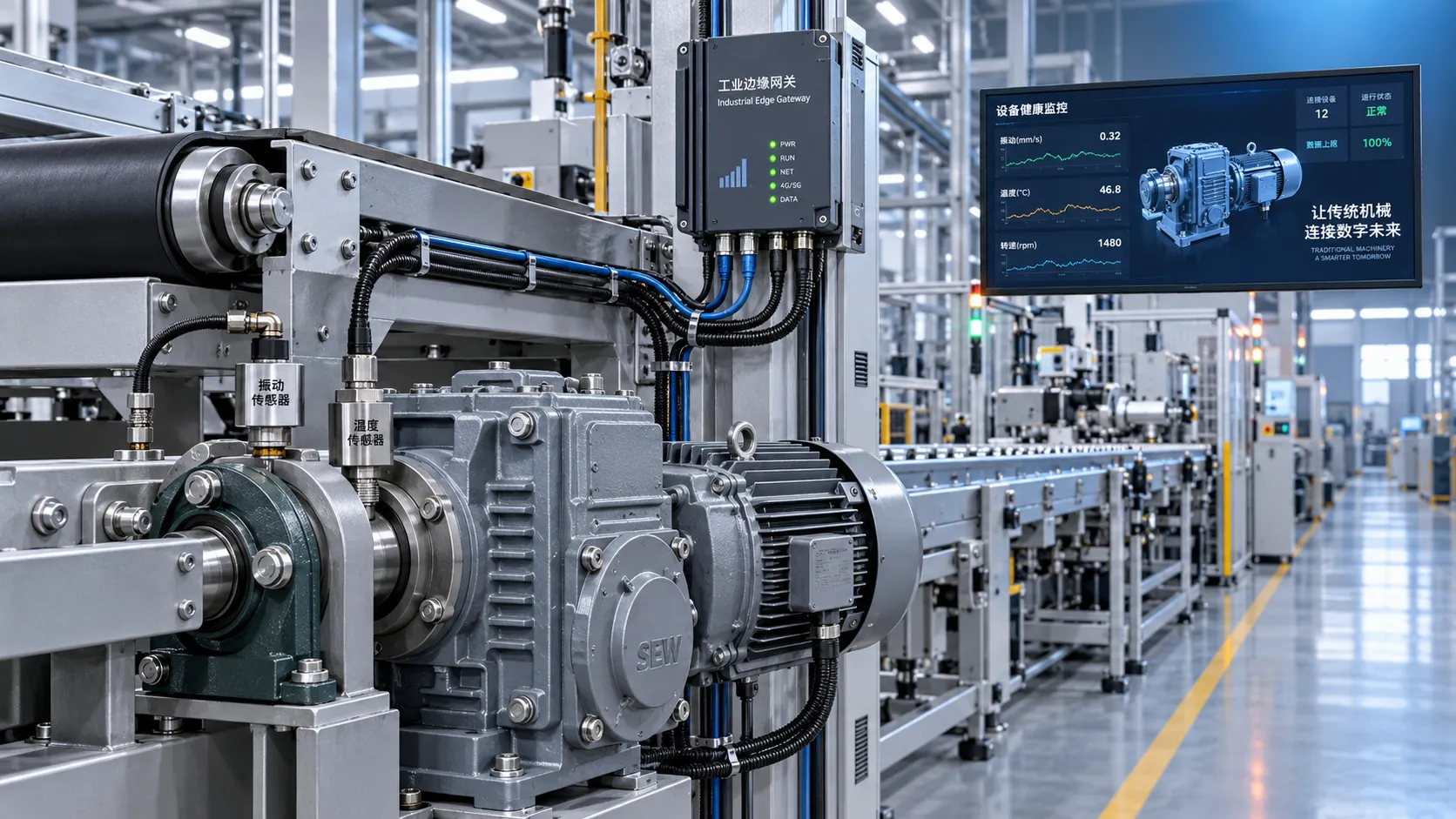
Industry 4.0 Integration: A Roadmap for Connecting Legacy Machines and Data
Industry 4.0 integration roadmap for connecting legacy machines, improving data visibility, reducing downtime, and scaling secure, measurable operational performance.
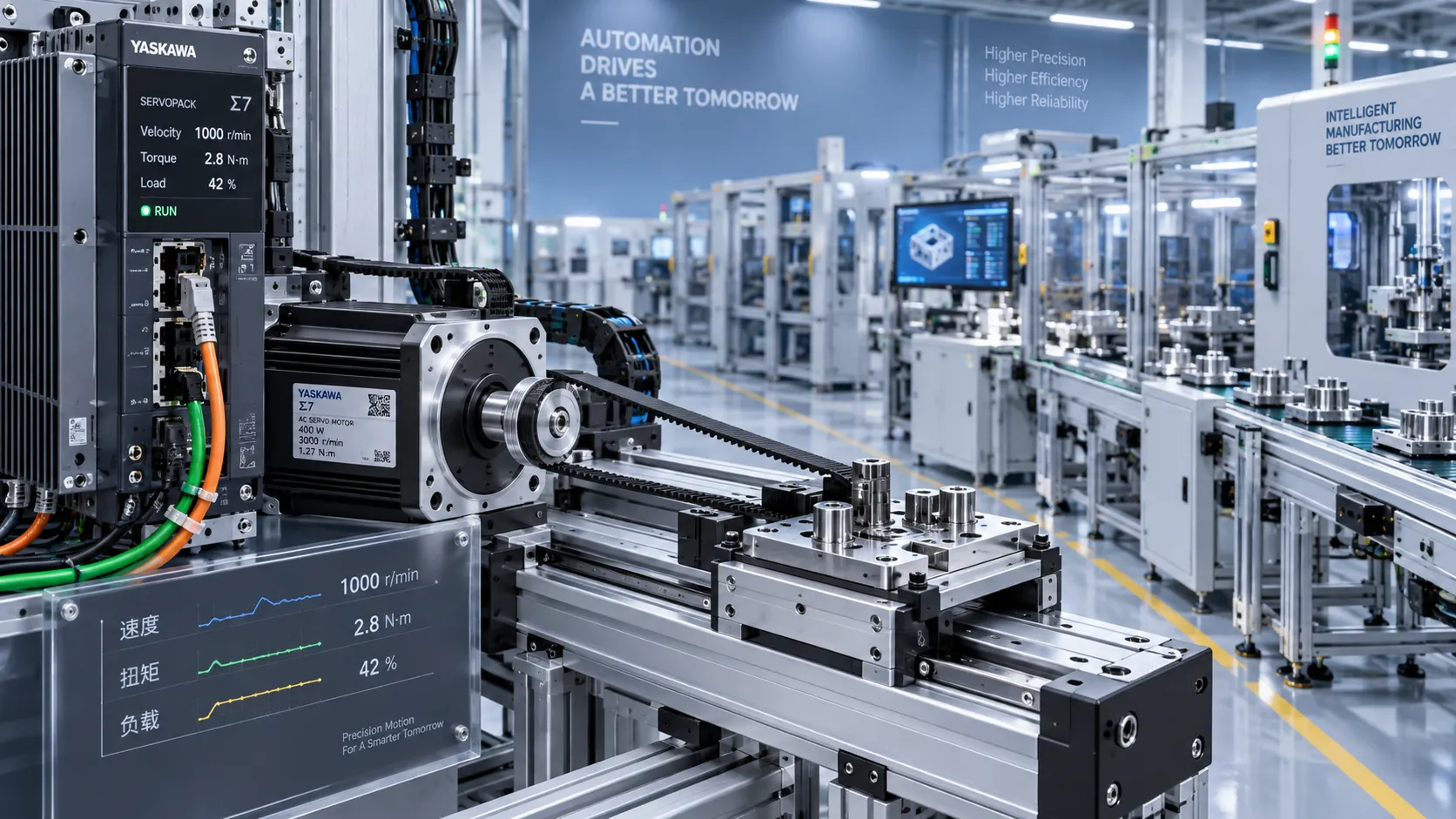
Servo Drive Comparison: Selecting Motion Control for Speed, Torque, and Load
Technical product comparison servo drives: evaluate speed, torque, inertia, safety, and control integration to select a reliable motion system with proven performance margins.
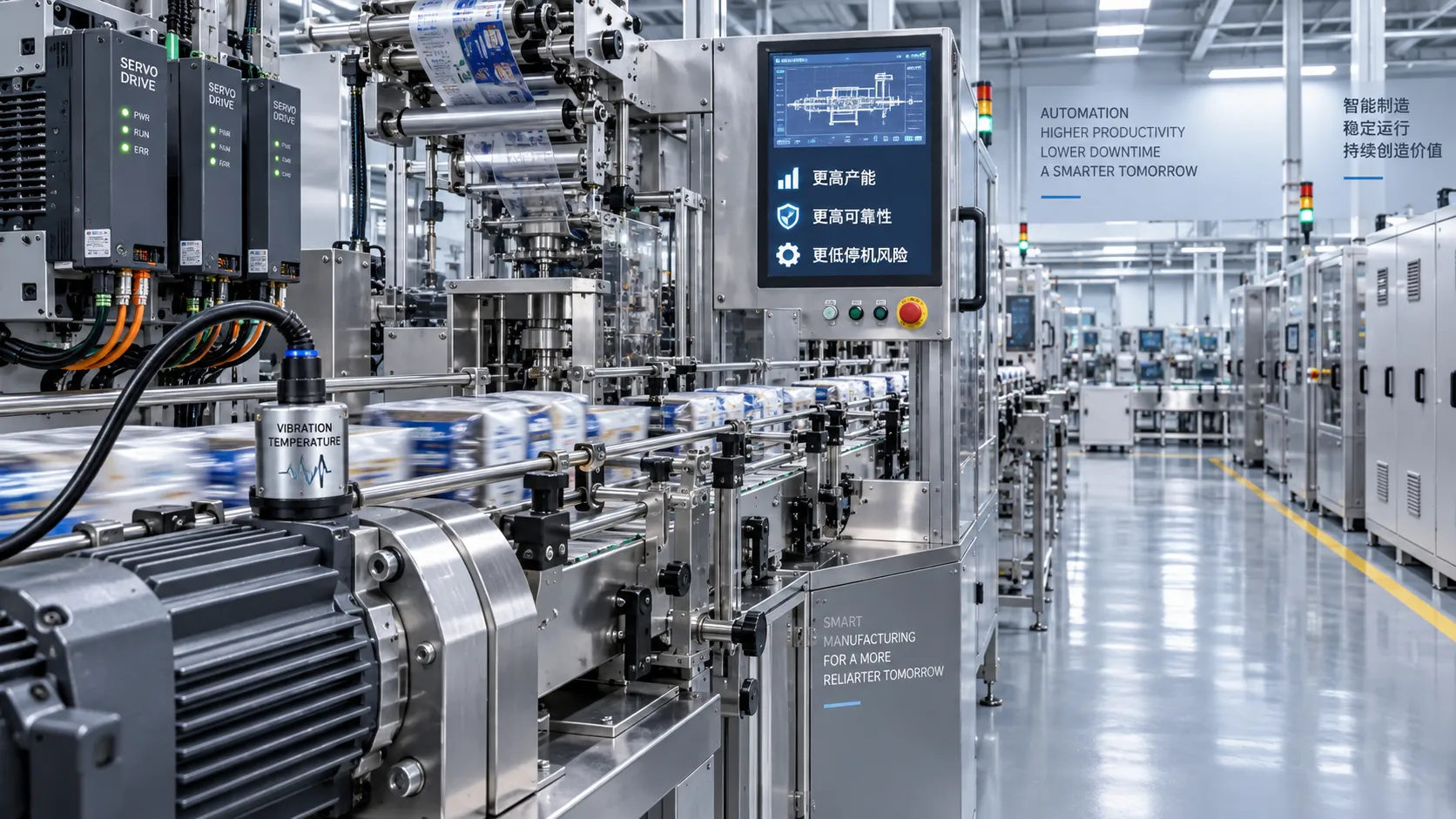
Industrial Automation Technology: How to Prioritize Upgrades by ROI and Downtime Risk
Industrial automation technology upgrades: learn to rank projects by ROI, bottleneck exposure, and downtime risk to reduce losses and make smarter capital decisions.
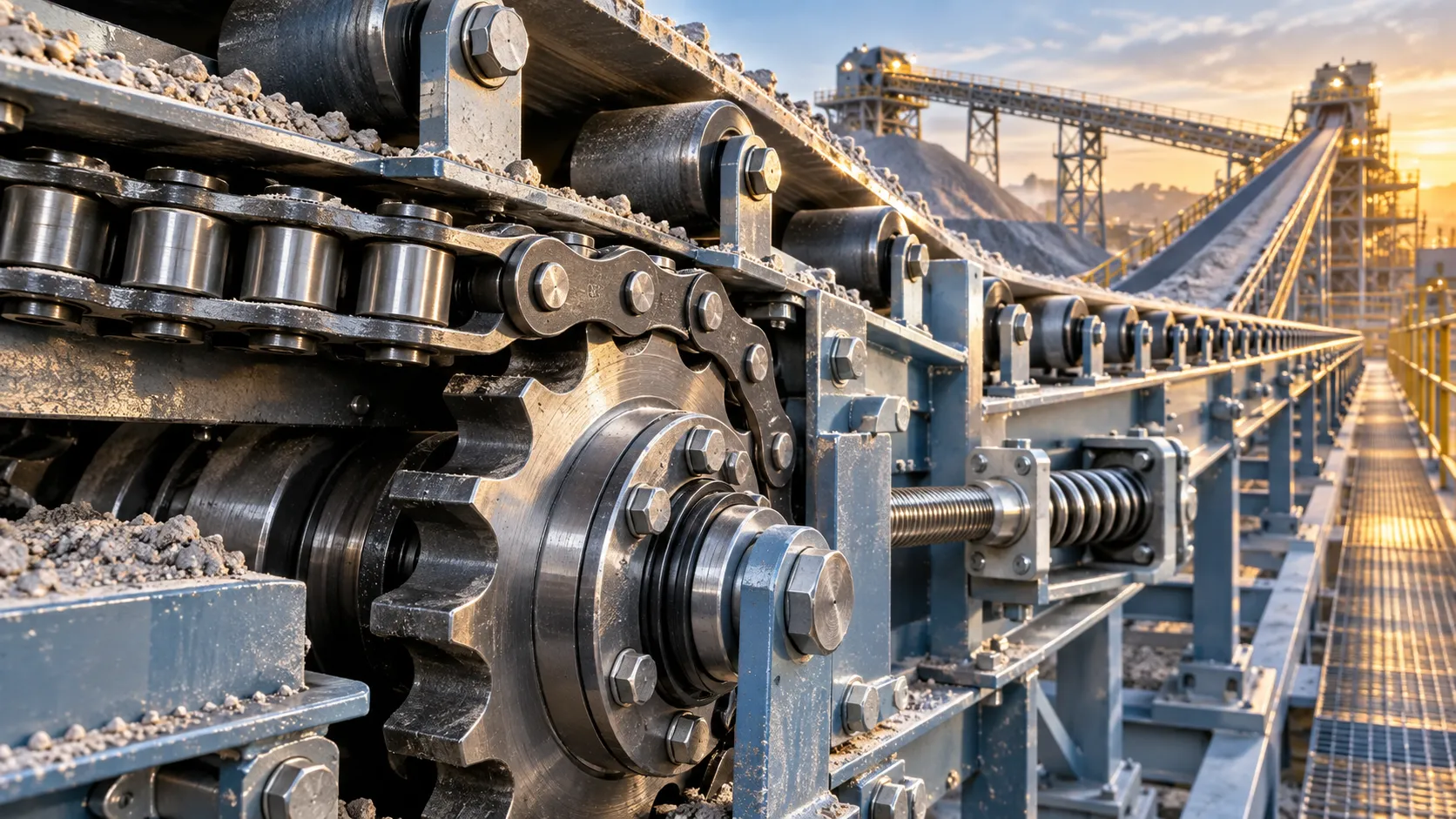
Selecting Low-Maintenance Chain Components for Dusty, High-Load Conveyors
Low maintenance chain components for dusty, high-load conveyors: compare seals, lubrication, materials, sprockets, and load capacity to reduce wear and downtime.
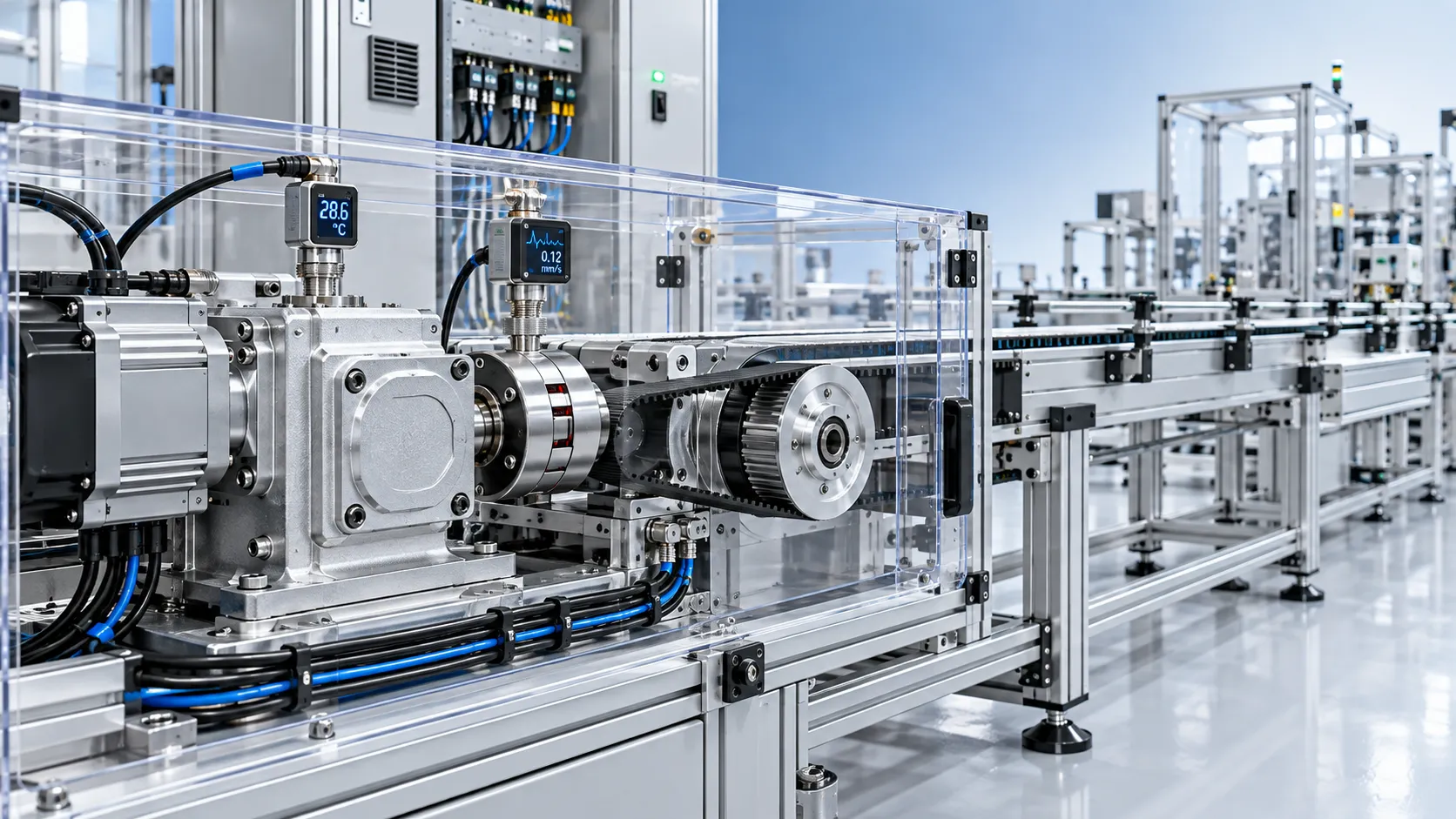
Selecting Smart Transmission Modules for Automated Lines: Control, Load, and Safety
Smart transmission modules for automated lines: evaluate control compatibility, real load demands, safety boundaries, and predictive maintenance value for reliable performance.