
Industry News
Curation by industry experts
Hot Articles
Popular Tags
When standardized transmission solutions limit upgrades
When standardized transmission solutions begin to restrict upgrades, the issue is no longer only technical. It becomes strategic, financial, and operational across interconnected industrial systems.
In many sectors, standardized transmission solutions once delivered speed, lower sourcing complexity, and acceptable reliability. Today, tighter energy targets and smarter equipment are changing that calculation.
As production environments demand precision, uptime, and modular expansion, fixed transmission architectures can slow improvement. Compatibility limits often appear before assets reach their expected service life.
This shift matters across the broader industrial landscape tracked by GPT-Matrix. Mechanical transmission choices now influence digital integration, maintenance planning, sustainability goals, and long-term competitive resilience.
Why standardized transmission solutions are facing new pressure
For years, standardized transmission solutions supported efficient procurement and repeatable installation. They reduced design time and simplified inventory across belts, couplings, reducers, bearings, and sealing interfaces.
The pressure comes from a different operating reality. Lines are faster, loads vary more often, and maintenance windows are tighter than in earlier equipment generations.
A standard layout may still run, but not always at the required efficiency level. Small design mismatches can magnify heat, vibration, misalignment, and lubrication stress.
In parallel, supply chains have become less predictable. A solution built around a narrow standard can create replacement bottlenecks and reduce upgrade flexibility.
Visible trend signals across industrial applications
- Higher demand for compact drives with greater torque density
- More retrofit projects requiring mixed-generation compatibility
- Growing interest in condition monitoring for transmission components
- Stricter expectations for energy efficiency and reduced maintenance
- Faster shifts toward modular machinery and scalable automation cells
The limits appear when upgrade paths meet rigid design assumptions
The core problem is not that standardized transmission solutions are inherently weak. The problem is that many standards were optimized for stable, predictable, single-purpose operating conditions.
Modern assets increasingly work under variable speed, frequent starts, digital feedback loops, and multi-product output. Under those conditions, rigid standards can become hidden constraints.
Key factors driving this transition
Where standardized transmission solutions most often restrict performance
The limitations usually emerge gradually. They rarely appear as a single failure event. Instead, they surface as recurring inefficiencies, maintenance exceptions, or stalled expansion plans.
Common restriction points
- Torque capacity no longer matches new load profiles
- Belt or coupling geometry limits speed increases
- Thermal behavior reduces reliability in continuous-duty service
- Fixed mounting standards block compact retrofit options
- Sealing arrangements struggle under contamination or extreme temperatures
- Lubrication assumptions conflict with low-maintenance operating strategies
- Digital sensor additions become difficult or uneconomic
These pain points are especially relevant in conveyors, packaging equipment, heavy-duty drives, material handling systems, pumps, mixers, and automated processing lines.
The wider impact goes beyond mechanics alone
When standardized transmission solutions limit upgrades, the effect spreads through the whole operating model. Downtime risk rises, but so do design compromise and planning uncertainty.
A transmission choice can influence spare parts strategy, technician workload, digital diagnostics, and energy consumption. That makes transmission architecture a cross-functional decision.
Impact by business link
What deserves closer attention before the next upgrade cycle
A useful assessment starts with function, not part number. The question is whether standardized transmission solutions still serve the actual duty profile and future roadmap.
Core points to review
- Real operating load versus original design assumptions
- Efficiency losses at partial load or changing speed
- Alignment sensitivity and installation tolerance
- Material suitability for heat, chemicals, dust, or moisture
- Availability of higher-performance drop-in alternatives
- Readiness for sensors, diagnostics, and predictive maintenance tools
- Interchangeability across future equipment generations
This review is increasingly important in systems expected to run longer between service intervals. Reliability and adaptability must be evaluated together, not separately.
Practical response options are becoming more layered
Not every case requires abandoning standardized transmission solutions immediately. In many situations, a staged response delivers better economics and lower operational risk.
A more resilient view of transmission strategy is emerging
The market direction is clear. Standardization remains valuable, but only when it supports adaptation rather than preventing it.
Future-ready systems will likely combine standard interfaces, advanced materials, data visibility, and application-specific tuning. That balance reduces lock-in while protecting efficiency gains.
For industrial intelligence platforms such as GPT-Matrix, this transition confirms a broader pattern. Mechanical components are no longer passive parts. They are active levers of productivity strategy.
Next-step actions worth taking now
- Map transmission components against actual duty cycles and upgrade goals.
- Identify where standardized transmission solutions create performance or maintenance penalties.
- Compare lifecycle cost, not only acquisition cost, across alternative architectures.
- Prioritize assets where compatibility limits future automation or digital monitoring.
- Use sector intelligence to track material, sealing, and reducer evolution before the next retrofit window.
When standardized transmission solutions limit upgrades, waiting often increases total cost. Timely assessment creates room for smarter design choices, stronger reliability, and more scalable industrial performance.
Recommended News
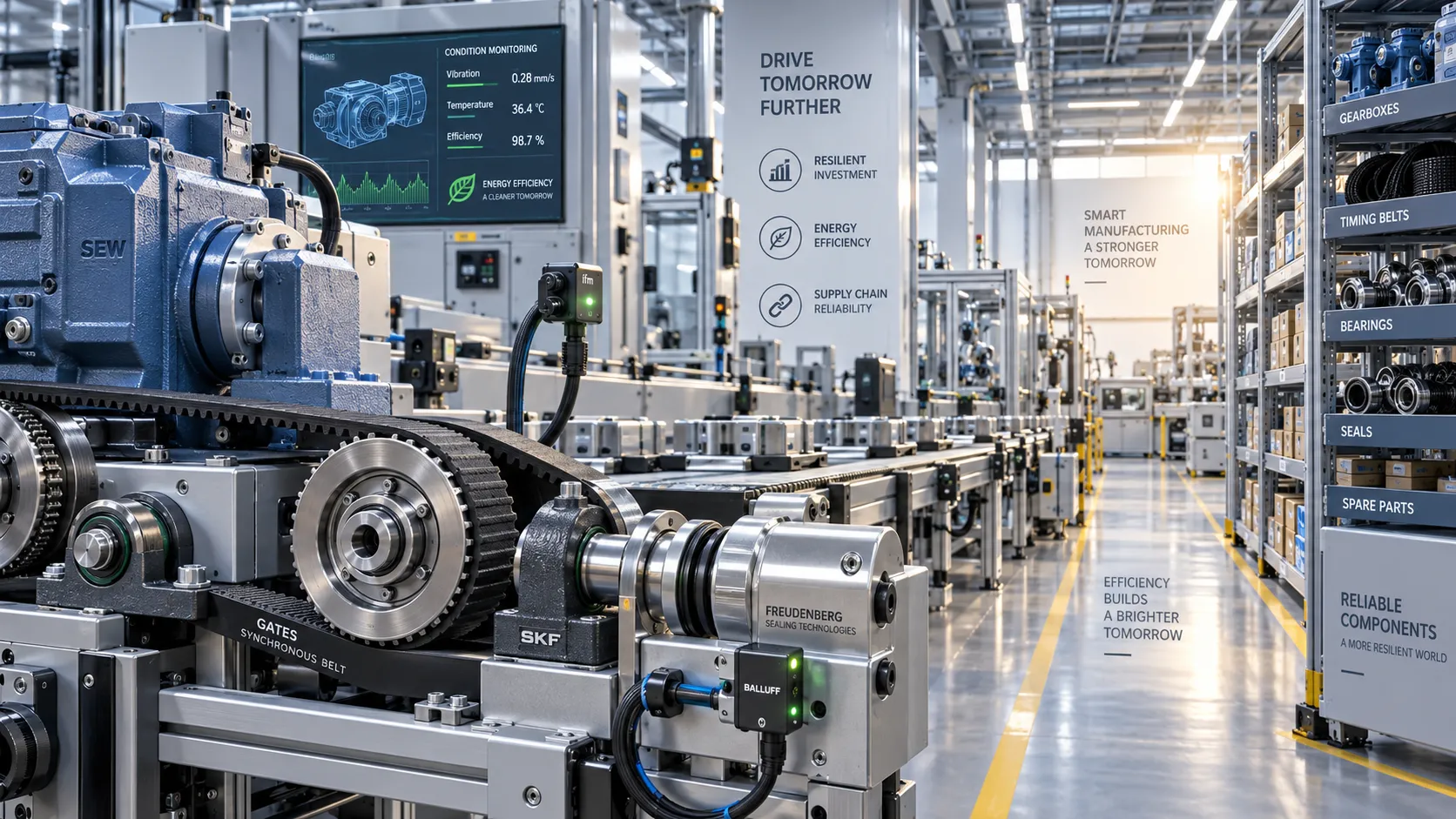
Industrial Economy Trends Shaping Capital Investment and Supply Chain Risk in 2026
Industrial economy trends for 2026 reveal how resilient capital investments, energy efficiency, and supply-chain strategies can protect uptime and strengthen returns.
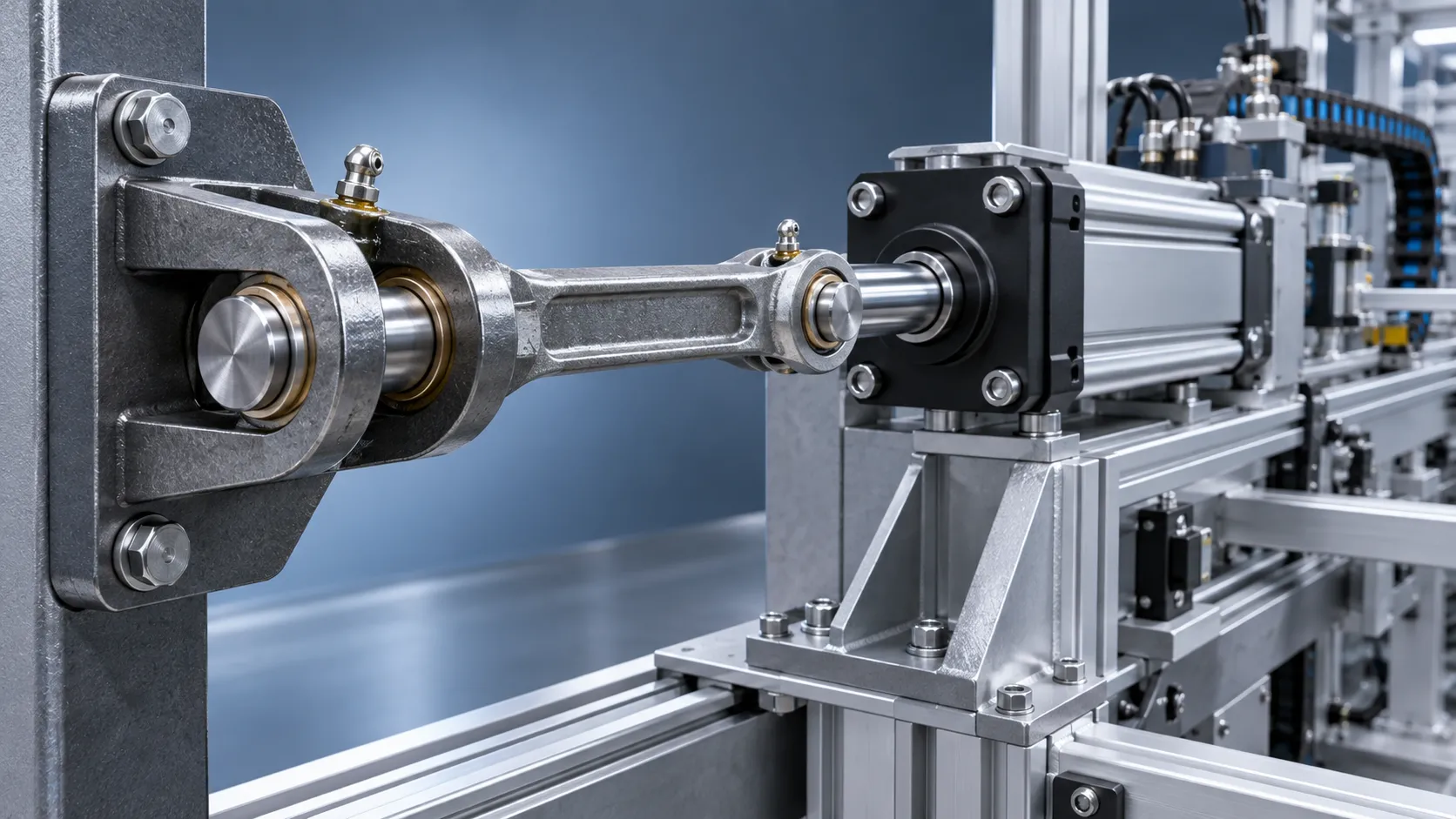
Mechanical Linkage Design: How to Balance Load Capacity, Motion Accuracy, and Wear
Mechanical linkage design guide: balance load capacity, motion accuracy, and wear with practical insights on geometry, joints, tolerances, lubrication, and service life.
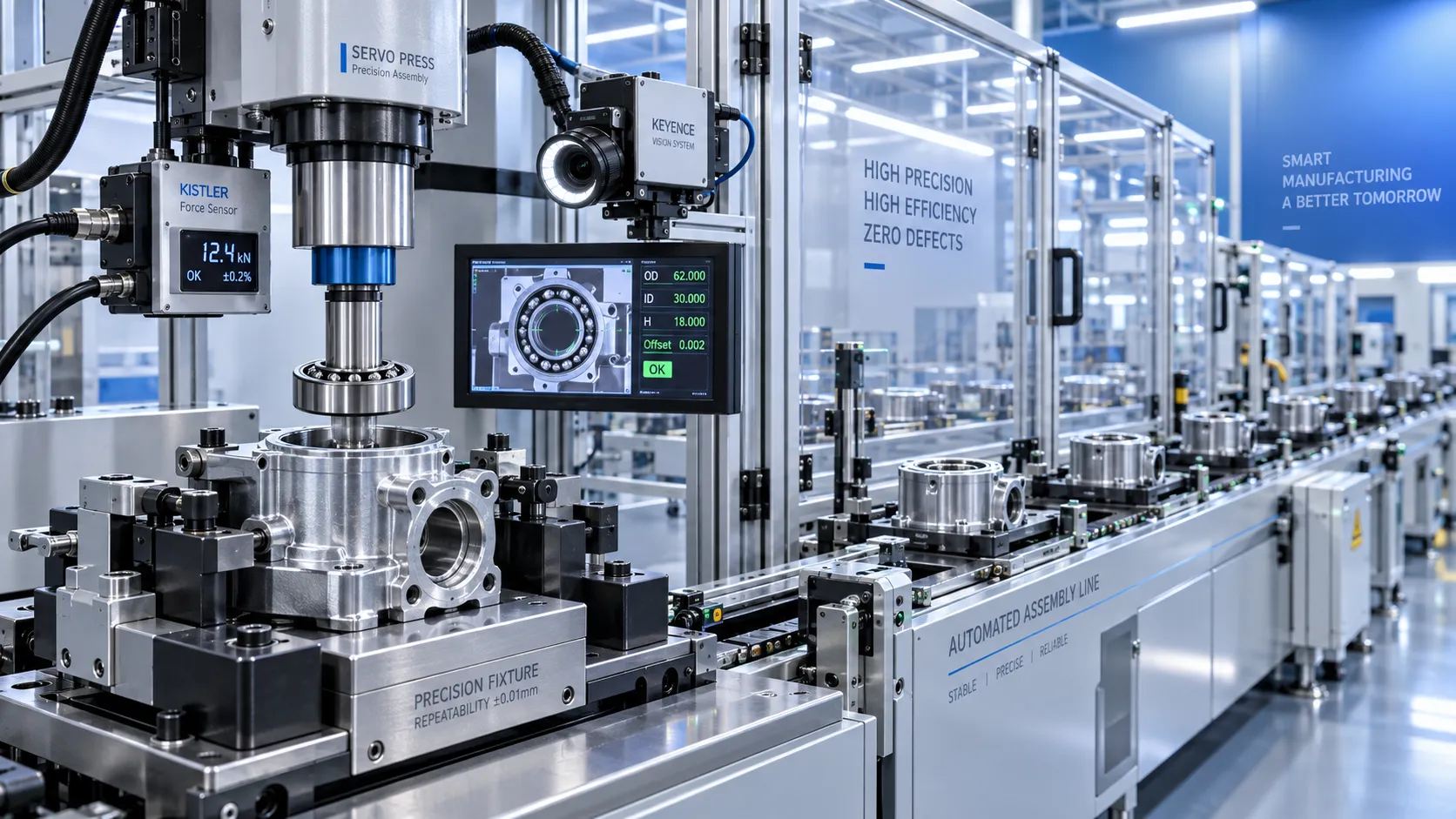
How Precision Automated Production Improves Quality Control in High-Volume Assembly
Precision automated production strengthens quality control in high-volume assembly with real-time verification, traceability, and safer defect containment.
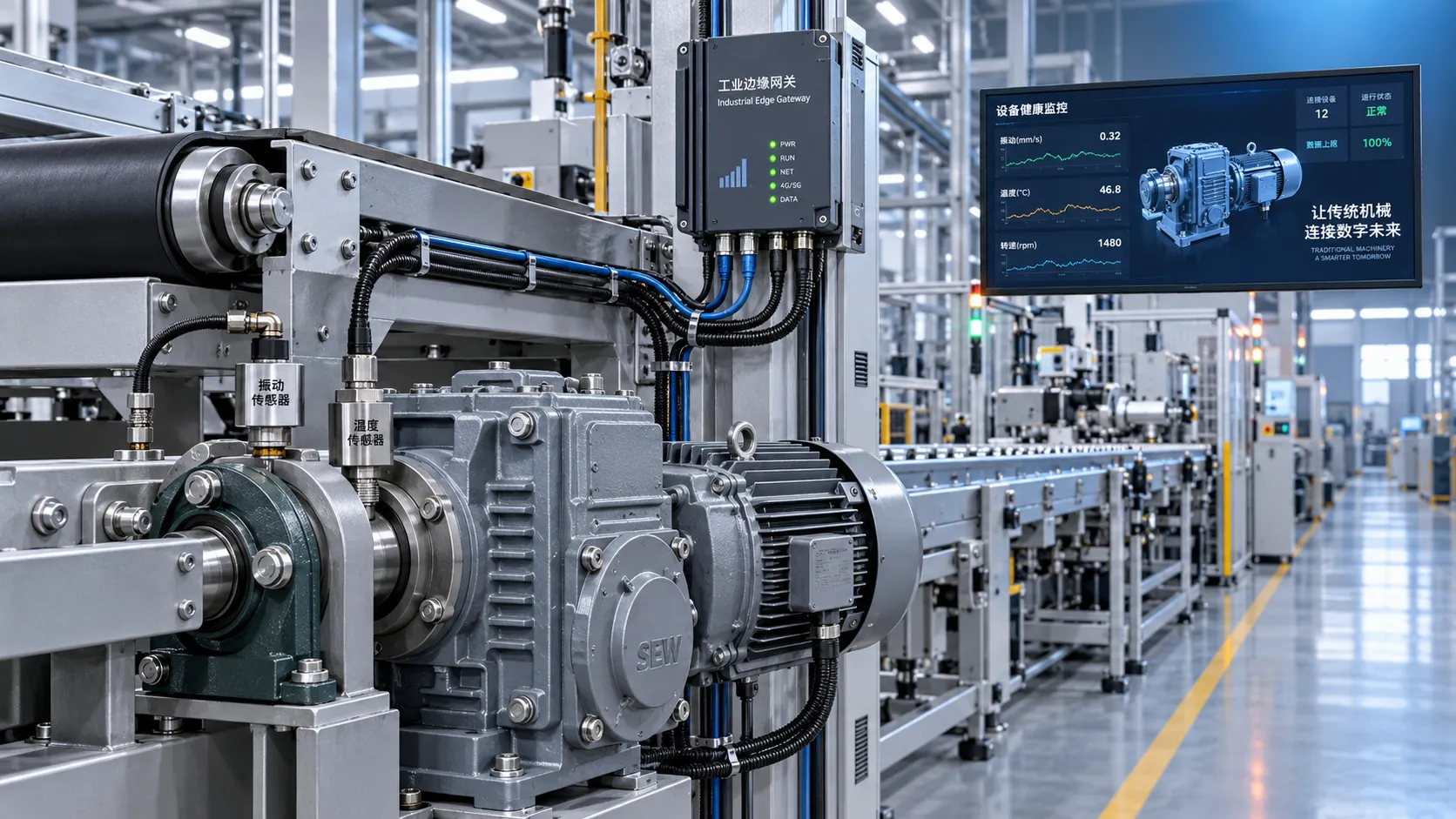
Industry 4.0 Integration: A Roadmap for Connecting Legacy Machines and Data
Industry 4.0 integration roadmap for connecting legacy machines, improving data visibility, reducing downtime, and scaling secure, measurable operational performance.
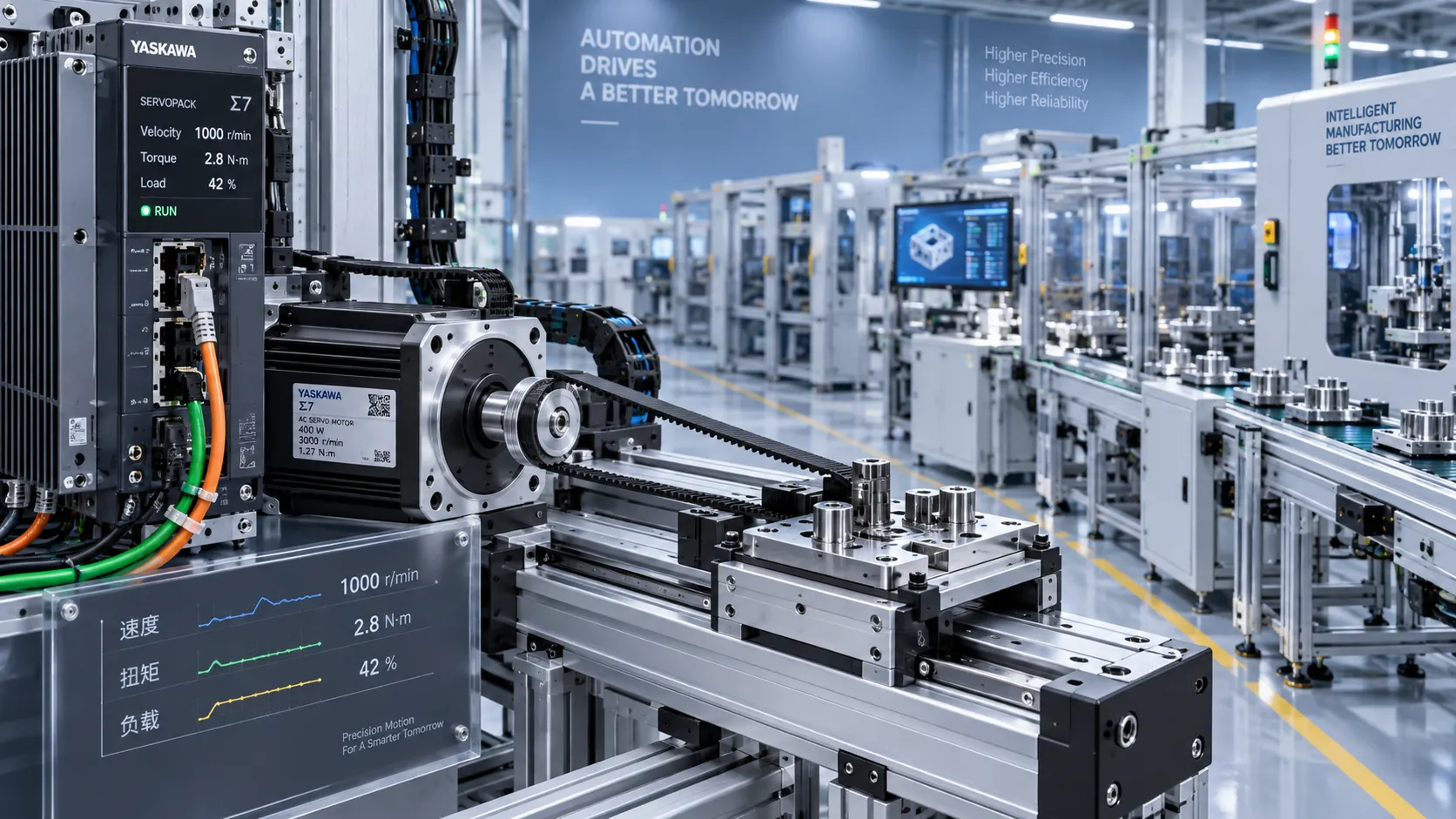
Servo Drive Comparison: Selecting Motion Control for Speed, Torque, and Load
Technical product comparison servo drives: evaluate speed, torque, inertia, safety, and control integration to select a reliable motion system with proven performance margins.
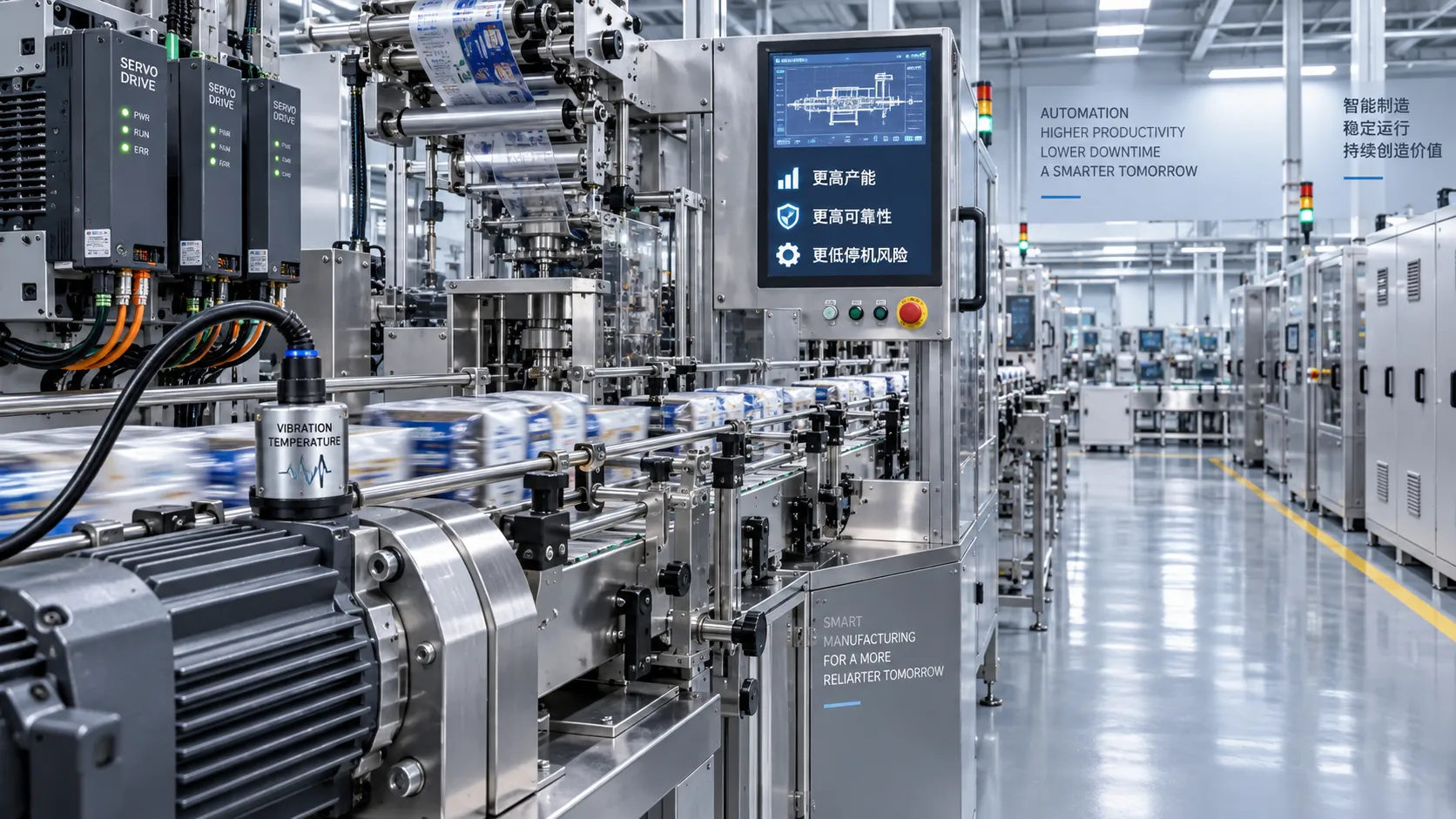
Industrial Automation Technology: How to Prioritize Upgrades by ROI and Downtime Risk
Industrial automation technology upgrades: learn to rank projects by ROI, bottleneck exposure, and downtime risk to reduce losses and make smarter capital decisions.

Selecting Low-Maintenance Chain Components for Dusty, High-Load Conveyors
Low maintenance chain components for dusty, high-load conveyors: compare seals, lubrication, materials, sprockets, and load capacity to reduce wear and downtime.
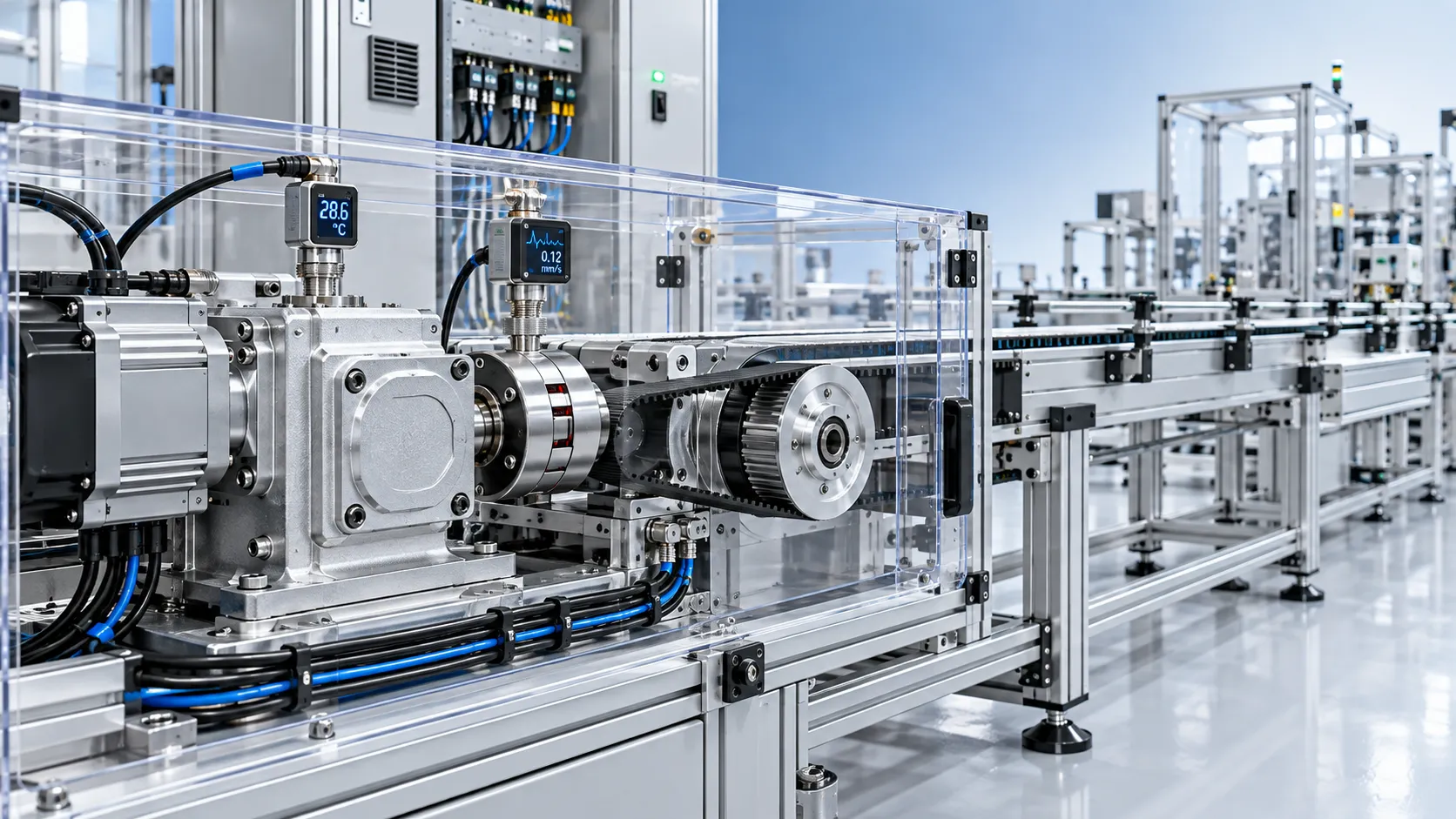
Selecting Smart Transmission Modules for Automated Lines: Control, Load, and Safety
Smart transmission modules for automated lines: evaluate control compatibility, real load demands, safety boundaries, and predictive maintenance value for reliable performance.

How to Assess Automated Packaging Production for High-Mix Manufacturing Lines
Automated production for packaging: assess changeovers, flexibility, controls, reliability, and lifecycle cost to build high-mix lines that deliver stable output.