
Industry News
Curation by industry experts
Hot Articles
Popular Tags
What standardized transmission systems really improve first
For enterprise decision-makers, standardized transmission systems often deliver their first measurable gains in reliability, maintenance efficiency, and lifecycle cost control. In an era shaped by automation, energy pressure, and global sourcing complexity, understanding where standardization creates immediate operational value is critical. This article explores the earliest improvements companies can expect and why they matter for long-term industrial competitiveness.
Across manufacturing, processing, logistics, mining, and heavy equipment operations, transmission architecture sits at the center of uptime, energy transfer, and maintenance discipline. When components such as gear reducers, couplings, bearings, belts, chains, seals, and mounted units follow a standardized logic, companies reduce avoidable variation. That reduction often becomes visible faster than many managers expect.
For strategic teams evaluating capex, supplier rationalization, or plant modernization, the key question is not whether standardization matters. It is what it improves first. In most industrial environments, the answer is practical rather than theoretical: fewer unplanned stoppages, faster parts replacement, clearer procurement rules, and better control over total operating cost within the first 3 to 12 months.
Why Reliability Is Usually the First Visible Gain
The earliest benefit of standardized transmission systems is usually reliability because standardization removes mismatch at the interface level. Shaft sizes, torque classes, mounting patterns, lubrication intervals, and sealing arrangements become more predictable. In plants running 2 or 3 shifts, that predictability directly reduces failure opportunities.
Many failures in industrial transmission are not caused by extreme overload alone. They result from inconsistent specification, mixed replacement practices, and undocumented field modifications. If one production line uses 4 reducer frame types while another uses 9, maintenance teams must manage more installation variables, more spare stock, and more training points.
Where Standardization Removes Early Failure Risk
In practical terms, standardized transmission systems reduce reliability risk in at least 4 areas: alignment accuracy, load matching, lubrication consistency, and seal compatibility. These are not abstract engineering concerns. They are the factors that often determine whether a drive train runs 18 months or 36 months before major intervention.
- Fewer dimensional mismatches during installation and replacement
- More consistent torque transmission across comparable equipment families
- Lower probability of incorrect lubricant or seal material selection
- Better repeatability in maintenance procedures across multiple sites
The table below outlines the first operational improvements that decision-makers typically observe when moving from fragmented component choices to standardized transmission systems.
The key conclusion is that reliability improves first because the system becomes easier to control. Standardization does not eliminate all failure modes, but it reduces unnecessary variability, which is often the fastest route to higher uptime in multi-asset operations.
Why Reliability Matters Financially in the First Year
For executive teams, reliability is not just a maintenance metric. It influences output planning, labor scheduling, customer delivery confidence, and energy efficiency. Even a 1% to 3% improvement in uptime can matter significantly in plants where bottleneck assets run continuously and each hour of stoppage affects multiple downstream processes.
This is where intelligence-led evaluation becomes useful. Platforms such as GPT-Matrix support decision-makers by linking material science, tribology, and commercial sourcing logic. Instead of reviewing components in isolation, leaders can assess how standardized transmission systems support plant-wide efficiency targets and supplier risk control.
Maintenance Efficiency Improves Almost as Fast
After reliability, maintenance efficiency is usually the second measurable gain. In many organizations, maintenance complexity grows quietly over 5 to 10 years through line expansions, regional sourcing decisions, and emergency substitutions. Standardized transmission systems reverse that drift by restoring a common service language.
This common language affects every stage of intervention: inspection, diagnosis, spare issue, installation, alignment, lubrication, and restart verification. When teams no longer face dozens of non-harmonized component combinations, they can execute work orders faster and with fewer avoidable errors.
The 5 Maintenance Areas Most Affected
- Inspection routines become easier to standardize across lines and shifts.
- Technician training can focus on 3 to 5 core transmission families instead of scattered exceptions.
- Spare parts rooms carry fewer low-turn items and more interchangeable stock.
- Planned shutdown windows become more predictable, often within 1 to 2 maintenance cycles.
- Supplier communication improves because required specifications are clearer and less reactive.
For large enterprises, maintenance efficiency also has a governance dimension. If each site uses its own naming logic for couplings, seals, or synchronous belts, cross-plant benchmarking becomes weak. Standardized transmission systems make asset data cleaner, which improves ERP mapping, MRO planning, and digital maintenance analytics.
Typical Implementation Effects by Maintenance Function
The following comparison shows how standardized transmission systems can affect daily maintenance execution in a typical industrial setting with mixed automation and rotating equipment.
The practical message is simple: maintenance efficiency improves because decision friction drops. Teams spend less time interpreting variation and more time executing repeatable work. For plants under labor pressure or with limited senior technicians, this benefit can be as important as the hardware improvement itself.
Lifecycle Cost Control Starts Earlier Than Many Buyers Expect
Some executives assume lifecycle cost benefits only appear after several years. In reality, standardized transmission systems often begin improving cost control within the first budgeting cycle. This does not always mean an immediate drop in purchase price. In many cases, the first gain is cost visibility.
When procurement, engineering, and maintenance align on fewer technical families, companies can compare supplier offers more consistently. Lead times, stocking levels, seal materials, torque ratings, and service kits become easier to benchmark. This helps purchasing teams avoid hidden cost traps that come from low-price but poor-fit components.
What Cost Categories Improve First
The first 4 cost categories to improve are usually emergency freight, duplicate inventory, excess maintenance labor, and lost production caused by avoidable delays. In transmission-heavy industries, these indirect costs often exceed the visible difference between one component quotation and another.
- Emergency procurement events may decrease as interchangeability improves.
- Inventory rationalization can reduce dormant SKUs over 6 to 12 months.
- Repeatable installation methods lower rework risk after maintenance shutdowns.
- Energy transfer losses may decline when belt, chain, or gearbox matching becomes more consistent.
A Better Procurement Framework for Decision-Makers
For B2B buyers, the strongest procurement question is not “What is the unit cost?” but “What is the controlled cost of operation over 24 to 60 months?” Standardized transmission systems support this longer view because they make technical comparisons cleaner and replacement planning more disciplined.
A practical evaluation framework can include 6 checkpoints: torque suitability, environmental compatibility, maintenance interval, spare availability, supplier lead time, and installation repeatability. If a proposed component fails 2 or more of these checkpoints, short-term savings may create long-term instability.
How to Standardize Without Creating New Risk
Not every standardization effort succeeds. Some companies move too aggressively and reduce technical diversity where diversity is still necessary. The goal is not to force one configuration onto every machine. The goal is to standardize where operating conditions overlap and to document exceptions where they do not.
A disciplined rollout usually follows 3 stages. First, map all major drive and sealing assemblies by asset type. Second, identify 20% of component families that account for roughly 80% of maintenance events or spare consumption. Third, create approved standards by operating band, not by convenience alone.
Recommended Rollout Priorities
- Start with high-frequency wear items such as belts, chains, bearings, and seals.
- Then standardize medium-complexity assemblies including couplings and mounted units.
- Finally address gear reducers and integrated drive packages where installation interfaces matter most.
Common Mistakes to Avoid
- Choosing one supplier format without validating application load spectrum
- Ignoring ambient temperature, contamination level, or washdown exposure
- Standardizing part numbers without standardizing installation procedures
- Reducing stock depth before field interchangeability is fully proven
This is where market intelligence adds value. GPT-Matrix focuses on the interaction between power transmission logic, tribological performance, and sourcing conditions. For decision-makers facing volatile raw material costs, regional supply constraints, or digital transformation targets, that broader view helps turn standardization from a purchasing exercise into an operational strategy.
What Enterprise Leaders Should Ask Before Committing
Before approving a standardization program, enterprise leaders should ask 5 practical questions. Are failure modes clearly classified? Are replacement interfaces documented to tolerance level? Can at least 2 qualified supply routes support the selected standard? Is field training ready within 30 to 60 days? Will ERP and MRO codes reflect the new logic?
If the answer to these questions is incomplete, the project may still move forward, but with tighter pilot boundaries. A 90-day pilot on one production area is often more effective than a rushed plant-wide change. Decision-makers gain real evidence on downtime reduction, installation time, and spare simplification before broader deployment.
Who Benefits Most from Standardized Transmission Systems
The strongest returns usually appear in companies with multi-site production, expanding automation, aging equipment fleets, or a broad MRO inventory. Sectors with frequent duty cycles, abrasive environments, or continuous process loads often see the fastest benefits because transmission inconsistency creates visible cost faster in those operating conditions.
Standardized transmission systems are especially relevant when an enterprise is balancing three pressures at once: higher uptime targets, lower energy waste, and tighter supply resilience. In such cases, standardization is not only a technical simplification measure. It becomes a management tool for resilience, comparability, and controlled growth.
The first improvements delivered by standardized transmission systems are rarely theoretical. They appear in reliability, maintenance speed, spare clarity, and cost visibility—often within the first few operating cycles after implementation. For enterprise decision-makers, these early gains create the foundation for larger outcomes in energy efficiency, digital maintenance, and international sourcing stability.
GPT-Matrix supports this transition by connecting industrial intelligence with practical transmission decisions across components, materials, and operating scenarios. If your organization is reviewing drive architecture, supplier consolidation, or plant modernization priorities, now is the right time to evaluate where standardization can create the fastest measurable impact. Contact us to discuss your application profile, request a tailored solution path, or learn more about industrial transmission strategies built for long-term competitiveness.
Recommended News
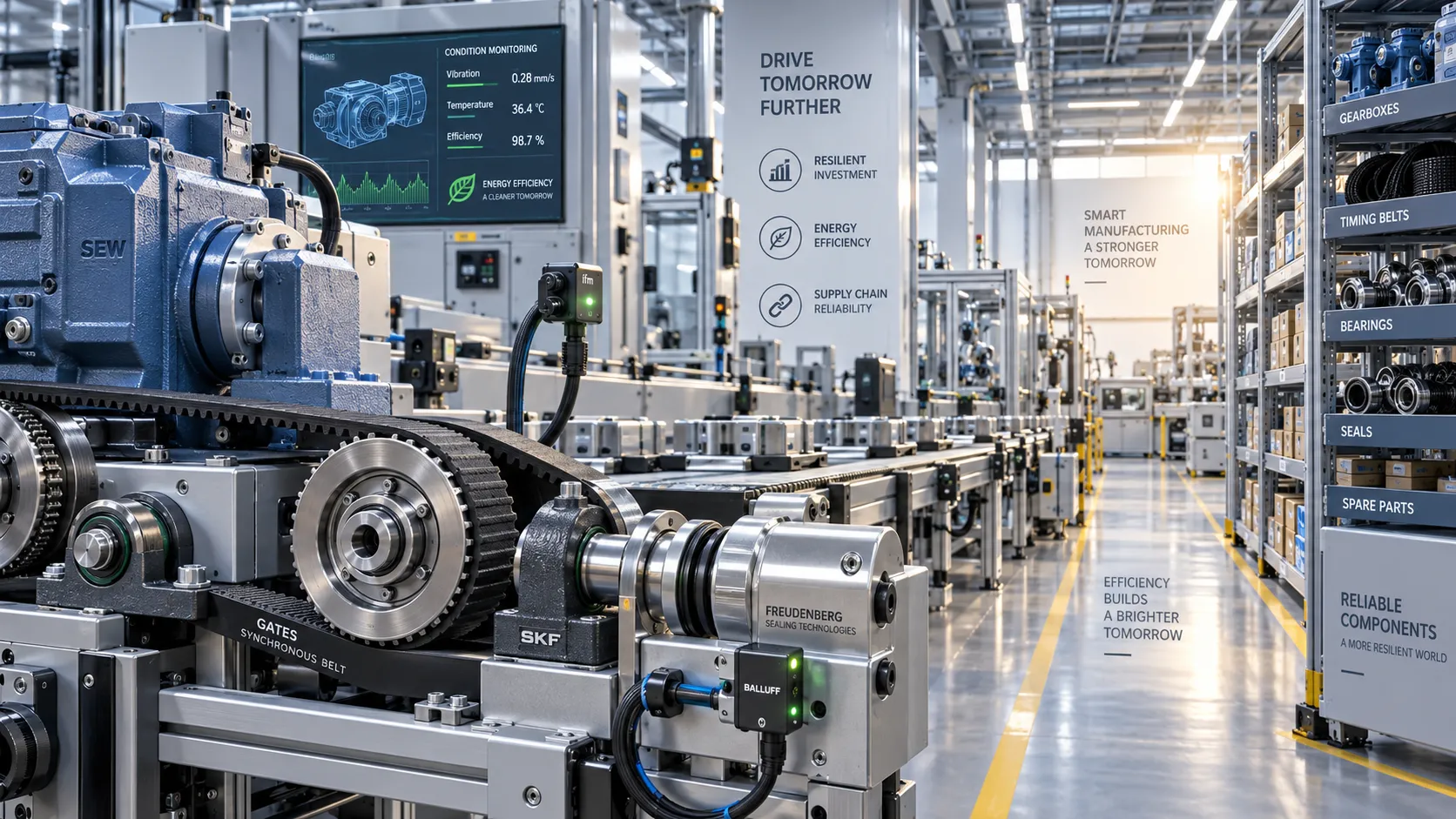
Industrial Economy Trends Shaping Capital Investment and Supply Chain Risk in 2026
Industrial economy trends for 2026 reveal how resilient capital investments, energy efficiency, and supply-chain strategies can protect uptime and strengthen returns.
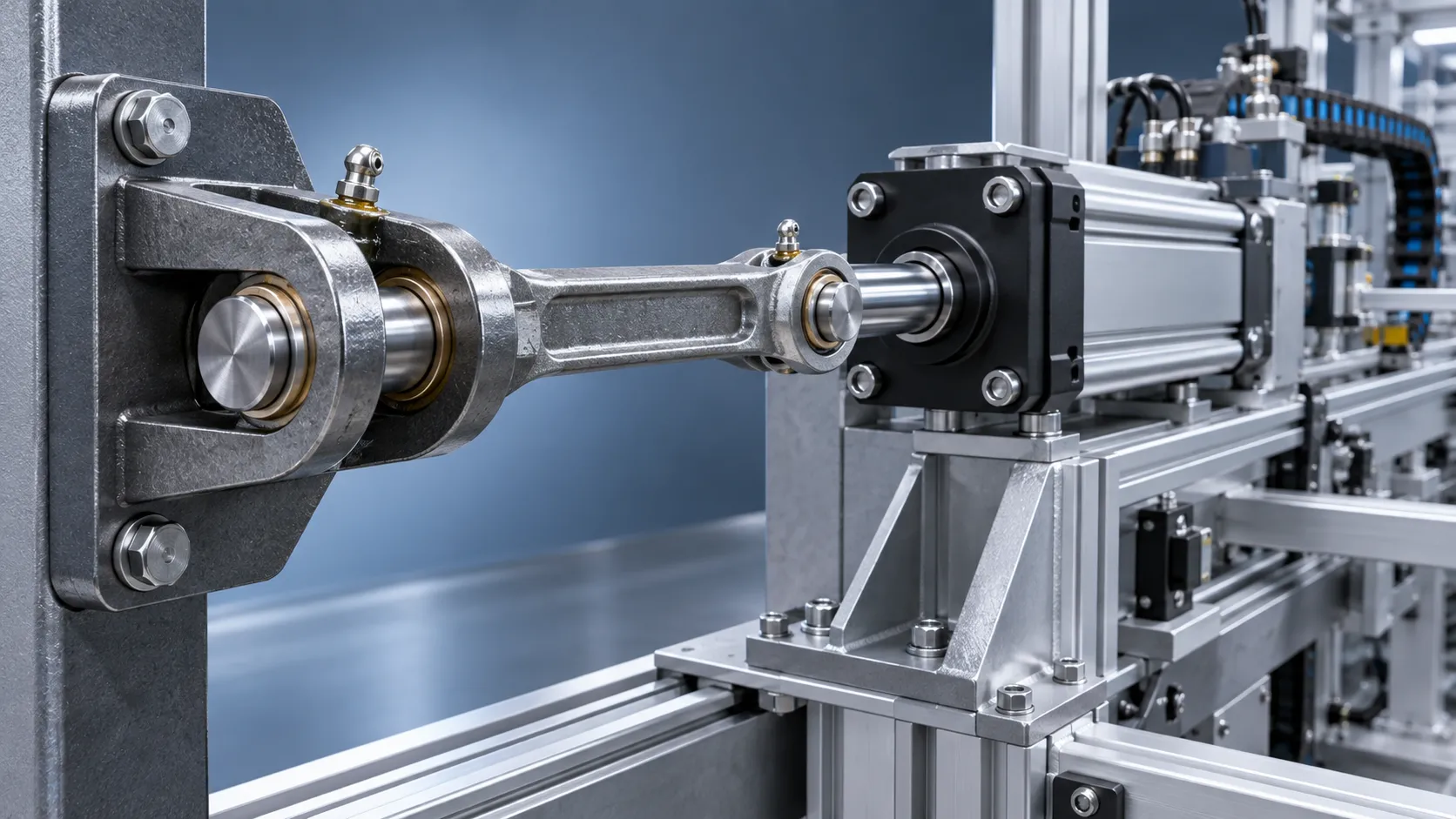
Mechanical Linkage Design: How to Balance Load Capacity, Motion Accuracy, and Wear
Mechanical linkage design guide: balance load capacity, motion accuracy, and wear with practical insights on geometry, joints, tolerances, lubrication, and service life.
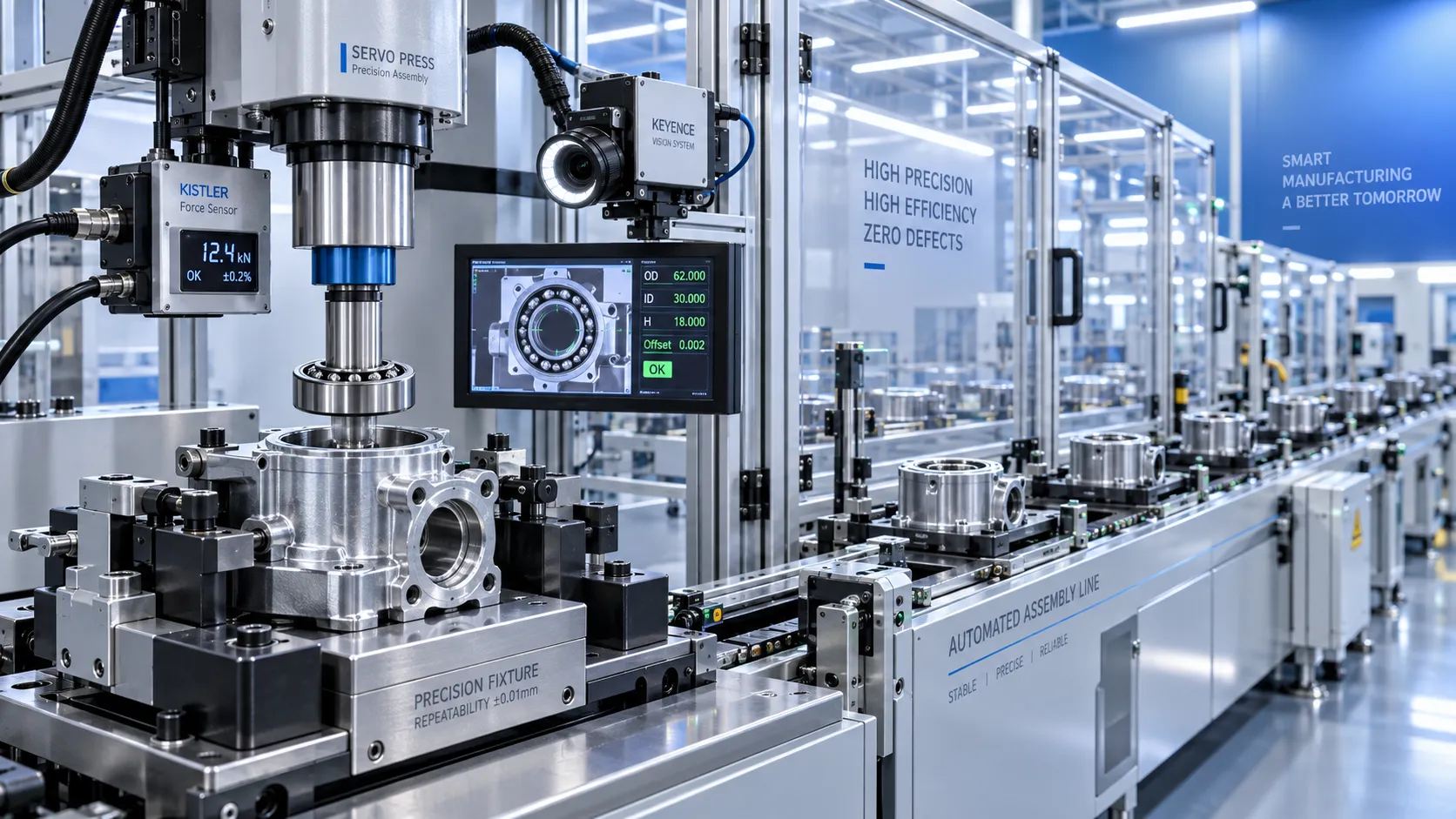
How Precision Automated Production Improves Quality Control in High-Volume Assembly
Precision automated production strengthens quality control in high-volume assembly with real-time verification, traceability, and safer defect containment.
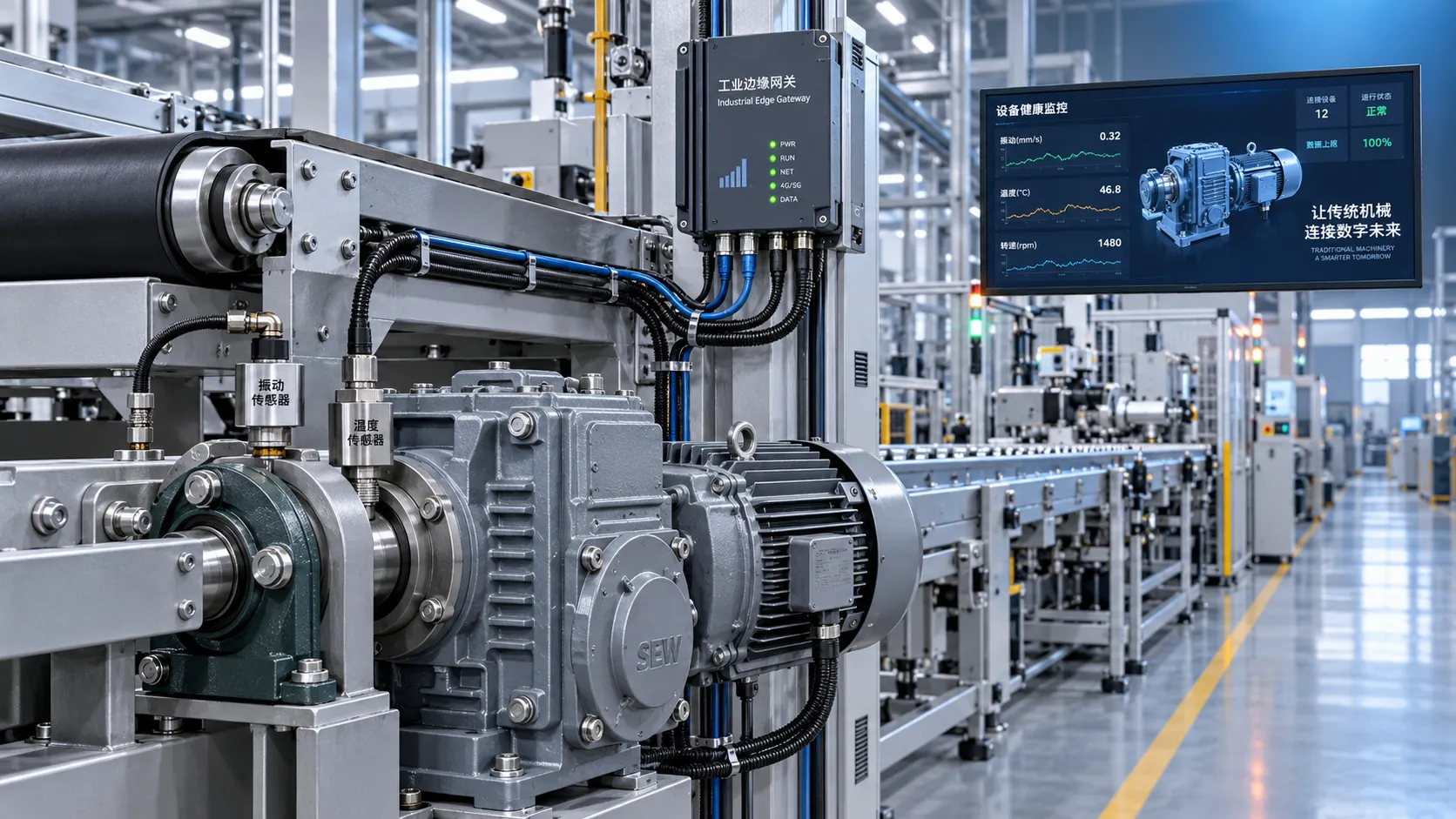
Industry 4.0 Integration: A Roadmap for Connecting Legacy Machines and Data
Industry 4.0 integration roadmap for connecting legacy machines, improving data visibility, reducing downtime, and scaling secure, measurable operational performance.
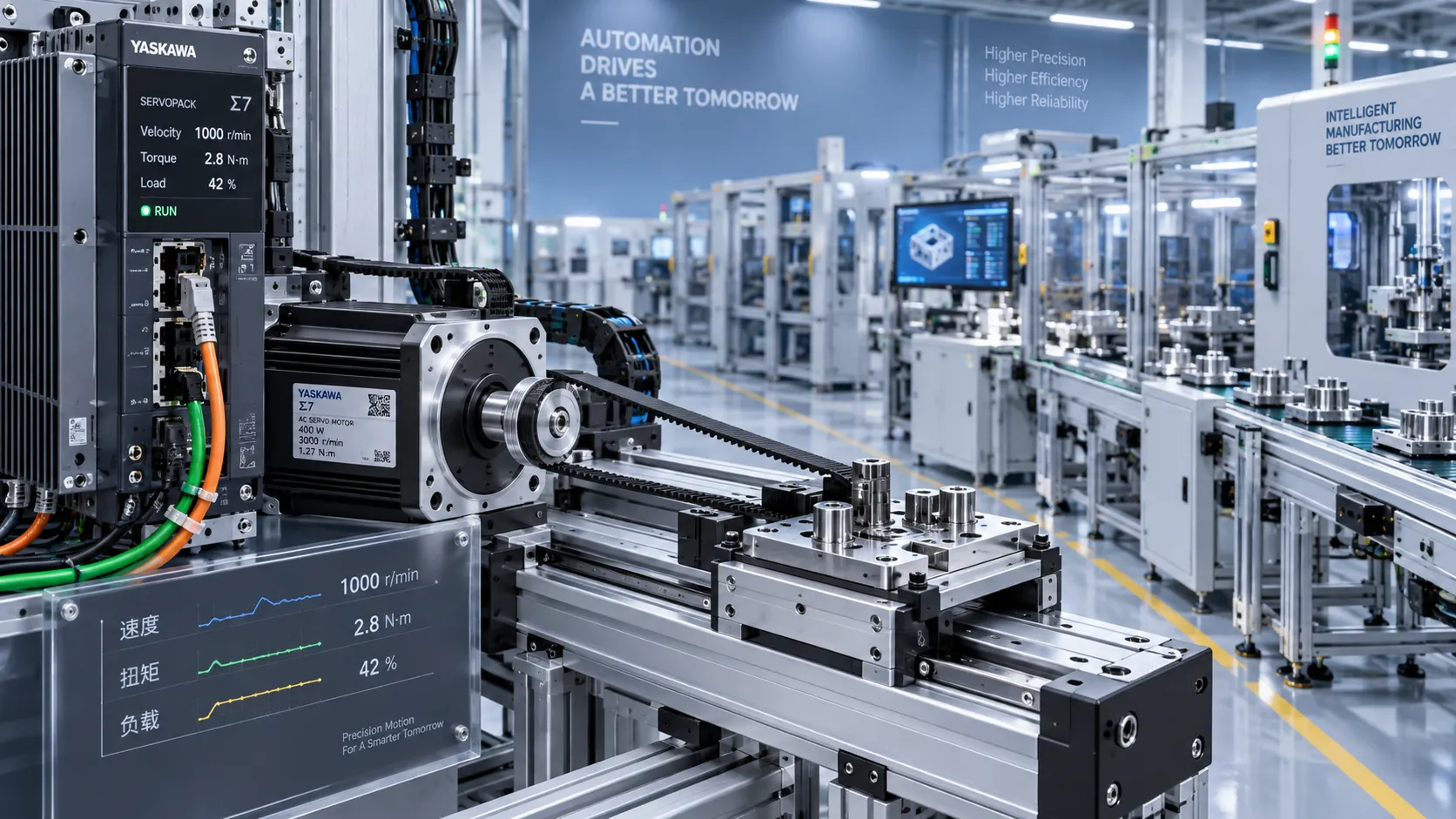
Servo Drive Comparison: Selecting Motion Control for Speed, Torque, and Load
Technical product comparison servo drives: evaluate speed, torque, inertia, safety, and control integration to select a reliable motion system with proven performance margins.

Industrial Automation Technology: How to Prioritize Upgrades by ROI and Downtime Risk
Industrial automation technology upgrades: learn to rank projects by ROI, bottleneck exposure, and downtime risk to reduce losses and make smarter capital decisions.
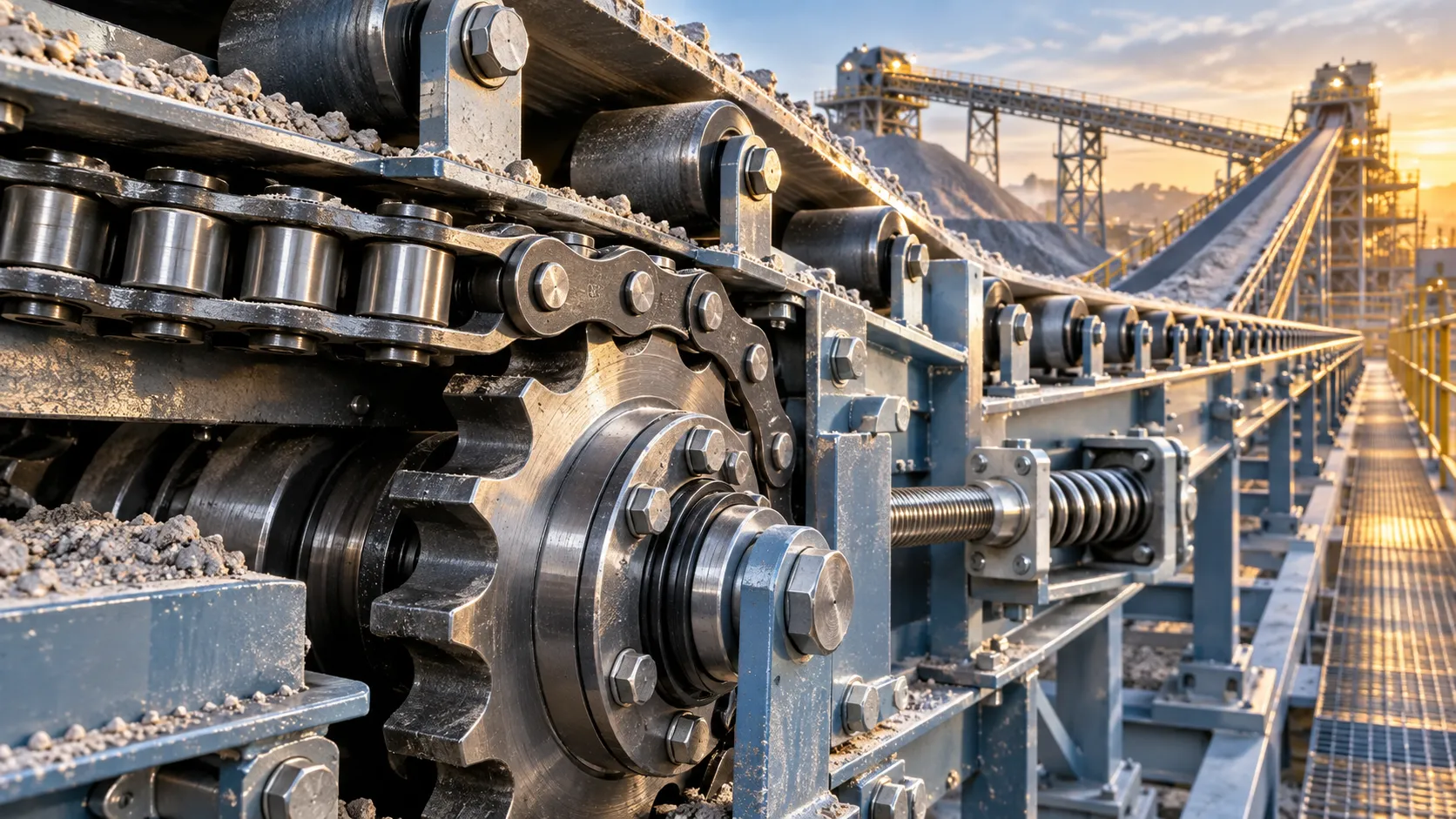
Selecting Low-Maintenance Chain Components for Dusty, High-Load Conveyors
Low maintenance chain components for dusty, high-load conveyors: compare seals, lubrication, materials, sprockets, and load capacity to reduce wear and downtime.
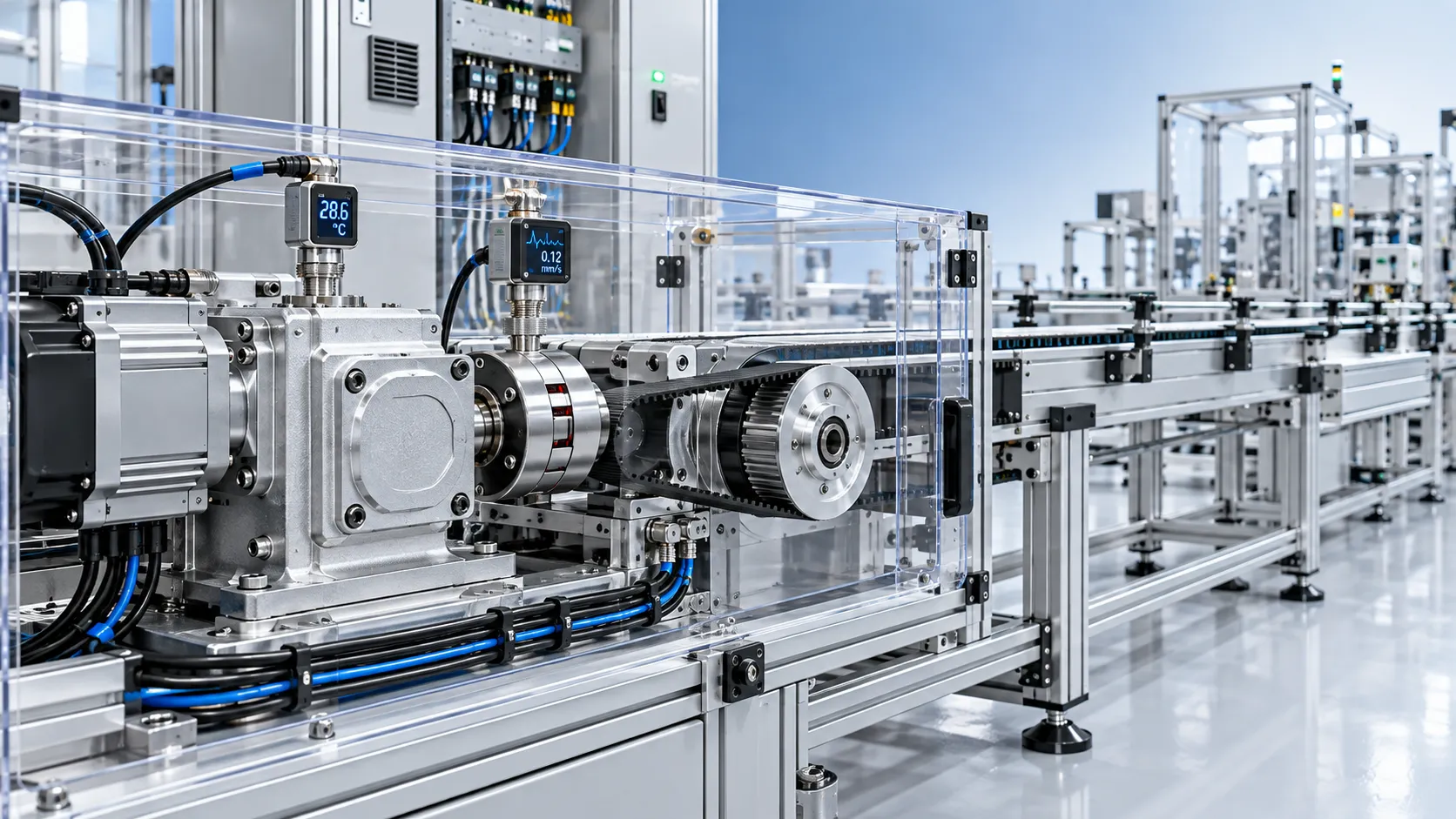
Selecting Smart Transmission Modules for Automated Lines: Control, Load, and Safety
Smart transmission modules for automated lines: evaluate control compatibility, real load demands, safety boundaries, and predictive maintenance value for reliable performance.

How to Assess Automated Packaging Production for High-Mix Manufacturing Lines
Automated production for packaging: assess changeovers, flexibility, controls, reliability, and lifecycle cost to build high-mix lines that deliver stable output.