
Industry News
Curation by industry experts
Hot Articles
Popular Tags
How the global industrial value chain reshapes lead times
As the global industrial value chain continues to shift, lead times are no longer shaped by distance alone but by sourcing complexity, material volatility, and regional manufacturing capacity. For channel-driven industrial businesses, this change affects delivery reliability, stock strategy, pricing discipline, and long-term market credibility.
In today’s global industrial value chain, a quoted lead time reflects far more than factory output. It now includes upstream mining cycles, component conversion bottlenecks, transport availability, customs friction, and the resilience of regional supplier networks.
This article answers the most common questions behind that shift. It explains what is changing, why delays happen, where risks concentrate, and how better decisions can shorten response time without sacrificing service quality.
What does the global industrial value chain mean for lead times today?
The global industrial value chain is the linked system that moves materials, parts, assemblies, and finished industrial products across countries and production stages. Lead time is the visible output of that entire chain.
In the past, many companies estimated lead times mainly by shipping distance and factory schedules. That model is now incomplete because supply networks are more fragmented and technically interdependent.
A simple mechanical component may depend on alloy inputs from one region, machining in another, heat treatment elsewhere, and final inspection near the demand market. One delay can ripple through every later step.
The global industrial value chain also includes invisible constraints. These include energy price swings, labor availability, tooling queues, environmental compliance, and port congestion during peak trade cycles.
For power transmission and mechanical component sectors, timing is especially sensitive. Bearings, reducers, belts, seals, couplings, and precision-machined parts often require specialized materials and qualified process control.
Why old lead-time assumptions fail
- Single-country sourcing creates concentrated risk.
- Raw material price spikes alter production priority.
- Capacity shifts follow policy and energy changes.
- Technical approvals slow substitution decisions.
Understanding the global industrial value chain means reading lead time as a system signal, not a shipping estimate. That shift supports better planning, more accurate promises, and stronger customer retention.
Why are lead times becoming longer or less predictable?
Lead times lengthen when variability enters any layer of the global industrial value chain. The most common drivers are material scarcity, process bottlenecks, uneven capacity distribution, and logistics instability.
Material volatility is often the starting point. Steel grades, engineered polymers, specialty elastomers, and lubricity-sensitive compounds may all face delayed replenishment when upstream supply tightens.
Then come conversion constraints. A supplier may secure raw input, yet still face long waits for forging, grinding, coating, balancing, testing, or certification slots.
Regional manufacturing concentration adds another layer. If too much capacity for a specific component sits in one geography, local disruption quickly becomes a global industrial value chain problem.
Transport is only one part of the puzzle. Even when ocean or air lanes improve, customs checks, inland trucking shortages, and document errors can still stretch total fulfillment time.
Common reasons for unstable delivery cycles
- High dependence on imported critical inputs.
- Insufficient safety stock at key nodes.
- Long qualification cycles for alternate suppliers.
- Seasonal shipping and port delays.
- Energy or regulatory shocks in major producing regions.
A volatile global industrial value chain does not always mean permanently longer lead times. It means wider lead-time ranges, more exceptions, and lower tolerance for planning errors.
Which parts of the industrial chain are most exposed to these changes?
Exposure is highest where products combine technical complexity, material sensitivity, and concentrated manufacturing capacity. That combination is common in industrial motion, sealing, and transmission categories.
Mechanical seals, drive systems, reducers, and precision couplings often rely on tight tolerances and validated performance standards. These requirements reduce the number of interchangeable sources.
Customized or low-volume items face additional risk. A supplier may prioritize standard lines during high demand, pushing engineered variants deeper into the production queue.
Heavy equipment support chains can also be vulnerable. Larger components need more machining time, more handling coordination, and sometimes special transport arrangements.
Aftermarket demand creates another challenge. Urgent replacement orders often compete with planned production, causing the global industrial value chain to behave differently than forecast models suggest.
High-risk categories in a shifting value chain
Mapping product exposure inside the global industrial value chain helps separate manageable delay from structural delay. That distinction supports smarter inventory and sourcing choices.
How can businesses judge whether a quoted lead time is realistic?
A realistic lead time should reflect actual chain conditions, not only supplier optimism. The best test is whether the quote includes sourcing depth, process timing, transport windows, and approval risks.
Start by checking bill-of-material complexity. Products with many sourced inputs usually carry more uncertainty across the global industrial value chain than simpler assemblies.
Next, ask whether the item is make-to-stock, make-to-order, or engineer-to-order. Each model has a different risk profile and should not share the same promise logic.
Also review the supplier’s regional footprint. Multi-site production, qualified alternates, and local warehousing often improve resilience, though only if coordination is disciplined.
Checklist for evaluating lead-time credibility
- Is raw material already secured?
- Are key processes outsourced or internal?
- Is there a recent on-time delivery record?
- Does the quote include customs and inland transit?
- Are alternates technically approved in advance?
When quotes are reviewed through the lens of the global industrial value chain, hidden risk becomes easier to spot. That reduces surprise delays and protects service commitments.
What mistakes increase risk when the global industrial value chain shifts?
One common mistake is treating every delay as temporary noise. Some disruptions are structural, especially when driven by geography concentration, energy policy, or persistent material imbalance.
Another mistake is relying on a single source for critical categories. In a stressed global industrial value chain, single-source efficiency can quickly become a delivery liability.
Many teams also underinvest in specification discipline. Incomplete drawings, unclear material requirements, and late engineering changes create avoidable lead-time expansion.
Short-term price chasing can backfire as well. A lower unit cost may hide weaker scheduling control, less buffer stock, or poor exception handling.
Frequent misunderstandings to avoid
These mistakes usually appear small at first. Across the global industrial value chain, however, small assumptions often compound into costly service failures.
How should businesses respond to lead-time changes in practical terms?
The best response is not panic buying. It is structured visibility, selective buffering, and supplier alignment built around the real behavior of the global industrial value chain.
First, segment products by criticality and volatility. Standard, substitutable items need a different stocking logic than custom, qualification-heavy components.
Second, monitor regional risk signals. Energy costs, export rules, and freight changes often provide early clues about future lead-time movement.
Third, build alternate paths before disruption arrives. Dual-source approval, local finishing options, and flexible packaging plans improve response speed.
Fourth, communicate lead-time ranges instead of single-point promises when uncertainty is high. Clear expectation management preserves trust better than repeated revisions.
Suggested action framework
- Map critical products to supply chain depth.
- Identify single points of failure.
- Set inventory buffers by risk tier.
- Review supplier capacity and alternates quarterly.
- Track actual versus quoted lead-time variance.
Reliable execution now depends on understanding how the global industrial value chain really works, not how it worked five years ago. Those who adapt earlier gain speed, accuracy, and stronger commercial confidence.
Quick FAQ summary table
The global industrial value chain is reshaping lead times through deeper interdependence, tighter technical constraints, and more uneven regional capacity. Better outcomes come from clearer visibility, stronger comparison standards, and earlier preparation.
For businesses operating across industrial transmission, motion control, and sealing markets, the next step is practical: review vulnerable categories, challenge outdated assumptions, and align sourcing plans with current value-chain realities.
GPT-Matrix continues to track the signals behind the global industrial value chain, helping industrial decision-making stay grounded in material logic, mechanical performance, and changing international supply conditions.
Recommended News

Industry 4.0 Digital Transformation in Manufacturing: Where ROI Shows Up First
Industry 4.0 digital transformation delivers early ROI in manufacturing through less downtime, smarter maintenance, and better asset visibility. See where returns appear first.
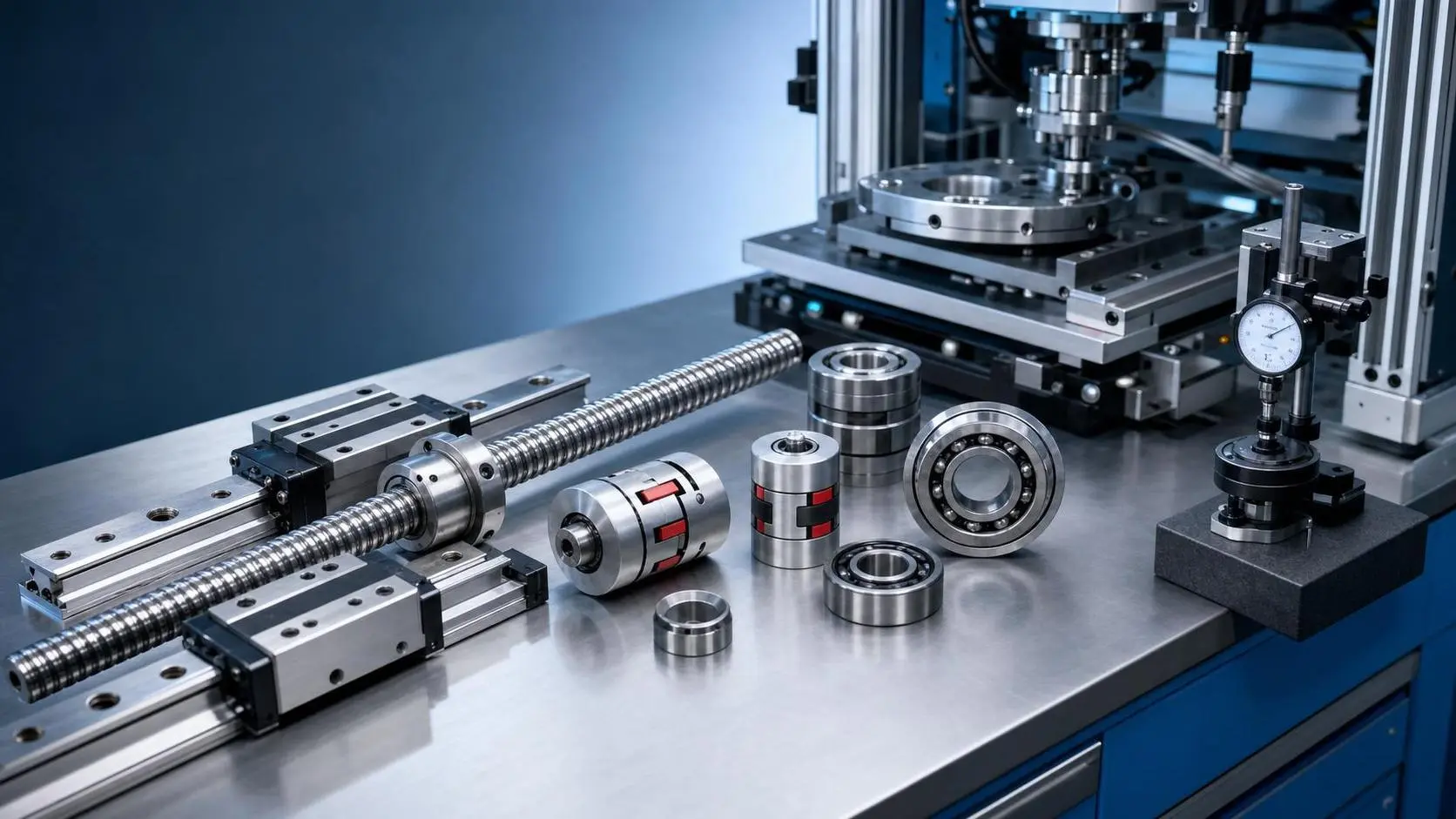
Motion Control Components Suppliers: How to Compare Precision, Lead Time, and Support
Motion control components suppliers compared by precision, lead time, and support. Learn how to reduce sourcing risk, improve uptime, and choose reliable partners with confidence.
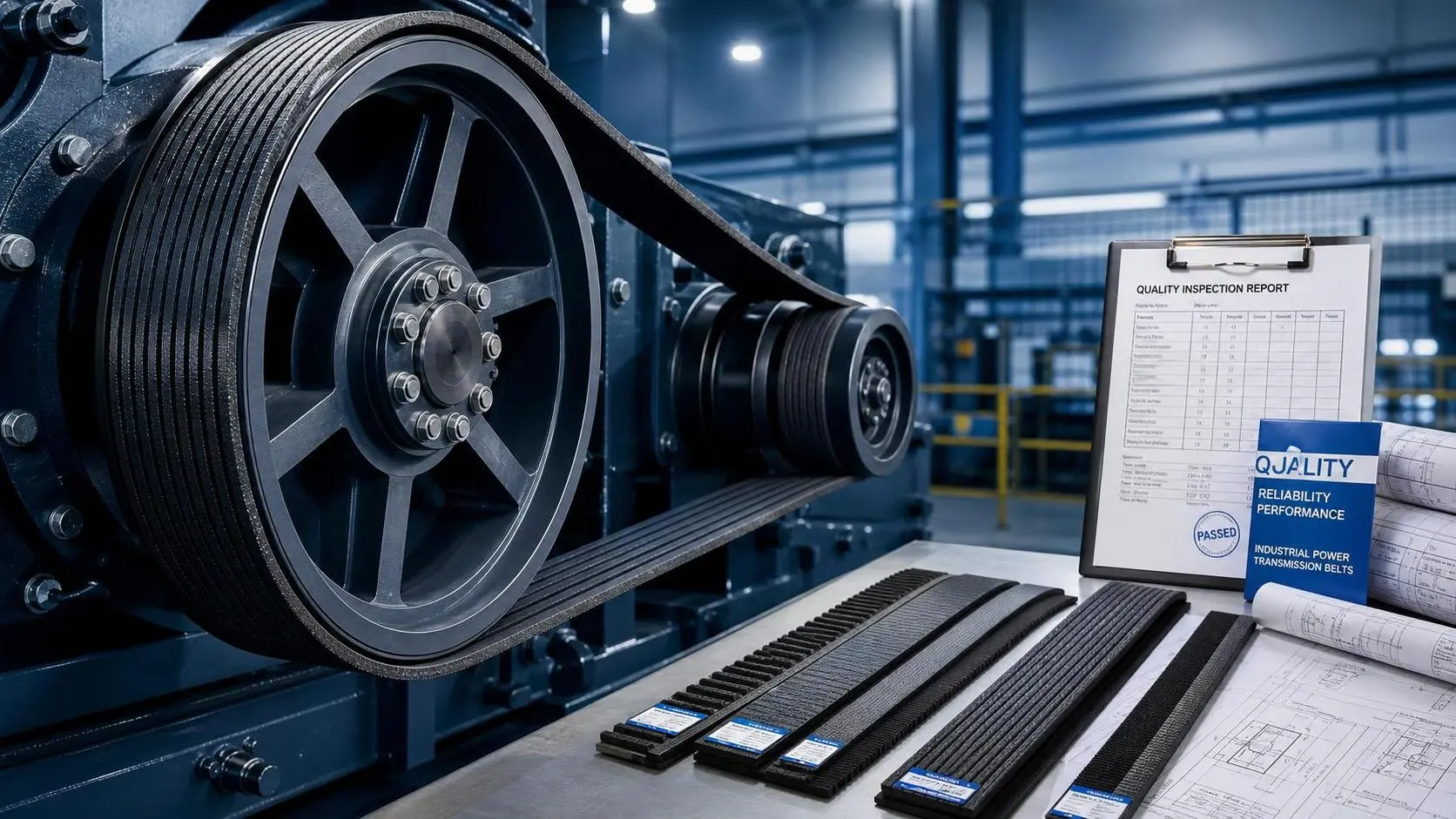
Heavy Duty Drive Belts Manufacturers: 7 Checks Before Requesting a Quote
Heavy duty drive belts manufacturers: learn 7 essential checks before requesting a quote. Compare quality, load capacity, lead time, and total cost to source with less risk.
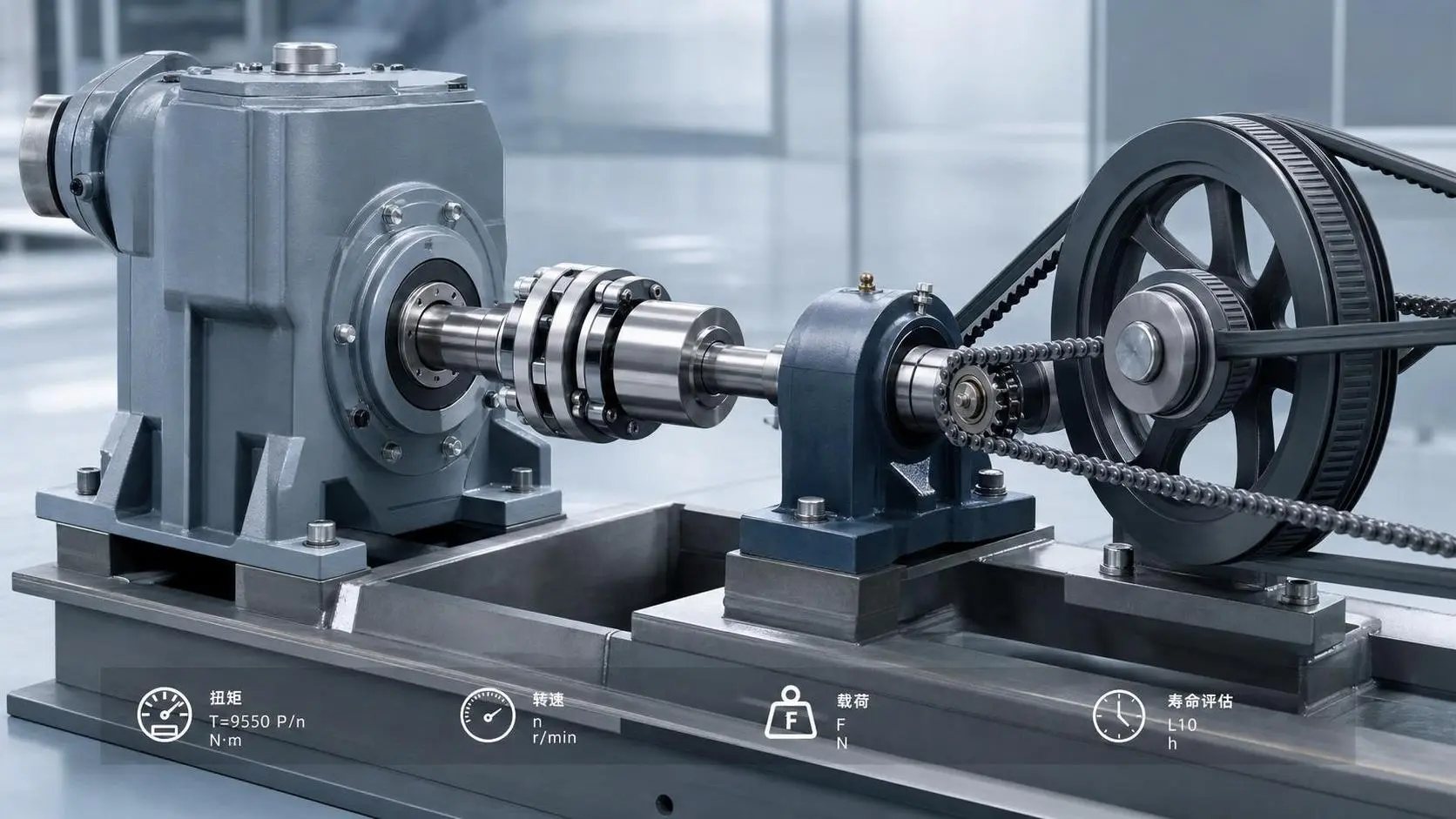
How to Evaluate Transmission Components for Torque, Speed, Load, and Service Life
Transmission components evaluation made practical: learn how to assess torque, speed, load, and service life to reduce failures, improve uptime, and choose smarter industrial solutions.
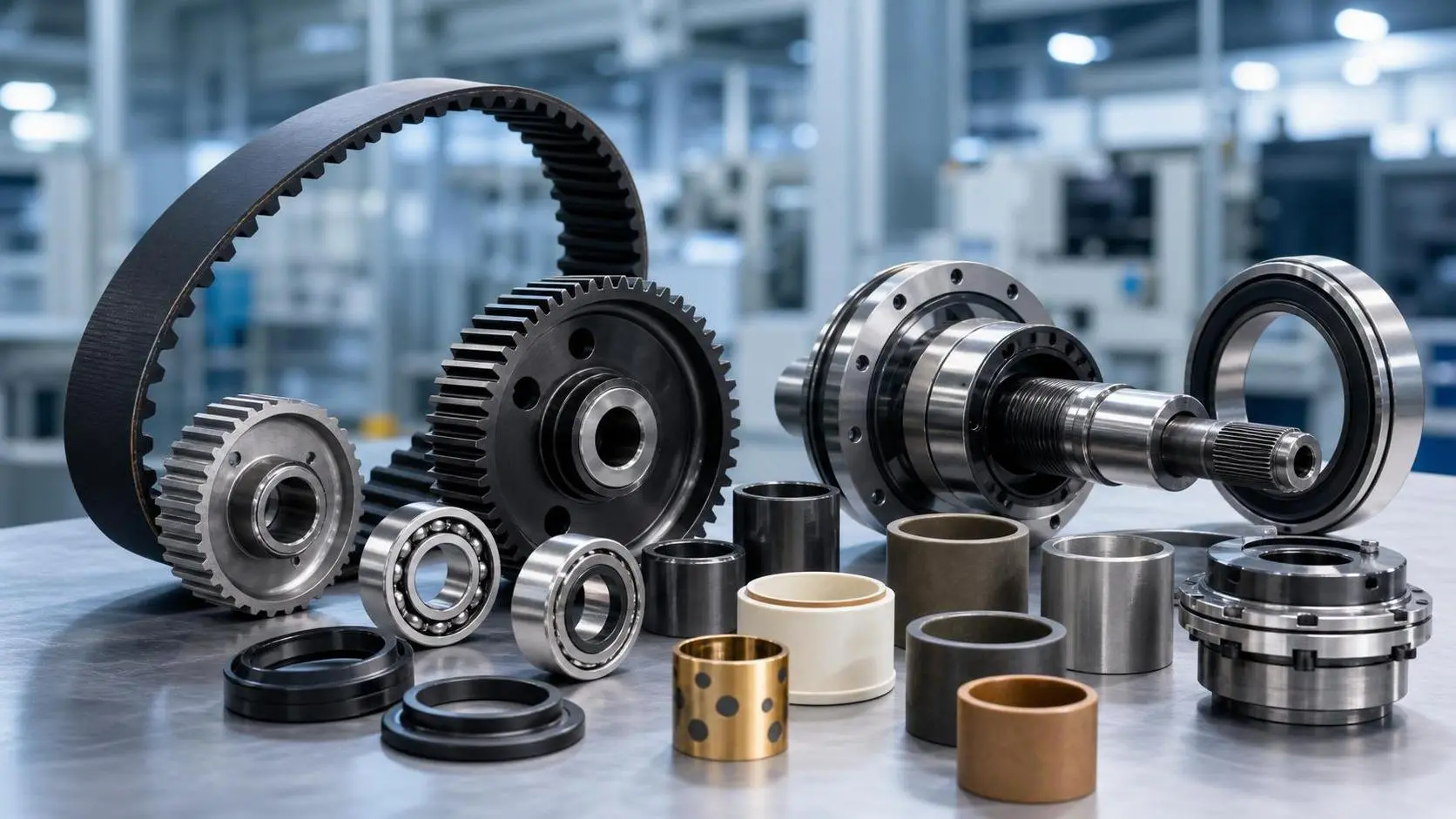
High-Performance Materials Explained: Key Properties and Best-Fit Industrial Uses
High-performance materials explained with key properties, industrial uses, and selection tips to improve uptime, cut wear, and boost long-term efficiency.
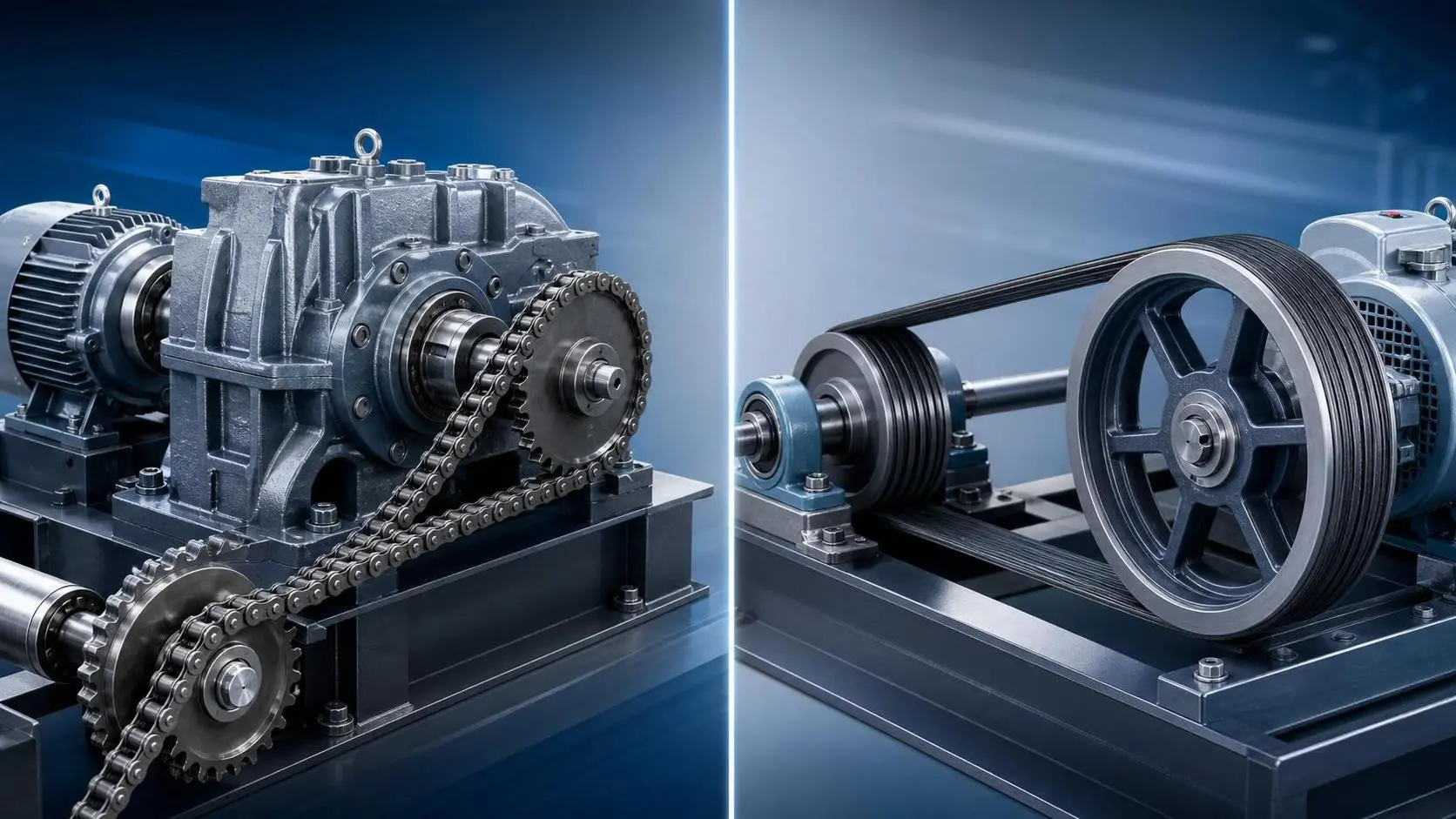
Mechanical Transmission vs Belt Drive: Which Option Fits Your Load, Speed, and Maintenance Goals?
Mechanical transmission vs belt drive: learn how load, speed, maintenance, and total cost shape the right choice for reliable performance and smarter buying decisions.
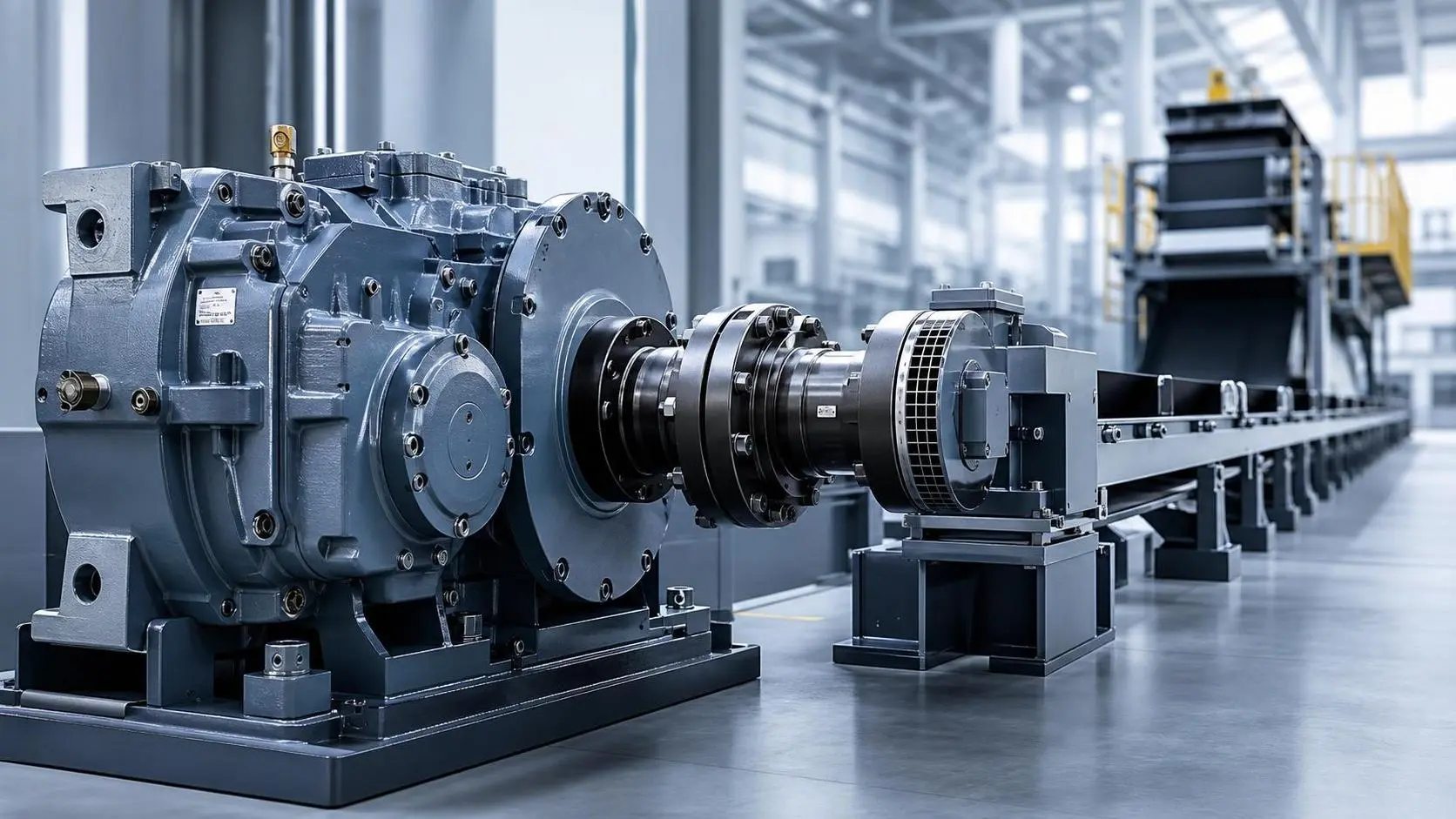
How to Evaluate a High-Performance Transmission for Heavy-Duty Industrial Applications
High-performance transmission evaluation starts with real duty conditions. Learn how to assess torque, sealing, efficiency, and lifecycle reliability for heavy-duty industrial systems.
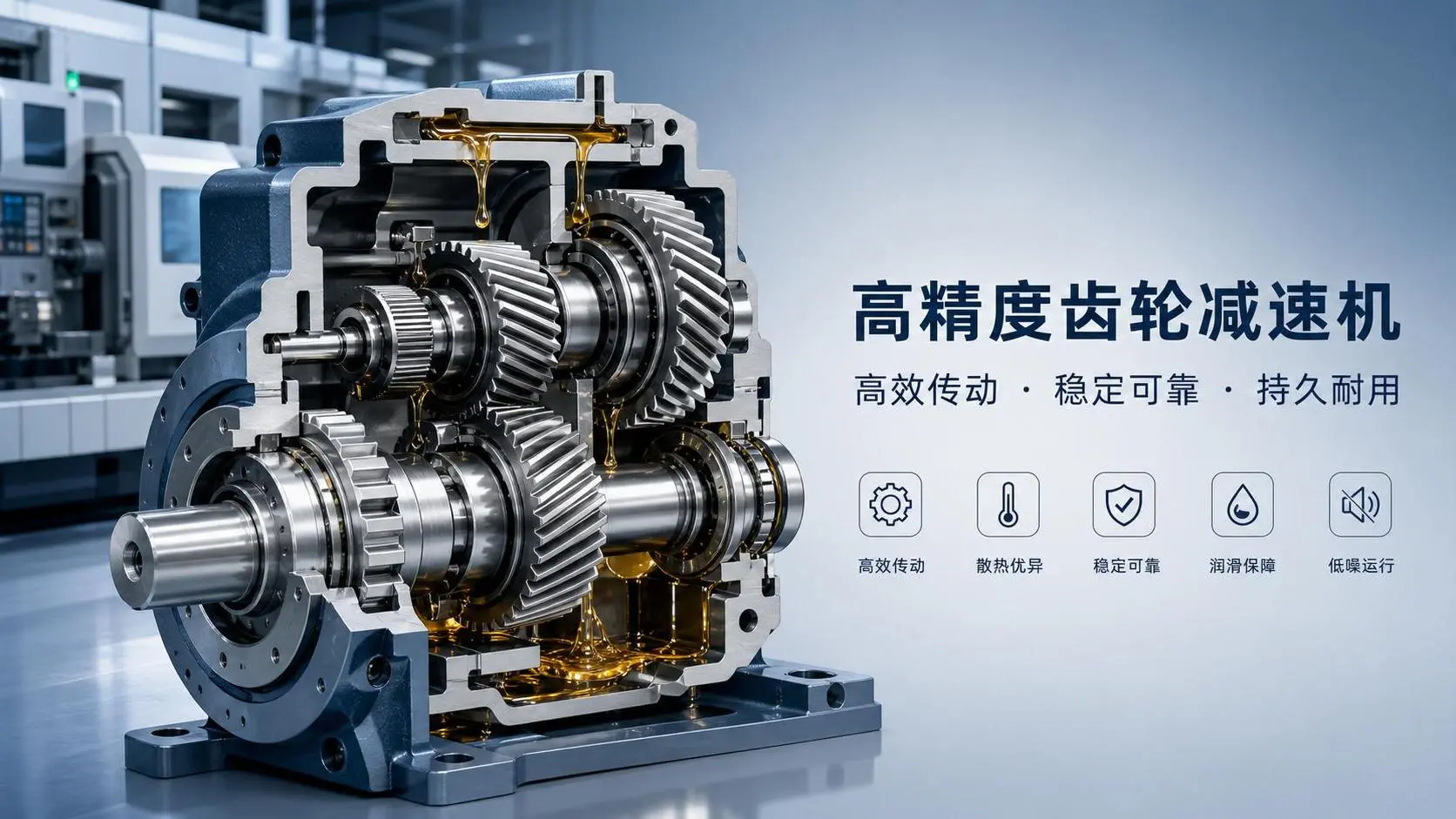
Mechanical Efficiency in Gear Reducers: Which Design Factors Have the Biggest Impact?
Mechanical efficiency in gear reducers starts with design. Discover how gear geometry, lubrication, bearings, and seals impact losses, heat, reliability, and lifecycle cost.
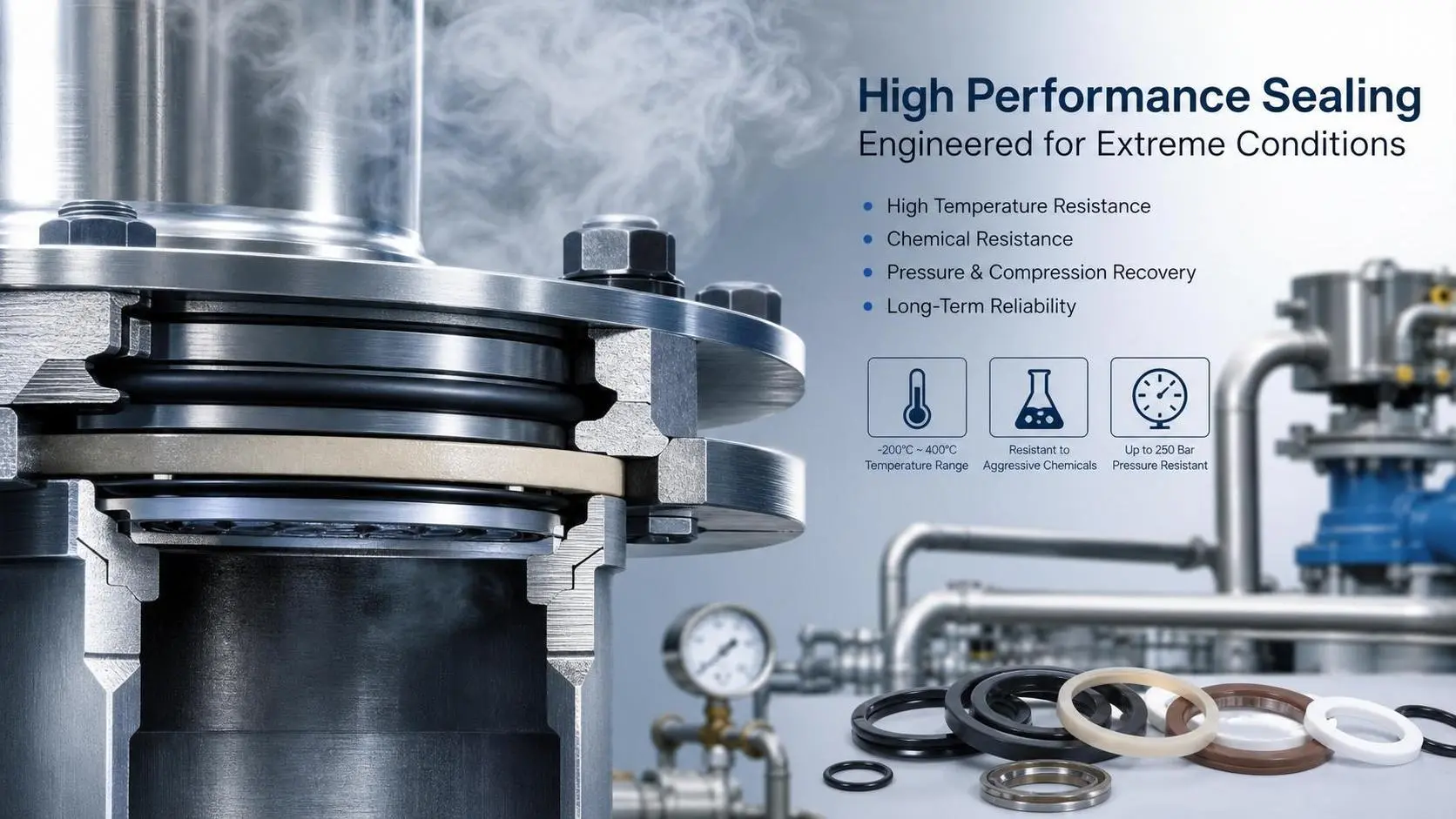
High-Performance Materials for Seals and Gaskets: What Properties Matter Most?
High-performance materials for seals and gaskets: learn which properties matter most for leak control, longer service life, lower maintenance costs, and safer, more reliable equipment.