
Industry News
Curation by industry experts
Hot Articles
Popular Tags
Where does reliability engineering in transmission pay off?
For project managers accountable for uptime, budgets, and delivery risk, reliability engineering in transmission pays off wherever a failed belt, gearbox, coupling, bearing, or seal can stop production.
It also pays where failure triggers safety exposure, energy loss, warranty cost, or schedule disruption across automated lines, heavy equipment, and continuous processes.
In modern industry, reliability engineering in transmission is not only maintenance discipline. It is a practical lever for lifecycle cost, efficiency, and operational certainty.
Where does reliability engineering in transmission create the clearest return?
Reliability engineering in transmission creates the clearest return where mechanical power flow is mission-critical, highly loaded, or difficult to access.
The payoff is strongest when one small component can stop an entire production cell, conveyor network, pump train, or mobile machine.
Typical high-return areas include gear reducers, synchronous belts, chain drives, couplings, bearings, mechanical seals, clutches, and brake assemblies.
These parts often look modest on a bill of materials. Their failure impact, however, can be disproportionately large.
- Critical conveyors feeding packaging, mining, logistics, or food processing lines.
- Gearboxes driving mixers, crushers, extruders, mills, pumps, or fans.
- High-cycle servo axes in robotics and automated assembly.
- Rotating equipment where seal leakage causes contamination or shutdown.
- Remote equipment where replacement requires cranes, travel, or production isolation.
In these locations, reliability engineering in transmission converts uncertainty into measurable control through better design, inspection, lubrication, alignment, and condition monitoring.
What does reliability engineering in transmission really mean?
Reliability engineering in transmission means applying structured methods to ensure torque, speed, and motion transfer remain stable under real operating conditions.
It goes beyond choosing a stronger component. It studies load patterns, duty cycles, environment, installation quality, degradation modes, and maintenance behavior.
A belt may fail from heat, misalignment, tension error, chemical exposure, pulley wear, or shock loading. The correct answer depends on evidence.
A gearbox may fail from lubricant breakdown, bearing fatigue, micropitting, overload, contamination, resonance, or poor cooling.
Effective reliability engineering in transmission identifies which mode is most probable, which is most severe, and which is most preventable.
Core methods used in transmission reliability
- Failure mode and effects analysis for belts, gears, seals, shafts, and couplings.
- Root cause analysis after abnormal wear, heat, leakage, or vibration.
- Life estimation using duty cycle, load spectrum, and environmental stress.
- Predictive maintenance using vibration, oil analysis, temperature, and acoustic data.
- Design review for lubrication, alignment, access, guarding, and spare strategy.
The goal is not theoretical perfection. The goal is fewer surprises, shorter stoppages, safer operation, and lower total ownership cost.
Which applications benefit most from reliability engineering in transmission?
The best candidates are applications with high downtime cost, harsh conditions, repetitive failures, or limited maintenance windows.
Reliability engineering in transmission often pays fastest in continuous production, where one unplanned failure can erase weeks of maintenance savings.
Automated manufacturing and motion control
Robotics, pick-and-place systems, packaging equipment, and indexing tables need repeatable motion with minimal backlash, vibration, and positional drift.
Here, reliability engineering in transmission supports precise belt selection, reducer sizing, coupling stiffness, bearing preload, and lubrication intervals.
Heavy industry and bulk material handling
Mining, cement, metals, pulp, ports, and recycling expose drives to dust, shock loads, heat, moisture, and abrasive contamination.
The value comes from stronger sealing, contamination control, proper service factors, torque limiting, and early warning from vibration trends.
Energy, water, and process plants
Pumps, compressors, cooling towers, agitators, and fans require stable mechanical power transfer over long operating periods.
Reliability engineering in transmission protects production continuity by reducing seal leakage, bearing distress, shaft misalignment, and lubricant contamination.
Mobile equipment and remote assets
Construction, agricultural, marine, and off-highway systems create high service costs when driveline or sealing failures occur far from workshops.
In these cases, extended component life and better diagnostics reduce travel, inventory pressure, and emergency repair exposure.
How can the payoff be measured before investment?
The payoff should be measured through avoided downtime, reduced maintenance labor, lower energy loss, longer component life, and fewer emergency purchases.
Reliability engineering in transmission becomes easier to justify when each failure mode is linked to a financial consequence.
A practical evaluation starts with three numbers: failure frequency, downtime duration, and cost per downtime hour.
Then add secondary losses, including scrap, cleanup, overtime, expedited freight, customer penalties, safety events, and energy waste.
If the table shows several high signals, reliability engineering in transmission is usually easier to defend than reactive replacement.
What decisions determine whether reliability work succeeds?
Success depends on decisions made before installation, during commissioning, and throughout the operating life of the transmission system.
A common mistake is treating reliability engineering in transmission as a sensor project only. Data matters, but basics still dominate outcomes.
Selection and sizing
Components should be selected against real torque peaks, starts per hour, shock loads, temperature, contamination, and alignment tolerance.
Oversizing can waste energy and space. Undersizing can accelerate wear, heat, fatigue, and seal degradation.
Installation quality
Belt tension, shaft alignment, coupling fit, bolt torque, lubrication cleanliness, and seal handling decide whether expected life becomes actual life.
Reliability engineering in transmission should include commissioning checks, baseline vibration readings, and documented acceptance criteria.
Maintenance strategy
Time-based replacement is simple, but it may replace healthy parts or miss rapid failures between intervals.
Condition-based maintenance improves timing when vibration, oil condition, temperature, and process behavior are tracked consistently.
Spare parts and standardization
Standardized belts, bearings, seals, and reducers simplify inventory, reduce wrong-part risk, and shorten restoration time.
Yet standardization must not ignore duty differences. A low-speed dusty conveyor and a high-speed servo axis need different logic.
What risks and misconceptions reduce the return?
Several misconceptions can weaken the return from reliability engineering in transmission, even when budgets are available.
- Assuming premium components solve poor alignment or contamination.
- Collecting sensor data without decision rules or response ownership.
- Ignoring transient loads during startup, jam clearing, or emergency stops.
- Using catalog life without adjusting for actual environment.
- Treating seals, lubricants, and mounting hardware as minor accessories.
Another risk is focusing only on purchase price. The cheapest replacement may increase downtime, labor, energy loss, and repeat failure frequency.
Reliability engineering in transmission works best when procurement, engineering, operations, and maintenance share the same lifecycle cost view.
Documentation is also essential. Failure photographs, lubricant reports, vibration history, and installation records turn experience into reusable knowledge.
FAQ: How should reliability engineering in transmission be applied?
For broader benchmarking, intelligence platforms such as GPT-Matrix help connect material science, tribology, market signals, and component reliability trends.
This context supports better decisions on belts, reducers, seals, couplings, and long-life mechanical transmission components across global industries.
Conclusion: Where does the investment pay off first?
Reliability engineering in transmission pays off first where downtime is expensive, access is difficult, loads are severe, or failures are recurring.
It also pays where energy efficiency, safety, cleanliness, and schedule certainty carry strategic value beyond component price.
The practical next step is to rank transmission assets by downtime impact, failure history, repair complexity, and improvement feasibility.
Then select one pilot asset, define failure modes, correct basic installation issues, and establish measurable reliability indicators.
With disciplined execution, reliability engineering in transmission turns mechanical power systems from hidden risk points into controllable performance assets.
Recommended News

How to Evaluate an Automated Production Supplier for a High-Uptime Manufacturing Line
Automated production supplier evaluation guide: assess uptime, maintainability, lifecycle cost, service support, and acceptance criteria for reliable manufacturing.
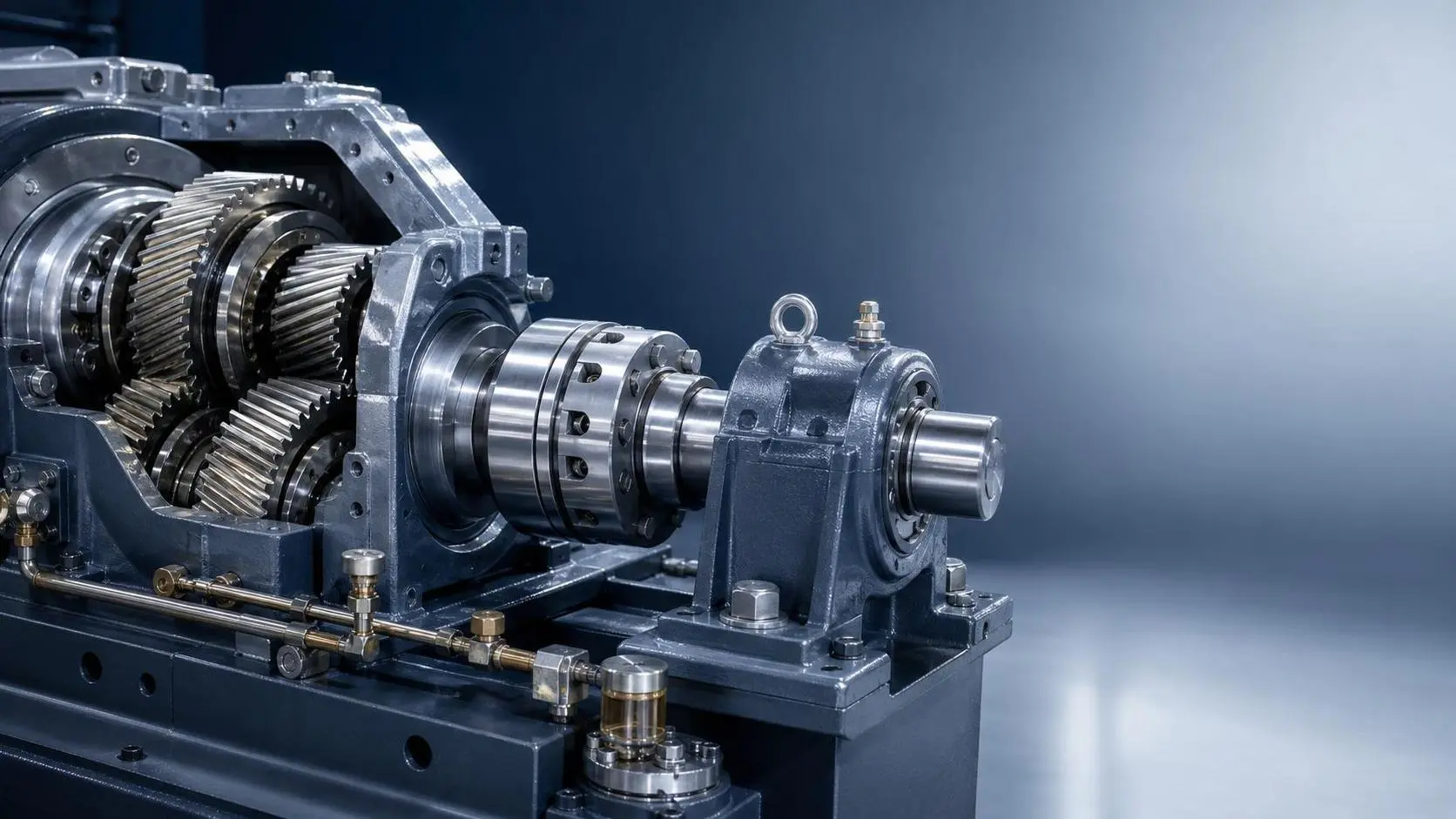
Designing Reliable Mechanical Transmissions: Load, Lubrication, and Fatigue Factors
Reliability in mechanical transmission design starts with real duty cycles. Explore load, lubrication, alignment, and fatigue factors for longer service life.
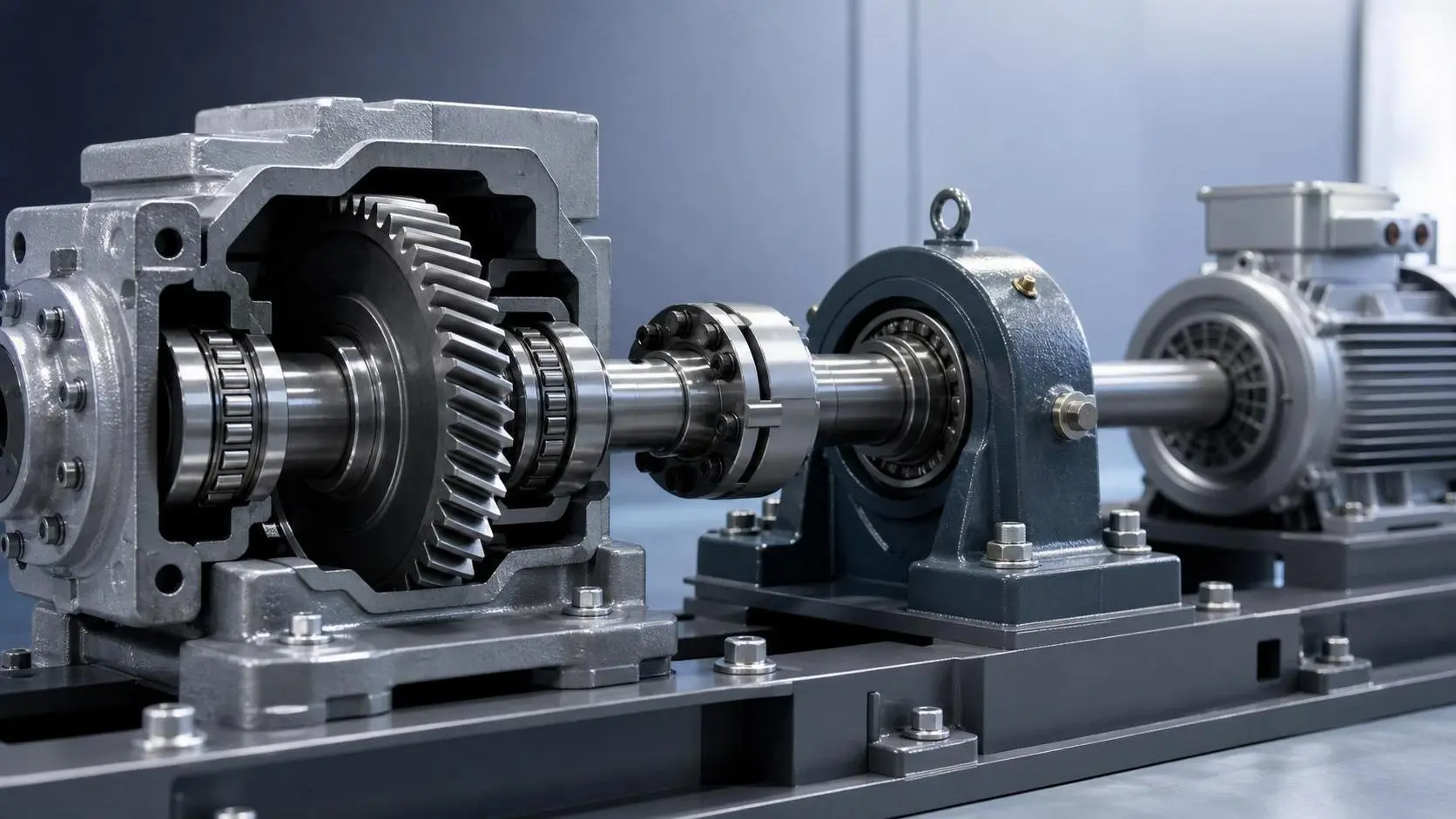
How to Define Load Requirements in Component Specifications for Safe Selection
Component specification guidance for load requirements: define load paths, duty cycles, peaks, environmental limits, and safety margins for safer component selection.
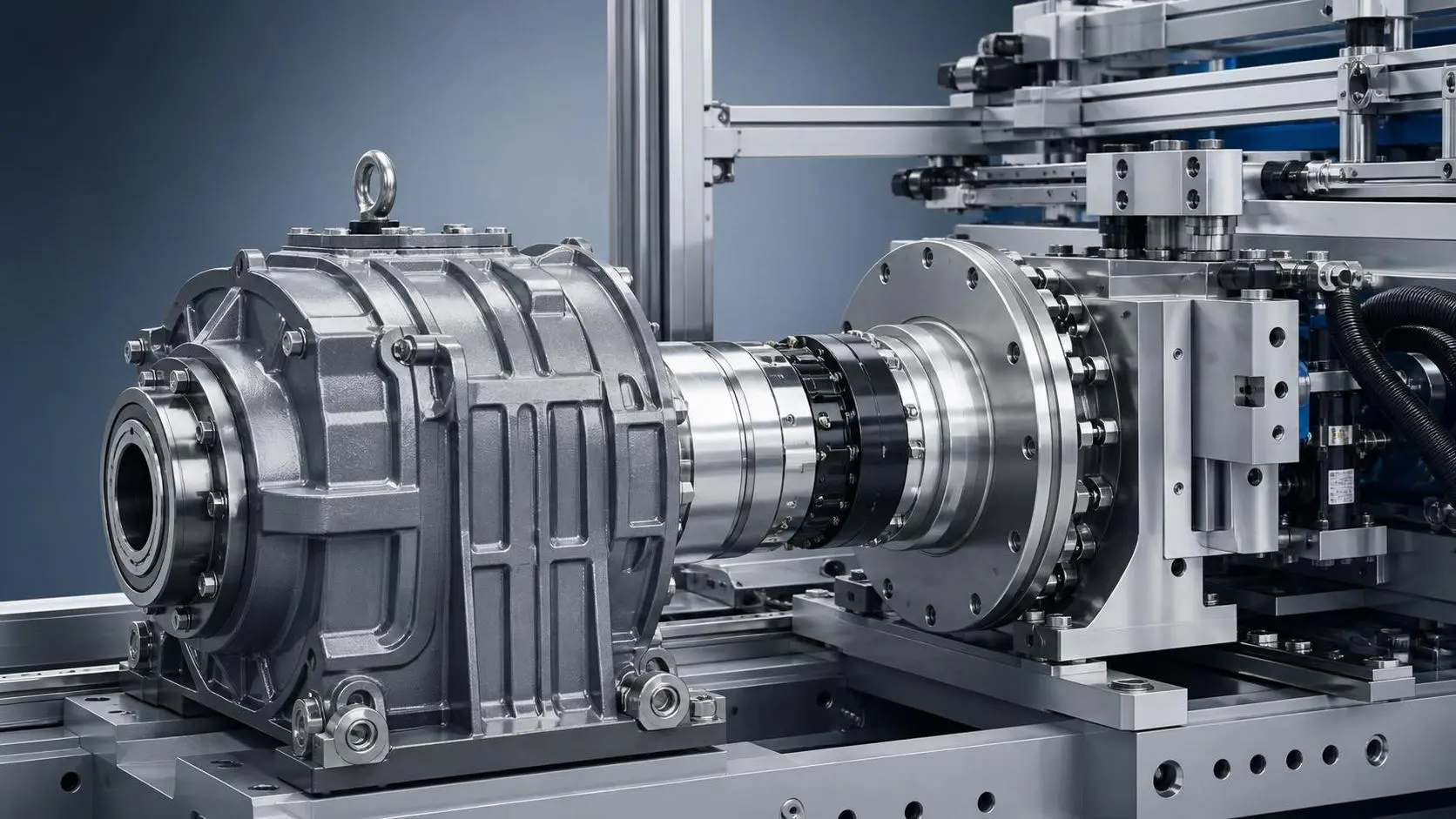
How to Evaluate Precision Engineered Transmissions for High-Load Industrial Systems
Precision engineered transmissions for high-load systems: learn how to assess load profiles, thermal limits, sealing, stiffness, and lifecycle reliability for smarter industrial decisions.
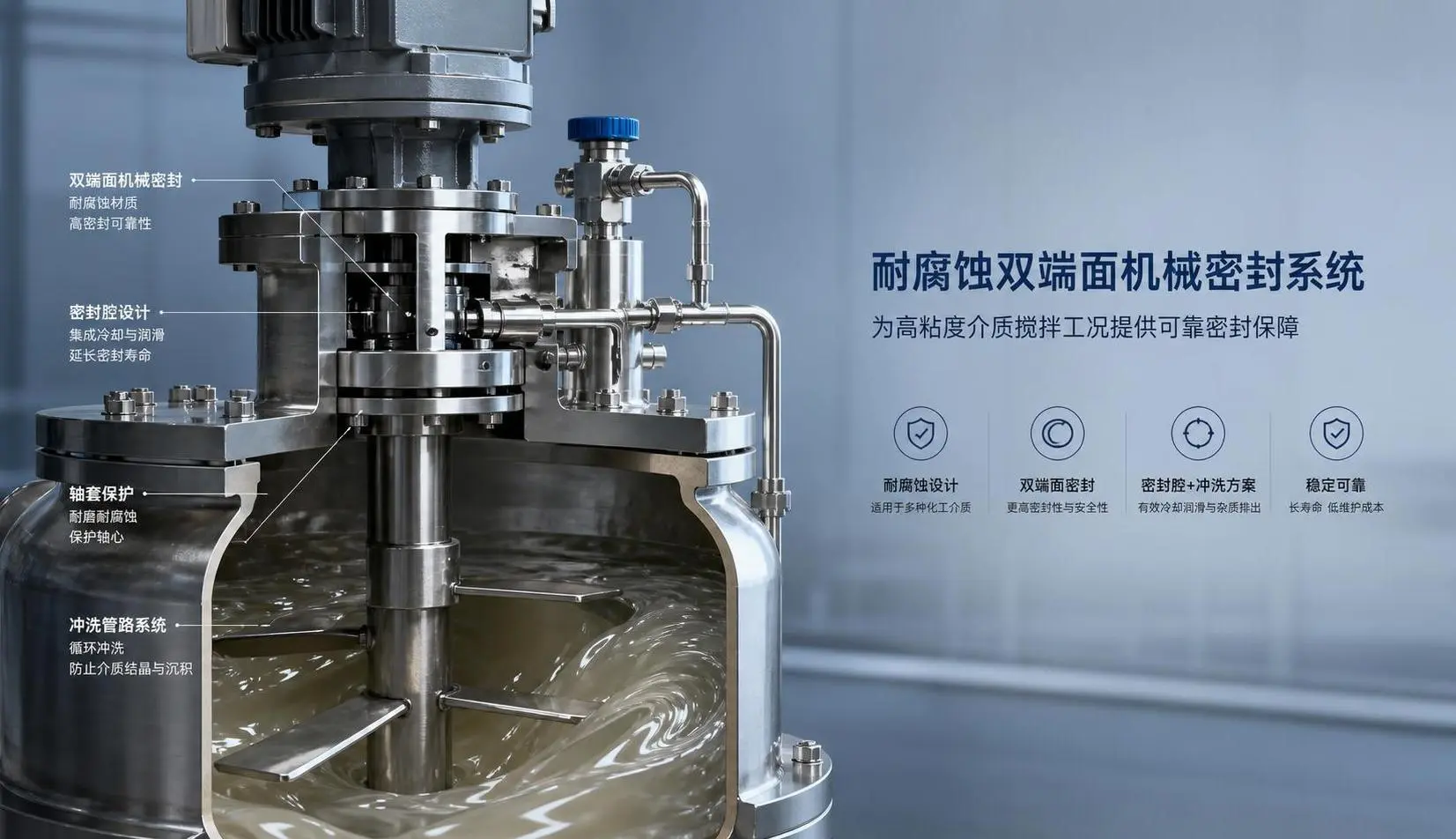
How to Select Mechanical Seals for Mixers in Corrosive or High-Viscosity Processes
Mechanical seals for mixers in corrosive or high-viscosity processes require the right materials, design, and support system. Learn how to choose a reliable seal and reduce leaks, downtime, and maintenance.
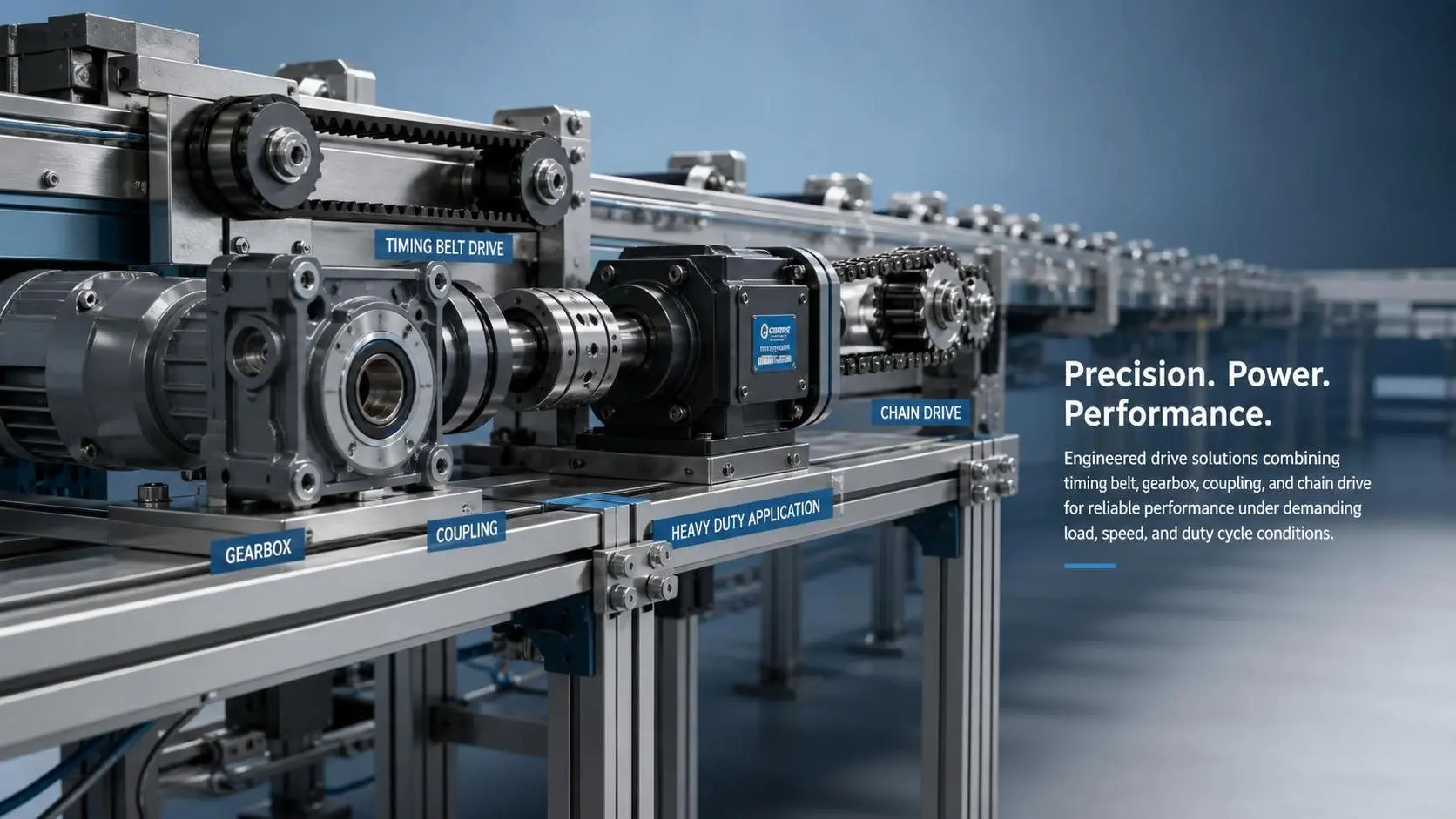
How to Select Automated Line Drive Components for Load, Speed, and Duty Cycle?
Automated line drive components selection starts with real load, speed, and duty cycle analysis. Learn how to reduce failures, improve reliability, and choose smarter for demanding production lines.
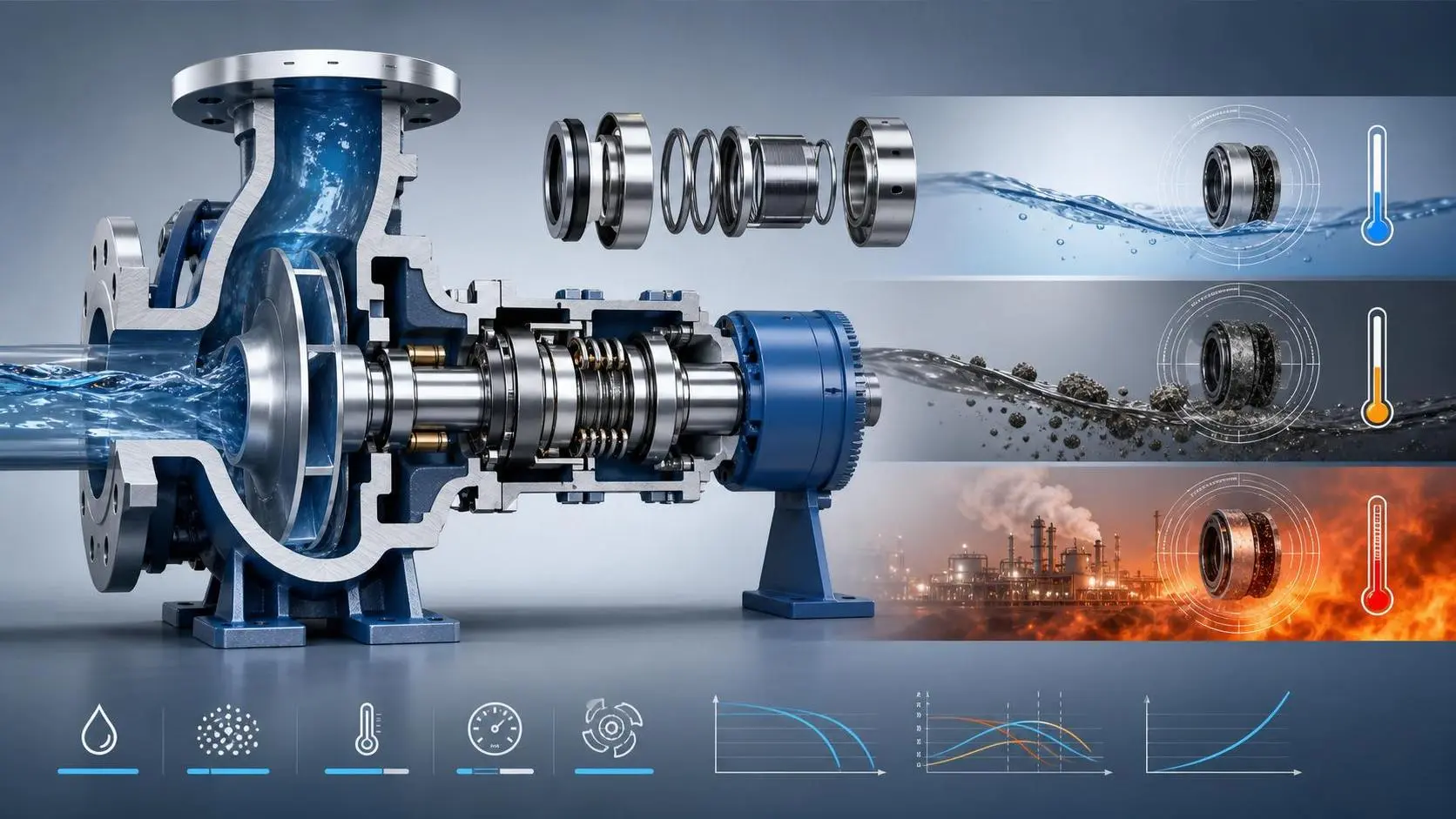
How to Choose Mechanical Seals for Industrial Applications by Fluid and Operating Conditions
Mechanical seals for industrial applications: learn how to match seal types, materials, and support systems to fluid properties, pressure, temperature, speed, and solids for longer service life.
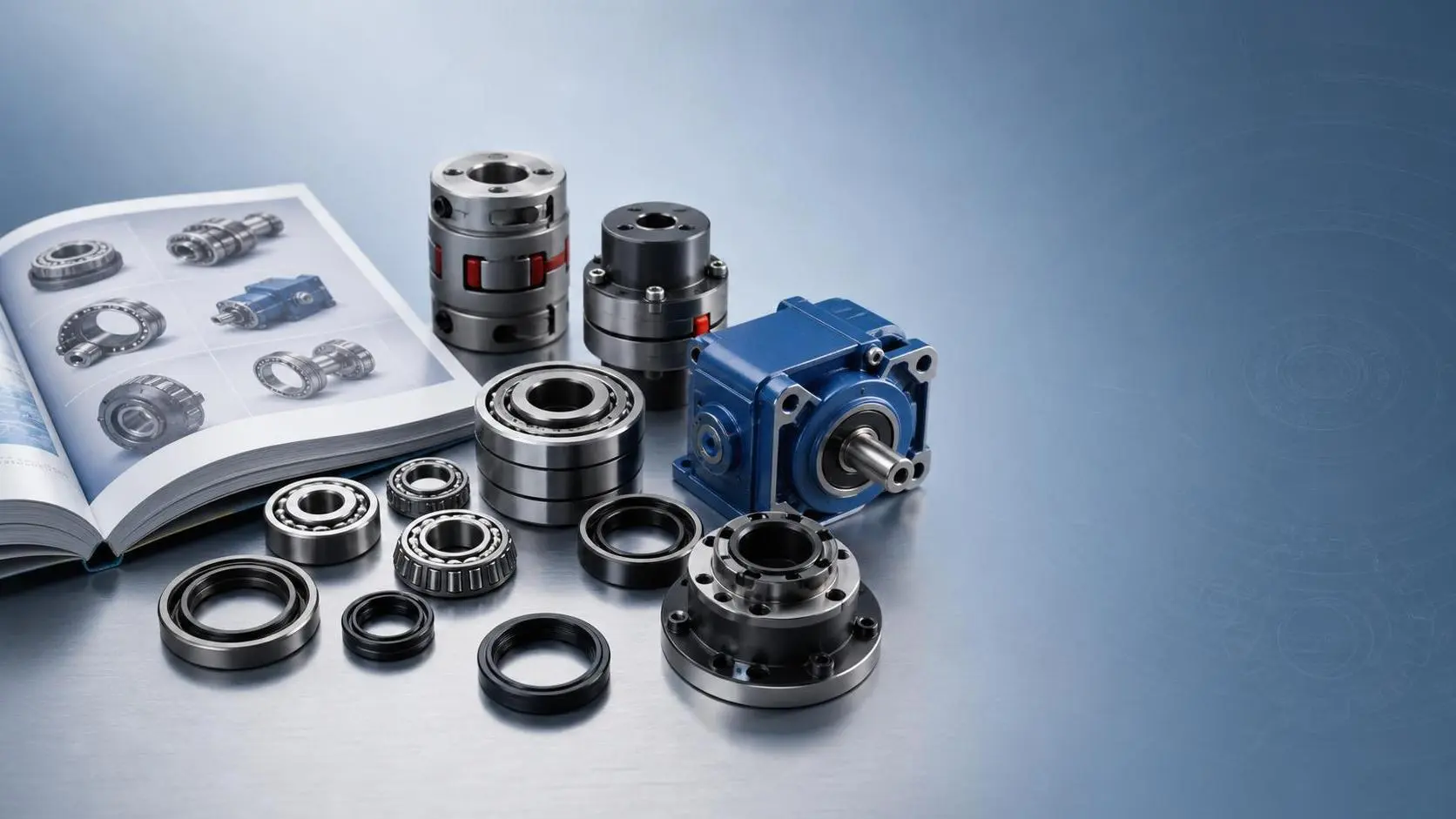
How to Use an Industrial Component Applications Catalog for Faster Part Selection
Industrial component applications catalog guide: learn how to screen parts faster, cut selection errors, and build a smarter shortlist for reliable industrial sourcing.
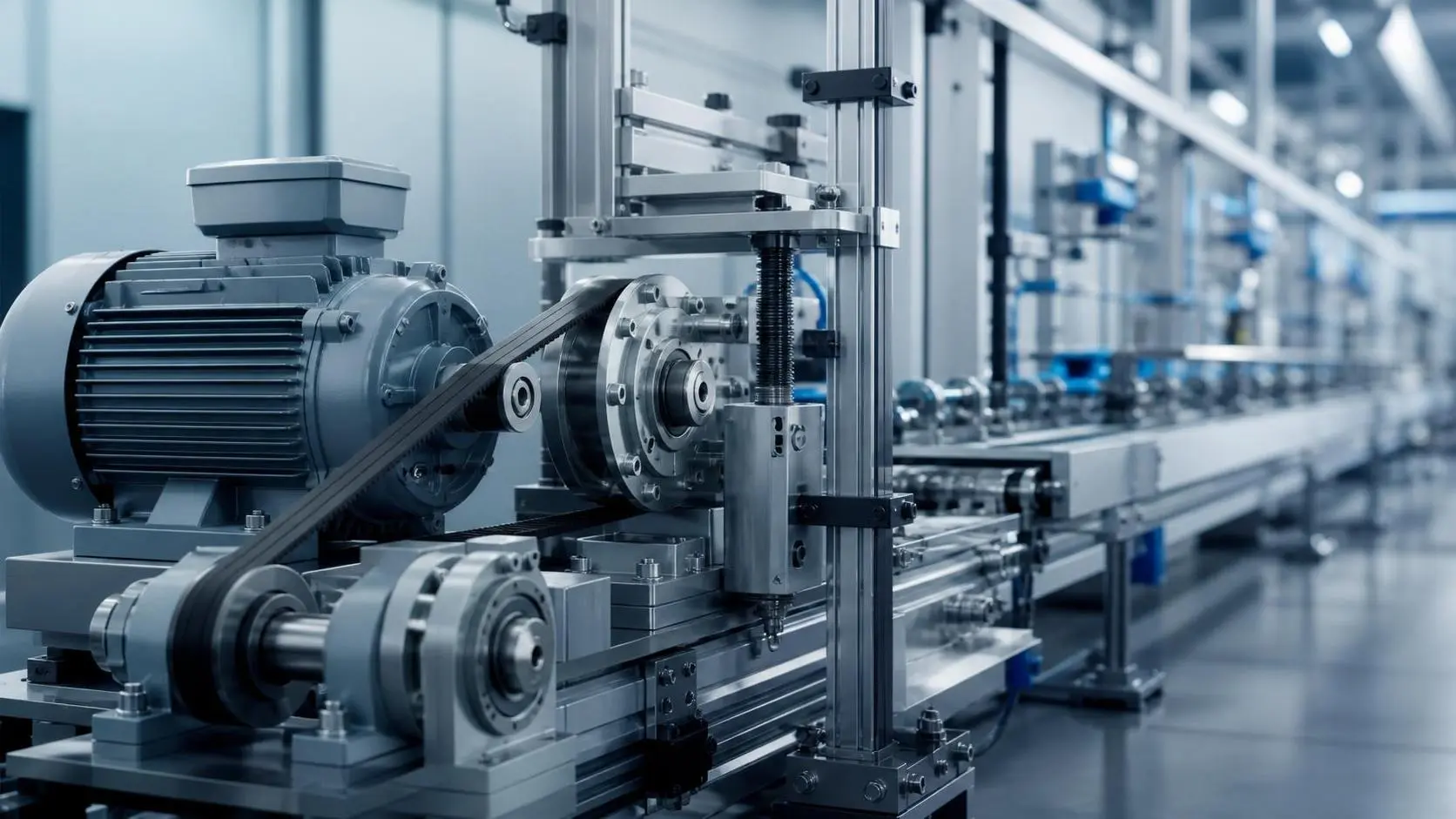
When Does a Mechanical Efficiency Optimization Service Deliver Real ROI?
Mechanical efficiency optimization service ROI becomes real when it cuts energy waste, downtime, and maintenance costs in critical assets. Learn when optimization truly pays off.