
Industry News
Curation by industry experts
Hot Articles
Popular Tags
How Is Material Science Changing Industrial Design?
Material science is reshaping industrial design by redefining what machines, components, and production systems can achieve under pressure, heat, friction, and long-term operational stress. For information researchers tracking the future of power transmission, motion control, and sealing technologies, material innovation is no longer a background discipline—it is a strategic driver of efficiency, durability, sustainability, and competitive differentiation across modern manufacturing.
Why material science now sits at the center of industrial design decisions
Industrial design used to begin with geometry, load calculation, and manufacturing feasibility. Today, material science often determines whether that design can survive real operating conditions.
In power transmission systems, a belt, chain, coupling, bearing surface, gear tooth, or seal face is never only a shape. It is a material system.
The shift matters because factories are asking components to run longer, consume less energy, tolerate harsher environments, and require fewer shutdowns.
- Higher line speeds increase thermal stress, centrifugal force, vibration, and surface fatigue in rotating and reciprocating components.
- Automation reduces manual inspection windows, so materials must support predictable maintenance intervals and sensor-based monitoring.
- Green manufacturing pressures designers to reduce friction losses, lubrication demand, scrap rates, and energy-intensive replacements.
- Global supply uncertainty makes material substitution, qualification, and lifecycle risk analysis more important for procurement teams.
For information researchers, the key question is not simply which material is stronger. It is which material science pathway improves total system value.
Where material science changes mechanical components most visibly
The strongest impact appears where motion, load, heat, and contamination meet. These are the zones where industrial failures usually begin.
GPT-Matrix observes these changes through the lens of mechanical joints and power hearts, linking material science to transmission logic and commercial decisions.
The table below summarizes how material science affects common industrial components across power transmission, sealing, and motion control applications.
This comparison shows why material science cannot be separated from industrial design. The same geometry may perform differently when material behavior changes.
From component strength to system reliability
A stronger material is not always the right material. Industrial design must evaluate stiffness, damping, chemical compatibility, wear debris, and maintenance behavior together.
For example, a high-hardness surface may resist abrasion but become vulnerable to brittle failure if shock loads are frequent.
How information researchers should evaluate material innovation claims
Material science claims can sound persuasive, but researchers need a repeatable method to judge whether a breakthrough has practical value.
A useful evaluation framework starts with the operating environment, then connects properties to failure modes, compliance demands, cost, and availability.
- Define the dominant stress: tension, compression, torsion, bending fatigue, sliding wear, impact, corrosion, or thermal cycling.
- Identify the failure mode the material science improvement is intended to reduce, not just the headline property.
- Check whether the design requires supporting changes in lubrication, pulley profile, shaft alignment, seal housing, or installation procedure.
- Review supply chain risk, including raw material availability, regional processing capability, and qualification lead time.
- Compare lifecycle cost instead of unit price, especially where downtime is more expensive than the component itself.
This approach helps information researchers avoid overvaluing laboratory indicators that do not translate into industrial reliability.
What GPT-Matrix adds to the research process
GPT-Matrix connects material science findings with sector news, tribology analysis, energy cost signals, and mechanical component demand patterns.
Its Strategic Intelligence Center helps researchers interpret whether a material trend is technically meaningful, commercially viable, and relevant to power transmission applications.
Which material science parameters matter for selection?
Selection depends on measurable performance indicators. Researchers should translate design goals into parameters that procurement and engineering teams can verify.
The following table outlines practical parameters often used when comparing material science options for industrial mechanical components.
A good material science review does not rank every material universally. It matches parameters to load cases, operating media, maintenance practices, and risk tolerance.
Material comparison: traditional choices versus advanced industrial materials
Industrial designers rarely replace traditional materials without constraints. Cost, processing familiarity, standardization, and supplier access still influence decisions.
Material science is changing this balance by making advanced materials more targeted, rather than simply more expensive.
The comparison below helps researchers understand where substitution may be justified in power transmission and mechanical component design.
The best material science choice is often hybrid. A traditional substrate plus a specific treatment may outperform a full material replacement.
Cost should be evaluated through downtime, not only purchase price
A premium seal face, belt compound, or coated gear may be justified when it prevents contamination, unplanned stoppage, or frequent labor intervention.
Researchers should compare unit cost with maintenance frequency, machine criticality, energy consumption, spare inventory, and qualification workload.
Application scenarios where material science changes design priorities
Different industries experience material limitations differently. A packaging line, mining conveyor, wind turbine, and chemical pump do not share the same design priority.
For information researchers, scenario mapping helps turn broad material science news into practical industrial design insight.
Automated production lines
Automation demands repeatability. Belts, couplings, and guide components must resist elongation, dust, lubricant mist, and continuous start-stop cycles.
Here, material science supports stable positioning, reduced noise, and predictable maintenance schedules across high-throughput manufacturing cells.
Heavy equipment and mining systems
Heavy-duty machinery faces shock loading, abrasive particles, misalignment, moisture, and wide temperature variation. Material toughness becomes as important as hardness.
Designers may prioritize wear-resistant steels, reinforced elastomers, contamination-tolerant bearings, and sealing materials that handle mud, vibration, and pressure spikes.
Food, pharmaceutical, and clean processing
Clean processing environments introduce strict requirements for chemical resistance, washdown tolerance, particle control, and material traceability.
Material science choices must consider cleaning agents, corrosion, hygienic design principles, and compatibility with recognized food-contact or cleanroom expectations.
Procurement guide: what should researchers verify before recommending a material route?
Procurement difficulty often begins when engineering language, supplier claims, and budget limits are not aligned. A structured checklist reduces ambiguity.
Before recommending a material science upgrade, researchers should clarify whether the issue is performance, compliance, delivery, or total operating cost.
- Ask for the actual operating temperature range, including nearby heat sources, duty cycles, and cleaning or sterilization conditions.
- Confirm load profile, speed, torque fluctuation, shock frequency, shaft alignment, and expected service interval.
- Review contact media such as oils, fuels, acids, alkalis, solvents, coolants, dust, water, and food ingredients.
- Check whether relevant standards, such as ISO, ASTM, DIN, or industry-specific requirements, apply to testing or documentation.
- Evaluate lead time, sample availability, qualification testing, technical documentation, and the risk of changing suppliers.
This checklist helps turn material science research into actionable procurement recommendations for buyers, distributors, and technical decision teams.
When should a company avoid a material upgrade?
A material upgrade may be premature if failure is caused by poor alignment, incorrect installation, undersized components, inadequate lubrication, or operating misuse.
In those cases, material science can support improvement, but it should not hide a root-cause problem in mechanical design or maintenance practice.
Standards, certification, and compliance considerations
Material science decisions increasingly interact with compliance. Designers may need evidence for safety, environmental performance, food contact, or process reliability.
The applicable requirement depends on region, industry, product function, and customer specification. Researchers should avoid assuming one certificate covers every use case.
- ISO and ASTM methods may support material testing, terminology, mechanical properties, and comparative performance evaluation.
- RoHS and REACH considerations may affect material selection for equipment sold into regulated markets.
- Food and beverage applications may require review of material composition, migration risk, cleaning compatibility, and supplier documentation.
- Explosion-risk or safety-critical environments may require additional review beyond ordinary mechanical performance data.
GPT-Matrix does not replace project-specific certification review. It helps researchers identify which compliance questions should be raised early.
Common misconceptions about material science in industrial design
Misreading material science can lead to expensive overengineering or risky substitutions. Researchers should challenge simplified claims before influencing procurement decisions.
Misconception one: the newest material is always the better material
A newer material may offer advantages in one property while creating problems in joining, inspection, dimensional stability, or field repair.
Misconception two: hardness alone predicts wear life
Wear depends on surface finish, lubrication, contact pressure, contaminants, mating material, temperature, and motion type. Hardness is only one variable.
Misconception three: laboratory performance equals field performance
Field conditions combine vibration, contamination, poor alignment, maintenance variation, and temperature changes. Material science data must be interpreted in context.
FAQ: practical questions researchers ask about material science
The following questions reflect common search and procurement concerns when material science intersects with power transmission and mechanical component design.
How does material science improve energy efficiency?
It can reduce friction, lower rotating mass, improve belt flexibility, stabilize lubrication, and reduce heat loss. The benefit depends on duty cycle.
Which applications benefit most from advanced materials?
High-speed drives, abrasive conveyors, chemical pumps, robotic axes, washdown systems, and remote equipment usually benefit because downtime costs are high.
What should procurement teams ask suppliers first?
Ask for operating limits, test methods, chemical compatibility data, expected service conditions, documentation availability, sample support, and recommended installation practices.
Can material science reduce maintenance costs?
Yes, when the selected material directly addresses the failure mode. It cannot compensate for poor alignment, overload, contamination, or incorrect installation.
Trends shaping the next phase of industrial design
Future industrial design will depend on tighter integration between material science, digital monitoring, manufacturing economics, and sustainability targets.
Three trends are especially relevant for researchers following power transmission, motion control, and critical sealing technologies.
- Smart maintenance will link material degradation patterns with vibration, temperature, torque, and leakage data from connected equipment.
- Hybrid material systems will combine substrates, coatings, fibers, fillers, and lubricants for highly specific operating windows.
- Lifecycle thinking will push designers to evaluate recyclability, energy use, replacement frequency, and material supply resilience.
For GPT-Matrix, these trends reinforce a central view: material science is not isolated research. It is intelligence for mechanical efficiency.
Why choose GPT-Matrix for material science and industrial component intelligence?
Information researchers need more than scattered news. They need structured interpretation that connects material science to mechanical performance and market movement.
GPT-Matrix supports research across drive belts, chains, gear reducers, bearings, motion systems, and mechanical seals with industry-focused intelligence.
- Consult us to confirm key parameters for temperature, torque, wear, chemical exposure, and lifecycle expectations.
- Request selection guidance when comparing conventional materials, composites, coatings, elastomers, or ceramic sealing options.
- Discuss delivery-cycle risk, qualification steps, documentation needs, sample support, and supplier communication priorities.
- Use Commercial Insights to understand where long-life, low-maintenance mechanical components are gaining structural demand.
If your research involves material science, power transmission, motion control, or sealing reliability, GPT-Matrix can help turn fragmented data into practical decisions.
Power Driving Industry, Intelligence Connecting the Globe is not only a slogan. It is a decision framework for modern industrial design.
Recommended News

How to Evaluate an Automated Production Supplier for a High-Uptime Manufacturing Line
Automated production supplier evaluation guide: assess uptime, maintainability, lifecycle cost, service support, and acceptance criteria for reliable manufacturing.
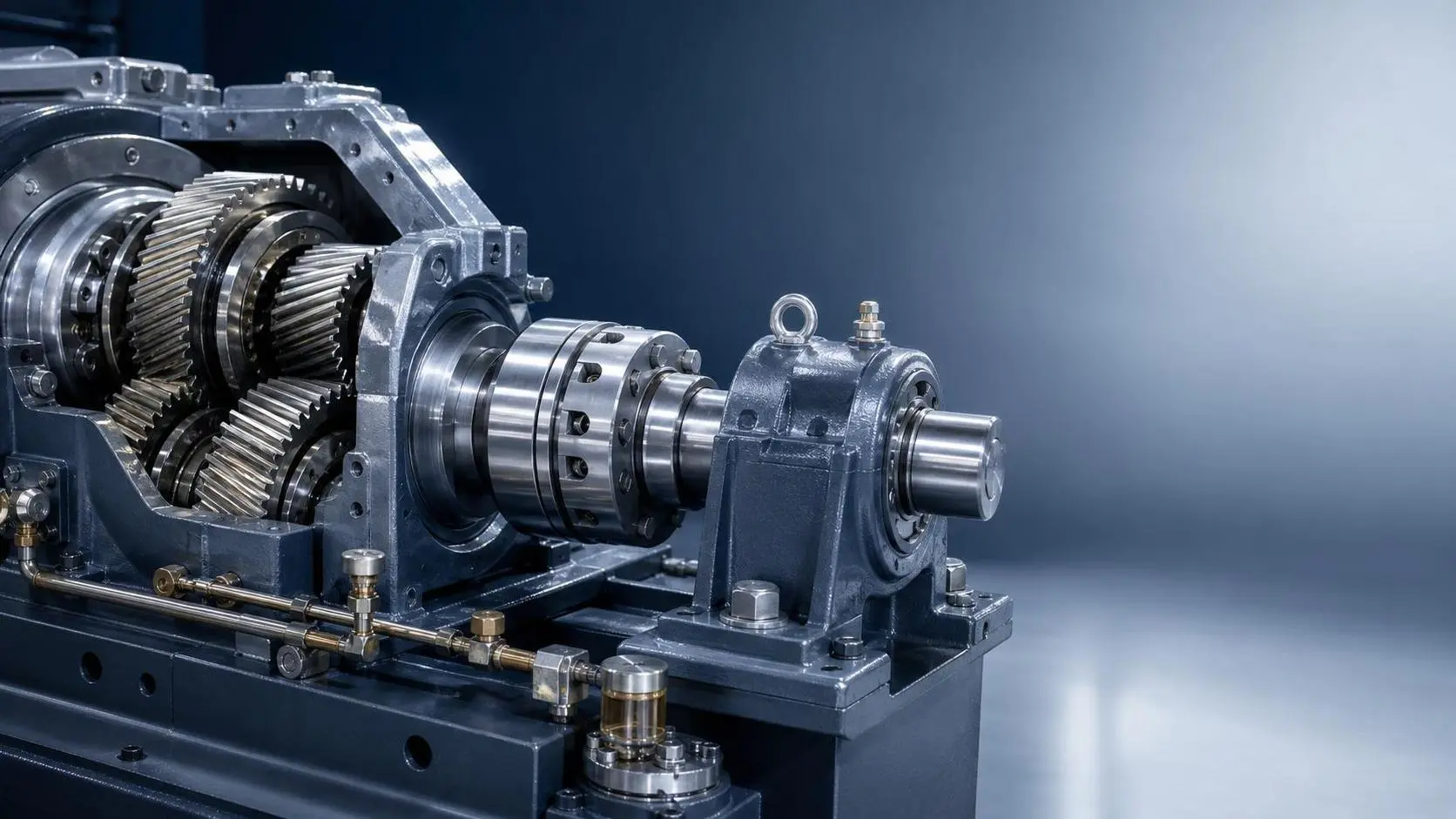
Designing Reliable Mechanical Transmissions: Load, Lubrication, and Fatigue Factors
Reliability in mechanical transmission design starts with real duty cycles. Explore load, lubrication, alignment, and fatigue factors for longer service life.
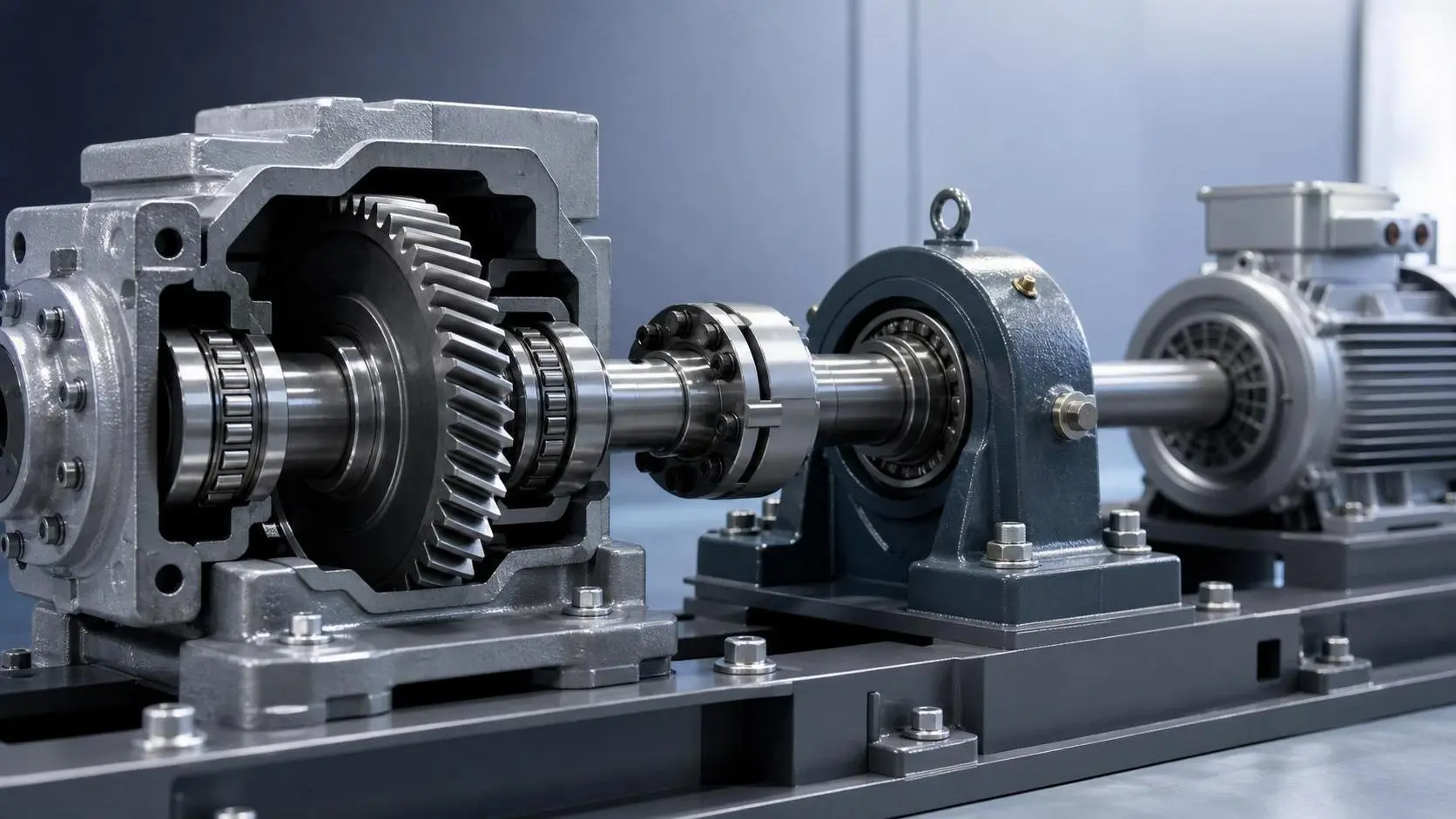
How to Define Load Requirements in Component Specifications for Safe Selection
Component specification guidance for load requirements: define load paths, duty cycles, peaks, environmental limits, and safety margins for safer component selection.
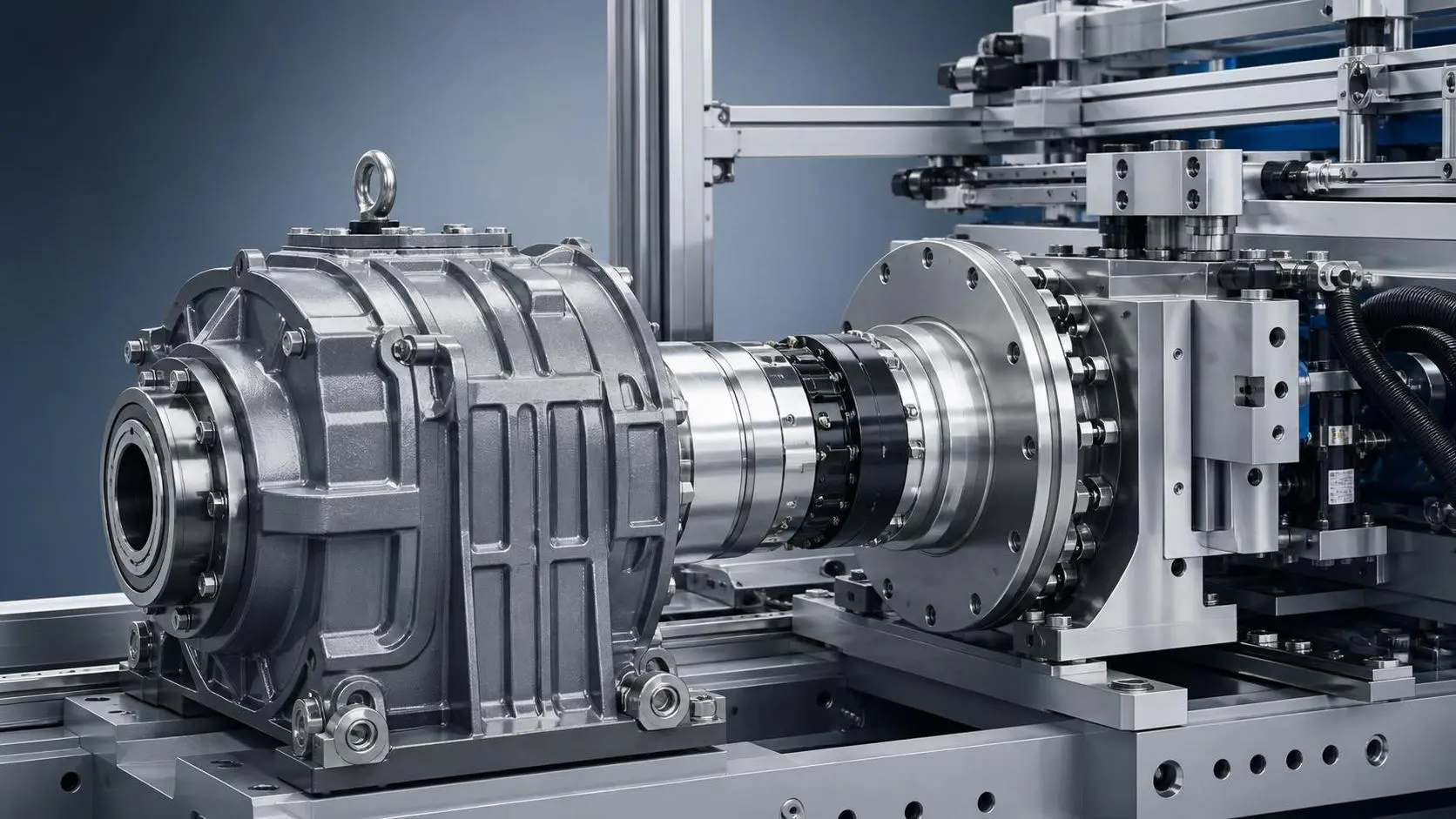
How to Evaluate Precision Engineered Transmissions for High-Load Industrial Systems
Precision engineered transmissions for high-load systems: learn how to assess load profiles, thermal limits, sealing, stiffness, and lifecycle reliability for smarter industrial decisions.

How to Select Mechanical Seals for Mixers in Corrosive or High-Viscosity Processes
Mechanical seals for mixers in corrosive or high-viscosity processes require the right materials, design, and support system. Learn how to choose a reliable seal and reduce leaks, downtime, and maintenance.
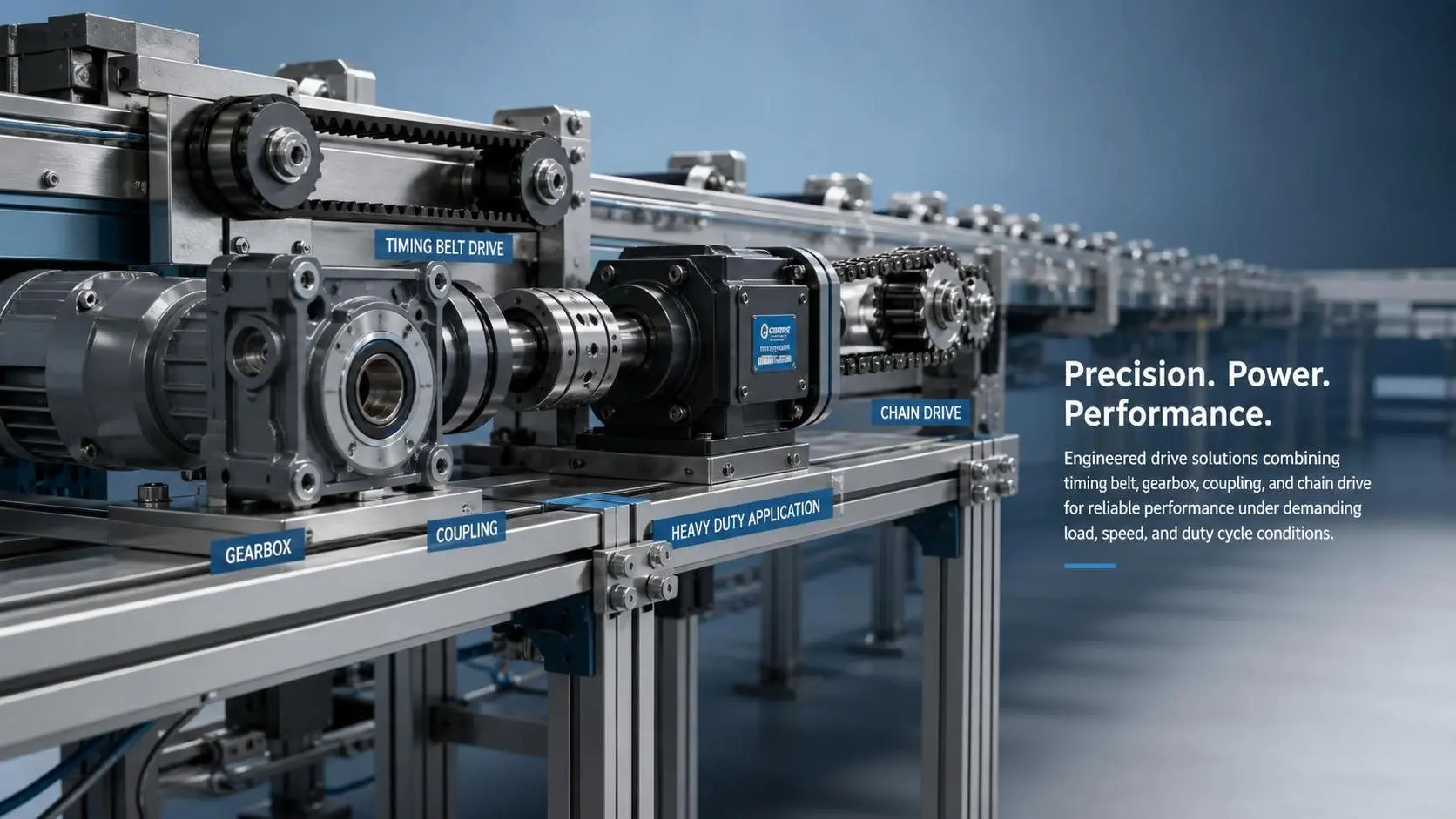
How to Select Automated Line Drive Components for Load, Speed, and Duty Cycle?
Automated line drive components selection starts with real load, speed, and duty cycle analysis. Learn how to reduce failures, improve reliability, and choose smarter for demanding production lines.
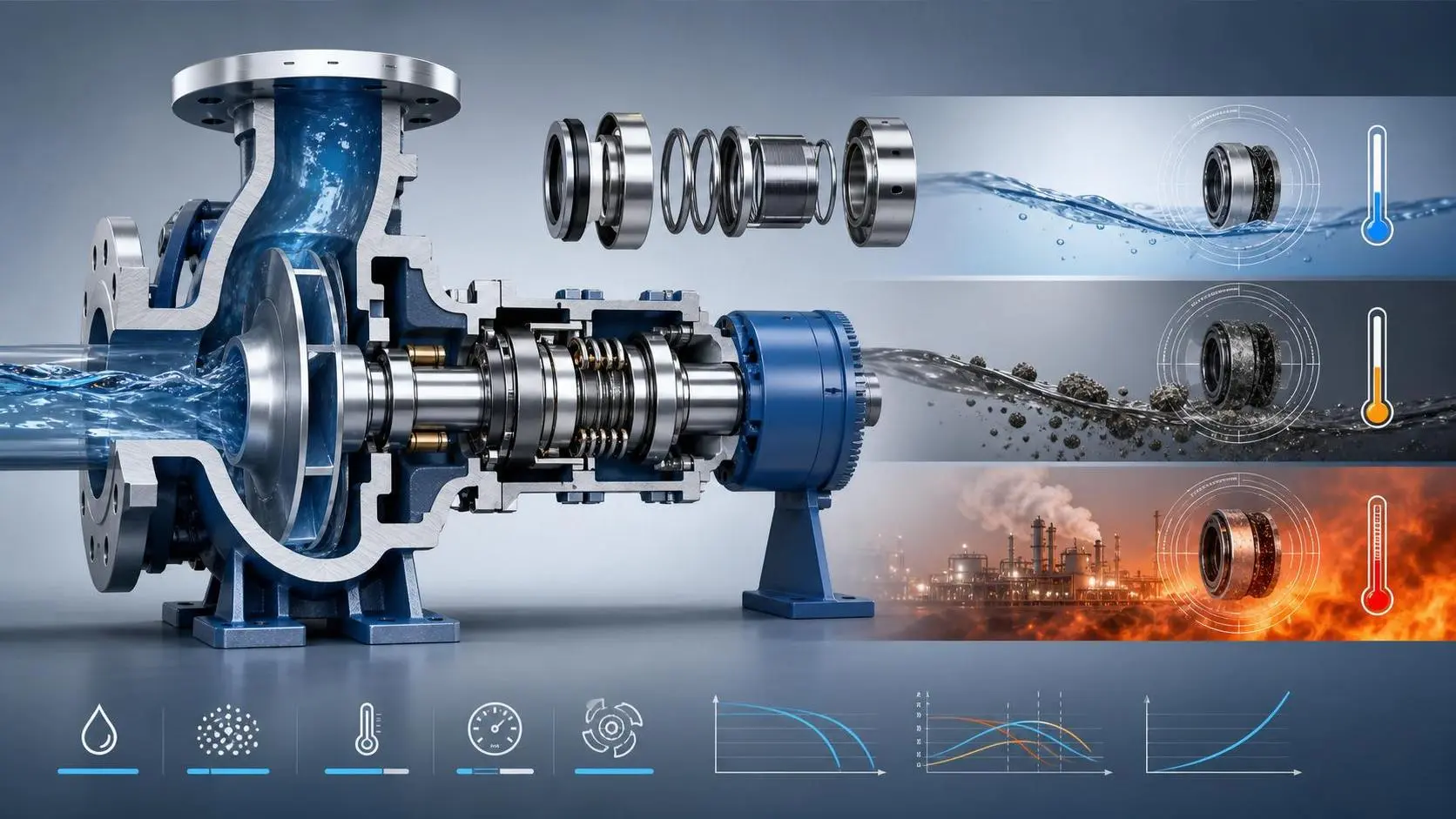
How to Choose Mechanical Seals for Industrial Applications by Fluid and Operating Conditions
Mechanical seals for industrial applications: learn how to match seal types, materials, and support systems to fluid properties, pressure, temperature, speed, and solids for longer service life.
How to Use an Industrial Component Applications Catalog for Faster Part Selection
Industrial component applications catalog guide: learn how to screen parts faster, cut selection errors, and build a smarter shortlist for reliable industrial sourcing.

When Does a Mechanical Efficiency Optimization Service Deliver Real ROI?
Mechanical efficiency optimization service ROI becomes real when it cuts energy waste, downtime, and maintenance costs in critical assets. Learn when optimization truly pays off.